12 Movies That Flopped At The Box Office But Became Timeless Classics
Some movies just don’t click with audiences right away, and theaters end up half-empty on opening weekend.
But here’s the cool part: a box office bomb doesn’t mean a film is actually bad.
Over time, many of these forgotten flicks found new fans through home video, streaming, and word-of-mouth, transforming into beloved classics that define entire generations.
1. The Shawshank Redemption (1994)
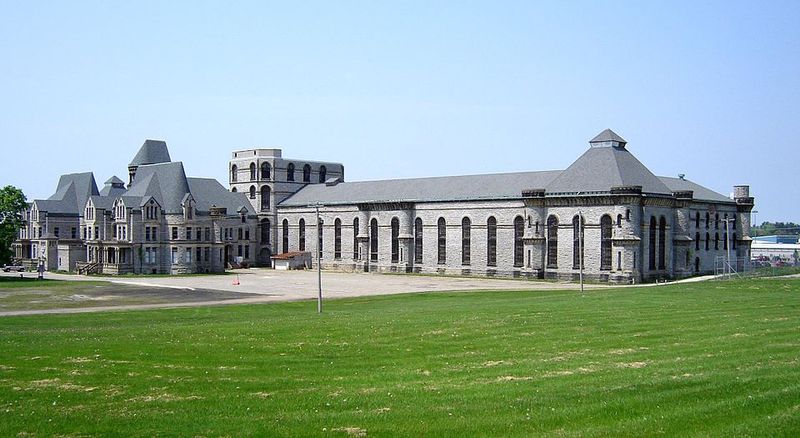
Frank Darabont’s prison drama barely made a dent when it hit theaters, earning just $28.7 million against a $25 million budget.
Audiences weren’t rushing to see a slow-burn story about hope behind bars.
But then something magical happened on VHS.
Rentals skyrocketed in 1995, and suddenly everyone was talking about Andy Dufresne’s incredible journey.
Now it sits at the top of IMDb’s greatest films list, proving that true quality always finds its audience eventually.
2. Blade Runner (1982)

Ridley Scott’s neon-soaked sci-fi noir confused moviegoers back in ’82.
It grossed barely $27 million on a $28 million budget, which Hollywood considered a total disaster.
Critics were split, and audiences wanted something more straightforward than philosophical questions about what makes us human.
Fast forward a few decades, and film schools worship its groundbreaking visuals.
The moody atmosphere and deep themes now define the cyberpunk genre completely.
3. The Thing (1982)
John Carpenter’s shape-shifting nightmare grossed only $19.9 million domestically against its $15 million budget.
Audiences in 1982 wanted E.T.’s friendly alien, not a parasitic monster that could be anyone.
The timing couldn’t have been worse for this paranoid horror masterpiece.
But horror fans eventually discovered its brilliance on home video.
Today, those practical effects remain legendary, and the intense atmosphere keeps new generations up at night.
4. The Iron Giant (1999)

Warner Bros. basically forgot to market this animated gem, and it showed at the box office.
With a $50 million budget, it earned a measly $23 million during its theatrical run.
Families had no idea this heartwarming robot story even existed.
Home video changed everything, though.
Kids discovered the touching friendship between Hogarth and his giant metal friend, and parents cried during that iconic “Superman” moment.
Now it’s an animation classic.
5. Scott Pilgrim vs. the World (2010)
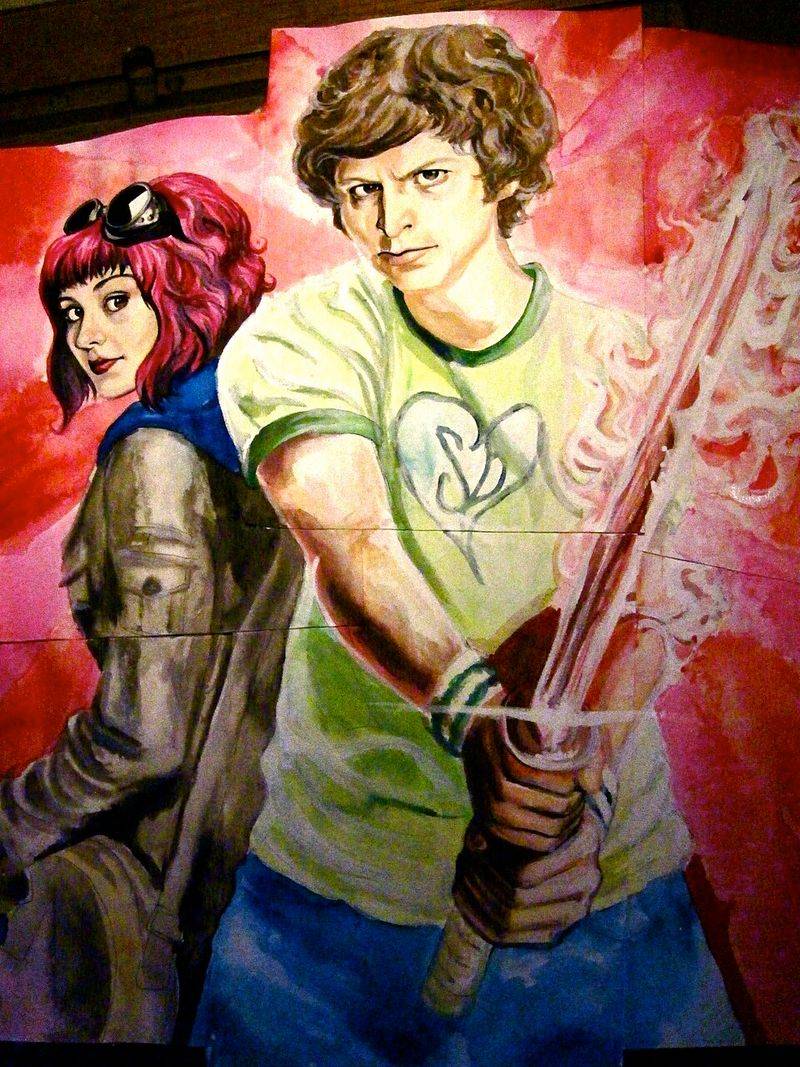
Edgar Wright’s hyper-stylized comic adaptation was too weird for mainstream audiences in 2010.
It cost $60 million but only pulled in $49 million worldwide, making studios nervous about quirky properties.
The video game aesthetics and indie rock soundtrack felt ahead of their time.
Blu-ray and streaming introduced it to the right crowd, though.
Gamers and comic fans fell hard for its inventive visual language and meta humor.
6. Fight Club (1999)
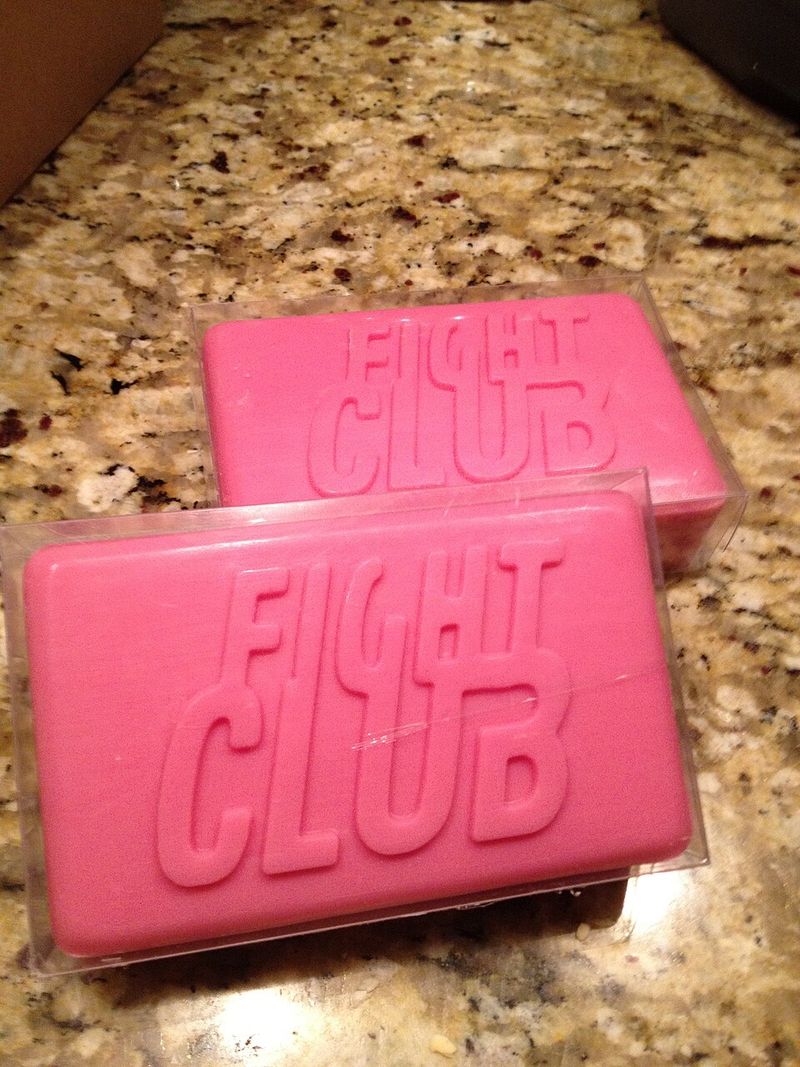
David Fincher’s anarchic masterpiece punched its way to a disappointing $37 million domestic gross on a $63 million budget.
Critics were divided, and marketing didn’t know how to sell this dark satire.
Was it an action movie?
A psychological thriller?
DVD sales exploded, though, and college dorms everywhere started their own philosophical debates about consumerism.
The twist ending became legendary, and quotes from the film entered pop culture permanently.
7. The Big Lebowski (1998)
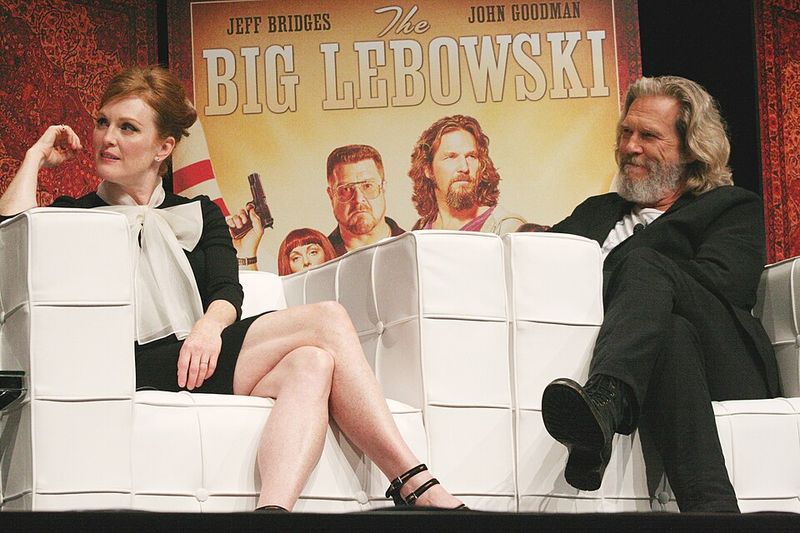
The Coen Brothers’ stoner comedy barely scraped together $17 million during its initial release.
Audiences expecting another Fargo left theaters scratching their heads at this meandering bowling adventure.
Critics weren’t impressed either, calling it unfocused and weird.
Then the cult following started brewing.
Midnight screenings popped up everywhere, Lebowski Fest became a real thing, and “The Dude” entered the cultural lexicon as a lifestyle philosophy.
8. Donnie Darko (2001)
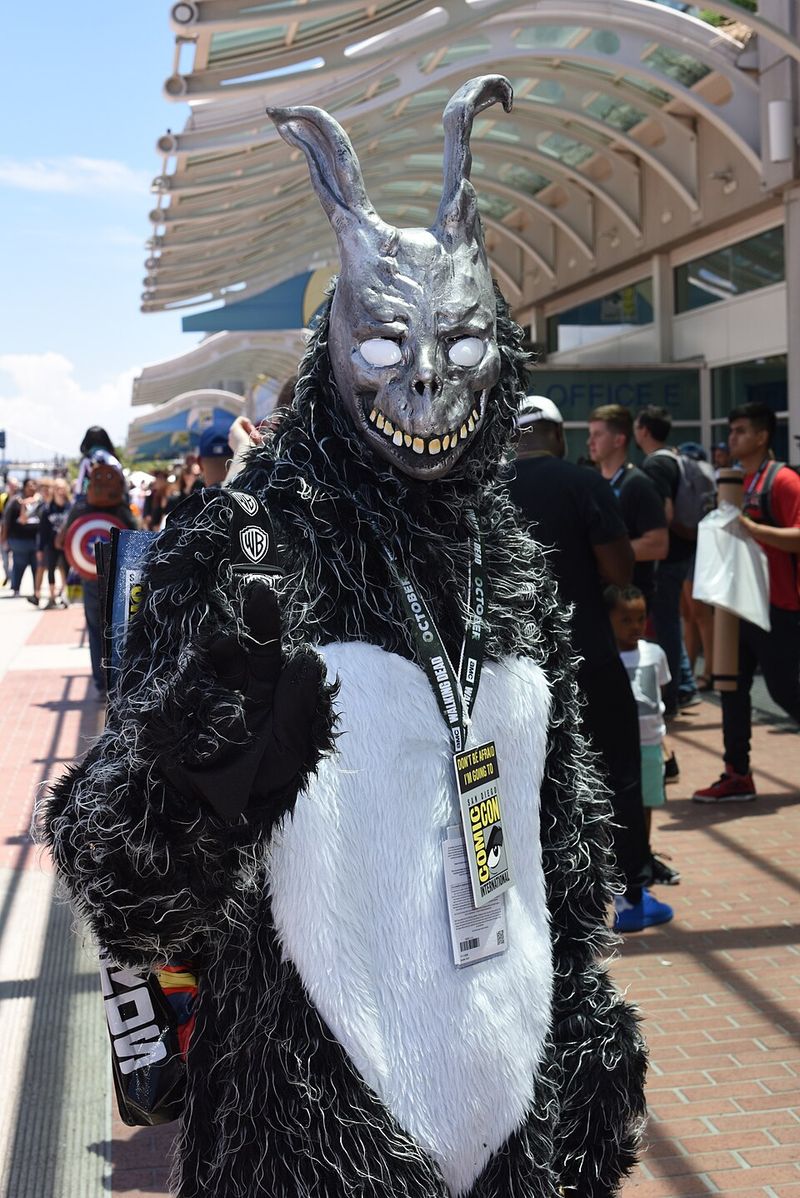
Richard Kelly’s mind-bending thriller arrived in October 2001, the absolute worst timing imaginable.
Post-9/11 audiences weren’t ready for a dark story involving plane crashes.
It earned less than $750,000 theatrically, disappearing almost instantly.
But DVD brought it back from oblivion.
Teenagers obsessed over its time travel mysteries and haunting soundtrack.
Film forums exploded with theories about Frank the rabbit and alternate timelines.
9. Office Space (1999)
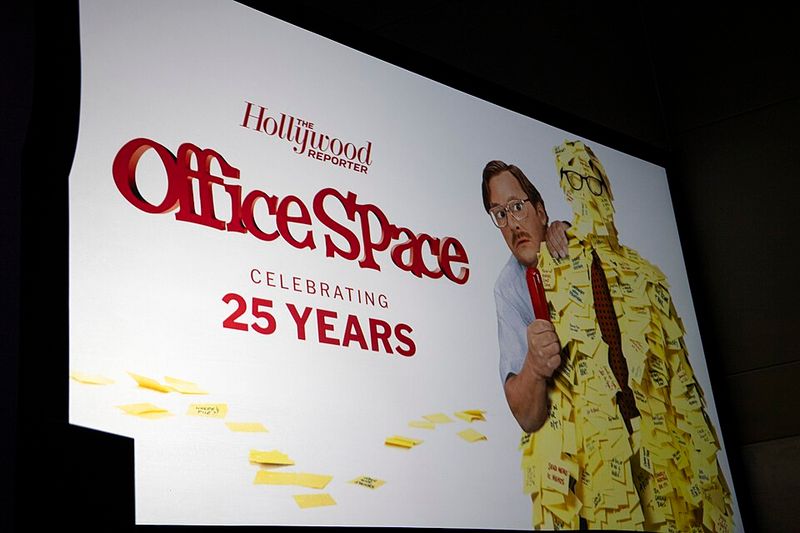
Mike Judge’s workplace satire barely registered with audiences, earning just $10.8 million on a $10 million budget.
Fox marketed it poorly, and it vanished from theaters quickly.
But anyone who’s ever worked in a cubicle farm found it on Comedy Central reruns.
Suddenly, everyone had a case of the Mondays.
TPS reports became inside jokes across corporate America, and Milton’s red stapler turned into an actual product you could buy.
10. The Wizard of Oz (1939)
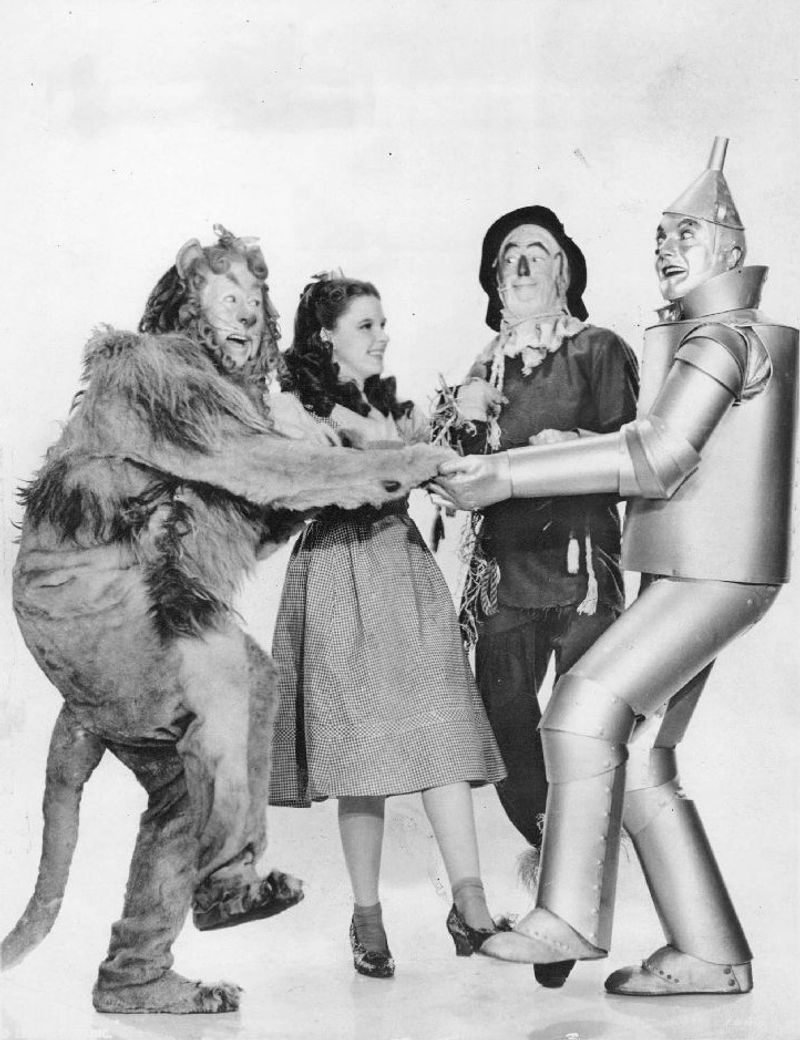
Hard to believe now, but this Technicolor fantasy actually lost money during its original theatrical run.
MGM spent a fortune on production, and Depression-era audiences couldn’t afford repeated trips to the cinema.
It took a 1949 re-release to finally turn a profit.
Then television changed everything in the 1950s.
Annual broadcasts made it a family tradition, and those ruby slippers became the most iconic shoes in film history.
11. It’s a Wonderful Life (1946)
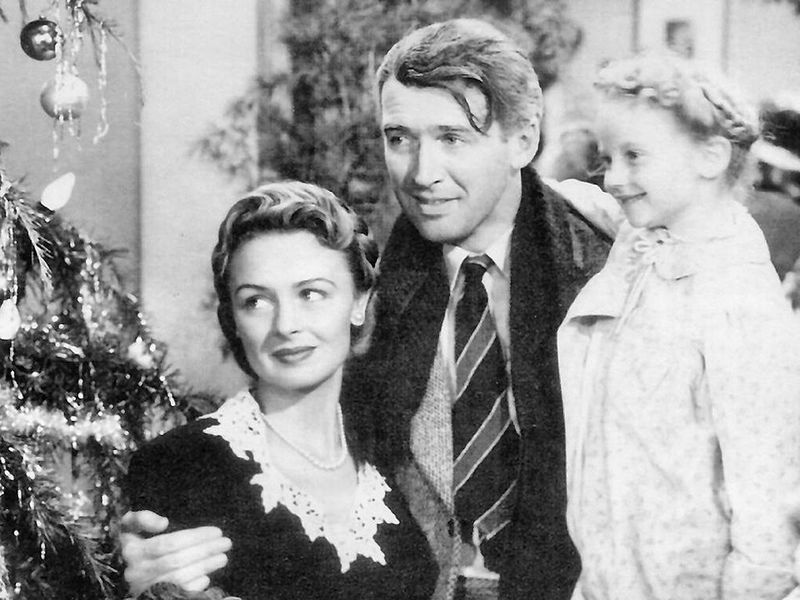
Frank Capra’s Christmas tale flopped hard in 1946, losing over half a million dollars.
Post-war audiences wanted escapism, not a dark story about suicide and financial ruin.
Critics called it sentimental, and theaters pulled it quickly.
A copyright mistake in the 1970s made it public domain, though.
TV stations aired it constantly during holidays because it was free, accidentally creating the ultimate Christmas tradition that still warms hearts today.
12. The Rocky Horror Picture Show (1975)
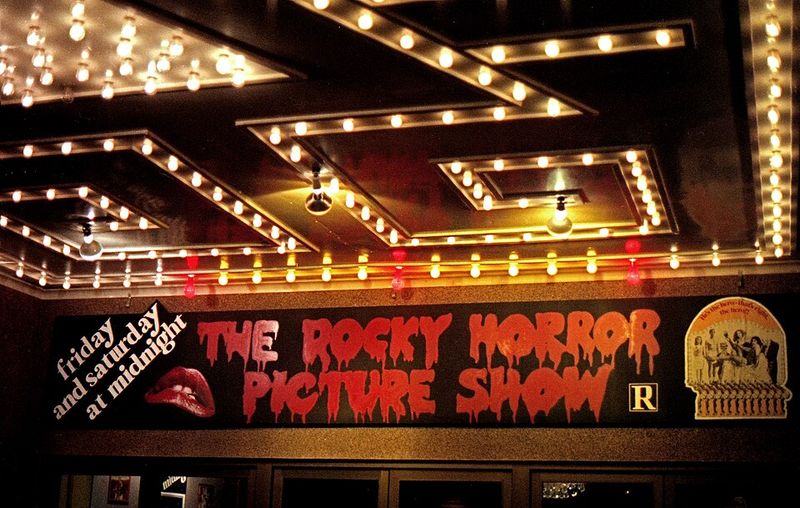
This campy musical horror bombed spectacularly in regular theaters, earning terrible reviews and empty seats.
20th Century Fox had no idea what to do with it.
Then someone had the brilliant idea of midnight screenings.
Suddenly, audiences dressed up, threw toast, and shouted callbacks at the screen.
It became the longest-running theatrical release in film history, still playing in theaters nearly 50 years later with devoted fans doing the Time Warp.