10 Folk Horror Gems That Deserve More Attention
Folk horror hits differently, digging into something ancient and uneasy where fear grows slowly, like roots spreading beneath the soil.
Isolated villages, old rituals, and beliefs that refuse to fade create stories that feel both timeless and disturbingly plausible.
A few classics earned cult status, but plenty of eerie, atmospheric gems still linger in the shadows, ready to haunt viewers who crave chills with depth and dread.
Disclaimer: This list is based on genre-focused editorial choices and widely reported plot summaries.
Subgenre labels and “hidden gem” status can differ depending on critics and regions, so readers may want to check multiple film histories and official releases for more context and viewing details.
1. Häxan (1922)
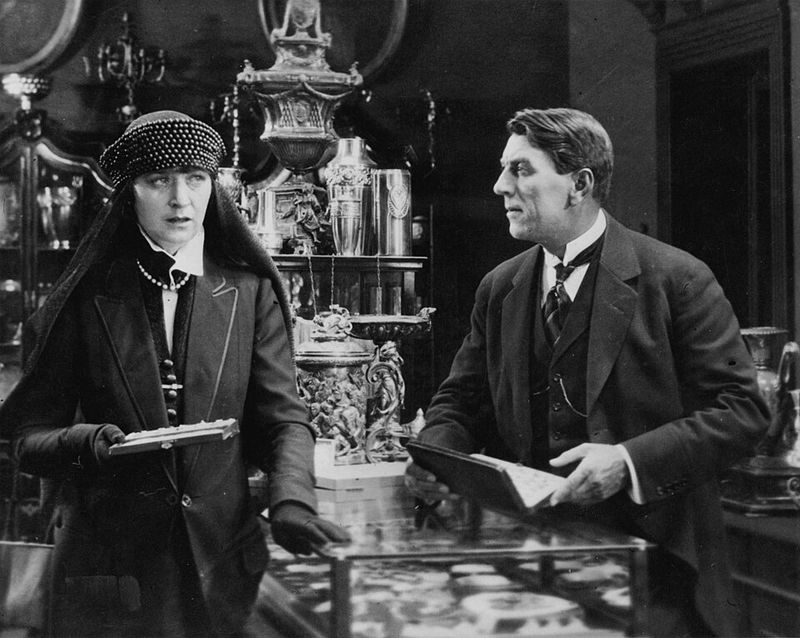
Silent cinema rarely gets creepier than this Swedish-Danish documentary-style exploration of witchcraft through the ages. By blending historical reenactments with medieval woodcuts, Director Benjamin Christensen creates an experience that feels both educational and deeply disturbing.
Witnessing the theatrical intensity of demonic rituals and witch trials helps modern viewers understand why our ancestors feared the dark.
A century later, the film’s commentary on superstition and mass hysteria remains strikingly relevant to our modern world.
2. I Walked With A Zombie (1943)
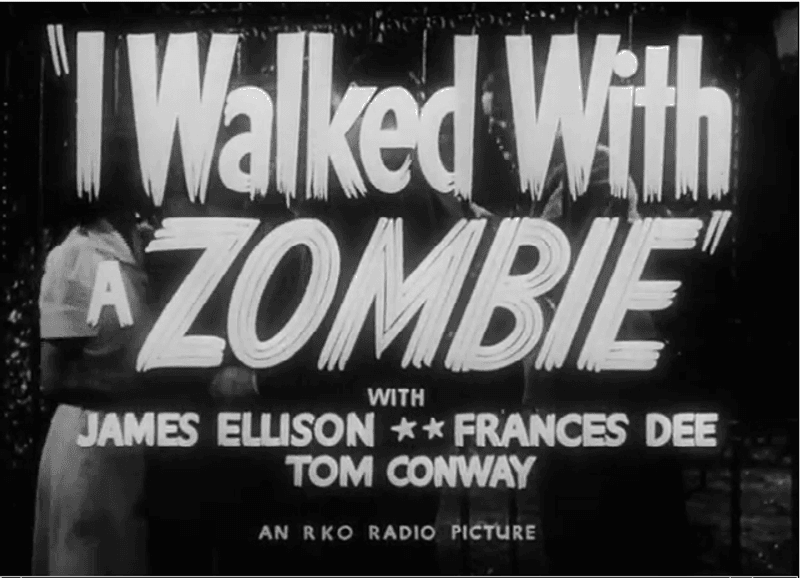
Producer Val Lewton transformed a pulpy title into an atmospheric masterpiece that masterfully weaves Haitian Vodou imagery with Gothic romance.
Tasked with caring for a plantation owner’s wife, a nurse travels to Haiti only to discover her patient exists in a trance-like state between life and death.
Instead of relying on cheap thrills, director Jacques Tourneur utilizes shadowy cinematography and an eerie soundtrack of drums echoing through tropical nights. This haunting approach proves that suggestion and mood create more lasting terror than any monster makeup ever could.
3. The Bl*od On Satan’s Claw (1971)
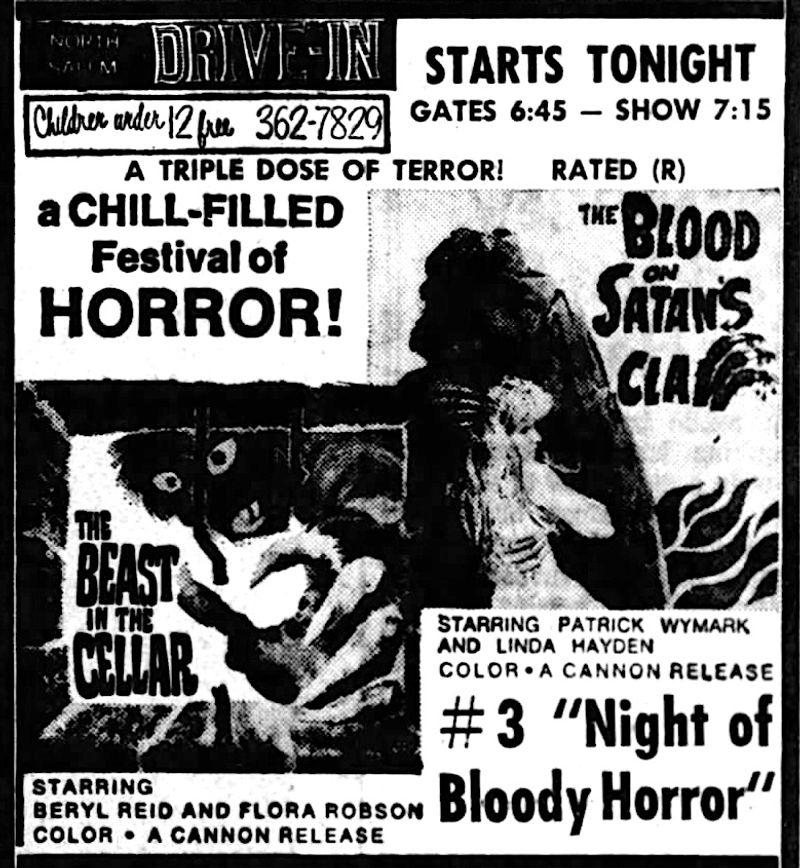
Rural England becomes a nightmare when teenagers unearth something ancient and evil in a farmer’s field.
What starts as a period piece quickly transforms into a tale of demonic possession spreading through an early 18th-century village like a plague. Director Piers Haggard fills every frame with dread, from patches of fur growing on human skin to children forming murderous cults in the woods.
Watching rational adults struggle to comprehend supernatural evil with their limited Puritan worldview remains the scariest part.
4. The Wicker Man (1973)
A devout police sergeant investigates a missing girl on a remote Scottish island, only to discover residents practicing pagan rituals that challenge his core beliefs.
Christopher Lee delivers a career-best performance as the charismatic Lord Summerisle, who defends his community’s ancient, unsettling ways with terrifying logic. Tension builds steadily through folk songs, maypole dances, and fertility rites that appear innocent until the film’s horrifying, sacrificial finale.
This masterpiece remains the gold standard of folk horror, proving that isolation and radical belief are more frightening than any traditional monster.
5. Witchhammer (1970)
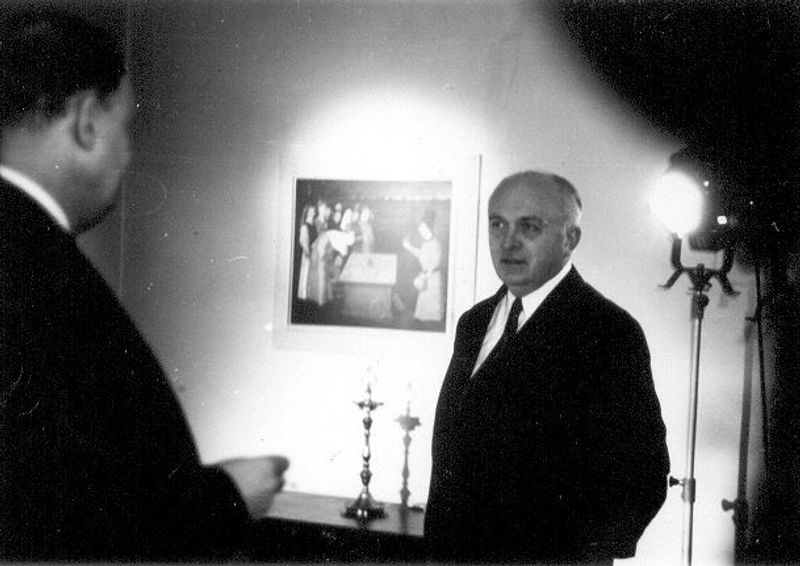
Czechoslovak director Otakar Vávra crafted this brutal historical drama based on actual witch trials that consumed seventeenth-century Moravia.
Could anything be more terrifying than watching witch hunts unfold as bureaucratic nightmares where greed and paranoia drive mass executions? How uncomfortably relevant it feels to watch innocent people tortured into false confessions by a system that wears the mask of justice.
The stark black-and-white cinematography strips away all romanticism, leaving only the grim reality of humanity’s darkest impulses!
6. Leptirica (The She-Butterfly) (1973)
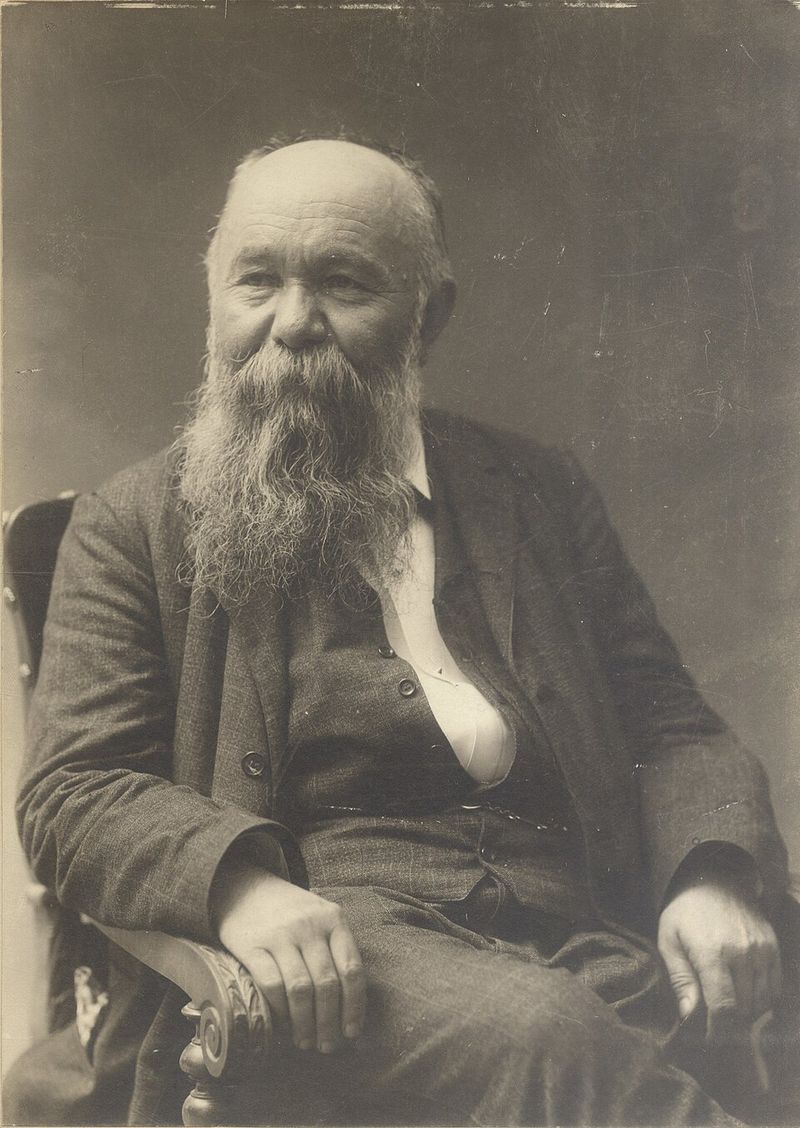
Serbian folklore comes alive in this television film about a vampire that haunts a remote village mill, k*lling anyone who dares work there.
Based on the story “After Ninety Years” by Milovan Glišić, the film blends Slavic mythology with a Gothic atmosphere to create something uniquely unsettling.
How is it possible that such a pioneering work in vampire cinema remains largely unknown outside of Eastern Europe?
Despite its modest television origins, director Đorđe Kadijević delivers genuine scares through practical effects and the primal fear of being trapped with something inhuman!
7. Onibaba (1964)
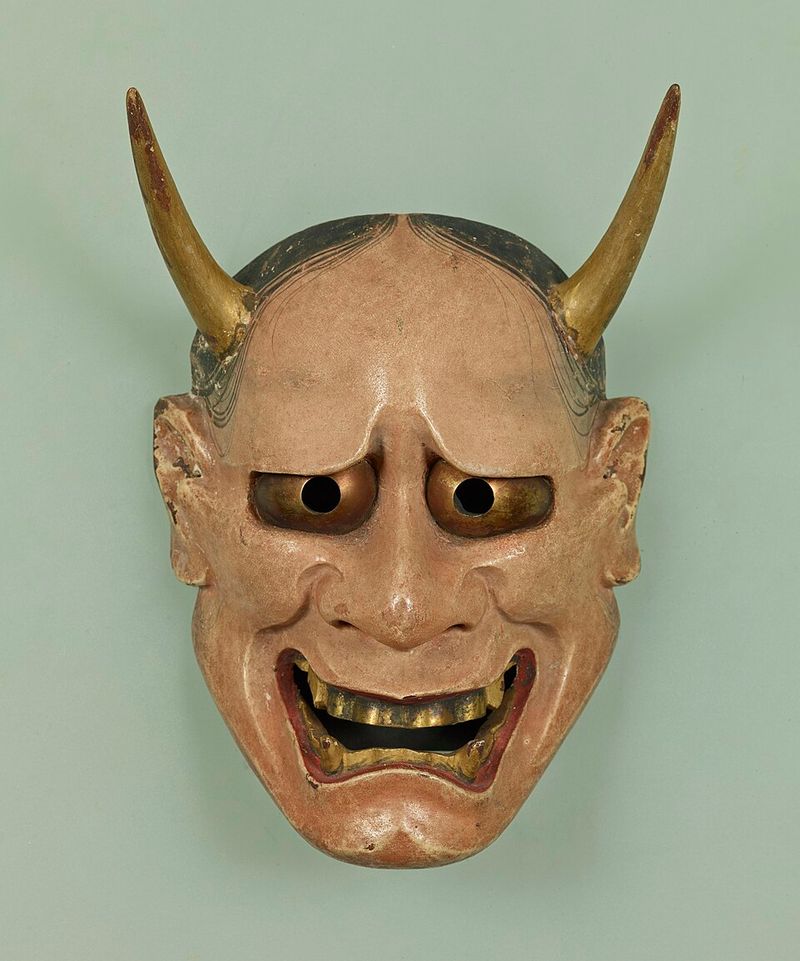
Two women survive wartime Japan by murdering samurai and selling their armor, living in a sea of tall reeds that conceals their crimes.
Director Kaneto Shindō utilizes the swaying grass as both a character and a prison, creating a suffocating atmosphere where moral boundaries dissolve.
When a demon mask enters the story, the film shifts from a survival drama to a psychological horror exploring jealousy, desire, and karmic punishment! How can a minimalist approach involving just three characters and an endless field generate more claustrophobia than a haunted house?
8. Kuroneko (1968)
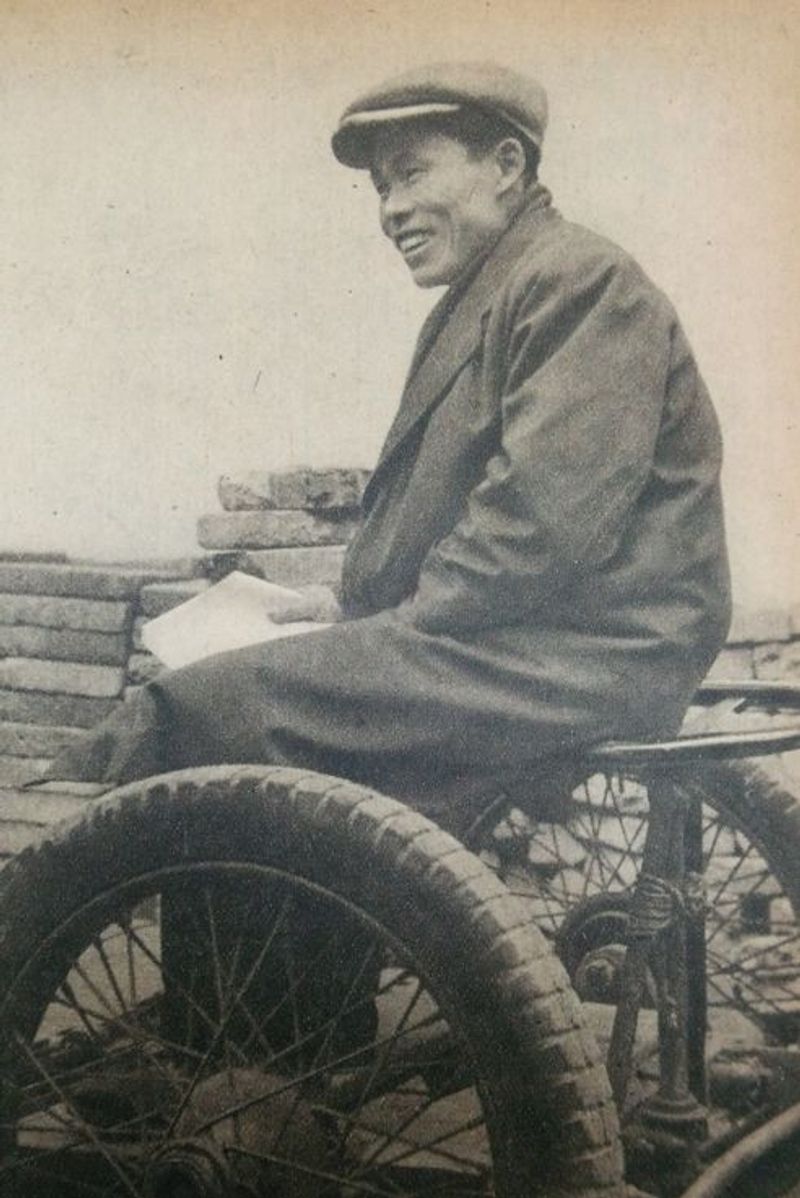
Revenge transcends death when a mother and daughter-in-law return as vengeful cat spirits after samurai murder them during wartime chaos.
Director Kaneto Shindō crafts a ghost story that doubles as a meditation on loyalty, duty, and the impossible choices war forces upon families.
The black-and-white cinematography transforms a simple bamboo grove into an otherworldly realm where the living and dead collide in tragic encounters. Traditionally, Japanese ghost stories emphasize sorrow over scares, and this film embodies that philosophy with haunting beauty.
9. Kwaidan (1964)
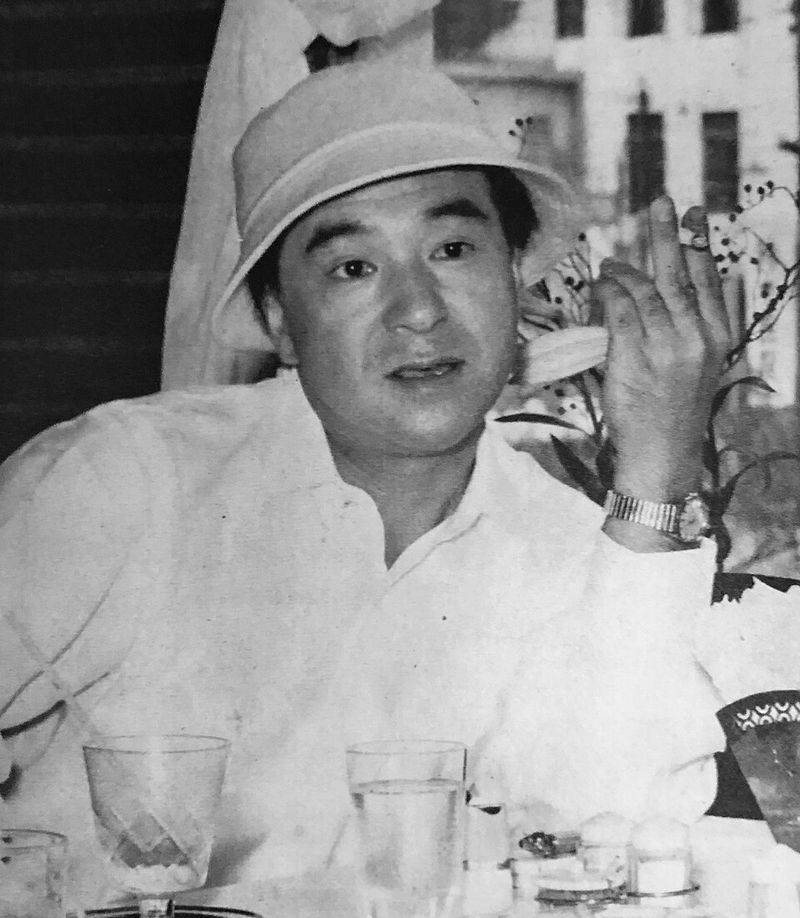
Four ghost stories adapted from Lafcadio Hearn’s writings unfold like painted scrolls come to life, each exploring different aspects of Japanese supernatural tradition. To achieve this stunning vision, Kobayashi built vast indoor sets for the film, and the production became notably expensive as costs ballooned.
From a samurai haunted by his abandoned wife to a musician who encounters ghostly warriors, each tale balances beauty with a deep sense of existential dread!
Ultimately, you should watch this on the biggest screen possible to appreciate the meticulous craftsmanship found in every carefully composed shot.
10. Witchfinder General (1968)
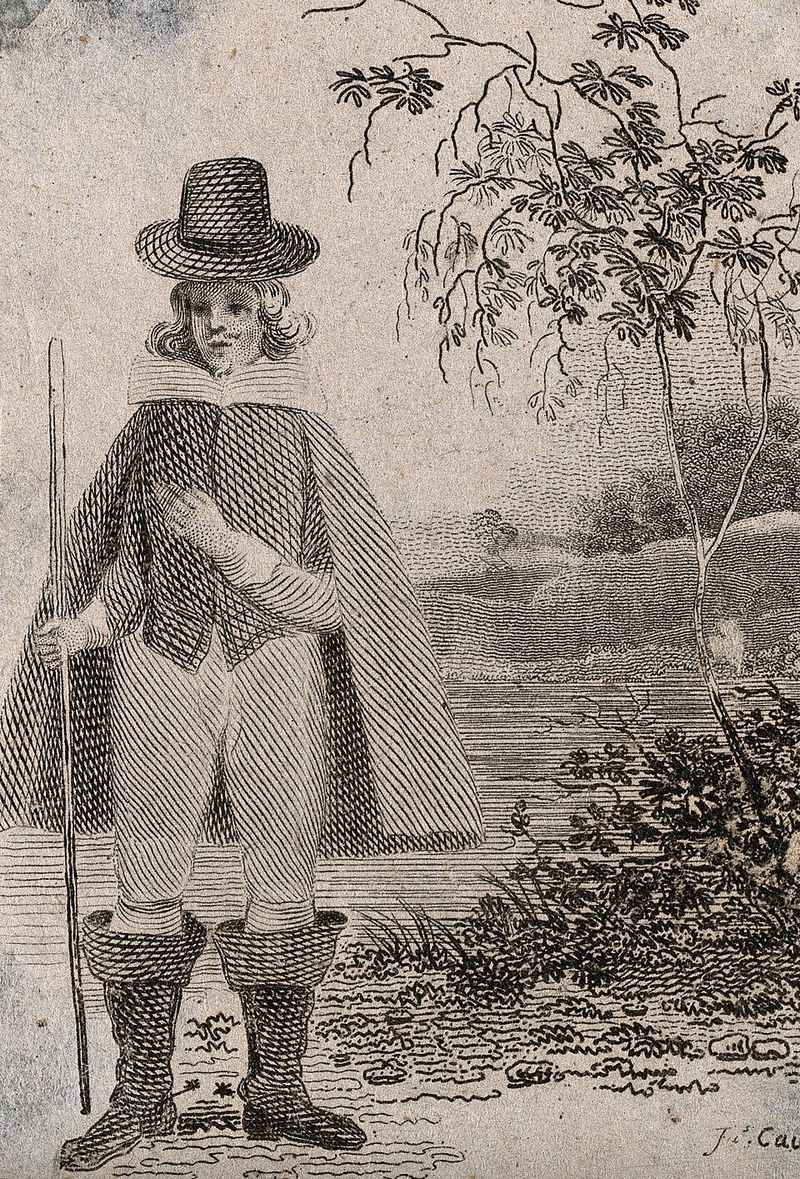
Vincent Price delivers his most chilling performance as Matthew Hopkins, a real historical figure who exploited seventeenth-century England’s witch-hunting hysteria for profit and power. By stripping away all supernatural elements, Michael Reeves reveals something far more terrifying: ordinary human cruelty disguised as righteous justice!
Could there be a more harrowing landscape than the English countryside, where simple accusations lead to state-sanctioned torture and execution?
This film refuses to romanticize the past, showing instead how fear and fanaticism create human monsters far worse than any fictional witch.