25 Food Items That Rose To Prominence In The 2000s
The decade between 2000 and 2009 transformed American food culture in ways nobody saw coming.
Fancy cupcake bakeries started popping up on every corner, and once-niche ingredients began landing on grocery store shelves. That shift redefined what we ate and how we talked about food. These 25 items did not just appear.
They exploded onto menus and kitchen counters, shaping how an entire generation thinks about eating.
Disclaimer: This feature reflects broad U.S. food-trend patterns seen between 2000 and 2009, and timing can vary by region and community.
Any wellness-related references reflect popular marketing and general reporting from the era and are not medical or nutrition advice.
25. Cupcakes
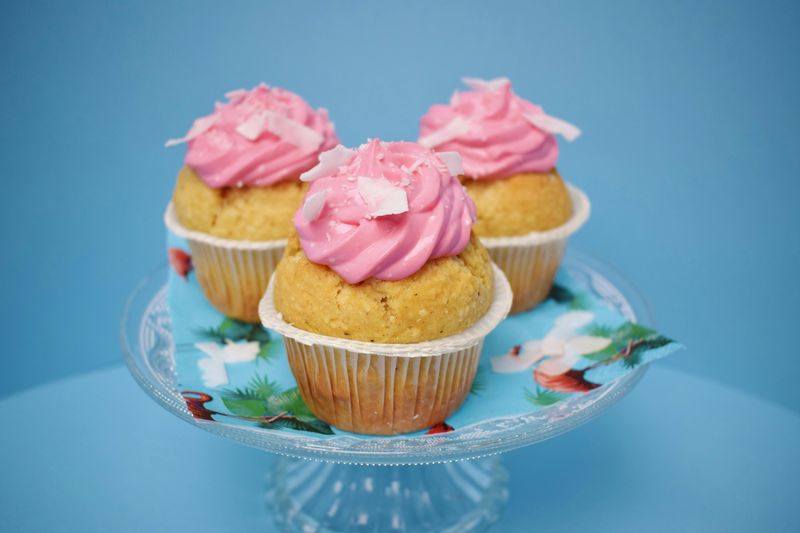
Magnolia Bakery in New York City sparked a nationwide obsession when their frosted treats appeared on television screens everywhere. Suddenly, every neighborhood wanted its own boutique cupcake shop with flavors ranging from red velvet to salted caramel.
These single-serving cakes became the go-to dessert for birthday parties and casual afternoons when you just needed something sweet.
Bakers competed to create the tallest swirls of buttercream, turning simple childhood treats into edible art.
That moment when you peel back the wrapper and take the first bite still feels like a mini celebration.
24. Frozen Yogurt
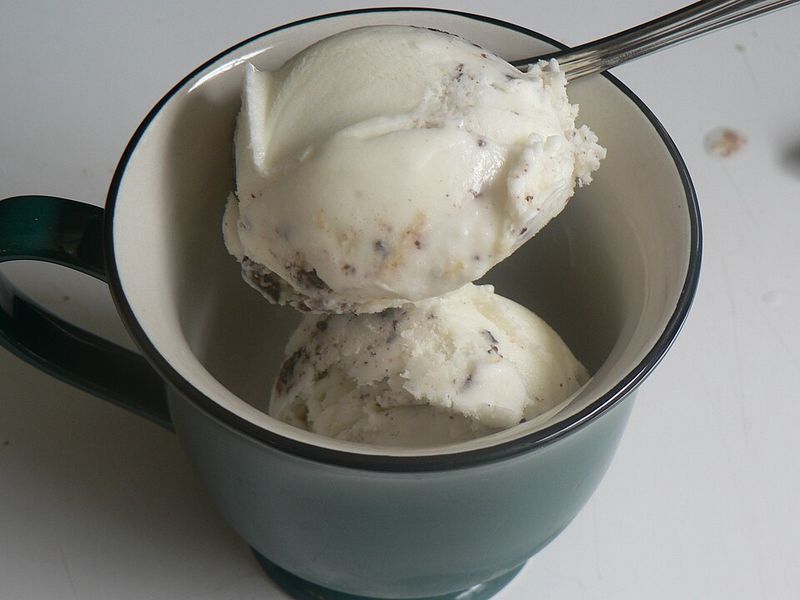
Chains like Pinkberry revolutionized dessert by offering a tangy, healthier alternative to traditional ice cream in the mid-2000s.
Self-serve shops let customers pile on fruit or crunchy toppings, making every visit feel like a personalized experience. The tart flavor profile was totally different from anything most Americans had tasted before.
Many brands marketed live cultures as a plus, while everyone else just loved the excuse to load up on gummy bears.
Walking into a froyo shop on a hot summer afternoon became a ritual for friends catching up and families seeking cool relief.
23. French Macarons
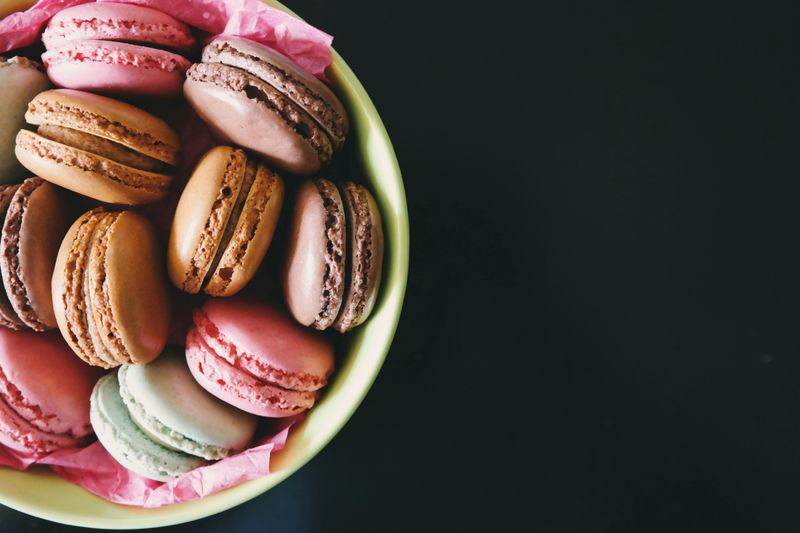
Parisian bakeries brought these delicate almond meringue cookies across the Atlantic, and American foodies fell hard.
Each macaron sandwich featured two crisp shells with a creamy ganache or buttercream filling in flavors like lavender, pistachio, and rose.
Bakeries displayed them in rainbow arrays that looked almost too pretty to eat, turning them into food-blog darlings years before modern social apps. Mastering the technique became a badge of honor for home bakers everywhere.
Biting through that delicate shell into the soft center feels like a tiny trip to France without the jet lag.
22. Bacon (As A Trend Ingredient)
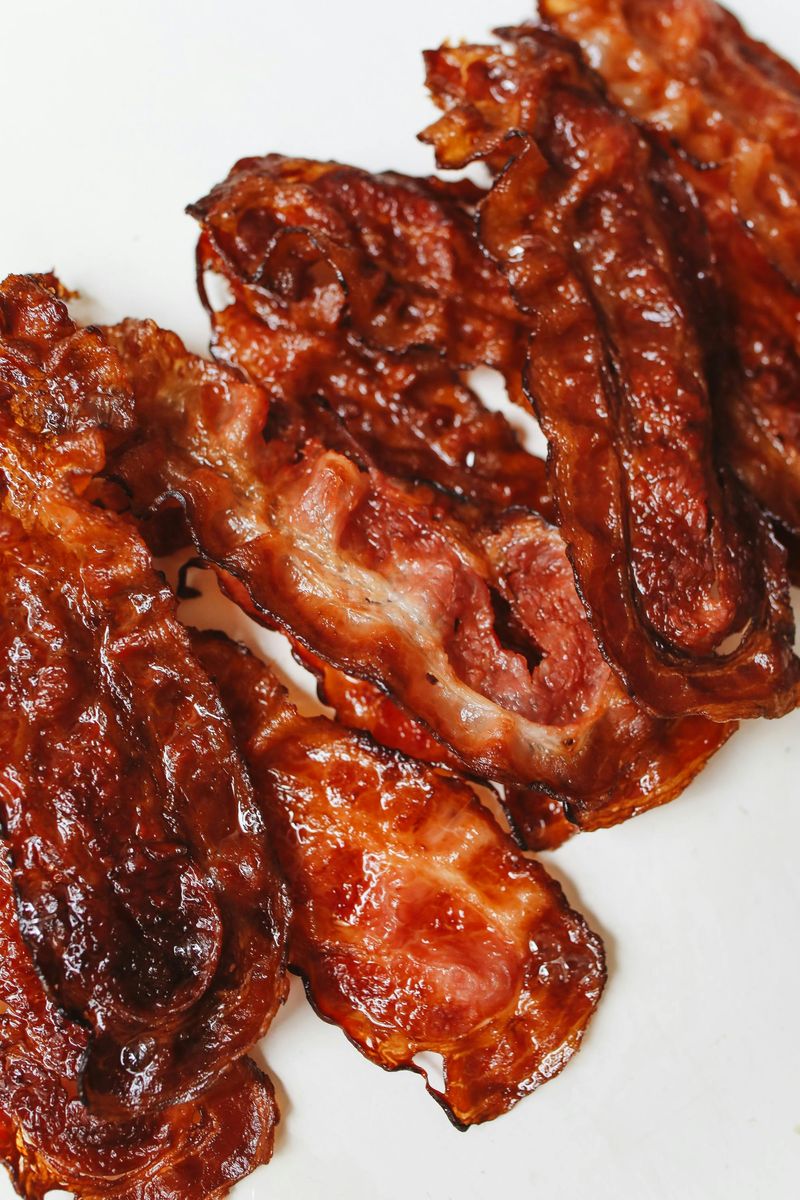
Chefs started adding crispy bacon to everything from doughnuts to ice cream, creating a sweet-and-savory revolution. Restaurants competed to dream up the most outrageous bacon combinations, and diners lined up to try them all.
Food blogs dedicated entire posts to bacon-wrapped this and bacon-topped that, fueling the craze even further.
Suddenly, bacon wasn’t just breakfast – it was a lifestyle, a flavor profile, and a culinary movement.
That first bite of maple-bacon anything still surprises your taste buds in the best possible way.
21. Sliders
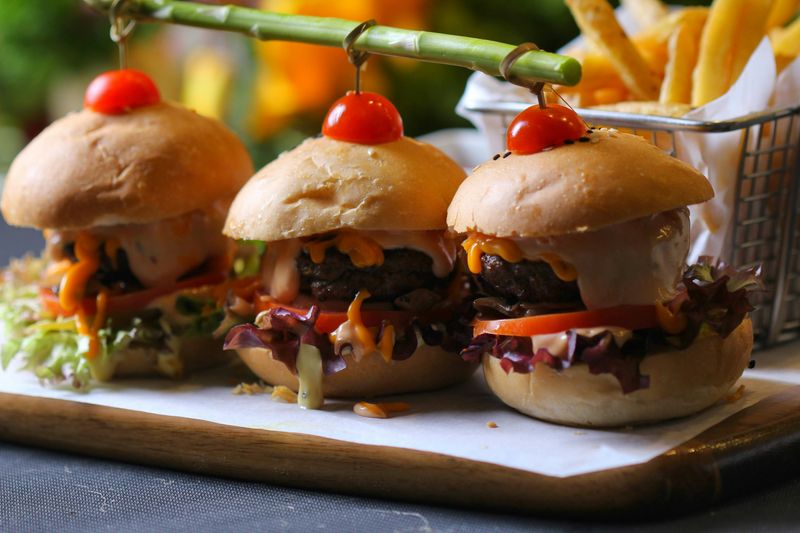
Miniature burgers became the star of restaurant menus and party platters throughout the decade.
These bite-sized sandwiches let diners sample multiple flavor combinations without committing to a full-sized burger. Chefs experimented with gourmet toppings like caramelized onions or blue cheese on tiny buns.
Sports bars and upscale restaurants alike embraced the trend, making sliders a versatile crowd-pleaser.
Grabbing a slider trio at happy hour became the perfect way to unwind after a long workday.
20. Panini
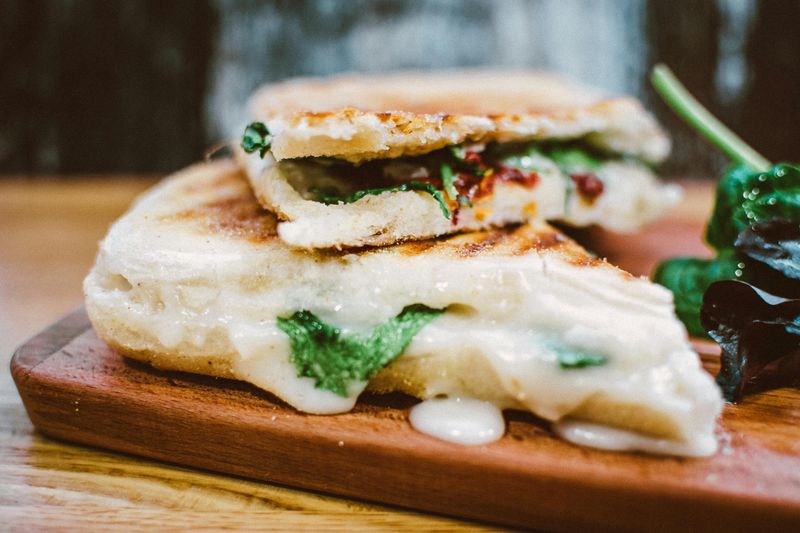
Italian pressed sandwiches took over cafes and lunch counters as people discovered the magic of grilled, melted perfection.
Panini presses became must-have kitchen gadgets for home cooks wanting restaurant-quality sandwiches.
The distinctive grill marks and warm, crispy bread elevated simple fillings like mozzarella and basil into something special. Delis started offering dozens of combinations, from classic Italian to creative fusion flavors.
Hearing that satisfying crunch when you bite into a perfectly pressed panini makes lunchtime feel like an event.
19. Sushi
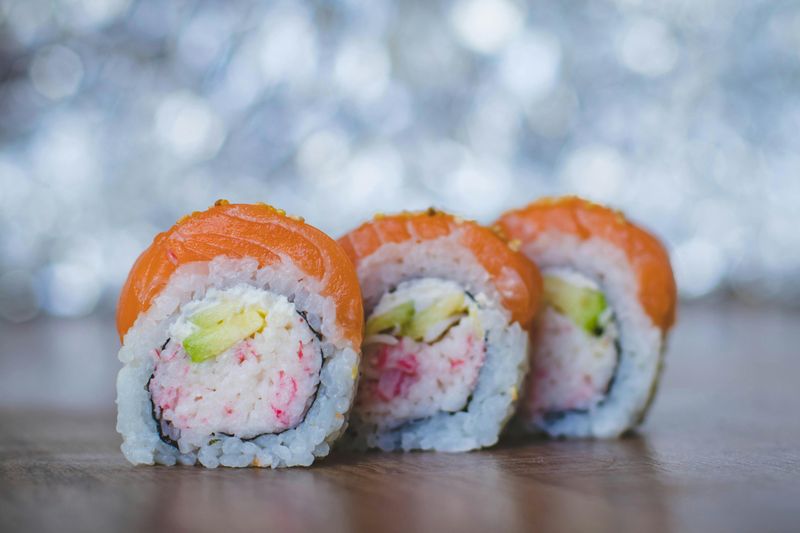
Raw fish went mainstream as sushi restaurants multiplied across suburban America, not just in coastal cities. Grocery stores began selling pre-made rolls, making Japanese cuisine accessible to everyone.
California rolls served as the gateway, while adventurous eaters graduated to sashimi and specialty rolls.
Conveyor belt restaurants and all-you-can-eat spots made trying sushi affordable and fun for groups.
That first time you successfully use chopsticks to grab a perfect piece of nigiri feels like unlocking a new level of dining sophistication.
18. Hummus
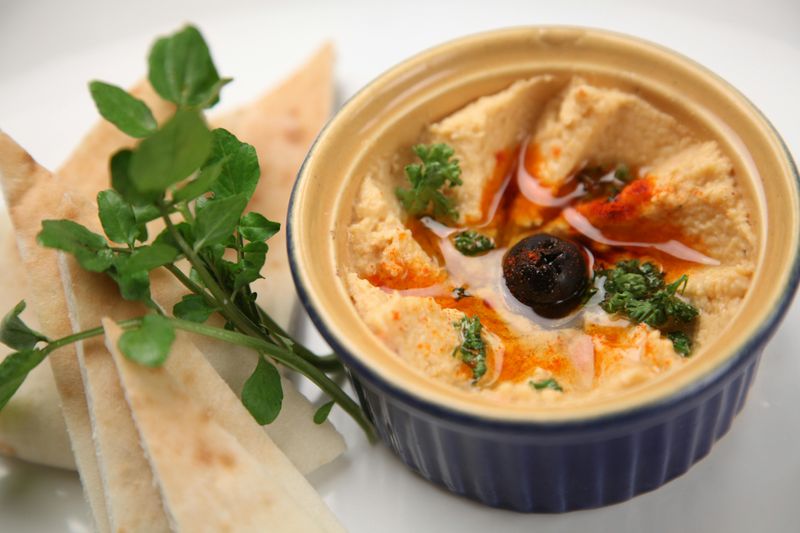
This Middle Eastern chickpea dip exploded from specialty stores to every supermarket shelf in America.
Health-conscious snackers embraced hummus as a protein-rich alternative to traditional dips like ranch or french onion. Companies introduced flavors beyond classic garlic, including roasted red pepper, spinach artichoke, and even chocolate dessert varieties.
Pita chips became the perfect delivery vehicle, though carrot sticks worked for the calorie-counting crowd.
Scooping creamy hummus after a workout became the guilt-free reward that actually tasted good.
17. Edamame
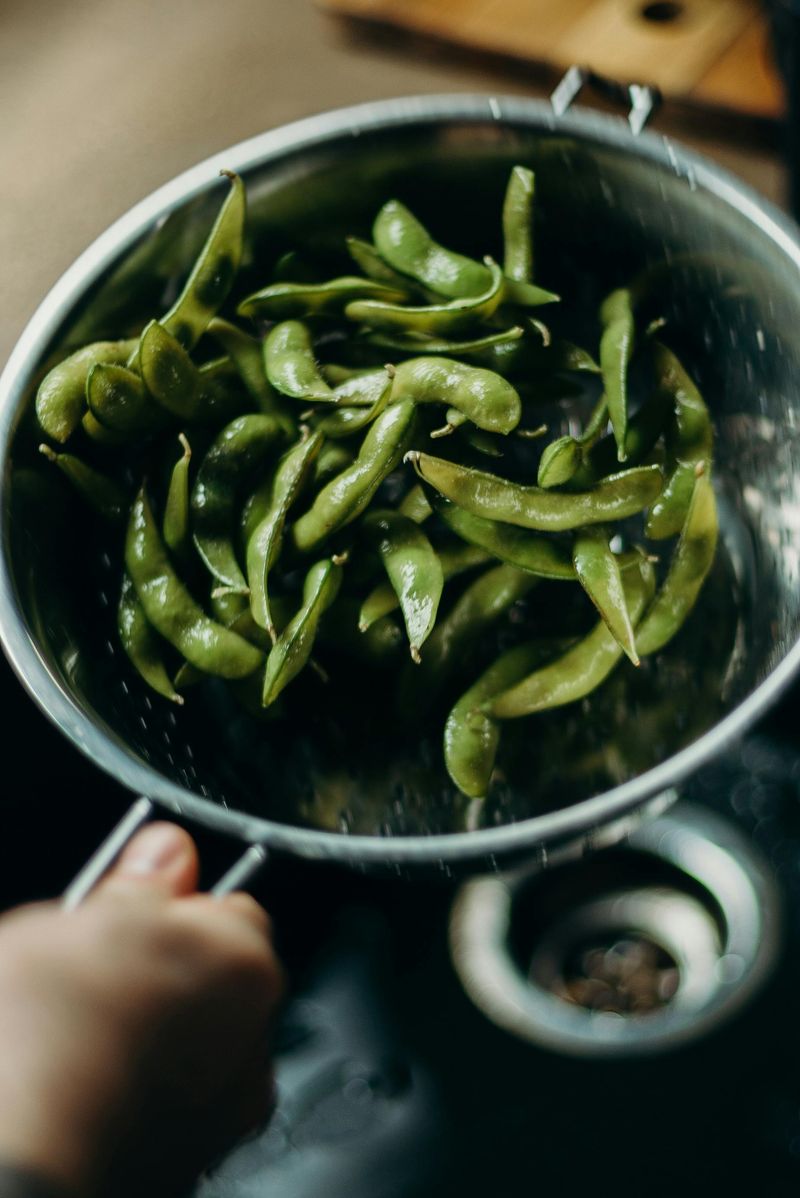
Japanese restaurants introduced Americans to these steamed soybeans in the pod, usually sprinkled with sea salt.
Popping the beans out with your teeth became a fun, interactive appetizer experience that kept hands busy while waiting for entrees. Frozen bags appeared in grocery stores, making it easy to recreate the restaurant experience at home.
Sharing a bowl of edamame while chatting with friends turned waiting for food into part of the fun.
16. Truffle Fries
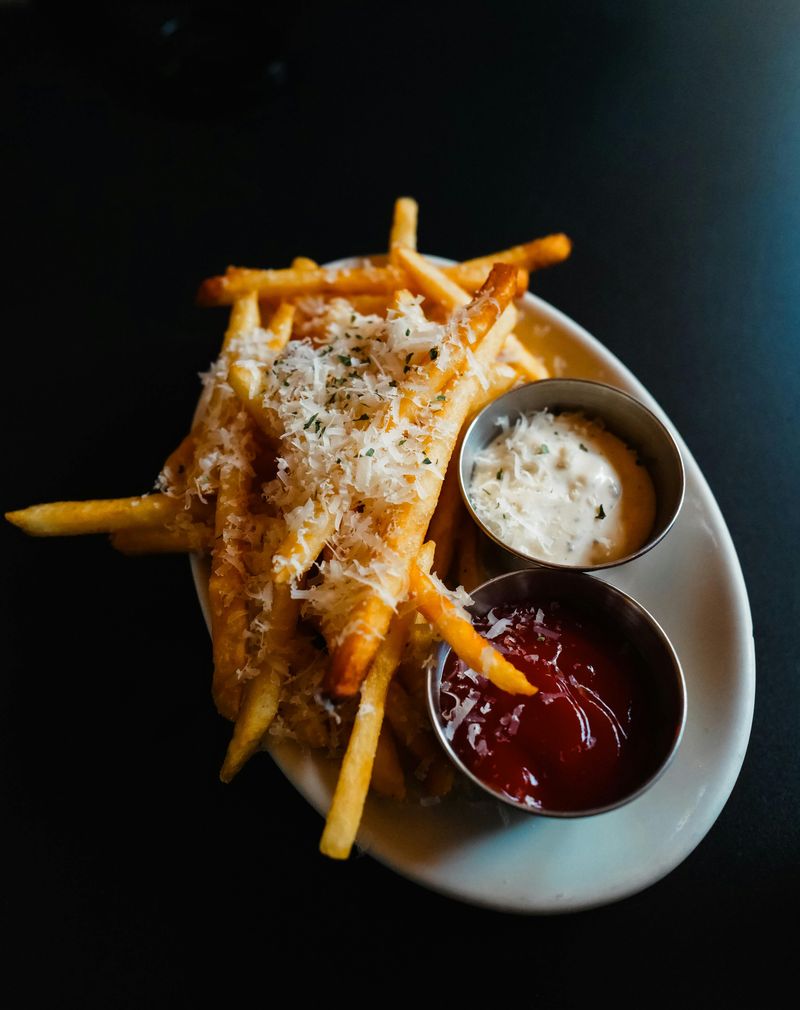
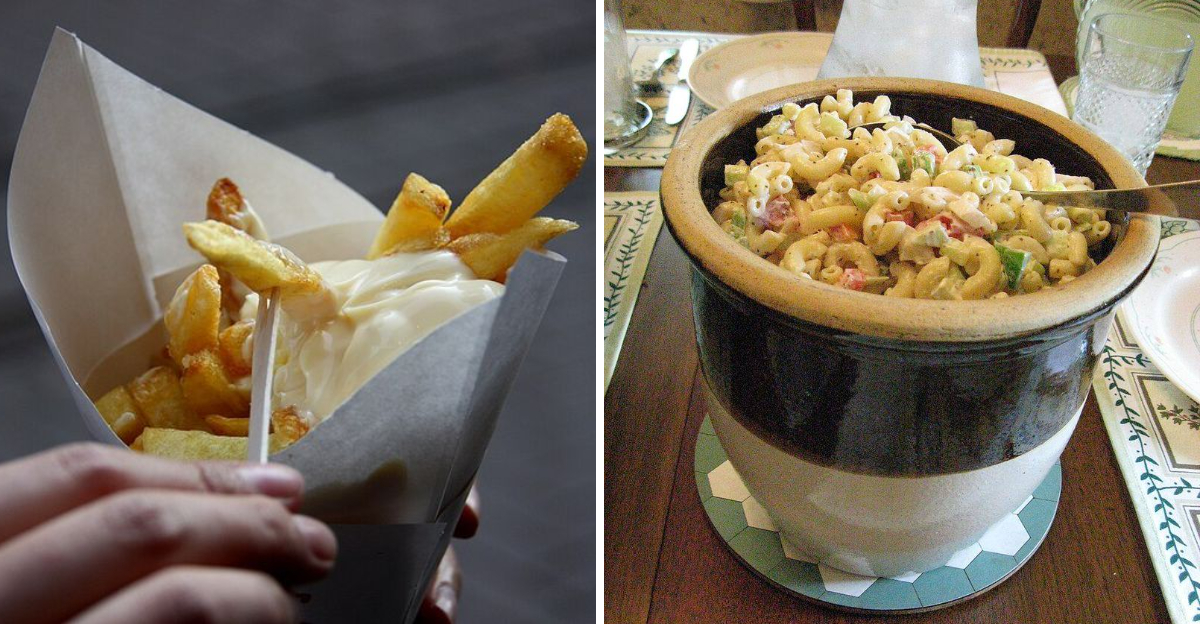
Restaurants started drizzling truffle oil over crispy french fries and charging premium prices for the earthy, luxurious upgrade. The distinctive aroma and rich flavor made regular fries seem boring by comparison.
Gastropubs and upscale burger joints competed to perfect the ratio of truffle oil to Parmesan cheese.
Food critics debated whether the trend used real truffle or synthetic flavoring, but diners didn’t care – they just wanted more.
Stealing a truffle fry from someone’s plate at dinner became the ultimate test of friendship boundaries.
15. Quinoa
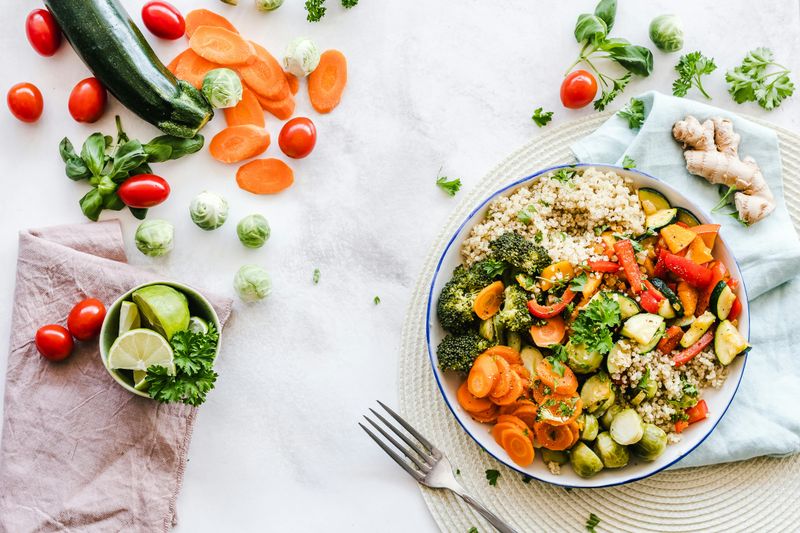
This ancient Andean grain became the darling of health food enthusiasts looking for gluten-free, protein-packed alternatives to rice.
Cookbooks dedicated entire chapters to quinoa recipes, including breakfast bowls and dinner salads. The fluffy texture and nutty flavor worked well in both savory and sweet preparations.
Grocery stores struggled to keep shelves stocked as demand skyrocketed among yoga studios and wellness circles.
Learning to pronounce it correctly (KEEN-wah) became almost as important as learning to cook it properly.
14. Pomegranate Juice
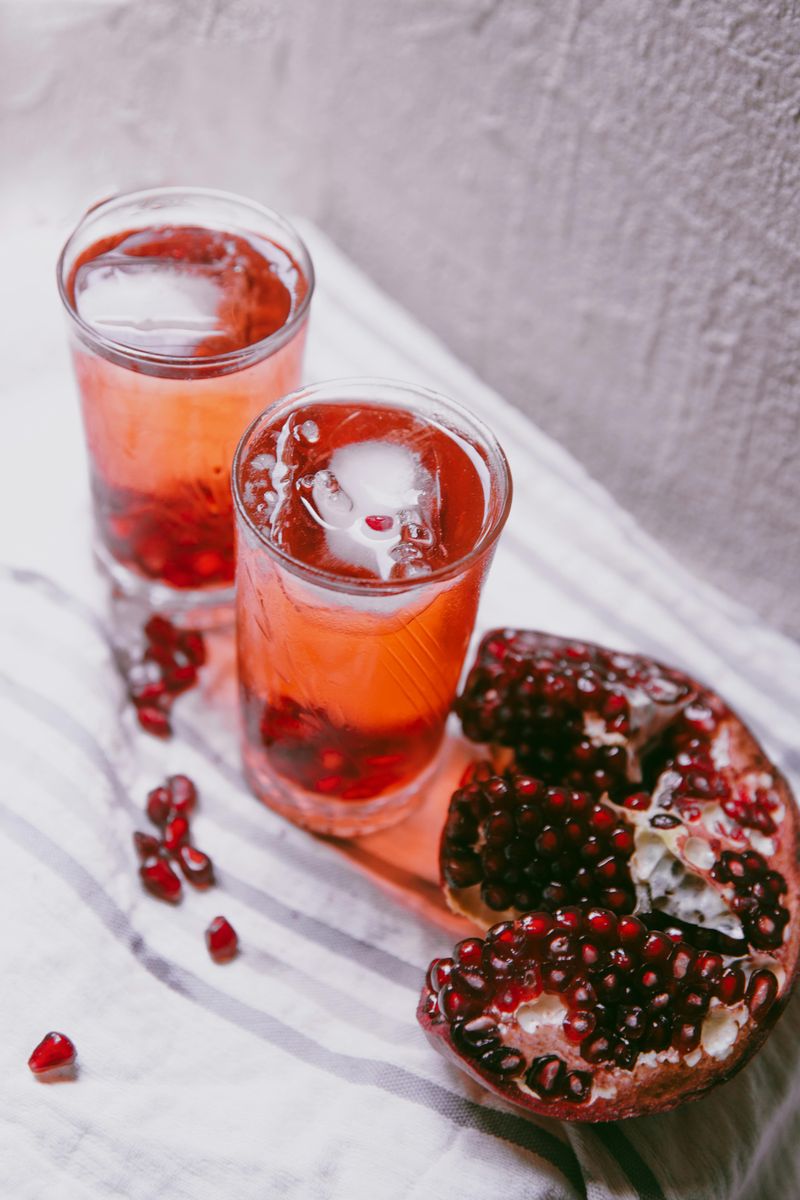
Bottled pomegranate juice flooded supermarket coolers with promises of antioxidants and health benefits.
Companies marketed the ruby-red liquid as a superfood elixir tied to antioxidant buzz and general wellness claims.
The tart, slightly sweet flavor offered a sophisticated alternative to orange juice at breakfast or as a cocktail mixer. Price tags were steep, but health-conscious consumers happily paid premium rates for the perceived benefits.
Sipping pomegranate juice in the morning felt like making a smart investment in your future self.
13. Greek Yogurt
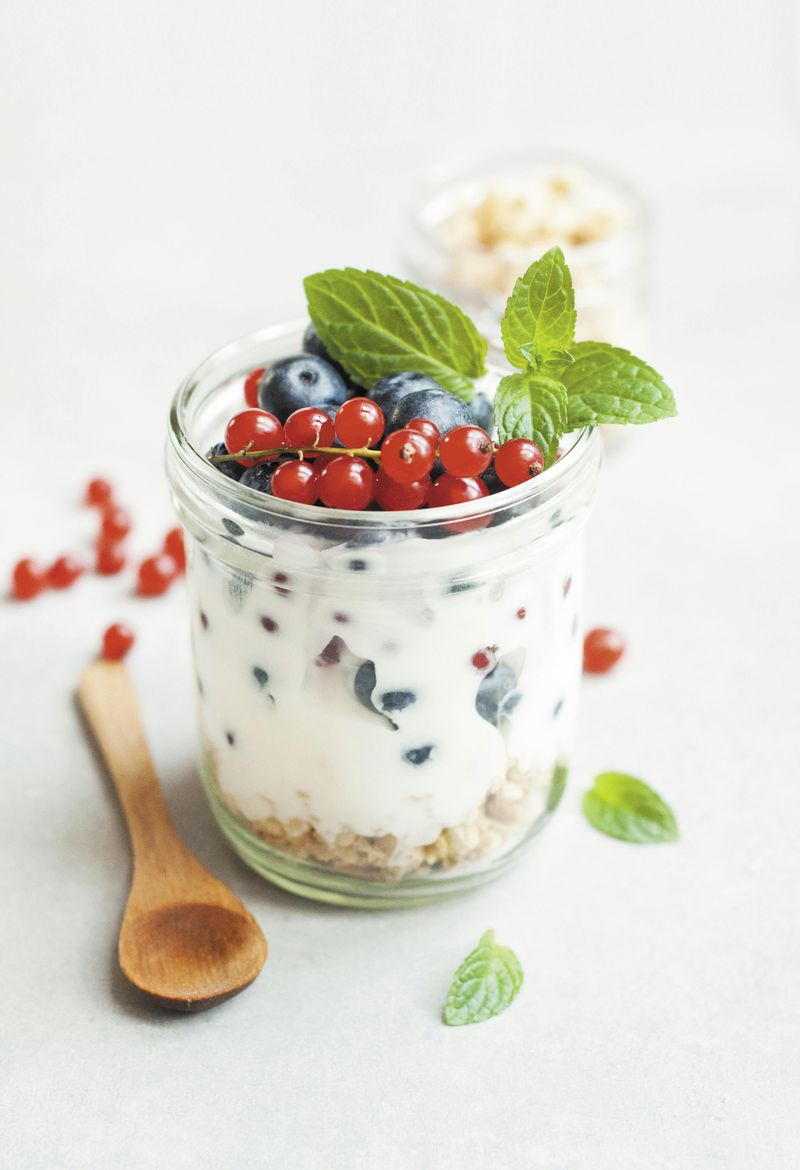
Thick, creamy, and protein-rich, Greek yogurt muscled aside traditional varieties in dairy aisles nationwide. Brands like Fage and Chobani transformed yogurt from a breakfast afterthought into a legitimate meal replacement.
The strained consistency made it perfect for cooking and baking, plus plenty of savory swaps.
Fitness enthusiasts embraced it as a post-workout snack, while parents appreciated the lower sugar content compared to kid-focused brands.
Stirring honey into a bowl of Greek yogurt on a busy morning became the easiest way to feel put-together.
12. Sriracha
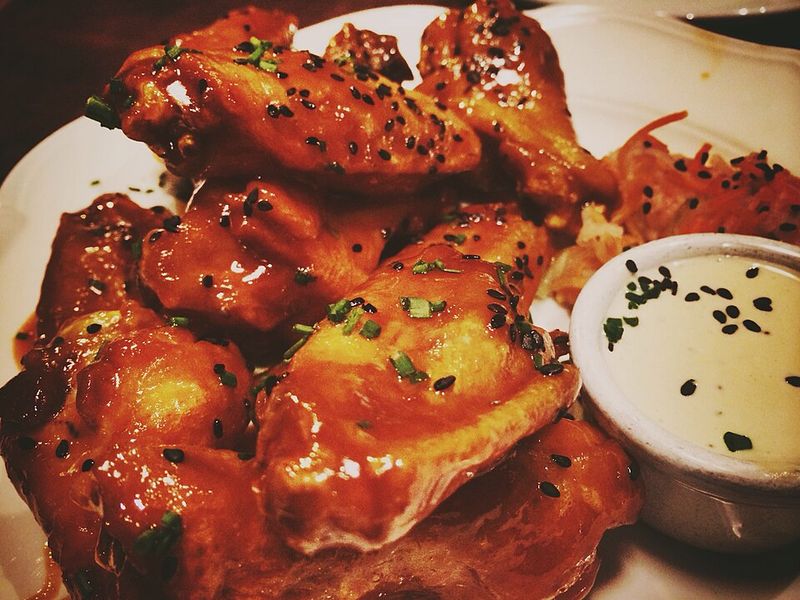
Rooster-emblazoned bottles of spicy chili sauce transformed into a cult favorite, appearing on restaurant tables and in home kitchens across the globe. Enthusiastic fans started calling the condiment “rooster sauce” while adding it to everything from breakfast eggs to late-night pizza.
Balanced heat and garlic undertones allowed this sauce to be more versatile than many traditional alternatives, appealing to both spice lovers and cautious tasters.
11. Pumpkin Spice Latte
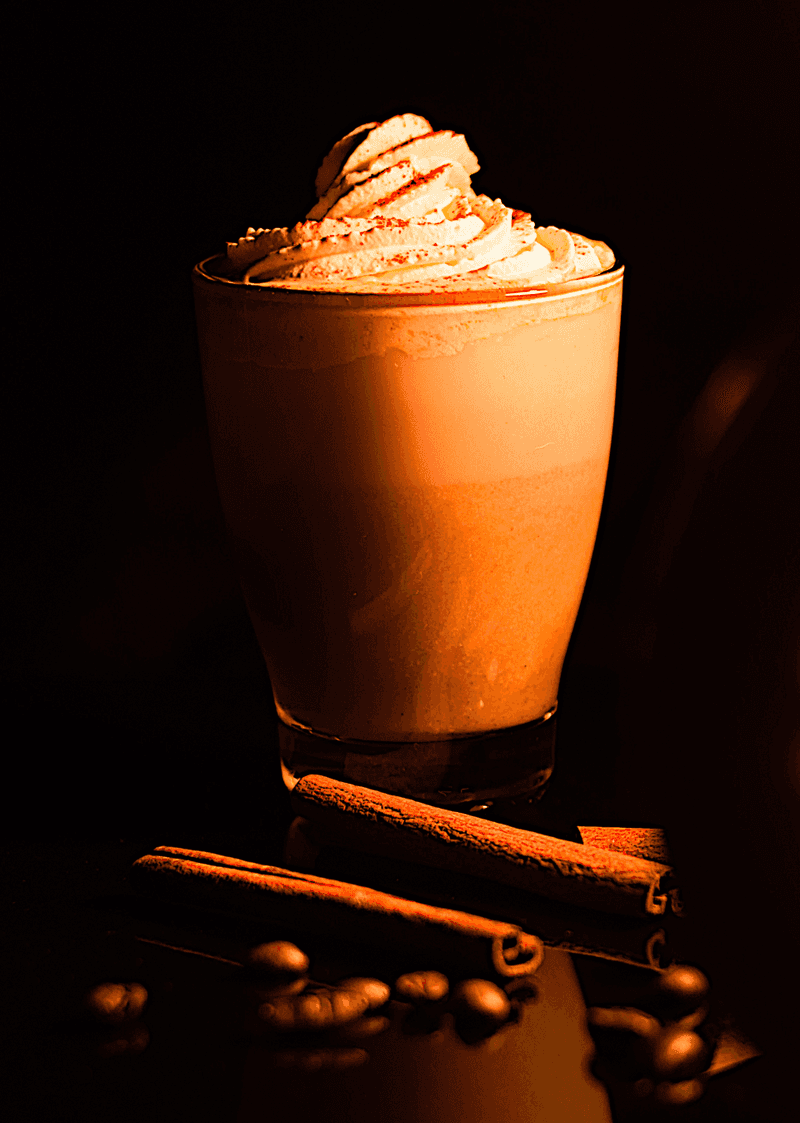
Starbucks launched this fall beverage in 2003, and it instantly became a seasonal phenomenon that defined autumn for millions. A mix of warm baking spices with espresso and steamed milk created a cozy flavor profile that inspired countless imitators.
Soon, pumpkin spice appeared in everything from candles to cereal, but the latte remained the original obsession.
Social media exploded each September when the drink returned to menus, sparking debates about whether it was too early.
Wrapping your hands around that first PSL of the season signals that sweater weather has officially arrived.
10. Bubble Tea (Boba)
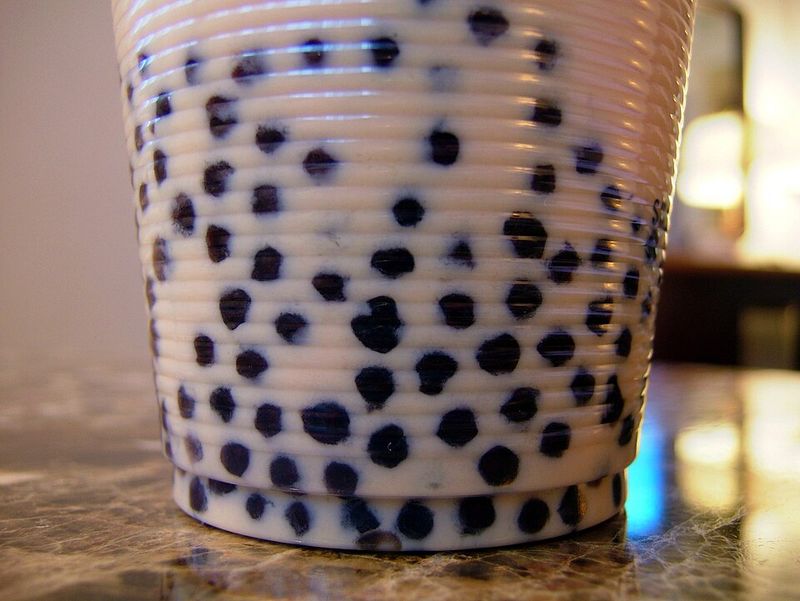
Taiwanese tea shops introduced Americans to this playful drink featuring chewy tapioca pearls at the bottom of sweetened tea.
The wide straws designed to suck up the boba balls added to the novelty, making drinking feel like a game. Shops offered classic milk tea plus fruit-forward options with fun toppings.
College campuses and urban neighborhoods saw bubble tea shops multiply as the trend caught fire.
That moment when you finally catch a tapioca pearl through the straw feels like a small victory worth celebrating.
9. Açaí
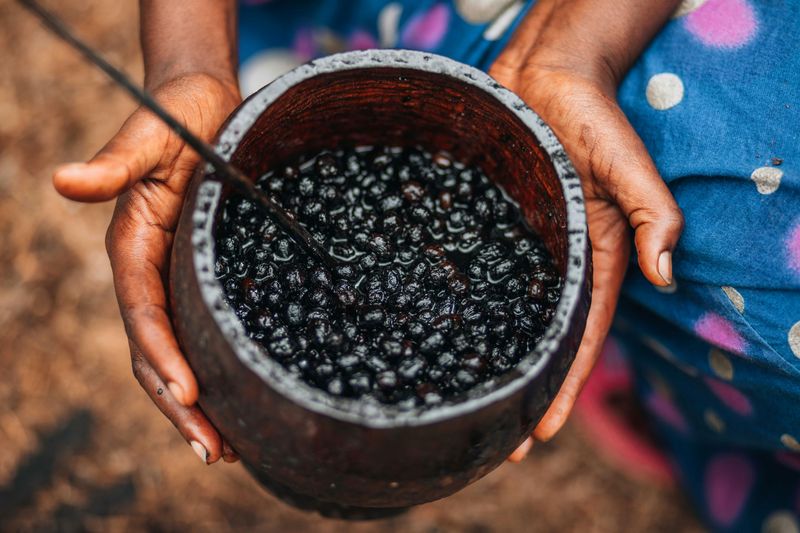
Brazilian açaí berries arrived in smoothie bowls and juice blends, touted as an Amazonian superfood packed with antioxidants.
Health-focused cafes built entire menus around the deep purple fruit, topping bowls with granola, banana slices, and honey. The slightly tart, earthy flavor took some getting used to, but the Instagram-worthy presentation helped it gain traction quickly.
Eating an açaí bowl on a sunny morning makes you feel like you’re doing something genuinely good for your body.
8. Cake Pops
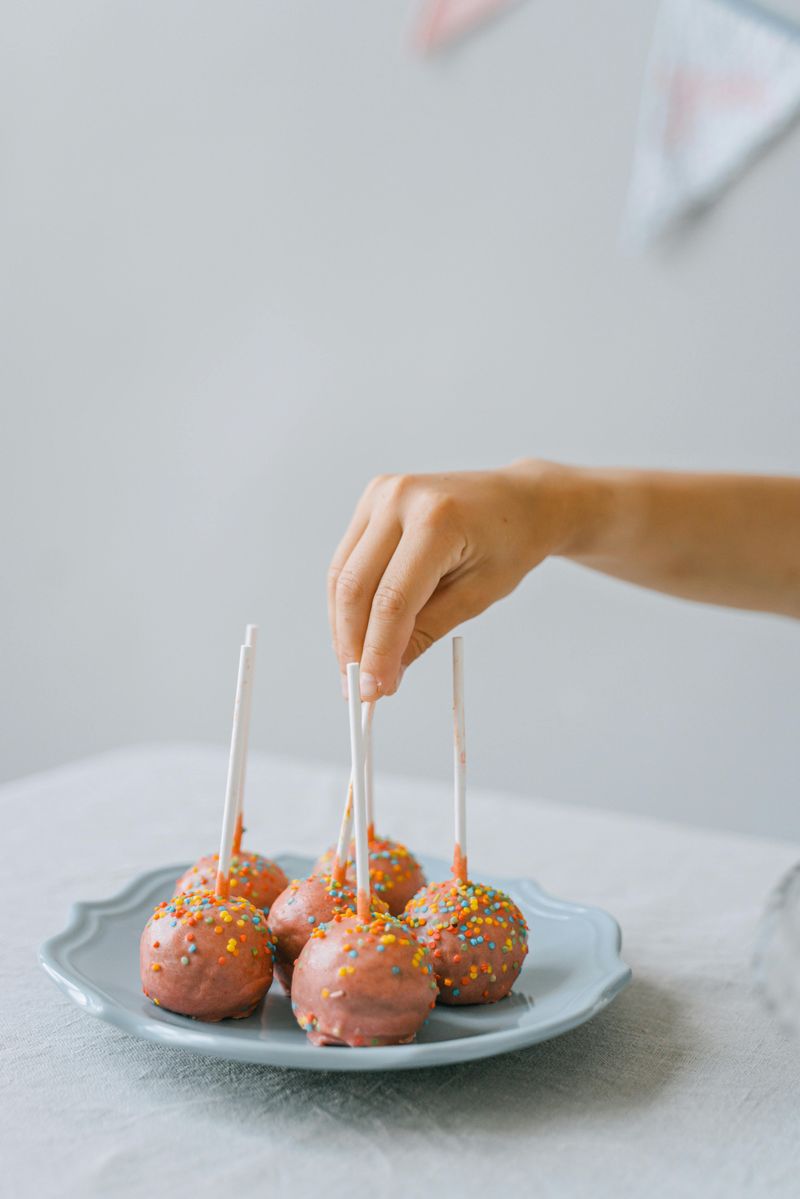
Food blogs helped push these bite-sized cake balls on sticks into the mainstream in the late 2000s, coated in icing and decorated with simple designs. Home bakers embraced cake pops as a creative alternative to traditional cupcakes for parties and celebrations.
The portable format made them perfect for events where plates and forks weren’t convenient.
Cake pop molds and decorating kits followed soon after, turning the treats into a legit at-home hobby.
Biting into a cake pop feels like eating a lollipop and a cupcake at the same time, which is basically genius.
7. Red Velvet Cake
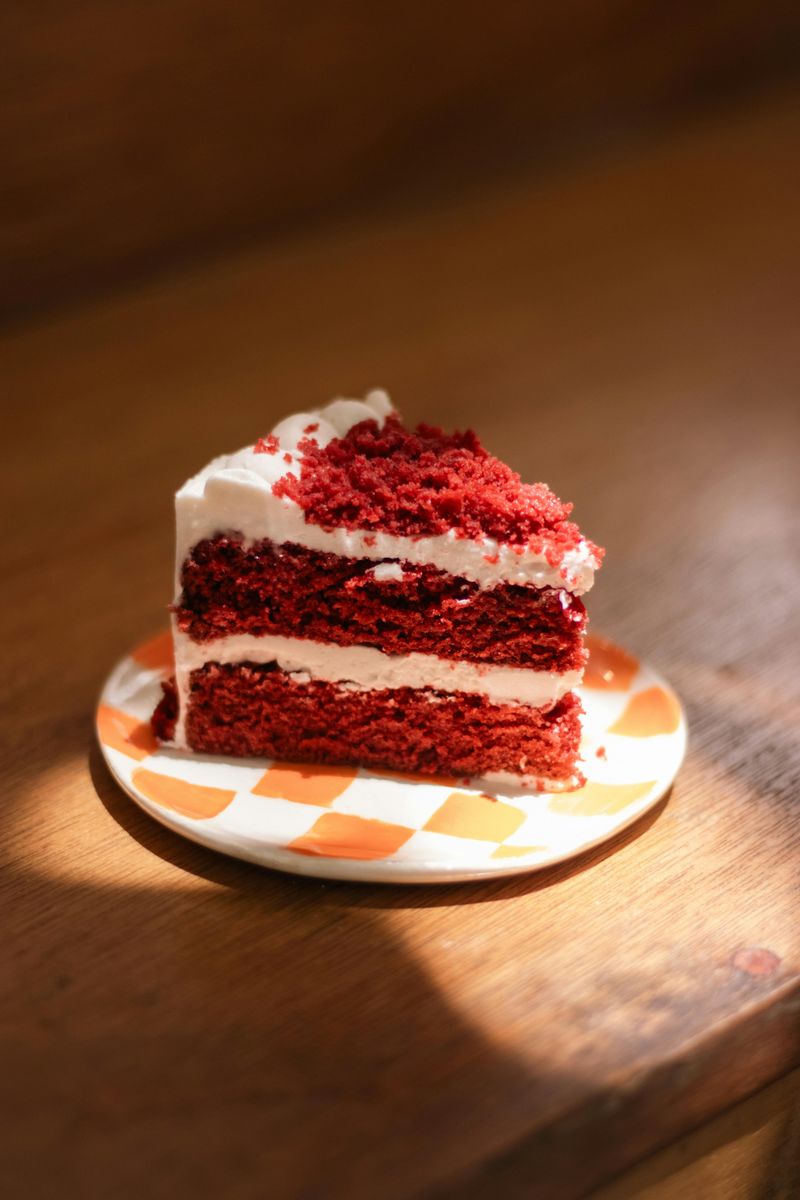
This Southern classic experienced a major revival, showing up in cupcake shops, bakeries, and even ice cream flavors.
The distinctive red color and cream cheese frosting made it a showstopper for birthdays and weddings.
Bakers debated the proper amount of cocoa and whether beet juice or food coloring created the best hue, while customers just wanted more. Suddenly, red velvet everything appeared – cookies, pancakes, and even red velvet Oreos hit store shelves.
Cutting into a red velvet cake at a celebration reveals that gorgeous crimson interior that photographs like a dream.
6. Macaroni And Cheese (Gourmet Revival)
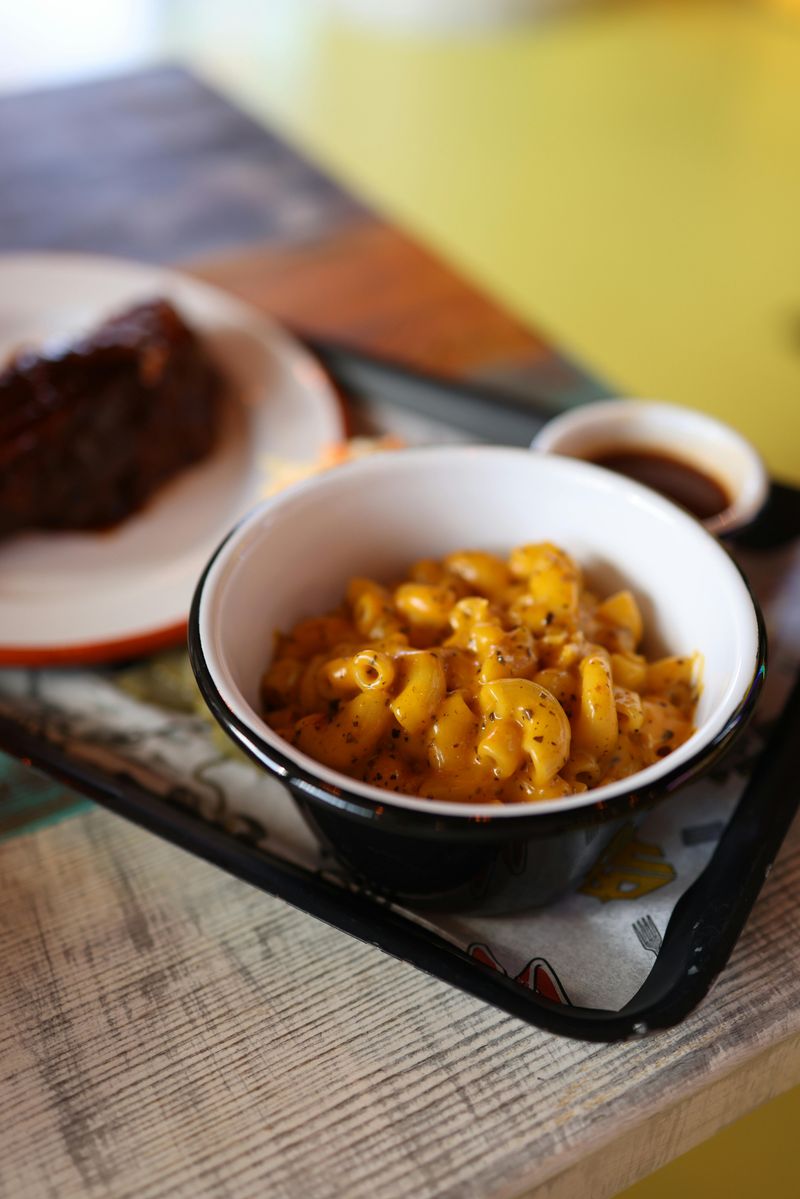
Upscale restaurants rescued mac and cheese from the kids’ menu, adding lobster, truffle oil, and artisan cheeses.
Food trucks specialized in gourmet versions with creative mix-ins like bacon, jalapeños, and breadcrumb toppings. The comfort food classic got a sophisticated makeover while maintaining its soul-warming appeal.
Home cooks experimented with Gruyère, smoked gouda, and sharp cheddar combinations, leaving boxed versions in the dust.
Digging into a bubbling crock of restaurant-quality mac and cheese feels like getting a warm hug from the inside out.
5. Kombucha
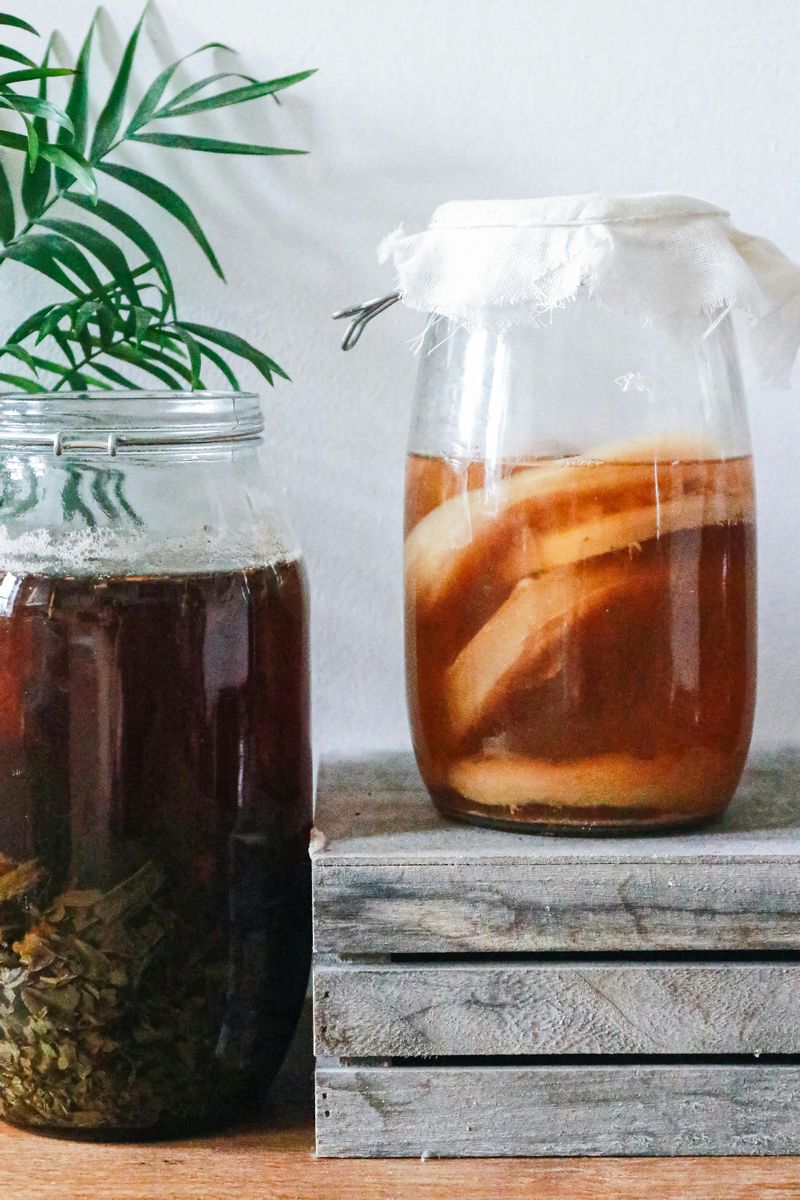
This fermented tea beverage moved from health food stores to mainstream grocery coolers, promising probiotic benefits and digestive support.
The slightly fizzy, tangy flavor profile appealed to people looking for alternatives to soda and energy drinks.
Home-brewing enthusiasts cultivated SCOBY cultures in their kitchens, while commercial brands took over retail shelves. Flavors ranged from ginger to berry to more adventurous combinations like lavender-lemon, making it easy to find a favorite.
Cracking open a cold kombucha on a warm afternoon delivers refreshment with a side of gut-health bragging rights.
4. Coconut Water
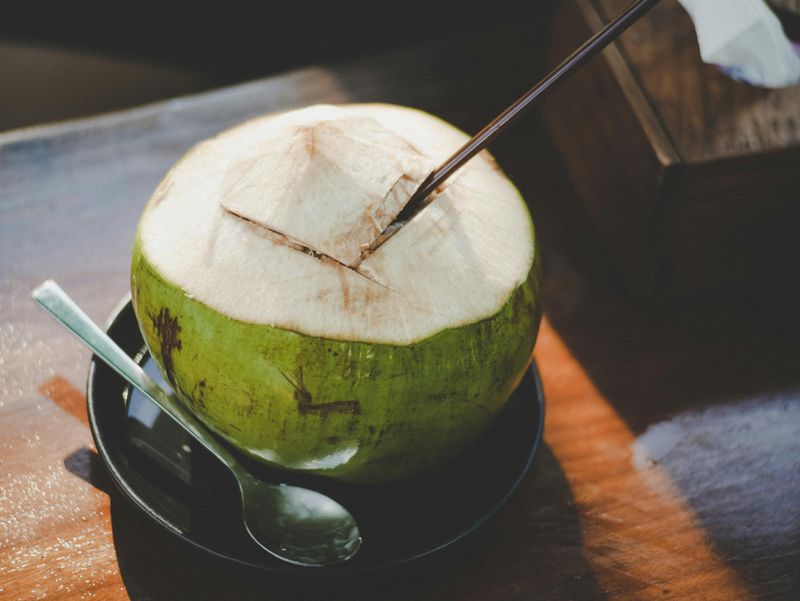
Brands like Vita Coco packaged the clear liquid from young coconuts as nature’s sports drink, rich in electrolytes.
Athletes and fitness enthusiasts embraced it as a natural alternative to artificially colored sports beverages.
The slightly sweet, nutty flavor worked well on its own or mixed into smoothies. Marketing campaigns emphasized the tropical origins and hydration benefits, making coconut water feel like vacation in a carton.
Sipping coconut water after yoga class became the unofficial signal that you were serious about wellness.
3. Agave Nectar (Agave Syrup)
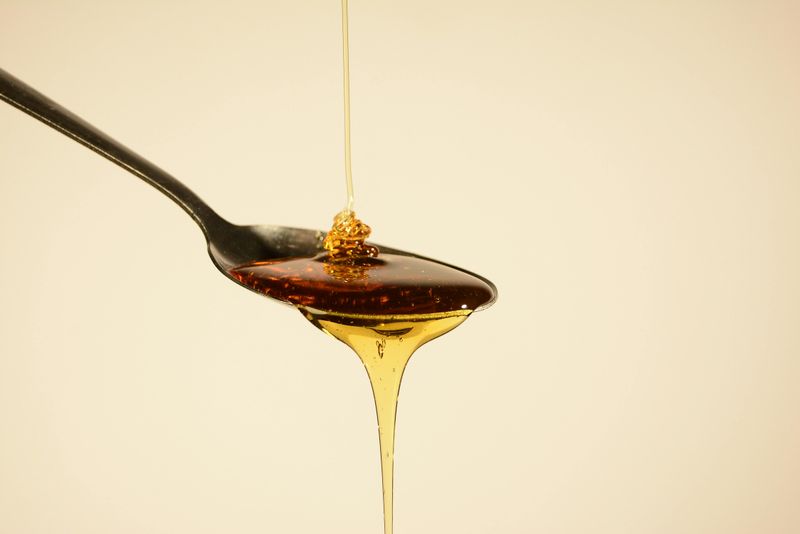
This sweetener derived from agave plants became the darling of health-conscious bakers and tea drinkers seeking alternatives to refined sugar. It was marketed as a sugar alternative, and many people used it as a different-tasting option in drinks and baking.
Vegan bakers appreciated having a plant-based sweetener that worked well in recipes traditionally calling for honey.
Drizzling agave into your morning tea feels like choosing the sophisticated, grown-up path to sweetness.
2. Kimchi
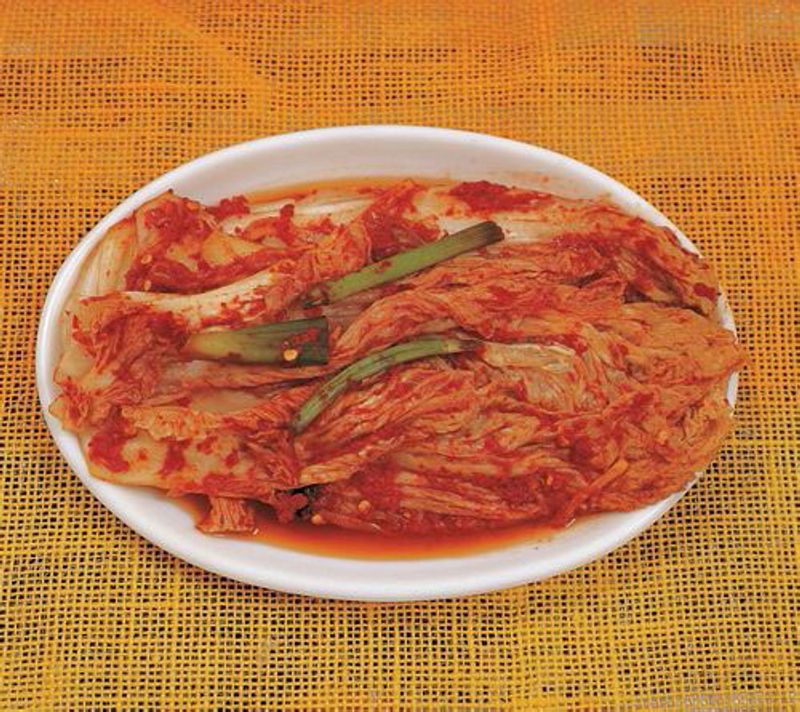
Korean fermented vegetables, especially spicy napa cabbage kimchi, crossed over from Asian markets to mainstream grocery stores.
The complex, funky, spicy flavor profile challenged American palates but rewarded adventurous eaters with layers of taste.
Health coverage often highlighted fermented foods, while foodies loved adding it to tacos and fried rice. Restaurants began featuring kimchi as a trendy side dish or ingredient, introducing it to diners who might never visit a Korean restaurant.
Opening a jar of kimchi releases that distinctive aroma that either makes you hungry or clears the room – no in-between.
1. Phở
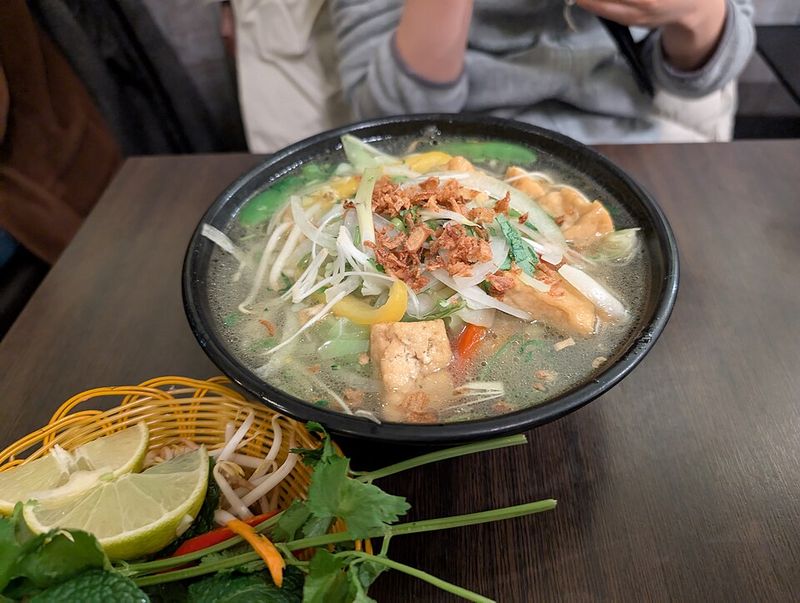
Vietnamese noodle soup shops multiplied across America as diners discovered the aromatic, comforting bowl of broth, rice noodles, and herbs.
The customizable nature let everyone build their perfect bowl with bean sprouts, lime, jalapeños, and fresh basil.
College students and office workers embraced phở as an affordable, filling meal that felt healthier than fast food alternatives. The steaming broth and tender meat created the ultimate comfort food experience, especially during cold weather or sick days.
Slurping hot phở on a chilly evening warms you from the inside out better than any blanket ever could.