40 Delicious Food Launch That Matches Your Birth Year
Ever wondered what tasty treats hit the shelves the year you were born? Food launches are like time capsules of flavor, capturing the trends, tastes, and innovations that defined each era.
Fizzy drinks, frozen dinners, candy bars, and condiments all made their debuts, changing the way we eat and becoming part of our everyday lives. Travel through four decades of delicious history, one bite at a time!
1. 2006: Fiber One 90 Calorie Brownies
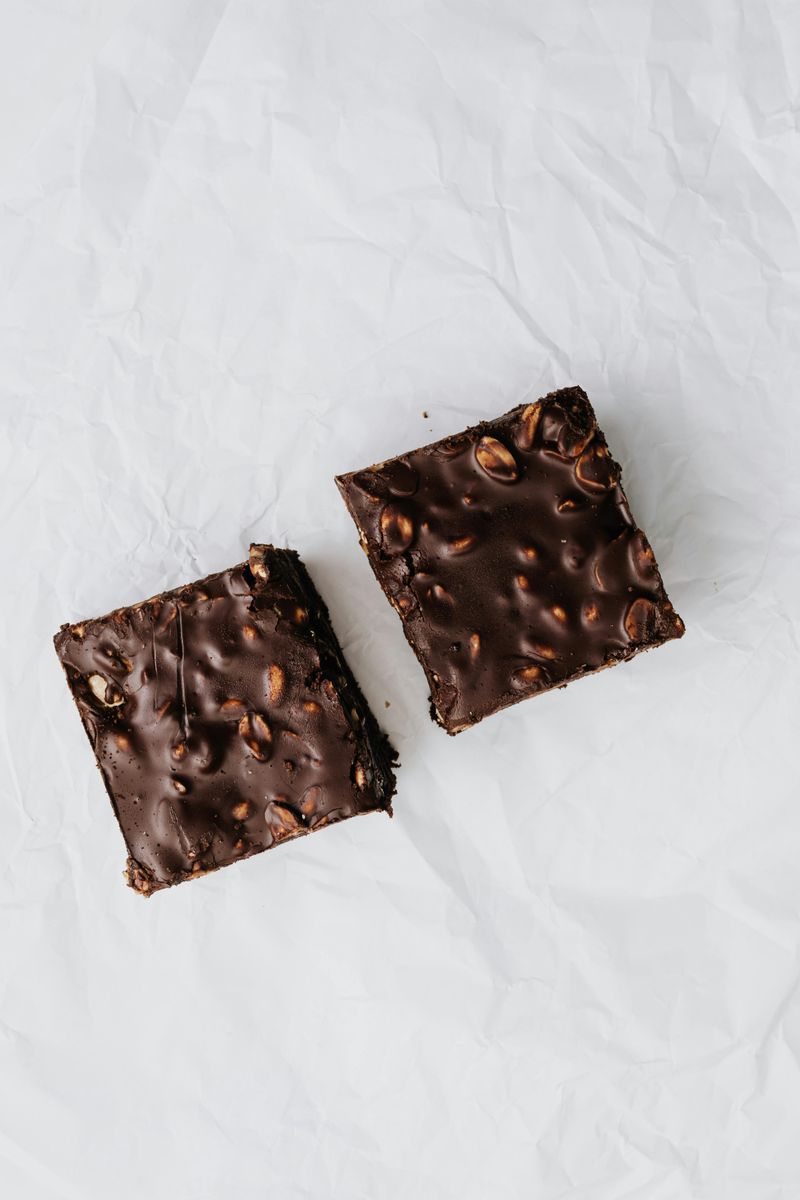
Brownies that promised dessert without the guilt? Revolutionary!
General Mills knew people wanted chocolate without sacrificing their health goals, so they created these portable, individually wrapped treats.
Each little square packed five grams of fiber while keeping calories under control. They became lunchbox staples and office drawer essentials almost overnight.
Parents loved sneaking fiber into their kids’ diets, and adults appreciated having a sweet fix that didn’t derail their wellness plans.
2. 2005: Coca-Cola Zero
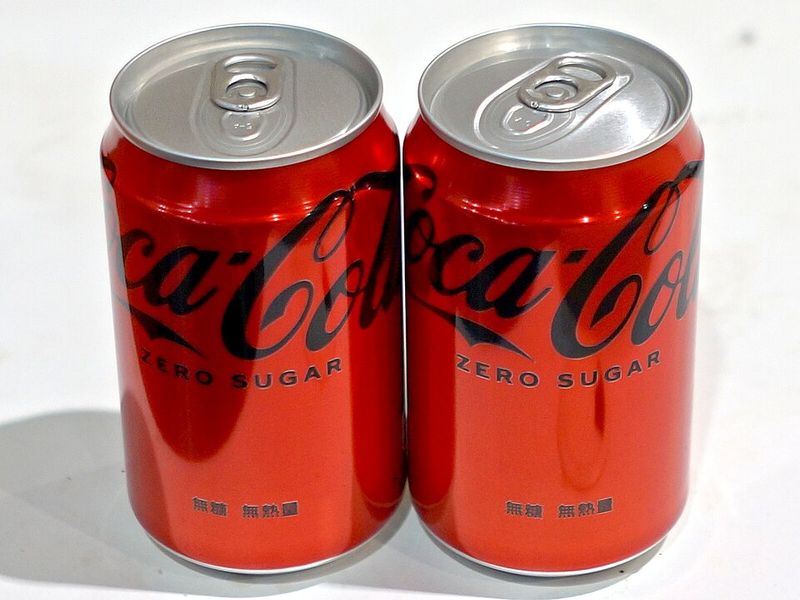
When Coke launched this zero-calorie alternative, they weren’t just copying Diet Coke—they were targeting a whole new crowd. Men, specifically, who thought diet sodas were too feminine.
The bold black packaging and aggressive marketing campaigns made zero-calorie cola suddenly feel cool. The formula aimed to taste more like original Coke than Diet Coke ever did.
It sparked debates among soda fans worldwide about which version tasted better, creating a loyal following that continues today.
3. 2004: Matcha Green Tea (Mainstream US)
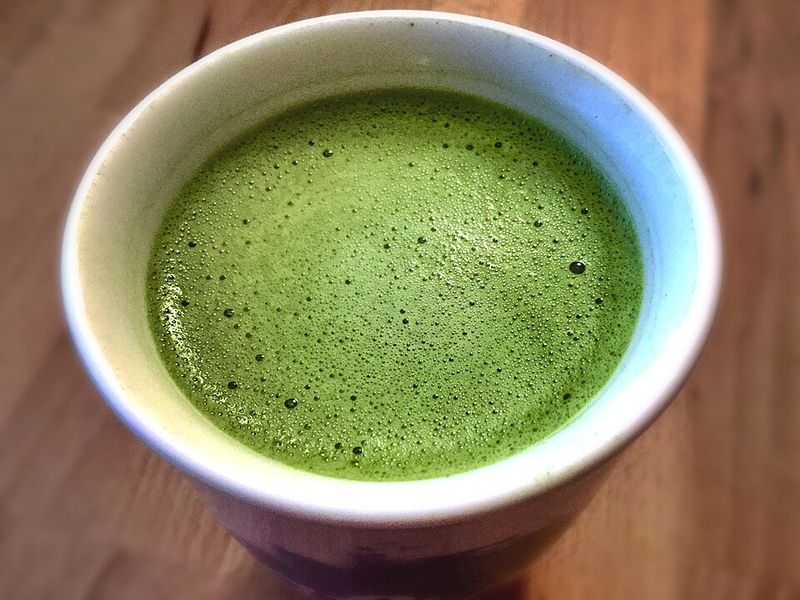
This vibrant green powder from Japan suddenly exploded across American coffee shops and health food stores. Matcha wasn’t new, but 2004 marked when it transitioned from specialty item to mainstream sensation.
Coffee chains started offering matcha lattes, and food bloggers couldn’t stop experimenting with matcha desserts. The antioxidant-rich tea powder promised energy without the coffee jitters.
Soon matcha appeared in everything from ice cream to cookies, marking the beginning of America’s ongoing green tea obsession.
4. 2003: Splenda (Sucralose Sweetener)
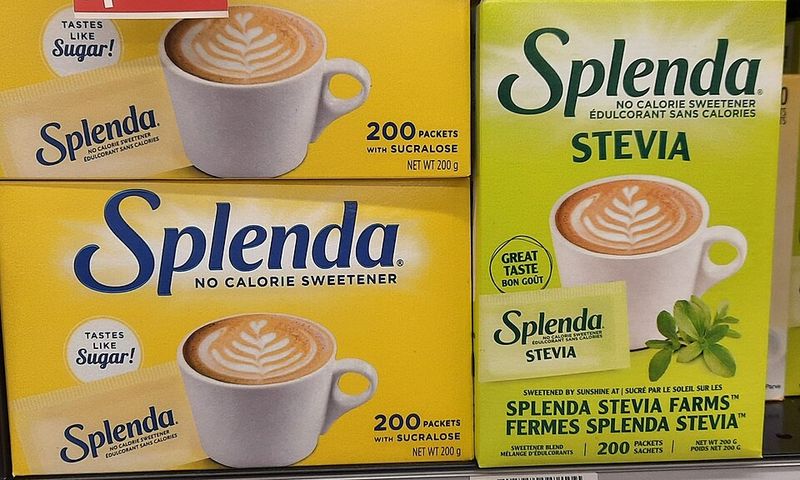
Yellow packets started appearing next to pink and blue ones at restaurants everywhere. Splenda promised something neither Sweet’N Low nor Equal could deliver: a sugar substitute made from actual sugar.
The tagline “Made from sugar, so it tastes like sugar” resonated with people tired of artificial aftertastes. Home bakers rejoiced because Splenda could withstand high temperatures unlike some competitors.
It quickly became the top-selling artificial sweetener in the United States, changing how millions of people sweetened their coffee and baked goods.
5. 2002: Vanilla Coke
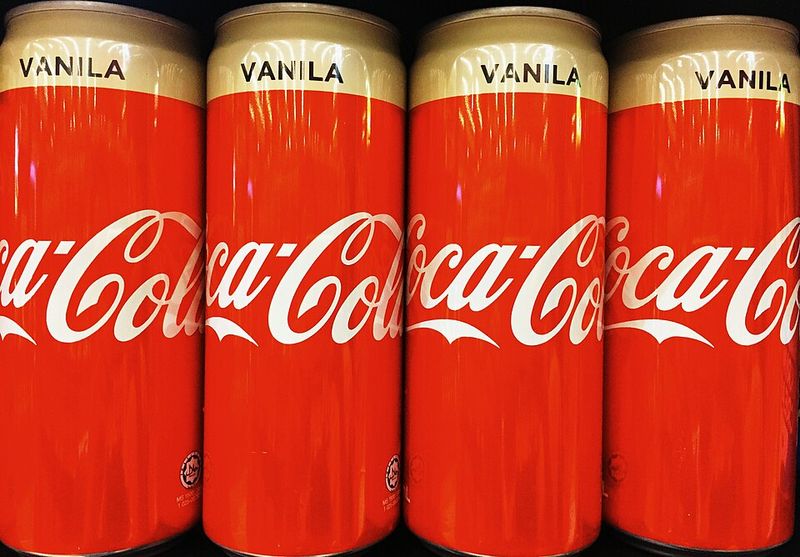
Adding vanilla syrup to Coke was already a secret menu hack at soda fountains, but Coca-Cola decided to bottle the magic. The creamy, smooth flavor profile offered something different from regular cola.
Teens especially loved the slightly sweeter taste, and it became a cult favorite despite not matching original Coke’s sales numbers. The cream-colored can with vanilla bean imagery stood out on store shelves.
Though it was discontinued briefly, fan demand brought it back, proving that sometimes vanilla is anything but boring.
6. 2001: Cinnamon Toast Crunch Treats
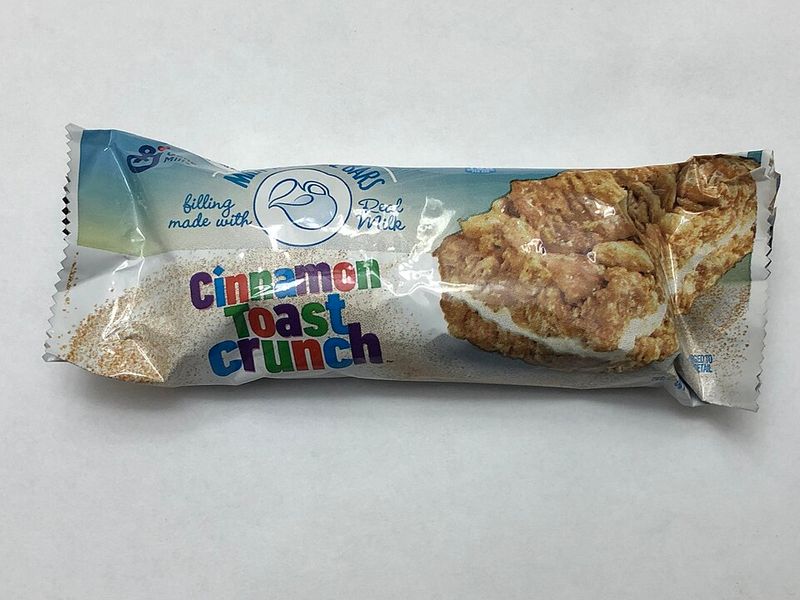
General Mills took their beloved breakfast cereal and transformed it into a portable snack bar. Why eat Cinnamon Toast Crunch from a bowl when you could grab a bar on your way out the door?
The chewy, cinnamony squares captured the cereal’s signature flavor in a new format. Kids traded them at lunch, and adults stashed them in desk drawers for afternoon pick-me-ups.
They joined the ranks of successful cereal-to-bar transformations, proving that breakfast flavors work any time of day.
7. 2000: Pepsi Twist
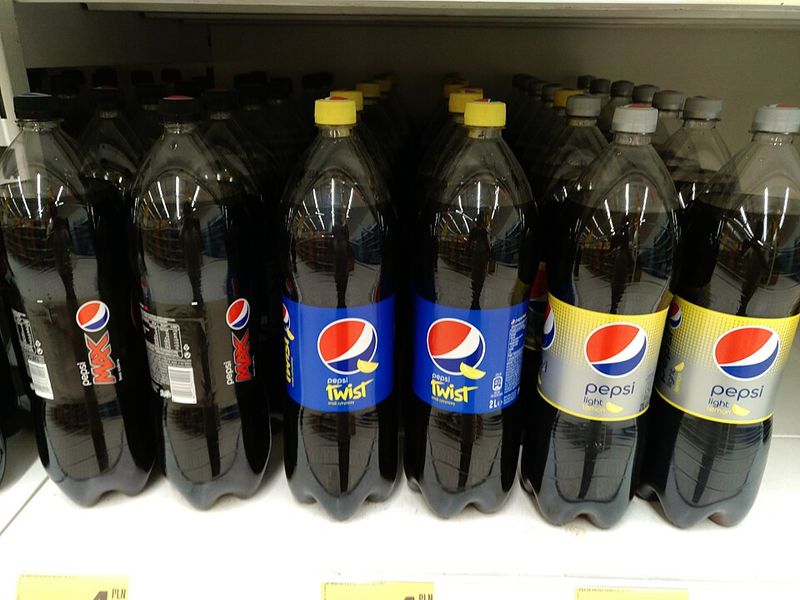
Millennium fever inspired Pepsi to add a citrus kick to their classic formula. The lemon-infused cola arrived with futuristic silver packaging that screamed Y2K aesthetics.
It offered a refreshing alternative during the era when everything seemed to be getting a citrus makeover. The subtle lemon flavor didn’t overpower the cola taste, creating a balanced beverage.
Though it eventually faded from shelves, Pepsi Twist represented the bold experimentation of the early 2000s beverage market.
8. 1999: Bagel Bites
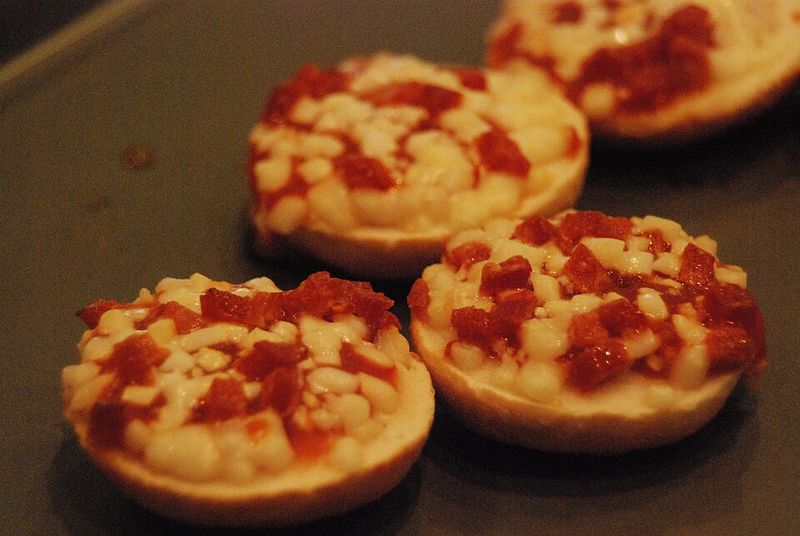
Tiny bagels topped with cheese, sauce, and pepperoni became the ultimate after-school snack. Ore-Ida created miniature pizza experiences that could go from freezer to mouth in minutes.
The jingle “Pizza in the morning, pizza in the evening, pizza at supper time” became permanently stuck in everyone’s head. Kids could make them independently, giving parents a break from constant snack requests.
They bridged the gap between pizza and bagels, creating a hybrid food that defined late-nineties convenience eating.
9. 1998: Altoids Sours
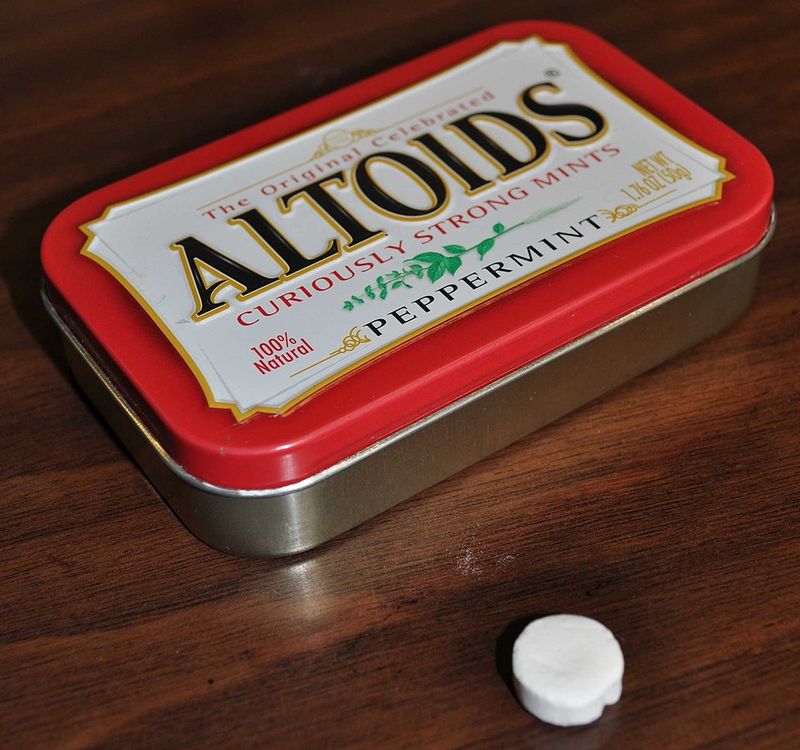
The “curiously strong mints” company went rogue and launched intensely sour candies in colorful tins. Each flavor—tangerine, citrus, raspberry, mango, and apple—delivered a mouth-puckering punch.
They became collectibles, with people saving the adorable tins long after the candies disappeared. The sour-then-sweet flavor profile was addictive, making them impossible to eat just one.
Sadly, Altoids discontinued Sours in 2010, sparking online petitions and nostalgic social media posts from heartbroken fans who still mourn their loss.
10. 1997: Starbucks Frappuccino (Bottled)
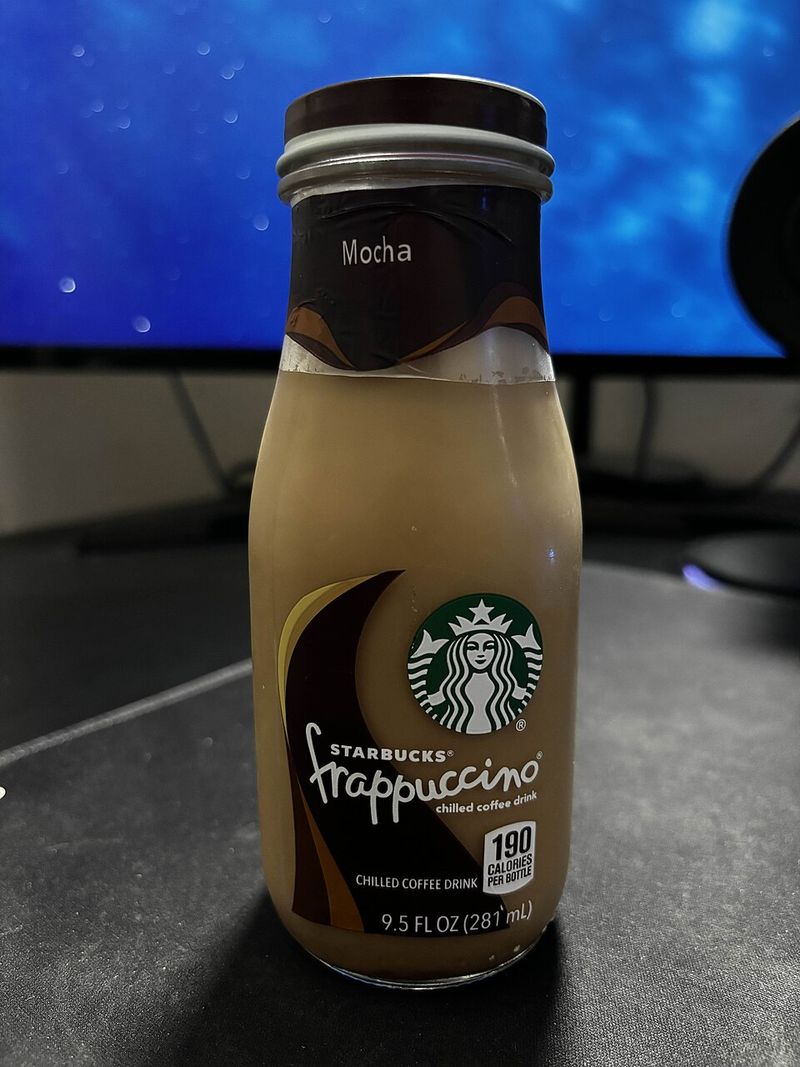
Coffee giant Starbucks partnered with Pepsi to bring their blended beverages into grocery stores and gas stations. Suddenly, you could grab a Frappuccino without visiting a café.
The bottled versions offered convenience for people who wanted their coffee fix on the go. They came in flavors like mocha and vanilla, capturing the essence of the in-store experience.
This move helped Starbucks reach customers beyond their physical locations, transforming the brand into a grocery store staple nationwide.
11. 1996: Cheestrings
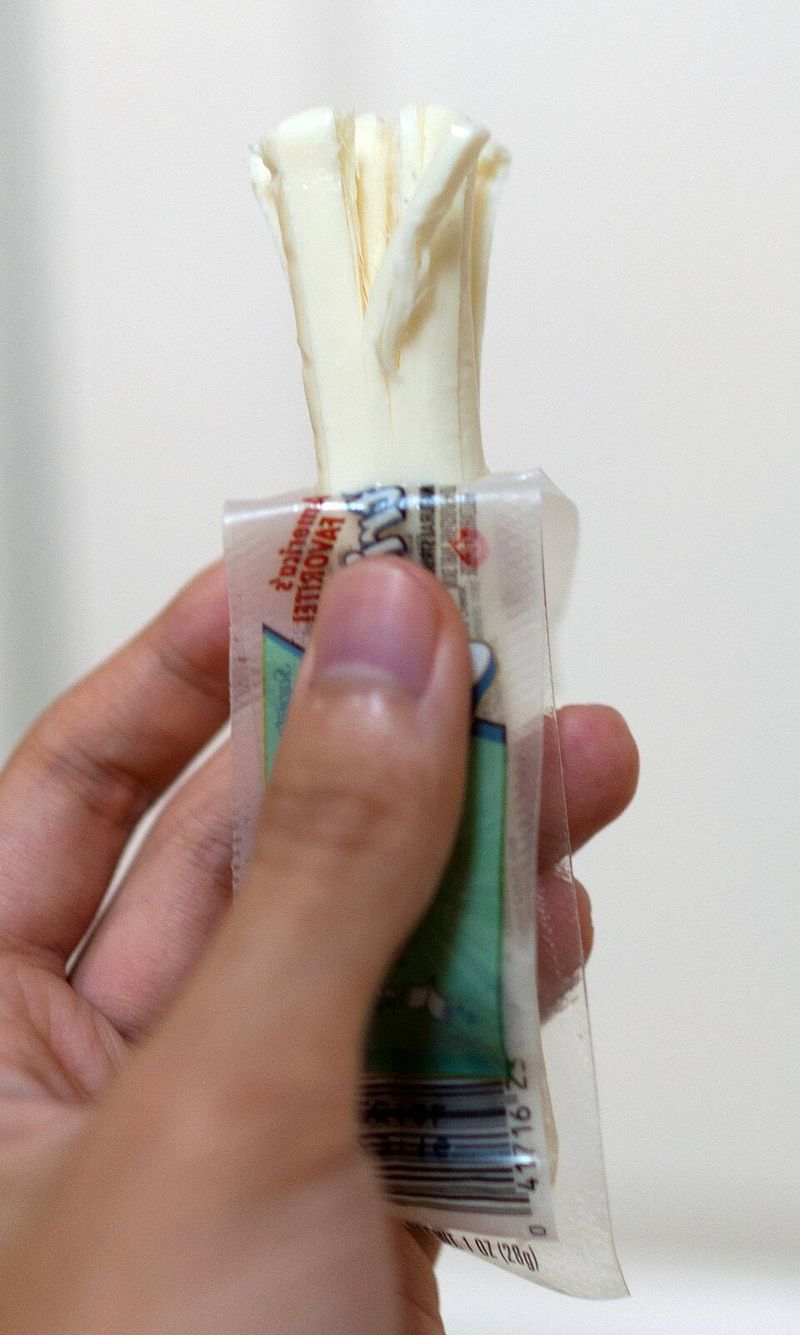
Cheestrings hit store shelves in 1996, turning ordinary cheese into a playful, peel-apart snack that kids could twist, snap, and eat anywhere.
Bold purple packaging and a fun, mischievous mascot made it impossible to ignore in lunchboxes and snack aisles. The convenience, quirky format, and irresistible novelty made Cheestrings an instant hit with kids, quickly becoming a must-have snack.
Decades later, it remains a nostalgic favorite, proving that even simple cheese can become legendary.
12. 1995: Dunkaroos
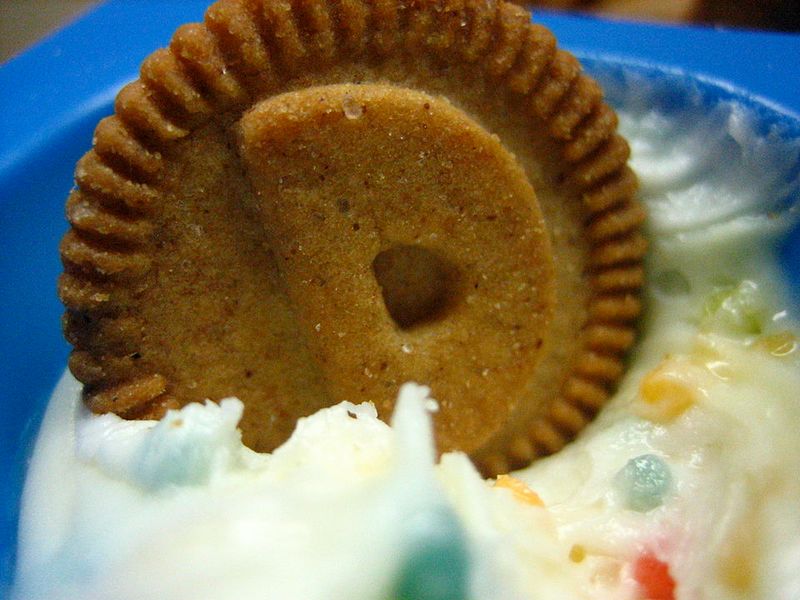
General Mills hit snack gold with these kangaroo-shaped cookies paired with rainbow sprinkle frosting. The interactive element—dunking cookies into icing—made snack time feel like an activity.
Lunchboxes weren’t complete without these compartmentalized treats featuring a friendly kangaroo mascot. Kids loved the sweet frosting, often saving it to lick directly from the container.
After being discontinued in the US, intense nostalgia brought Dunkaroos back in 2020, delighting millennials who never forgot their childhood favorite.
13. 1994: Snackwell’s Devil’s Food Cookie Cakes
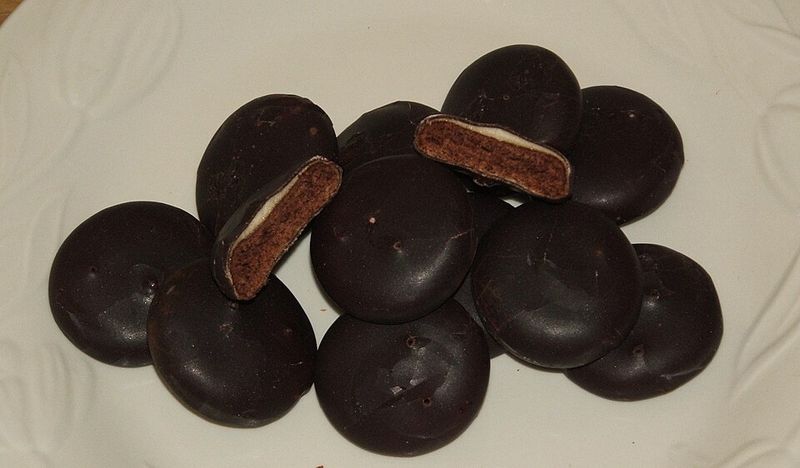
The low-fat craze of the nineties reached peak intensity with these chocolate cookies. Nabisco marketed them as guilt-free indulgence, and America went absolutely wild.
Stores couldn’t keep them stocked as people grabbed boxes believing they’d found the secret to eating dessert without consequences. The cookies were actually pretty tasty, with a cake-like texture and rich chocolate flavor.
They symbolized an entire era’s misguided approach to nutrition, when everyone thought fat-free meant healthy regardless of sugar content.
14. 1993: Taco Bell’s Gordita
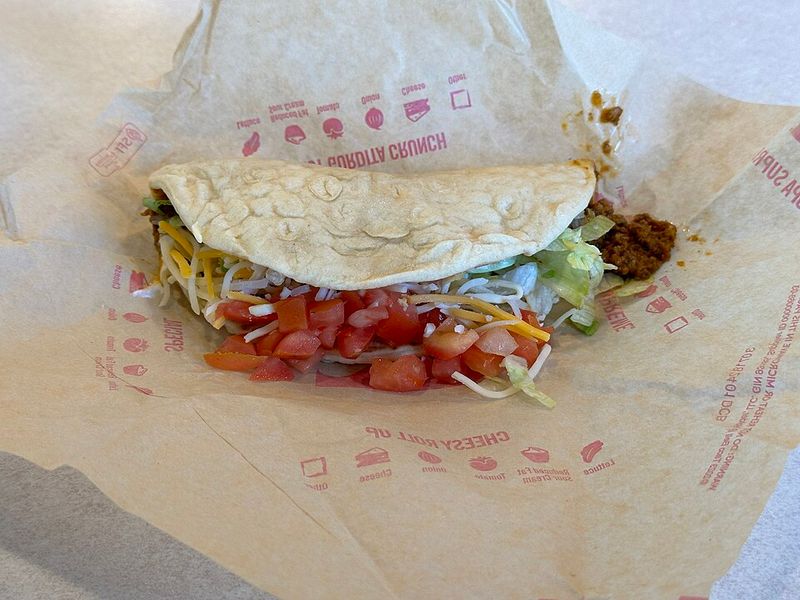
Taco Bell introduced this pillowy flatbread creation that was softer than a taco but heartier than a burrito. The thick, pita-like bread cradled seasoned meat, cheese, lettuce, and sauce perfectly.
It quickly became a menu staple, offering a different texture experience than crunchy tacos. The Gordita spawned multiple variations, including the Chalupa and the famous Crunchwrap Supreme later.
Its success proved that Taco Bell could innovate beyond traditional Mexican-American fast food, creating entirely new categories of handheld meals.
15. 1992: Crystal Pepsi

Clear cola was supposed to represent purity and the future. Pepsi spent millions marketing this see-through beverage that tasted like regular Pepsi but looked like Sprite.
The concept was fascinating but ultimately confusing—why would you want clear cola? Despite massive advertising campaigns featuring Van Halen’s “Right Now,” consumers weren’t convinced.
It flopped spectacularly within a year, becoming a cautionary tale about prioritizing gimmicks over substance, though nostalgia brought limited re-releases decades later.
16. 1991: McLean Deluxe
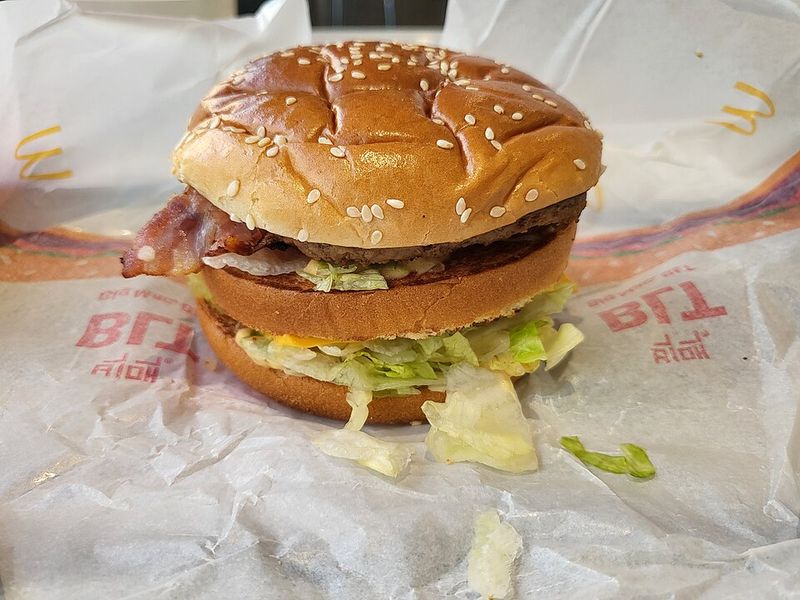
McDonald’s attempted to create a healthier burger using a seaweed derivative called carrageenan to reduce fat content. The McLean Deluxe promised 91 percent fat-free beef in an era obsessed with cutting fat.
Unfortunately, the burger tasted different from the beloved Big Mac and Quarter Pounder, and health-conscious consumers weren’t really McDonald’s core audience anyway. It cost more than regular burgers, adding another barrier.
The McLean Deluxe quietly disappeared after a few years, teaching fast food chains that customers visit them for indulgence, not nutrition.
17. 1990: Fruit by the Foot
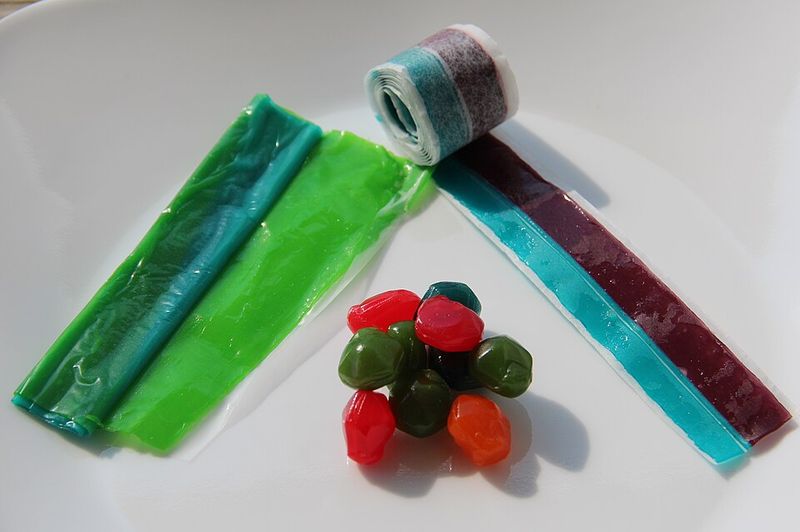
General Mills created three feet of rollable fruit snack that kids could unroll, measure, and play with before eating. The sheer length made it feel like you were getting more than a regular fruit snack.
Tongue-staining colors and sweet fruit flavors made them lunchbox treasures. Kids compared lengths and created games around the stretchy, sticky strips.
They joined Fruit Roll-Ups and Gushers in the holy trinity of nineties fruit snacks, defining an entire generation’s relationship with processed fruit products.
18. 1989: Pizza Hut’s Personal Pan Pizza
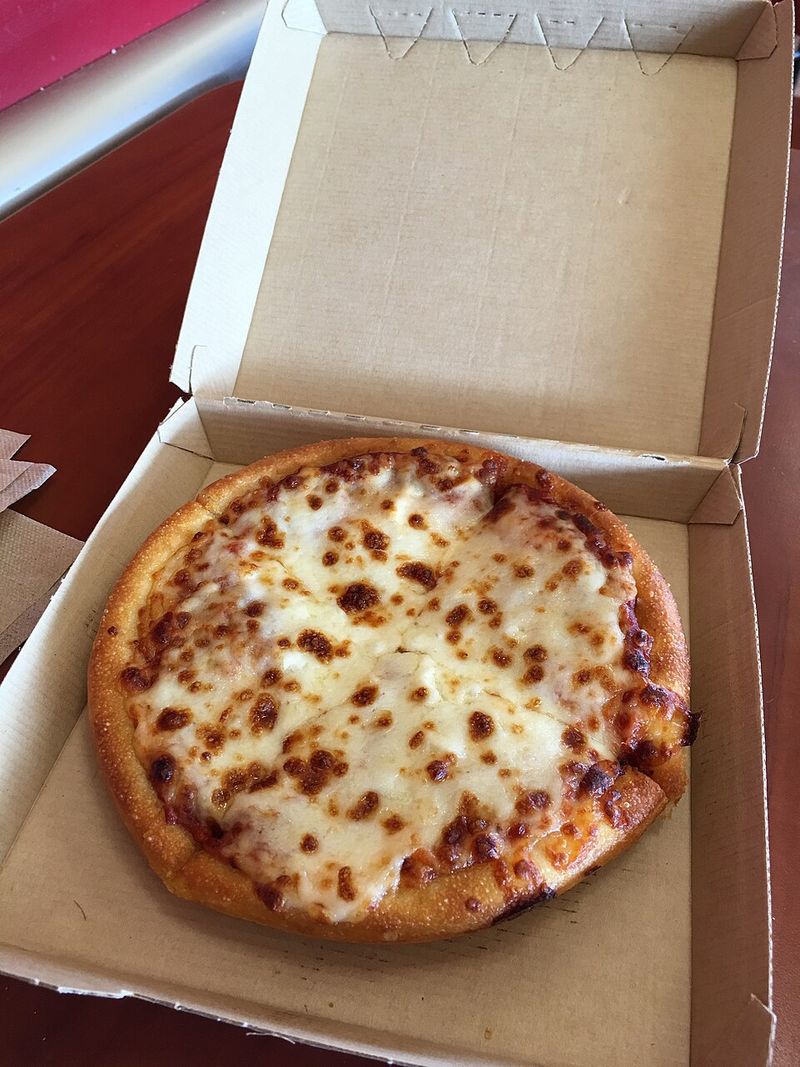
Individual-sized pizzas became a phenomenon thanks to Pizza Hut’s reading incentive program. Kids who met reading goals earned free Personal Pan Pizzas, making literacy delicious.
The single-serving deep-dish pizzas were perfectly portioned and arrived at your table in those distinctive black pans. They made pizza feel special even when dining alone.
The Book It! program created lifelong Pizza Hut fans and positive associations between reading and rewards, influencing millions of children throughout the nineties.
19. 1988: Prozac… Just Kidding! Hot Pockets
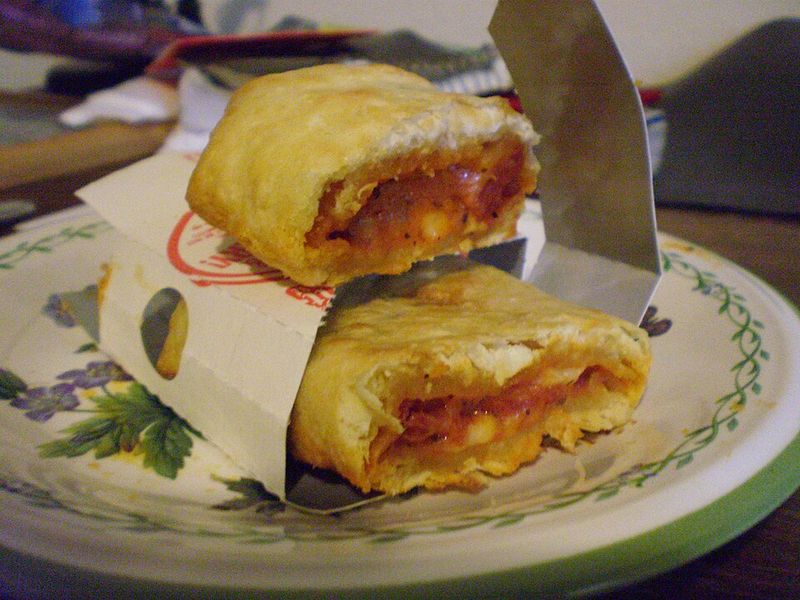
Chef America introduced these microwaveable turnovers that promised restaurant-quality meals in minutes. The crispy crust and hot filling revolutionized convenient eating for busy people and college students.
Flavors ranged from pizza to breakfast sandwiches, offering something for every meal. The infamous “lava hot outside, frozen inside” problem became a running joke but didn’t stop their popularity.
Hot Pockets became cultural icons, referenced in comedy routines and late-night snack runs, defining microwave convenience food for decades.
20. 1987: Airheads
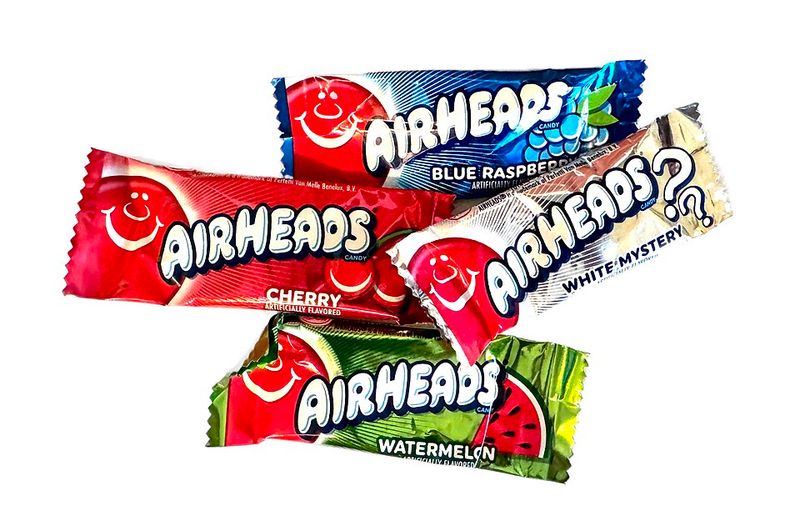
These taffy-like candies came in wild flavors and even wilder colors. Perfetti Van Melle created a chewy candy that you could twist, stretch, and mold before eating.
The tangy-sweet taste and playful texture made them instant playground favorites. Mystery flavor packages added an element of surprise that kids loved guessing.
Airheads occupied a unique space between gum and candy, offering entertainment value beyond just taste, making them memorable eighties treats that endure today.
21. 1986: Chicken McNuggets Worldwide Expansion
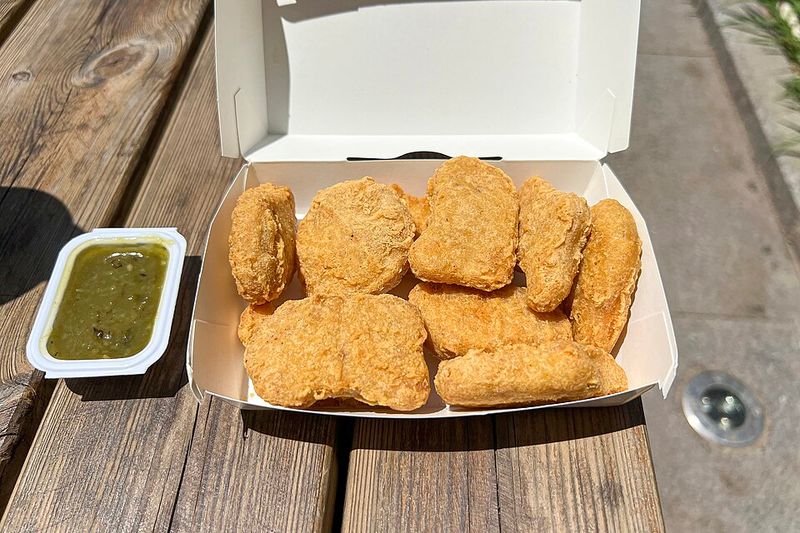
While McNuggets debuted in the US earlier, 1986 marked their global takeover. McDonald’s perfected the nugget shape, breading, and dipping sauce formula that conquered international markets.
They transformed chicken from dinner meat to finger food, making it kid-friendly and portable. The various dipping sauces created personal preferences and friendly debates.
McNuggets became one of McDonald’s most successful products ever, proving that bite-sized, dippable food transcends cultural boundaries and appeals to everyone.
22. 1985: New Coke (The Biggest Flop Ever)
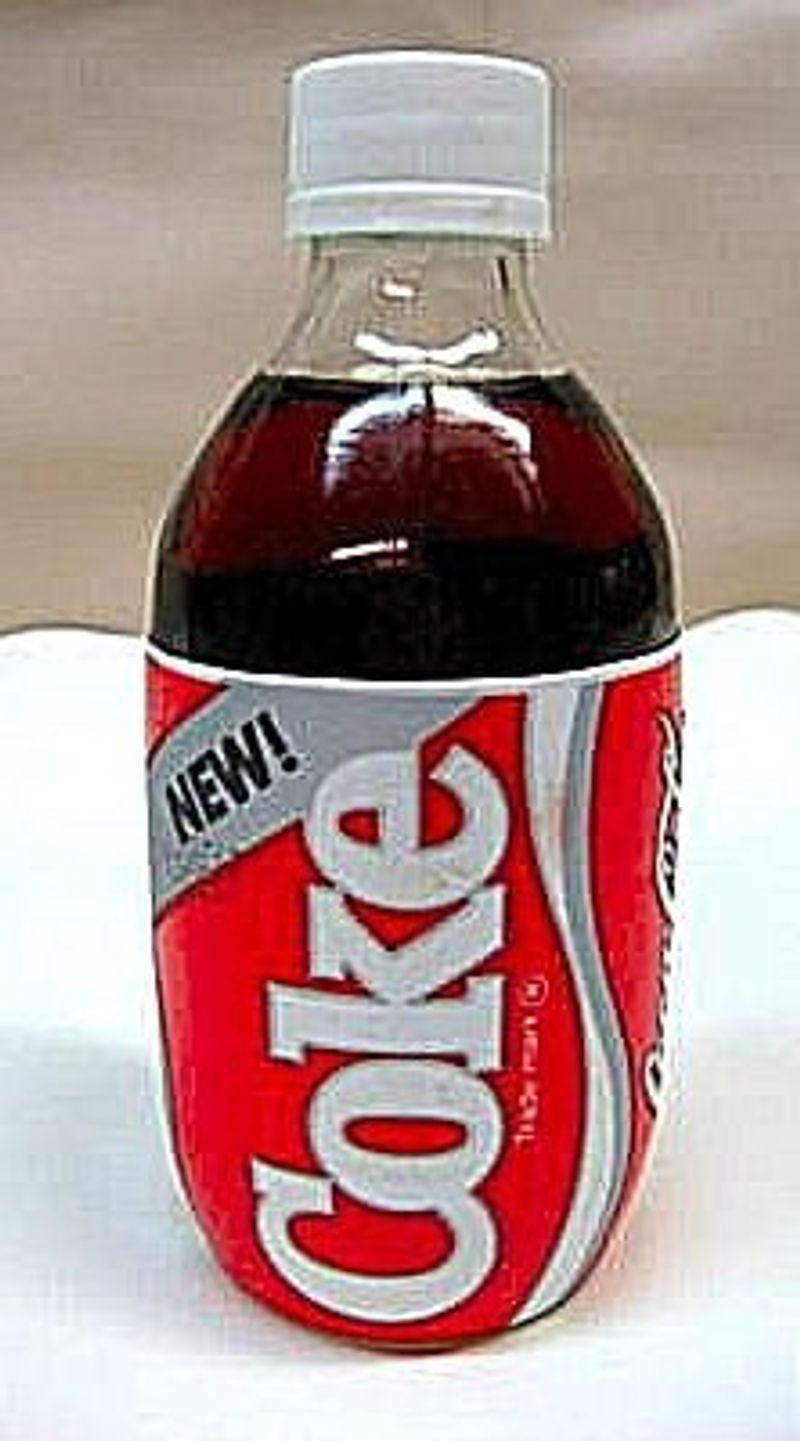
Coca-Cola committed one of marketing’s greatest blunders by reformulating their classic recipe. They thought sweeter was better, but Americans violently disagreed.
Public outcry was immediate and intense, with people hoarding original Coke and protesting outside company headquarters. The backlash was so severe that Coca-Cola brought back the original formula as “Coca-Cola Classic” within months.
Some conspiracy theorists believe it was intentional marketing genius, but most agree it was a genuine miscalculation that became business school legend.
23. 1984: Lean Cuisine
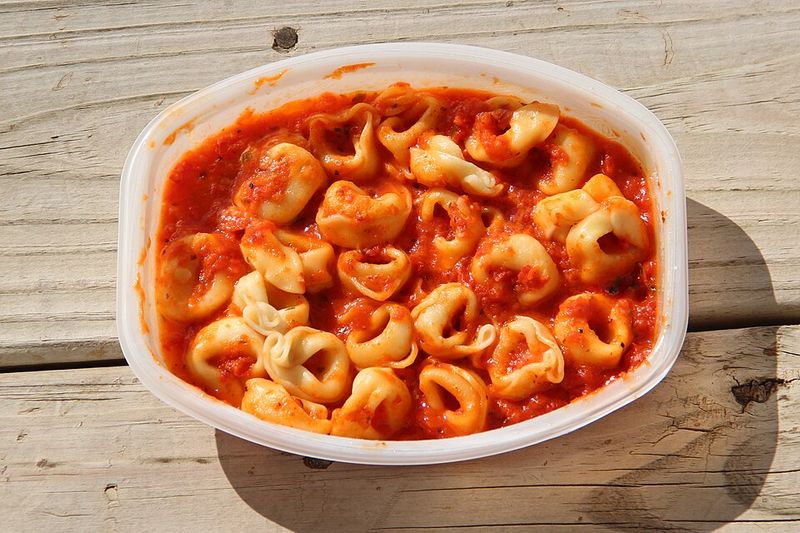
Stouffer’s launched this line of portion-controlled frozen dinners targeting health-conscious consumers, especially women. Each meal promised balanced nutrition with calorie counts clearly displayed.
The French name added sophistication to what was essentially diet food. Flavors like Chicken Florentine and Glazed Chicken sounded fancier than typical TV dinners.
Lean Cuisine helped normalize frozen meals as acceptable lunch options for working professionals, not just lazy dinners, changing workplace eating habits permanently.
24. 1983: Chicken Selects (McDonald’s Premium)
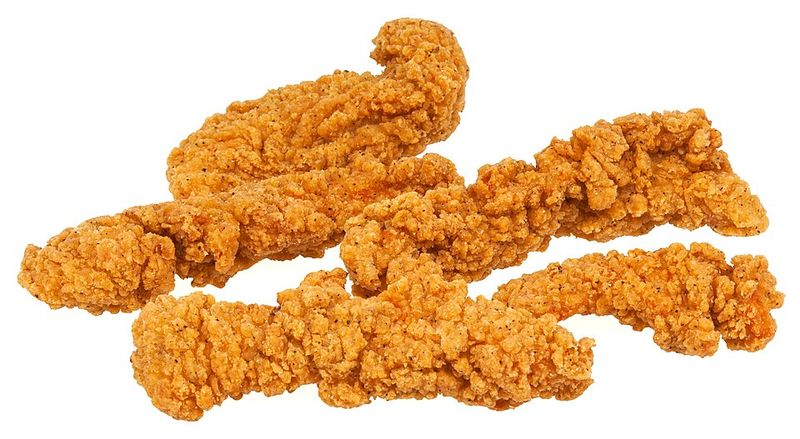
McDonald’s tested premium chicken strips made from whole breast meat, targeting customers who wanted higher-quality fast food. These weren’t nuggets—they were actual chicken tenders with visible texture.
The strips cost more but offered a more grown-up alternative to McNuggets. They came with premium dipping sauces that elevated the experience.
Though they’ve been discontinued and brought back multiple times, Chicken Selects represented McDonald’s early attempts to appeal to adults seeking better ingredients.
25. 1982: Egg McMuffin Goes National

McDonald’s breakfast sandwich officially rolled out nationwide after successful testing. The English muffin, egg, Canadian bacon, and cheese combination created the fast-food breakfast category essentially from scratch.
Before this, fast food meant burgers and fries, not morning meals. The McMuffin’s success convinced other chains that breakfast was profitable territory worth exploring.
It remains a menu staple decades later, proving that sometimes simple combinations executed well become timeless classics that define entire industries.
26. 1981: Wispa Chocolate Bar
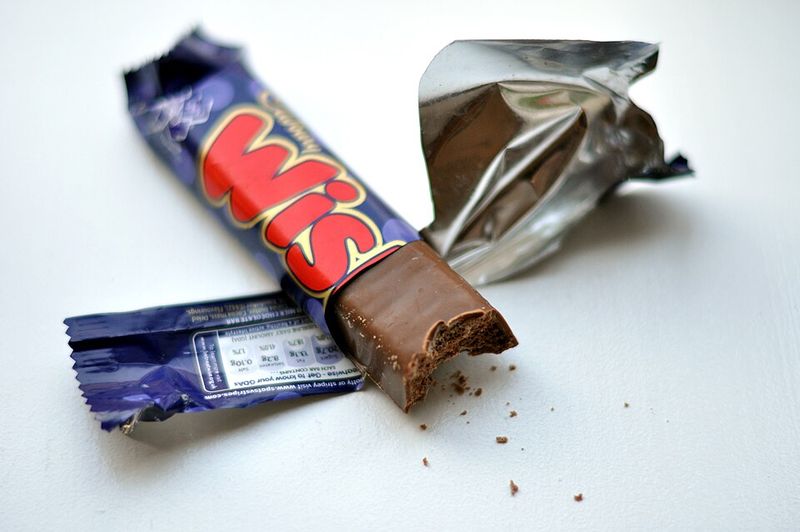
Cadbury launched this aerated chocolate bar in the UK, featuring tiny bubbles throughout the chocolate. The unique texture made it feel lighter and melt differently than solid chocolate bars.
The bubbles created a distinctive eating experience—the chocolate seemed to dissolve on your tongue almost instantly. Purple packaging made it recognizable on store shelves.
Though discontinued in 2003, fan campaigns brought Wispa back permanently in 2008, demonstrating the power of chocolate lovers’ loyalty and nostalgia.
27. 1980: Sriracha (Huy Fong Foods)
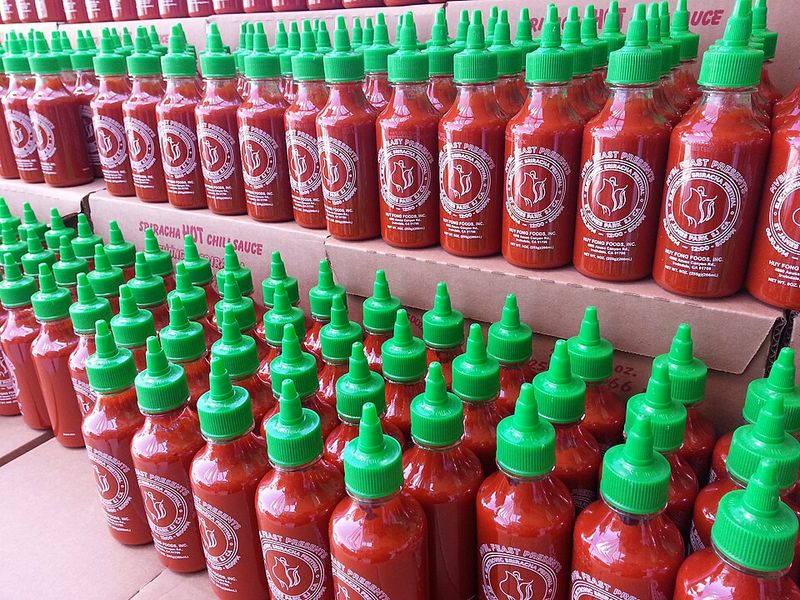
David Tran, a Vietnamese immigrant, started bottling his spicy chili sauce in Los Angeles. The rooster-emblazoned green-capped bottle would eventually become America’s favorite hot sauce.
Sriracha’s perfect balance of heat, garlic, and slight sweetness made it incredibly versatile. It worked on eggs, pizza, noodles, sandwiches—basically everything.
From humble beginnings in a small California facility, Sriracha became a cultural phenomenon, spawning cookbooks, merchandise, and fierce brand loyalty worldwide.
28. 1979: McDonald’s Happy Meal
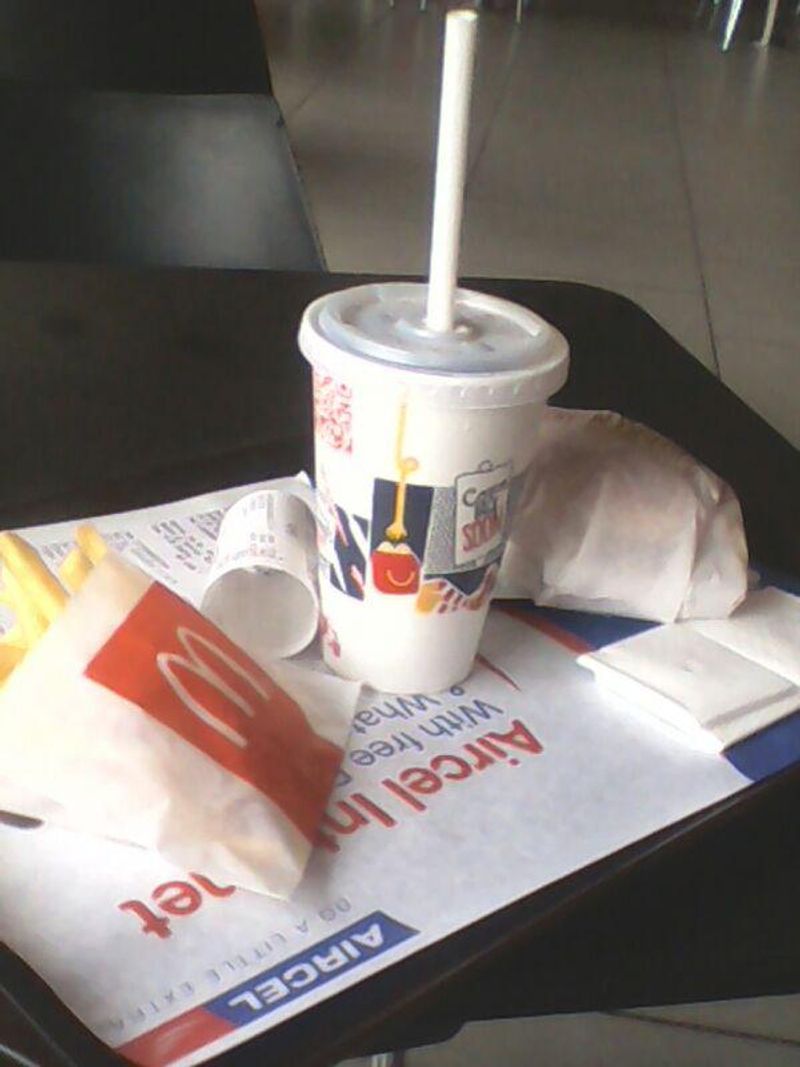
McDonald’s revolutionized family dining by creating meals specifically designed for children, complete with toys. The red box with handles made kids feel like they received a special present.
Collectible toys turned Happy Meals into phenomena, with kids begging parents to return for the next toy in a series. The combination of food and entertainment was marketing genius.
Happy Meals changed how restaurants approached young customers, making dining out more appealing to families and creating lifelong brand connections.
29. 1978: Pasta Primavera

Le Cirque restaurant in New York City popularized this vegetable-loaded pasta dish that reflected growing interest in lighter, healthier eating. Fresh seasonal vegetables tossed with pasta in a light sauce was revolutionary.
Sirio Maccioni’s creation showed that Italian food could be elegant and vegetable-forward, not just heavy red sauce and meatballs. It became a staple at upscale Italian restaurants nationwide.
Pasta Primavera represented changing American tastes in the late seventies, when people started appreciating fresh ingredients and lighter preparations.
30. 1977: Reese’s Pieces
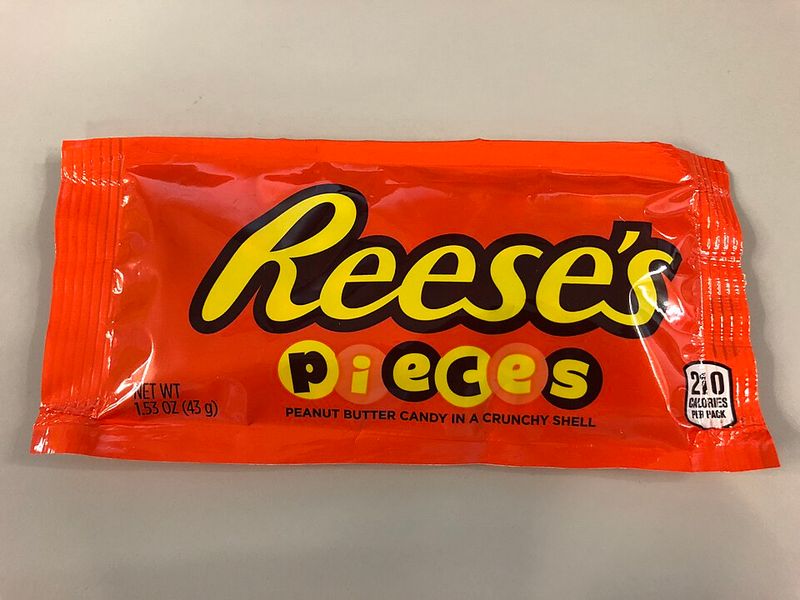
Hershey’s created these candy-coated peanut butter bites as a competitor to M&Ms. The crunchy shell protected creamy peanut butter filling, creating perfect texture contrast.
They remained relatively unknown until E.T. famously ate them in the 1982 movie, causing sales to skyrocket. The candy’s orange, yellow, and brown colors became instantly recognizable.
Reese’s Pieces proved that peanut butter candy didn’t need chocolate coating to succeed, carving out their own unique space in candy aisles everywhere.
31. 1976: Jelly Belly Jelly Beans
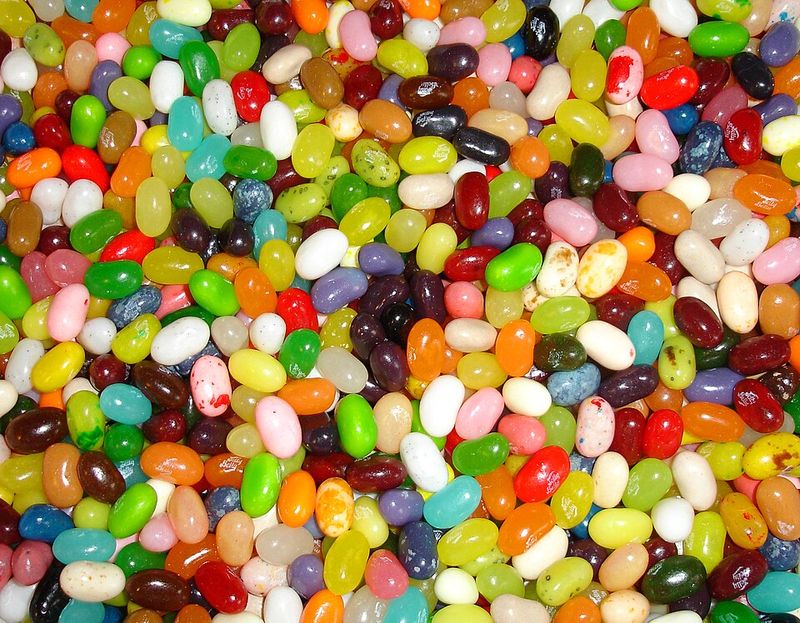
David Klein developed gourmet jelly beans with intense, true-to-life flavors and a softer texture than traditional beans. These weren’t your grandma’s Easter candy—they tasted like actual fruit.
The beans featured flavor throughout, not just in the shell, creating consistent taste experiences. Exotic flavors like Very Cherry and Tangerine expanded beyond basic fruit options.
Jelly Belly elevated jelly beans from seasonal candy to year-round gourmet treat, eventually gaining fame as Ronald Reagan’s favorite snack during his presidency.
32. 1975: Pop Rocks
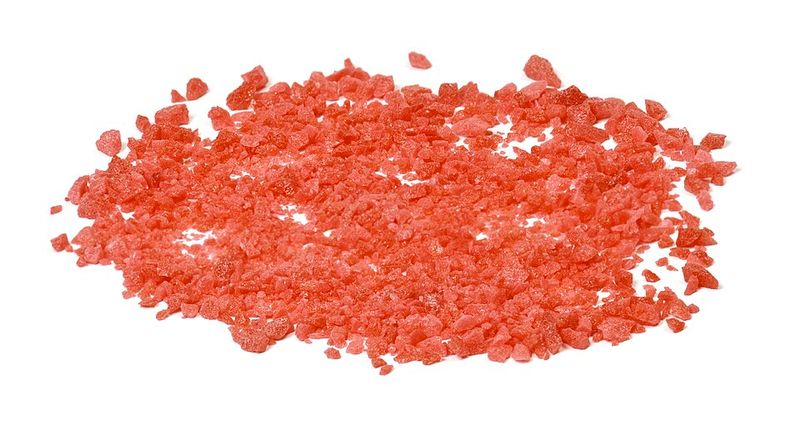
General Foods unleashed these carbonated candies that literally exploded in your mouth. The popping sensation was unlike anything kids had experienced before, making them instantly legendary.
Urban legends claimed mixing Pop Rocks with soda would make your stomach explode, which only made them more appealing to rebellious kids. The crackling sounds were half the fun.
Though briefly discontinued due to manufacturing issues, Pop Rocks returned and remain a novelty candy favorite, still surprising new generations with their fizzy magic.
33. 1974: Skittles (UK Launch)
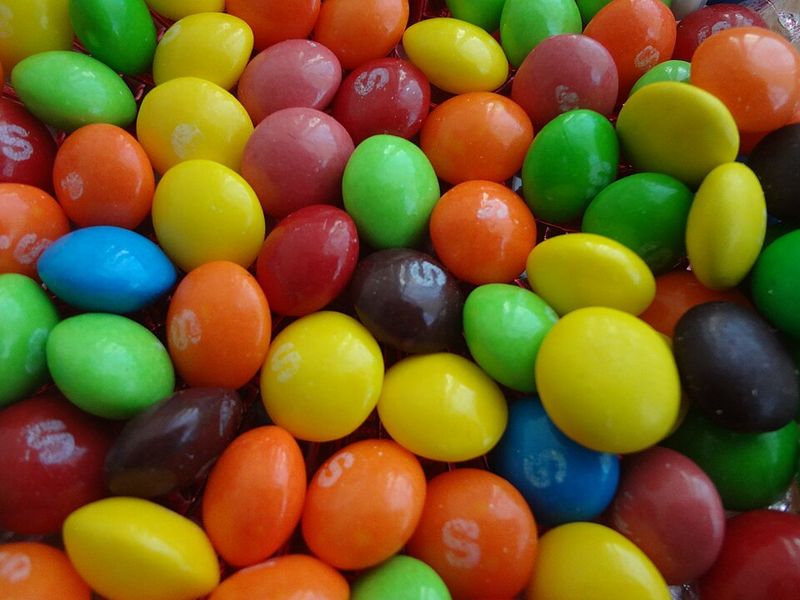
These fruit-flavored rainbow candies first appeared in Britain before conquering America in 1979. The hard sugar shell gave way to chewy centers bursting with fruity flavors.
The slogan “Taste the Rainbow” wouldn’t come until later, but the concept was already there—multiple distinct flavors in one package. Each color represented a different fruit experience.
Skittles occupied the perfect sweet spot between hard candy and gummy, creating a unique texture that made them addictively poppable.
34. 1973: McDonald’s Quarter Pounder
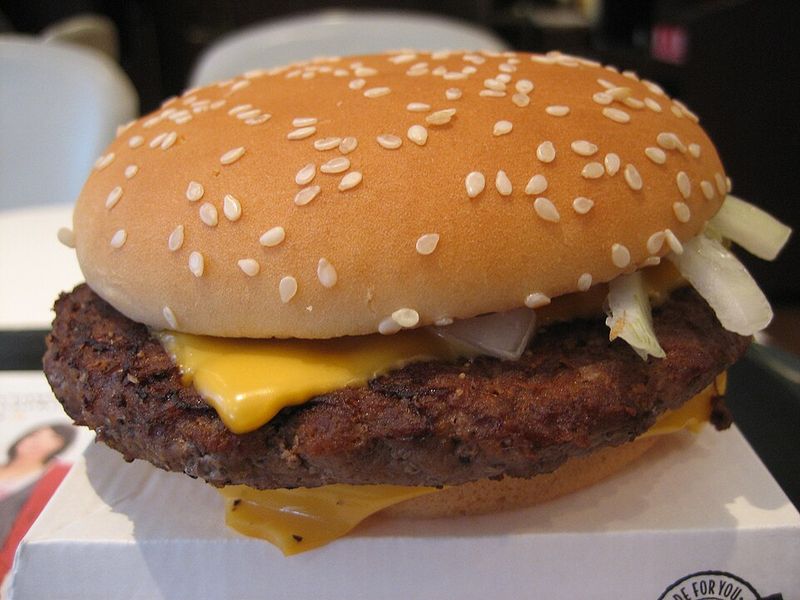
McDonald’s introduced a bigger burger for customers who found the regular hamburger too small. The name made the size advantage crystal clear—you were getting a quarter pound of beef.
The Quarter Pounder was designed to compete with larger burgers from Burger King and Wendy’s. Its success proved McDonald’s could play in the premium burger space.
It became a permanent menu fixture, offering a middle ground between the basic hamburger and the fancier Big Mac for generations of customers.
35. 1972: Hamburger Helper
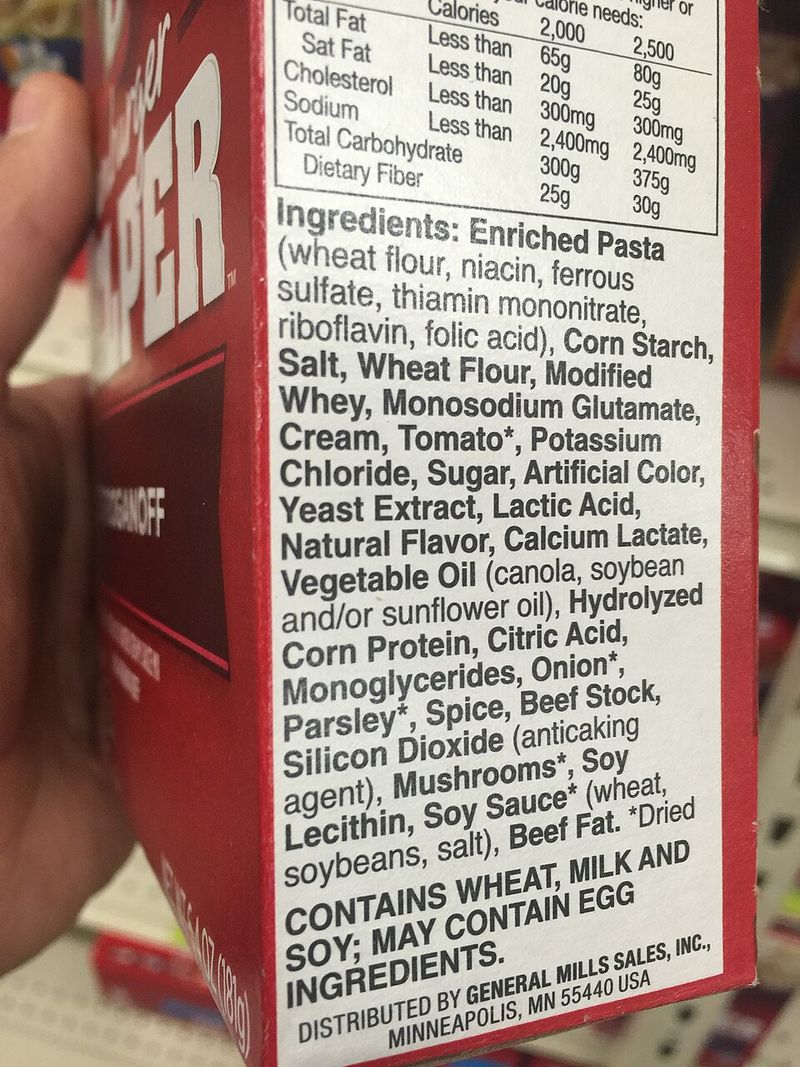
General Mills created this boxed dinner solution for busy families stretching their grocery budgets. Just add ground beef to the pasta and sauce mix, and dinner was ready in minutes.
The helping hand mascot became iconic, representing convenience and affordability. Multiple flavors like Stroganoff and Cheeseburger Macaroni gave families variety without requiring cooking skills.
Hamburger Helper became synonymous with easy weeknight dinners, helping working parents put food on the table quickly during changing times.
36. 1971: Starbucks Coffee (Original Store)
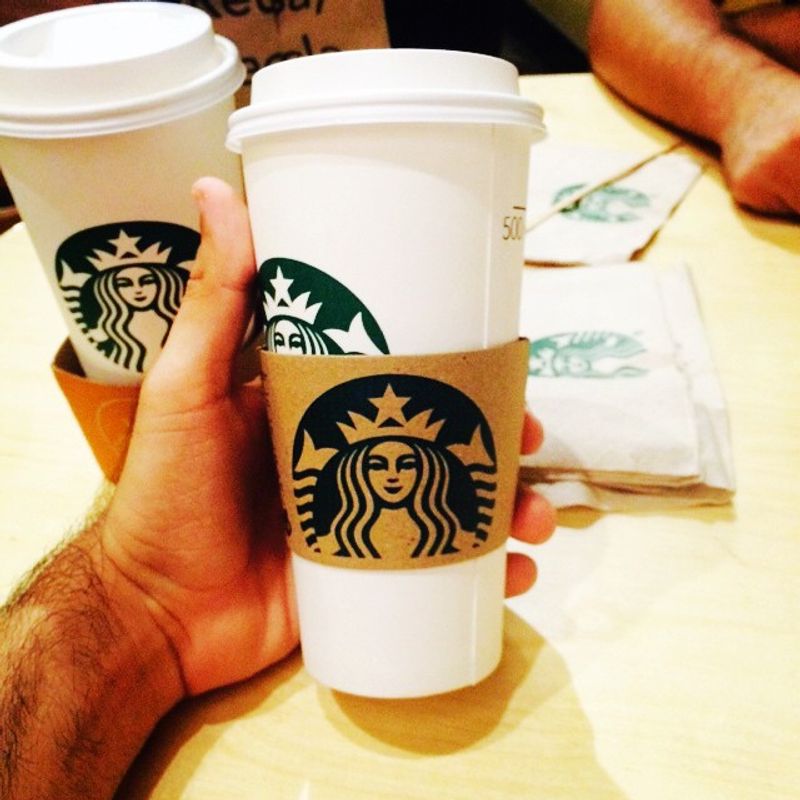
Three friends opened a single coffee bean store in Seattle’s Pike Place Market. They sold high-quality coffee beans and equipment, not beverages—that would come later.
The original store focused on educating customers about quality coffee, introducing many Americans to the concept of specialty beans. The mermaid logo was more detailed and brown back then.
Nobody could have predicted this single store would grow into a global empire that changed how the world drinks coffee forever.
37. 1970: Orville Redenbacher’s Gourmet Popping Corn
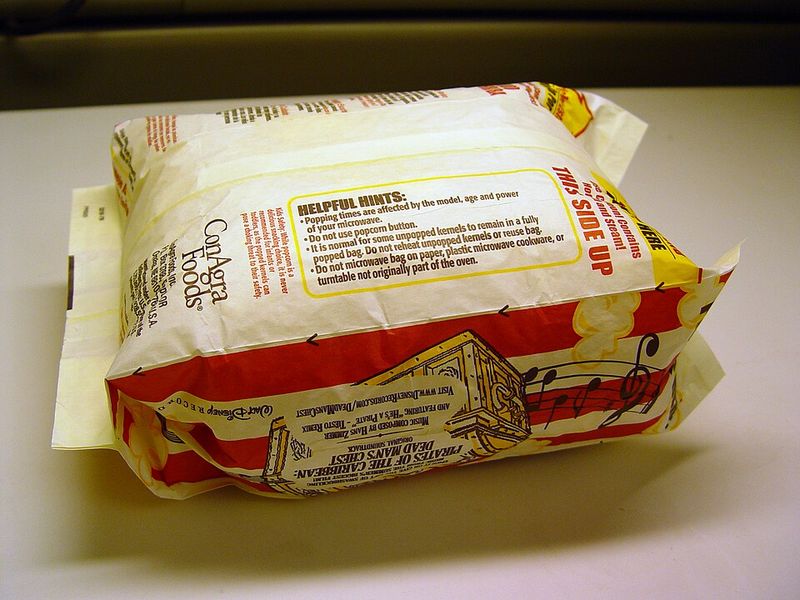
Orville Redenbacher spent decades perfecting his popcorn hybrid that produced fluffier, tenderer kernels with fewer duds. His bow-tied image became synonymous with premium popcorn.
Before Orville, popcorn was just popcorn—his brand made it gourmet, justifying a higher price point. The yellow kernels popped bigger and whiter than competitors.
His success proved that even commodity products could be elevated through quality improvements and distinctive branding, changing the snack food industry’s approach.
38. 1969: Pringles
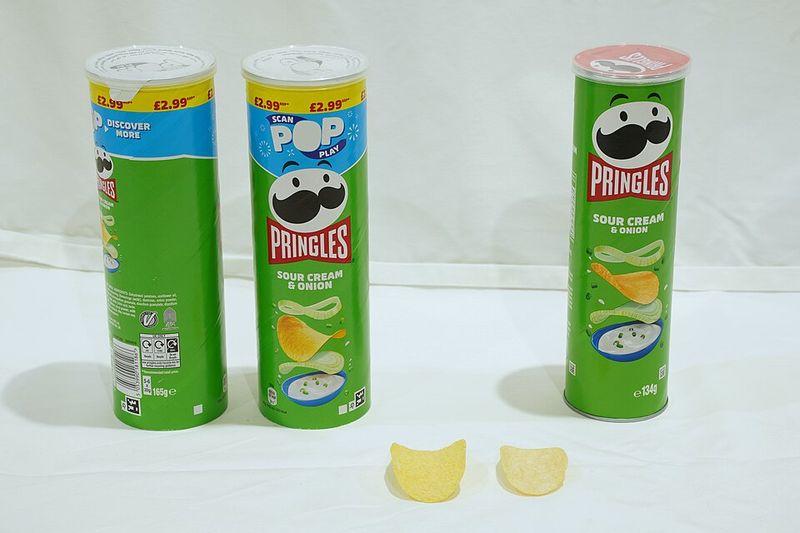
Procter & Gamble engineered perfectly uniform potato crisps that stacked neatly in a cylindrical can. The saddle shape wasn’t just aesthetic—it prevented breakage and maximized stacking efficiency.
The iconic tube with the mustachioed mascot made Pringles instantly recognizable. Once you popped, you really couldn’t stop—the consistent size made them dangerously easy to consume mindlessly.
Pringles revolutionized chip packaging and proved that food engineering could create entirely new product categories, even if technically they’re “crisps,” not chips.
39. 1968: Big Mac
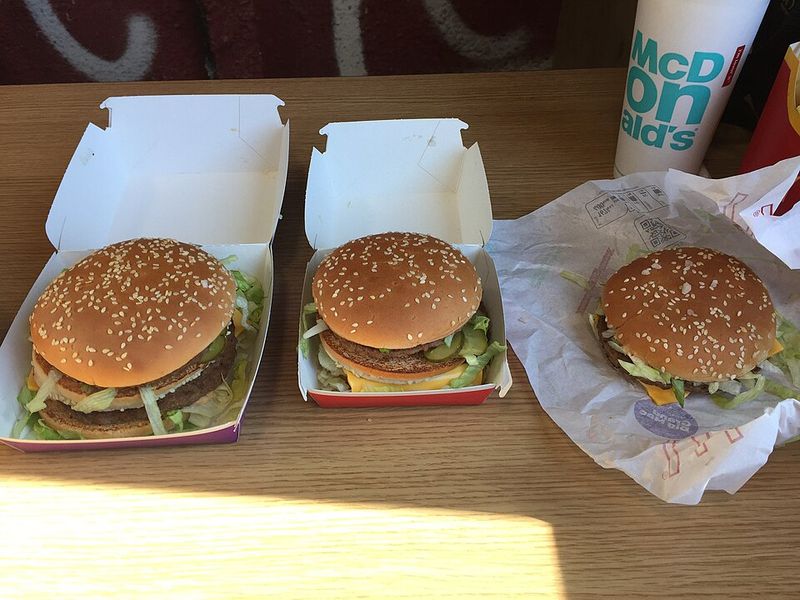
Jim Delligatti, a Pittsburgh McDonald’s franchisee, created this double-decker burger that became the chain’s signature sandwich. Two all-beef patties, special sauce, lettuce, cheese, pickles, onions, on a sesame seed bun.
The middle bun was genius—it absorbed juices while adding structural integrity. The special sauce’s secret recipe became the subject of endless speculation and copycat attempts.
The Big Mac transcended fast food to become a cultural icon, even used as an economic index to compare purchasing power across countries.
40. 1967: Gatorade (Commercial Launch)
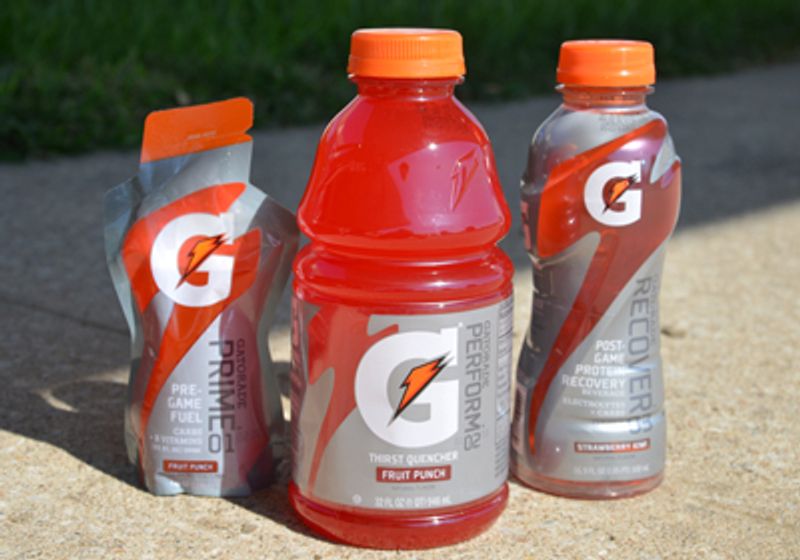
University of Florida researchers developed this electrolyte beverage to help their football team perform in sweltering heat. The Gators’ improved performance caught national attention, leading to commercial production.
Before Gatorade, athletes just drank water, which didn’t replace lost salts and minerals. The slightly salty-sweet taste took getting used to, but results spoke louder.
Gatorade created the entire sports drink category, eventually becoming synonymous with athletic hydration and spawning countless competitors who never quite matched its dominance.