16 Foods And Drinks Tied To Major Moments In US History
History isn’t only preserved in documents and monuments, it also shows up at the table.
Certain foods and drinks became symbols during pivotal moments, linked to migration, war, economic change, and cultural identity.
A familiar bite can reflect the realities of a specific era, while a popular beverage can reveal how people gathered, celebrated, or coped under pressure.
1. Cornmeal and Cornbread
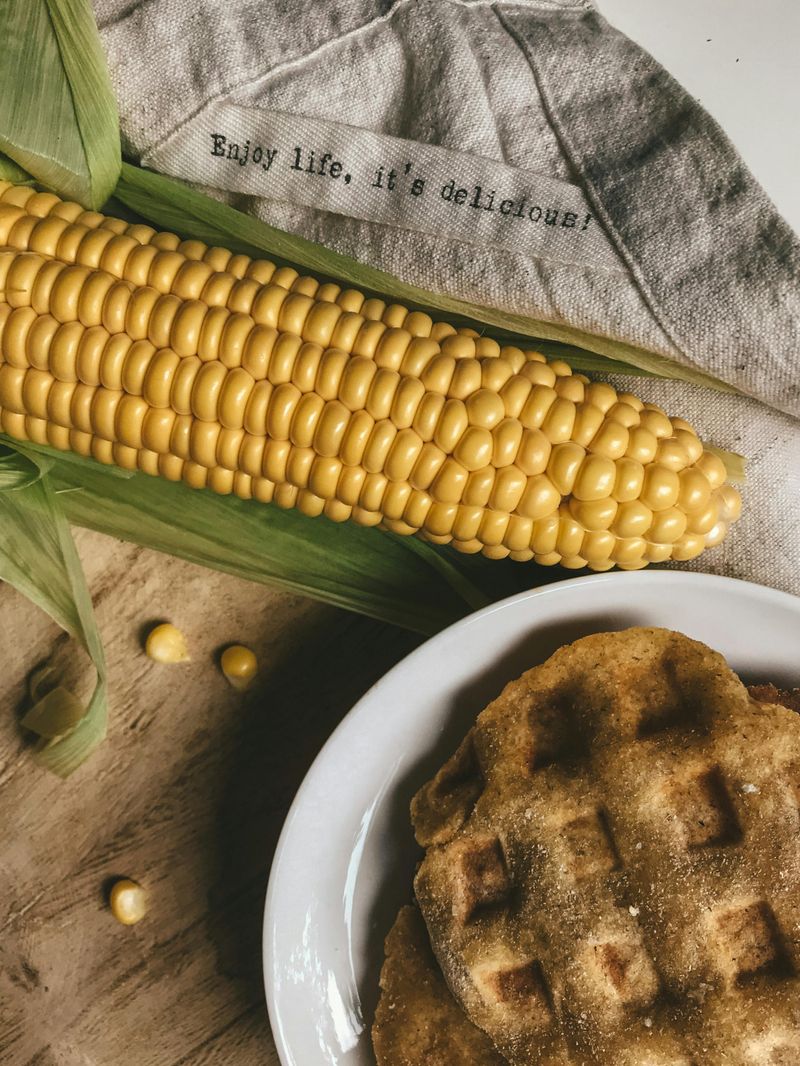
Long before grocery stores lined every street, survival depended on knowledge passed between neighbors.
Indigenous peoples shared corn-growing techniques with struggling English colonists in the 1600s, transforming this golden grain into a lifeline.
Cornbread became more than sustenance. It represented cultural exchange, adaptation, and the foundation of what would become Southern cooking traditions that still thrive today across dinner tables nationwide.
2. Salted Cod
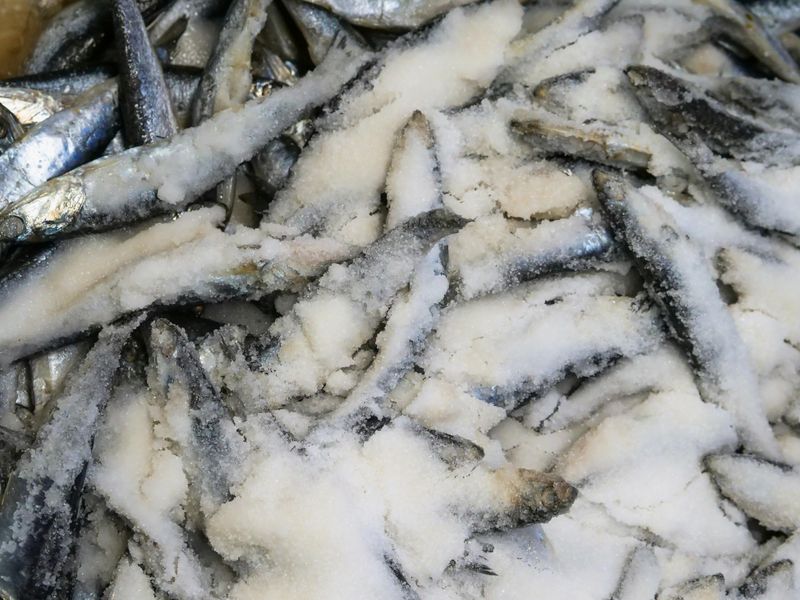
Picture massive wooden barrels stacked on creaky docks, each one packed with preserved fish headed across the Atlantic.
Salted cod fueled New England’s entire colonial economy, creating trade routes that connected continents. This humble fish could survive months at sea without spoiling.
That durability made it invaluable currency, feeding sailors, enslaved people in Caribbean colonies, and European markets hungry for affordable protein during the 1600s and 1700s.
3. Tea
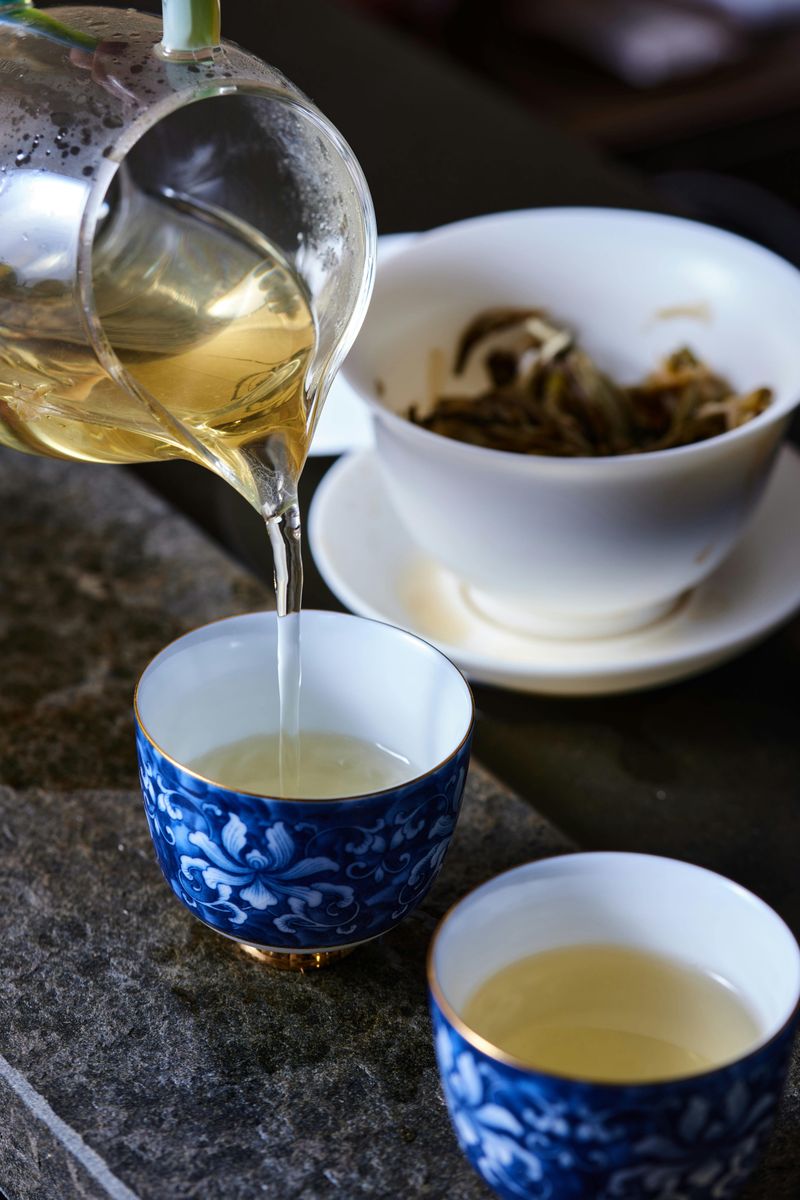
One cold December night in 1773, Boston Harbor became a giant teapot. Angry colonists, disguised as Mohawk warriors, dumped 342 chests of British tea overboard to protest taxation without representation.
That single act of defiance transformed tea from beloved beverage to political lightning rod. The Boston Tea Party sparked revolutionary fires that would eventually burn down British control.
4. Hardtack
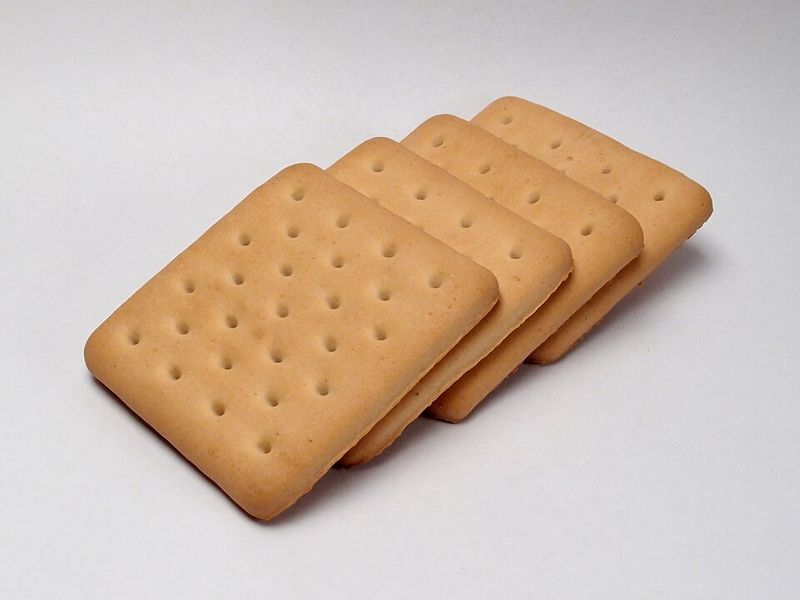
Imagine biting into a cracker so tough it could chip your tooth. Hardtack earned nicknames like tooth dullers and sheet iron because these dense flour-and-water biscuits lasted forever but tasted like cardboard.
Revolutionary and Civil War soldiers survived on these nearly indestructible rations.
Though often infested with weevils, hardtack provided essential calories during long campaigns when fresh bread was just a distant memory.
5. Coffee
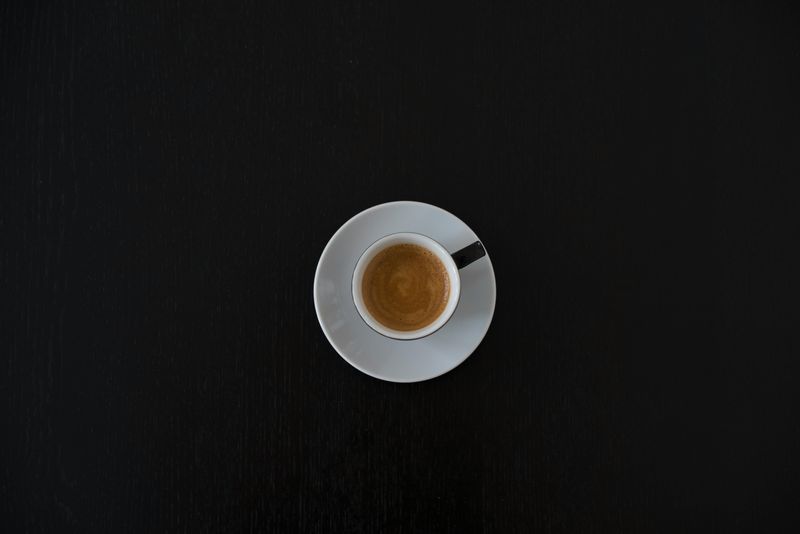
Around flickering campfires, exhausted soldiers found comfort in steaming tin cups of coffee.
During the Civil War, Union troops consumed roughly 40 pounds of coffee per soldier annually, making it as essential as ammunition. Coffee became synonymous with American military culture.
Soldiers traded tobacco for beans, brewed it strong enough to stand a spoon upright, and credited those bitter sips with keeping them alert through brutal battles and endless marches.
6. Pemmican
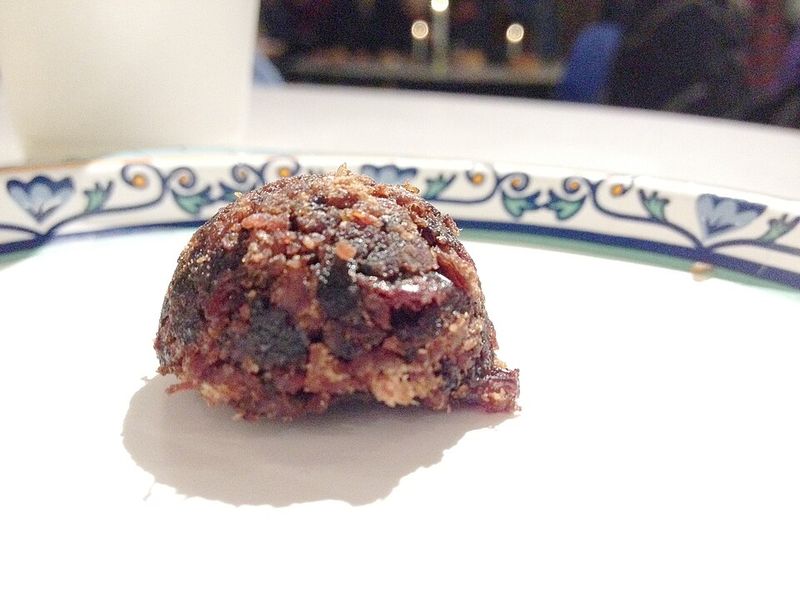
Fur traders and explorers needed portable power bars centuries before energy snacks existed.
Pemmican delivered exactly that: dried meat pounded with fat and berries into compact cakes that lasted years without refrigeration.
Lewis and Clark relied heavily on this Indigenous survival food during their legendary expedition westward.
7. Sourdough Bread
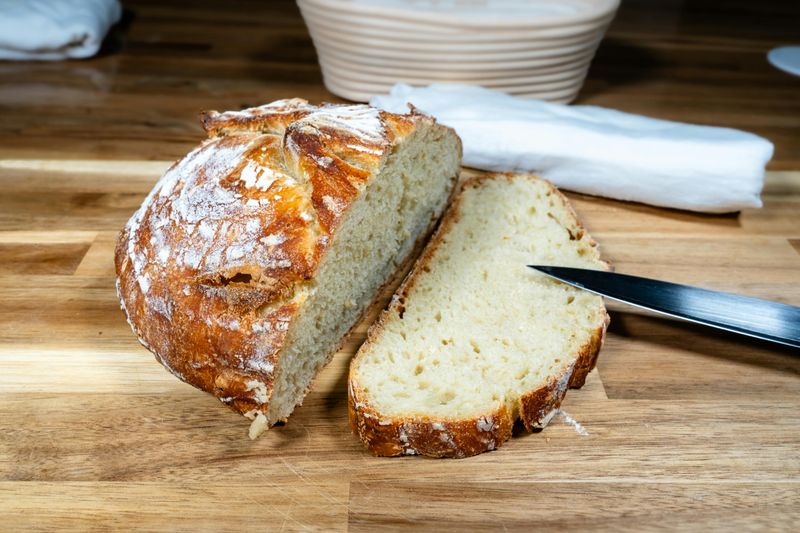
Gold prospectors guarded their sourdough starters like precious treasure during California’s 1849 Gold Rush.
These bubbling jars of wild yeast meant the difference between crusty, delicious bread and starvation in remote mining camps.
Miners even slept with starter jars tucked inside their coats to keep them warm and alive.
8. Sweetened Condensed Milk
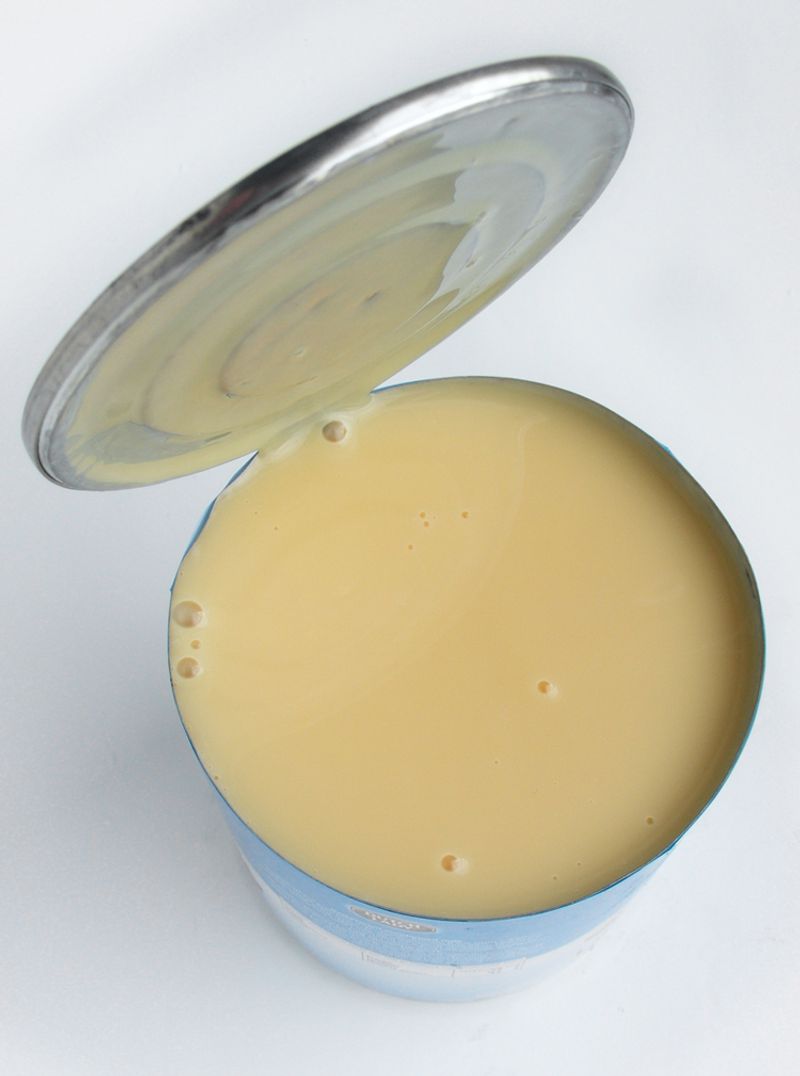
Before refrigeration, fresh milk spoiled within hours. Gail Borden solved this problem by creating thick, sweet condensed milk that survived months in sealed cans without turning sour.
Civil War armies embraced this innovation enthusiastically. Soldiers far from dairy farms could finally enjoy coffee with creamy sweetness.
9. Cracker Jack
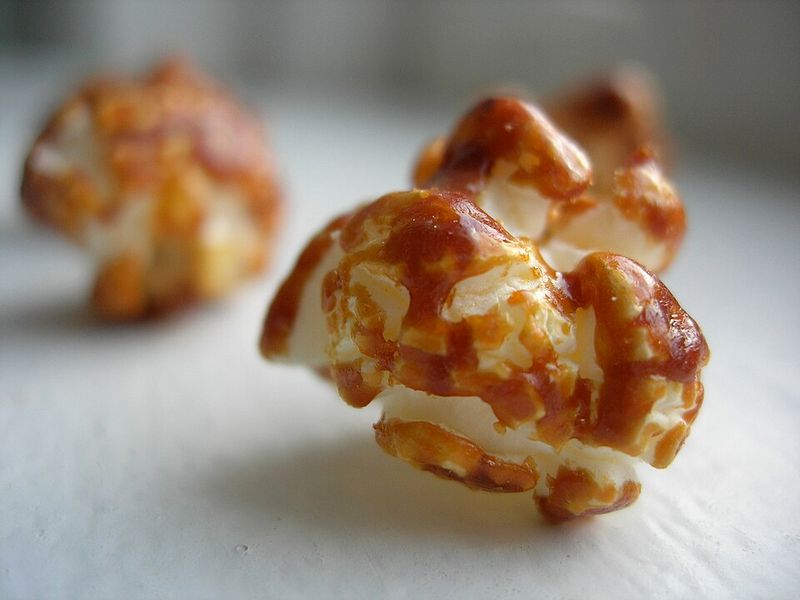
At the 1893 Chicago World’s Fair, crowds discovered a revolutionary snack: caramel-coated popcorn mixed with peanuts, packaged in cheerful red-and-white boxes.
This sweet-and-salty treat soon became inseparable from baseball culture.
The phrase buy me some peanuts and Cracker Jack entered American vocabulary through the 1908 song Take Me Out to the Ball Game.
10. Spam
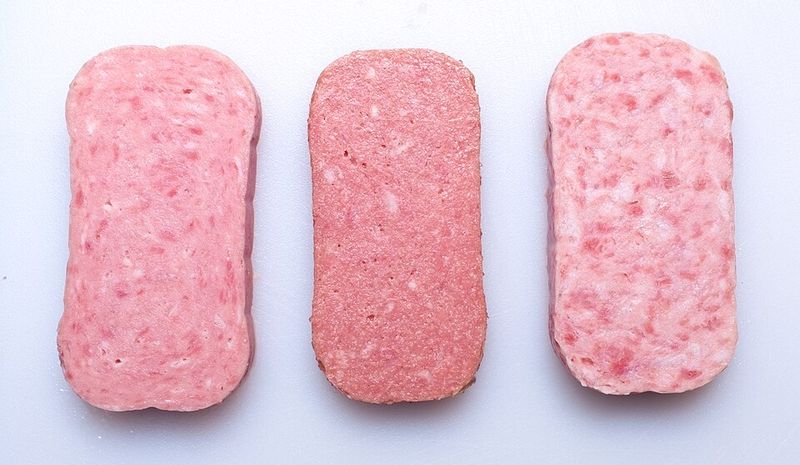
Hormel introduced this canned mystery meat in 1937, but World War II transformed Spam into a global phenomenon.
Soldiers ate over 150 million pounds of it because the salty, shelf-stable pork product traveled anywhere without refrigeration.
Families back home also embraced Spam when meat rationing limited fresh options.
11. Powdered Eggs
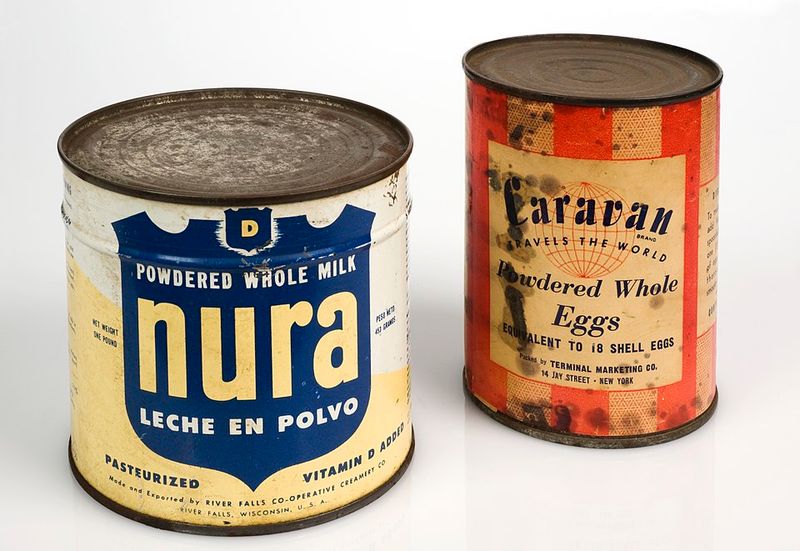
Fresh eggs became luxury items during World War II rationing.
Enter powdered eggs: dehydrated yellow powder that reconstituted into something vaguely egg-like when mixed with water.
Soldiers complained about the rubbery texture and strange taste, but powdered eggs solved massive logistical problems.
They shipped easily, stored indefinitely, and provided essential protein when chickens were thousands of miles away.
12. Victory Garden Produce
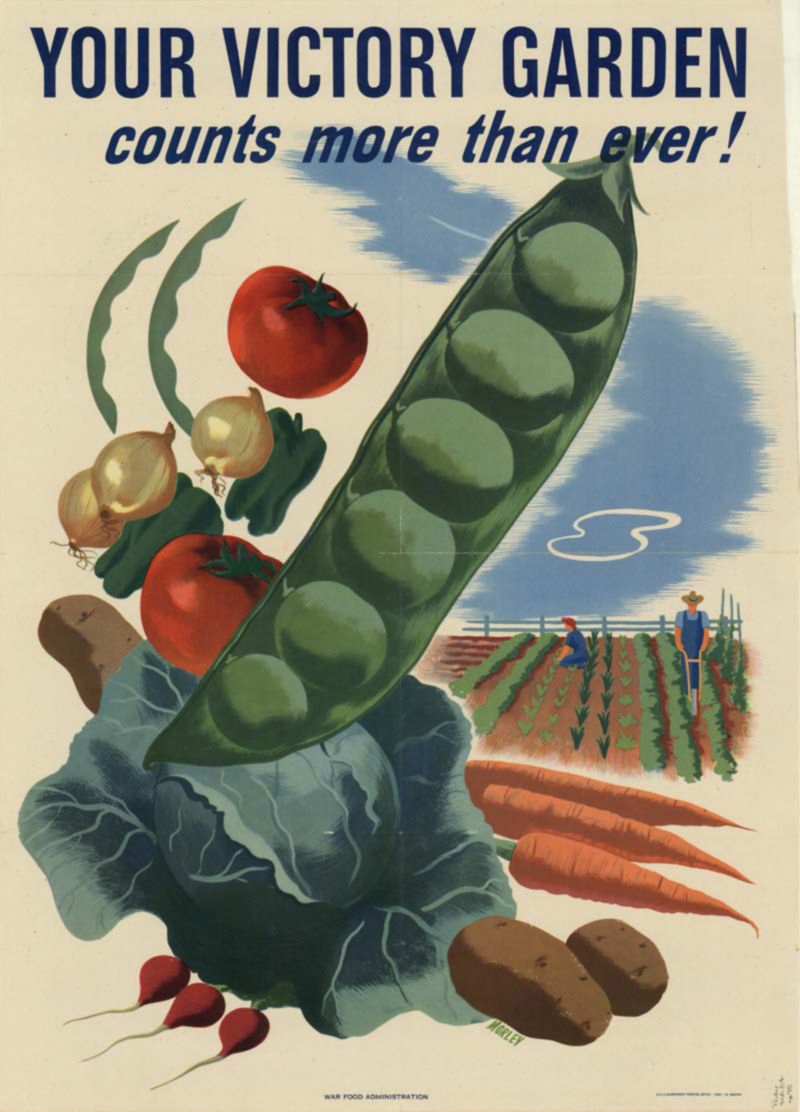
Dig for Victory posters urged Americans to transform lawns into vegetable patches during World War II.
These Victory Gardens sprouted in backyards, parks, and empty lots across the nation, producing nearly 40 percent of vegetables consumed domestically.
Families who grew tomatoes, beans, and carrots freed up commercial crops for troops overseas.
13. Coca-Cola
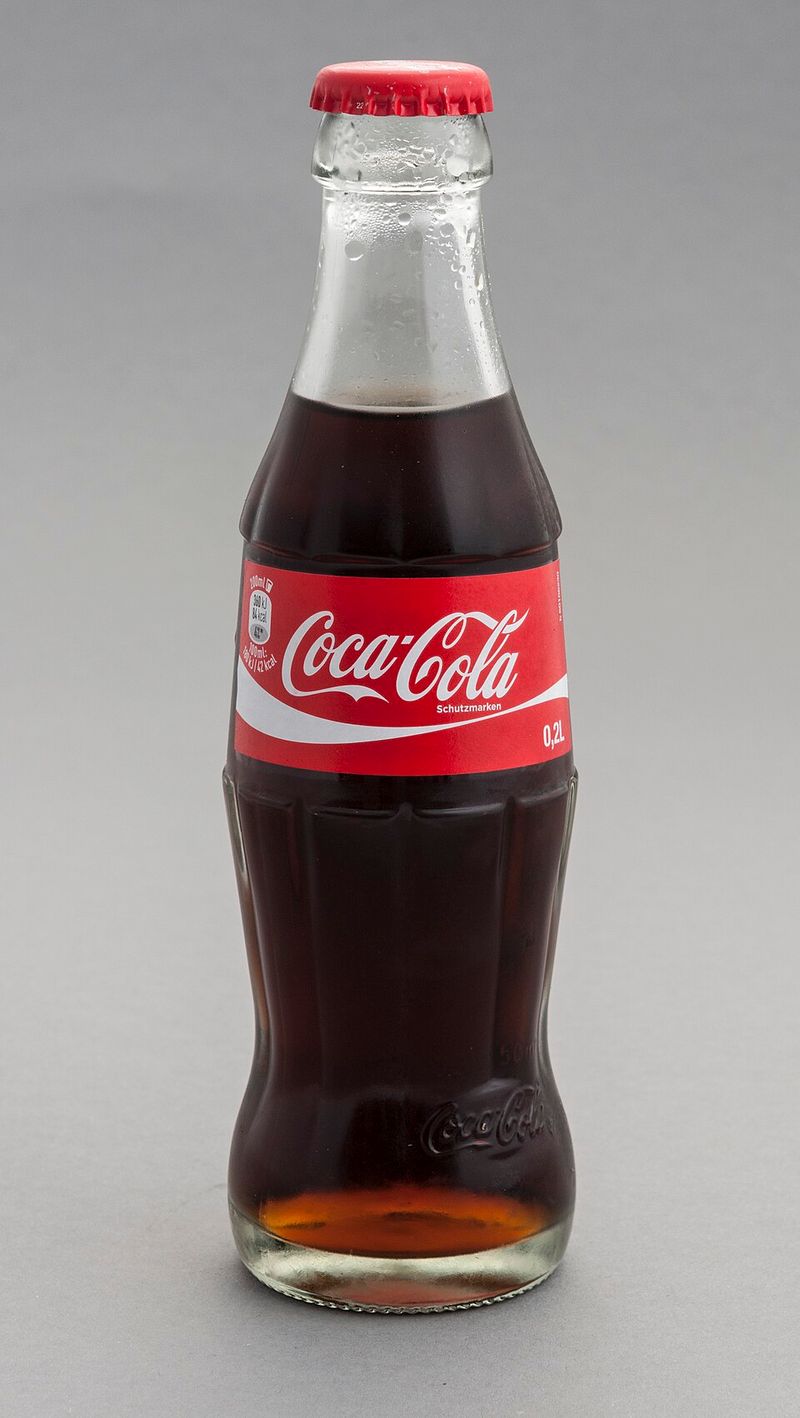
World War II soldiers received Coke for just five cents, no matter where they served.
The company built 64 bottling plants near battlefronts, ensuring troops could taste home even in remote jungles and deserts.
After victory, Coca-Cola rode that military connection to global dominance. The beverage became synonymous with American optimism and culture worldwide.
14. Freeze-Dried Astronaut Food
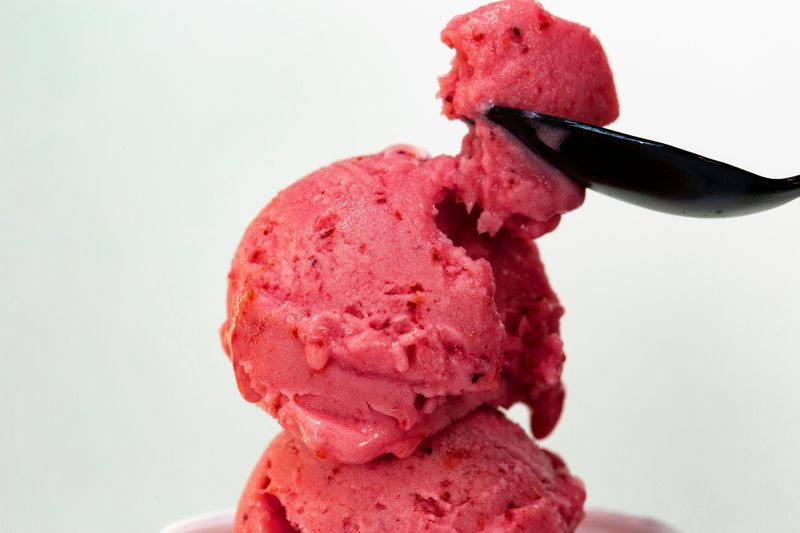
Apollo missions required meals that weighed almost nothing but provided complete nutrition.
Scientists developed freeze-dried foods: strawberries, ice cream, and entire dinners transformed into lightweight, shelf-stable packets that rehydrated in orbit.
These space-age snacks captured public imagination. Museums sold astronaut ice cream as souvenirs, letting earthbound visitors taste the future.
15. Pizza and Comfort Foods After September 11
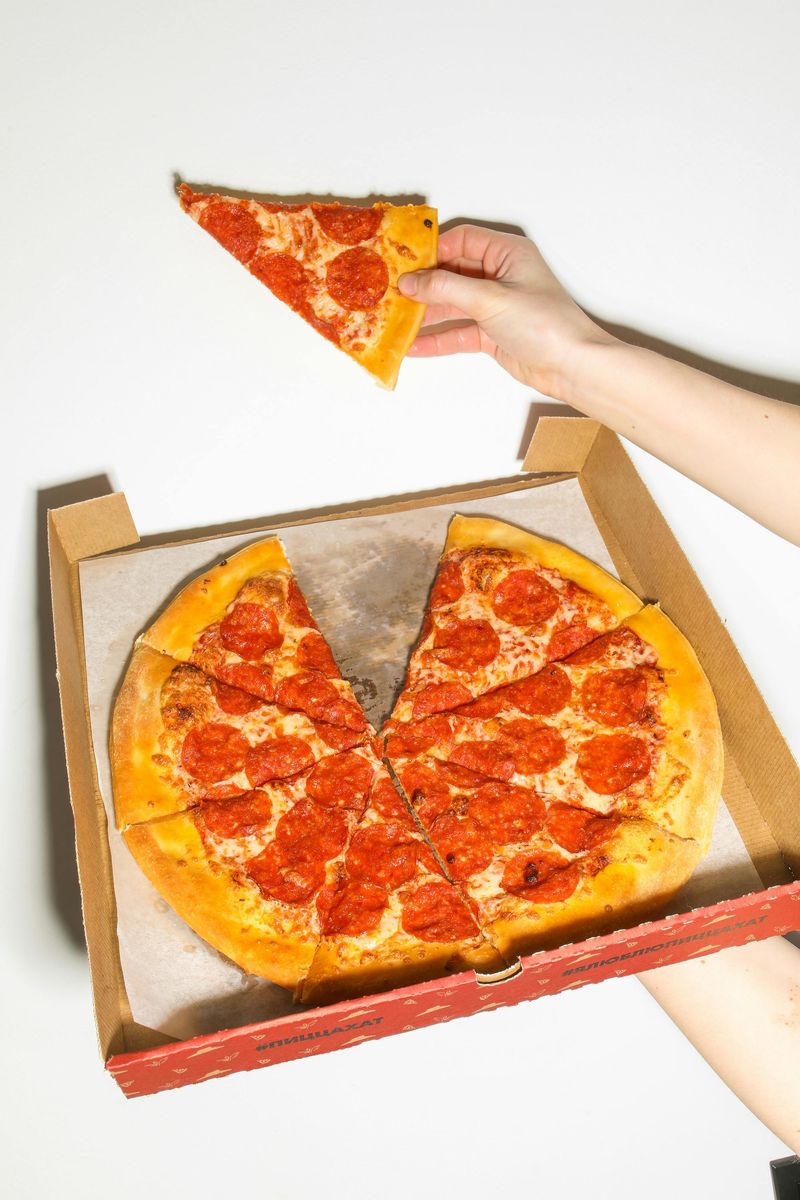
Following the September 11, 2001 attacks, pizza shops, restaurants, and ordinary citizens delivered thousands of meals to Ground Zero.
Firefighters, rescue workers, and volunteers survived on donated pizza, sandwiches, and hot coffee during exhausting recovery efforts. These simple comfort foods provided more than calories.
Each delivered meal represented community solidarity, showing that Americans would feed and support each other through unimaginable tragedy.
16. Bottled Water and Emergency Meal Kits During Hurricane Katrina
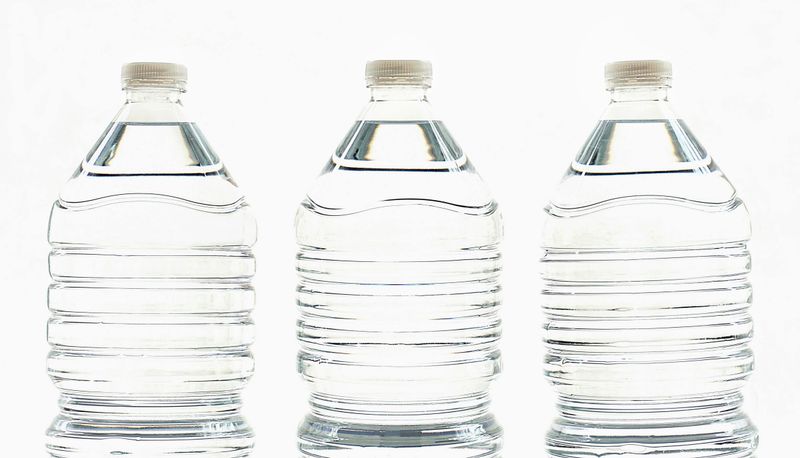
Hurricane Katrina’s devastating 2005 flooding left thousands stranded without clean water or food.
Relief organizations distributed millions of bottles of water and ready-to-eat meal kits to survivors trapped on rooftops and in shelters.
These emergency supplies highlighted both disaster preparedness gaps and American generosity.
Volunteers from across the nation shipped water pallets and meal boxes, demonstrating how basic necessities become lifelines when infrastructure collapses.