13 Foods That Were Banned, Restricted, Or Flat-Out Illegal
Food usually belongs to the comforting side of life, which is part of why it gets so strange when a dish, ingredient, or delicacy crosses into legal trouble.
The moment something edible is treated like a public concern, the whole story changes.
Curiosity kicks in first, then disbelief, because most people do not expect a meal to come with rules and fines about safety, tradition, and common sense. That tension gives this subject its pull.
A banned or restricted food always carries a second story behind the flavor, one shaped by fear, cultural habits, or the simple fact that one place’s delicacy can look completely unacceptable somewhere else.
Some of these cases are surprising, some are oddly understandable, and some sound so extreme they barely seem real.
Disclaimer: This article is intended for general informational and entertainment purposes only. Information about banned, restricted, or regulated foods is based on publicly available sources and may vary by country, region, and current law. Nothing in this content should be taken as medical, dietary, or health advice, and readers should consult a qualified professional for guidance related to their own health or nutrition.
1. Traditional Haggis
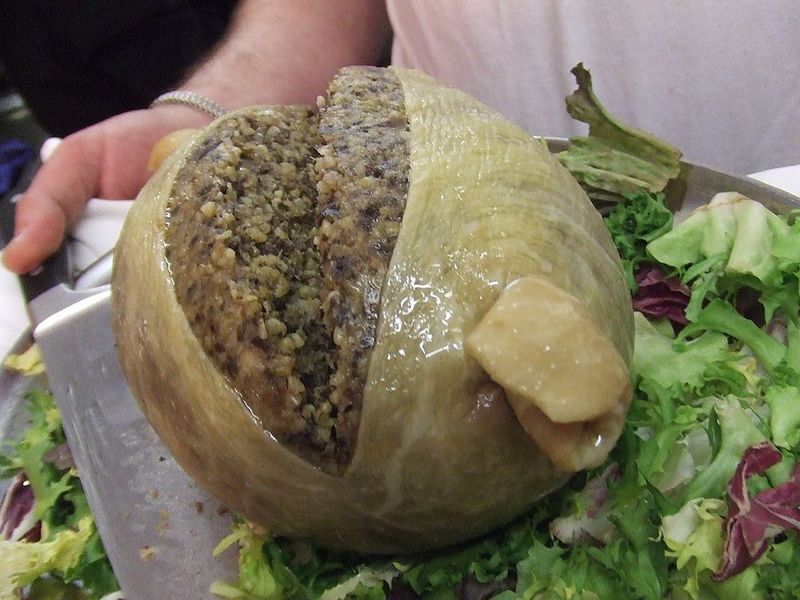
Scotland’s national dish has a serious passport problem.
Authentic haggis is made with sheep lung mixed with oatmeal, onions, and spices, all packed into a casing. Sounds hearty, right?
Well, the U.S. Food and Drug Administration banned livestock lungs from human food back in 1971, and that rule has kept real haggis off American shelves ever since.
Americans can buy a modified, lung-free version, but Scottish purists will tell you that’s basically haggis cosplay.
2. Foie Gras
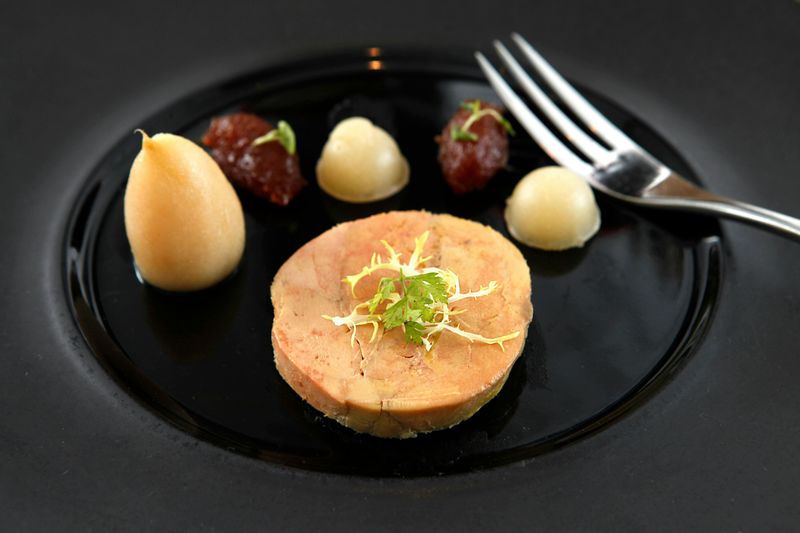
Few foods spark a louder debate at the dinner table than foie gras. Made from the liver of a duck or goose that has been force-fed to make the liver extra fatty, it’s considered a luxury delicacy in French cuisine.
California banned its sale back in 2012 after years of legal battles over animal welfare concerns.
New York City is next in line, with a ban on foie gras sales cleared to take effect this month.
Supporters say force-feeding birds is cruel. Chefs who love it argue it’s a centuries-old culinary tradition worth protecting.
3. Fresh Ackee Fruit
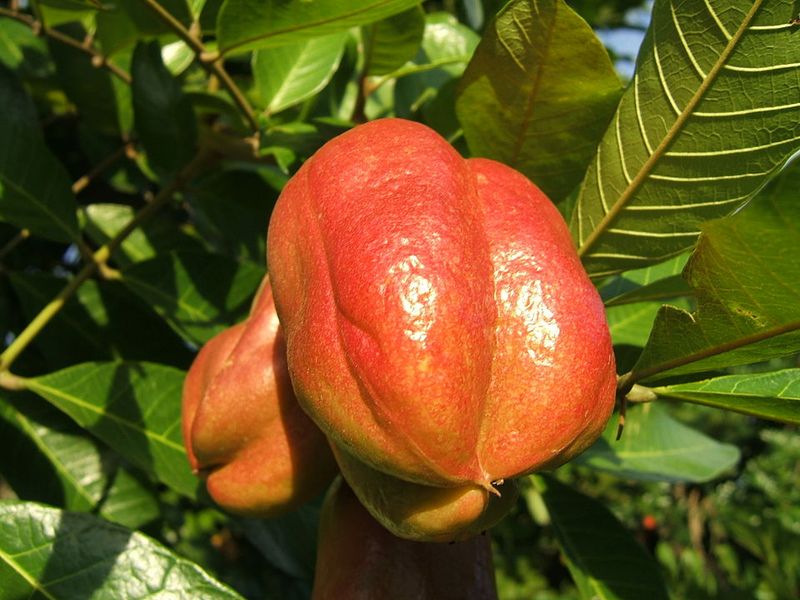
Jamaica’s national fruit looks cheerful and tropical, but unripe ackee is genuinely dangerous. It contains a toxin called hypoglycin A, which can cause something dramatically named Jamaican Vomiting Sickness.
If that name alone doesn’t make you want to wait for it to ripen properly, nothing will.
The FDA restricts fresh ackee imports into the United States because of this exact risk. Only properly processed, canned ackee that meets strict safety standards is allowed in.
4. Raw Milk
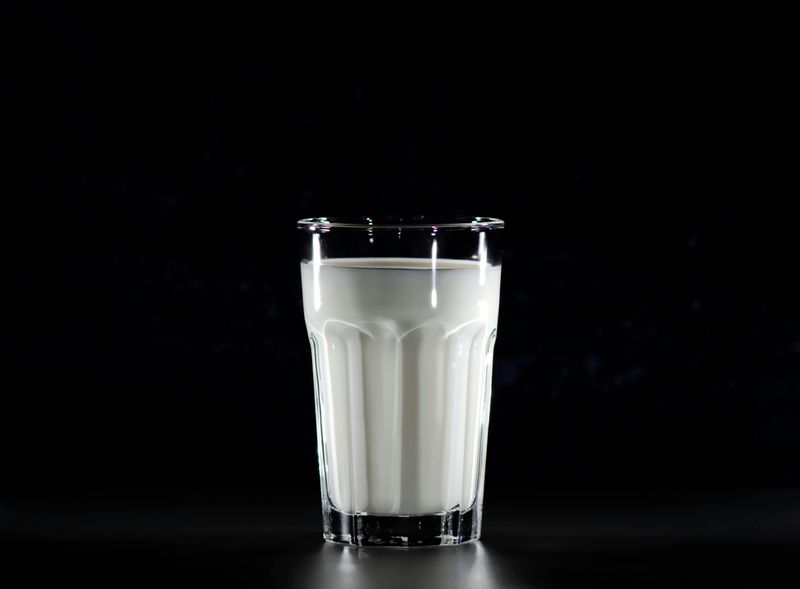
Raw milk straight from the cow, no pasteurization, no heat treatment, sounds charmingly old-fashioned. However, it can also carry some seriously scary bacteria like E. coli, Salmonella, and Listeria.
The U.S. federal government banned the interstate sale of raw milk decades ago for exactly these reasons. Individual states get to make their own rules about selling it within their borders, and those rules vary wildly.
Raw milk fans argue pasteurization destroys beneficial enzymes and flavor. Health officials argue that foodborne illness outbreaks linked to raw milk are very real and very unpleasant.
Both sides have strong feelings.
5. Kinder Surprise Eggs
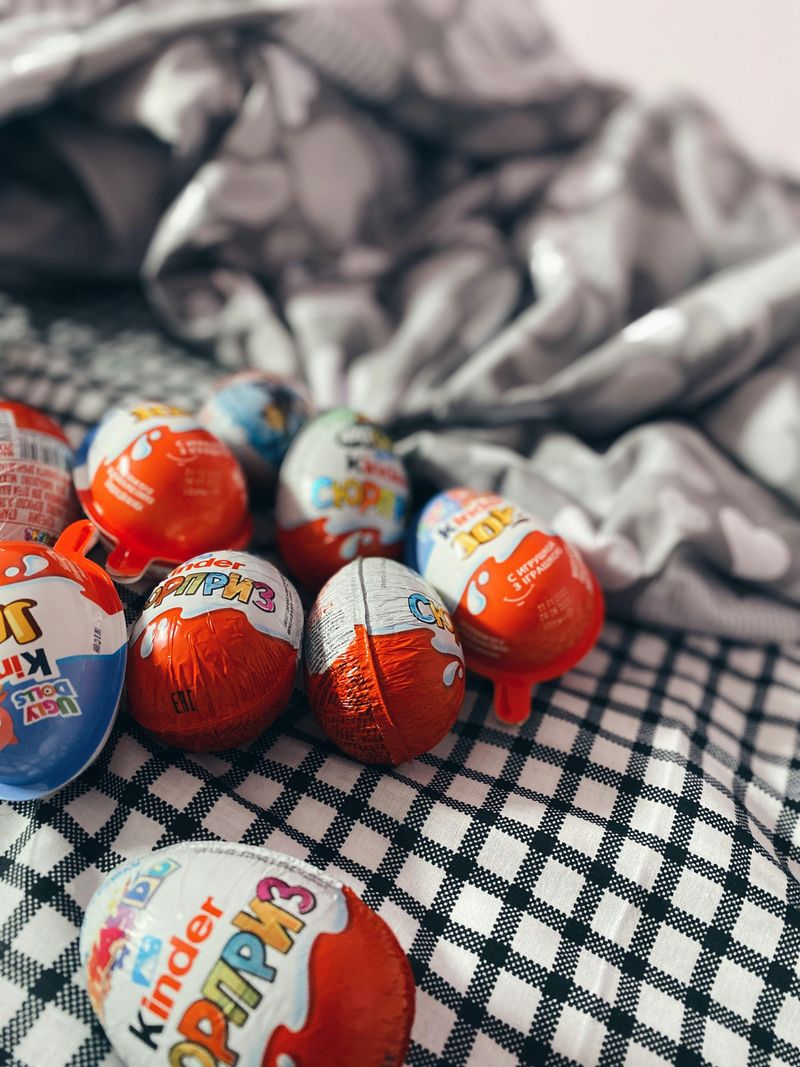
Imagine a chocolate egg with a tiny toy hidden inside. Sounds magical, right?
Kids across Europe and Canada have adored Kinder Surprise eggs for decades. But in the United States, they are banned.
The reason is a 1938 law that prohibits embedding non-nutritive objects inside food, specifically because of choking hazards.
Customs agents have actually confiscated Kinder eggs at the U.S. border, and technically bringing them in can result in a fine.
Kinder responded by creating the Kinder Joy, which separates the candy and toy into two halves, sidestepping the law entirely.
6. Chewing Gum

Chewing gum is one of those everyday things most people never think twice about. Grab a piece, chew it, maybe blow a bubble. Simple.
Unless you’re in Singapore, where selling or importing chewing gum has been banned since 1992. The government cracked down after gum kept jamming the sensors on the country’s high-tech subway doors.
Limited exceptions exist for therapeutic, dental, or nicotine gum, but only through pharmacies with proper registration. Getting caught smuggling regular gum in can mean serious fines.
7. Shark Fin
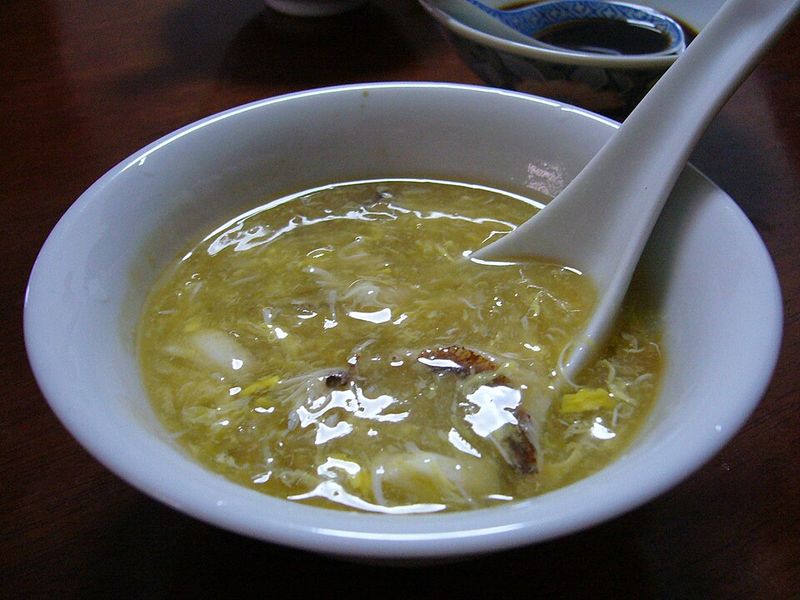
Shark fin soup has been a status symbol in Chinese cuisine for centuries, served at weddings and banquets as a sign of wealth and respect. The problem is how the fins are obtained.
Sharks are often caught, their fins sliced off, and then the animals are thrown back into the ocean still alive. It’s called finning, and it’s brutal.
New York State banned the sale and possession of shark fins under state law to fight this practice. Federal restrictions and U.S. import enforcement also target dried shark fins and related products.
8. Casu Marzu
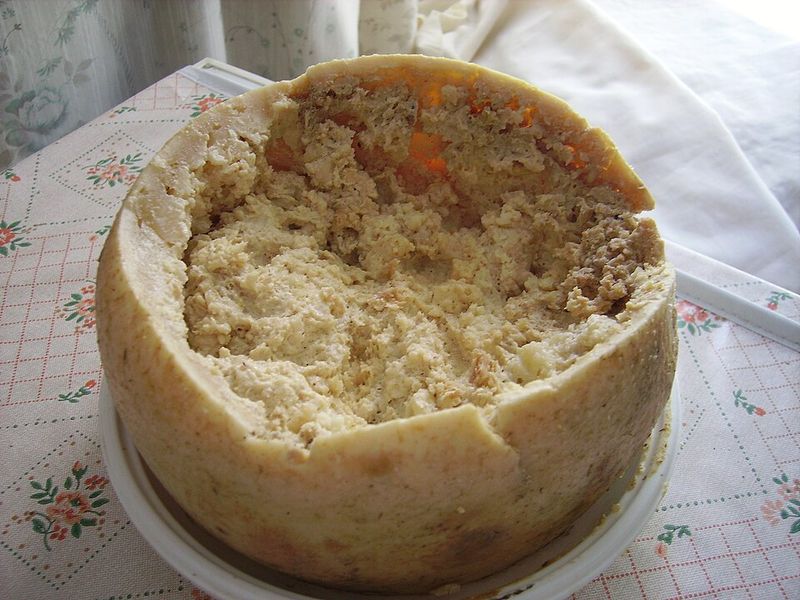
Casu marzu is not your average cheese. This traditional Sardinian specialty is intentionally left out to ferment beyond normal limits, allowing cheese flies to lay eggs inside it.
The larvae hatch and break down the cheese’s fats, creating an intensely soft, pungent texture. Some locals eat it with the live larvae still wriggling inside.
EU food safety regulations effectively block its commercial sale, and it’s illegal in most standard markets. However, it survives as a cultural tradition in Sardinia, sometimes traded informally.
9. Horse Meat
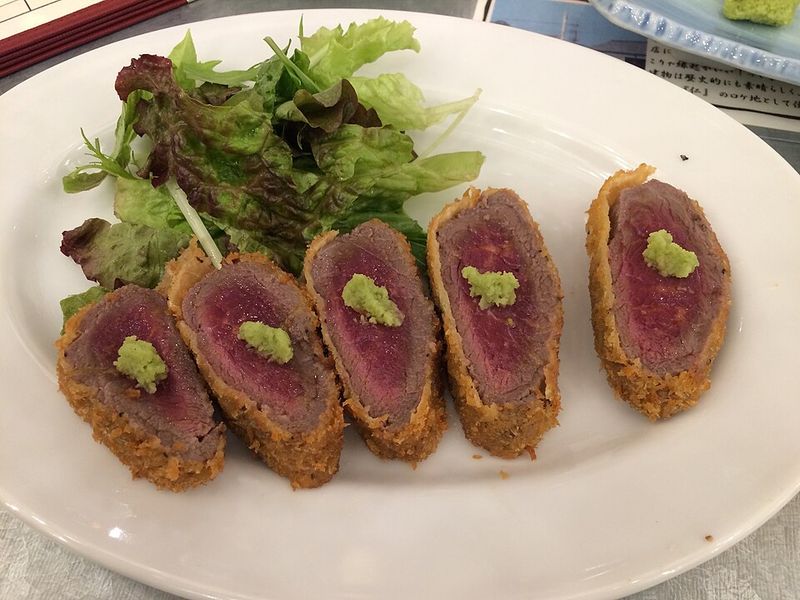
Horse meat is eaten in many countries across Europe, Asia, and South America without much fuss. In the United States, though, it occupies a very strange legal gray zone.
There is currently no USDA-inspected horse slaughter facility operating in the U.S. for domestic commercial sale, which means legal retail horse meat is essentially nonexistent here.
Congress has repeatedly blocked funding for horse slaughter inspections over the years, making the whole pathway effectively closed.
10. Bitter Almonds
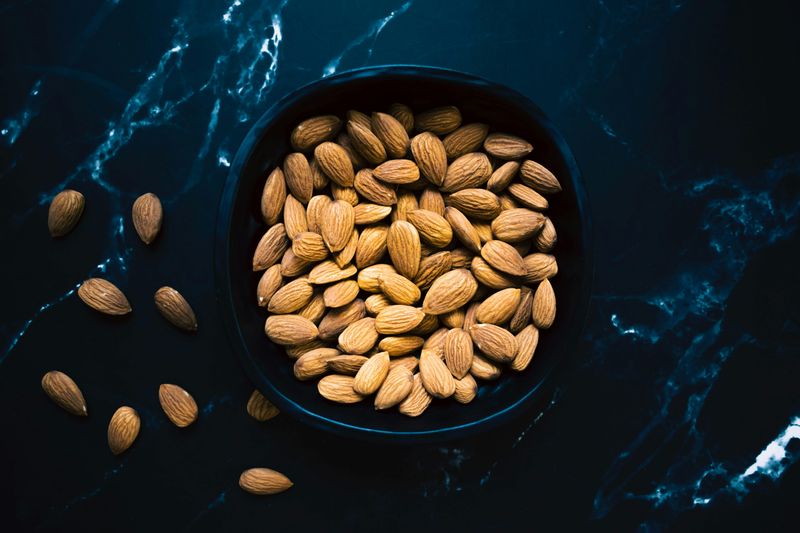
Regular sweet almonds are a beloved snack. Bitter almonds look almost identical but carry a dangerous secret: they naturally contain amygdalin, a compound that converts into hydrogen cyanide when digested.
Even a small handful of raw bitter almonds can cause serious poisoning in children. That’s not a dramatic exaggeration; it’s basic food chemistry.
Several countries restrict or ban the sale of untreated bitter almonds for this reason. In the U.S., bitter almond oil used in food must be processed to remove the toxic compounds.
The flavor is wonderfully intense and complex, which makes the whole situation feel deeply unfair.
11. Unapproved Novel Foods in the EU
The European Union takes food safety seriously enough to require new or unusual foods to go through a formal approval process before they can be sold.
Under the EU Novel Food Regulation, any food that wasn’t widely consumed in the EU before May 1997 needs authorization before hitting store shelves.
That includes things like insect protein, certain algae, and exotic plant extracts. Without approval, marketing those foods is illegal across all EU member states.
The process involves safety assessments, scientific reviews, and can take years.
12. Lung-Containing Offal Dishes
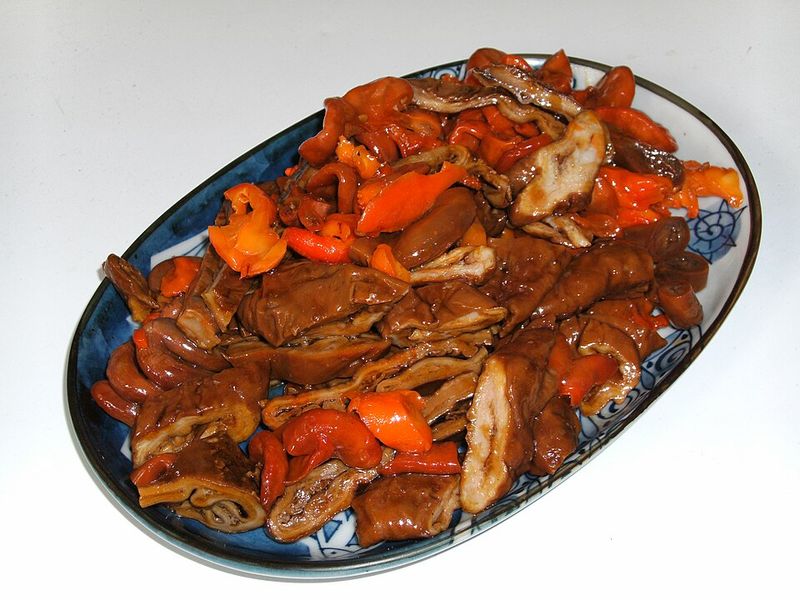
Haggis gets all the headlines, but the U.S. rule against livestock lungs in human food reaches much further than one Scottish recipe.
Any traditional dish that uses beef, pork, or other livestock lungs as an ingredient runs into the same federal wall. That covers a surprising range of cultural foods from around the world.
Dishes like certain Eastern European, Latin American, and Asian recipes that traditionally include lung are essentially impossible to make and sell legally in the U.S. using domestic livestock.
13. Raw Milk Cheeses Under 60 Days
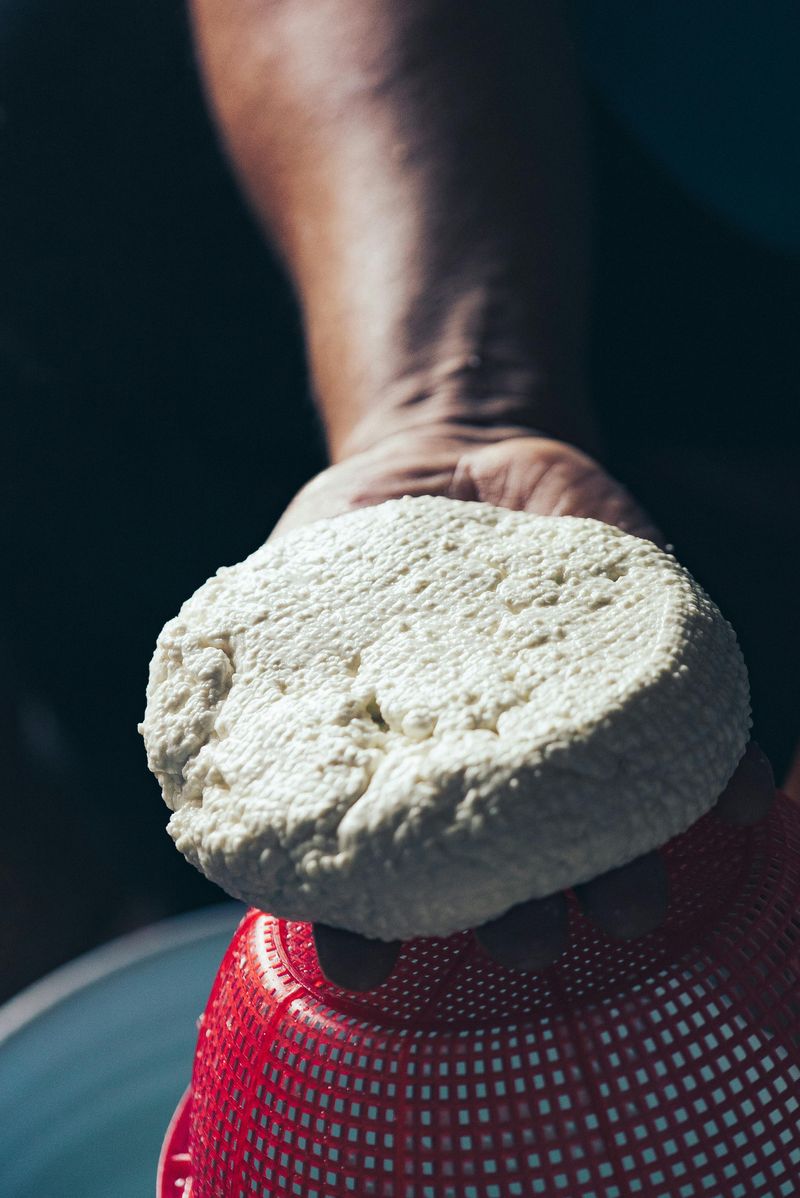
France produces some of the world’s most celebrated cheeses, many of them made with raw, unpasteurized milk.
Authentic Brie de Meaux, Camembert de Normandie, and Epoisses are traditionally crafted this way, and French cheese lovers will argue passionately that pasteurization destroys the complex flavors that make these cheeses legendary.
U.S. regulations require that raw milk cheeses be aged for at least 60 days before import or sale, because the aging process reduces pathogen risk.