7 Foods That Will Get Confiscated At US Customs
Picture this: you’re back from an epic trip, excited to share a tasty treat with friends or family, and then a customs officer snatches it away without a second thought. Total buzzkill, right?
Every year, travelers get blindsided by strict US customs rules that protect farms, livestock, and public health. Don’t let a tasty souvenir turn into a lost snack, scroll through these 7 foods that could get confiscated and save yourself from a border meltdown.
Pack smart, snack smart, and keep the foodie vibes alive!
1. Fresh Fruits and Vegetables
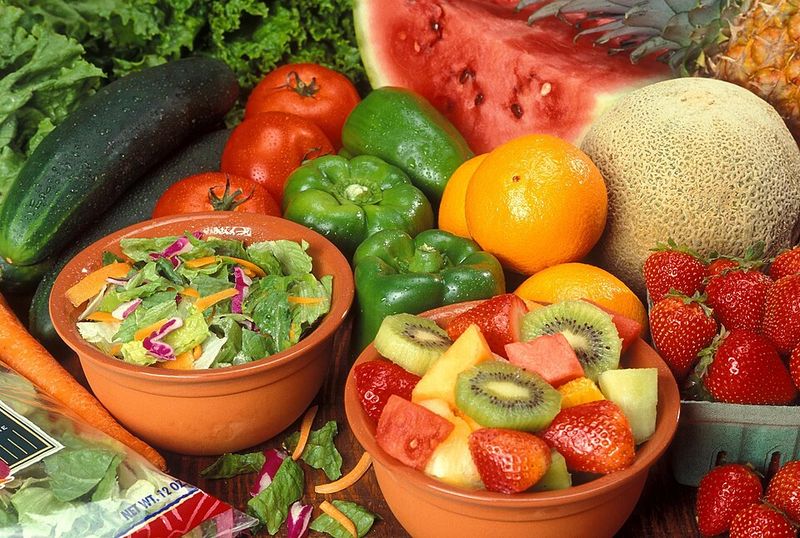
Picture this: you packed a bag of gorgeous mangoes from your grandma’s backyard, and a customs officer confiscates every single one. Almost all fresh produce is banned at US borders because fruits and vegetables can secretly carry plant pests and diseases.
Even one tiny bug hitchhiking on an apple could devastate entire American crops. If you want to bring a taste of home, opt for commercially packaged or canned versions instead!
2. Meat Products
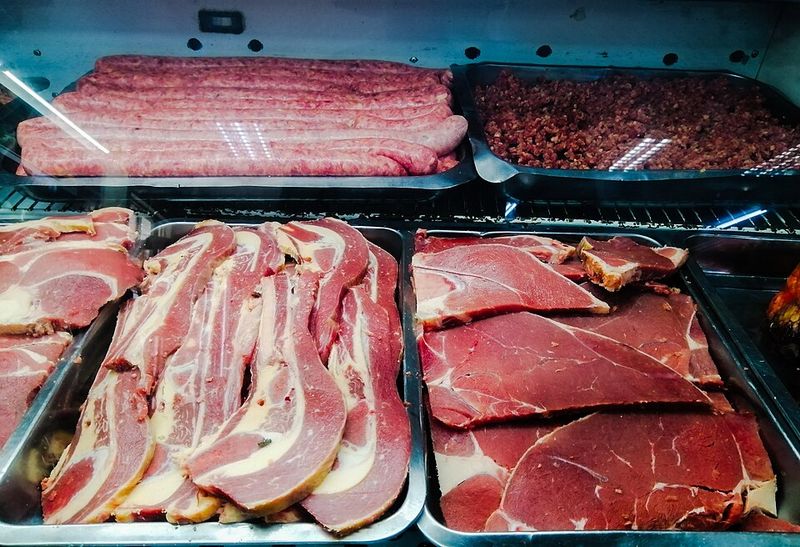
Fresh, dried, cured, smoked, or fully cooked, meat is basically on customs’ most-wanted list. Countries dealing with livestock diseases like foot-and-mouth disease are especially flagged, meaning your prized cured sausages from overseas could vanish faster than a magic trick.
CBP officers use trained detection dogs (yes, adorable beagles!) to sniff out hidden meat products. Always check country-specific rules before packing any meat-based snacks or souvenirs for your return trip home.
3. Dairy Products
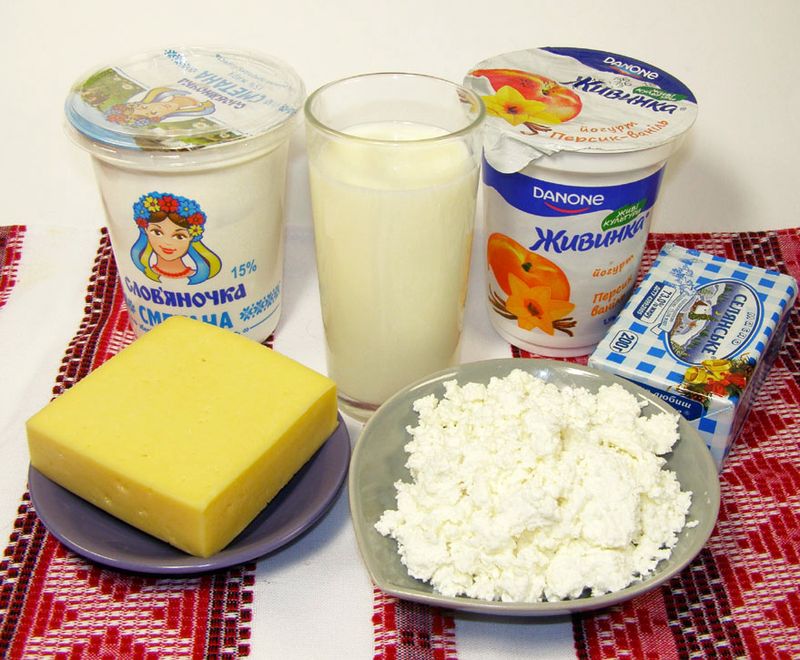
Unpasteurized cheese sounds fancy and adventurous, but US customs officers are not impressed. Raw-milk cheeses and dairy items from countries with foot-and-mouth disease are strictly prohibited from entering the country.
Pasteurized, commercially sealed dairy products from approved countries may get a green light, but always verify before packing. Losing a wedge of expensive imported cheese at the airport is the kind of heartbreak no traveler deserves, just saying!
4. Eggs and Egg Products
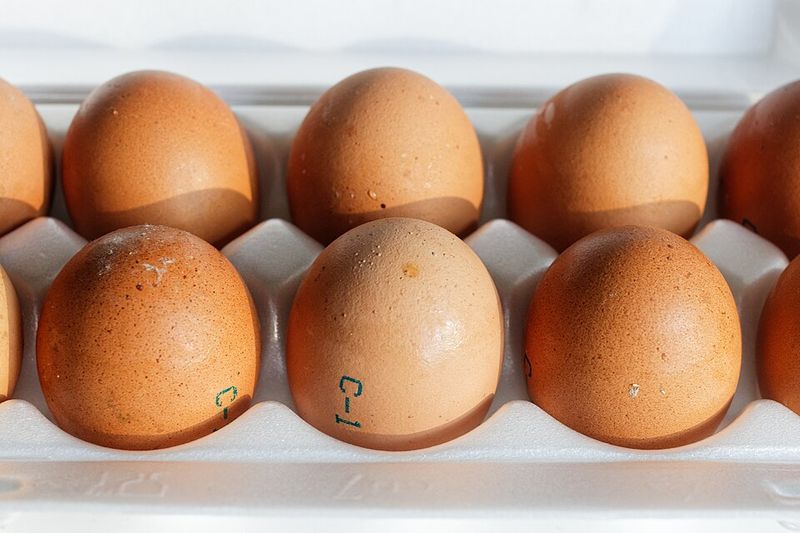
Eggs seem harmless enough, but they carry serious biosecurity risks. Most eggs and egg-based products from countries affected by poultry diseases like avian influenza are flat-out banned from entering the United States.
How sneaky can a hard-boiled egg really be? Apparently, very!
Pathogens can survive even in cooked egg products, which is why CBP takes zero chances. Stick to buying your eggs locally once you land, your omelets will thank you.
5. Seeds and Nuts
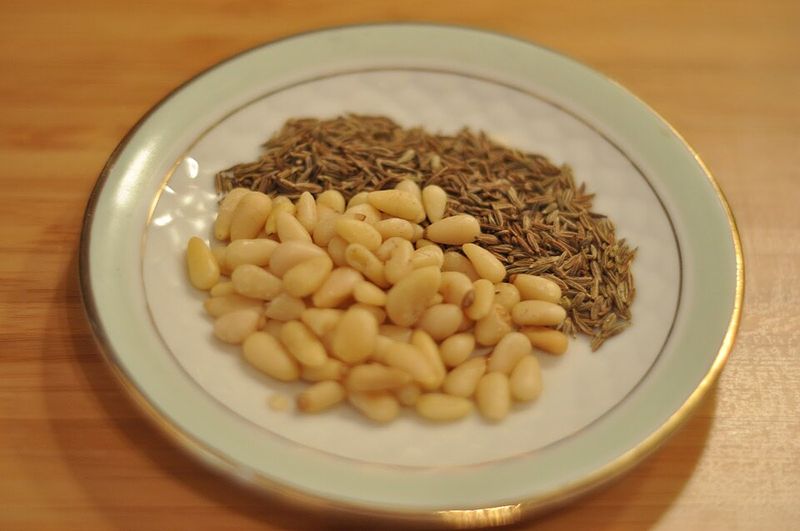
Seeds are basically tiny supervillains in disguise. Though they look completely innocent sitting in your snack bag, seeds can carry plant diseases or sprout into invasive species that wreck local ecosystems faster than you can say “oops.”
Some commercially packaged and heat-treated nuts may be allowed, but raw or unprocessed seeds are a major red flag for customs agents. When in doubt, leave the seeds behind and grab a souvenir magnet instead!
6. Honey
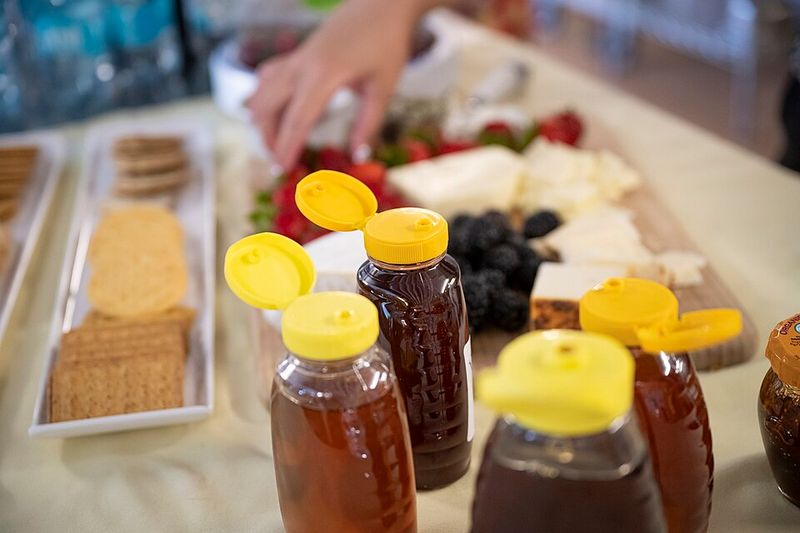
Honey might be nature’s sweetest gift, but it comes with a hidden catch at US customs. That golden jar from a local beekeeper abroad could be carrying bee diseases or parasites like Varroa mites, which are catastrophic to American bee populations.
Where bees go, our food supply follows, since bees pollinate roughly one-third of everything we eat! Small commercial quantities may sometimes pass inspection, but homemade or unregulated honey rarely makes it through.
Protect the bees, people!
7. Mooncakes Containing Meat or Egg Yolks
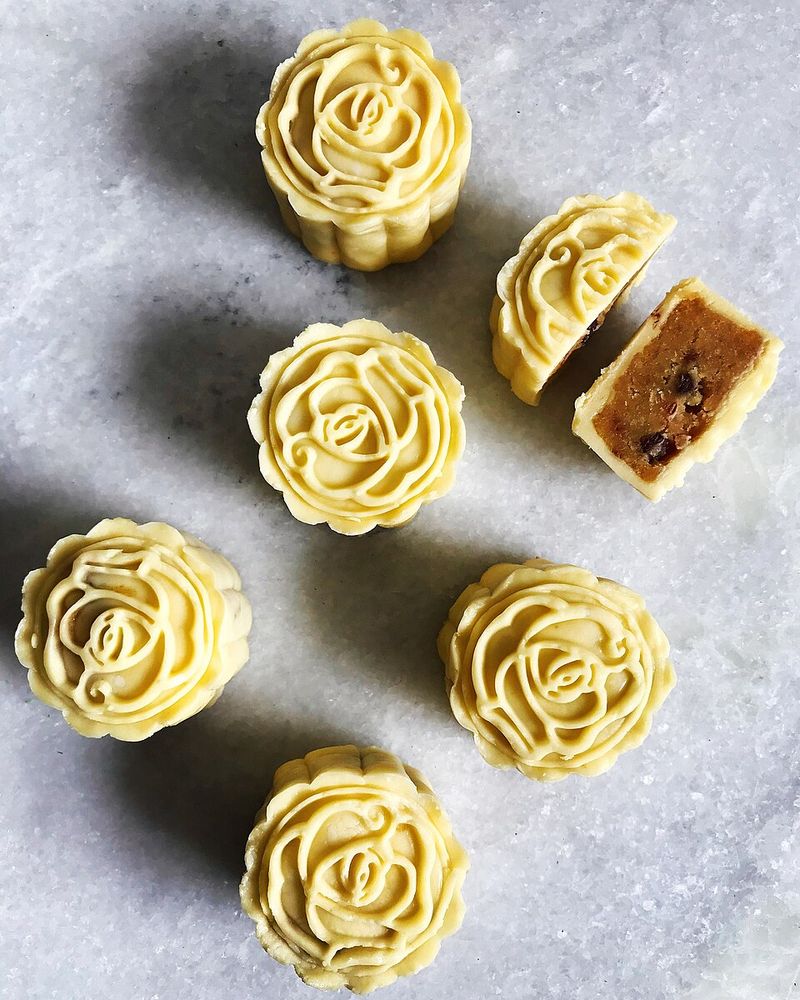
Mooncakes are cultural treasures celebrated during the Mid-Autumn Festival, but the ones stuffed with salted egg yolks or meat fillings are a customs nightmare. These ingredients fall under the same restrictions as general egg and meat products, making them prime targets for confiscation.
However, mooncakes filled with lotus paste or red bean, without meat or egg yolk, often get the all-clear. So shop smart before your flight and save yourself from a very sad mooncake moment at the border!