The Real Foods Europeans Ate In The Middle Ages
Ever wonder what people actually ate hundreds of years ago?
The Middle Ages weren’t all about feasting on giant turkey legs in castle halls like movies show us.
Real medieval Europeans had surprisingly diverse diets that changed based on where they lived, how much money they had, and even what the church said they could eat.
1. Barley Bread
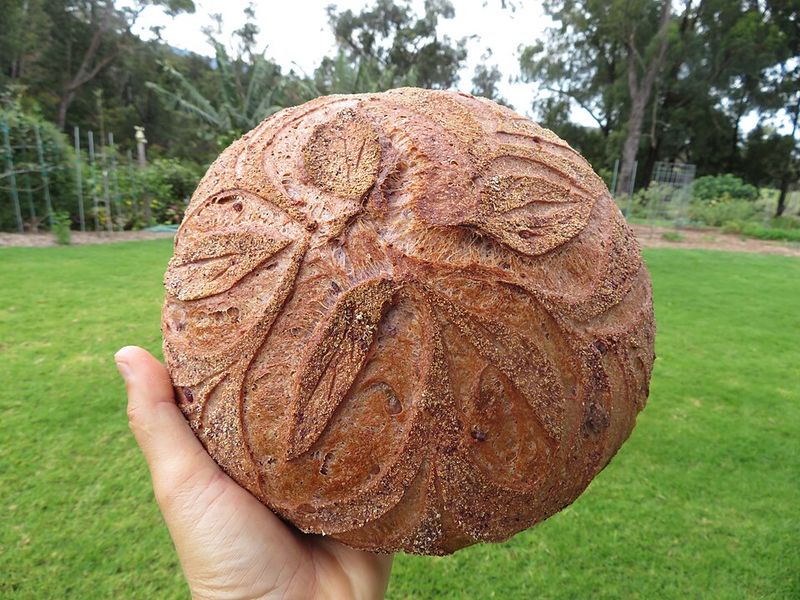
Forget fluffy white bread from the bakery.
Medieval peasants munched on dense, dark loaves made from barley that could practically double as doorstops.
Wheat bread was reserved for nobles who could afford the good stuff.
Barley kept people going through long days of hard labor, even if it wasn’t winning any taste contests.
2. Salted Herring
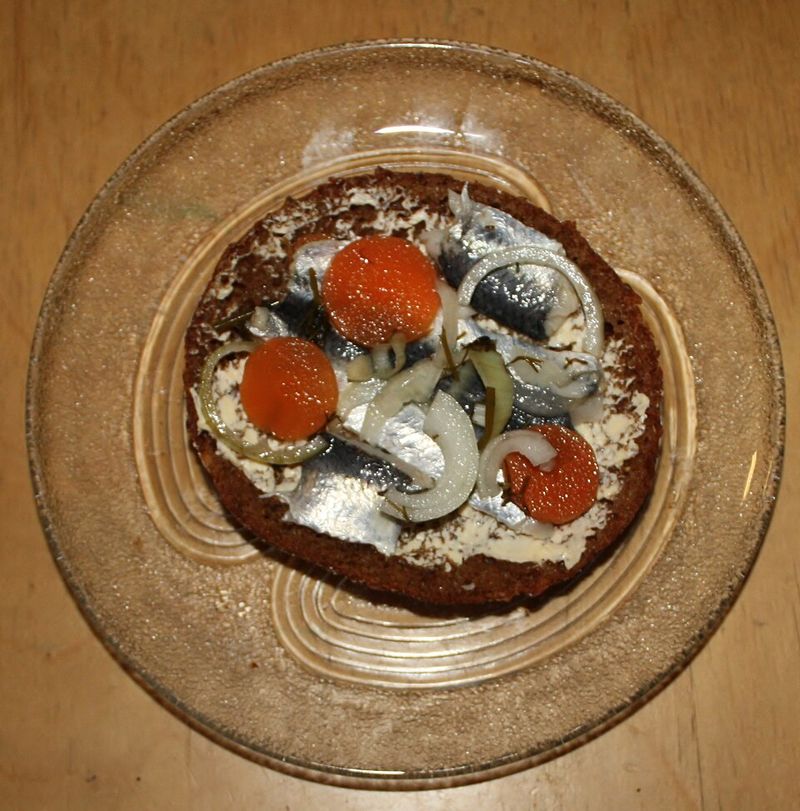
Fish Friday wasn’t just a catchy phrase back then.
Salted herring became a superstar food because it lasted forever without refrigeration and the church required meatless days.
People ate them so often that herring bones have been found in medieval garbage dumps across Europe.
Not exactly gourmet dining, but definitely reliable protein when you needed it most.
3. Pottage
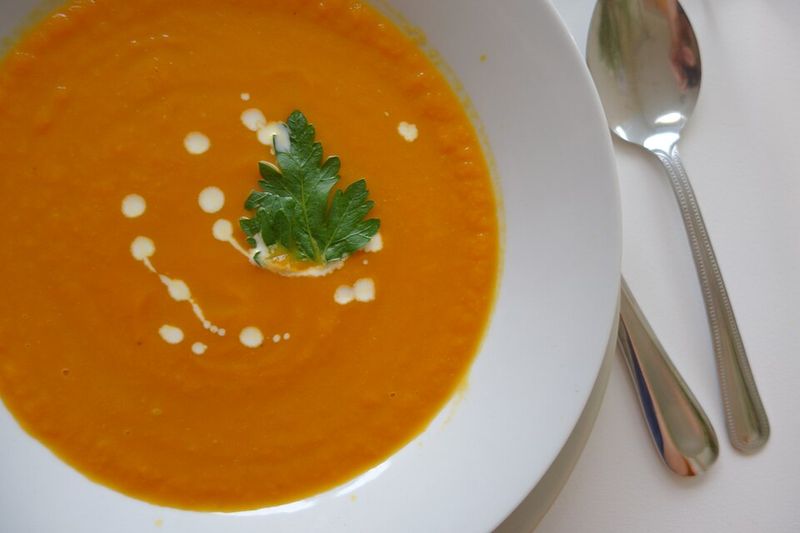
Picture a thick, bubbling stew that’s been simmering all day.
Pottage was basically the medieval version of throwing everything into one pot and hoping for the best.
Peasants tossed in whatever vegetables, grains, and occasionally meat scraps they had lying around.
This one-pot wonder changed with the seasons and could be thin like soup or thick like porridge.
Every family had their own recipe, passed down through generations of hungry ancestors.
4. Roasted Venison
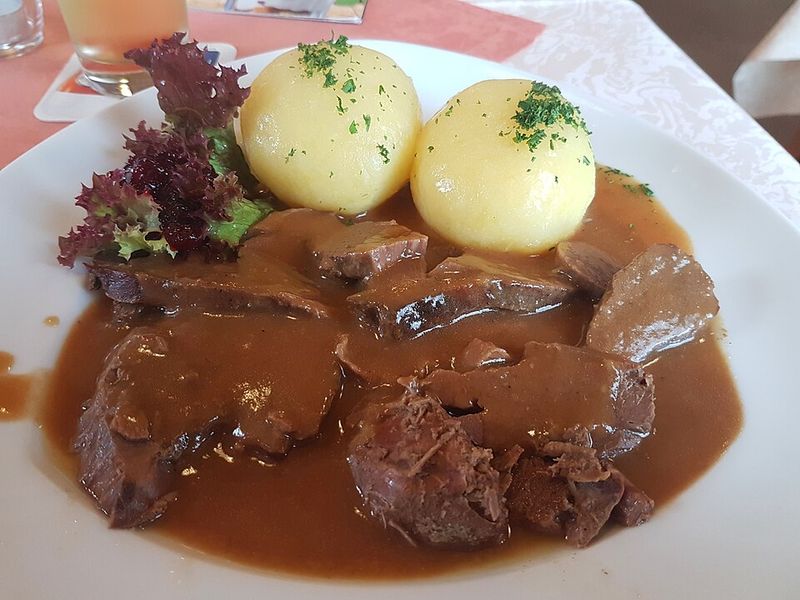
Only nobles got to sink their teeth into this fancy forest delicacy.
Deer hunting was strictly controlled by the rich and powerful, making venison a serious status symbol at medieval banquets.
Poachers caught hunting the king’s deer faced brutal punishments, sometimes even death.
The meat was roasted on spits over open fires and seasoned with expensive imported spices.
Serving venison at dinner basically screamed, “Look how wealthy and important I am!”
5. Cabbage
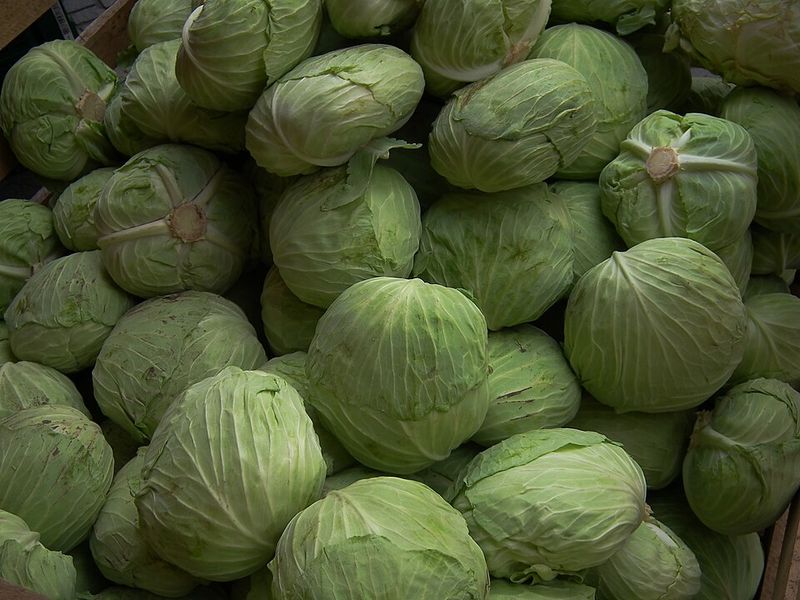
Cabbage was the reliable friend that never let you down.
Poor folks ate it boiled, raw, pickled, or stuffed into their daily pottage without complaint.
Rich people turned up their noses at it, preferring fancier imported vegetables.
But when famine struck, even nobles were grateful for simple cabbage to keep starvation away from their castle doors.
6. Ale

Water was sketchy, so everyone drank ale instead—even kids!
This wasn’t the strong stuff we know today, but a lighter, nutritious beverage brewed from barley.
Women called brewsters made ale at home, flavoring it with herbs before hops became popular.
People drank it morning, noon, and night because it was safer than questionable well water.
A medieval worker might down several pints daily without anyone batting an eye.
7. Cheese
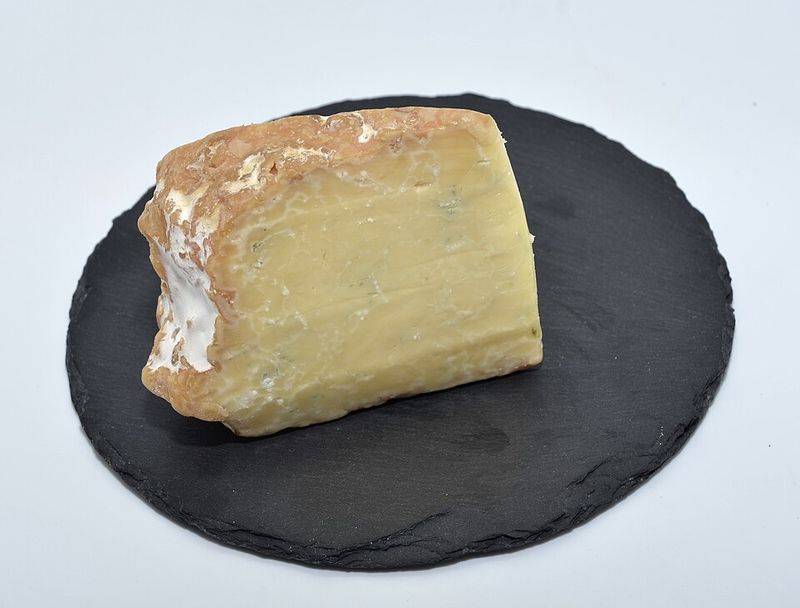
Cheese was basically medieval meal prep before that was even a thing.
Since fresh milk spoiled faster than you could say “lactose,” people turned it into cheese that lasted months.
Varieties like Parmesan, Brie, and Edam were already famous across Europe.
Poor folks relied on simple, hard cheeses for protein while nobles enjoyed softer, aged varieties.
Monasteries became cheese-making headquarters, perfecting recipes we still drool over today.
8. Turnips
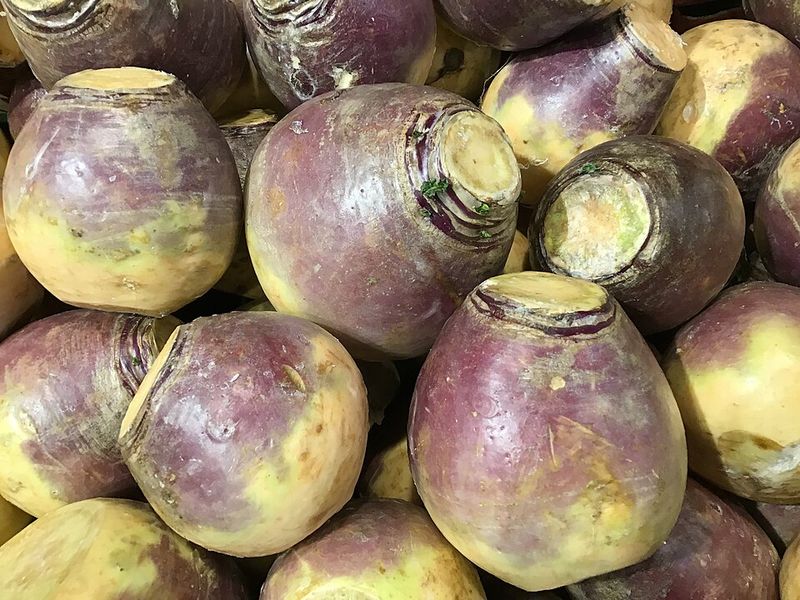
Before potatoes showed up from the Americas, turnips ruled the root vegetable world.
Turnips grew in terrible soil conditions and survived cold weather like champions.
Peasants ate them roasted, boiled, mashed, or raw when desperate times called for desperate measures.
They weren’t anyone’s favorite food, but they kept families alive through harsh winters.
Turnip greens provided extra nutrition when fresh vegetables were scarce as hen’s teeth.
9. Roasted Fowl

Chickens, geese, and ducks weren’t just waddling around for fun.
These birds ended up roasted to golden perfection on noble tables, especially during grand celebrations.
Peacocks and swans sometimes appeared at the fanciest feasts, more for show than flavor.
Common folks might enjoy a chicken on special occasions, but nobles ate fowl regularly.
The birds were often stuffed with herbs, fruits, and bread before being turned on spits over crackling fires.
10. Peas and Beans
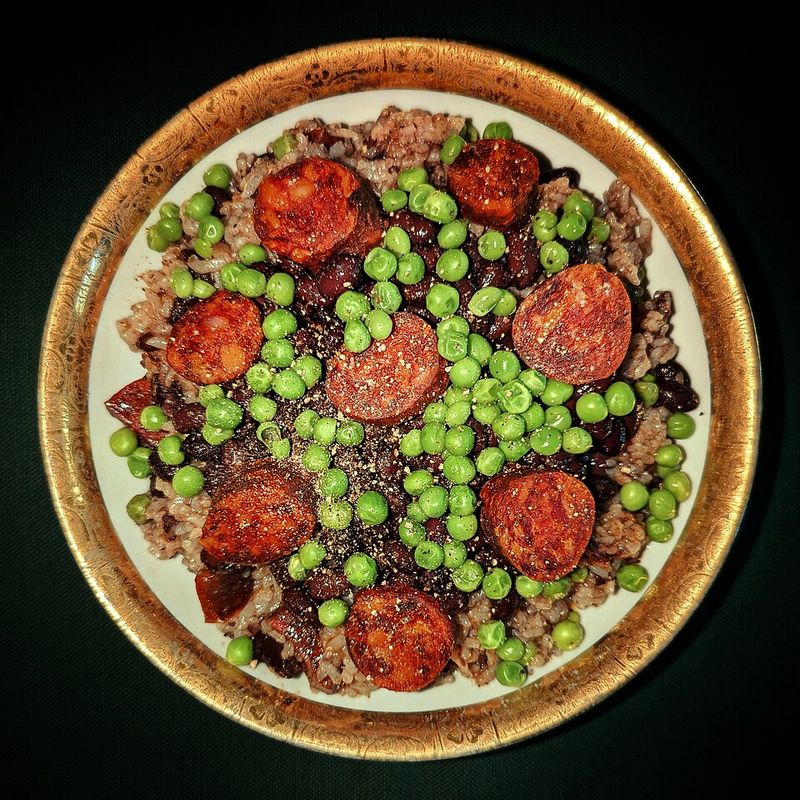
Legumes were the unsung heroes of medieval nutrition.
Peas and beans provided essential protein when meat was too expensive or forbidden by religious rules.
Dried versions lasted through winter, making them incredibly valuable for survival.
They got mixed into breads, pottages, and porridges to stretch meals further.
Fields of peas and beans also improved soil quality, making them smart crops for medieval farmers who understood the land.
11. Apples and Pears
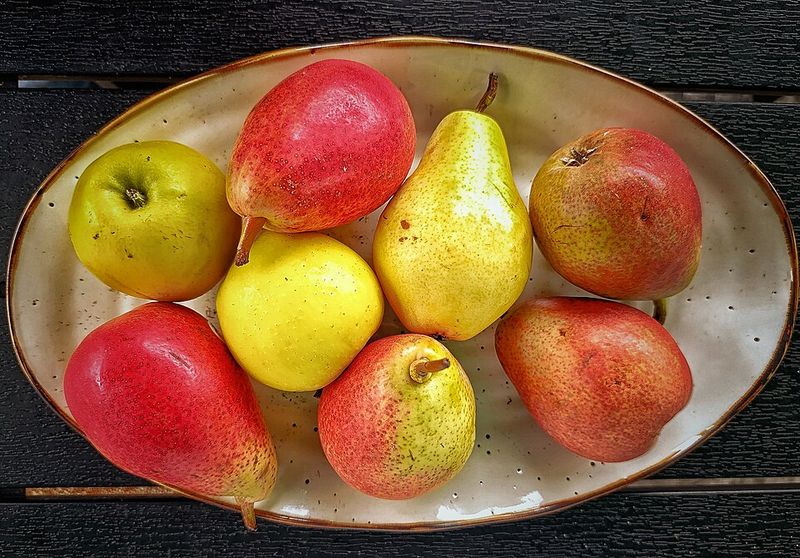
Fruit trees dotted the medieval landscape, offering sweet treats throughout the year.
Apples and pears grew well in European climates and everyone from peasants to princes enjoyed them.
Fresh fruit appeared in summer and fall, while dried versions sustained people through winter months.
These fruits got baked into pies, pressed into cider, or eaten straight from the tree.
Monasteries maintained impressive orchards, carefully cultivating different varieties for maximum deliciousness.
12. Onions and Leeks
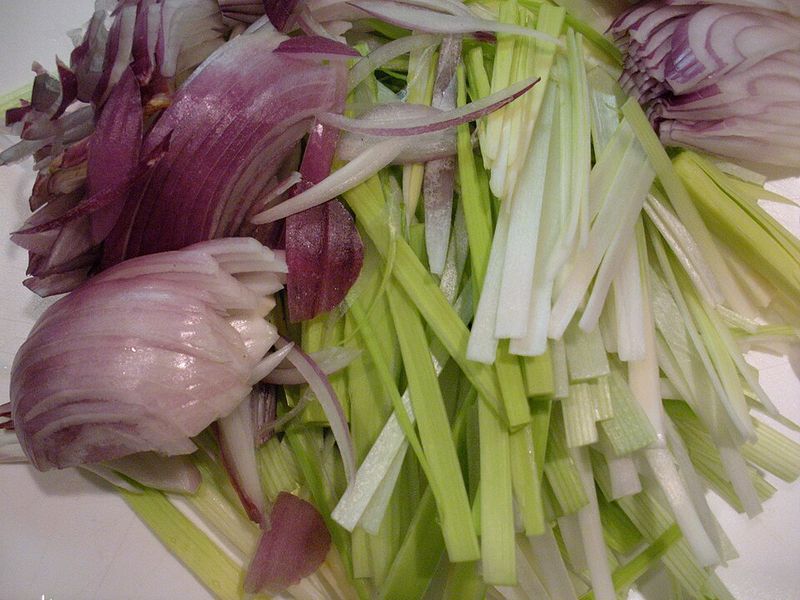
Every medieval kitchen smelled like these pungent powerhouses.
Onions and leeks added crucial flavor to otherwise bland peasant meals and appeared in nearly every recipe.
They grew easily, stored well, and supposedly had medicinal properties that people swore by.
Rich and poor alike used them generously, though nobles paired them with expensive spices.
13. Pork
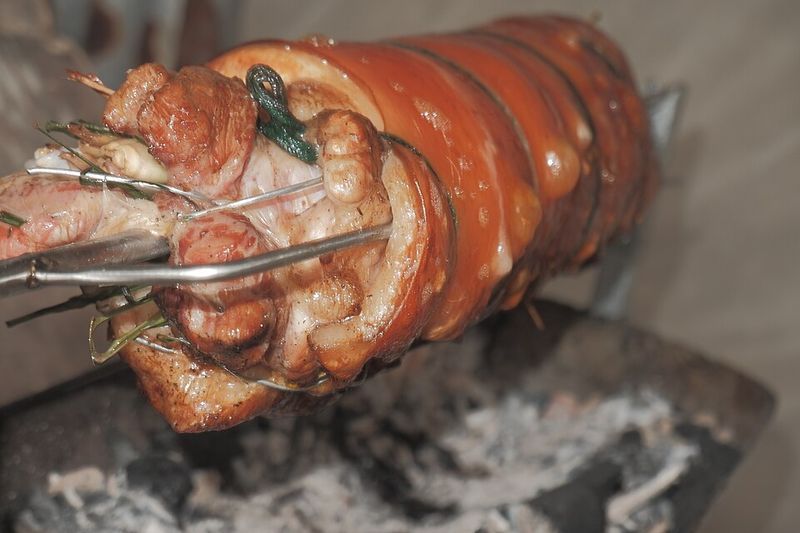
Pigs were walking food factories that ate basically anything.
Pork became incredibly popular because pigs were cheap to raise and produced loads of meat.
Families would slaughter a pig in autumn, then salt and smoke the meat for winter survival.
Every part got used—nothing went to waste when food security was this important.
From bacon to sausages to roasts, pork appeared on tables across all social classes throughout medieval times.
14. Honey
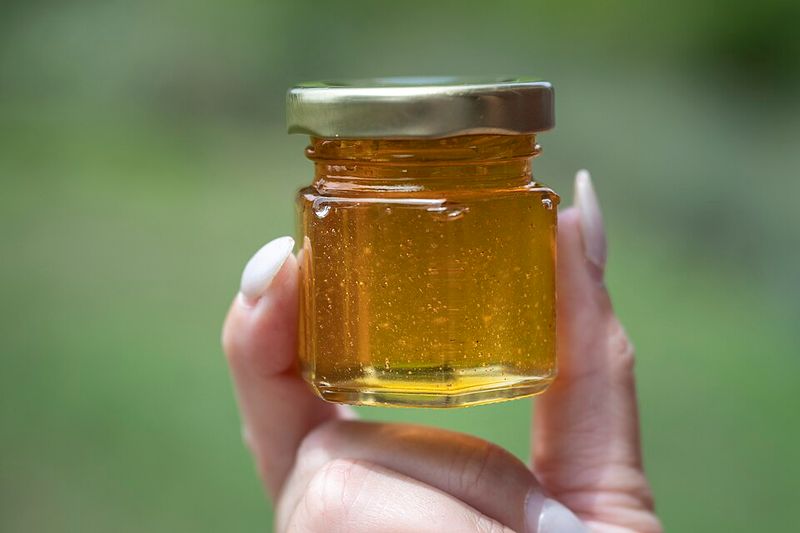
Sugar didn’t exist for most medieval folks, making honey liquid gold.
Beekeepers tended hives carefully, harvesting the sweet stuff for cooking, baking, and medicine.
Honey sweetened everything from drinks to desserts and never spoiled.
It cost more than regular folks could afford daily, so they saved it for special treats.
Monasteries often kept bees, using honey and beeswax for both the kitchen and making candles for prayers.
15. Spiced Wine
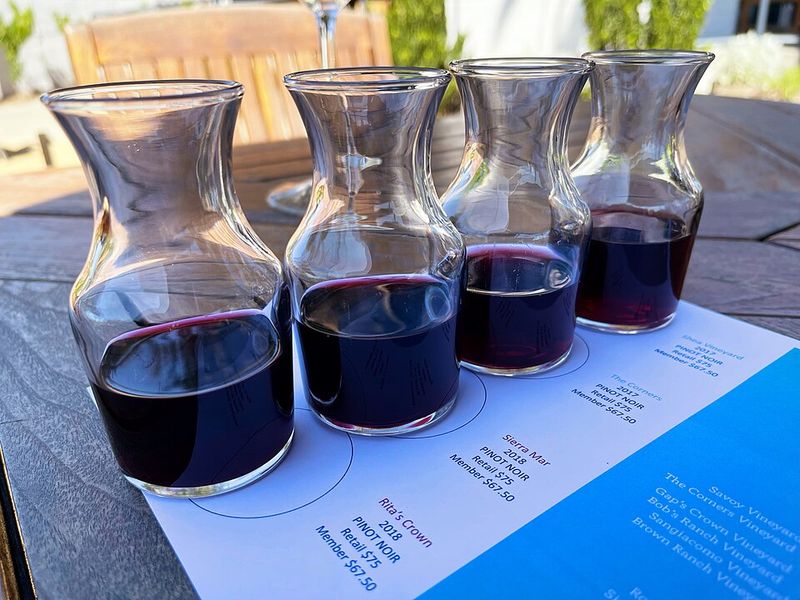
Wine got the royal treatment with expensive imported spices mixed right in.
Nobles sipped this fancy drink called hippocras, flavored with cinnamon, ginger, and cloves.
The spices masked any off flavors from wine that wasn’t aging gracefully.
Serving spiced wine at dinner proved you had money and connections to exotic trade routes.
Common people stuck with plain ale while aristocrats showed off their wealth one spiced sip at a time.