20 Foods Loaded With More Protein Than Eggs
Eggs get all the glory when it comes to protein, but plenty of other foods pack an even bigger punch.
Vegetarian, vegan, or simply experimenting with new options, you can explore protein-rich alternatives that boost energy and support strong muscles.
Surprising superstars are waiting to prove they deliver more protein per serving than your morning scrambled eggs.
1. Soy Chunks
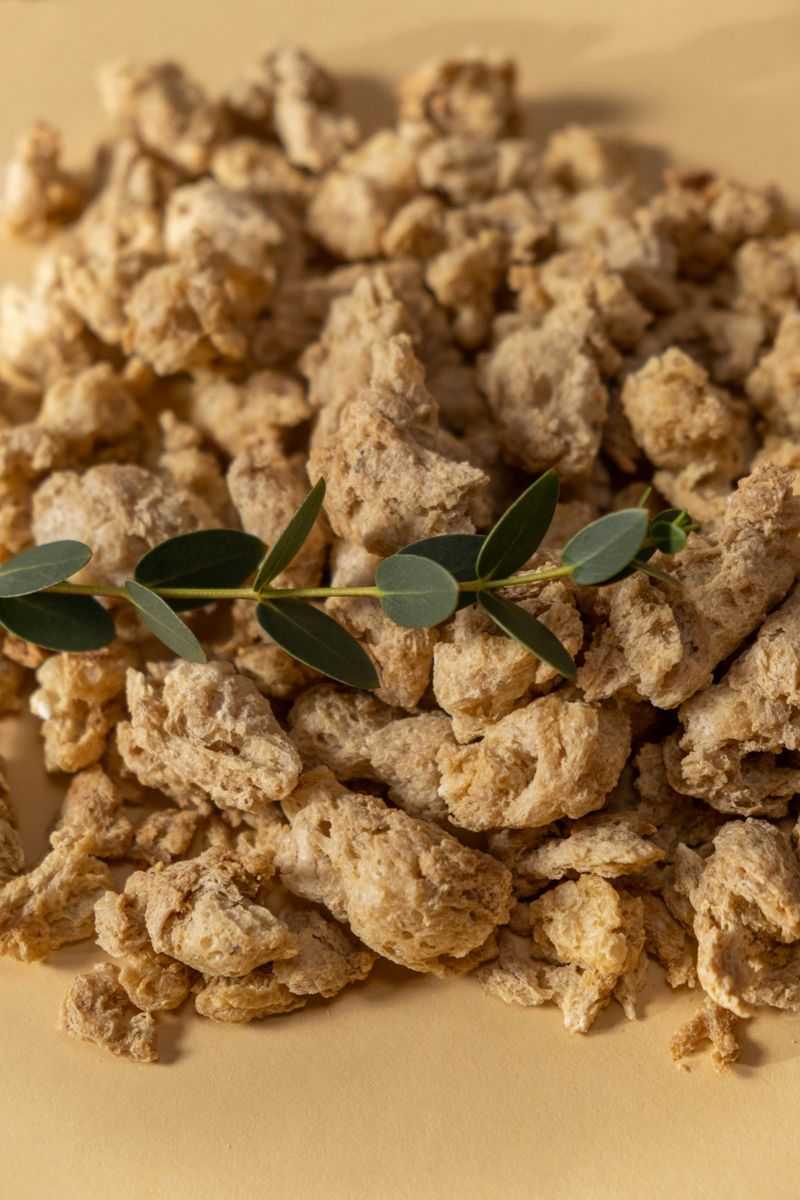
Soy chunks pack a monster dose of protein that leaves eggs in the dust.
With around 52 grams per 100-gram serving, this vegetarian powerhouse fuels your muscles like nothing else.
Crunchy when dry, spongy when cooked, soy chunks soak up flavors from curries, stir-fries, and marinades beautifully.
Athletes and bodybuilders love adding them to post-workout meals for serious muscle recovery.
Budget-friendly and shelf-stable, soy chunks belong in every kitchen pantry.
2. Paneer
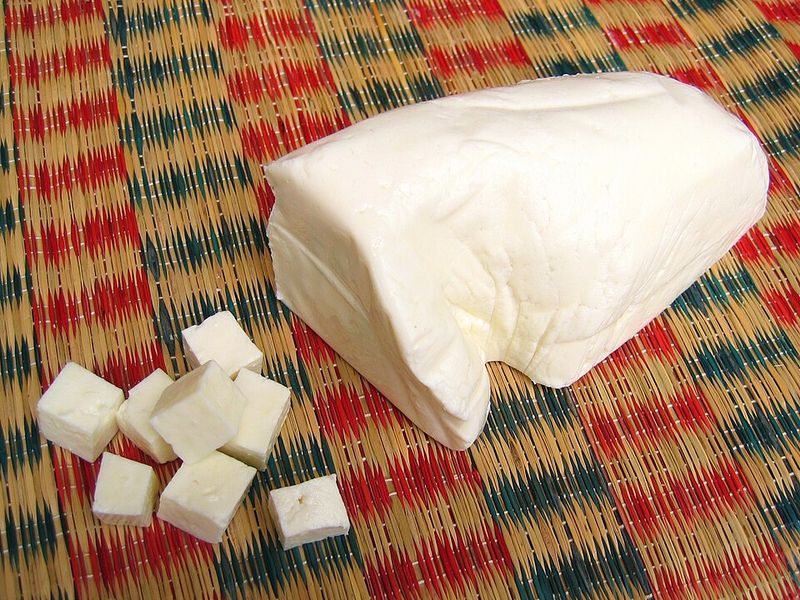
Paneer brings creamy richness alongside impressive protein power.
Indian cuisine wouldn’t be complete without this fresh cheese, which delivers about 14 grams of protein per 100 grams.
Firm yet soft, paneer holds its shape during cooking, making it perfect for grilling, frying, or tossing into curries.
Vegetarians adore paneer because it satisfies hunger while keeping meals exciting.
Pair it with spinach, tomatoes, or bell peppers for a flavor explosion.
3. Greek Yogurt

Greek yogurt transforms breakfast into a protein-packed feast.
Straining out excess liquid gives Greek yogurt its signature thick texture and concentrates its protein to around 10 grams per 100 grams.
Tangy and satisfying, it works equally well in smoothies, parfaits, or as a sour cream substitute.
Probiotics in Greek yogurt support gut health while keeping you full longer.
Drizzle honey on top for a sweet treat that fuels your day.
4. Tofu
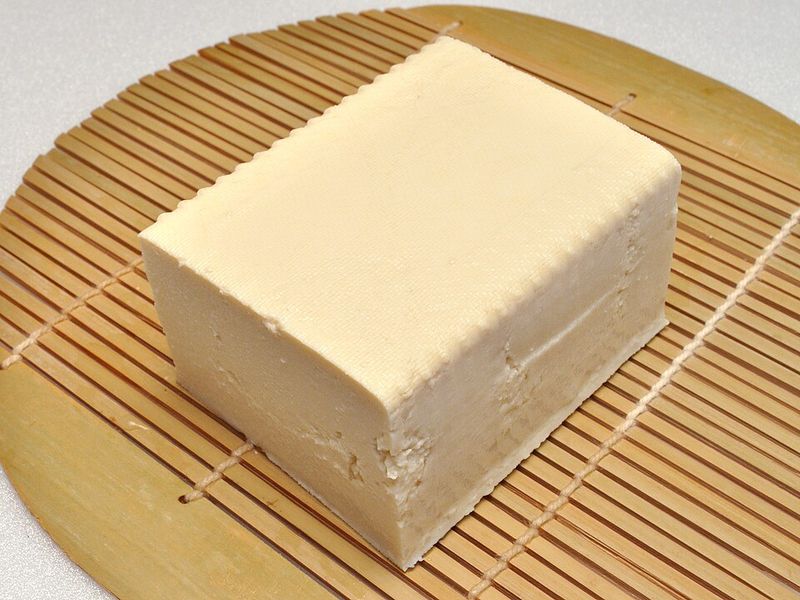
Tofu might look plain, but its protein content tells another story.
Made from curdled soy milk, tofu offers about 10 grams of protein per 100 grams and adapts to any flavor you throw at it.
Silken tofu blends into smoothies, while firm tofu crisps up beautifully in stir-fries.
Vegetarians and vegans rely on tofu for its complete amino acid profile.
Marinate it overnight for maximum flavor absorption.
5. Tempeh
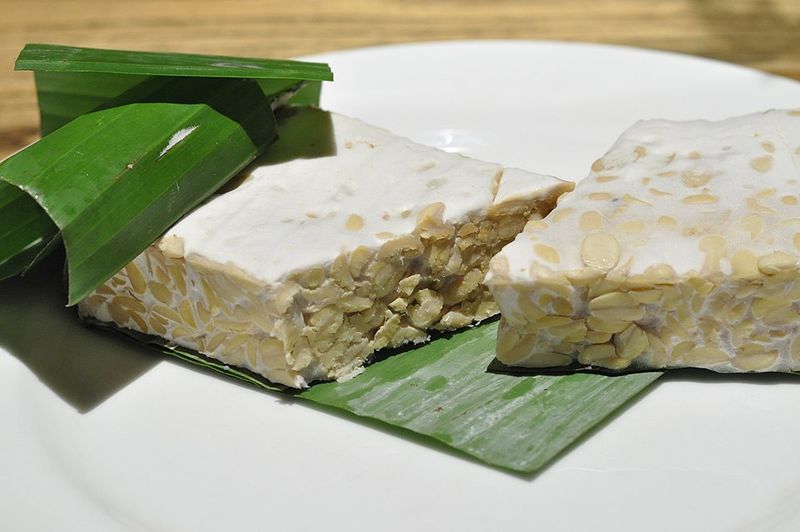
Fermentation gives tempeh its nutty flavor and protein boost.
Packing approximately 19 grams of protein per 100 grams, tempeh outshines many meat alternatives with ease.
Its firm, cake-like texture slices perfectly for sandwiches, crumbles into tacos, or cubes for kebabs.
Fermented foods like tempeh support digestion while delivering serious nutrition.
Steam it first to mellow any bitterness before adding your favorite seasonings.
6. Moong Dal (Mung Beans)
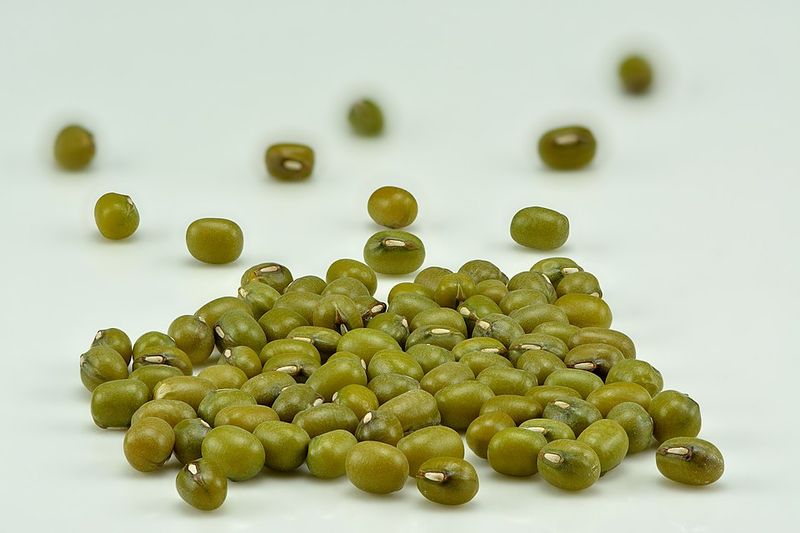
Moong dal simmers into comfort food that nourishes body and soul.
Providing about 9 grams of protein per 100 grams, split mung beans cook faster than most lentils and digest easily.
Golden yellow when cooked, moong dal pairs wonderfully with rice, flatbreads, or vegetables.
Ayurvedic practitioners recommend moong dal for its gentle yet strengthening properties.
Season with turmeric, cumin, and garlic for authentic flavor.
7. Chana Dal (Split Chickpeas)
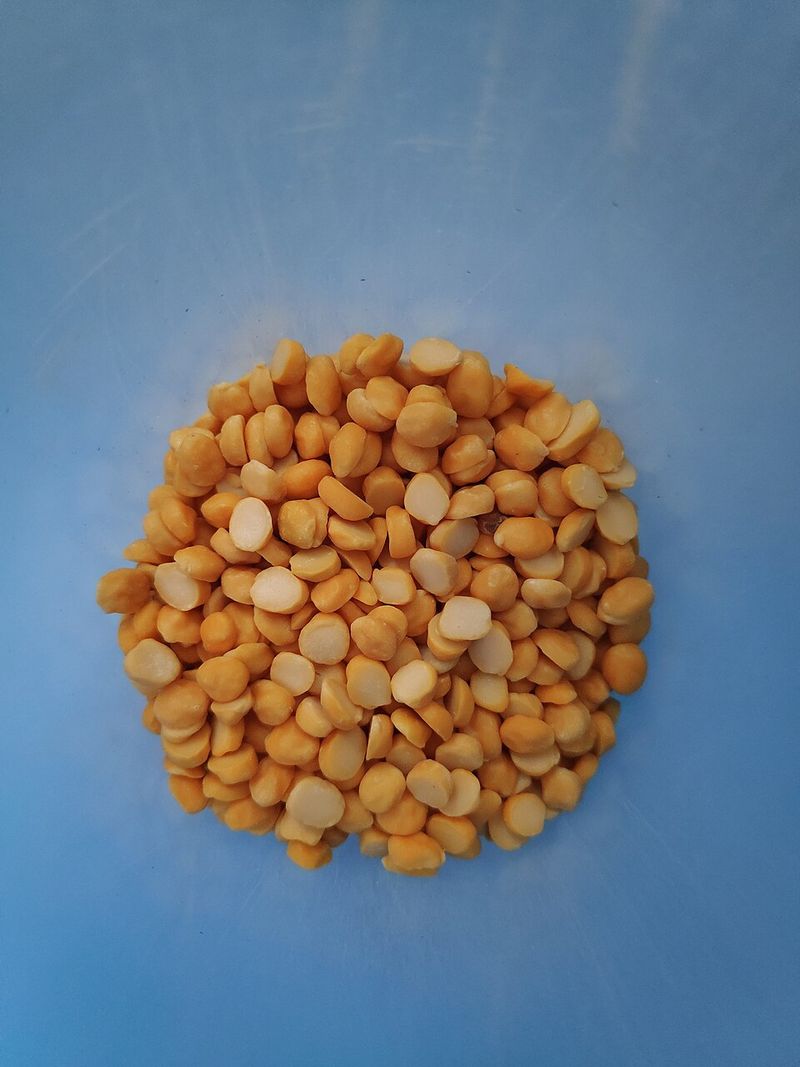
Chana dal delivers earthy richness that transforms simple meals.
Split chickpeas contain around 9 grams of protein per 100 grams and bring a slightly sweet, nutty taste to dishes.
Smaller than regular chickpeas, chana dal cooks into creamy curries or roasts into crunchy snacks.
High fiber content keeps you satisfied for hours after eating.
Add ginger and green chilies for a warming, spicy kick.
8. Kidney Beans
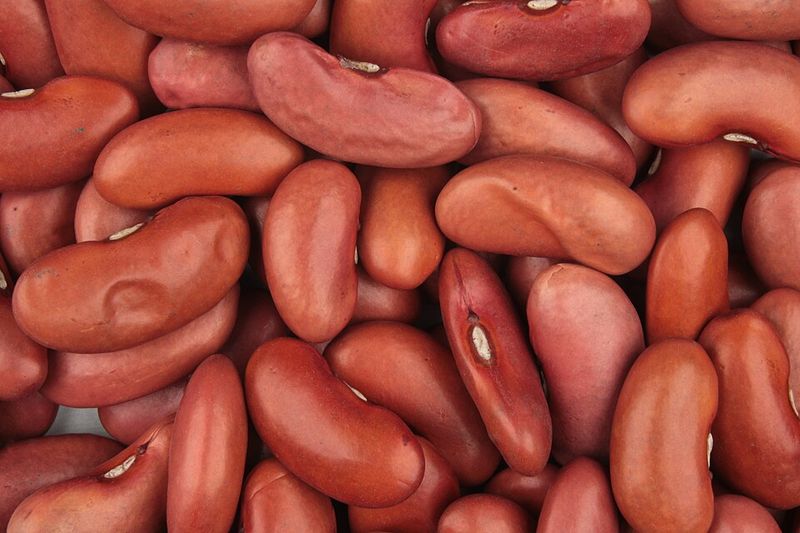
Kidney beans earned their name from their distinctive curved shape.
Offering approximately 9 grams of protein per 100 grams, kidney beans star in chili, soups, and salads worldwide.
Their meaty texture holds up during long cooking times without turning mushy.
Always cook kidney beans thoroughly to neutralize natural toxins.
Pair with rice for a complete protein combination that rivals any meat dish.
9. Black Beans
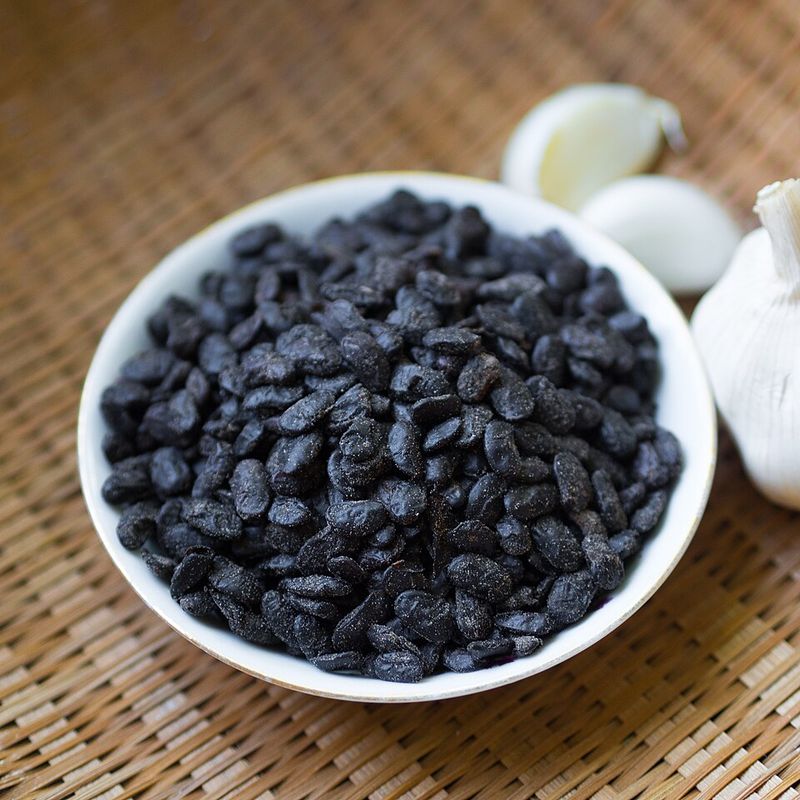
Black beans bring bold color and bold nutrition to your plate.
Containing about 9 grams of protein per 100 grams, black beans shine in burritos, bowls, and dips.
Their velvety texture and slightly sweet flavor complement spicy salsas and tangy lime perfectly.
Anthocyanins give black beans their dark color and antioxidant benefits.
Mash them into burgers or blend into brownies for surprising versatility.
10. Quinoa
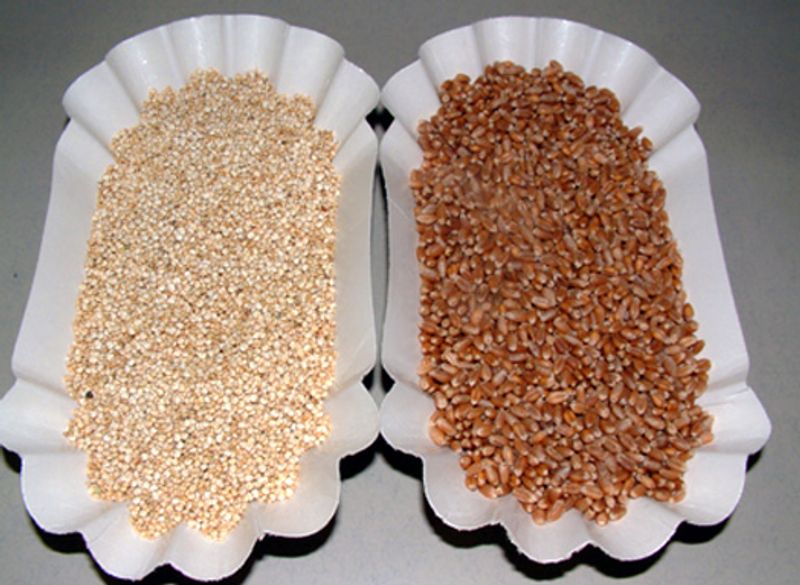
Ancient Incas called quinoa “the mother of all grains” for good reason.
Technically a seed, quinoa provides approximately 14 grams of protein per 100 grams and contains all nine essential amino acids.
Fluffy when cooked, quinoa works beautifully in salads, bowls, or as a rice substitute.
Rinse quinoa before cooking to remove bitter saponins.
Red, white, or black varieties offer subtle flavor differences.
11. Amaranth
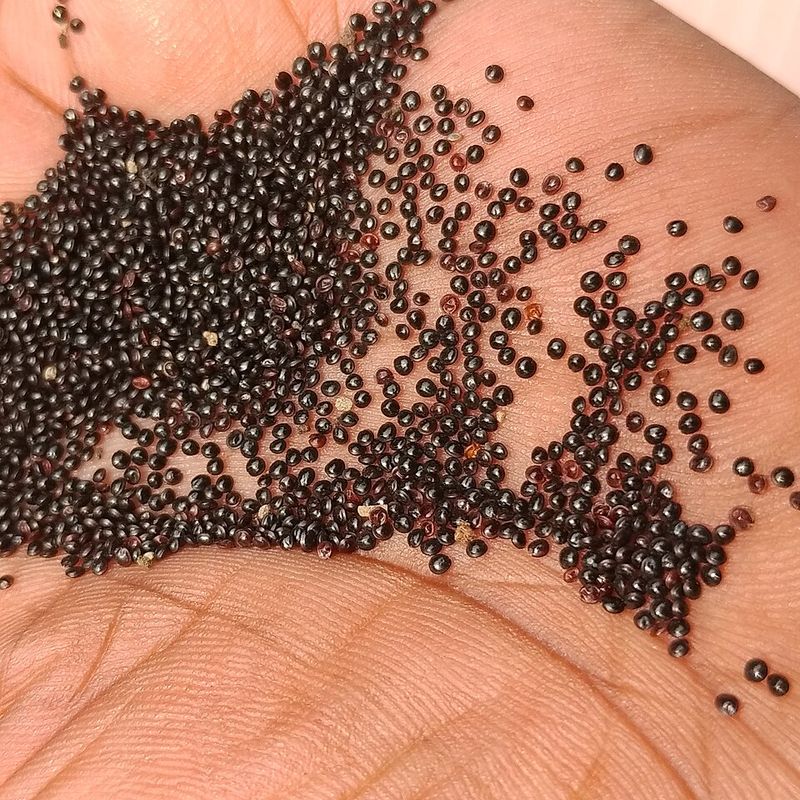
Amaranth grains might be tiny, but their nutrition is mighty.
Delivering about 13 grams of protein per 100 grams, amaranth was sacred to Aztec warriors who relied on its strength-building power.
Cooked amaranth becomes porridge-like, while popped amaranth adds crunch to granola.
Lysine content makes amaranth especially valuable for plant-based eaters.
Simmer with cinnamon and fruit for a hearty breakfast.
12. Edamame
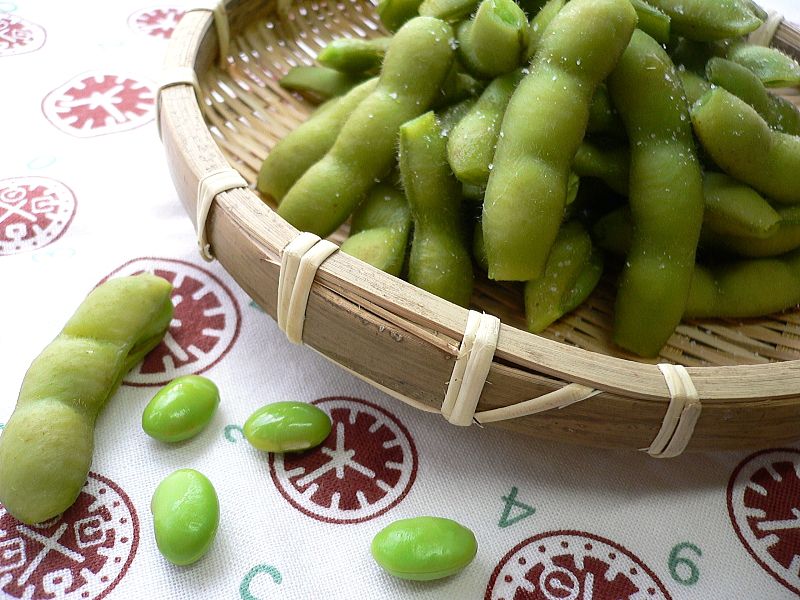
Popping edamame beans from their pods makes snacking interactive and fun.
Young soybeans offer approximately 11 grams of protein per 100 grams and taste slightly sweet with grassy notes.
Steamed and salted, edamame serves as the perfect appetizer or protein-rich snack.
Kids and adults alike enjoy the satisfying ritual of squeezing beans from fuzzy pods.
Toss shelled edamame into pasta salads for extra nutrition.
13. Peanuts
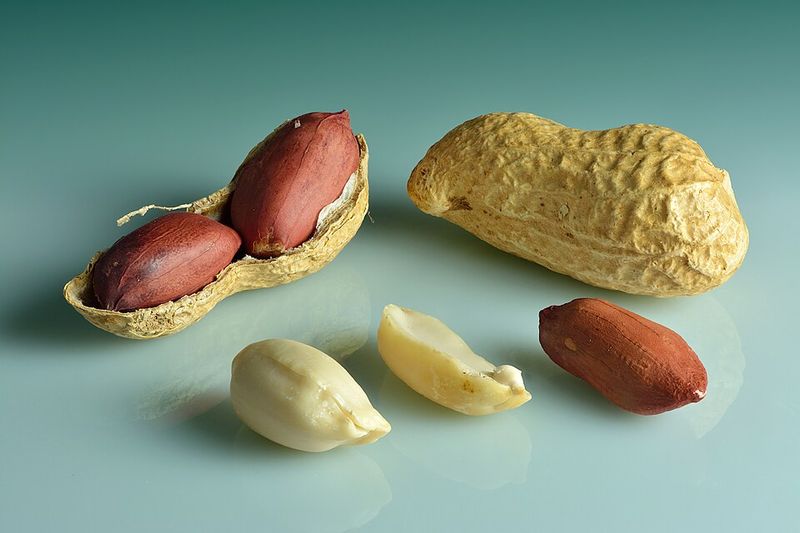
Peanuts pack more protein than most nuts, despite technically being legumes.
With about 25 grams of protein per 100 grams, peanuts fuel everything from school lunches to protein bars.
Crunchy, creamy, roasted, or raw, peanuts adapt to sweet and savory applications equally well.
George Washington Carver discovered over 300 uses for peanuts!
Spread peanut butter thick on toast for sustained energy.
14. Almonds
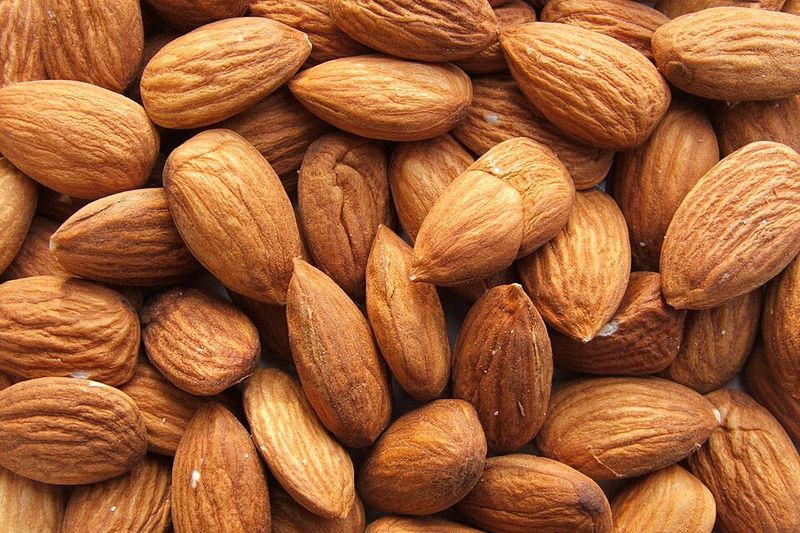
Almonds crunch with satisfying texture while delivering serious nutrition.
Containing approximately 21 grams of protein per 100 grams, almonds also provide healthy fats and vitamin
E. Blanched, sliced, slivered, or whole, almonds enhance both sweet desserts and savory dishes.
Soaking almonds overnight makes them easier to digest.
Grind into flour for gluten-free baking or blend into creamy almond butter.
15. Pistachios
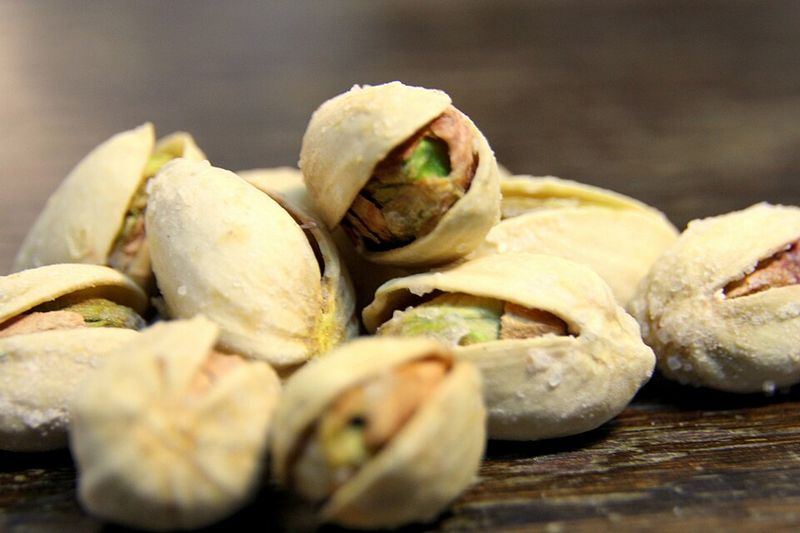
Pistachios offer around 20 grams of protein per 100 grams wrapped in pretty shells.
Cracking open pistachios slows down eating, giving your brain time to register fullness.
Their vibrant green color and slightly sweet flavor brighten ice cream, baklava, and salads.
Iran produces most of the world’s pistachios, though California grows plenty too.
Buy them still in shells for freshness.
16. Sunflower Seeds
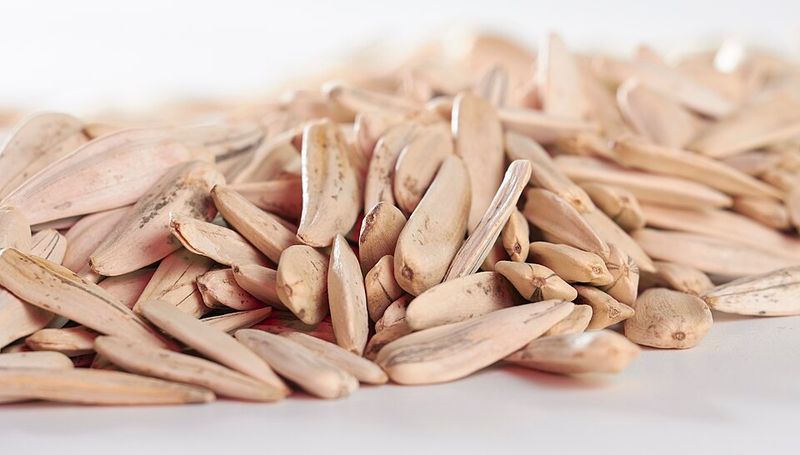
Sunflower seeds concentrate nutrients from those massive yellow blooms.
Providing about 21 grams of protein per 100 grams, sunflower seeds add nutty crunch to salads, breads, and trail mixes.
Shell them yourself or buy pre-shelled kernels for convenience.
Baseball players made spitting sunflower seed shells a dugout tradition!
Sprinkle on yogurt or blend into sunflower seed butter.
17. Pumpkin Seeds
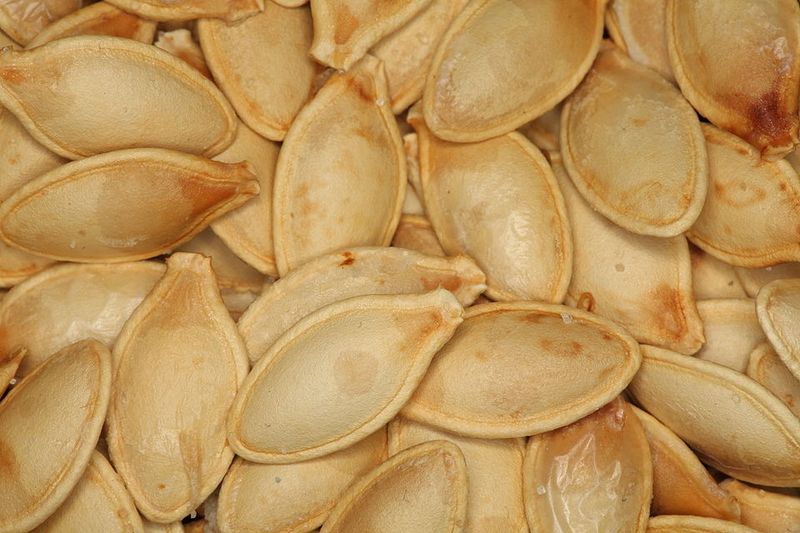
Pumpkin seeds hide surprising protein inside their flat green shells.
Containing approximately 19 grams of protein per 100 grams, pepitas deliver zinc, magnesium, and healthy fats alongside protein.
Roasted pumpkin seeds make irresistible autumn snacks or salad toppers.
Save seeds from Halloween pumpkins, rinse well, and roast with your favorite seasonings.
Toss into granola for extra crunch.
18. Flax Seeds
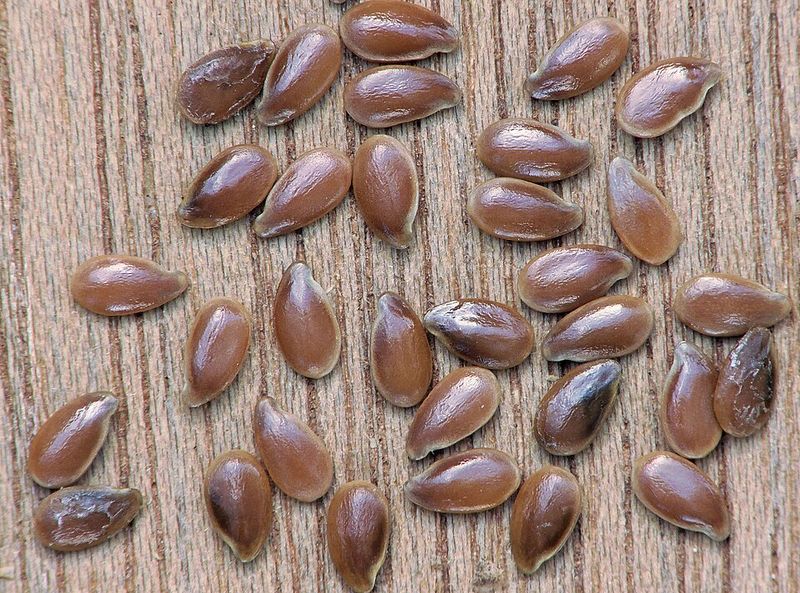
Flax seeds offer about 18 grams of protein per 100 grams plus omega-3 fatty acids.
Grinding flax seeds unlocks their nutrition since whole seeds pass through digestion unbroken.
Nutty and slightly earthy, ground flaxseed stirs easily into smoothies, oatmeal, or baked goods.
Ancient Egyptians cultivated flax for linen and food both.
Store ground flaxseed in your refrigerator to prevent rancidity.
19. Chia Seeds
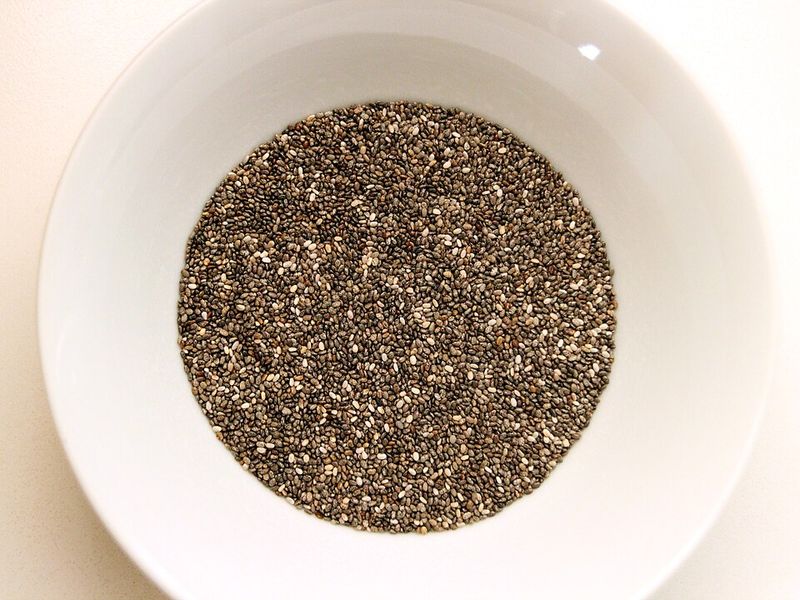
Chia seeds may be tiny, but Aztec warriors ran on their power.
Providing approximately 17 grams of protein per 100 grams, chia seeds absorb liquid and form gel, making puddings, jams, and egg replacements.
Sprinkle them dry on cereals or blend into smoothies for texture.
Chia means “strength” in Mayan language, fitting for such nutritious seeds.
Soak overnight in almond milk for breakfast pudding.
20. Hemp Seeds
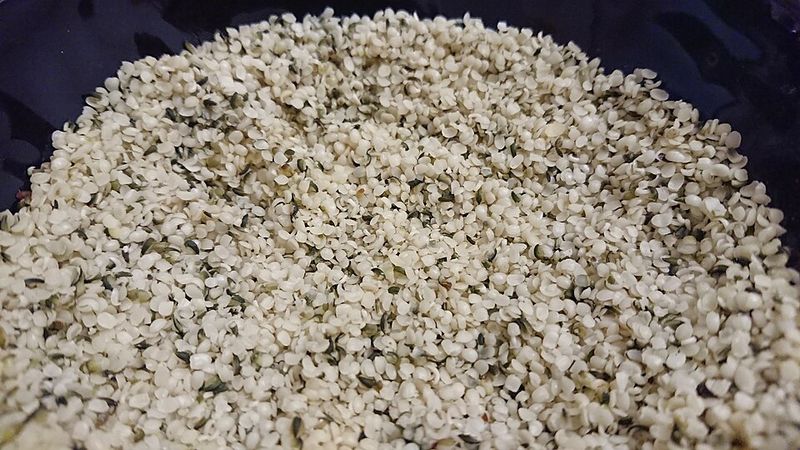
Hemp seeds deliver a whopping 32 grams of protein per 100 grams.
Soft and nutty, hemp hearts add creamy texture without overpowering other flavors.
Complete protein content makes hemp seeds invaluable for vegans and vegetarians building muscle.
Hemp and marijuana come from the same plant family, but hemp seeds won’t get you high!
Blend into pesto or sprinkle on avocado toast.