14 Foods Other Countries Ban That Americans Still Eat Often
Americans love their food choices, but did you know many popular items on grocery shelves are actually banned in other countries?
While we munch away without a second thought, nations across Europe, Asia, and beyond have said a hard no to certain ingredients and products.
Understanding what makes these foods controversial might change how you look at your next snack.
Disclaimer: All health-related references are for informational purposes only and should not be interpreted as professional guidance, diagnosis, or factual claims about individual risk.
1. Chlorine-Washed Chicken
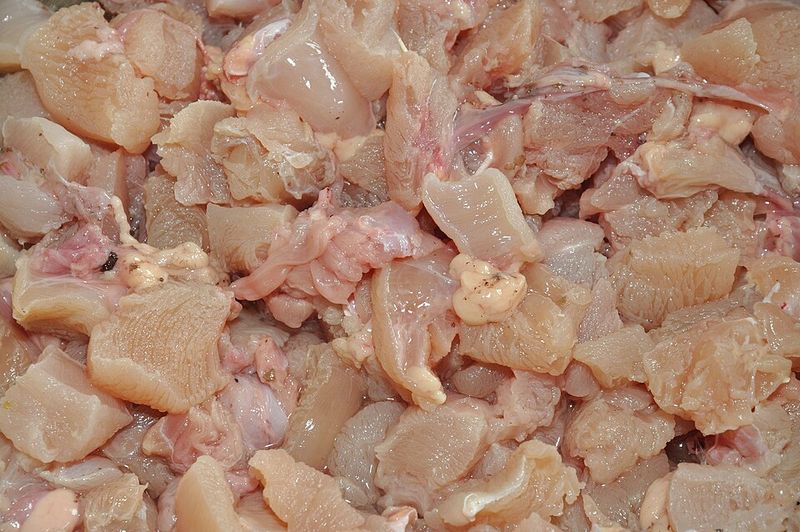
If you’ve ever wondered why your chicken looks so clean and white, chlorine baths might be the answer.
American poultry producers wash chicken carcasses in chlorinated water to kill bacteria like salmonella.
The European Union banned this method years ago, preferring stricter hygiene standards during raising and processing instead.
Critics say the chlorine masks poor farming practices rather than solving them.
2. Artificial Dyes Like Yellow 5 And Red 40
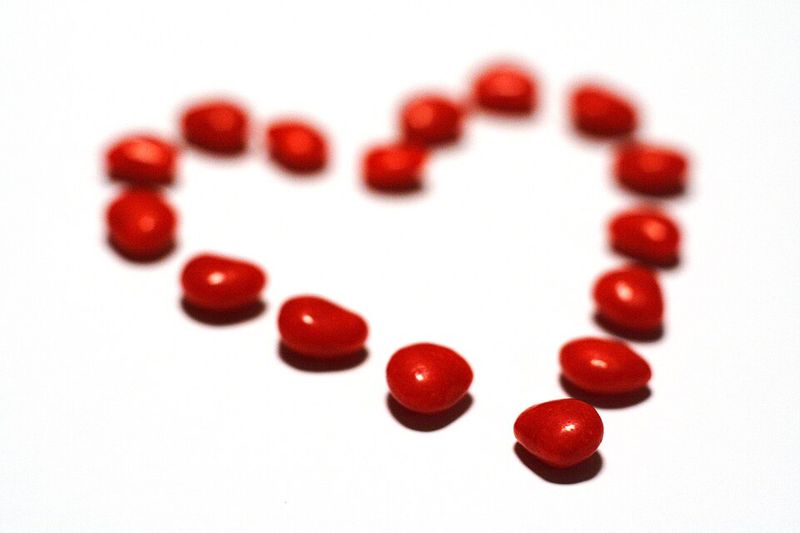
Walk down any candy aisle and you’ll see a rainbow of artificial colors, especially Yellow 5 and Red 40.
These synthetic dyes have been linked to hyperactivity in children, which is why many European countries require warning labels or have banned them entirely.
American manufacturers continue using them because they’re cheap and make food look more appealing to kids.
3. Azodicarbonamide In Breads
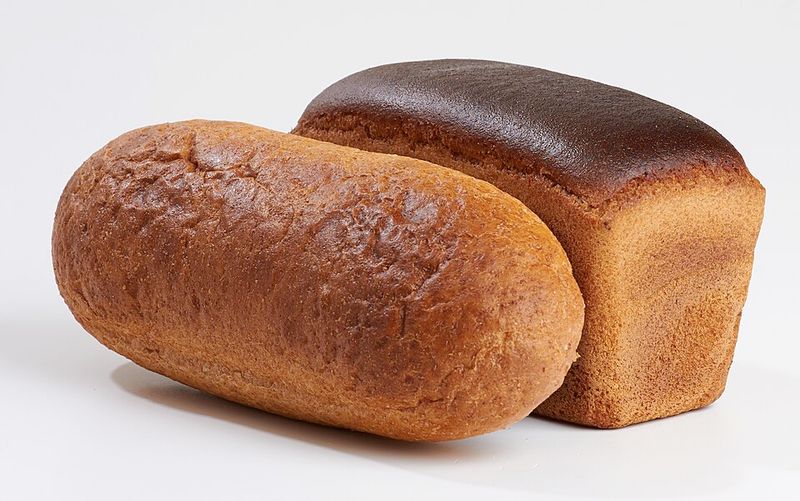
Your fluffy sandwich bread might contain azodicarbonamide, a dough conditioner that also happens to be used in yoga mats and shoe soles.
Australia and several European countries banned this chemical because it breaks down into potentially cancer-causing compounds when baked.
American bread makers love it because it makes dough easier to handle and bread last longer on shelves.
4. Potassium Bromate In Baked Goods
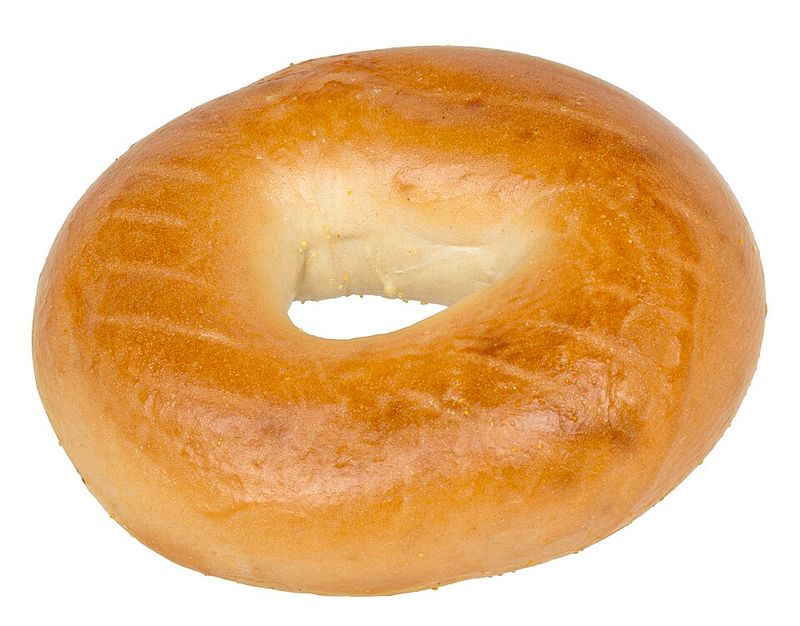
Bagels, rolls, and other baked treats often get their perfect texture from potassium bromate, a flour-strengthening agent.
Canada, China, and the EU banned it after studies showed it might cause cancer in lab animals.
Though California requires a cancer warning label on products containing it, most American bakers still use potassium bromate freely.
Just saying, maybe homemade bread isn’t such a bad idea.
5. Farmed Salmon With Dyes And Antibiotics
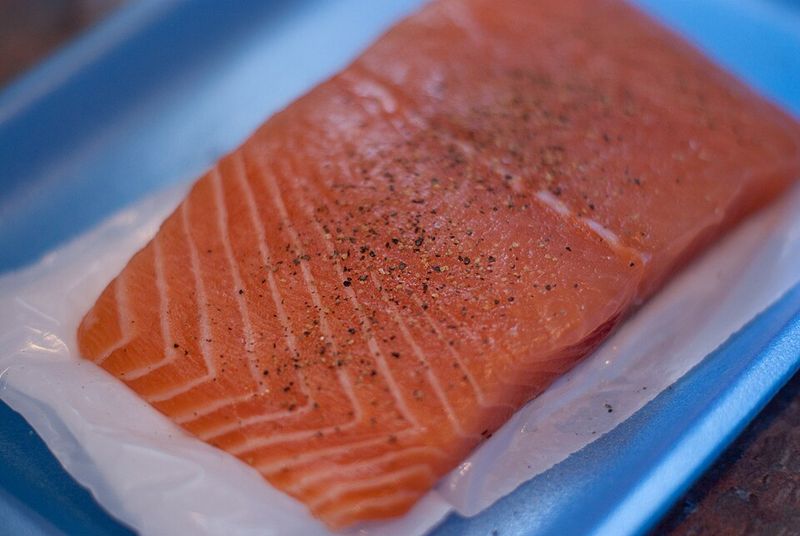
That gorgeous pink color in farmed salmon doesn’t always happen naturally.
Farmers often add synthetic astaxanthin dye to fish feed, and they pump fish full of antibiotics to prevent disease in crowded pens.
Australia and New Zealand have restricted certain salmon farming practices, while American operations face fewer regulations.
Wild-caught salmon costs more, but at least you know what you’re getting.
6. Instant Mashed Potato Additives
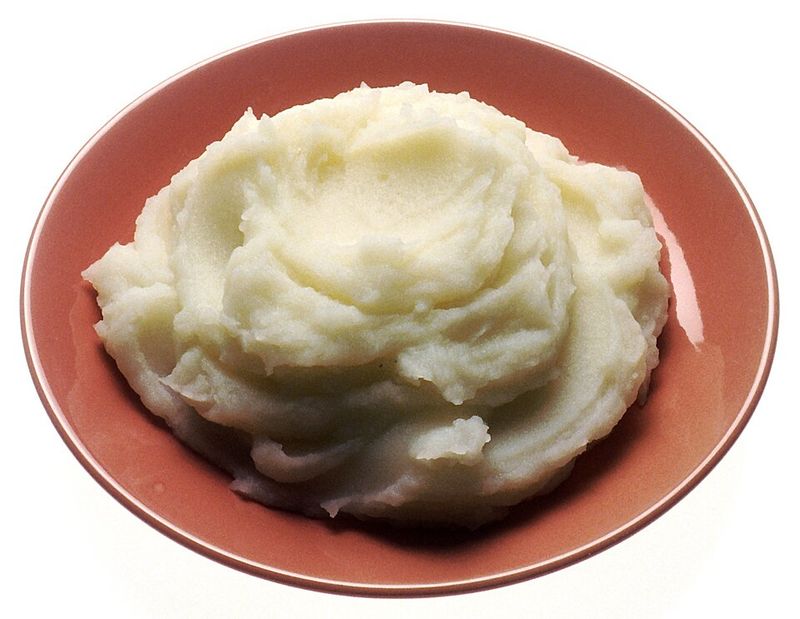
Instant mashed potatoes might save time, but they’re loaded with preservatives and additives banned elsewhere.
BHA and BHT, common preservatives in these products, are restricted in Japan and parts of Europe due to potential cancer risks.
These chemicals keep the flakes from going rancid, but they also accumulate in your body over time.
Real potatoes only take about fifteen minutes to boil anyway.
7. American-Style Processed Cheese With Food Dyes
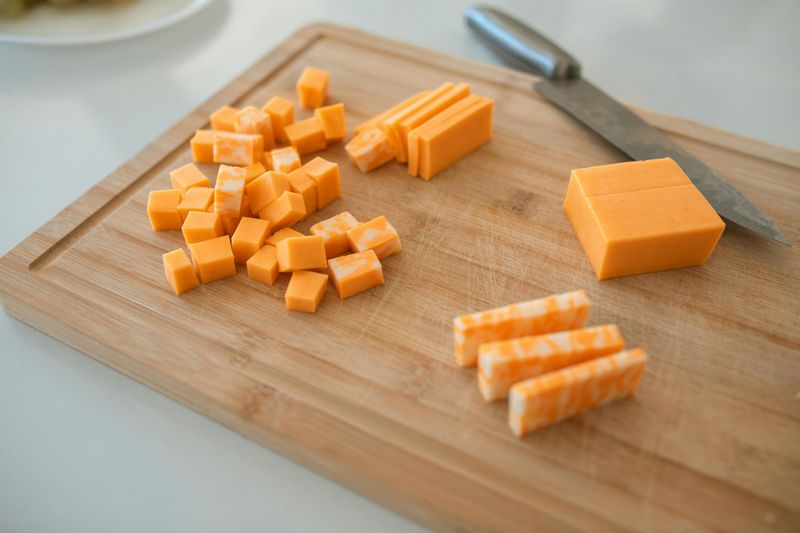
Those unnaturally orange cheese slices owe their color to artificial dyes rather than actual cheese content.
Many countries require natural cheese to meet strict standards, effectively banning the American processed version.
France especially takes cheese seriously and wouldn’t dream of allowing such heavily processed products to carry the cheese label.
Real cheddar has a much paler, more natural yellowish hue.
8. Hydrogenated Oils With Trans Fats
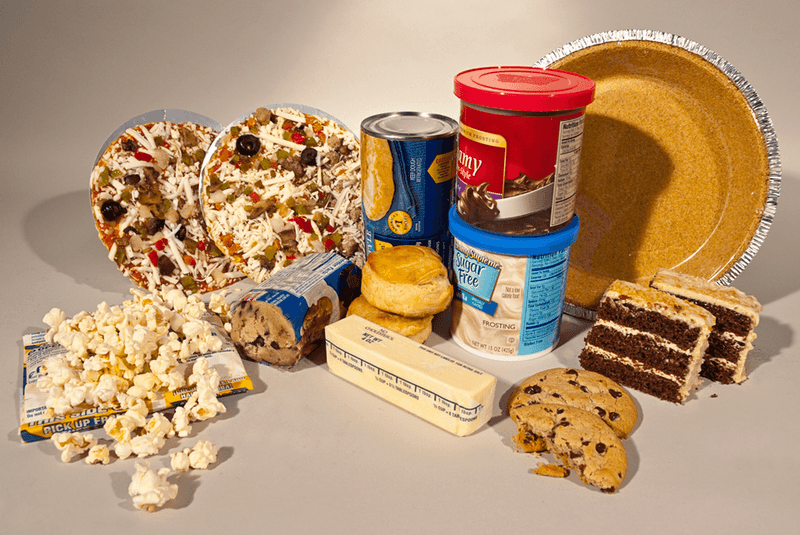
Though America finally started phasing out trans fats, many products still contain partially hydrogenated oils.
Denmark banned trans fats way back in 2003 after research proved they increase heart disease risk dramatically.
These artificial fats extend shelf life and improve texture, which is why food companies fought so hard to keep using them.
Your heart definitely doesn’t need the extra stress.
9. Skittles With Titanium Dioxide
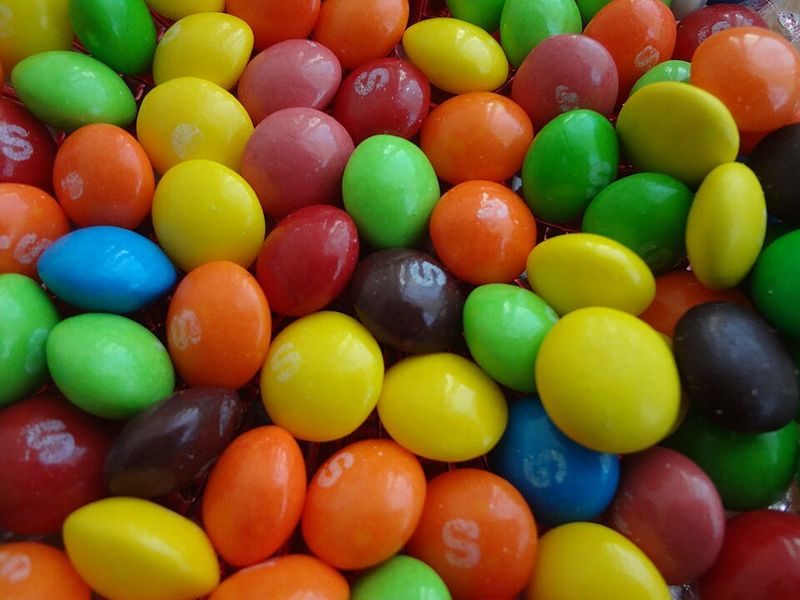
The rainbow candy Americans love contains titanium dioxide, a whitening agent that makes colors pop.
France banned this additive in food because studies suggested it might damage DNA and cause inflammation.
The European Union followed suit in 2022, but American Skittles still contain the controversial ingredient.
Mars, the parent company, uses a different formula in Europe while keeping the old one here.
10. Flame-Grilled Meats High In Acrylamides
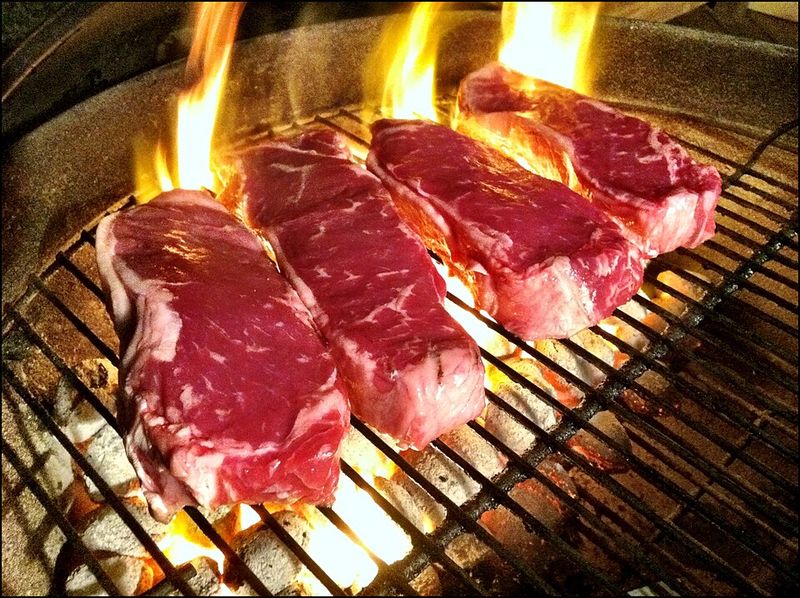
Americans love their barbecue, but those delicious char marks come with a side of acrylamides.
These cancer-causing compounds form when meat gets cooked at extremely high temperatures.
The EU has set strict limits on acrylamide levels in various foods, while American regulations remain pretty relaxed.
Grilling at lower temperatures or marinating meat first can reduce acrylamide formation significantly.
11. Frosted Flakes And Froot Loops With BHT/BHA
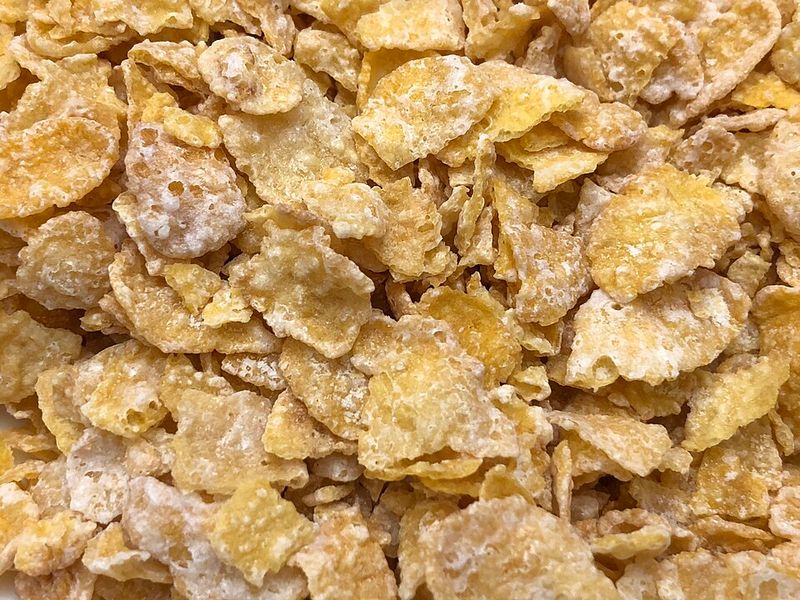
Your favorite childhood cereals contain BHT and BHA, preservatives that keep them crunchy longer.
Japan and several European countries restrict these chemicals because animal studies linked them to cancer and hormone disruption.
Cereal manufacturers argue the amounts are too small to cause harm, but other countries aren’t taking chances.
Oatmeal might sound boring, but at least it won’t potentially mess with your cells.
12. Chlorpyrifos-Treated Produce
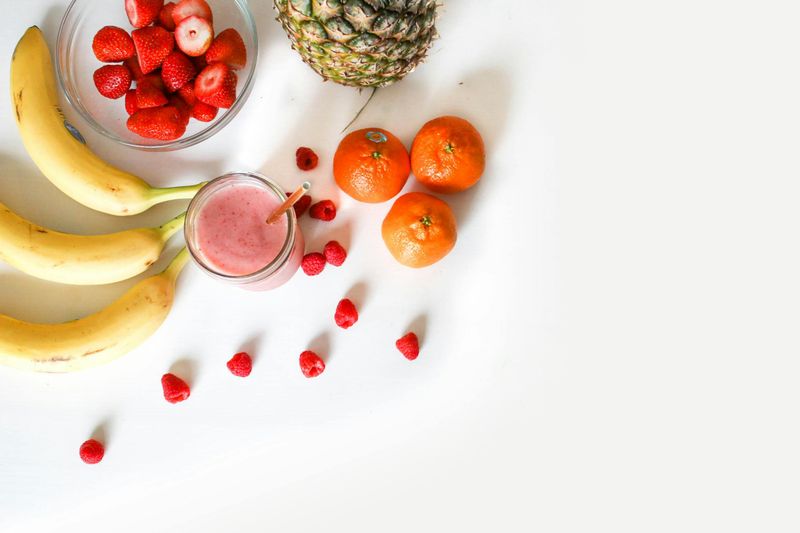
Chlorpyrifos is a powerful pesticide used on fruits and vegetables throughout American agriculture.
The EU banned it after studies showed it could harm children’s brain development and nervous systems.
American farmers continued using it until recently, and residues still show up on produce regularly.
Washing produce helps, but buying organic is the only way to completely avoid pesticide residues like this.
13. Certain Energy Drinks With Restricted Stimulants
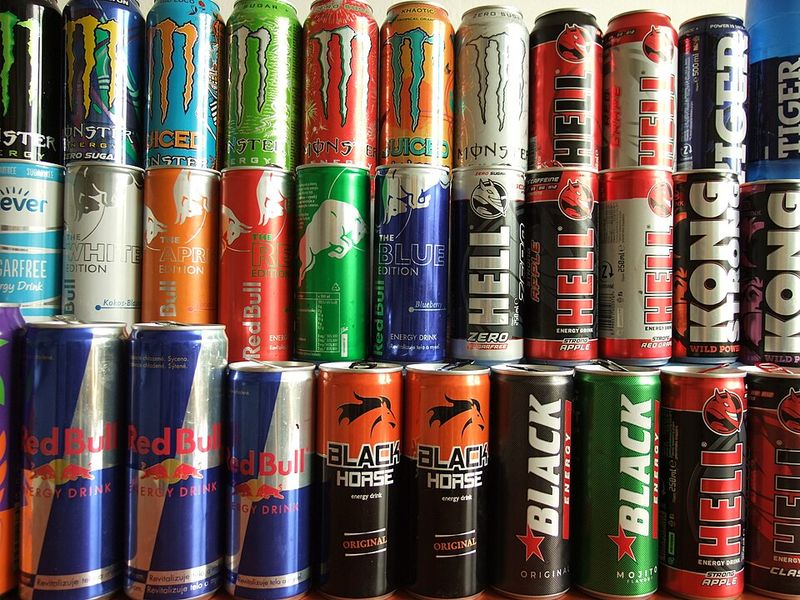
American energy drinks pack serious caffeine punches that would be illegal in many other countries.
Denmark, Norway, and France have banned or heavily restricted certain energy drinks due to concerns about heart problems and caffeine overdoses.
Some formulations contain stimulant combinations that other countries consider dangerously high, especially for teenagers.
Maybe just stick with coffee if you need a boost.
14. Kinder Surprise Eggs
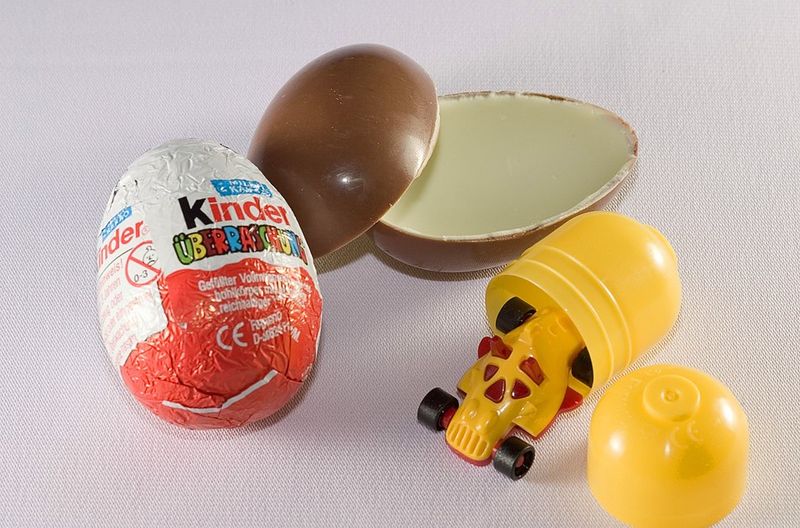
Here’s an ironic twist: America bans Kinder Surprise eggs while allowing other questionable foods.
The FDA prohibits non-edible objects completely encased in food, considering them choking hazards.
Meanwhile, countries around the world sell these beloved chocolate treats without incident.
The ban seems especially silly considering all the actually harmful ingredients Americans consume daily without restriction.