15 Foods Packed With More Salt Than You Expect
Salt plays a quiet game, slipping into everyday meals and building up before anyone notices. Many foods that seem simple or light can carry a surprising amount of sodium, turning a routine day of eating into something far saltier than expected.
The recommended daily limit sits around 2,300 mg, yet plenty of meals stack up quickly without raising suspicion. Pantry staples and convenient snacks often hide sodium in plain sight.
Bread, crackers, canned soups, and even dairy items can deliver more than expected, adding layers of flavor that come with a salty surprise. Reading labels becomes a smart habit, turning each trip to the store into a chance to spot what is really inside the package.
Awareness changes everything. A quick glance at nutrition facts can shift choices, helping build meals that balance flavor and health in a smarter way.
Once those hidden sources become familiar, decisions at the shelf start to feel easier and more intentional. Step into the list, uncover the salty suspects, and see which everyday favorites might be adding more than expected.
Ready to crack the case and take control of your salt story?
1. Bread
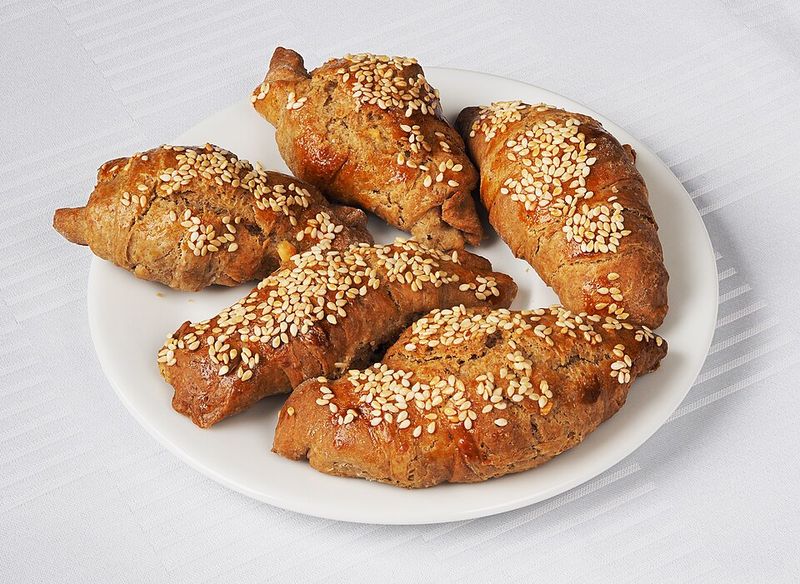
Ever glance at a loaf of bread and assume it’s basically harmless? Surprise!
A single slice of Sara Lee Artesano Multigrain Bread packs 220 mg of sodium. Build a two-slice sandwich and you’ve already consumed roughly 15% of your recommended daily limit before adding any fillings.
Bread doesn’t taste salty because sugar and starch mask the flavor completely. Manufacturers add salt to control yeast and improve texture, not just taste.
Choosing low-sodium bread varieties or making your own at home can cut your daily intake significantly. Always flip the bag and check the label before tossing it in your cart.
2. Canned Soup
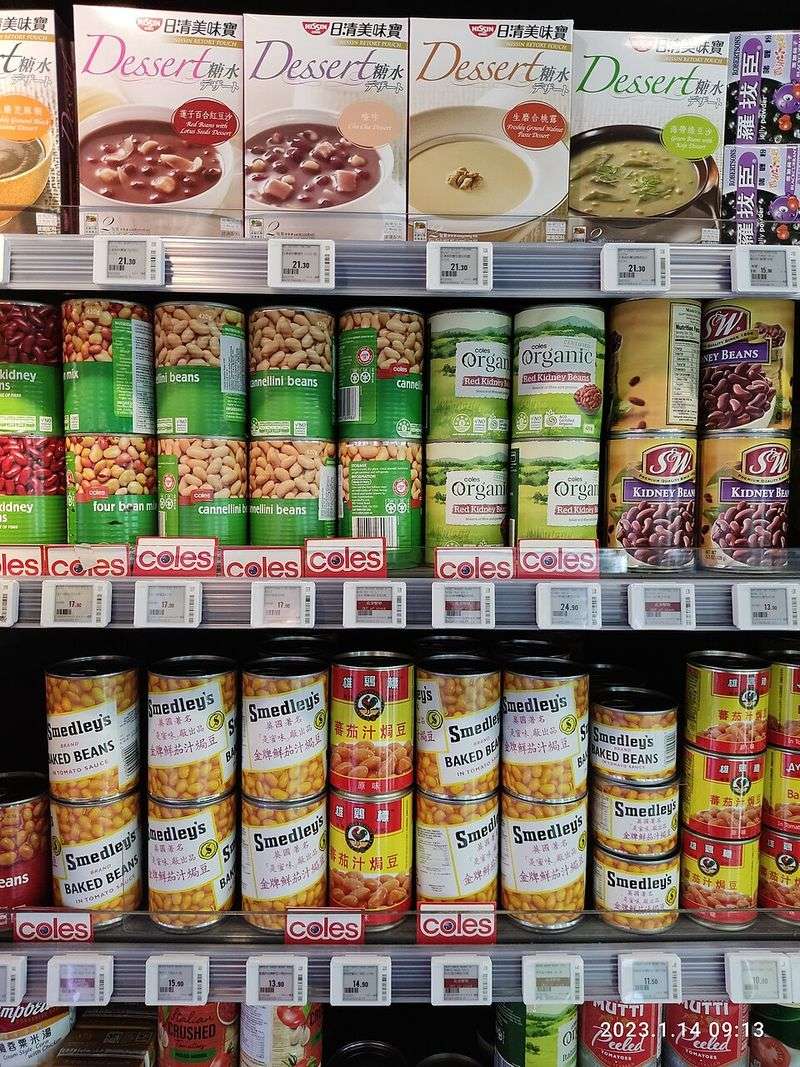
Nothing feels cozier than a warm bowl of soup on a cold day, but canned varieties are basically salt swimming pools. Many popular brands pack 700-800 mg of sodium per serving, and a single can often holds two servings.
Finish the whole can and you’ve swallowed up to 70% of your daily sodium limit in one sitting.
Low-sodium versions exist and actually taste pretty decent once your taste buds adjust. Rinsing canned beans before adding them to homemade soups also helps reduce overall sodium.
Cooking soup yourself gives full control over every ingredient, making it both healthier and surprisingly easy to customize.
3. Salad Dressing
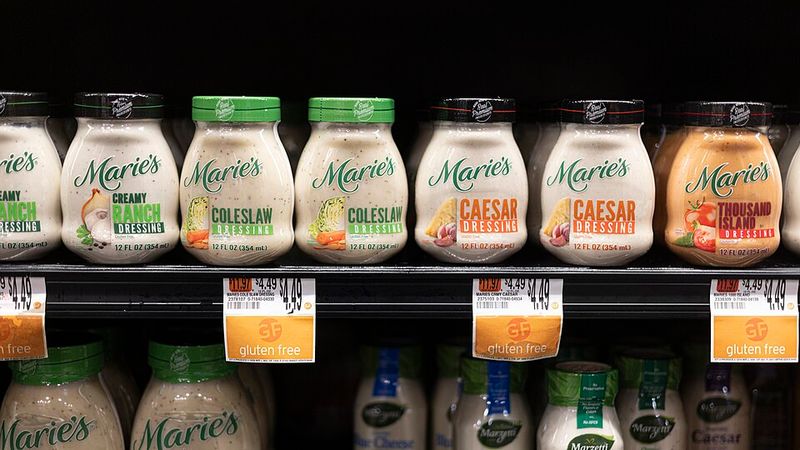
Salads feel like the ultimate healthy meal, right? However, the dressing you pour over all those greens can quietly undo your best efforts.
A standard two-tablespoon serving of bottled ranch or Caesar dressing often contains 200-400 mg of sodium, and honestly, most people pour way more than two tablespoons.
Even light or fat-free versions compensate for reduced fat by loading up on sodium and sugar. If bold flavor is the goal, a simple homemade vinaigrette using olive oil, lemon juice, and herbs delivers big taste without the salt overload.
Keeping dressing on the side lets you control exactly how much lands on your plate.
4. Cheese
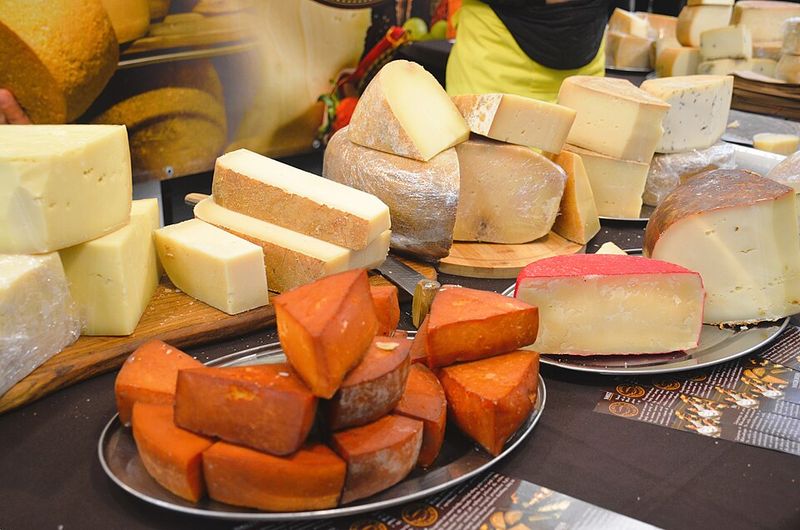
Cheese lovers, brace yourselves. Feta cheese delivers a jaw-dropping 320 mg of sodium per ounce, making it one of the saltiest foods hiding in your refrigerator.
Even milder options like Swiss and mozzarella contribute 60-200 mg per ounce, and portions add up faster than expected during snacking.
Processed cheese slices and cheese spreads rank even higher because manufacturers add sodium-containing preservatives to extend shelf life. Opting for fresh, unprocessed varieties like ricotta or fresh mozzarella gives you cheese enjoyment without the sodium shock.
Measuring portions instead of eyeballing also helps keep your daily intake in a reasonable, heart-friendly range.
5. Pizza
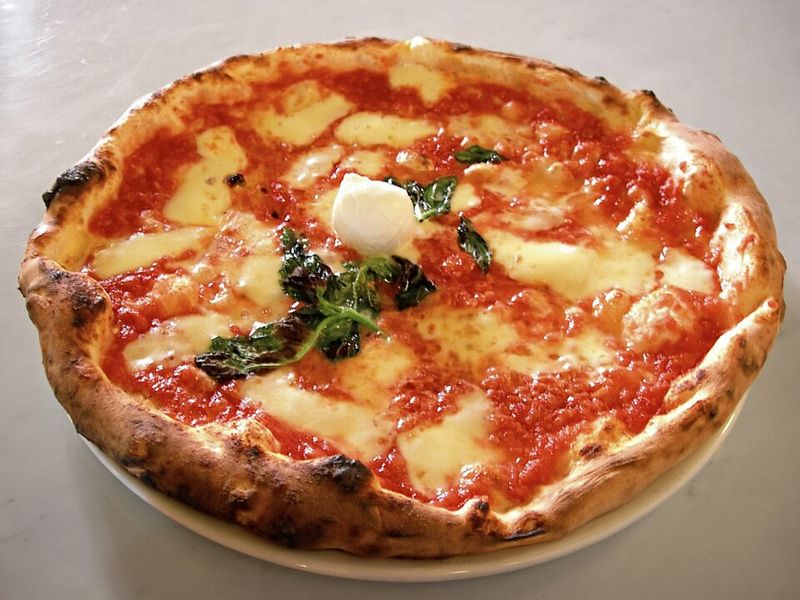
Pizza is basically a sodium symphony, where every single layer plays its salty part. The crust contributes sodium, the sauce adds more, the cheese piles on additional milligrams, and processed toppings like pepperoni or sausage bring the grand finale.
Just two slices of a standard pepperoni pizza can easily exceed 1,000 mg of sodium.
Homemade pizza gives you the power to reduce sodium at every layer by choosing low-sodium sauce and fresh toppings. At restaurants, opting for veggie toppings instead of processed meats makes a noticeable difference.
Sharing a pizza rather than eating half yourself is both socially fun and genuinely good for your heart.
6. Cottage Cheese
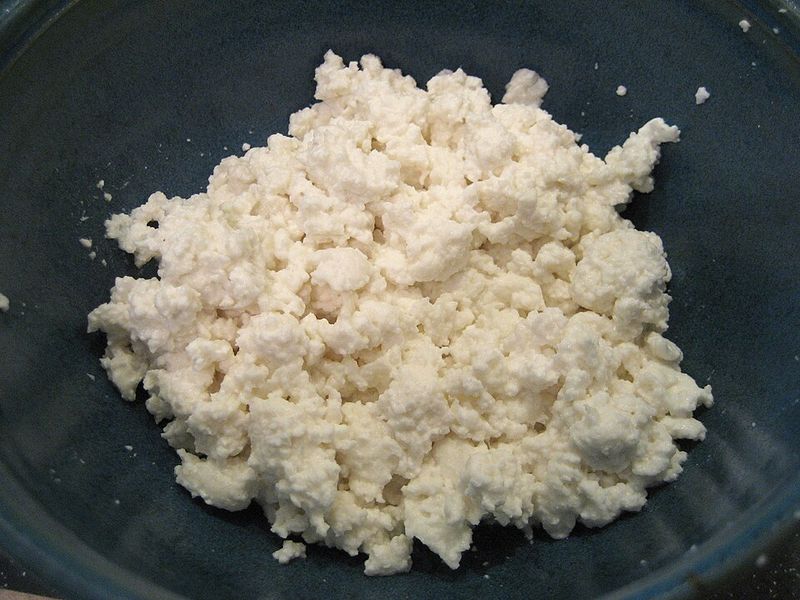
Cottage cheese has a reputation as a clean, protein-rich health food, and it absolutely delivers on protein. However, a half-cup serving can contain anywhere between 300 and 450 mg of sodium, which surprises nearly everyone who picks it up expecting a low-sodium option.
Rinsing cottage cheese under cold water actually reduces sodium content by a meaningful amount without significantly changing texture. Low-sodium versions are available in most grocery stores and taste nearly identical once you’re used to them.
Pairing cottage cheese with fresh fruit instead of salty crackers keeps the overall meal balanced and helps prevent unnecessary sodium stacking throughout the day.
7. Breakfast Cereal
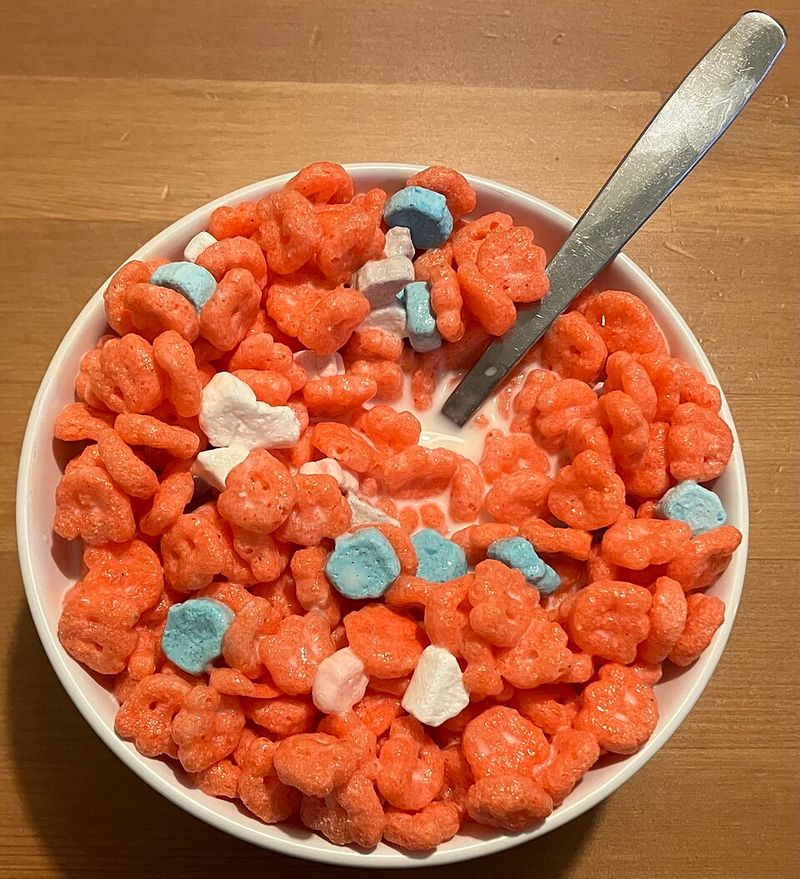
Breakfast cereals look innocent sitting on the shelf, often marketed as heart-healthy whole grain champions. Yet many popular brands contain 200-300 mg of sodium per cup, and since most people pour more than one cup, the actual intake climbs quickly before the day has even started properly.
Even cereals marketed specifically for children, the colorful cartoon-box types, frequently carry high sodium loads masked by sweetness. Choosing cereals listing sodium below 140 mg per serving is a solid starting benchmark.
Adding fresh fruit or a small handful of unsalted nuts boosts nutrition without adding extra sodium, turning your morning bowl into something genuinely worth celebrating.
8. Soy Sauce
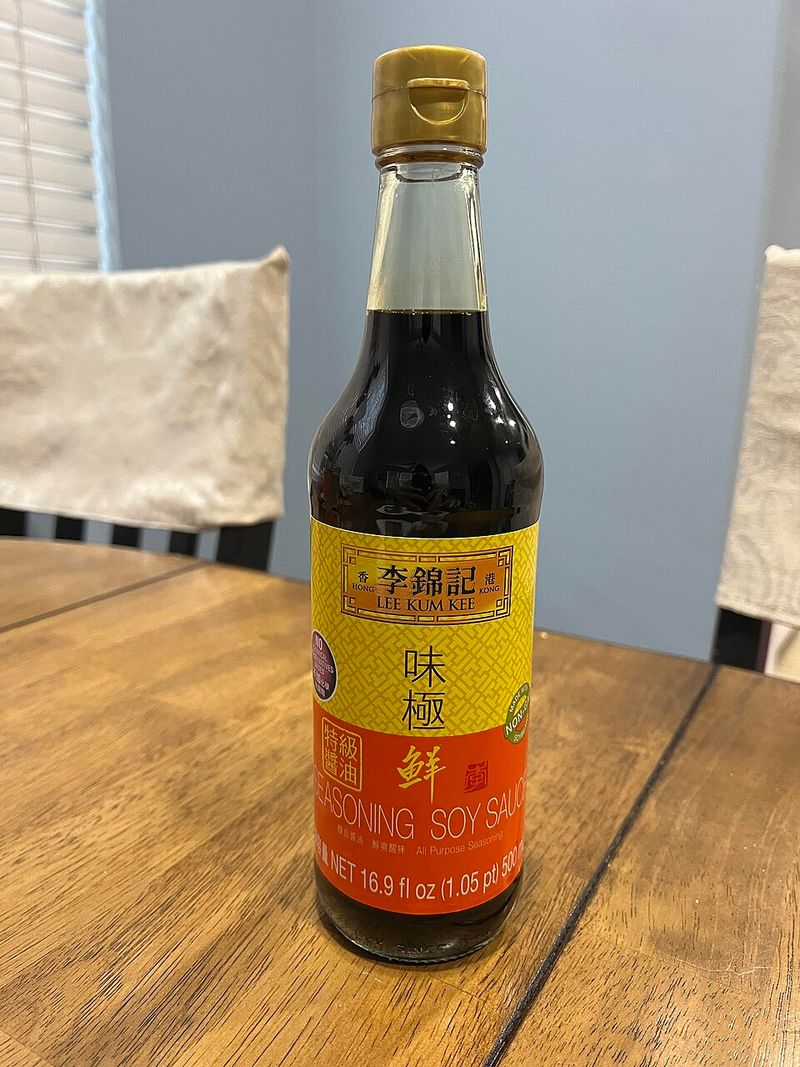
Soy sauce is basically liquid salt wearing a delicious disguise. A single tablespoon of regular soy sauce delivers an eye-watering 900-1,000 mg of sodium, nearly half the recommended daily limit in one tiny pour.
It’s the kind of number that makes you want to double-check the label twice.
Low-sodium soy sauce cuts that number roughly in half while preserving most of the rich, savory flavor. Coconut aminos offer an even lower-sodium alternative that works beautifully in stir-fries, marinades, and dipping sauces.
Measuring soy sauce precisely rather than free-pouring directly from the bottle is a simple habit change that saves hundreds of sodium milligrams per meal.
9. Pickles

Pickles owe their tangy crunch entirely to a salt-heavy brine solution, which means every single bite delivers a significant sodium punch. One medium dill pickle spear contains roughly 300-500 mg of sodium, and since pickles are easy to eat by the handful, daily intake can spiral surprisingly fast.
If pickles feel non-negotiable (no judgment), look for low-sodium or bread-and-butter varieties, which typically carry lighter sodium loads. Rinsing pickles briefly before eating reduces surface salt without eliminating all the flavor.
Homemade quick-pickled vegetables using vinegar, herbs, and minimal salt satisfy that crunchy craving while keeping sodium at a far more manageable level.
10. Frozen Meals
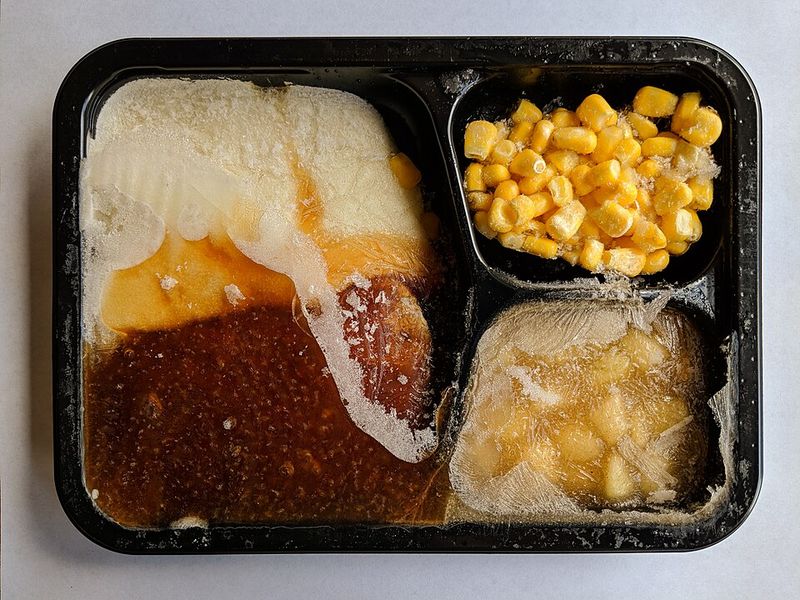
Frozen meals are the ultimate weeknight lifesaver, quick, easy, and requiring almost zero effort. However, sodium is what keeps those convenient dinners tasting so satisfying, and most single-serving frozen meals pack between 700 and 1,800 mg of sodium per tray.
Some restaurant-style frozen entrees hit even higher numbers.
Checking the sodium content before purchasing rather than after microwaving is genuinely useful advice. Brands labeled as healthy or light sometimes still carry surprisingly high sodium counts, so reading every label matters.
Pairing a frozen meal alongside fresh steamed vegetables or a plain salad without dressing helps dilute the overall sodium impact of the full meal.
11. Deli Meats
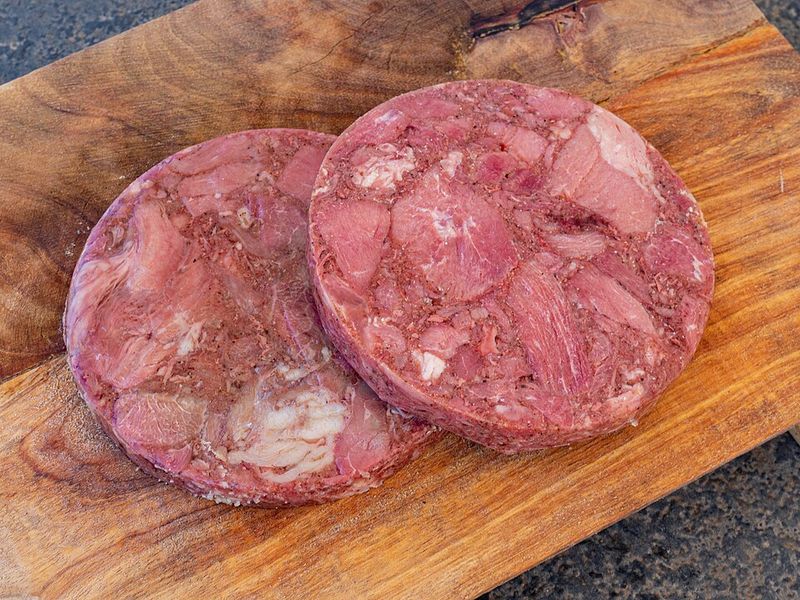
Deli meats seem like a reasonable sandwich choice, but the sodium numbers hiding inside each slice are genuinely alarming. A two-ounce serving of deli turkey can carry 400-600 mg of sodium, and ham or salami often push even higher.
Stack several slices inside a sandwich and the sodium math gets uncomfortable fast.
Sodium nitrate, used as a preservative in most processed deli meats, contributes heavily to the high salt content. Roasting and slicing your own turkey or chicken breast at home produces a fresher, significantly lower-sodium alternative.
If pre-packaged deli meat is the only option, choosing reduced-sodium varieties and limiting serving sizes keeps the daily total more manageable.
12. Tomato Sauce
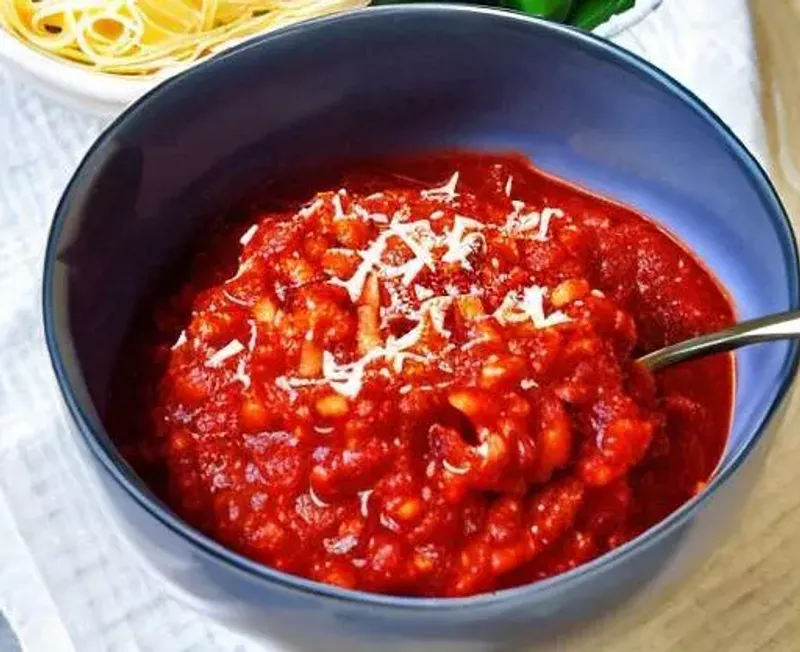
Pasta night feels wholesome and comforting, but the jarred tomato sauce bubbling on your stove might be hiding a salty secret. A half-cup serving of many popular marinara brands contains 400-600 mg of sodium, and since most people use far more than half a cup per serving, the actual total climbs quickly.
Making tomato sauce from scratch using canned whole tomatoes, garlic, and fresh herbs gives full control over sodium content. If jarred sauce is more practical, look for brands labeled no salt added or low sodium.
Mixing a low-sodium version halfway into a regular jar is a clever trick that cuts sodium without sacrificing familiar flavor.
13. Instant Noodles
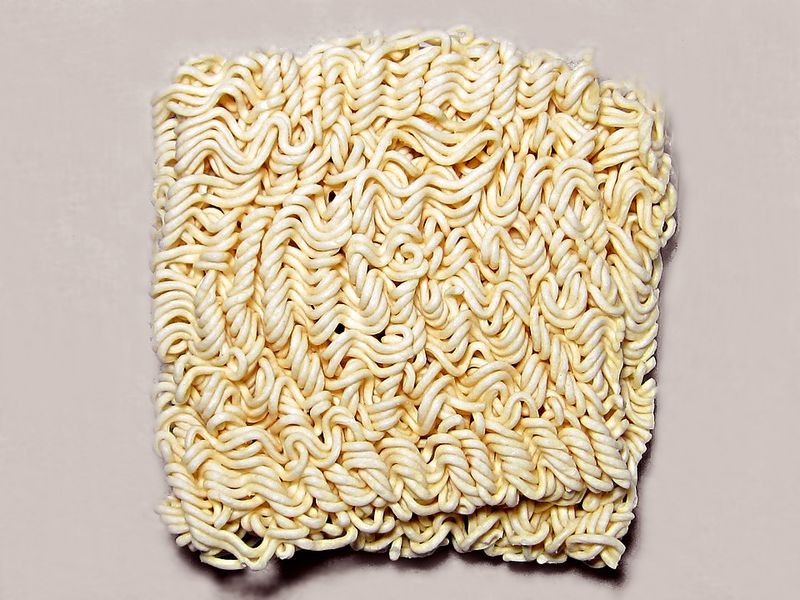
Instant noodles are practically a college student mascot, cheap, fast, and endlessly customizable. However, that tiny flavor seasoning packet is basically a salt grenade.
A single serving of popular instant ramen brands can contain 1,500-1,800 mg of sodium, nearly an entire day’s worth packed into one small brick of noodles.
Using only half the seasoning packet immediately cuts sodium content significantly while still delivering solid flavor. Adding fresh or frozen vegetables, a soft-boiled egg, or a splash of low-sodium broth turns basic instant noodles into something far more nutritious.
Cooking noodles and creating your own broth seasoning using spices and low-sodium stock is the ultimate upgrade move.
14. Canned Vegetables
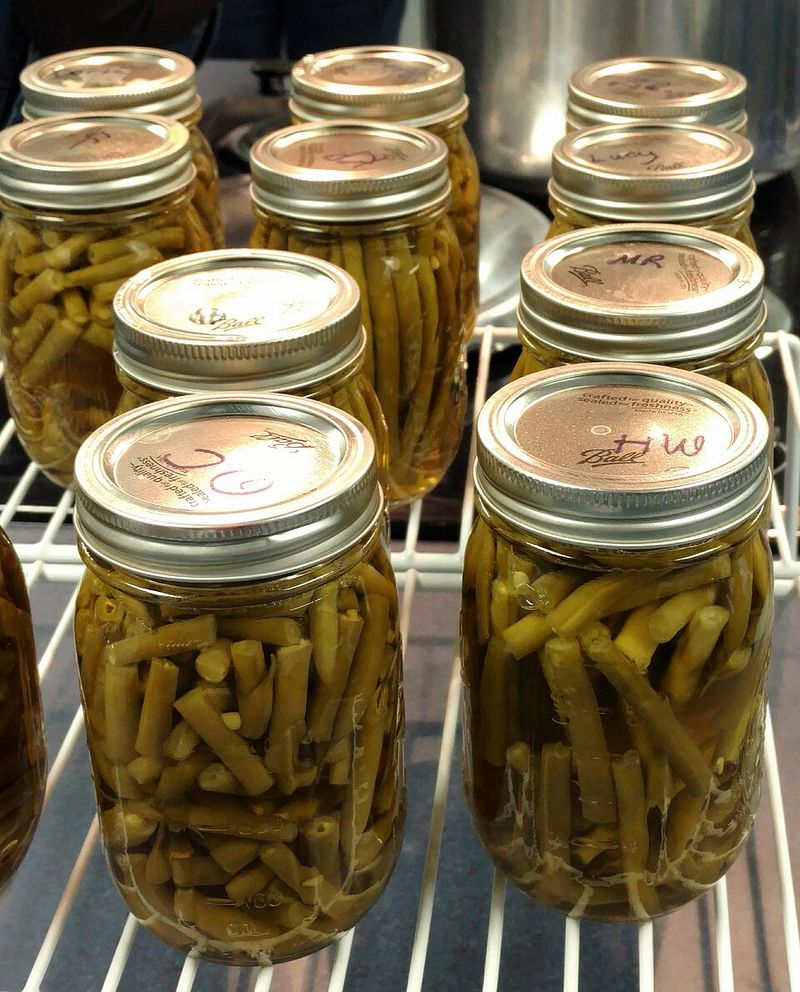
Vegetables are supposed to be the safest, healthiest item in the grocery store, right? Canned versions complicate that assumption considerably.
A half-cup serving of canned green beans can contain 300-400 mg of sodium because salt is added during processing to preserve color, texture, and shelf stability.
Draining and rinsing canned vegetables under running water for about 30 seconds removes approximately 40% of the added sodium according to research studies. Choosing cans labeled no salt added or low sodium is even more effective and requires zero extra kitchen steps.
Frozen vegetables with no added ingredients are an excellent alternative that retains nutrition without any surprise sodium lurking inside.
15. Crackers
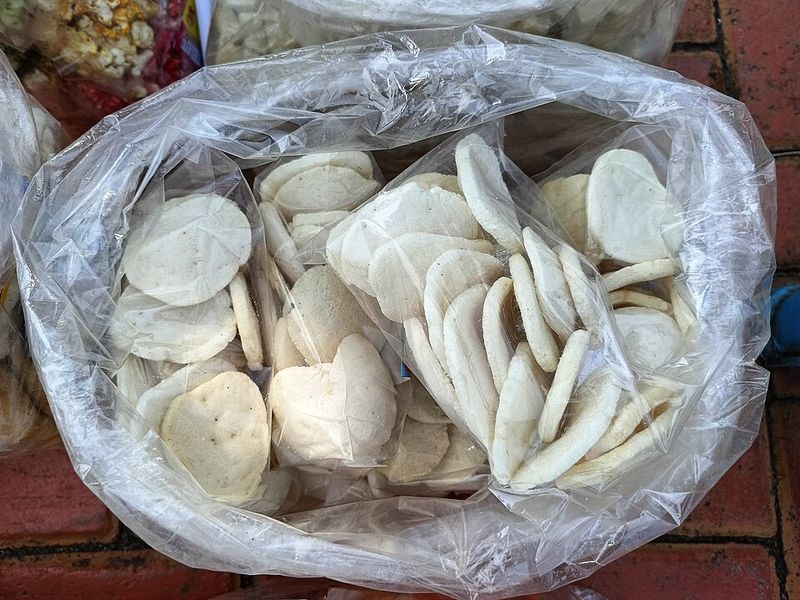
Crackers are the ultimate snacking trap because they feel light, crunchy, and harmless. Reality check: a single serving of regular saltine crackers, about five pieces, delivers 200-250 mg of sodium, and most snack sessions involve far more than five crackers.
Flavored varieties like cheddar crackers or pretzel crisps push those numbers even higher.
Swapping regular crackers for unsalted rice cakes or low-sodium whole grain crackers satisfies the crunch craving without the sodium overload. Pairing crackers alongside a low-sodium dip like plain hummus or avocado keeps the snack balanced.
Portioning crackers into a small bowl rather than eating directly out of the box naturally limits how many actually get eaten.