20 Foods That Seem To Outlive Time Itself And Refuse To Spoil
Some foods seem built to outlast everything around them. While most items in a pantry wave goodbye after a few days or weeks, a select group of ingredients simply sit there, calm and unbothered, waiting like they are in no rush at all.
Researchers and explorers have even uncovered edible items tucked inside ancient tombs and long forgotten storage spaces, still holding onto their character after centuries. That kind of staying power feels almost unbelievable.
The secret lies in natural chemistry, low moisture, and protective structures that slow down decay in remarkable ways. When moisture is limited and bacteria struggle to survive, certain foods remain stable for astonishing lengths of time.
It is less about magic and more about the quiet brilliance of nature doing its thing. These long lasting staples have earned a special kind of respect, often finding a spot in emergency kits, storage rooms, and even survival plans.
Here comes a lineup of foods that treat expiration dates like mere suggestions and keep going long after everything else bows out.
1. Honey
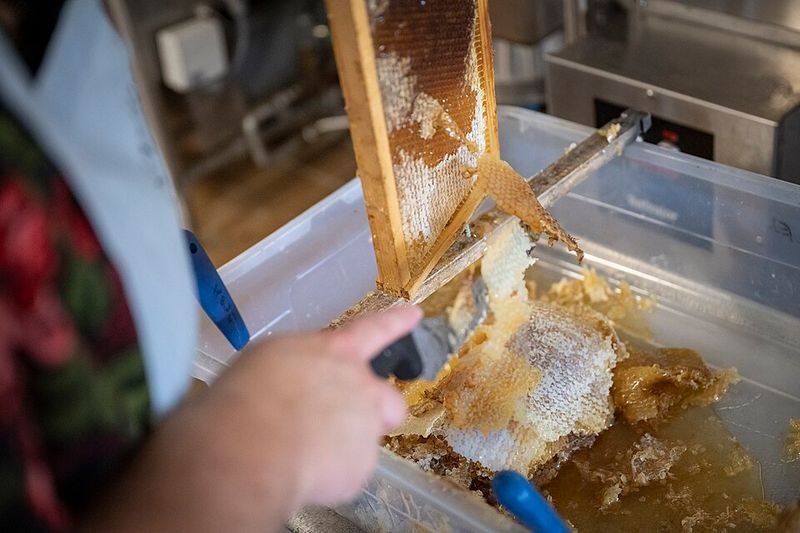
Sealed inside ancient Egyptian tombs for over 3,000 years, honey was discovered by archaeologists still perfectly edible. No spoiling, no mold, no drama.
Just pure, golden sweetness waiting patiently for someone to show up.
Honey’s survival secret lies in its incredibly low moisture content and natural acidity. Bacteria simply cannot survive inside it.
Add in hydrogen peroxide produced naturally during honey’s creation, and you have basically built a fortress against microbes.
Store raw honey in a sealed jar away from moisture, and it will outlast just about everything else in your kitchen. Crystallization is normal and does not mean it has gone bad!
2. White Rice
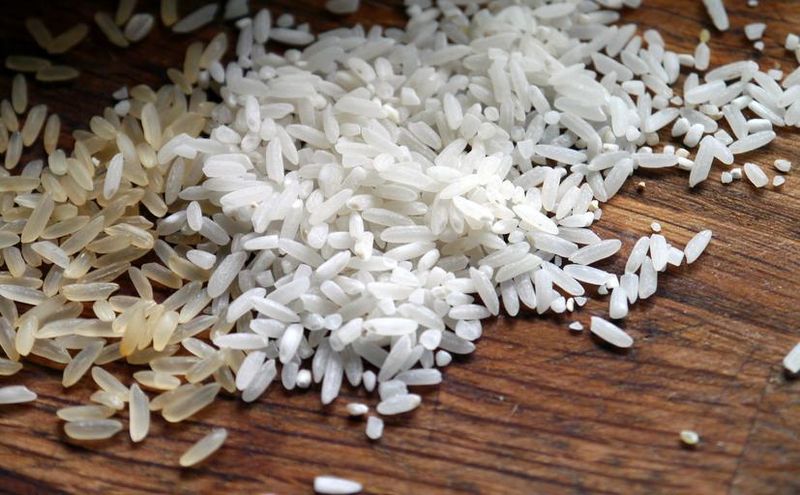
Stored correctly, white rice can last an astonishing 25 to 30 years. Preppers and survivalists have long relied on it as a cornerstone of emergency food storage, and honestly, it deserves way more credit.
Low moisture content is the real hero here. Without water, bacteria and mold cannot grow, so white rice just sits there, perfectly preserved.
Brown rice, however, contains natural oils and spoils much faster, usually within six months.
Vacuum-sealed bags or airtight containers paired alongside oxygen absorbers are the gold standard for storage. Keep it cool and dry, and white rice becomes practically invincible.
3. Salt
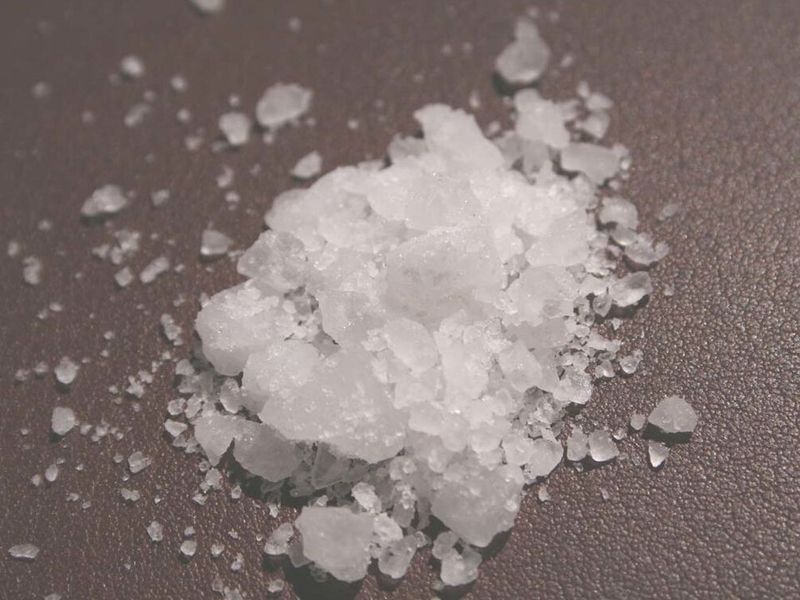
Long before refrigerators existed, salt was humanity’s greatest food preservation tool. Ancient Romans valued it so highly, soldiers were sometimes paid in salt.
Yes, seriously. The word salary actually comes from the Latin word for salt.
As a pure mineral, salt simply does not expire. It has no organic material for bacteria to feed on, so nothing can break it down.
Moisture can cause clumping, but adding a few grains of rice to your salt shaker absorbs excess humidity easily.
Keep salt sealed in a dry container away from steam, and it will remain perfectly usable forever. Few pantry staples can make a claim quite like salt can.
4. Pure Vanilla Extract
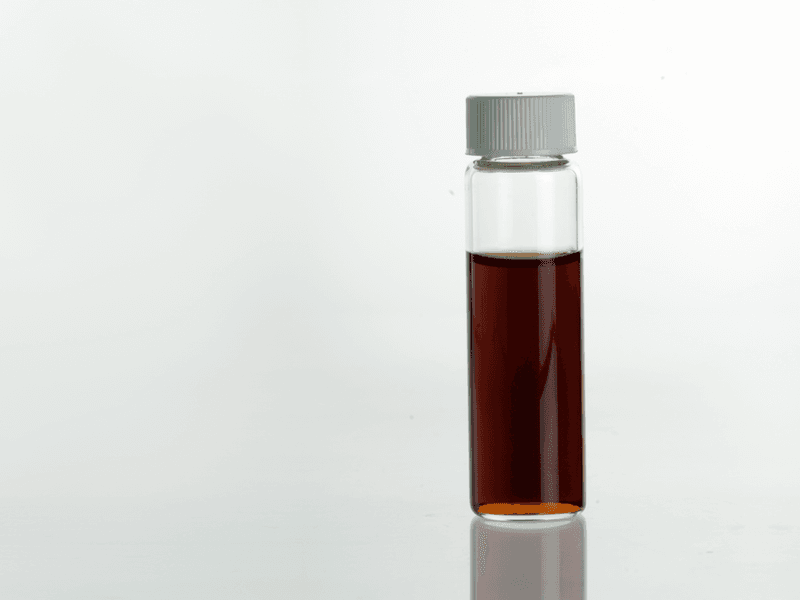
Pure vanilla extract does not expire. Ever.
High alcohol content acts as a natural preservative, keeping vanilla’s rich flavor intact indefinitely when stored properly in a cool, dark cabinet.
Imitation vanilla extract is a different story entirely. Artificial versions lack the alcohol concentration needed for long-term preservation and eventually lose potency.
Always check the label before assuming your bottle is the real deal.
Interestingly, pure vanilla extract actually improves over time, much like a fine wine deepening in complexity. Bakers who store it correctly often notice a richer, more developed flavor profile after several years.
Patience truly pays off here.
5. Vinegar
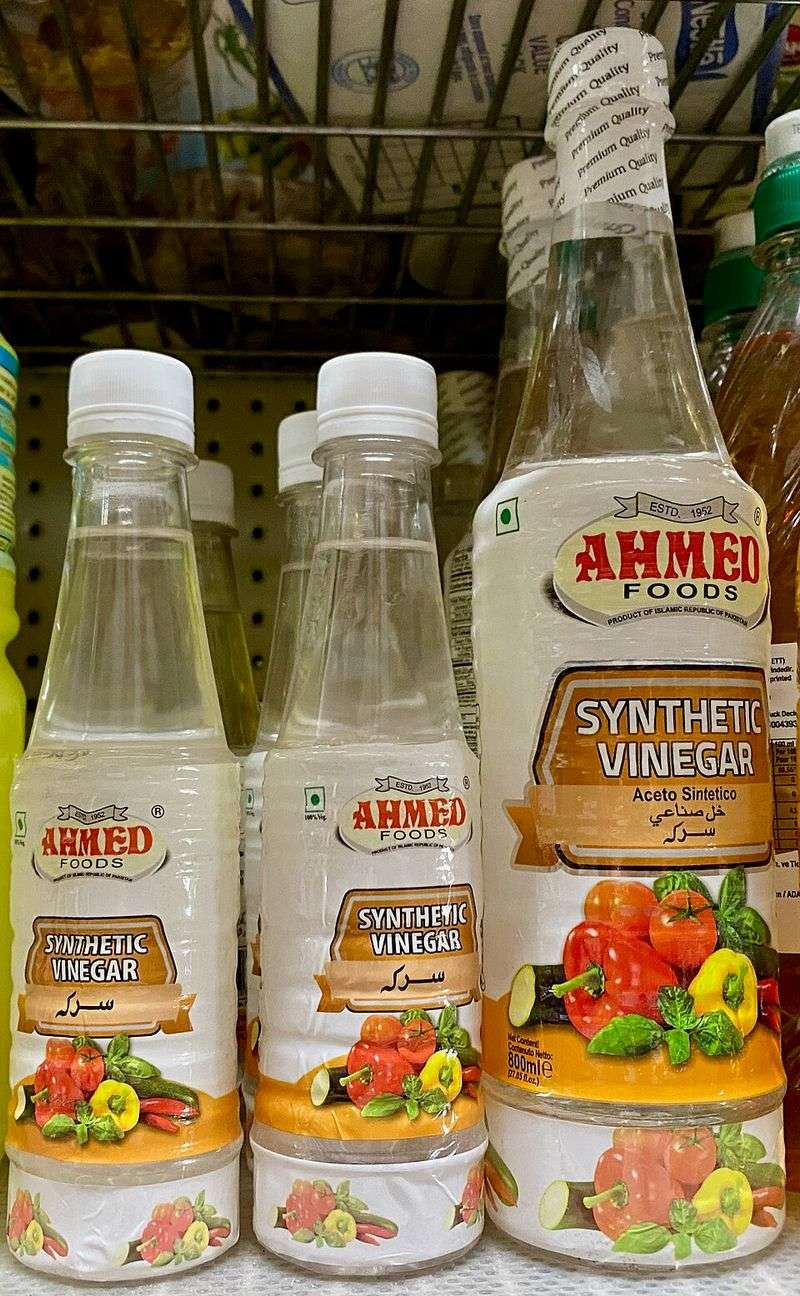
Vinegar is essentially self-preserving. Its sky-high acidity creates an environment so hostile that bacteria cannot survive, making it one of the longest-lasting liquids you can store in your pantry.
Distilled white vinegar and apple cider vinegar both last indefinitely when sealed tightly. Over time, a harmless cloudy substance called mother of vinegar may develop inside the bottle.
Do not panic! It is completely safe and can actually be used to make a new batch of vinegar.
How incredible is it that a liquid designed to preserve other foods can also preserve itself? Store vinegar away from direct sunlight for the cleanest flavor over time.
6. Dried Beans
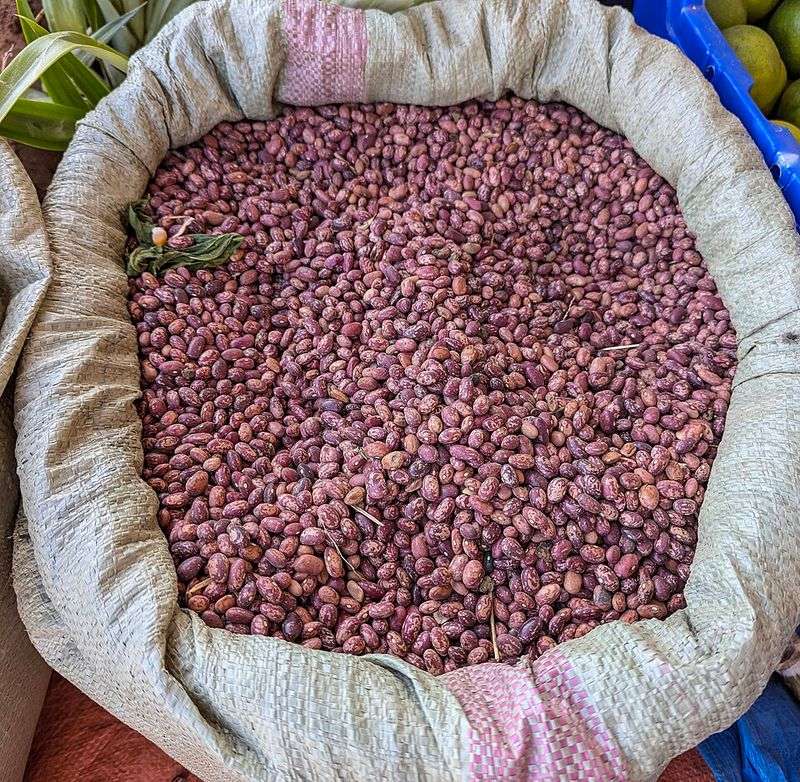
Packed alongside protein, fiber, and essential minerals, dried beans are nutritional powerhouses hiding in plain sight inside your pantry. Properly stored, most varieties last up to 30 years without spoiling.
Moisture is the only real enemy here. Store dried beans in airtight containers away from heat and humidity, and they will remain safe almost indefinitely.
Older beans may take longer to cook and soften, but the nutritional value stays impressively intact.
Survivalists and homesteaders have counted on dried beans for generations, and for good reason. Affordable, versatile, and practically immortal, dried beans might just be the most underrated item in any long-term food storage plan.
7. Hard Liquor
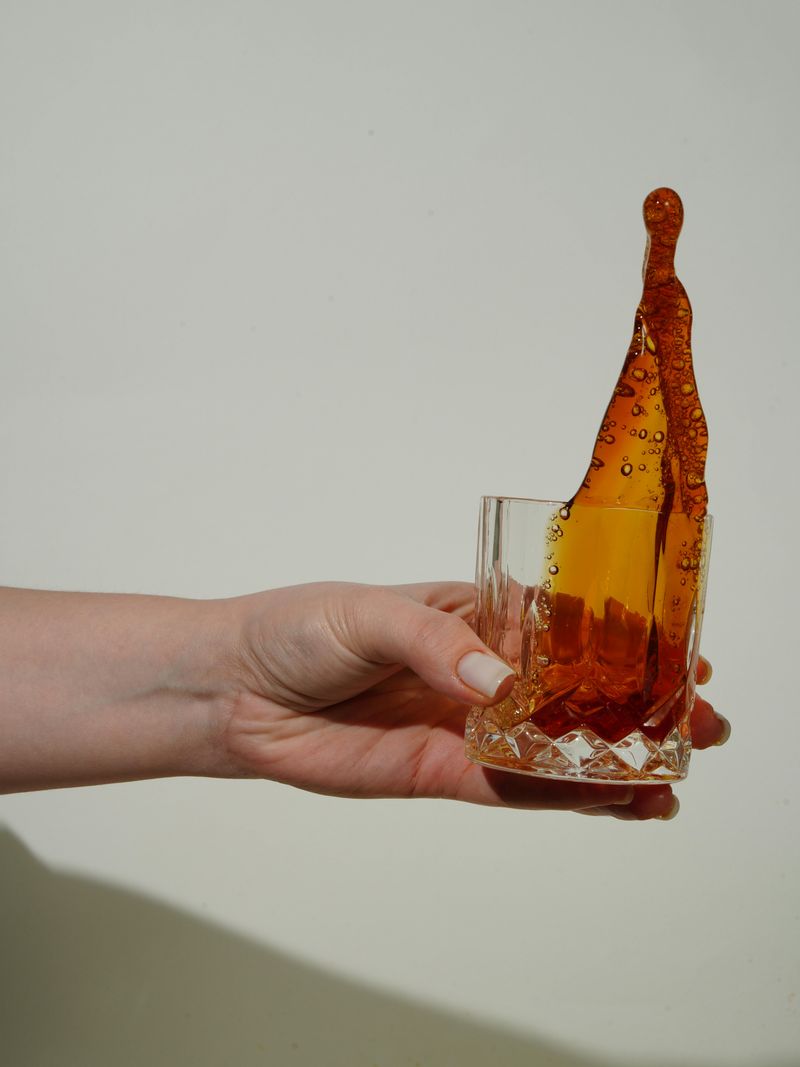
Unopened bottles of distilled spirits like whiskey, vodka, and rum can last indefinitely. High alcohol content kills off any bacteria or contaminants before spoilage even gets a chance to start.
Once opened, oxidation gradually changes the flavor profile, but the spirit remains safe to consume for years. Flavor quality slowly diminishes after about one to two years of being opened, especially if the bottle is less than half full.
Storing spirits upright helps prevent the alcohol from degrading the cork or cap. If you ever find a sealed vintage bottle tucked away somewhere, chances are it is still perfectly good inside.
8. Sugar
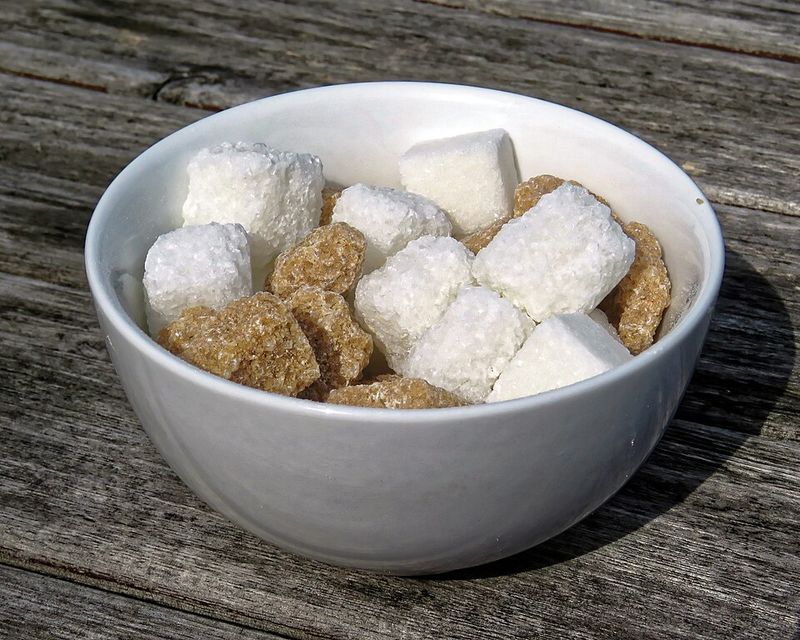
Sugar is another pantry superstar capable of lasting indefinitely. Like salt, it has no moisture and no organic material for bacteria to exploit, so spoilage simply never occurs under proper storage conditions.
Brown sugar and powdered sugar also last indefinitely, though clumping can become an issue over time. A piece of bread or a terra cotta sugar saver placed inside the bag helps keep brown sugar soft and scoopable.
Ants and moisture are sugar’s biggest threats. Sealed containers keep both at bay effectively.
If your sugar hardens into a solid block, a quick zap in the microwave softens it right back up without any loss of quality.
9. Hardtack
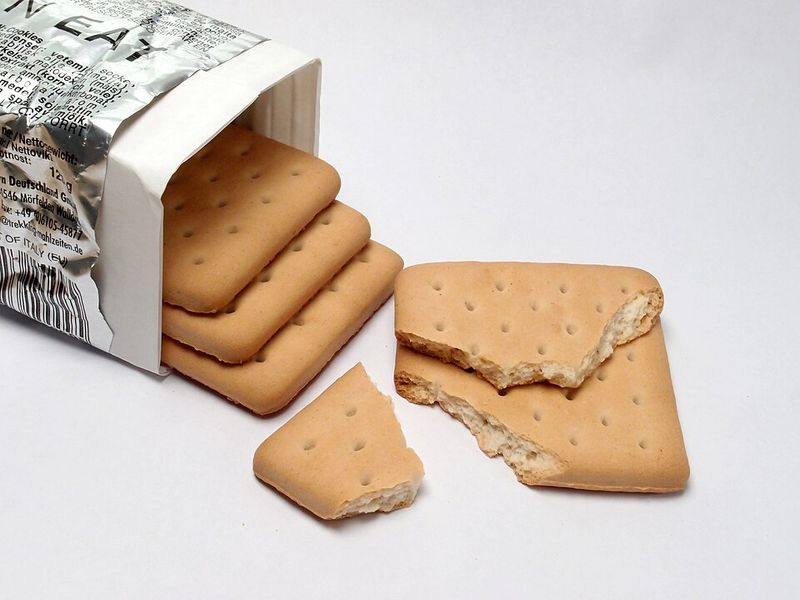
Hardtack is basically the original survival food. Soldiers carried it during the American Civil War, sailors packed it on long ocean voyages, and somehow, some original hardtack biscuits from the 1800s still exist in museums today.
Made simply of flour, water, and salt, hardtack contains almost no moisture once fully baked. Without moisture, spoilage cannot occur.
It earns its nickname tooth-breaker honestly, often requiring soaking in water or soup before eating.
Modern survivalists still bake hardtack as an emergency ration. Simple, calorie-dense, and virtually indestructible, it is proof positive that sometimes the most basic recipes are also the most brilliant ones ever invented.
10. Ghee
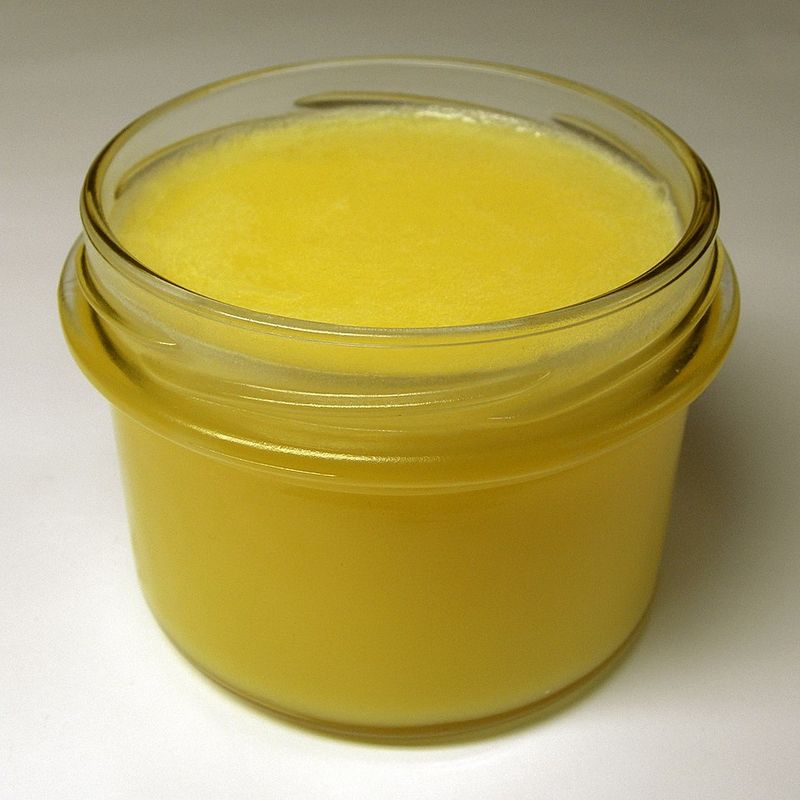
Clarified butter, better recognized as ghee, outlasts regular butter by an enormous margin. By removing all water and milk solids during the clarification process, ghee eliminates the very elements responsible for dairy spoilage.
Properly stored ghee can last up to two years at room temperature, and even longer when refrigerated or kept in a sealed, airtight container. Traditional Indian households have relied on ghee for thousands of years, both as a cooking fat and as a cultural staple.
Ancient Ayurvedic texts reference ghee over 5,000 years old supposedly still being used medicinally. Rich, nutty, and gloriously golden, ghee proves dairy does not have to mean fragile.
11. Soy Sauce
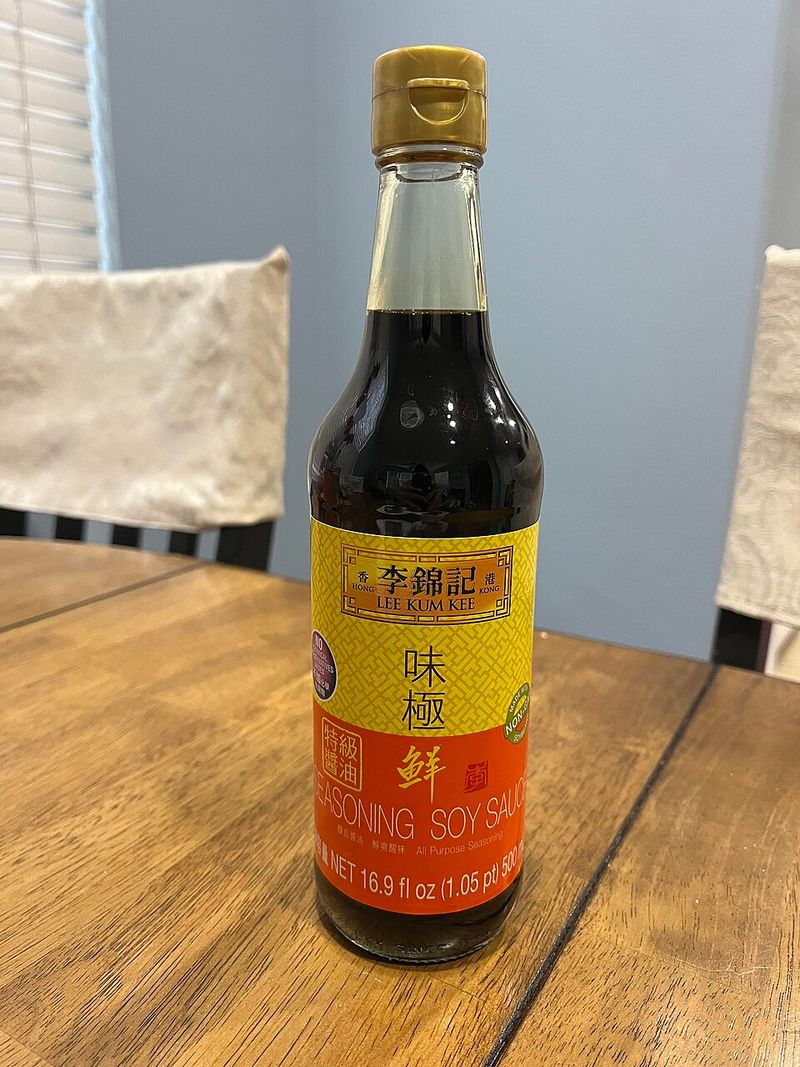
Soy sauce is a preservation marvel hiding behind every sushi roll and stir-fry. High salt content and natural fermentation combine to create an environment where spoilage bacteria simply cannot survive.
An unopened bottle of soy sauce lasts almost indefinitely. Once opened, quality remains strong for about three years at room temperature, though refrigerating it after opening helps maintain peak flavor much longer.
Soy sauce originated in ancient China over 2,500 years ago, originally developed as a way to stretch salt supplies. It is fascinating how a condiment born out of resourcefulness ended up becoming one of the world’s most beloved and long-lasting flavor enhancers.
12. Powdered Milk
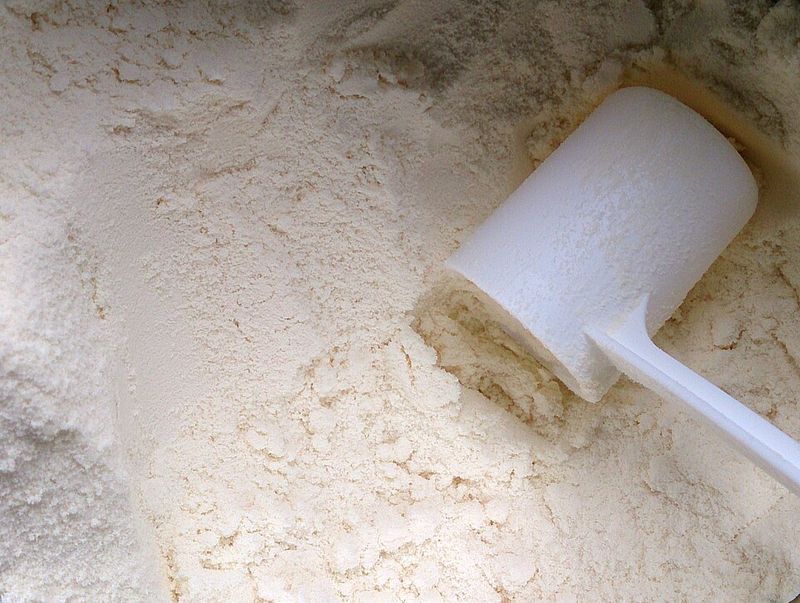
Regular milk spoils within days, but powdered milk plays by completely different rules. By removing nearly all moisture content during processing, manufacturers create a shelf-stable dairy product capable of lasting 25 years or more.
Powdered milk provides the same calcium and protein found in fresh milk, making it a genuinely nutritious option for long-term food storage. Sealed in airtight, moisture-proof containers, it remains safe and nutritious for decades without refrigeration.
Campers, preppers, and astronauts have all relied on powdered milk when fresh dairy options are unavailable. Just add water and stir, and you have a perfectly functional milk substitute ready to go anytime, anywhere.
13. Cornstarch
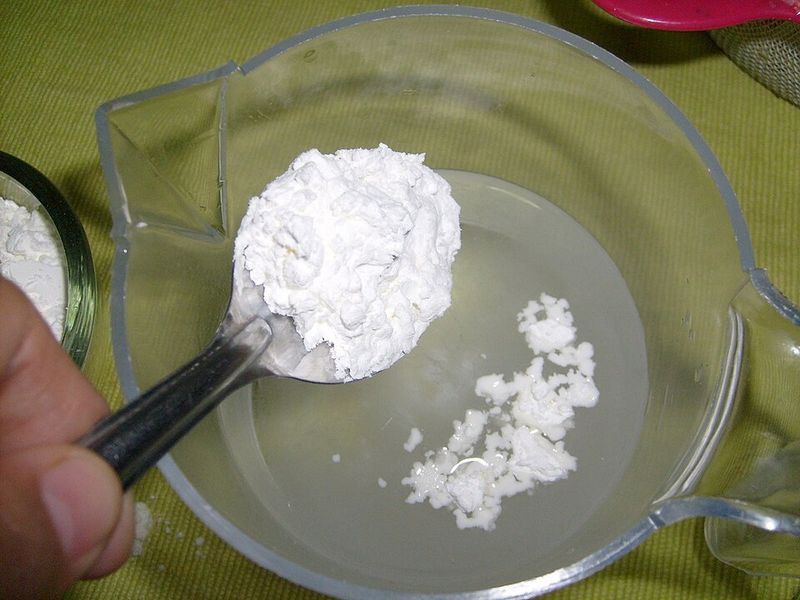
Cornstarch rarely gets the spotlight it deserves in long-term food storage conversations. Kept sealed in a cool, dry environment, cornstarch lasts indefinitely without any spoilage or degradation in quality.
No moisture, no fat, no organic material for bacteria to target. Cornstarch is essentially just dried starch granules, and starch does not expire.
Clumping can happen if humidity sneaks in, but sifting restores it back to its original powdery form instantly.
Beyond thickening soups and gravies, cornstarch doubles as a natural remedy for skin irritation and even acts as a dry shampoo in a pinch. Versatile, affordable, and forever fresh, cornstarch earns its permanent place in any well-stocked pantry.
14. Maple Syrup
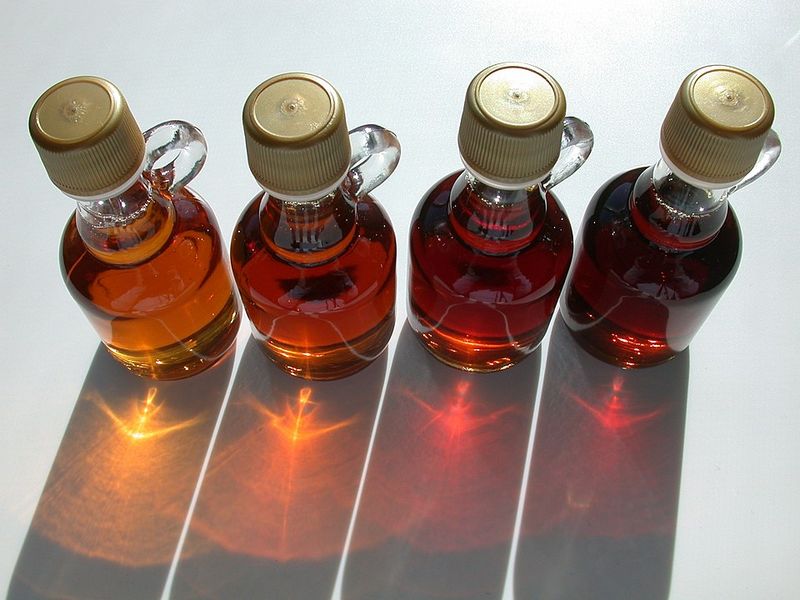
Pure maple syrup shares a surprising preservation quality alongside its golden cousin honey. High sugar content and low water activity make it nearly impossible for bacteria and mold to grow inside a sealed container.
Unopened pure maple syrup lasts indefinitely when stored correctly. Once opened, refrigerating it prevents mold from forming on the surface, extending usability for a year or more.
If mold does appear, simply skim it off, reboil the syrup, and it is safe again.
Maple syrup production is deeply rooted in Native American traditions, dating back centuries before European settlers ever arrived. Few natural sweeteners carry both historical significance and legendary shelf life quite like real maple syrup does.
15. Dried Pasta
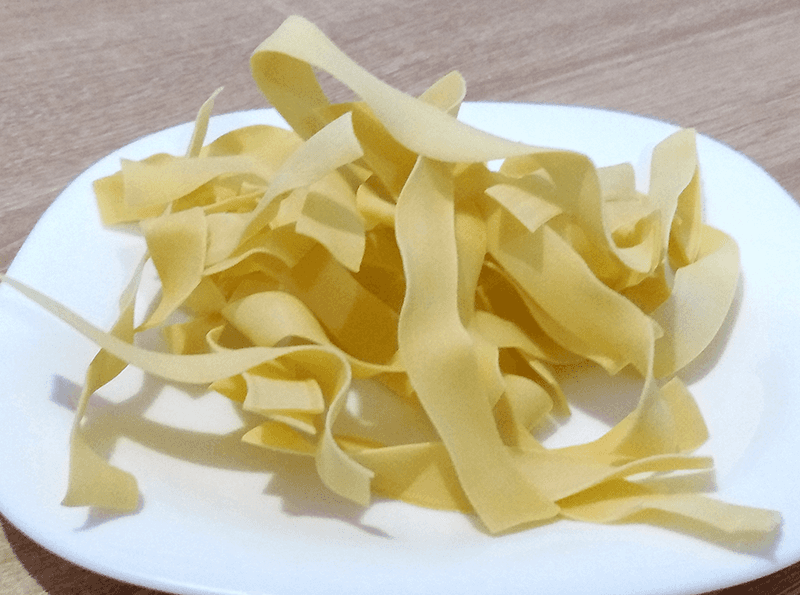
Dried pasta might be the most reliable comfort food in existence. Stored in a sealed container away from moisture and pests, most dried pasta varieties last up to 30 years while retaining acceptable texture and nutritional value.
Pasta made without eggs dries out almost completely during manufacturing, leaving virtually no moisture behind for bacteria to exploit. Egg-based pasta, however, has a shorter shelf life due to added fat content from the yolk.
Nutritionally, dried pasta provides carbohydrates and some protein, making it a genuinely useful long-term staple. Pair it alongside preserved tomato sauce, and you have got a meal capable of surviving basically anything life throws at you.
16. Instant Coffee
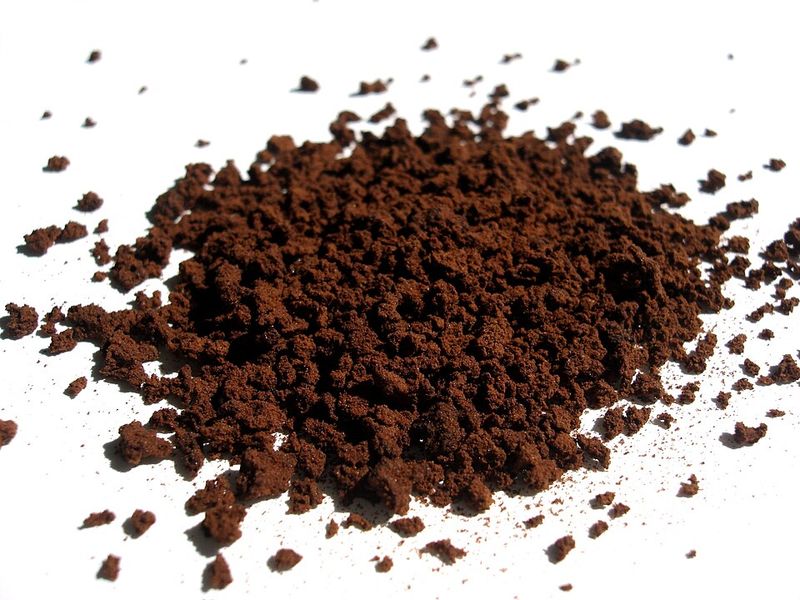
Coffee lovers everywhere can breathe a sigh of relief. Sealed containers of instant coffee last up to 20 years without significant quality loss, making it one of the most surprisingly long-lasting beverages in existence.
Freeze-dried instant coffee retains flavor compounds remarkably well when sealed away from oxygen, moisture, and light. Once opened, storing it in an airtight container extends freshness for months beyond what the label suggests.
During both World Wars, instant coffee was included in soldier ration kits specifically because of its durability and ease of preparation. If it was tough enough for wartime conditions, it is definitely tough enough for your kitchen cabinet.
17. Dark Chocolate
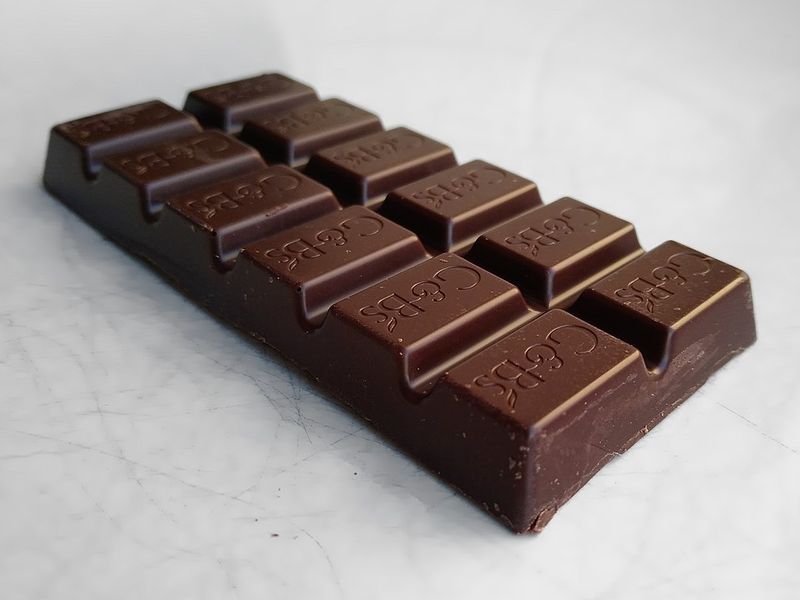
Good news for chocolate lovers everywhere. Dark chocolate, especially varieties containing 70 percent cacao or higher, can last up to two years or longer when stored correctly in a cool, dry location.
Low moisture content and high cocoa butter concentration slow oxidation significantly, preserving both flavor and texture far longer than milk or white chocolate varieties. A white powdery coating called bloom may appear on older chocolate, but it is completely harmless and does not affect taste.
Ancient Mesoamerican civilizations, including the Aztecs and Maya, valued cacao so highly it was used as currency. Centuries later, dark chocolate still refuses to quit, proving great things truly do stand the test of time.
18. Bouillon Cubes
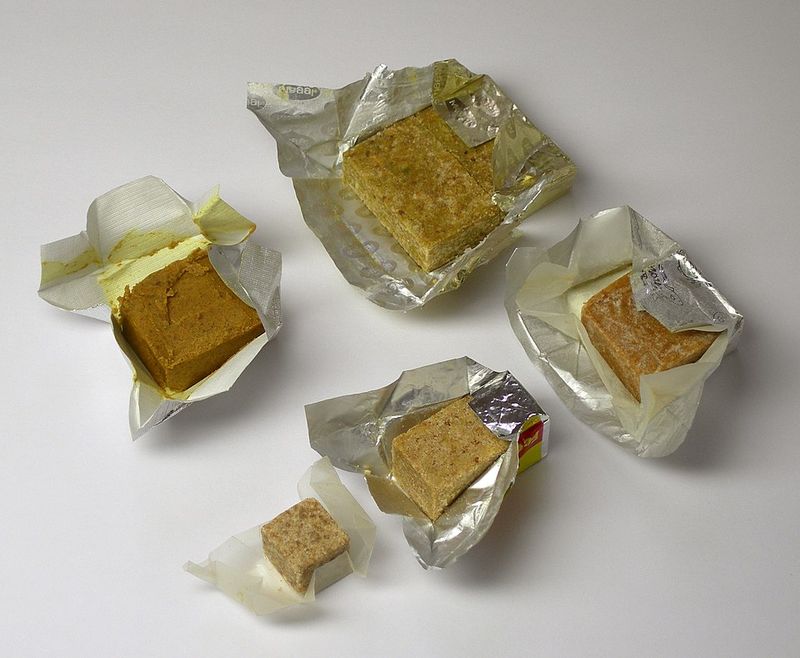
Bouillon cubes are tiny flavor bombs capable of lasting up to two years past printed best-by dates when stored in cool, dry conditions. Extremely low moisture content and high salt concentration work together to prevent any bacterial activity.
Even after the printed date passes, bouillon cubes remain safe and flavorful for a surprisingly long time. Slight flavor loss may occur gradually, but the cubes never truly spoil under proper storage.
Keeping packaging sealed until use locks in maximum potency.
Backpackers and campers swear by bouillon cubes for good reason. Lightweight, compact, and nearly indestructible, a single cube transforms plain boiling water into something genuinely warming and satisfying within seconds.
Convenience and longevity rarely come packaged so neatly.
19. Coconut Oil
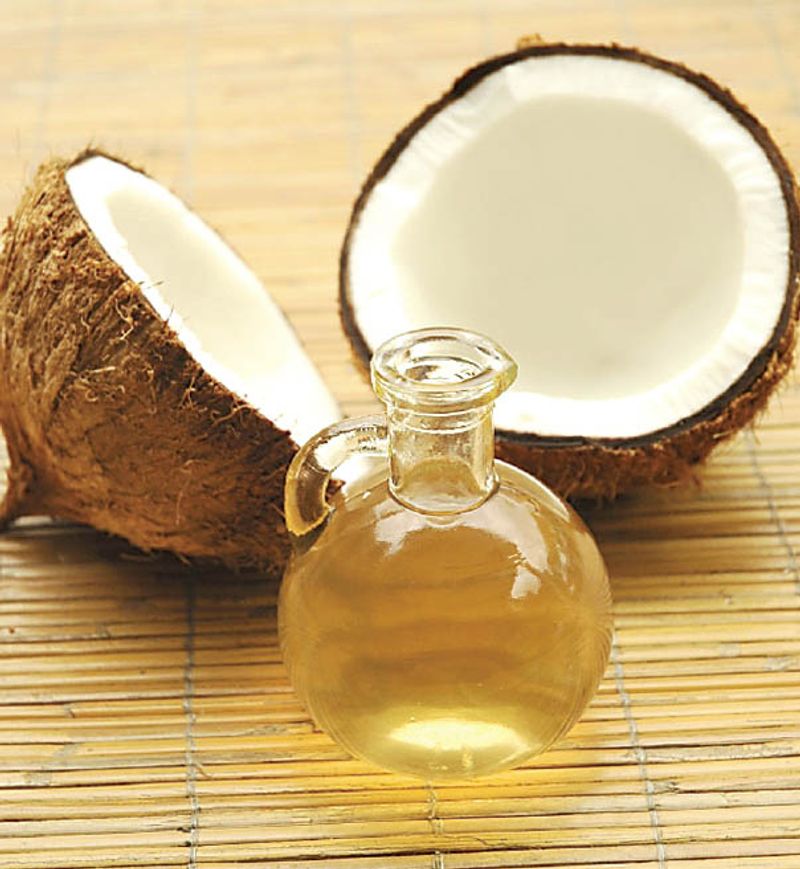
Unlike most cooking oils, coconut oil has an exceptionally long shelf life thanks to its high saturated fat content. Saturated fats resist oxidation far better than polyunsaturated fats, meaning coconut oil stays fresh for two to five years without refrigeration.
Stored in a sealed glass jar away from direct light and heat, coconut oil maintains quality remarkably well. Solid at room temperature and liquid when warm, it transitions between states without losing any nutritional value or flavor integrity.
Refined coconut oil generally lasts even longer than virgin versions due to additional processing. Beyond cooking, coconut oil works beautifully as a moisturizer, lip balm, and hair treatment, making it one of the most multi-talented long-lasting items you can stock.
20. Rolled Oats
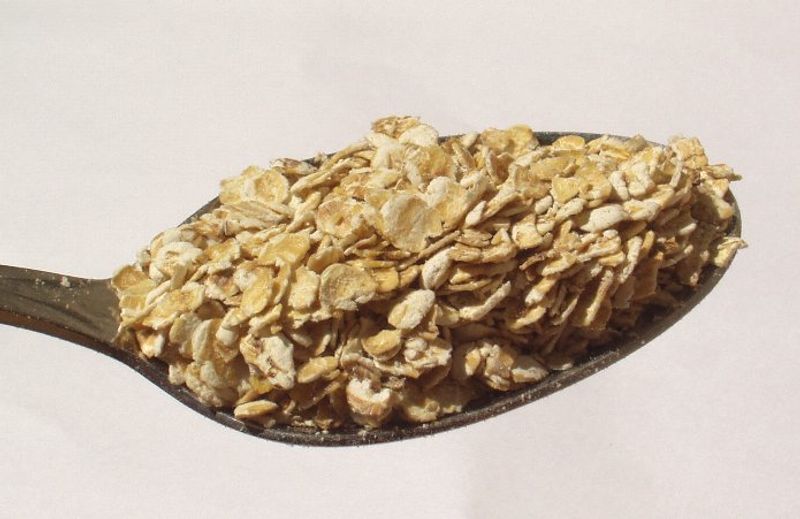
Rolled oats are quiet overachievers in the pantry world. Sealed inside airtight containers alongside oxygen absorbers, rolled oats maintain nutritional quality and safe edibility for up to 30 years, making them a long-term storage legend.
Low moisture content prevents bacterial growth, while proper sealing blocks the oxidation responsible for rancid flavors. Whole oat groats last even longer than rolled oats due to minimal processing, but both varieties are exceptional long-term storage options.
Oats provide complex carbohydrates, fiber, and essential vitamins, making every stored scoop genuinely nutritious. If you are building a long-term food supply, rolled oats belong near the very top of your shopping list.
Affordable, filling, and practically timeless.