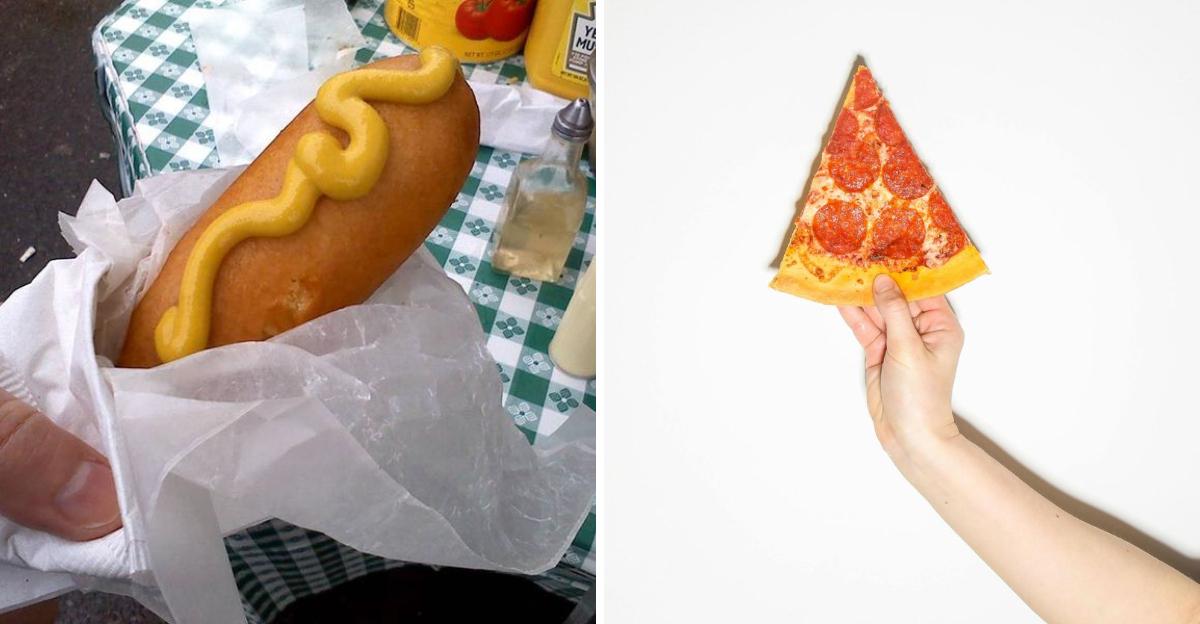
20 Foods That Used To Get Side-Eyes At The Table
Food opinions change fast, and yesterday’s “gross” can turn into today’s obsession.
Plenty of dishes once drew raised eyebrows because of unfamiliar ingredients, strong smells, unusual textures, or the simple fact that people weren’t used to seeing them on a plate.
Over time, travel, immigration, restaurant trends, and social media curiosity helped shift those reactions.
This list looks at foods that used to get side-eyes at the table, spotlighting the dishes that went from questionable to craveable as tastes and culture evolved.
1. Brussels Sprouts
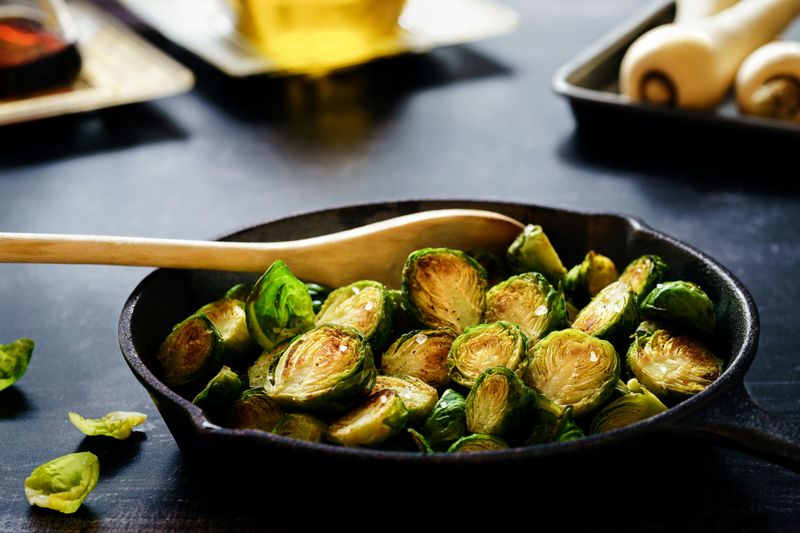
Grandma’s overcooked, mushy Brussels sprouts were enough to traumatize an entire generation of dinner guests.
Back then, boiling these mini cabbages until they turned gray and smelled like gym socks was standard practice.
Fast forward to today, and roasting them with olive oil and a sprinkle of sea salt has completely transformed their reputation.
2. Liver and Onions
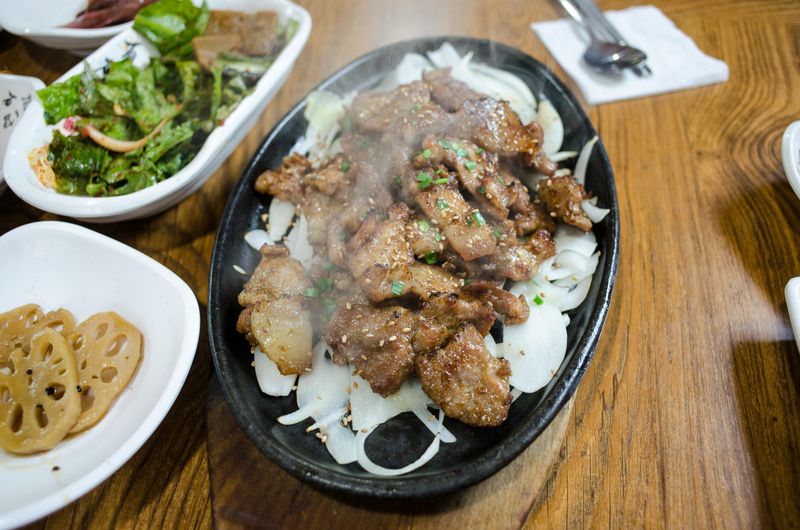
Nothing cleared a dining room faster than the announcement that liver and onions was on the menu. The metallic taste and chewy texture made this iron-rich organ meat a hard sell for picky eaters everywhere.
Nowadays, fancy restaurants serve it as pâté or prepare it with bacon and caramelized onions, making it almost unrecognizable from the rubbery slabs of the past.
3. Sardines
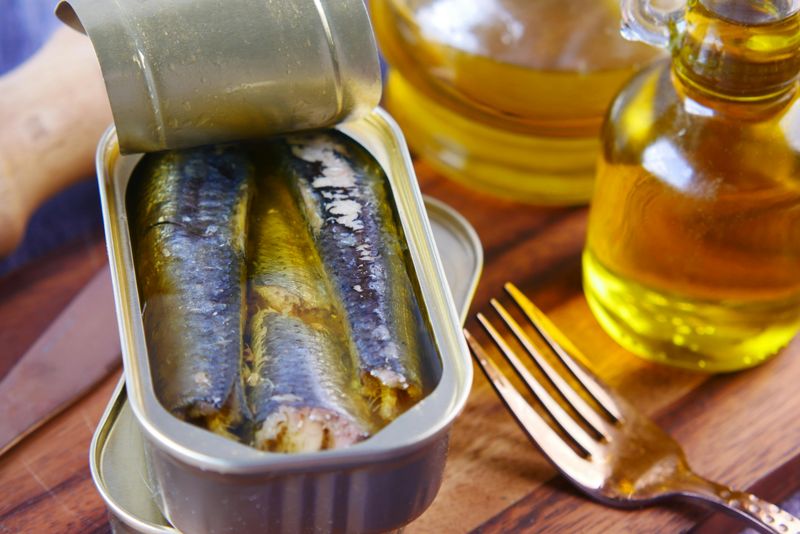
Opening a can of sardines used to be social suicide at lunchtime. Those tiny fish packed in oil looked weird and smelled even weirder, making them the ultimate brown-bag lunch embarrassment.
Gourmet brands now offer them in fancy tins with artisanal flavors, turning these humble fish into trendy tapas bar stars that people actually brag about eating.
4. Anchovies
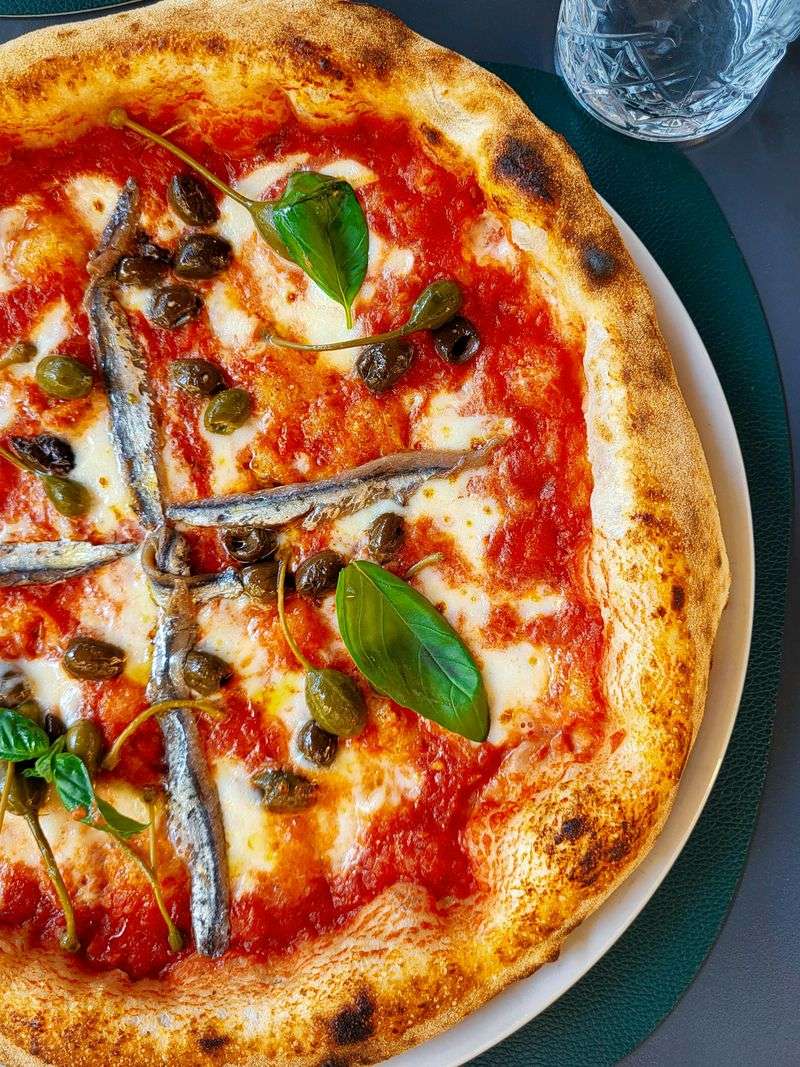
Pizza night turned into a battlefield when someone suggested adding anchovies to the order.
These salty little fish were the most controversial topping imaginable, often picked off and discarded like edible land mines.
Today’s food lovers recognize anchovies as umami bombs that add depth to Caesar dressing and pasta sauces.
5. Cottage Cheese
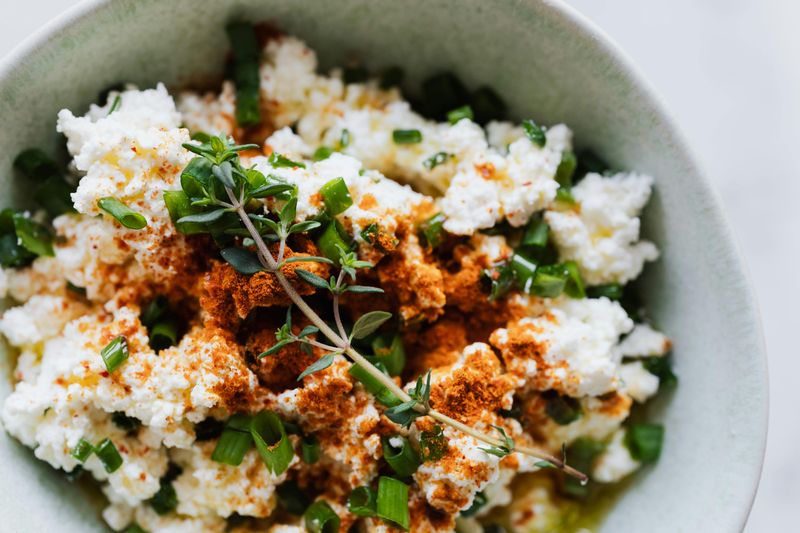
The lumpy, jiggly texture of cottage cheese made it look more like something from a science experiment than actual food.
Protein-obsessed fitness enthusiasts have brought cottage cheese roaring back into style.
Mixed with fruit, blended into smoothies, or baked into high-protein pancakes, this curdy dairy product has shed its boring diet-food image and become a versatile kitchen staple.
6. Tofu
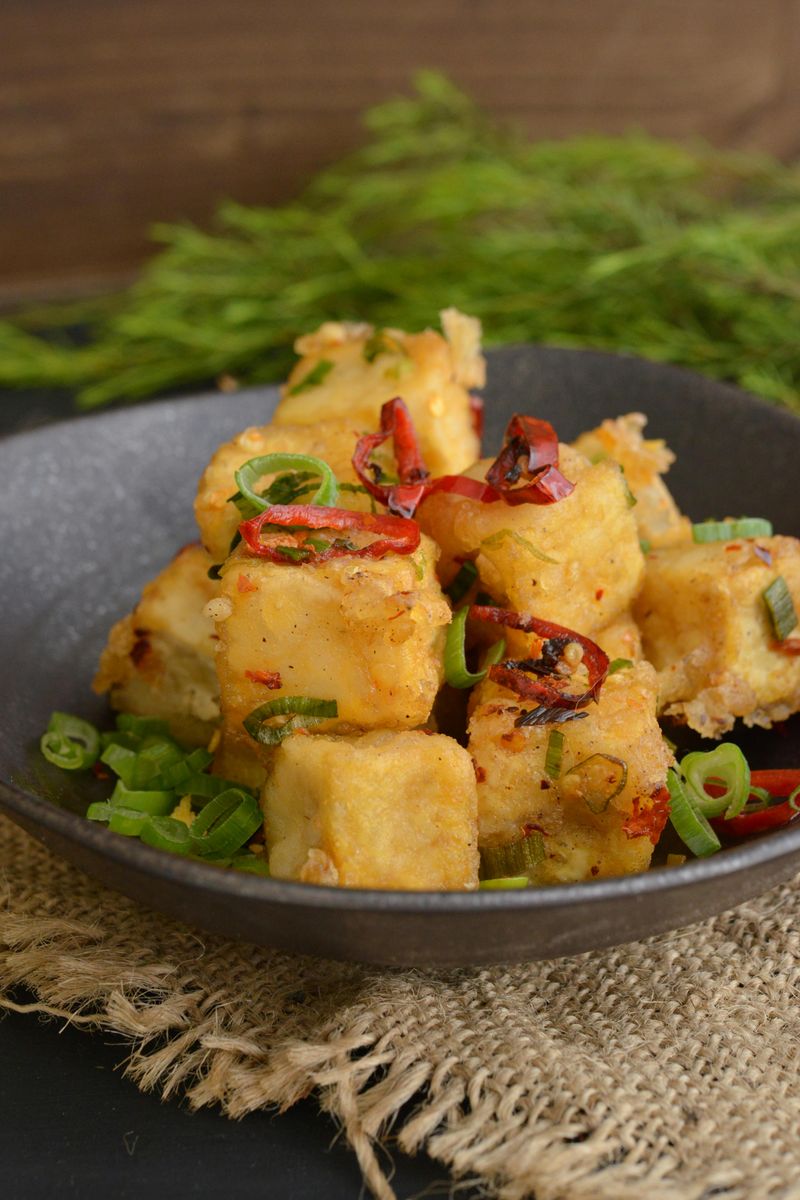
Bland, rubbery, and suspiciously pale, tofu was the punchline of every vegetarian joke in the nineties.
People who tried it often encountered flavorless white blocks that tasted like wet sponges, confirming their worst fears.
Asian restaurants and creative home cooks have shown the world that properly prepared tofu can be crispy, savory, and absolutely delicious.
Marinated and fried, baked until golden, or scrambled with spices, tofu has become a protein-packed canvas for any flavor you can imagine.
7. Kimchi
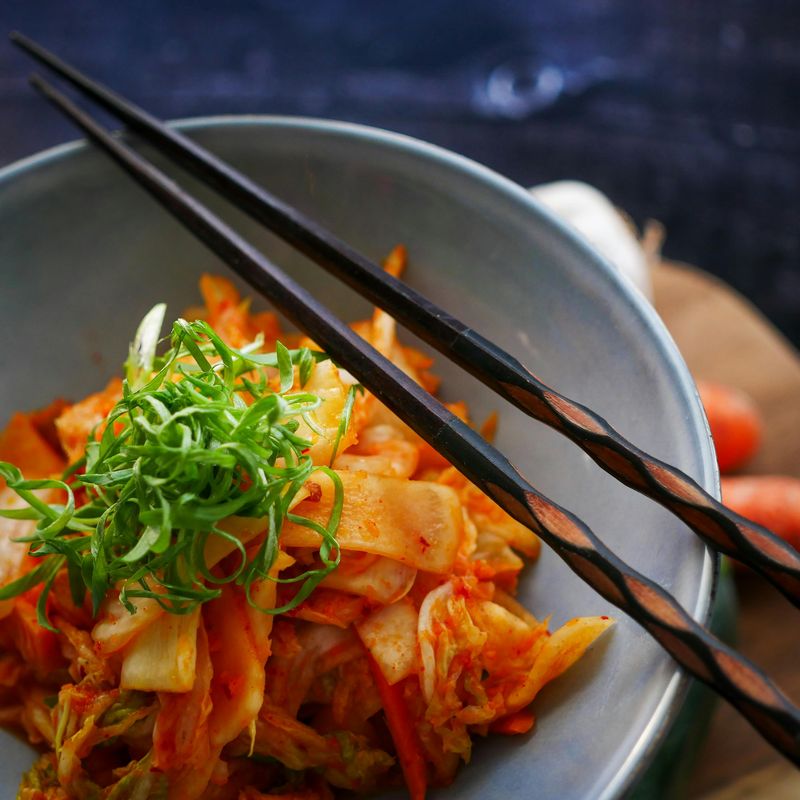
The pungent smell of fermented cabbage was enough to make people question their life choices at the dinner table.
Kimchi’s spicy, funky flavor profile seemed too intense for Western palates used to milder tastes.
Korean cuisine’s global explosion has turned kimchi into a trendy superfood that appears on burgers, tacos, and fancy restaurant menus everywhere.
People now appreciate the complex flavors and probiotic benefits, with some home cooks even attempting their own batches in mason jars.
8. Sauerkraut
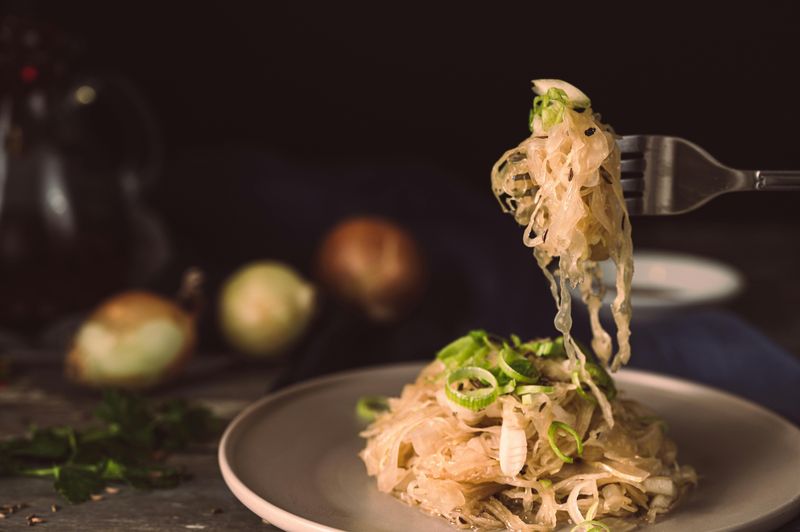
Sour, stringy, and smelling like vinegar, sauerkraut was that weird topping your uncle insisted on piling onto hot dogs. Most kids avoided it like the plague, sticking to ketchup and mustard instead.
Gut health awareness has catapulted sauerkraut into the wellness spotlight as a probiotic powerhouse.
Craft breweries pair it with artisan sausages, and health food stores stock fancy varieties with beets, carrots, and exotic spices that make old-school kraut look positively boring.
9. Okra
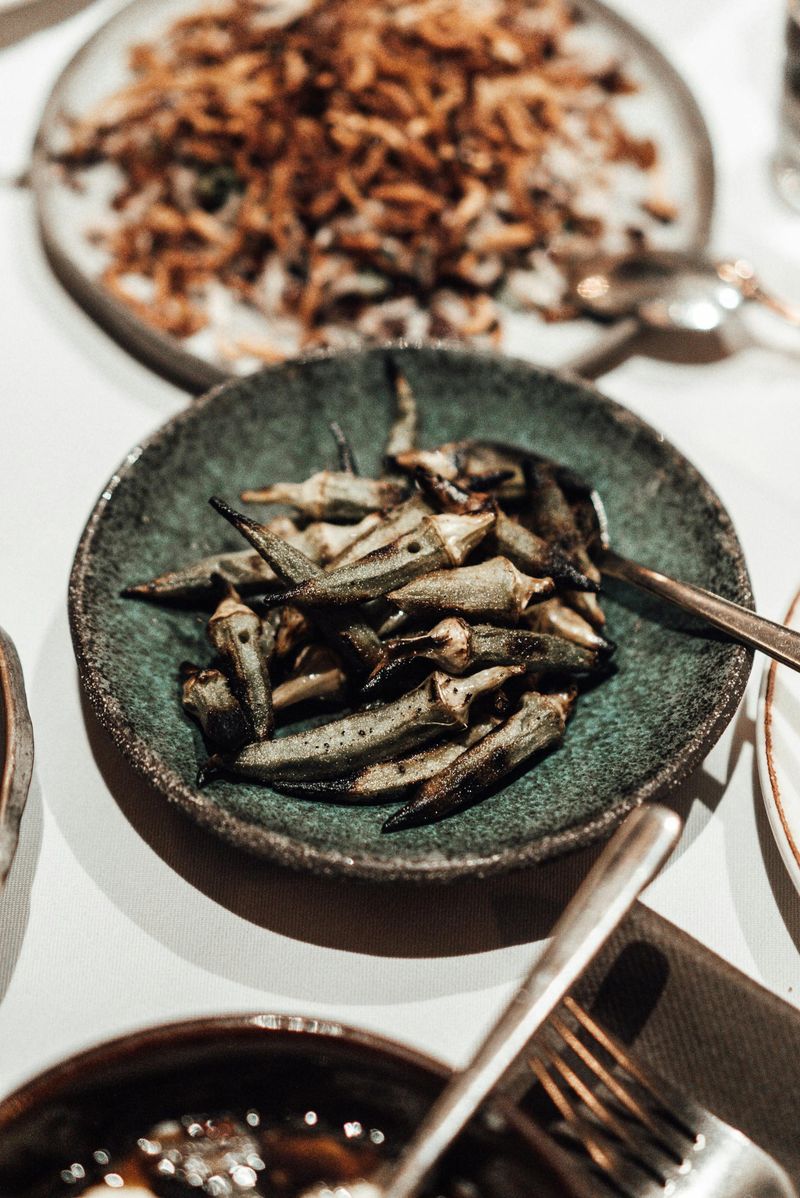
Slimy is probably the kindest word anyone ever used to describe cooked okra.
That gooey texture when boiled made people gag before they even got a bite to their mouths, especially kids encountering it for the first time.
Southern chefs have been vindicated as the rest of the country discovers that fried okra is absolutely amazing.
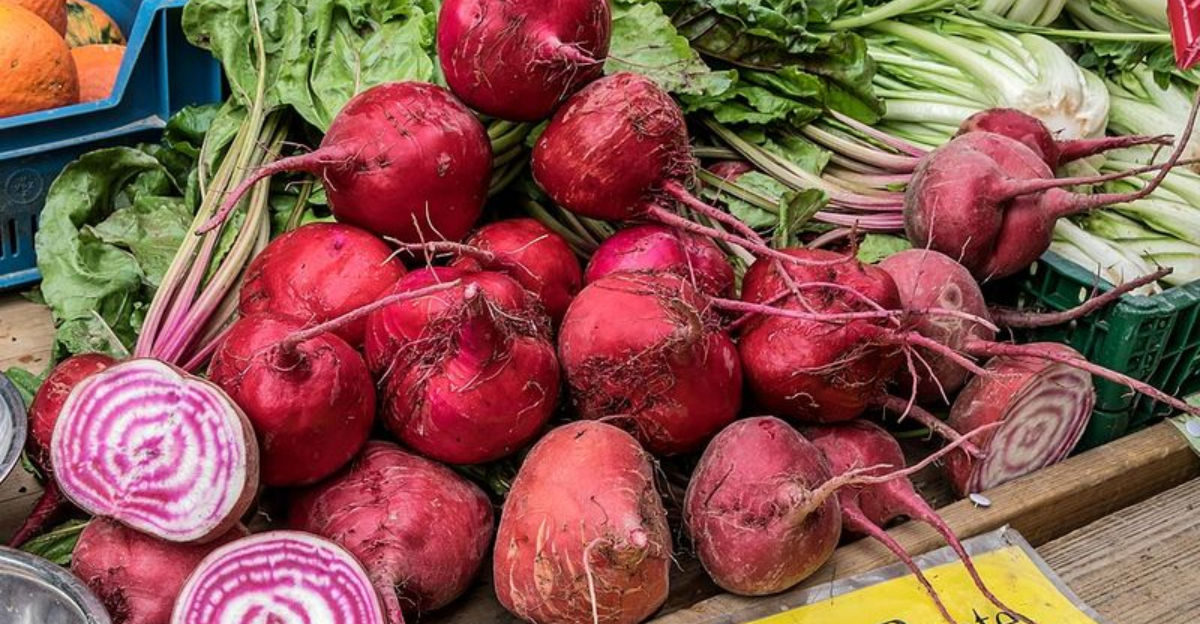
10. Beets
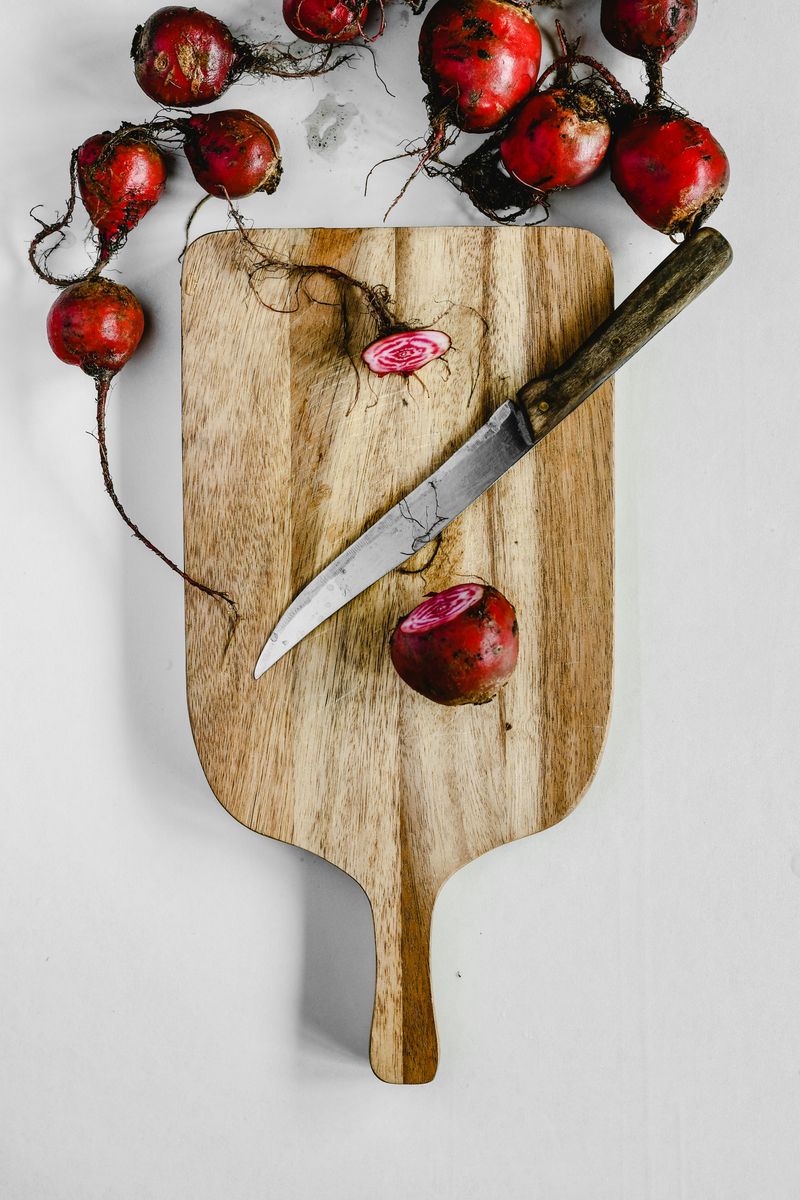
Staining everything they touched a deep purple-red, beets were messy vegetables that tasted like dirt to most kids.
Canned beets were even worse, arriving at the table soft and suspiciously uniform in their perfectly round slices.
Farm-to-table restaurants have elevated beets to gourmet status with roasted golden varieties, beet carpaccio, and gorgeous salads.
11. Kale
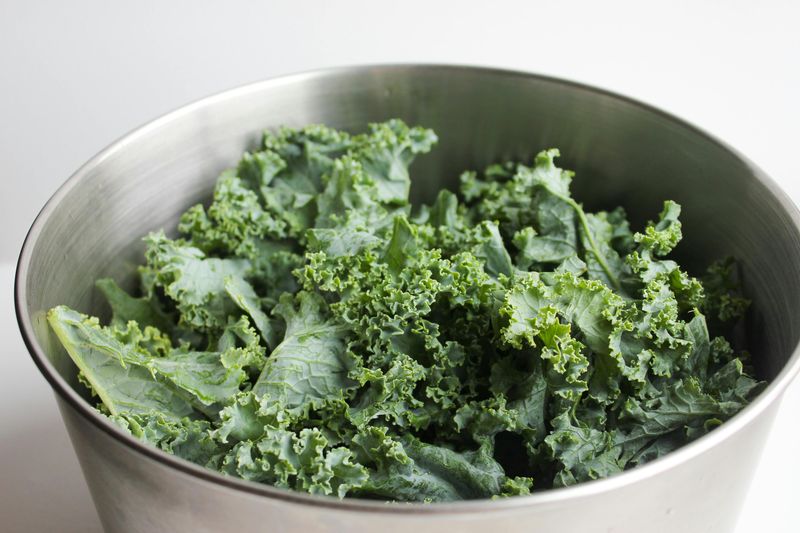
Before the 2010s, kale was basically just a garnish that restaurants used to make buffet displays look prettier. Nobody actually ate the tough, bitter leaves that seemed better suited for decorating than digesting.
Health food trends transformed kale from forgotten garnish to superfood superstar practically overnight.
Massaged into salads, baked into chips, or blended into smoothies, kale became so popular that farmers struggled to keep up with demand from juice bars and health-conscious shoppers.
12. Bone Marrow
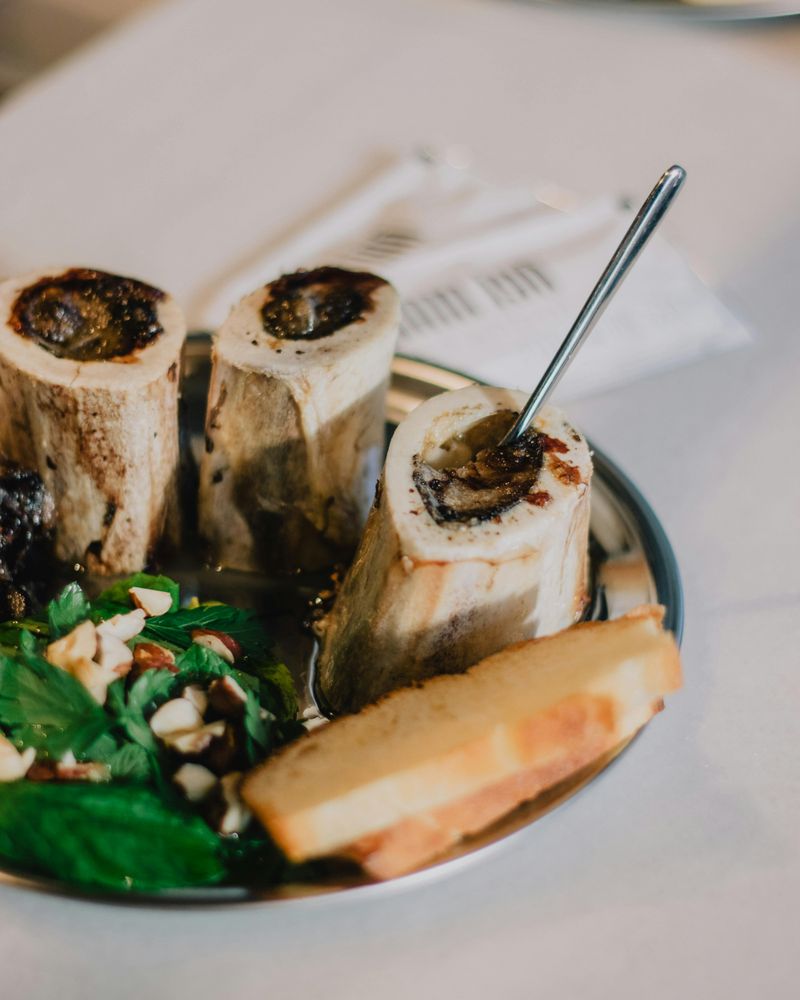
Sucking goo out of bones sounded more like something from a horror movie than fine dining.
Bone marrow seemed primitive and gross, the kind of thing people only ate when there was absolutely nothing else available.
High-end steakhouses now charge premium prices for roasted bone marrow served with crusty bread and fancy salt.
Food adventurers line up for this buttery, rich delicacy that chefs call nature’s butter, proving that sometimes the weirdest foods become the most expensive once hipsters discover them.
13. Blue Cheese
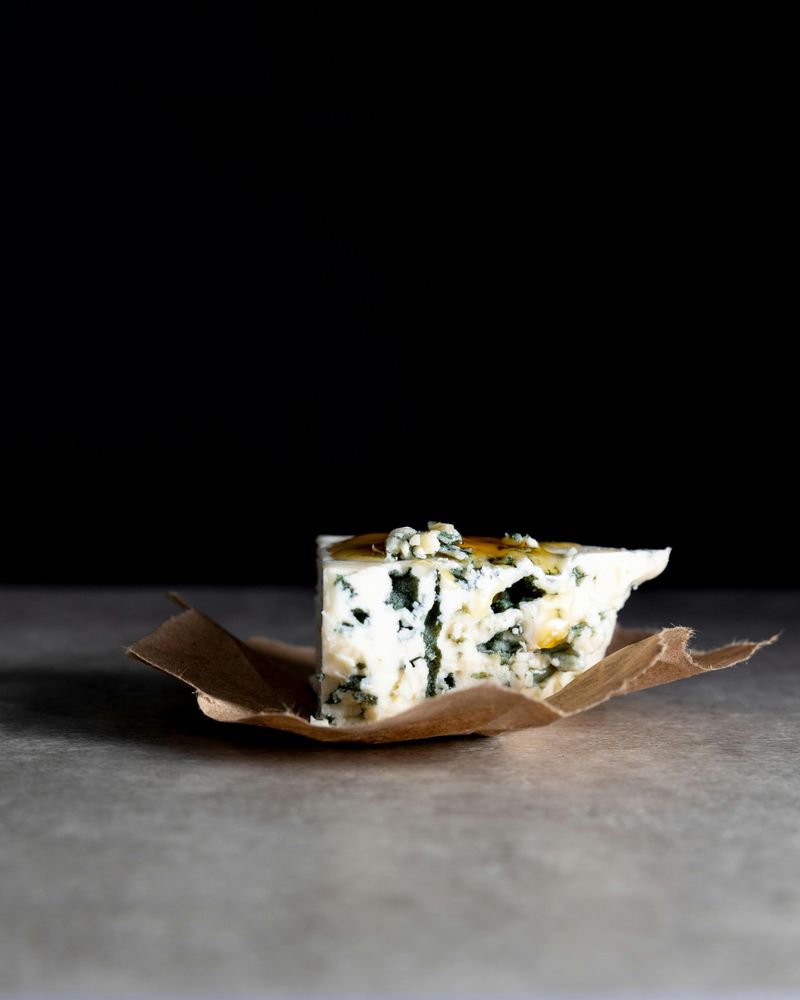
Moldy cheese with visible veins of blue-green fungus running through it looked like something you should throw away, not eat.
The pungent smell and sharp, tangy taste made blue cheese an acquired taste that many people never acquired.
Buffalo wing culture and gourmet burger joints have made blue cheese dressing and crumbles mainstream favorites.
14. Oysters
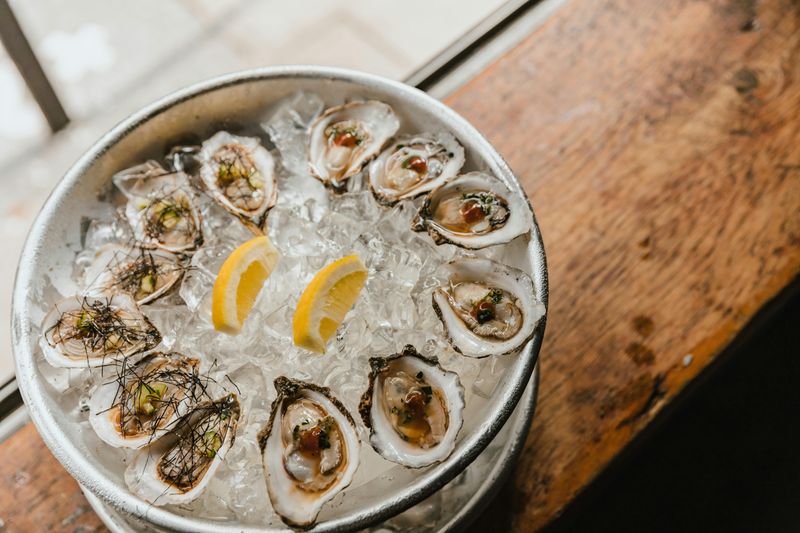
Slurping down a raw, slimy blob that looks back at you from its shell takes serious courage.
Oysters seemed like a dare rather than a delicacy, with their ocean-water taste and snot-like texture testing even adventurous eaters.
People now travel specifically for oyster festivals, learning to distinguish between East Coast and West Coast varieties while posting shell-filled photos.
15. Escargot
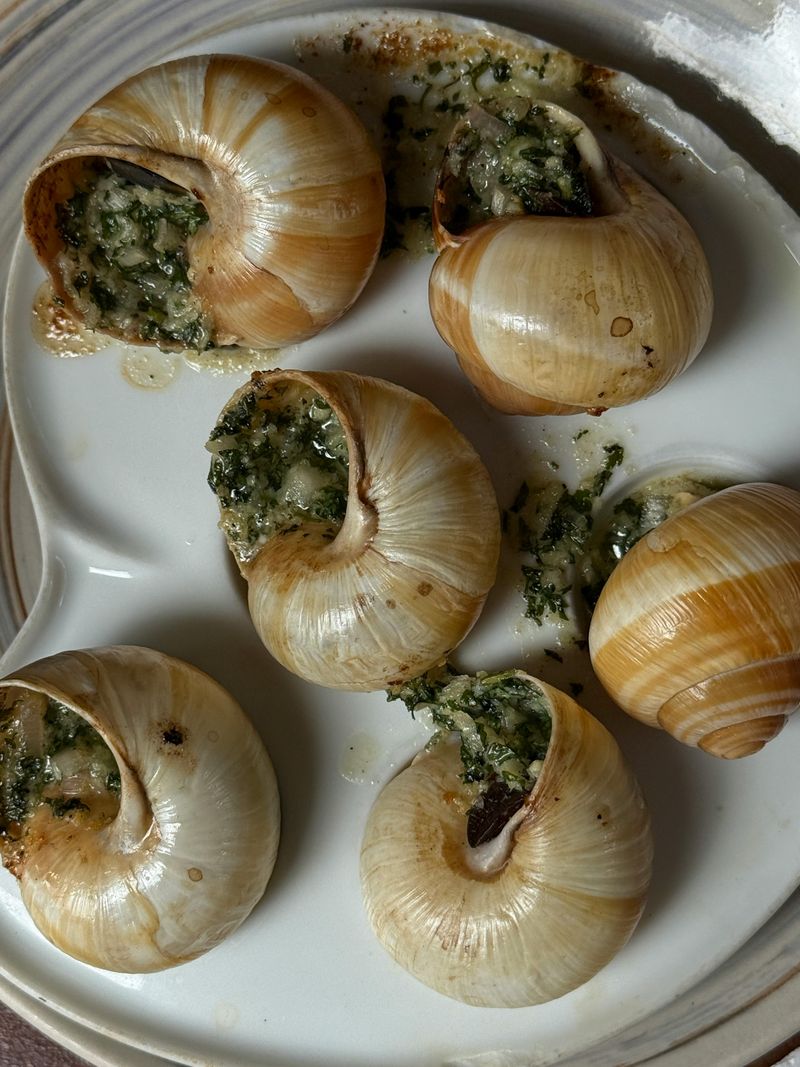
Garden snails swimming in garlic butter sounded like a prank someone was playing on gullible tourists in France. The idea of eating something that leaves a slime trail seemed wrong on every possible level.
French restaurants have convinced sophisticated diners that escargot is the height of culinary refinement.
Served in special snail plates with tiny forks, these garlicky morsels have become a bucket-list food experience.
16. Spam
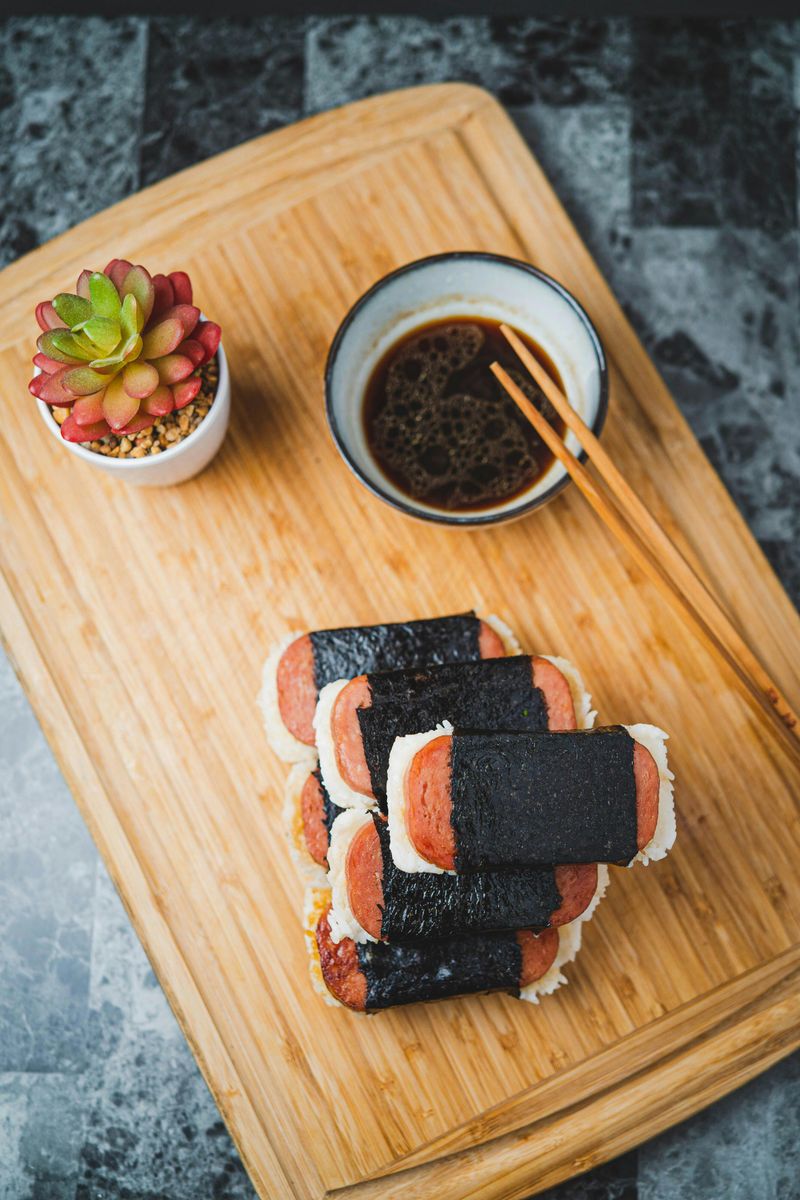
Mystery meat in a can with a jelly coating seemed like poverty food or something only eaten during wartime rationing.
Spam jokes were everywhere, and admitting you liked it was basically social embarrassment waiting to happen.
Hawaiian cuisine and Asian fusion restaurants have rehabilitated Spam’s reputation spectacularly.
Spam musubi has become a legitimate snack food, and creative chefs slice, dice, and fry this canned meat into surprisingly tasty dishes that sell out at trendy food trucks across the country.
17. Jell-O Salads
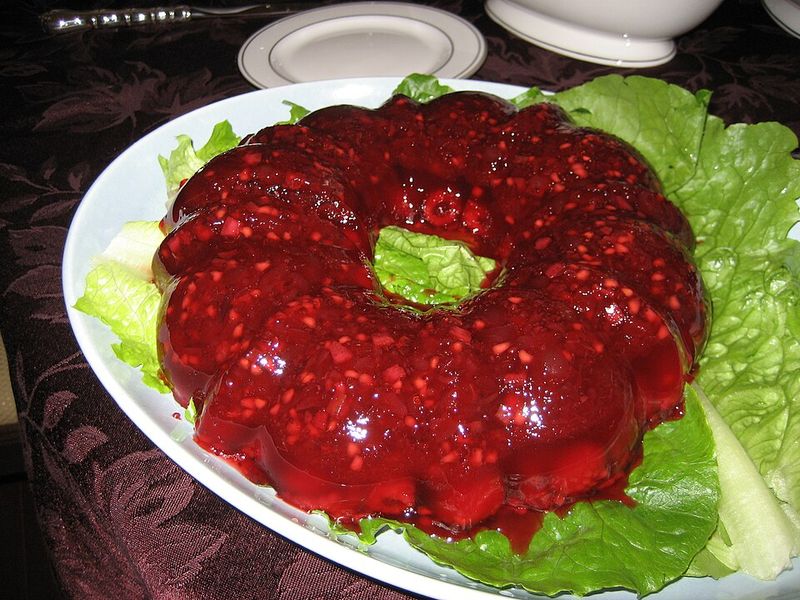
Vegetables suspended in wobbly, artificially colored gelatin defined mid-century culinary nightmares.
Those jiggly molds with carrots, celery, or worse floating inside confused everyone about whether they were eating dessert or a side dish.
Retro dinner parties and ironic potlucks have brought Jell-O salads back as kitschy conversation starters.
18. Tuna Casserole
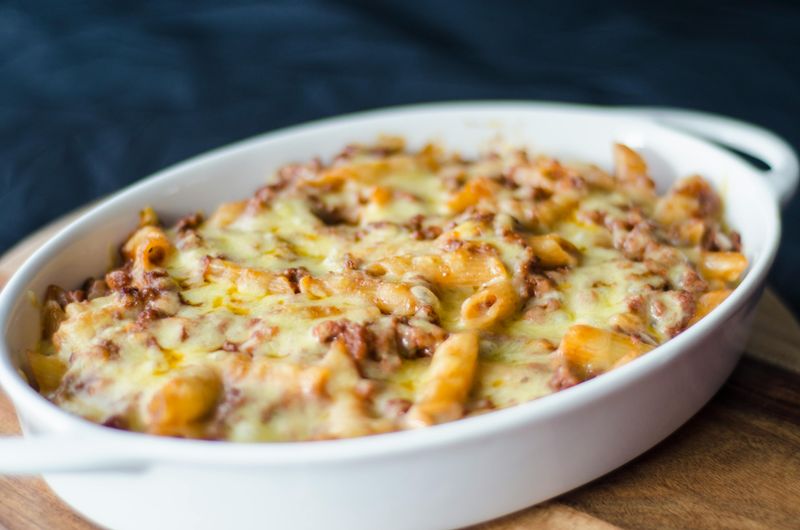
Canned tuna mixed with cream soup and crushed potato chips represented budget cooking at its most depressing.
This beige, mushy casserole showed up at every church potluck, making kids everywhere develop strong opinions about food texture.
Comfort food blogs and recession-era nostalgia have given tuna casserole a second look as affordable home cooking.
19. Mushrooms
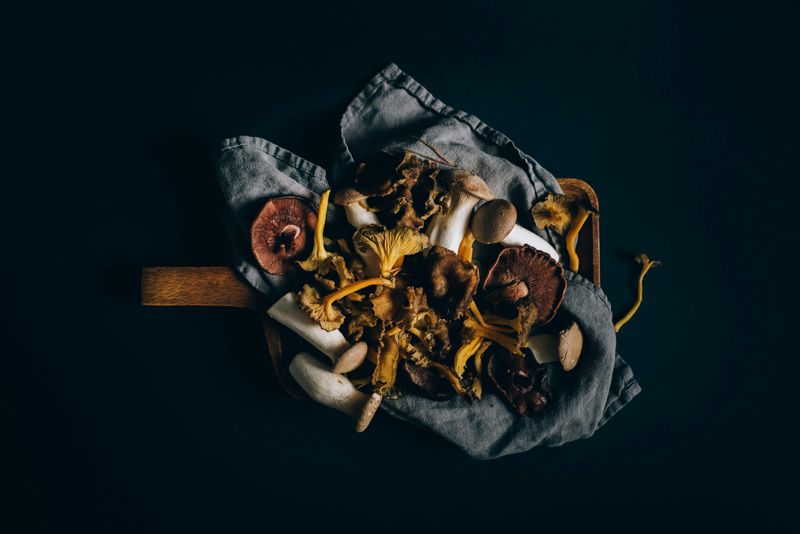
Spongy, earthy-tasting fungi that grew in dark, damp places seemed too weird to voluntarily put in your mouth.
Their slimy texture when cooked and ability to soak up moisture like tiny flavor sponges turned off countless kids.
Gourmet cooking shows have revealed mushrooms as umami-rich flavor bombs that add meatiness to any dish.
20. Black Licorice
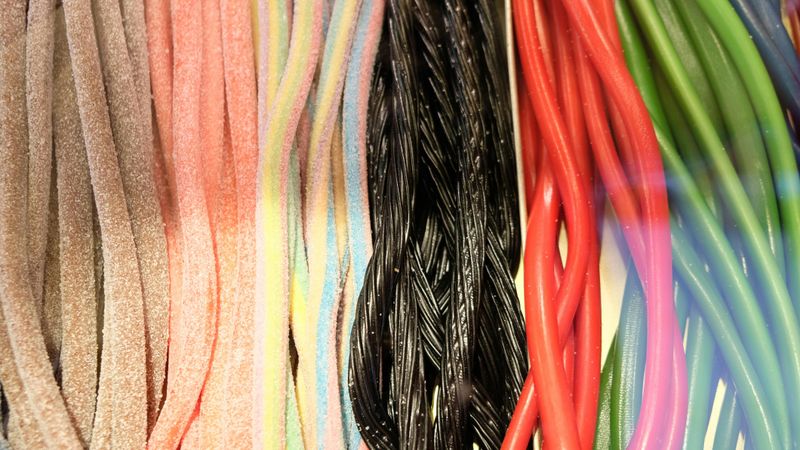
Tasting like medicine mixed with rubber, black licorice was the candy that nobody wanted from the Halloween haul.
Its anise flavor seemed designed specifically to punish children who dared reach into the wrong candy bowl.
Fancy varieties from Finland and the Netherlands prove that quality ingredients make a difference, though this remains the most divisive candy on earth with passionate lovers and equally passionate haters.