12 Foods The British Royals Absolutely Avoid
Ever wonder what’s missing from the Queen’s dinner plate?
The British royal family follows strict food rules that go beyond fancy manners and gold-plated forks.
From avoiding certain meats to saying no to popular snacks, these dietary choices help protect their health and keep them ready for public duties.
1. Shellfish
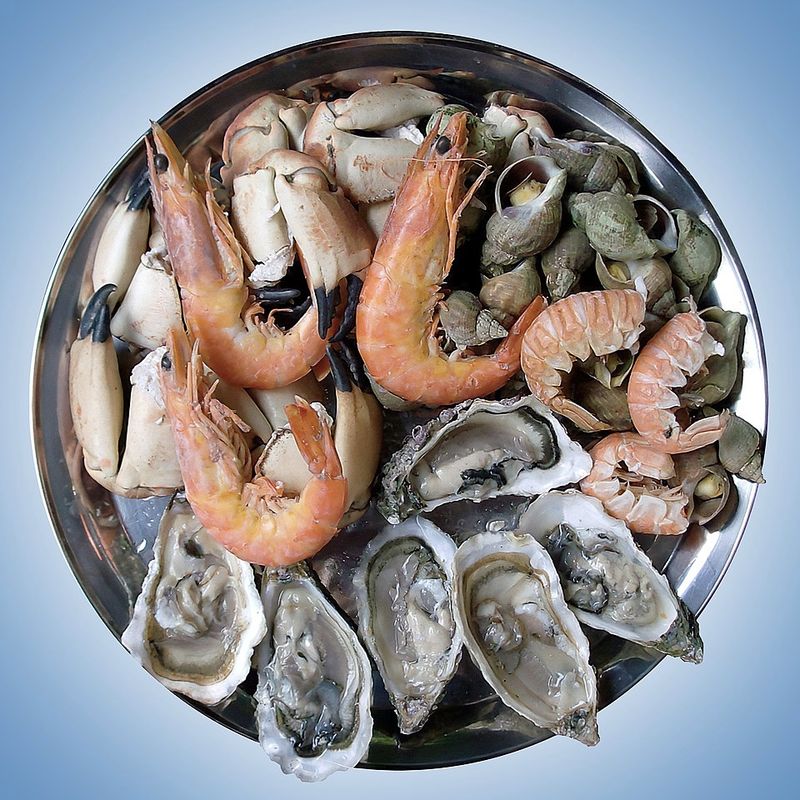
Oysters, clams, and prawns might be delicious, but they’re basically forbidden at royal banquets.
One bad mussel could mean a royal emergency, especially when traveling abroad.
Food poisoning doesn’t care if you’re wearing a crown, and missing official duties because of dodgy seafood?
Not exactly the best look.
So the palace kitchens play it safe and skip the shellfish entirely, keeping tummies happy and schedules on track.
2. Spicy Foods
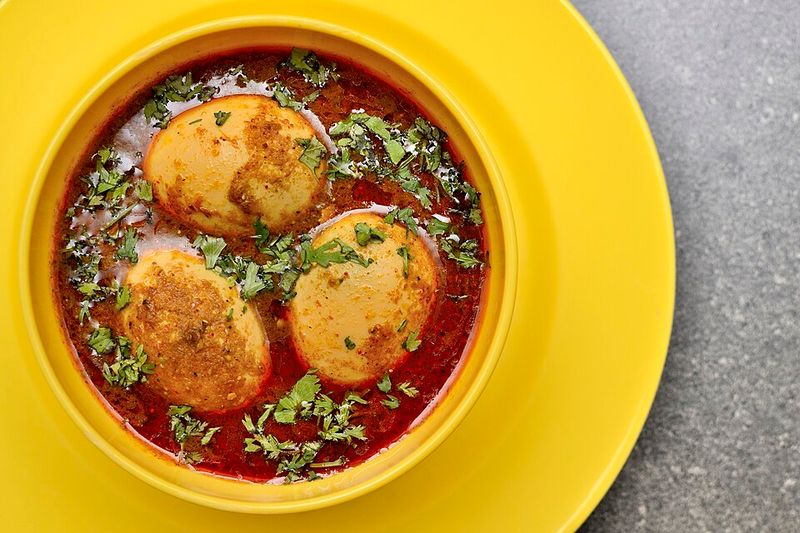
Imagine sweating through a royal speech because your curry was too hot.
Yikes!
That’s why fiery dishes get the boot before big events.
Extreme spice can cause sweating, indigestion, or worse—stomach troubles mid-ceremony.
Royal chefs stick to mild, balanced flavors that won’t surprise anyone’s system.
Nobody wants to see a prince fanning his mouth during a ribbon-cutting, right?
Comfort over kick, always.
3. Rare and Undercooked Meats
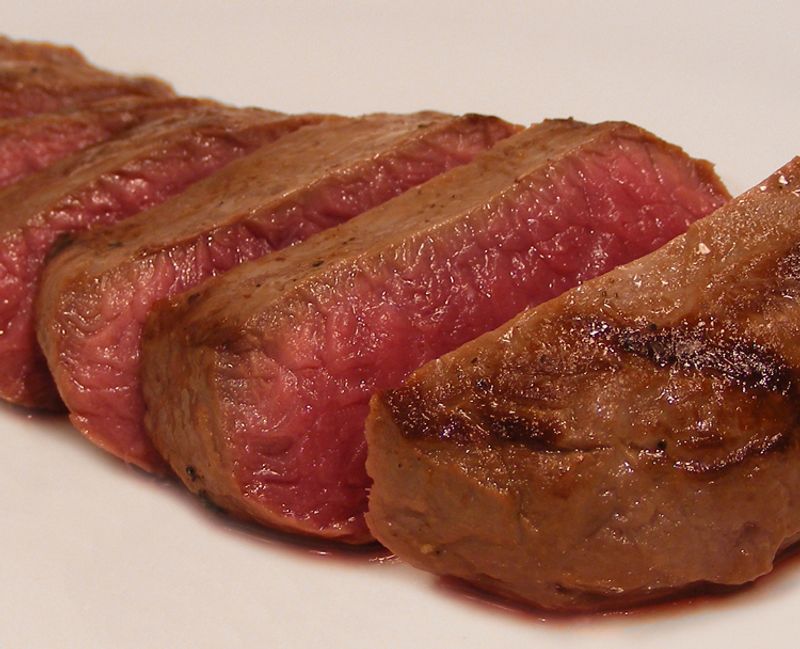
Steak tartare and rare beef might look fancy, but royals won’t touch them.
Food safety trumps trendy cuisine every single time.
Undercooked meat increases the risk of nasty foodborne illnesses, especially when dining abroad in unfamiliar kitchens.
Well-done is the way to go.
A sick royal means canceled events and worried headlines.
Better to overcook than to risk a royal disaster, wouldn’t you say?
4. Garlic-Heavy Dishes
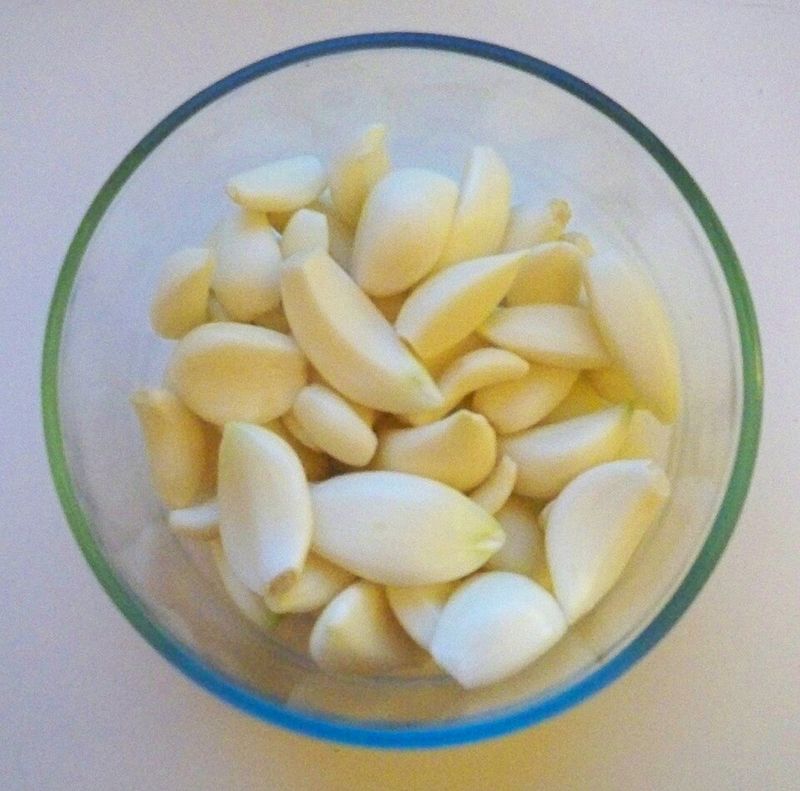
Garlic breath at a royal handshake?
Hard pass.
While garlic isn’t totally banned, it’s seriously limited before public appearances.
Strong odors can linger for hours, making conversations awkward and uncomfortable.
Royal meals are designed to be socially neutral—no overpowering aromas allowed.
Plus, garlic can upset digestion during long days packed with duties.
Keep it subtle, keep it classy.
5. Overly Rich, Creamy Sauces
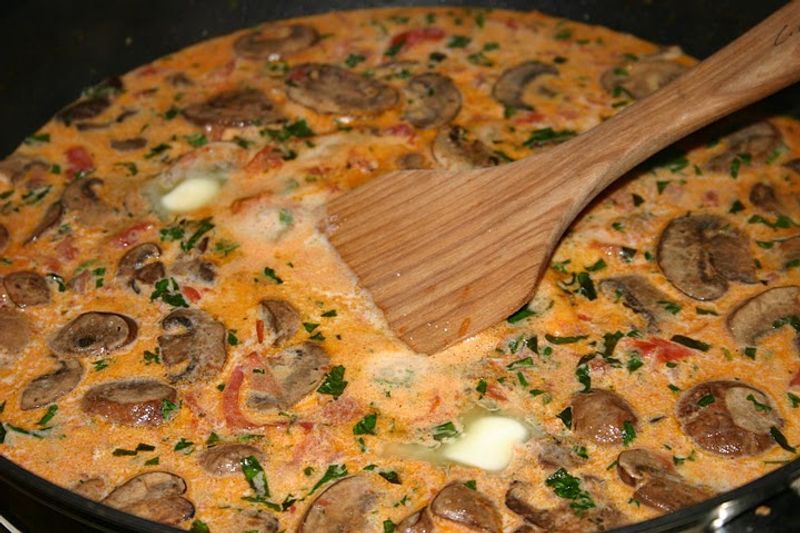
Heavy cream sauces sound delicious, but they can leave you feeling sluggish and bloated.
Not ideal when you’ve got hours of standing, smiling, and waving ahead.
Royal chefs prefer light, seasonal dishes that digest easily.
Rich foods slow you down, and royals need energy that lasts all day.
Think fresh ingredients and balanced meals instead of butter-heavy indulgence.
Comfort matters more than decadence.
6. Raw Eggs
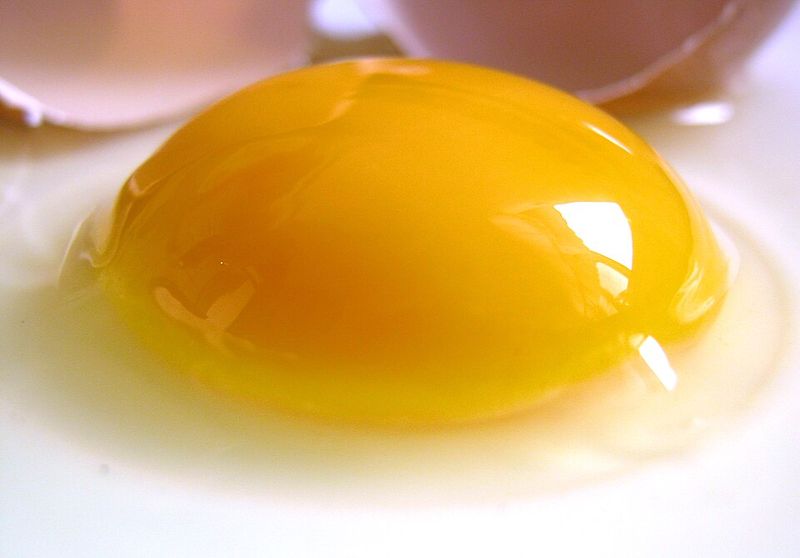
Caesar dressing, homemade mayo, and certain desserts rely on raw eggs—and royals skip them all.
Salmonella is a real threat, and no one wants a royal food scare.
Palace kitchens prioritize safety above all else, so eggs are always fully cooked.
Predictable, safe meals mean fewer health risks.
Raw eggs might be trendy in some recipes, but for the royals?
Not worth the gamble.
7. Foie Gras
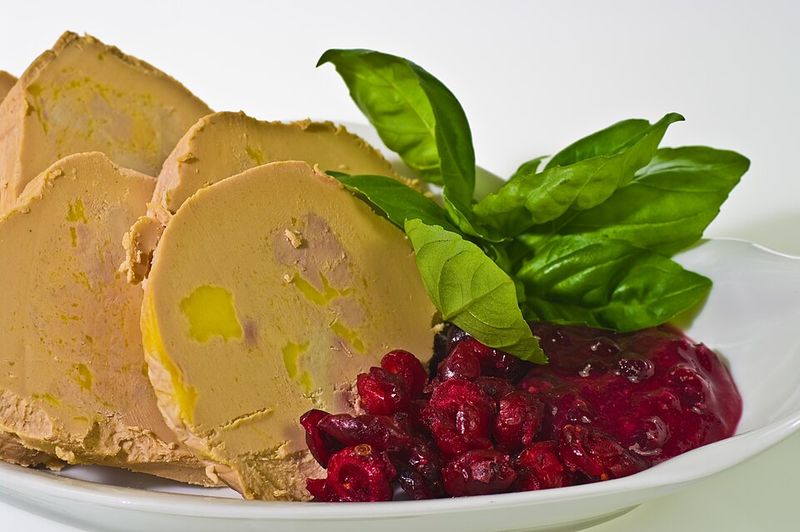
King Charles III officially banned foie gras from all royal residences.
Why?
Animal welfare concerns.
The production process involves force-feeding ducks and geese, which doesn’t align with modern ethical eating standards.
This move reflects a bigger shift toward compassionate, responsible food choices within the royal household.
Luxury doesn’t have to mean cruelty, and the King made that crystal clear.
Respect for animals matters.
8. Fast Food and Processed Snacks
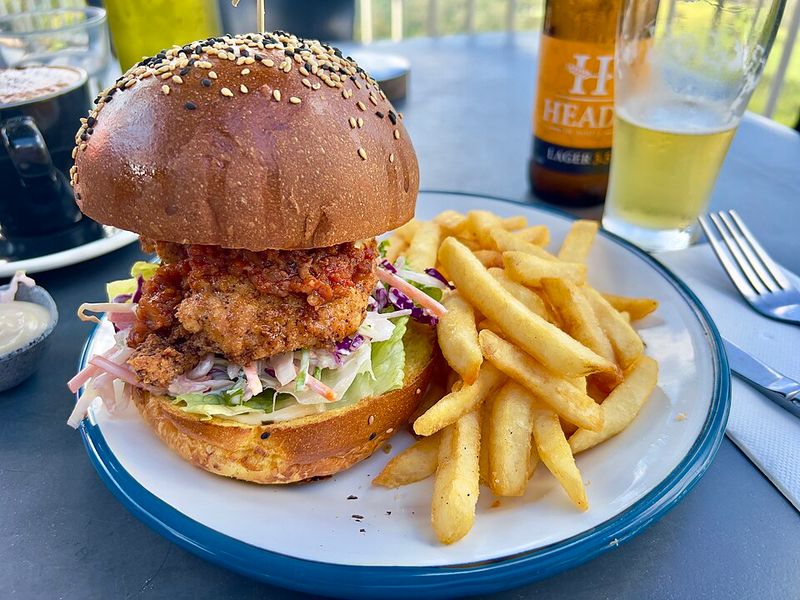
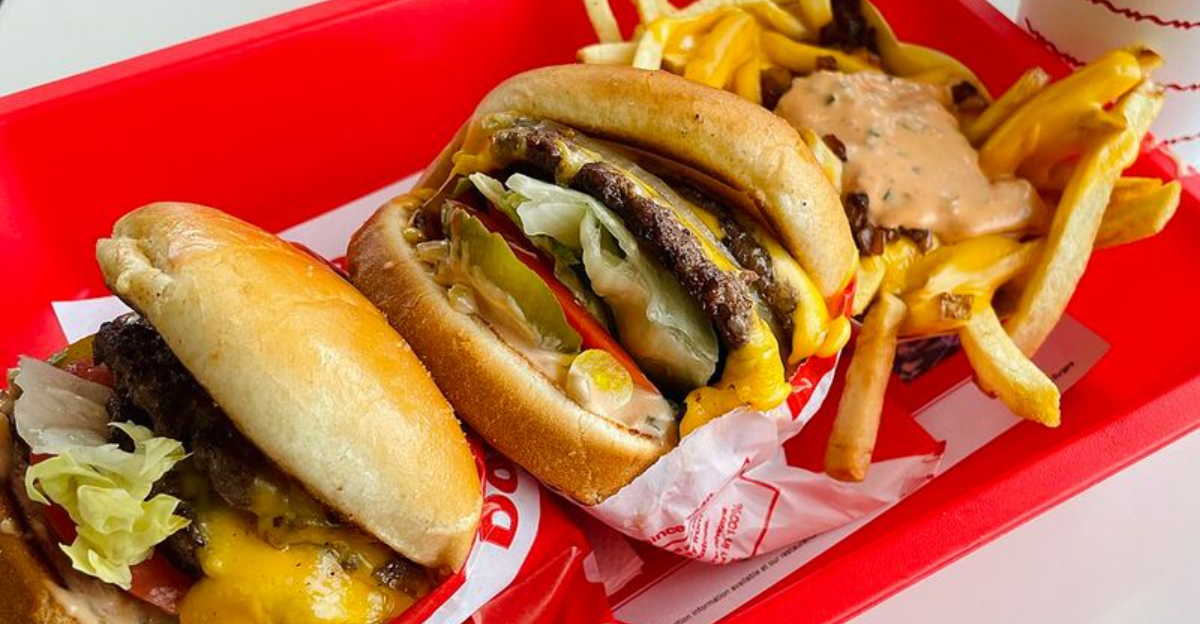
Burgers, fries, and packaged chips?
Not on the royal menu.
The palace prioritizes fresh, locally sourced ingredients over convenience foods.
Fast food is loaded with salt, sugar, and artificial ingredients that don’t support long-term health.
Royal kitchens embrace simplicity and balance, crafting meals that nourish rather than just fill.
Quality over speed, always.
No drive-thru runs for this family!
9. Tap Water While Traveling
When royals travel internationally, tap water stays off-limits.
Different countries have different water quality standards, and getting sick from contaminated water could derail an entire tour.
Bottled water is the safe choice.
It’s a simple precaution that prevents major health issues.
Even brushing teeth might involve bottled water in certain destinations.
Better cautious than sorry, especially when representing an entire nation abroad.
10. Potatoes with Skin On
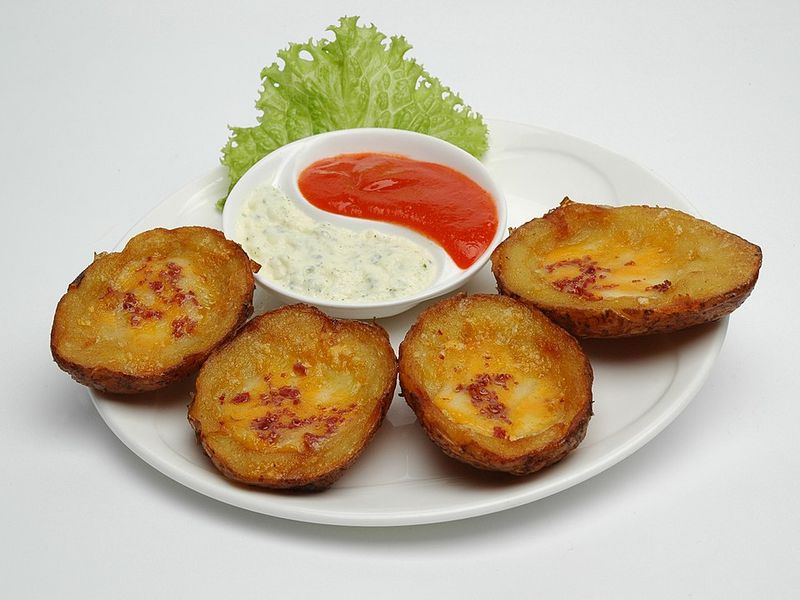
Believe it or not, the Queen reportedly preferred her potatoes peeled.
Skins were seen as too rustic for formal royal dining.
While this might sound picky, it’s all about maintaining a certain level of refinement and presentation.
Mashed, roasted, or boiled—peeled is the rule.
It’s a small detail, but royal meals are carefully curated down to the tiniest tradition.
Elegance in every bite.
11. Wedge-Shaped Sandwiches
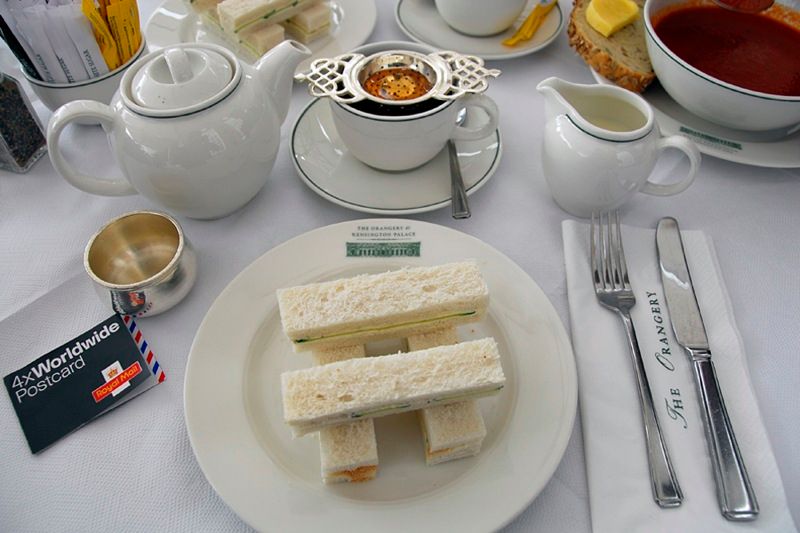
Triangles are out; rectangles are in.
At royal tea parties, sandwiches must be cut into neat rectangles or small squares.
Wedge shapes are considered less elegant and harder to eat politely.
This quirky rule shows just how detailed royal etiquette can get.
Even sandwich geometry matters!
It’s all about maintaining grace and order, bite by dainty bite.
Who knew shapes could be so important?
12. Pasta as a Main Course
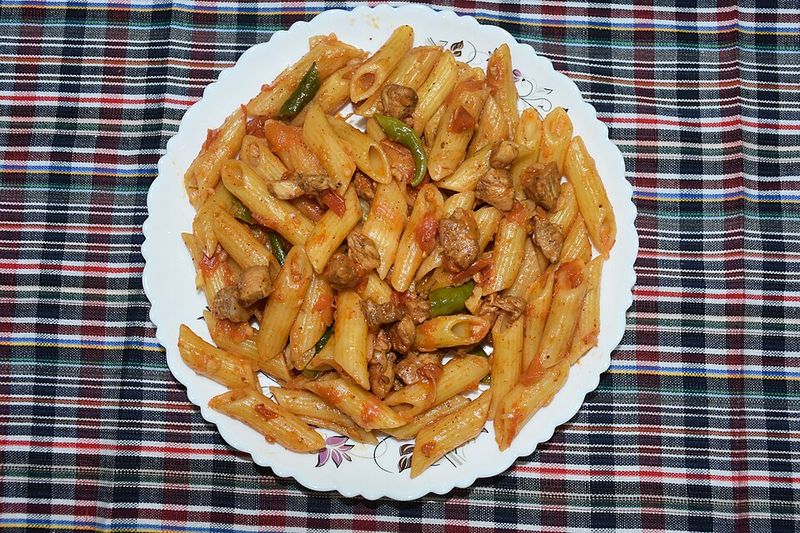
Pasta rarely takes center stage at royal dinners.
It’s considered too casual and filling for formal occasions.
Plus, eating pasta elegantly can be tricky—nobody wants spaghetti mishaps during a state banquet.
When pasta does appear, it’s usually a small side dish, not the star.
Royal meals favor protein and vegetables instead.
Tradition and practicality win again.
Save the spaghetti for home!