15 Foods With Magnesium Levels That Rival Dark Chocolate
Most people think dark chocolate is the gold standard for magnesium – and honestly, it deserves some credit, packing about 64 mg per ounce.
But here’s the twist: plenty of everyday foods are quietly out-magnesium-ing chocolate without anyone making a big deal about it.
From seeds you sprinkle on your smoothie to the humble baked potato, these magnesium powerhouses deserve a spotlight!
Get ready to meet 15 foods that are seriously stepping up their mineral game.
Disclaimer: This article is intended for general informational and entertainment purposes only. Nutritional information can vary by source, serving size, and preparation method, and nothing in this content should be taken as medical, dietary, or health advice.
1. Pumpkin Seeds (Hulled, Roasted) — 156 mg per ounce
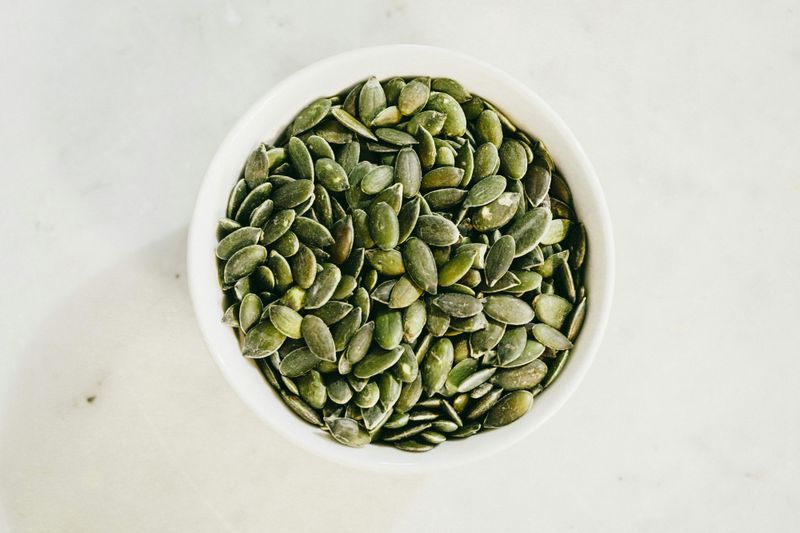
Move over, chocolate – pumpkin seeds just showed up and they are not playing around.
A single ounce of these crunchy little guys delivers a jaw-dropping 156 mg of magnesium, more than double what dark chocolate offers.
That is wild for something you probably toss on a salad without a second thought.
Roasted pumpkin seeds make an incredibly easy snack. Toss them on yogurt, mix them into trail mix, or eat them straight from the bag.
No judgment here – your body will absolutely thank you for it.
2. Chia Seeds — 111 mg per ounce
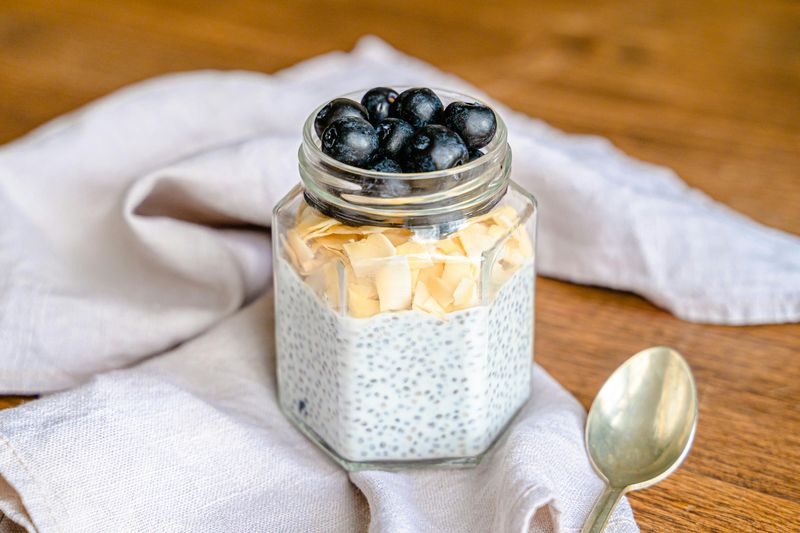
Tiny but absolutely ruthless in the nutrition department, chia seeds pack 111 mg of magnesium into just one ounce.
These little specks have been a staple food in Mesoamerica for thousands of years – the Aztecs were basically chia seed fanatics long before wellness influencers made it trendy.
The best part? Chia seeds are ridiculously easy to use.
Stir them into overnight oats, blend them into smoothies, or make chia pudding by soaking them in almond milk overnight.
They absorb liquid and turn into a satisfying, gel-like texture that actually keeps you full.
3. Almonds (Dry Roasted) — 80 mg per ounce
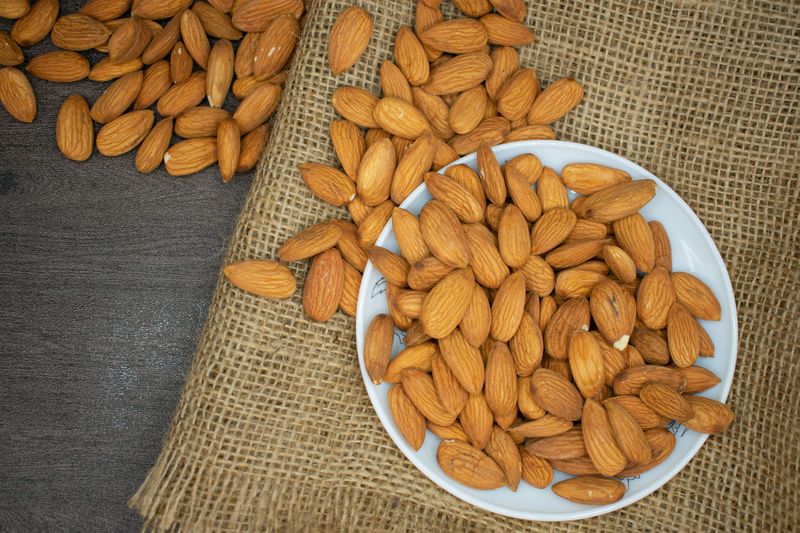
Almonds are basically the overachievers of the nut world. Dry roasted, they deliver around 80 mg of magnesium per ounce – that is roughly 23 almonds, which is a totally satisfying snack-sized handful.
Plus, they bring protein, healthy fats, and vitamin E to the party, so you are getting a lot done in one small crunch.
Keep a small bag of almonds in your backpack or desk drawer for an easy grab-and-go option.
They are one of those rare snacks that feel indulgent but are genuinely doing your body a solid favor every single time.
4. Spinach (Cooked) — 78 mg per 1/2 cup

Popeye was onto something real!
Cooked spinach is a magnesium powerhouse, offering about 78 mg per half cup – and when you cook a full cup, that number climbs even higher.
Cooking it down concentrates all those nutrients, which means your half cup of cooked spinach started out as a much bigger pile of raw leaves.
Sauteed with garlic and olive oil, spinach transforms into something genuinely delicious. Add it to pasta, scrambled eggs, or grain bowls for an easy magnesium boost that barely takes five minutes to prepare.
5. Cashews (Dry Roasted) — 74 mg per ounce
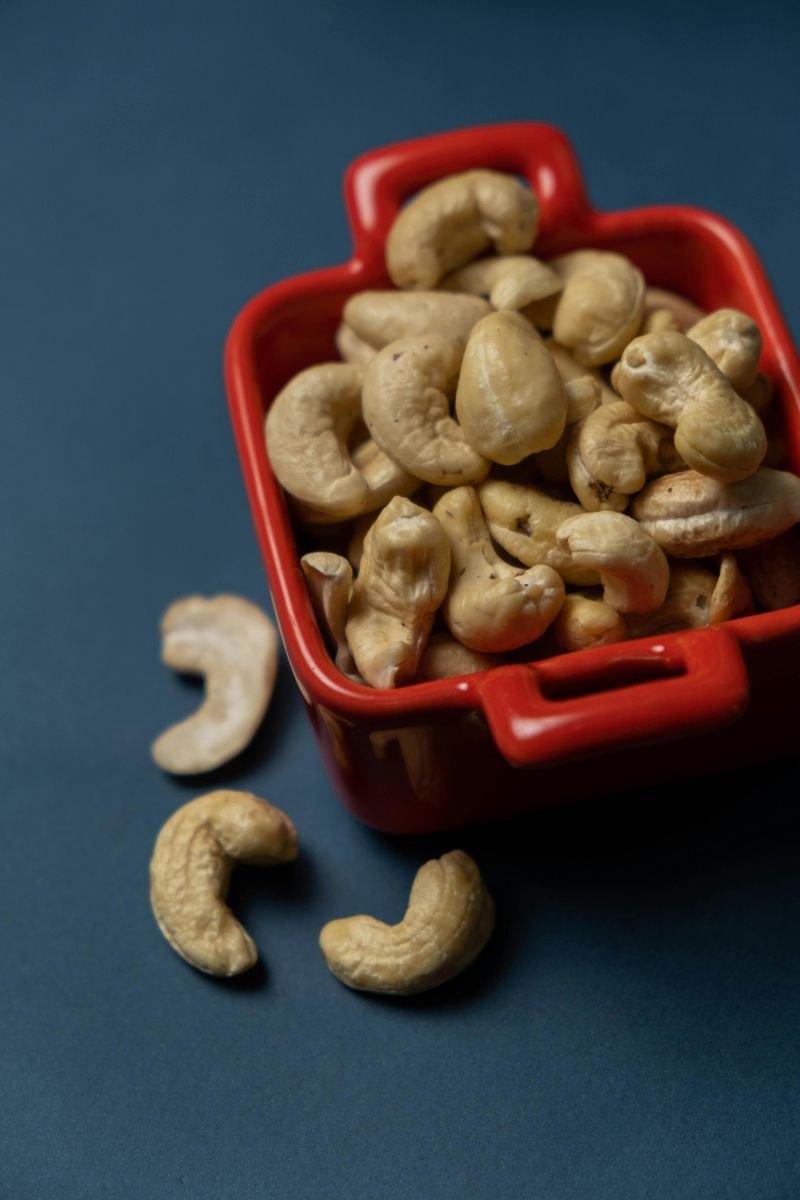
Cashews have this buttery, almost creamy flavor that makes them feel more like a treat than a health food – and yet here they are, delivering 74 mg of magnesium per ounce like total nutrition heroes.
Fun fact: cashews actually grow on the outside of a fruit called the cashew apple. Yes, the nut is technically a seed hanging off the bottom of a tropical fruit. Nature is wild.
Snack on them plain, blend them into cashew cream sauce, or stir them into stir-fries. However you eat them, your magnesium levels are quietly going up, and that is a win.
6. Shredded Wheat Cereal — 61 mg per 2 large biscuits
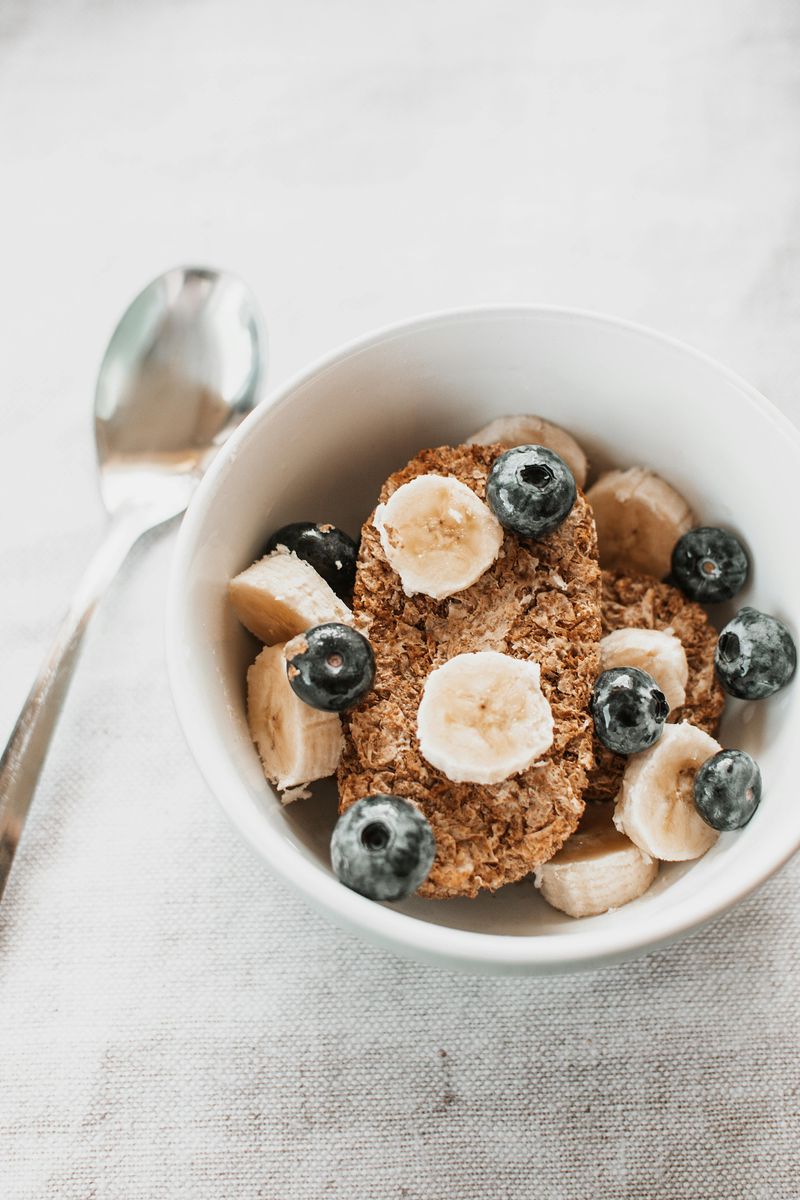
While shredded wheat might not have the flashiest marketing campaign, two large biscuits quietly drop 61 mg of magnesium into your morning before you have even checked your phone.
It is one of those no-nonsense, old-school cereals that has been around forever for a reason – it actually works.
With zero added sugar in the plain version, shredded wheat lets you control what goes on top. Add sliced banana, a drizzle of honey, or some fresh berries.
Pair it with fortified dairy or plant milk and your breakfast is basically a magnesium delivery system disguised as comfort food.
7. Soy Milk (Plain or Vanilla) — 61 mg per cup
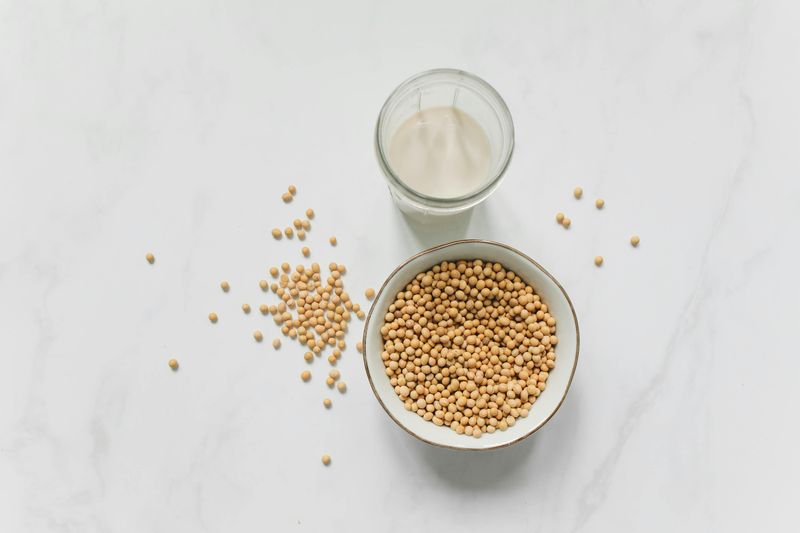
One of the most underrated beverages out there is honestly soy milk.
One cup gives you 61 mg of magnesium, and if you go for a fortified version, you are also stacking up on calcium and vitamin D at the same time.
That is a seriously impressive resume for a drink that costs less than most coffees.
Use it in smoothies, pour it over cereal, or swap it into your morning latte. The vanilla version adds a subtle sweetness that works beautifully in overnight oats.
8. Black Beans (Cooked) — 60 mg per 1/2 cup
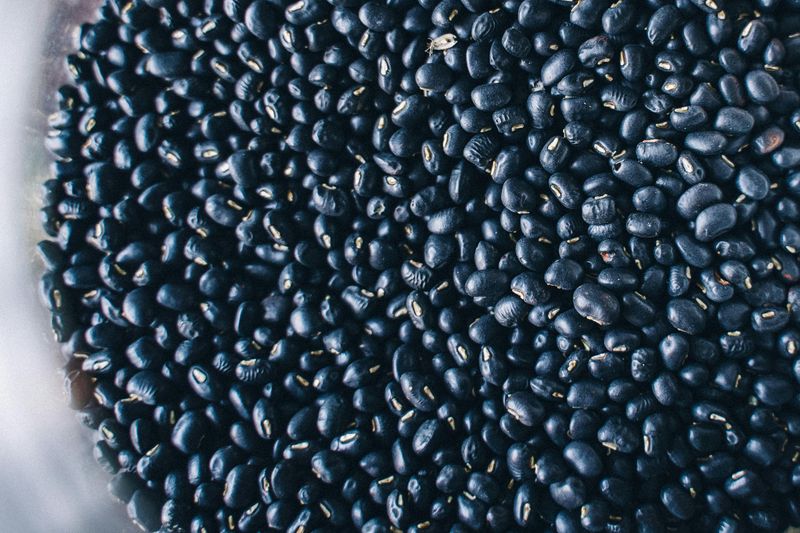
Half a cup of cooked black beans brings 60 mg of magnesium plus a hefty dose of fiber and plant-based protein, making them one of the most nutritionally efficient foods you can put on your plate.
They are also incredibly budget-friendly, which is always a bonus.
Toss them into tacos, mash them into burritos, or blend them into a smoky black bean soup. They absorb whatever flavors you throw at them, making them endlessly versatile.
Honestly, a can of black beans in your pantry is basically an insurance policy for a good meal.
9. Quinoa (Cooked) — 60 mg per 1/2 cup
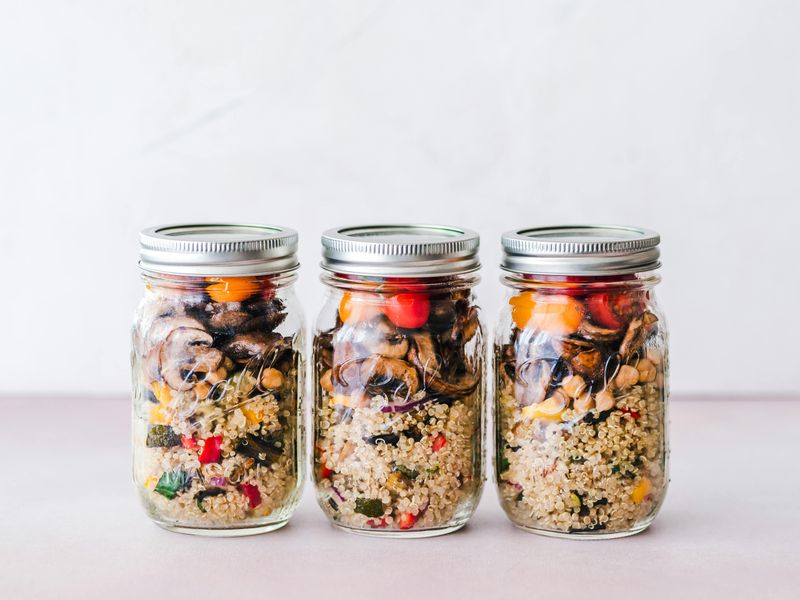
Quinoa is technically a seed pretending to be a grain, and honestly, it is pulling off the disguise perfectly.
Half a cup of cooked quinoa delivers 60 mg of magnesium alongside all nine essential amino acids, making it a complete protein – which is rare for a plant food.
Fitness folks and nutrition nerds have been obsessed with quinoa for years, and for genuinely good reason.
Cook a big batch at the start of the week and use it in salads, grain bowls, or even as a breakfast porridge with cinnamon and fruit.
10. Edamame (Cooked) — 50 mg per 1/2 cup
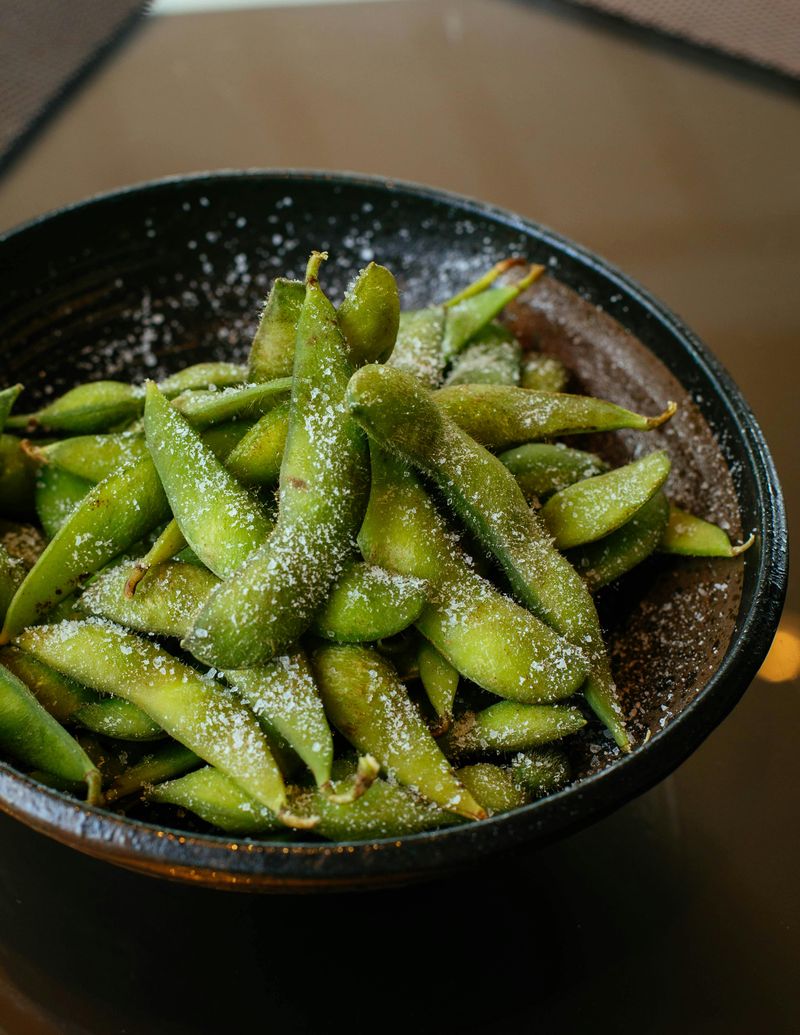
If you have ever sat down at a Japanese restaurant and demolished a bowl of edamame before your sushi even arrived, congratulations – you were magnesium-loading without even knowing it.
Half a cup of cooked edamame gives you 50 mg of magnesium, plus protein and fiber that keep hunger in check for hours.
Edamame is one of those rare snacks that feels fun and satisfying to eat. Pop them from the pod, sprinkle on some sea salt, and you have got a snack that is way more nutritious than chips.
11. Peanuts (Dry Roasted) — 49 mg per ounce
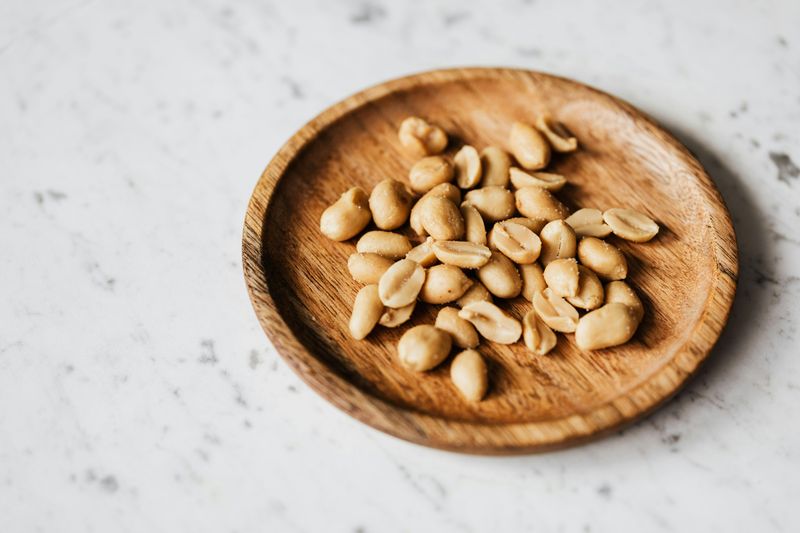
Excellent proof that you do not need to spend a fortune to eat well are peanuts. An ounce of dry roasted peanuts delivers 49 mg of magnesium for literally cents per serving.
Technically a legume (not a true nut), peanuts have been fooling snack bowls everywhere for generations – and nobody is mad about it.
They are great on their own, but also shine when chopped over noodle dishes or blended into sauces. A small handful before a workout gives you a solid energy and magnesium boost.
12. Peanut Butter (Smooth) — 49 mg per 2 tablespoons
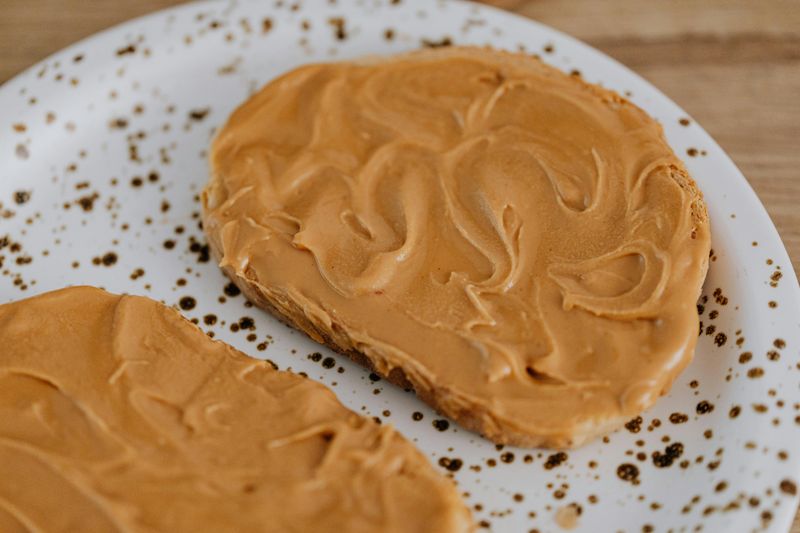
Two tablespoons of smooth peanut butter – which is basically the amount you spread on toast without measuring – gives you 49 mg of magnesium.
That is the same as a handful of peanuts, just in a form that is infinitely more spreadable and honestly more fun to eat.
Go for natural peanut butter with minimal ingredients to avoid unnecessary added sugar. Spread it on whole grain toast, stir it into oatmeal, or blend it into a smoothie.
Your magnesium intake will quietly climb while you enjoy every single bite.
13. Whole-Wheat Bread — 46 mg per 2 slices
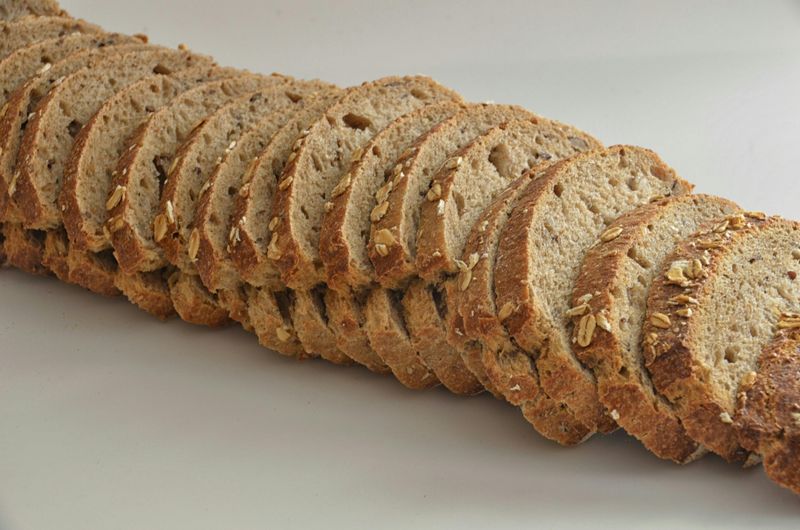
Sandwiches just got a quiet nutritional upgrade. Two slices of whole-wheat bread provide 46 mg of magnesium, plus fiber that helps keep your digestion running smoothly.
Compared to white bread, which strips away most of the good stuff during processing, whole wheat is the clear winner for anyone who wants their lunch to actually work for them.
Swap white bread for whole wheat in your daily sandwiches and you are making an easy, low-effort upgrade that adds up fast over time.
14. Brown Rice (Cooked) — 42-44 mg per 1/2 cup
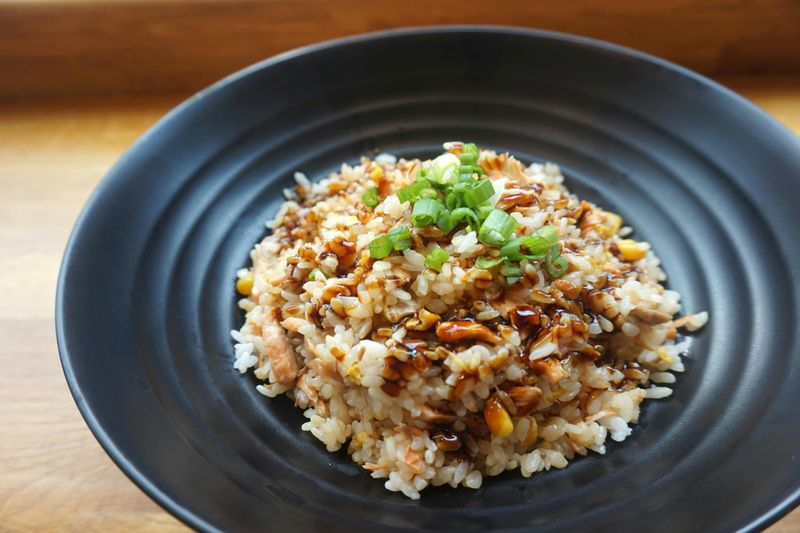
Brown rice gets a bad rap for taking longer to cook, but half a cup of the cooked stuff delivers 42 to 44 mg of magnesium – and that is before you pile anything on top of it.
Unlike white rice, brown rice keeps its bran layer intact, which is exactly where most of the magnesium and fiber live.
Basically, white rice is brown rice that went through a very aggressive spa treatment and lost all its nutrients.
Use brown rice as the base for grain bowls, stir-fries, or meal-prepped lunches throughout the week.
15. Baked Potato With Skin — 43 mg per 3.5 ounces
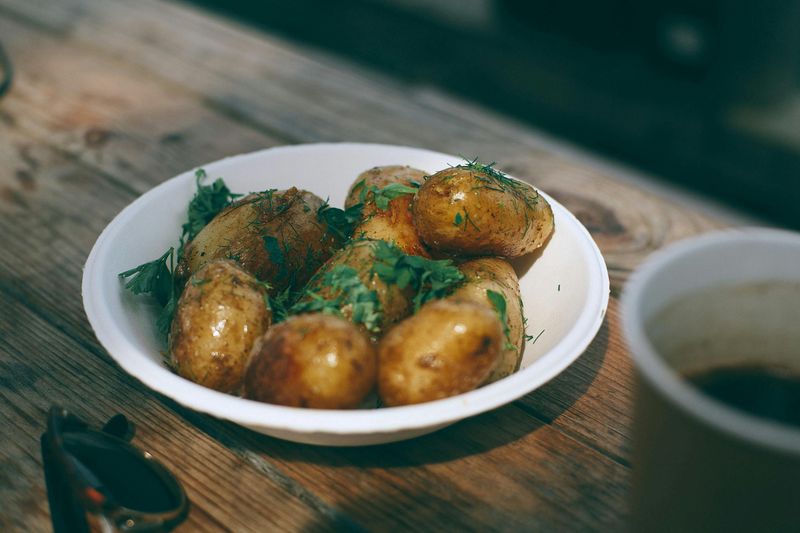
The humble baked potato has been quietly delivering nutrition without getting nearly enough credit.
About 3.5 ounces – which is not even a full large potato – gives you 43 mg of magnesium, and here is the key detail: you absolutely have to eat the skin.
That is where most of the magnesium and potassium hide, so peeling it off is basically throwing away the best part.
Bake a potato, load it up with Greek yogurt instead of sour cream, add some broccoli and shredded cheese, and you have got a surprisingly well-rounded meal.