Forgotten 1960s One Hit Wonders Worth Hearing Again
Forgotten 1960s one hit wonders have a special kind of charm, because they drop you straight into a moment without any warm-up.
One chorus can sound like a jukebox lighting up, and suddenly the whole decade feels close enough to touch. Plenty of those artists never got a second lightning strike, yet the song they left behind still carries a pulse that holds up.
Hearing those tracks now feels like finding a postcard you forgot you kept. Familiar, slightly mysterious, and weirdly emotional for something under three minutes.
1. 96 Tears by ? and the Mysterians
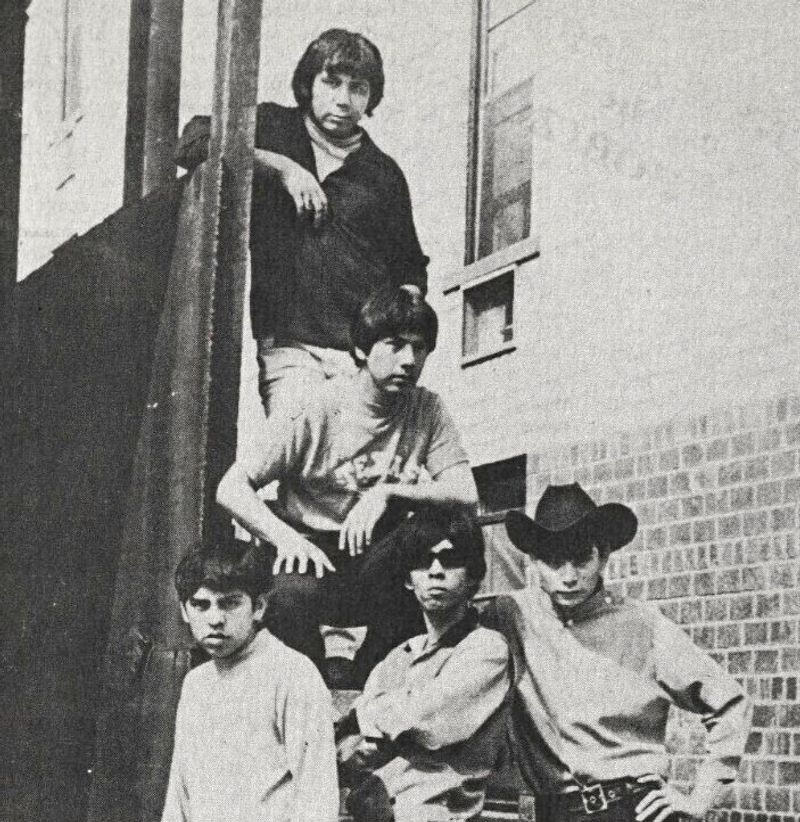
Ever wonder what happens when Mexican-American teenagers from Michigan create pure magic with an organ riff?
Question Mark and his bandmates crafted a moody masterpiece that sounds like heartbreak mixed with teenage rebellion.
The Vox Continental organ wails through every note, creating an atmosphere so thick you could cut it with a guitar pick. Hitting number one in 1966, this track practically invented garage rock’s darker side.
The lead singer adopted a question mark as his actual name, which is either brilliantly mysterious or delightfully weird (probably both).
2. Dominique by The Singing Nun
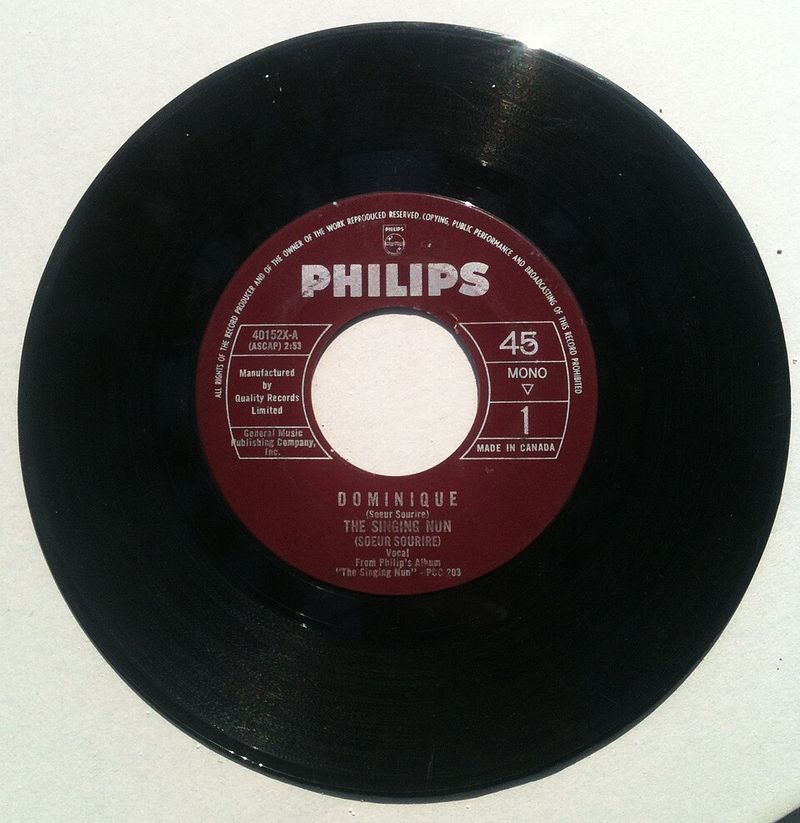
How often does a Belgian nun singing in French about a 13th-century saint top the American charts? Sister Luc-Gabrielle, known professionally as The Singing Nun, accomplished exactly that miracle in 1963.
Her gentle acoustic guitar accompaniment and serene vocals created something so pure that even non-religious listeners couldn’t resist its charm.
The song honors Saint Dominic, founder of the Dominican Order, but you don’t need theology class to appreciate its sweetness.
Tragically, Sister Luc-Gabrielle’s later life took difficult turns, making this moment of innocent joy even more precious in retrospect.
3. Green Tambourine by The Lemon Pipers
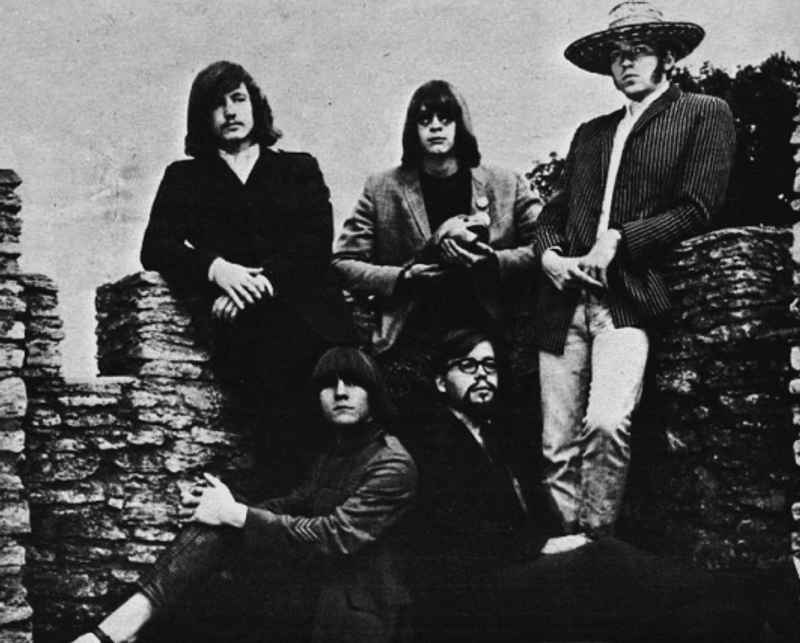
What happens when you mix bubblegum pop with psychedelic experimentation? You get a tambourine that somehow turns green and tops the charts!
The Lemon Pipers created this infectious earworm in 1967, and honestly, try getting that chorus out of your head once it starts bouncing around in there.
The band hated being labeled bubblegum, wanting to be taken seriously as psychedelic artists.
However, this sugary-sweet track with its jangly percussion became their golden ticket, even if it wasn’t exactly the artistic statement they envisioned for themselves.
4. Time of the Season by The Zombies
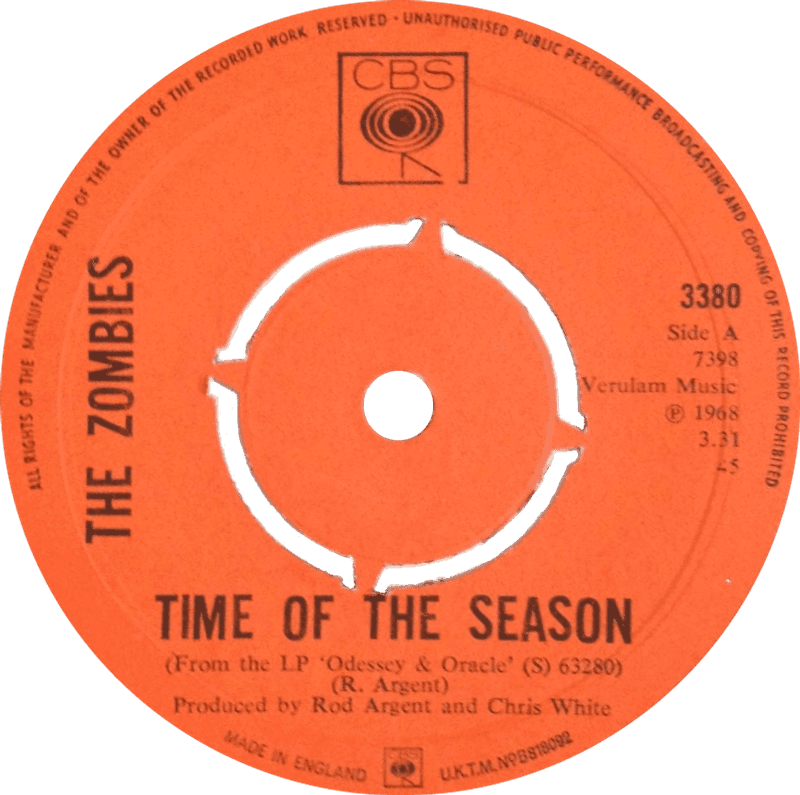
Sometimes the greatest songs succeed after their creators have already called it quits.
The Zombies had disbanded before this smoky, sensual track from their Odessey and Oracle album became a massive hit in 1968.
Rod Argent’s distinctive keyboard work combined with Colin Blunstone’s breathy vocals created something that still sounds impossibly cool decades later.
The song’s lyrics raised eyebrows back then, but that edge helped it stand out from safer pop fare.
Though technically not their only hit, this remained their biggest American success, arriving fashionably late to their own party.
5. Wipe Out by The Surfaris
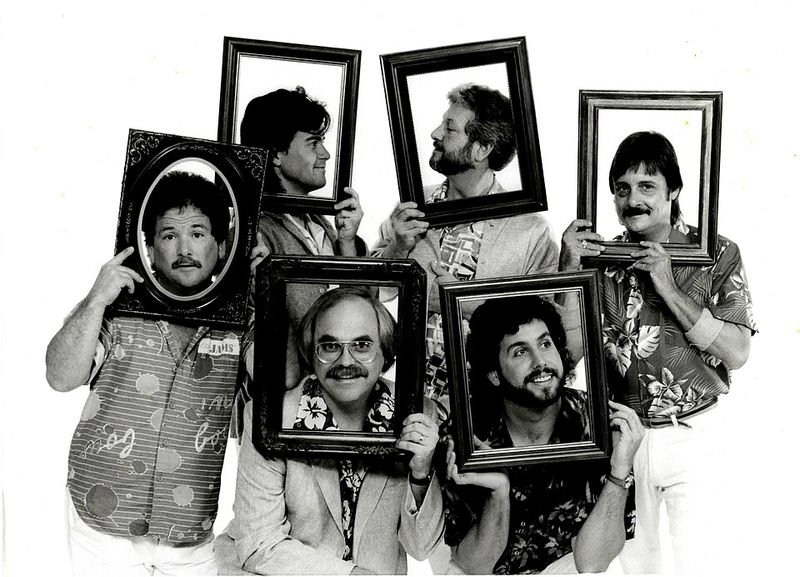
Before video games had epic soundtracks, drummers were proving their skills with this absolutely bonkers instrumental.
The Surfaris unleashed this percussion powerhouse in 1963, featuring a drum solo so legendary that every garage band since has attempted (and mostly failed) to replicate it.
That wild laugh at the beginning? Pure teenage genius captured on tape.
Recorded when the band members were literally teenagers, this track became the ultimate test for aspiring drummers everywhere.
6. Incense and Peppermints by Strawberry Alarm Clock
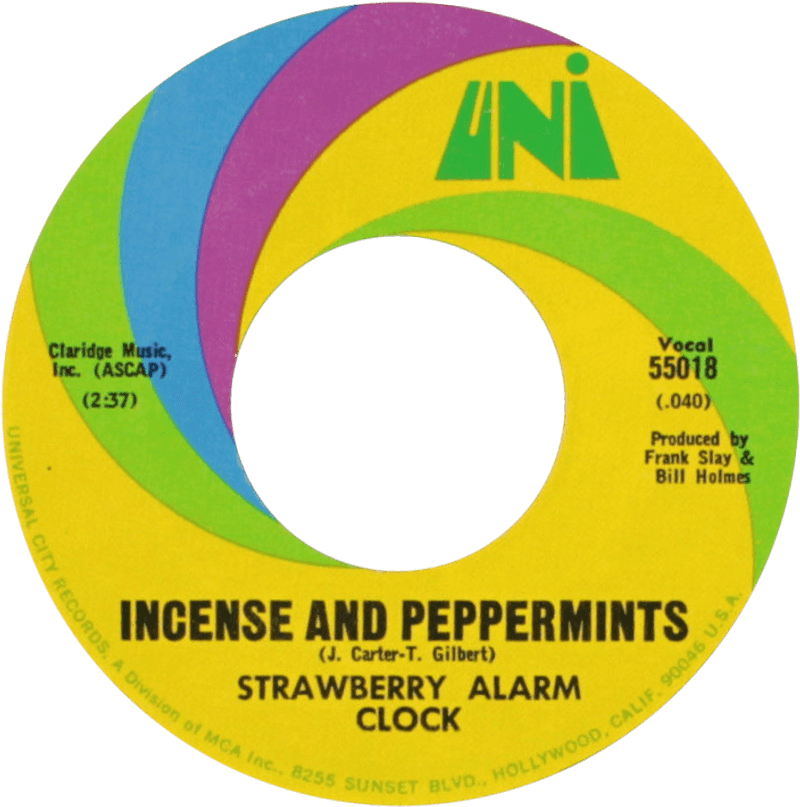
If psychedelic rock had a smell, it would probably be exactly what this title suggests.
Strawberry Alarm Clock burst onto the scene in 1967 with this kaleidoscopic explosion of sound that perfectly captured the Summer of Love’s trippy essence.
The band’s name alone tells you everything about that gloriously weird era when creativity ran absolutely wild.
Fun fact: the lead vocals on this track weren’t even performed by the band’s regular singer!
Session musician Greg Munford handled those duties, yet the Strawberry Alarm Clock still claimed this psychedelic masterpiece as their shining moment.
7. Harper Valley P.T.A. by Jeannie C. Riley
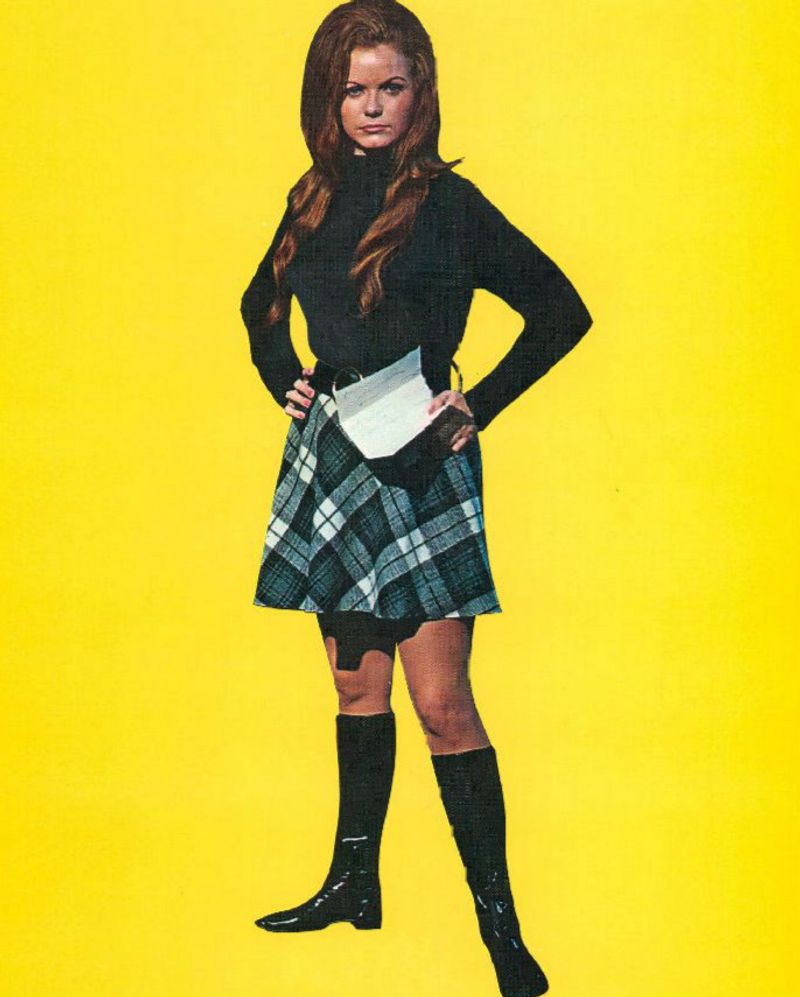
Talk about calling out hypocrisy with style! Jeannie C. Riley’s sassy 1968 narrative about a widow confronting judgmental PTA members became an instant cultural phenomenon.
The song tells a complete story with characters, conflict, and a satisfying resolution where the supposed town scandals get their comeuppance.
This track crossed over from country to pop effortlessly, topping both charts simultaneously.
It even spawned a movie and TV series, proving that sometimes the best revenge is a catchy three-minute country-pop masterpiece!
8. Snoopy vs. the Red Baron by The Royal Guardsmen
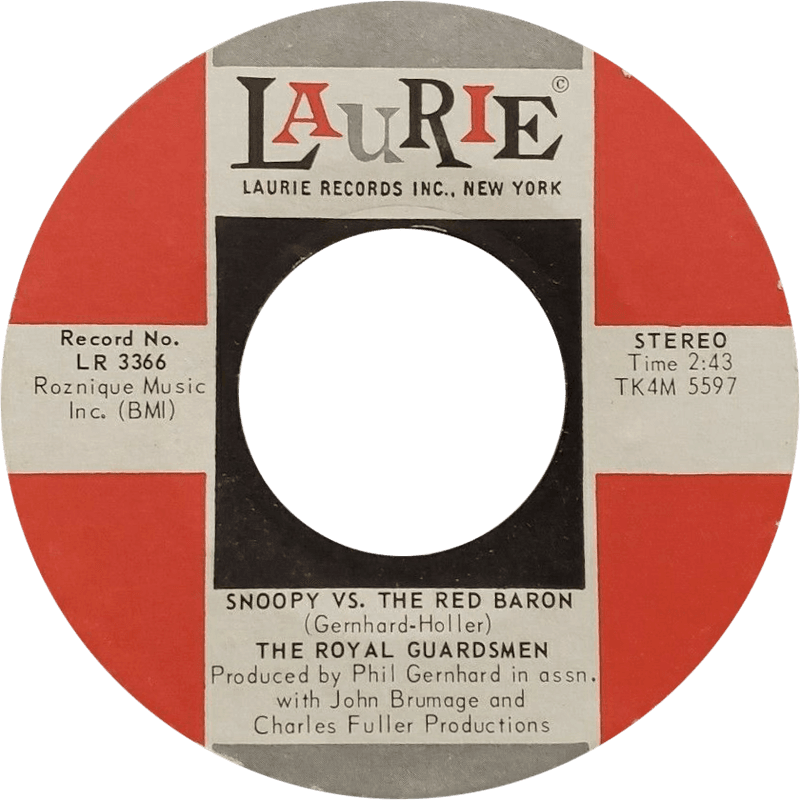
Who knew that Charles Schulz’s beagle fighting imaginary aerial battles could inspire a legitimate rock hit?
The Royal Guardsmen took Snoopy’s fantasy sequences and transformed them into this wildly entertaining 1966 novelty song that somehow worked perfectly.
The sound effects, the storytelling, the sheer absurdity of it all combined into something genuinely catchy and fun.
Schulz initially wasn’t thrilled about the unauthorized use of his character, but the song’s popularity eventually won him over.
9. Build Me Up Buttercup by The Foundations
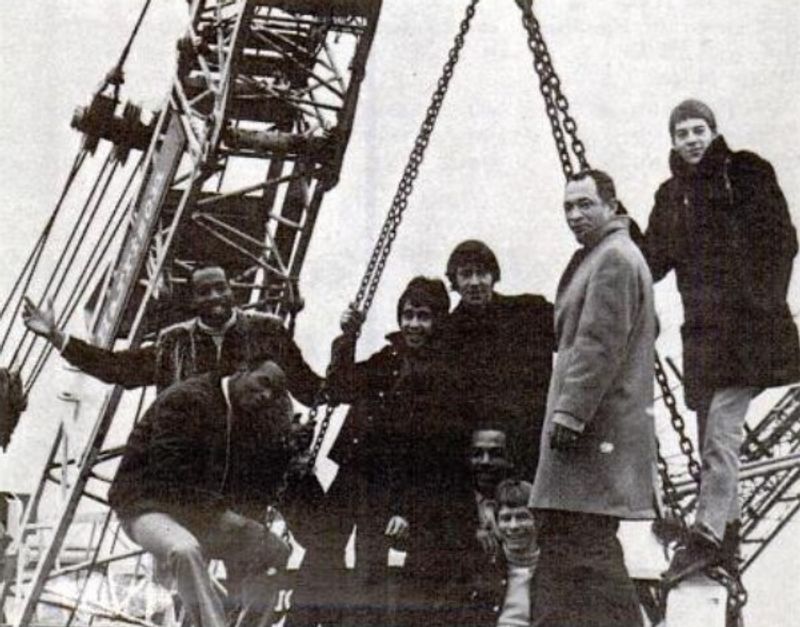
This 1968 confection sounds so sweet you might get a toothache, yet it’s actually about romantic frustration!
The Foundations, a multiracial British group, delivered this irresistibly bouncy complaint about an unreliable lover with such cheerful energy that you almost miss the pain underneath.
Those horn stabs, that bass line, and Colin Young’s pleading vocals combined into something that weddings and oldies stations still can’t resist.
The song’s writers, Tony Macaulay and Mike d’Abo, crafted pop perfection that transcended its era.
10. Grazing in the Grass by Hugh Masekela
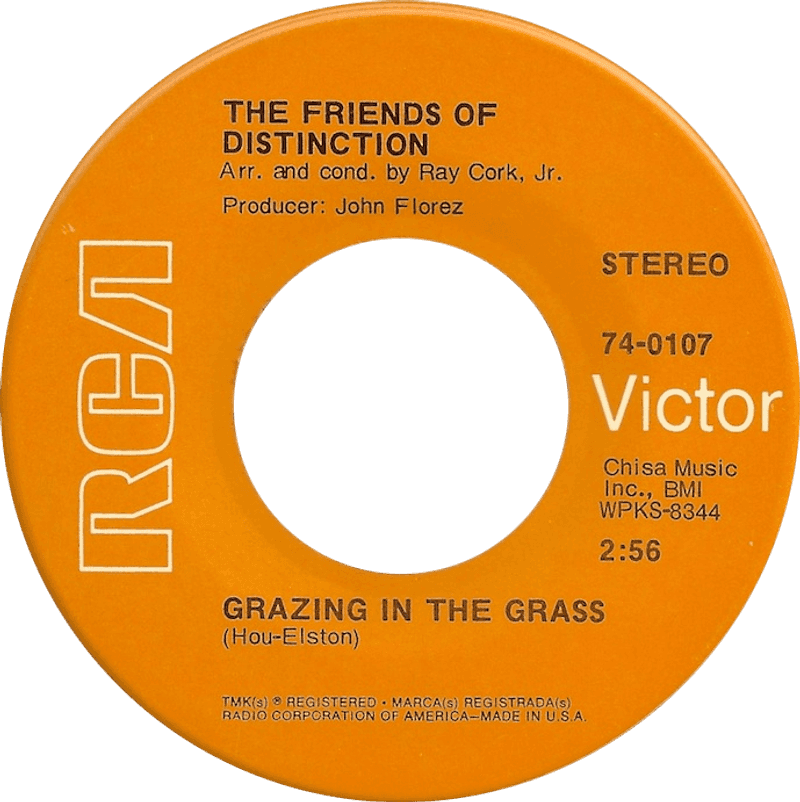
When South African jazz legend Hugh Masekela’s trumpet started grazing through this instrumental meadow, nobody could resist moving their feet.
This 1968 number one hit showed that you don’t need words when your horn speaks this fluently.
Masekela was already a respected jazz artist before this pop breakthrough, and he’d continue making important music for decades.
However, this remains his most commercially successful moment, introducing millions to his incredible talent through three minutes of pure joy.
11. Kind of a Drag by The Buckinghams
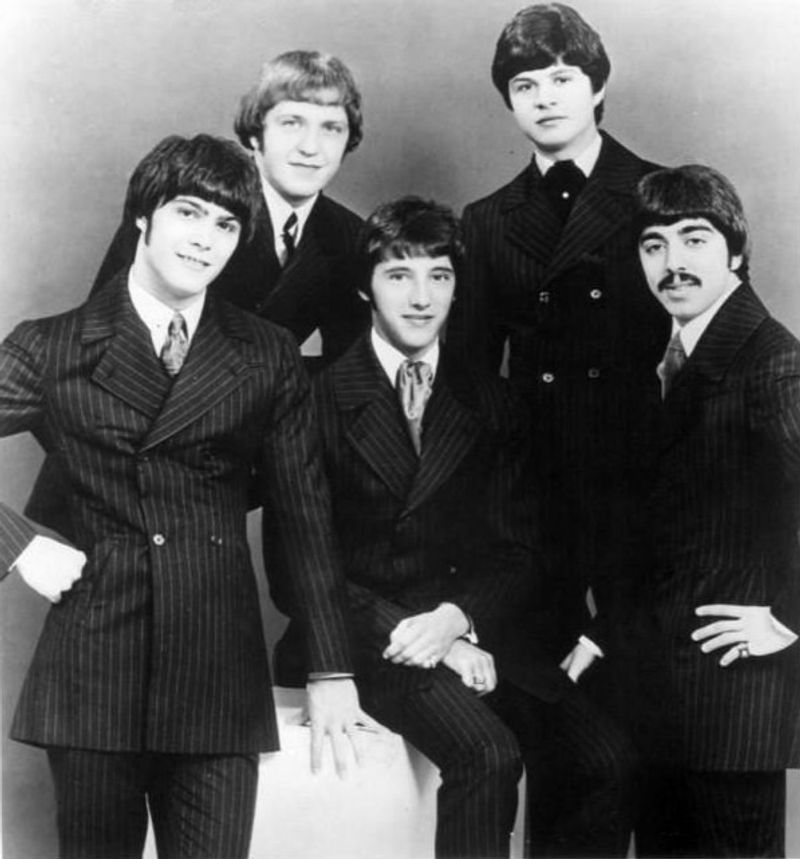
Chicago’s Buckinghams started as a garage band before this polished 1967 number one hit transformed them into genuine stars.
The song’s melancholic title contrasts beautifully with its surprisingly upbeat arrangement, creating a sophisticated pop confection that showcased their tight harmonies.
That horn section adds just enough brass to elevate this beyond typical teenage heartbreak territory into something genuinely classy.
Though they’d score several more hits afterward, this remained their biggest chart success.
12. Crimson and Clover by Tommy James and the Shondells
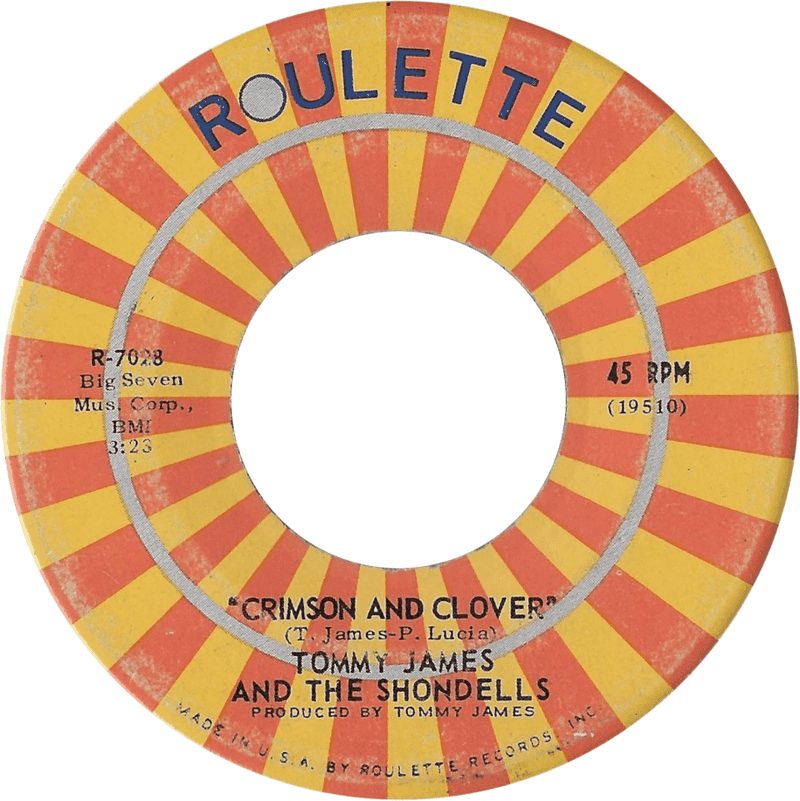
Tommy James stumbled onto these two words because they sounded beautiful together, then built an entire sonic universe around them.
The 1968 track pioneered the use of tremolo effects on vocals, creating that distinctive wobbly sound that makes the chorus feel like a pleasant fever dream.
James essentially invented this song in his head, then figured out how to make those sounds real in the studio.
While Tommy James and the Shondells had multiple hits throughout the sixties, this experimental masterpiece stands as their most innovative and enduring achievement.
13. Angel of the Morning by Merrilee Rush and the Turnabouts
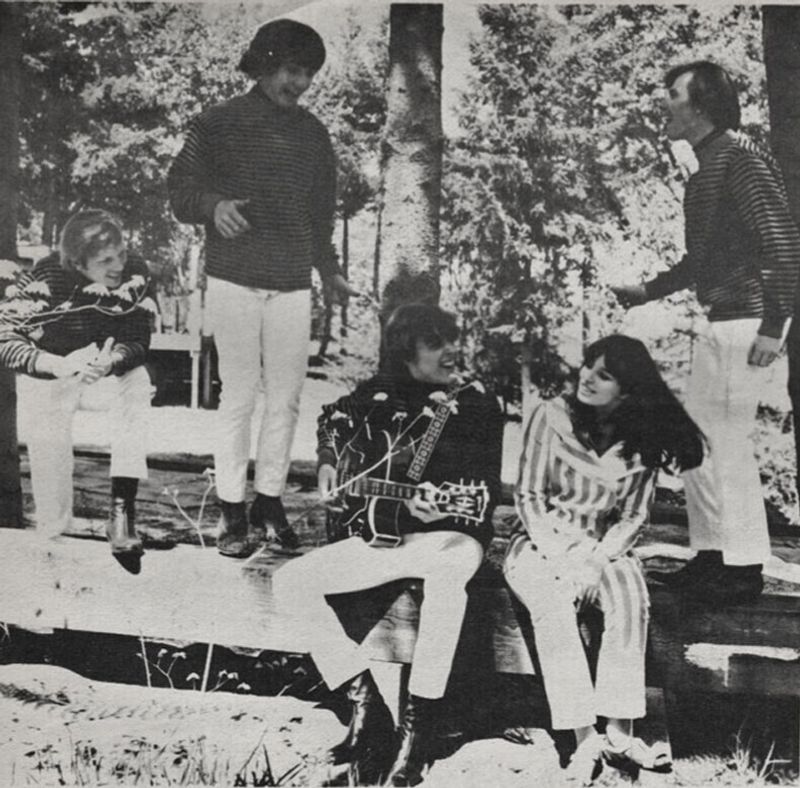
Before countless cover versions, Merrilee Rush delivered the definitive 1968 performance of this sophisticated ballad about adult relationships.
The song’s mature perspective on a one-night encounter was remarkably progressive for its time, handling the subject with dignity and emotional honesty.
Rush’s clear, controlled vocals perfectly captured the bittersweet acceptance in Chip Taylor’s brilliant lyrics, creating something genuinely moving and surprisingly modern.
Though Rush recorded other material, this remained her signature moment and highest chart placement.