13 Forgotten Inventions That Arrived Long Before The World Was Ready
History is full of ideas that showed up too early, like a brilliant guest arriving before the party has even started.
Inventors sketched bold concepts, built working prototypes, and imagined futures that technology, culture, or budgets couldn’t quite support yet.
Looking back, many feel startlingly modern, proof that innovation often runs ahead of the world’s comfort level.
Take a look at thirteen inventions that appeared long before most people were ready to appreciate them.
1. AT&T Picturephone (1960s)
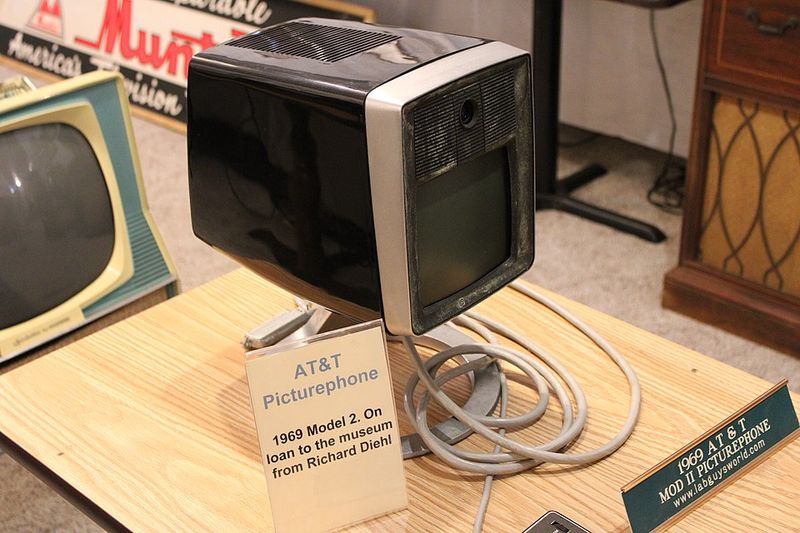
Imagine video calling in the groovy 1960s, complete with bulky screens and hefty price tags.
AT&T rolled out the Picturephone at the 1964 World’s Fair, dazzling crowds with real-time face-to-face conversations across distances.
The problem?
A three-minute call cost around sixteen dollars, and the equipment was massive.
People weren’t ready to pay premium prices just to see each other’s faces.
Fast forward to today, and we video chat for free without a second thought, proving AT&T was just fifty years too early.
2. Mechanical Television Systems by John Logie Baird
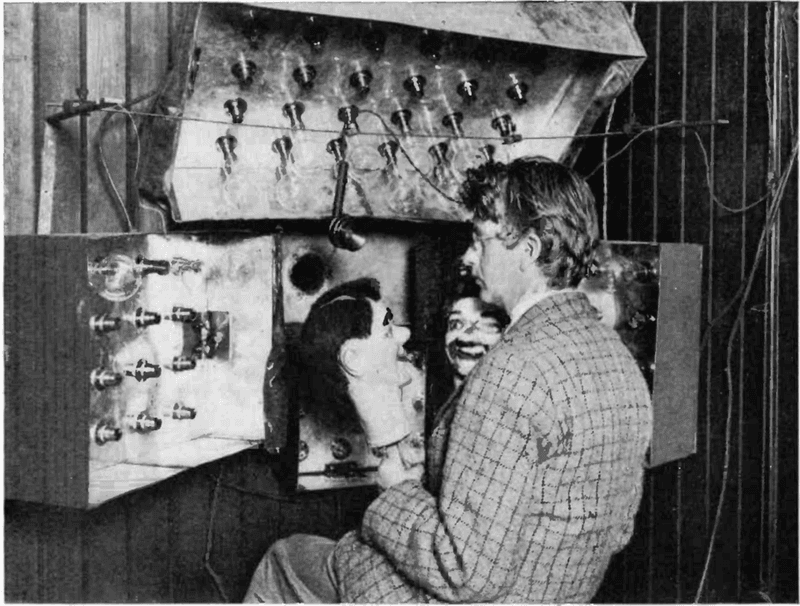
Before flat screens and streaming services, Scottish inventor John Logie Baird built televisions using spinning discs and flickering lights.
His mechanical TV system in the 1920s transmitted grainy, blurry images that barely resembled what we call television today.
Though groundbreaking, the technology couldn’t compete with electronic systems that soon followed.
Baird’s contraptions were clunky and impractical for mass production.
Still, without his wild experiments, Saturday morning cartoons might never have existed, so let’s give the guy some credit!
3. Douglas Engelbart’s 1968 Mother of All Demos
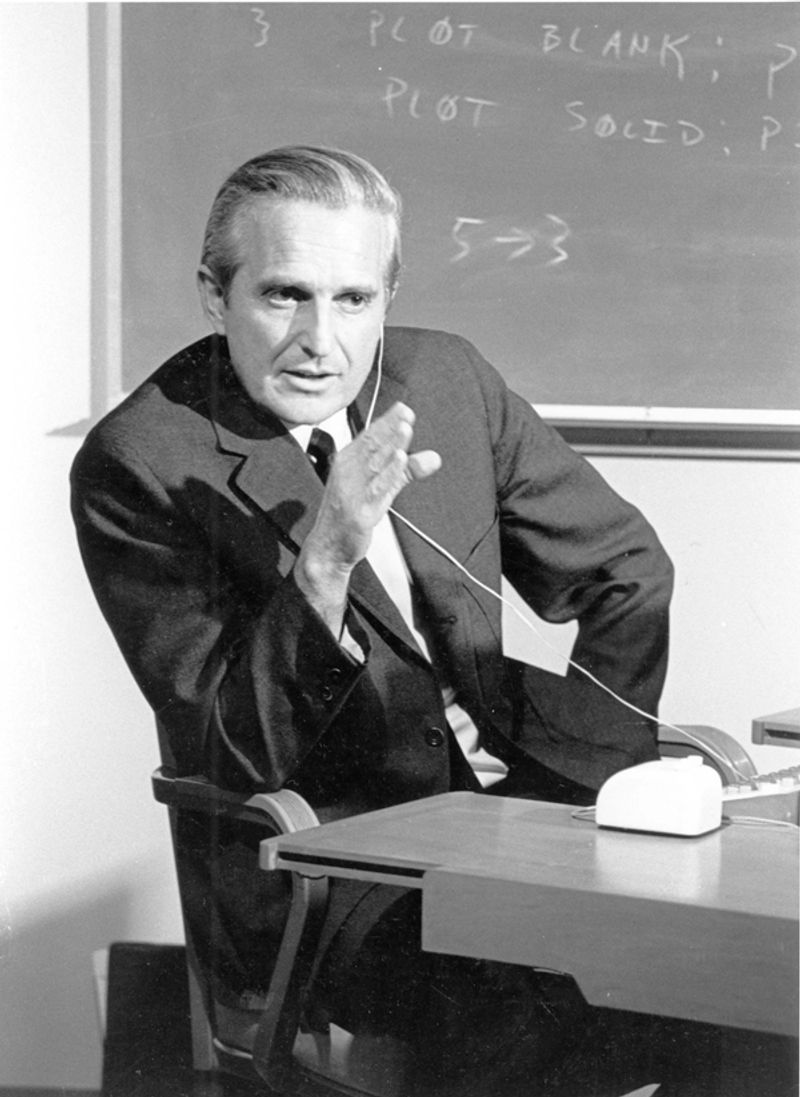
Picture this: 1968, and some guy is showing off a computer mouse, video conferencing, hypertext, and collaborative editing all at once.
Douglas Engelbart’s legendary demo introduced concepts that wouldn’t become mainstream for another thirty years.
Audiences were stunned, but the technology was expensive and complicated.
Most businesses stuck with typewriters and filing cabinets because, honestly, who needed all that fancy stuff?
Decades later, every single feature Engelbart showcased became essential to modern computing, making his presentation truly prophetic.
4. Xerox Alto Personal Computer
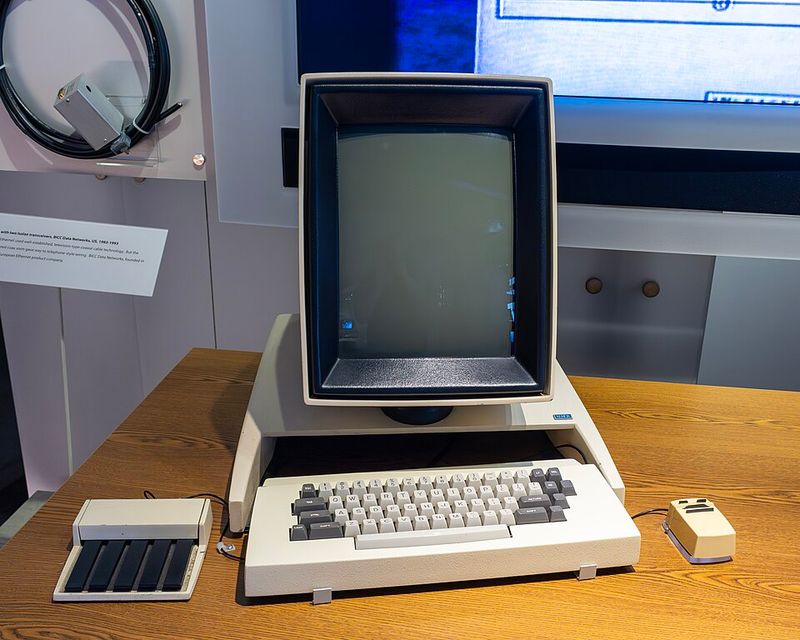
The Xerox Alto wasn’t just ahead of its time – it basically invented the future of computing.
Released in 1973, it featured a graphical user interface, a mouse, and even networking capabilities that wouldn’t become standard until the 1990s.
Xerox never marketed it to consumers, keeping it mostly within research labs.
Steve Jobs famously visited Xerox and borrowed many ideas for the Macintosh.
If Xerox had recognized the Alto’s potential, Apple might never have dominated personal computing the way it did.
5. Apple Newton Personal Digital Assistant
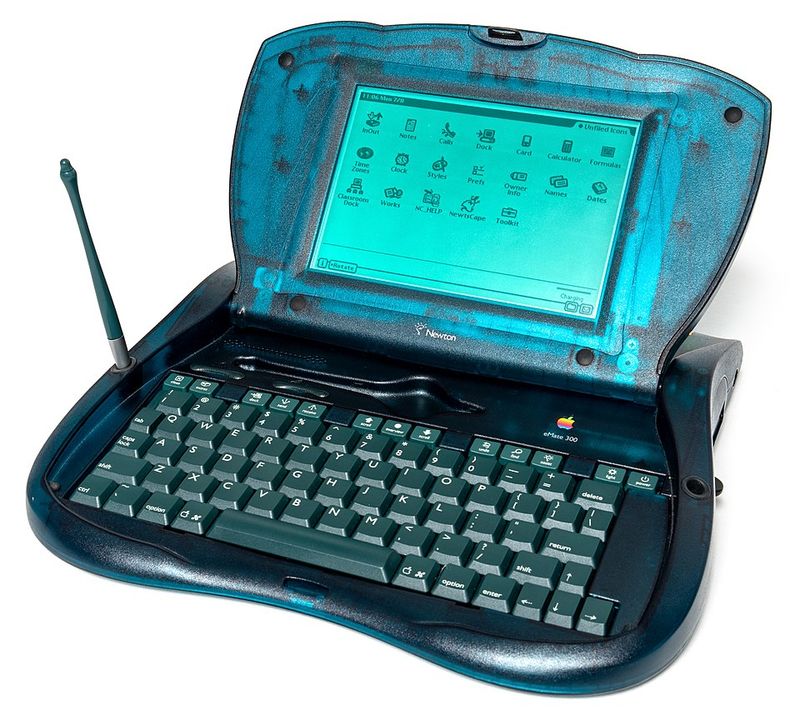
Remember when Apple totally flopped with a product?
The Newton, launched in 1993, was supposed to revolutionize personal organization with its touchscreen and handwriting recognition.
Unfortunately, the handwriting feature was hilariously bad, spawning countless jokes and even a Simpsons parody.
The device was bulky, expensive, and just too weird for mainstream audiences.
Apple discontinued it in 1998, but the Newton’s DNA lives on in every iPhone and iPad we use today, proving that sometimes failure plants seeds for future success.
6. GRiDPad Pen-Based Tablet Computer
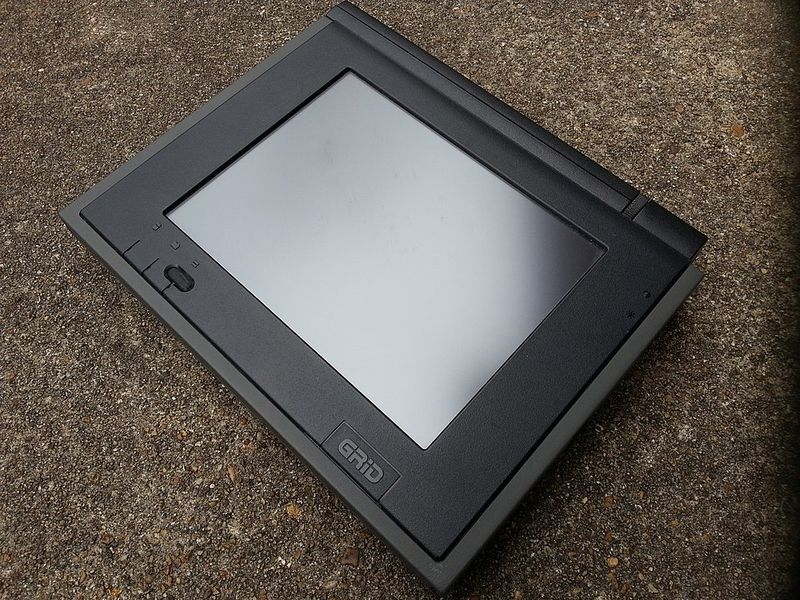
Tablets existed way before iPads made them cool, folks.
The GRiDPad, released in 1989, was a portable pen-based computer that let users write directly on the screen.
Weighing about five pounds and costing over two thousand dollars, it was marketed mainly to professionals like insurance agents and field workers.
The technology worked, but it was clunky and prohibitively expensive for average consumers.
Two decades later, tablets became household items, but the GRiDPad deserves credit as the awkward ancestor of our sleek modern devices.
7. Bell Rocket Belt Personal Jetpack
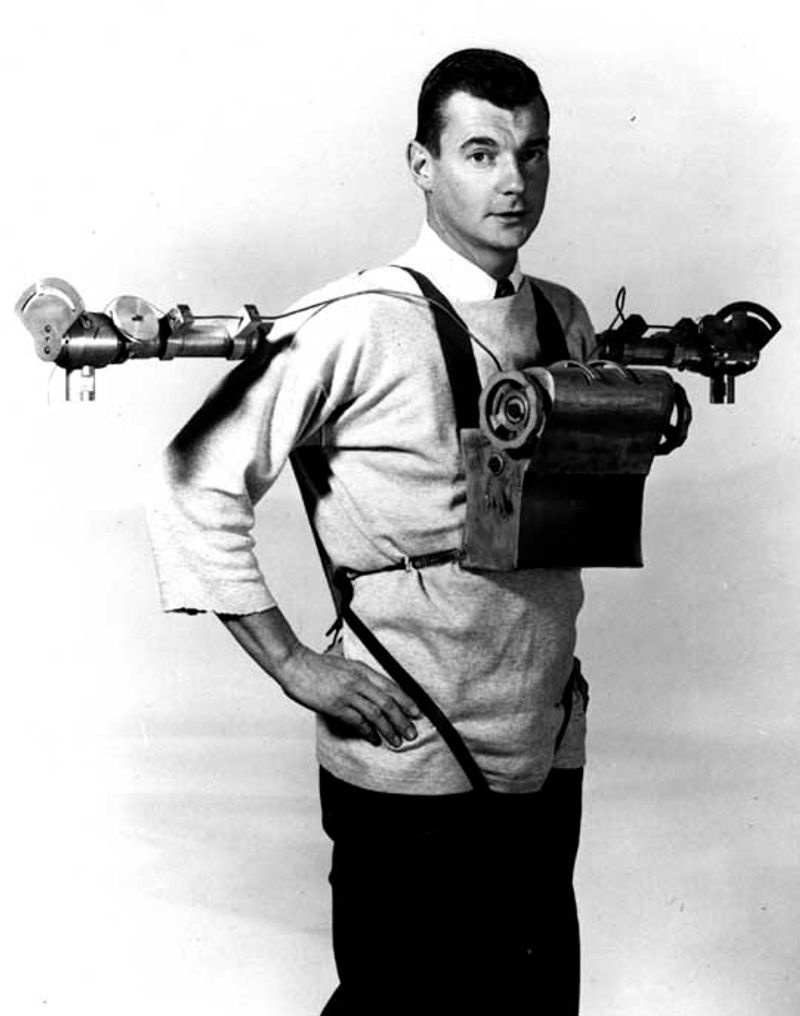
Flying to work with a jetpack strapped to your back sounds like pure sci-fi awesomeness.
Bell Aerosystems developed a working rocket belt in the 1960s that could actually lift a person off the ground and fly for about twenty seconds.
The problem?
It guzzled fuel like crazy and could barely stay airborne long enough to cross a football field.
The military lost interest, and the dream of personal flight fizzled out.
8. Ceefax Teletext Information Service
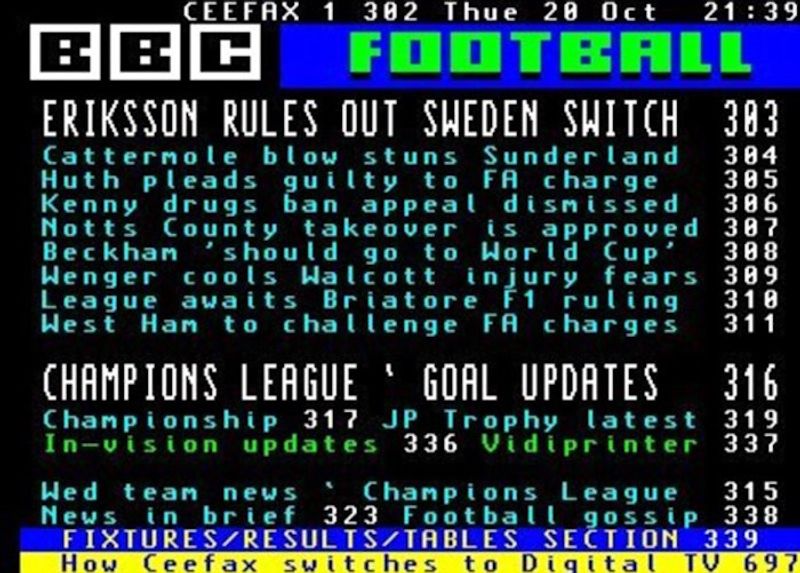
Long before the internet, British TV viewers could access news, weather, and sports scores through their television sets.
Ceefax, launched by the BBC in 1974, transmitted text-based information that appeared on special pages viewers could navigate using their remote controls.
It was basically the internet, but blocky, slow, and limited to a few hundred pages.
The service ran for nearly forty years before being shut down in 2012, outlasted by smartphones and websites.
9. MiniDisc Digital Audio Format
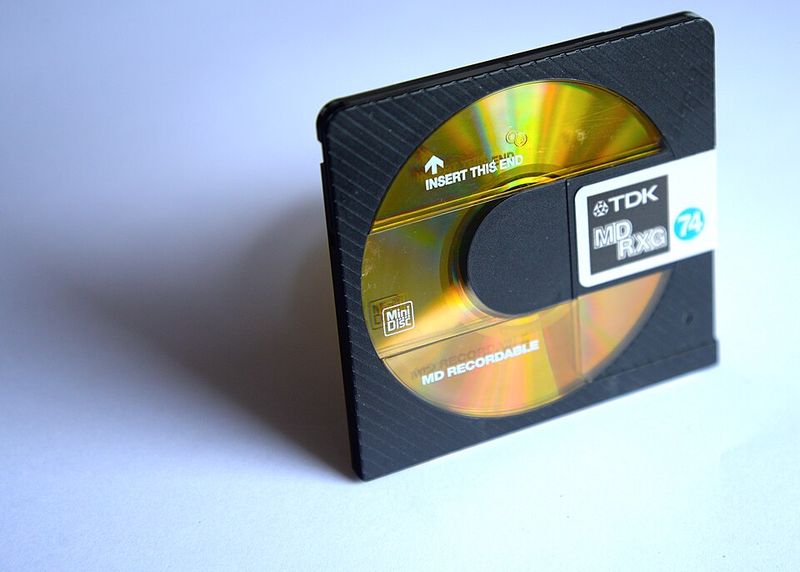
Sony’s MiniDisc format tried to bridge the gap between CDs and cassette tapes in the 1990s.
These tiny, recordable discs offered digital sound quality, portability, and the ability to edit tracks on the fly.
They were hugely popular in Japan but flopped in most other markets.
Why? MP3 players and iPods arrived right around the same time, offering way more storage without needing physical media.
MiniDisc was a brilliant idea trapped between two technological eras, never quite finding its moment to shine globally.
10. Gyricon Electronic Paper Technology

Imagine paper that could magically change its text and images with the push of a button.
Xerox developed Gyricon electronic paper in the 1970s using tiny rotating balls embedded in flexible sheets.
Each ball had two colored sides that could flip to display different content.
The technology worked beautifully but was expensive and difficult to manufacture.
E-ink displays eventually took over the electronic paper market, but Gyricon paved the way for today’s e-readers and digital signage, even if few people remember its name anymore.
11. Capacitance Electronic Disc Video System
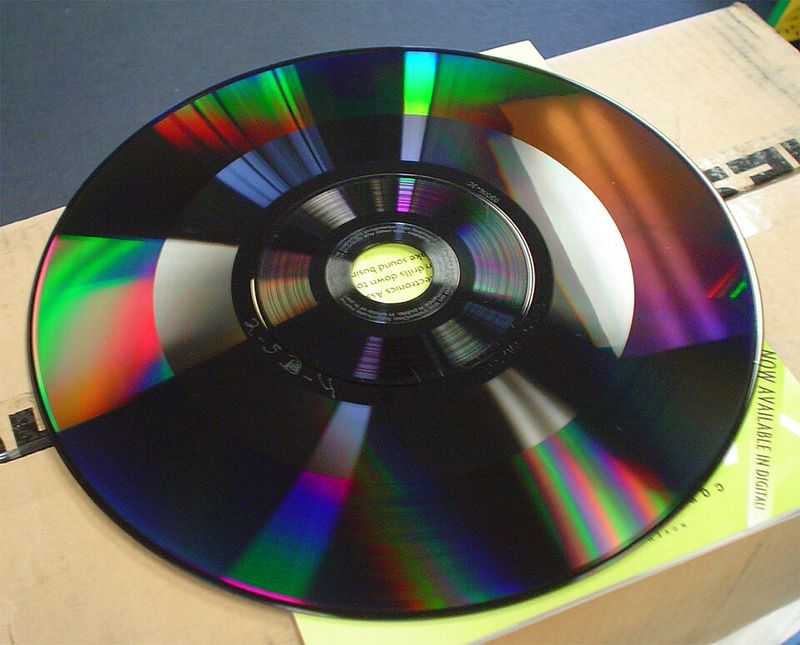
RCA spent seventeen years developing a video disc system that was obsolete almost immediately.
The Capacitance Electronic Disc (CED) launched in 1981, playing movies from grooved discs read by a stylus, similar to vinyl records.
Picture quality was decent, but the discs were fragile and prone to skipping.
Worse timing? VCRs had already taken over, offering recording capabilities CED couldn’t match.
12. Quadraphonic Home Audio Systems

Surround sound existed in the groovy 1970s, but nobody could agree on how to make it work.
Quadraphonic systems used four speakers instead of two, creating immersive audio experiences decades before home theater became standard.
The problem was competing formats and expensive equipment that confused consumers.
Record labels released limited quadraphonic albums, and the format never gained traction.
13. Early Personal Digital Assistants as Daily-Use Concept
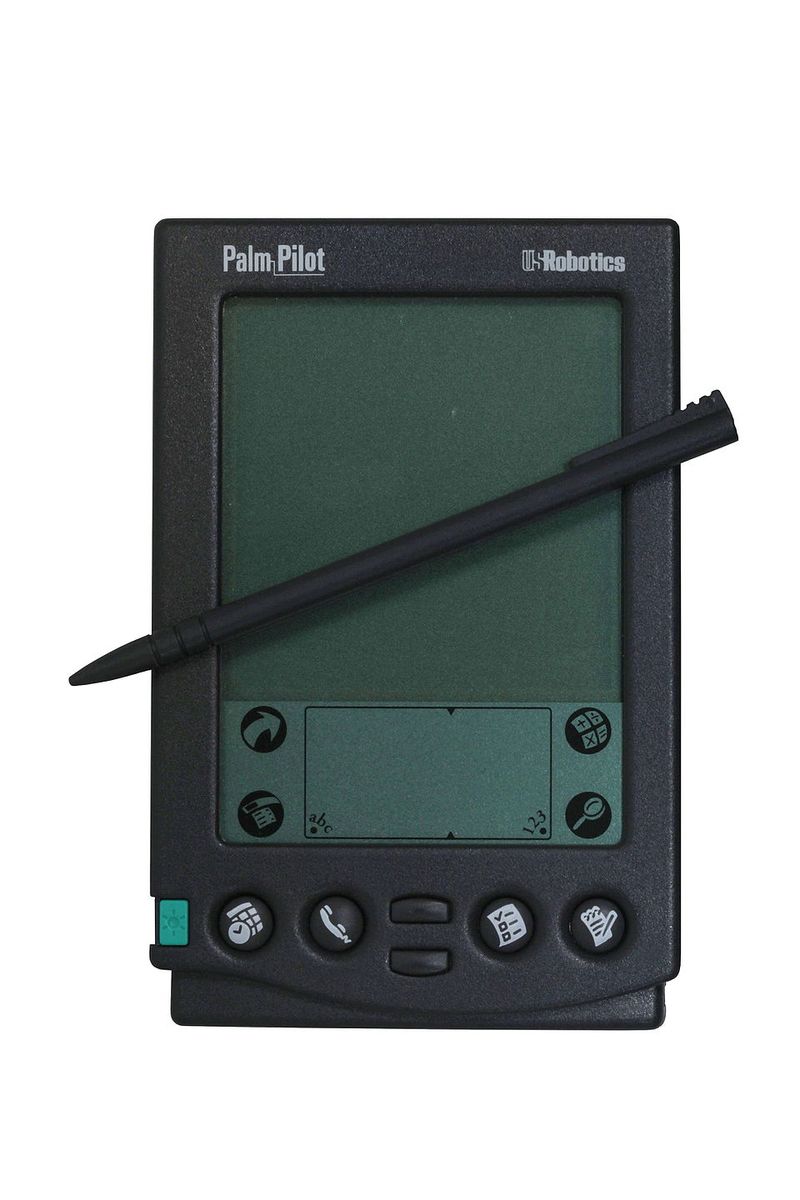
Before smartphones, pocket-sized computers promised to organize our entire lives.
Early PDAs like the Palm Pilot and Psion Organiser in the 1990s offered calendars, contacts, to-do lists, and even basic apps.
They were popular among business professionals but never quite became essential for regular people.
Limited functionality and awkward stylus input held them back.
When smartphones arrived with touchscreens, internet connectivity, and app stores, PDAs vanished overnight, absorbed into the multifunctional devices we can’t live without today.