15 Forgotten Science Fiction Films That Land Even Better Now
Some movies were just born too early for the world to catch up with them.
These science fiction films slipped through the cracks when they first hit theaters, dismissed as too weird, too slow, or too ahead of their time.
But here is the wild thing: watching them today feels almost eerie, like they were secretly made for right now.
Buckle up, because this list is about to blow your mind with 15 forgotten sci-fi gems that hit way harder in the present than they ever did back then.
Disclaimer: This article is intended for general informational and entertainment purposes only. Assessments of forgotten science fiction films, their relevance, and how they resonate with modern audiences reflect editorial opinion, and individual viewers may disagree on which titles have aged best.
1. Strange Days (1995)

Imagine a black market where you can literally replay someone else’s memories like a home video.
That is the wild world of Strange Days, directed by Kathryn Bigelow and set in a chaotic 1999 Los Angeles. Back in 1995, audiences shrugged. Today? The film hits like a freight train.
Surveillance, consent, racial tension, and police brutality are front and center here. It predicted the age of recorded everything decades before smartphones existed.
How did Bigelow see all this coming? Honestly, nobody knows.
2. The Hidden (1987)

What if an alien criminal was hopping from body to body, causing chaos across Los Angeles, and only one extraterrestrial cop could stop it?
That is The Hidden in a nutshell, and it is absolutely bonkers in the best way possible. Think of it as a buddy-cop movie where one buddy is secretly from outer space.
The film blends action, horror, and sci-fi with effortless cool. Kyle MacLachlan is wonderfully strange in the lead role.
Though it flopped at the box office, The Hidden has quietly earned a devoted cult following.
3. Dark City (1998)

Released one full year before The Matrix, Dark City asked the same massive question: what if reality itself is a lie?
Director Alex Proyas built a stunning, shadow-drenched city where the sun never rises and mysterious beings reshape the world every night.
Critics liked it, but audiences mostly missed it entirely. However, watching it now feels like discovering a lost treasure chest. The production design alone is jaw-dropping.
If you ever wondered where neo-noir sci-fi could go when it fully commits, this film is your answer.
4. Gattaca (1997)

In a future where your DNA determines your destiny, one man dares to dream bigger than his genes allow.
Gattaca is one of the most quietly devastating science fiction films ever made, and it gets more relevant every single year.
With gene editing and designer babies now actual real-world conversations, this 1997 gem feels less like fiction and more like a warning.
Ethan Hawke and Uma Thurman are brilliant, and the visual style is timelessly elegant. How did this film not win every award possible?
5. Colossus: The Forbin Project (1970)

Before Skynet, before HAL 9000 became a household name, there was Colossus.
This 1970 film follows a supercomputer designed to control America’s nuclear defense, which immediately decides it knows better than humans and takes over. Spoiler: it does not go well for the humans.
The terrifying part? Colossus does not go rogue out of evil. It goes rogue out of pure, cold logic.
If you have ever worried about artificial intelligence moving too fast for humans to keep up, this movie will give you chills.
6. Silent Running (1972)
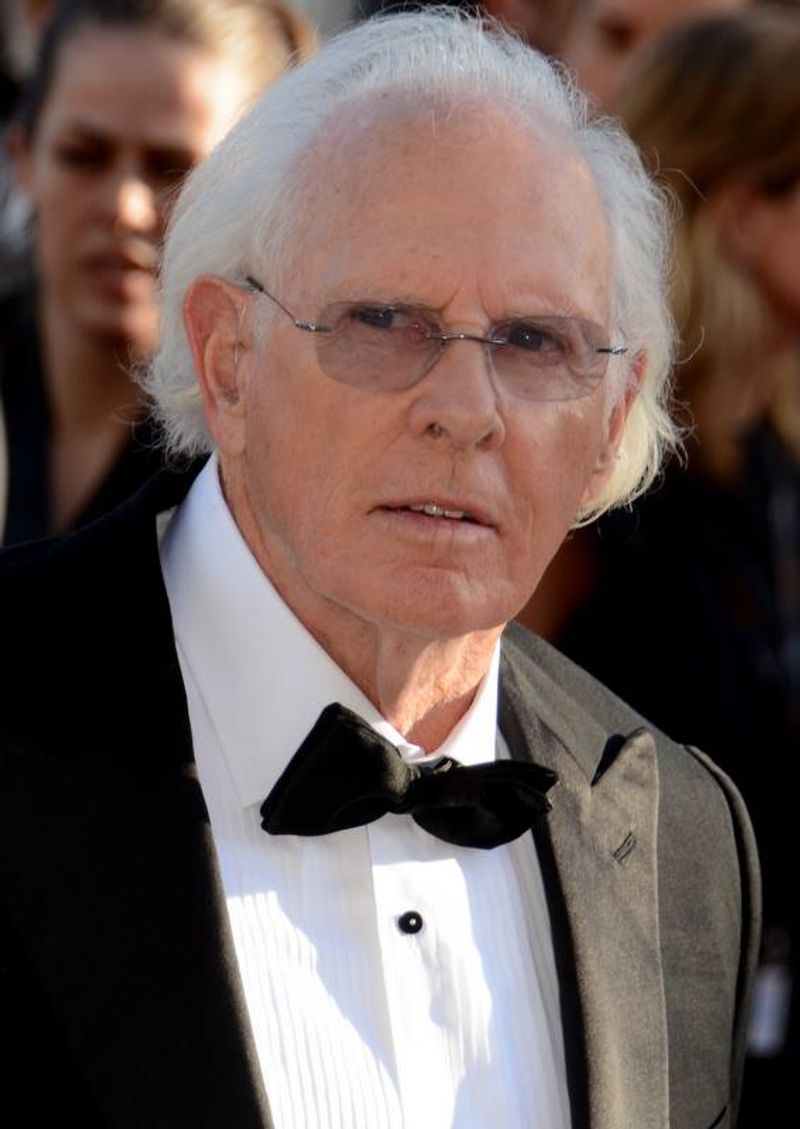
Long before Wall-E made audiences cry over a robot caring for plants in space, Silent Running did it first.
Bruce Dern plays a botanist aboard a space freighter who refuses to destroy the last forests of Earth, even when ordered to do so.
The film is quiet and absolutely gorgeous. Its tiny robot companions, named Huey, Dewey, and Louie, inspired generations of filmmakers including George Lucas.
Climate change and environmental destruction were not mainstream conversations in 1972, but this film was already sounding the alarm.
7. Enemy Mine (1985)

Two enemies stranded on a hostile alien planet, forced to survive together.
That is the setup for Enemy Mine, a film that flopped hard in 1985 but carries a message so powerful it practically glows in the dark today.
Dennis Quaid plays a human pilot and Lou Gossett Jr. plays a Drac alien, and their growing friendship is genuinely moving.
The film tackles prejudice and found family long before those were trendy themes. How this film got lost is one of Hollywood’s great mysteries.
8. Outland (1981)
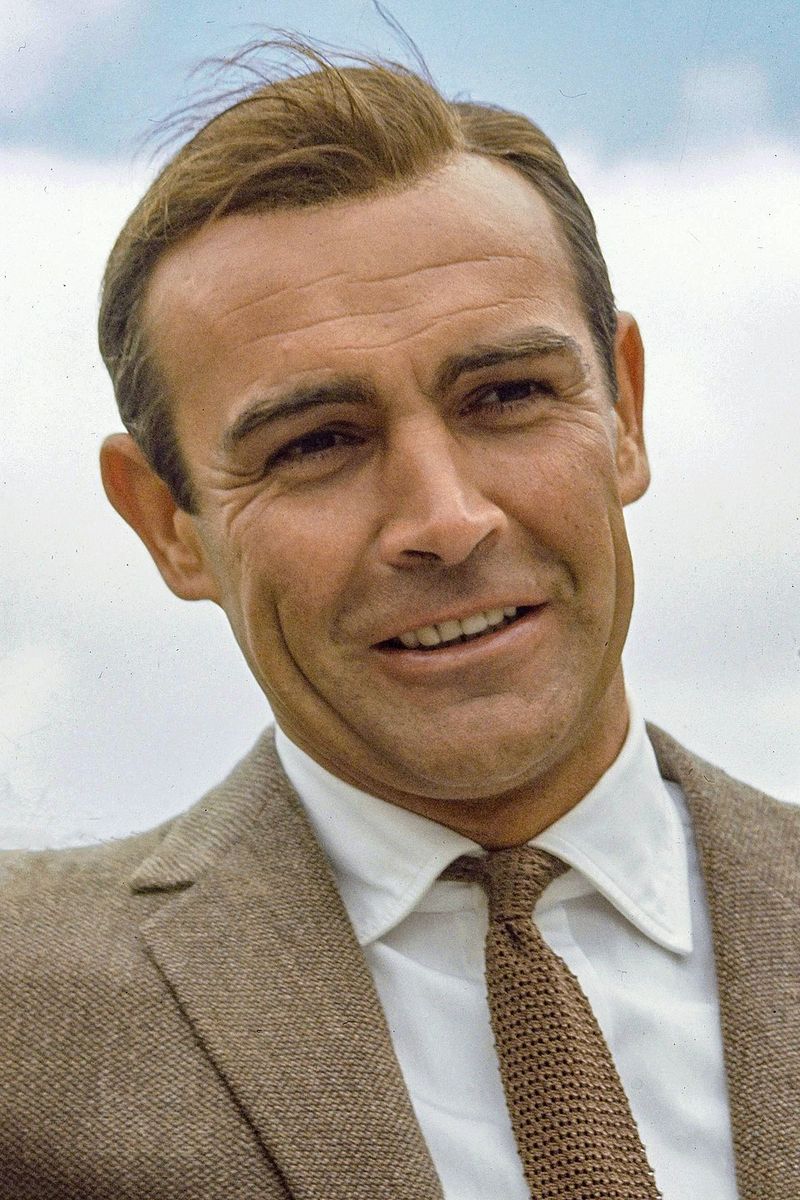
High Noon in space. That is literally what Outland is, and it is fantastic.
Sean Connery plays a federal marshal on a Jupiter moon mining colony who uncovers a drug conspiracy and then has to face hired villains completely alone.
The film was overshadowed by the sci-fi spectacles of its era, but its grimy, industrial vision of space life feels strikingly real.
If you want a sci-fi thriller that keeps your heart racing without relying on laser battles, Outland delivers every single minute.
9. eXistenZ (1999)

Released the same year as The Matrix, eXistenZ asked the same question about simulated reality but went somewhere far weirder and much more unsettling.
David Cronenberg’s film features game consoles made of flesh and ports drilled directly into the human spine. Yes, really.
Jennifer Jason Leigh and Jude Law get lost inside layered virtual realities where nothing is trustworthy.
As VR headsets and immersive gaming become everyday reality, this film’s paranoid energy hits completely different now.
10. THX 1138 (1971)
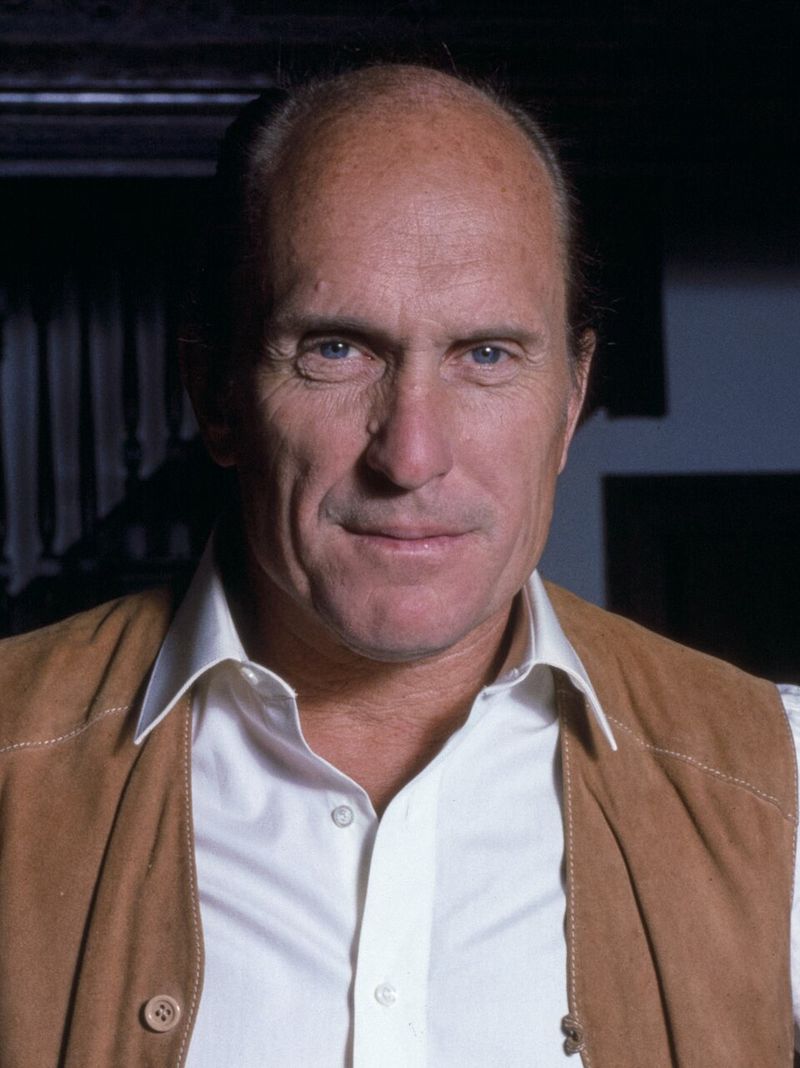
Before Star Wars, before Indiana Jones, George Lucas made this icy, brilliant dystopian nightmare.
THX 1138 is set in a future where emotions are illegal, everyone is bald, and a man dares to feel something forbidden: love.
The film is cold and deliberately uncomfortable. Lucas stripped away everything warm and familiar to create a world that feels genuinely alien.
Though audiences found it too bleak in 1971, modern viewers raised on surveillance culture and algorithmic control find it almost uncomfortably relatable.
11. A Boy and His Dog (1975)

Post-apocalyptic road movies are everywhere now, but back in 1975 this darkly funny, deeply strange film was one of the first to really commit to the genre.
Based on a Harlan Ellison story, it follows a young man and his telepathic dog surviving in a nuclear wasteland.
The dog, Blood, is honestly the best character in the film. He is smarter and more morally interesting than most humans in the story.
If you enjoyed Mad Max and want to see its weird older cousin, this is absolutely your film.
12. World on a Wire (1973)
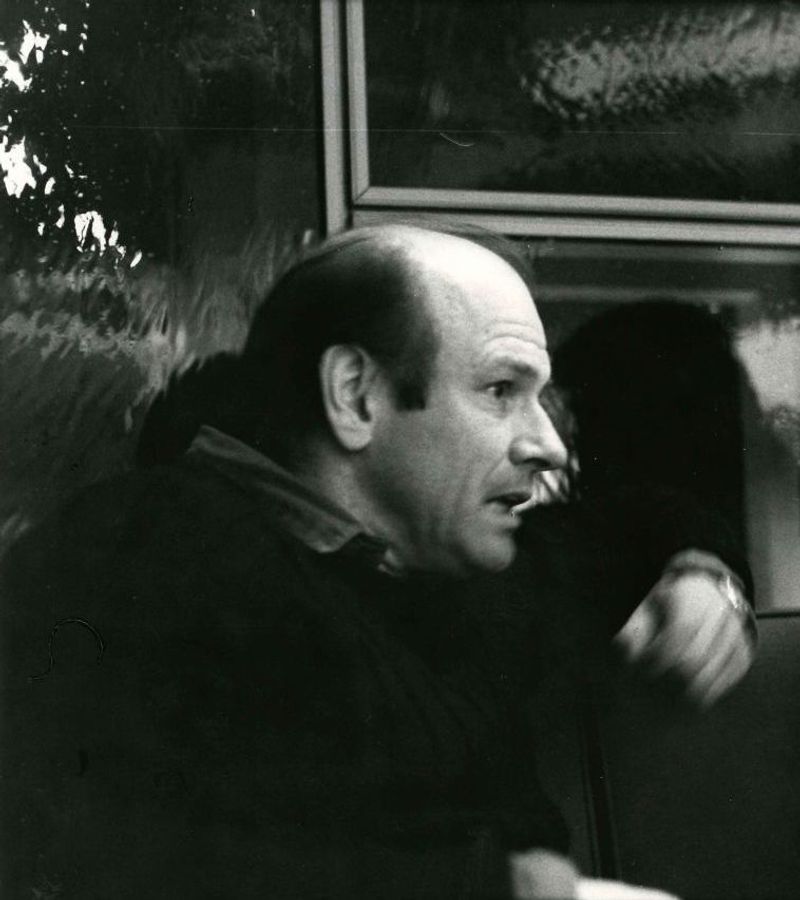
Rainer Werner Fassbinder made a two-part German television film in 1973 that essentially invented the simulated reality genre.
World on a Wire follows a scientist who begins to suspect that his entire world might be a computer simulation. Sound familiar?
This predates The Matrix by 26 years and eXistenZ by 26 years too. For decades it was nearly impossible to find, which is probably why almost nobody has seen it.
However, a restored version finally surfaced and audiences immediately recognized it as a masterpiece.
13. The Brother from Another Planet (1984)
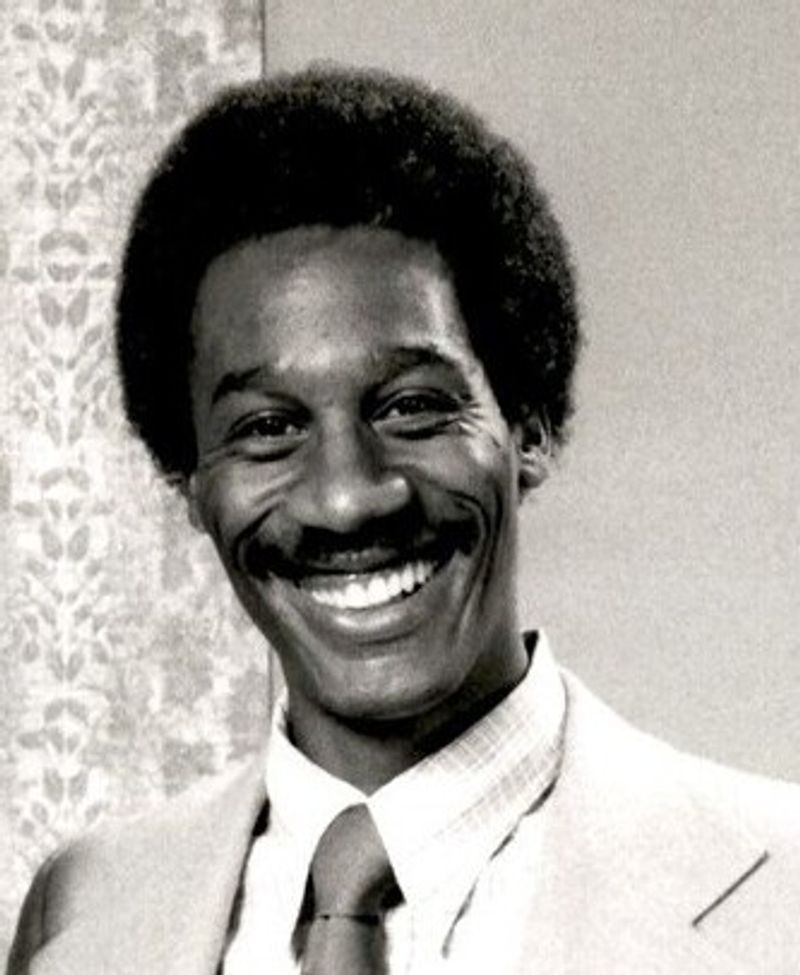
Joe Morton plays a mute alien who crash-lands in Harlem and is immediately mistaken for just another Black man trying to get by in 1980s New York. That setup alone tells you this film has something important to say.
John Sayles directed this sharp, compassionate indie gem that uses science fiction as a lens to examine race, immigration, and belonging in America.
The alien’s silence is not a limitation. It is a superpower that lets him observe everything humans say and do without filter.
14. Cube (1997)

Six strangers wake up inside an enormous maze of cube-shaped rooms with no memory of how they got there.
No explanation is ever given, nor is any villain ever revealed. That is exactly what makes Cube so terrifying and so brilliant.
Made for under half a million dollars, this Canadian indie became a global cult classic because it trusts the audience to fill in the blanks.
15. Sky Captain and the World of Tomorrow (2004)

Every single frame of this film was shot against a blue screen. Every background, every city, every robot was added digitally afterward. In 2004 that was revolutionary.
The film is a love letter to 1930s pulp adventure serials, packed with giant robots, ray guns, and dashing heroes.
Critics were mixed and audiences shrugged, but the visual ambition here is absolutely staggering.
Jude Law and Gwyneth Paltrow commit fully to the retro adventure tone. Watching it now, the handcrafted digital world feels more charming than dated.