15 Forgotten Sodas That Will Spark Instant Nostalgia
Remember rushing to the store after school to grab your favorite soda, only to find it gone forever a few years later?
Soda companies have launched hundreds of wild flavors over the decades, but not all of them stuck around.
Some disappeared quietly while others left fans begging for their return.
These forgotten fizzy drinks remind us of simpler times when trying a new beverage felt like a real adventure.
Disclaimer: This article is intended for general informational and entertainment purposes only. Product availability, formulations, branding, and distribution may have changed over time or vary by region.
Descriptions are based on historical records, consumer recollections, and publicly available information. Images are used for illustrative purposes only and do not imply endorsement or affiliation with the brands mentioned.
14. Crystal Pepsi
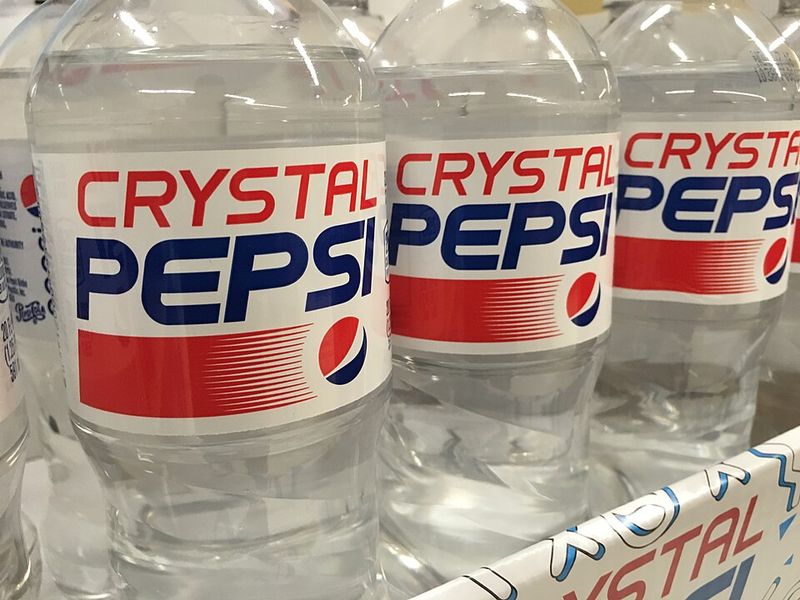
Back in 1992, Pepsi shocked everyone by releasing a cola with no color at all.
The company wanted people to think of purity and freshness when they saw right through their drink.
Commercials featured the slogan “You’ve never seen a taste like this,” which made kids everywhere curious.
Though it tasted almost like regular Pepsi, seeing a clear cola felt futuristic and strange.
Sales started strong but fizzled out by 1994.
It ultimately became one of the most talked-about soda experiments in beverage history.
13. New C*ke
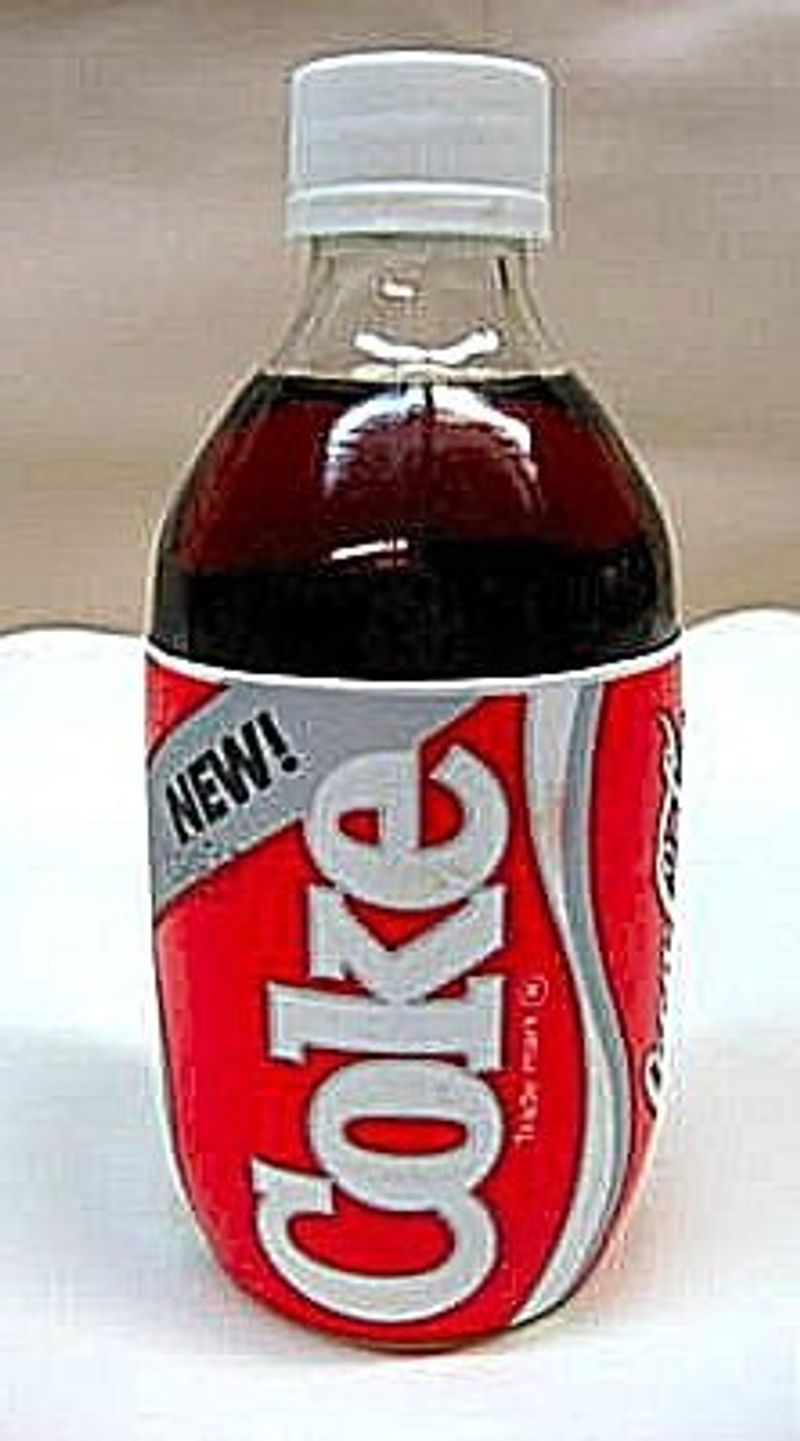
Back in nineteen eighty five, Coca-Cola altered its closely guarded formula, triggering an intense wave of anger from loyal fans.
Inside company walls, executives believed a sweeter flavor would improve competition with Pepsi.
Almost immediately, overwhelmed phone lines filled with callers demanding the original taste be restored.
Across the country, backlash grew louder, with some consumers hoarding remaining cans of the original drink in protest.
Within just three months, the company reversed course and reintroduced the familiar recipe under the name Coca-Cola Classic.
Meanwhile, New Coke faded quietly from shelves, never regaining public favor.
12. OK Soda
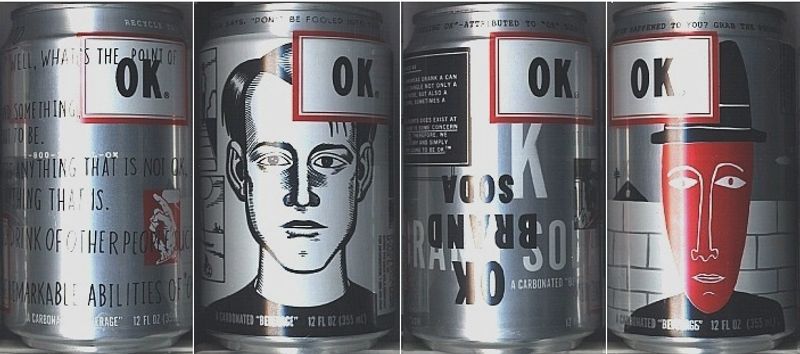
Launched in 1993, this drink tried to capture the cynical spirit of teenagers who thought everything was just okay.
The cans featured weird artwork and slogans like “Things are going to be OK” in a sarcastic tone.
Coca-Cola aimed this at young people who rejected cheerful advertising.
It tasted like a fruity cola blend that nobody could quite describe.
Test markets in select cities gave mixed reactions.
By 1995, OK Soda was gone, proving that irony alone cannot sell beverages.
11. Surge
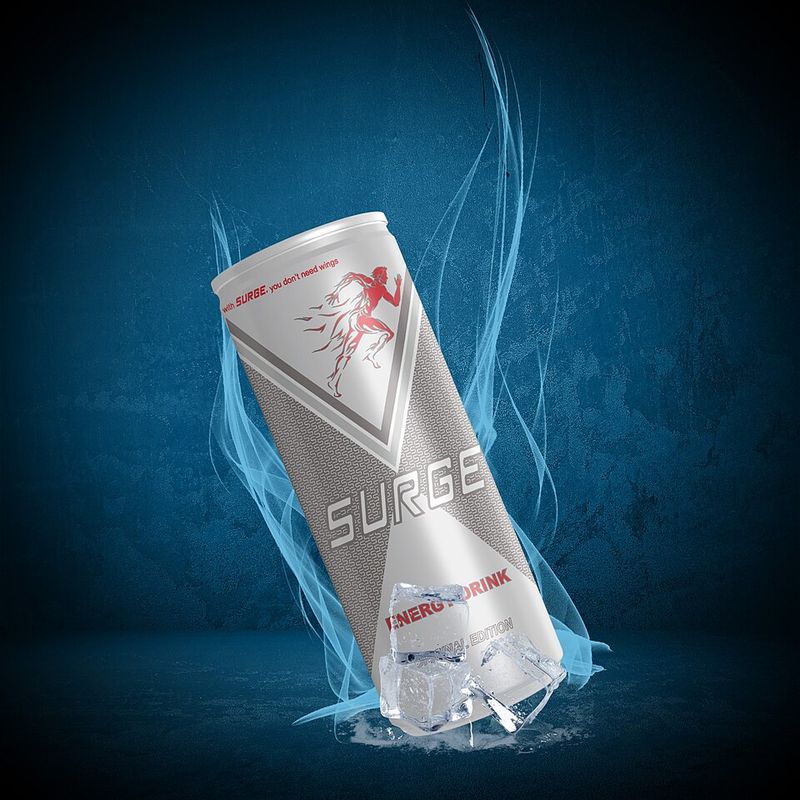
In nineteen ninety six, Pepsi introduced a neon green citrus drink designed to challenge Mountain Dew.
Television ads leaned hard into extreme sports imagery, featuring kids pulling off wild stunts moments after taking a sip.
Marketing language pushed the slogan “Feed the Rush,” framing the drink as a high-energy caffeine jolt.
Younger shoppers gravitated toward it during school lunch breaks, drawn by bold visuals and noticeable caffeine kick.
By two thousand three, distribution faded and the product vanished from most store shelves.
Years later, passionate fans organized persistent social media campaigns calling for its return.
That grassroots push eventually led to a limited regional comeback, cementing its status as a cult favorite rather than a mainstream staple.
10. Pepsi Blue
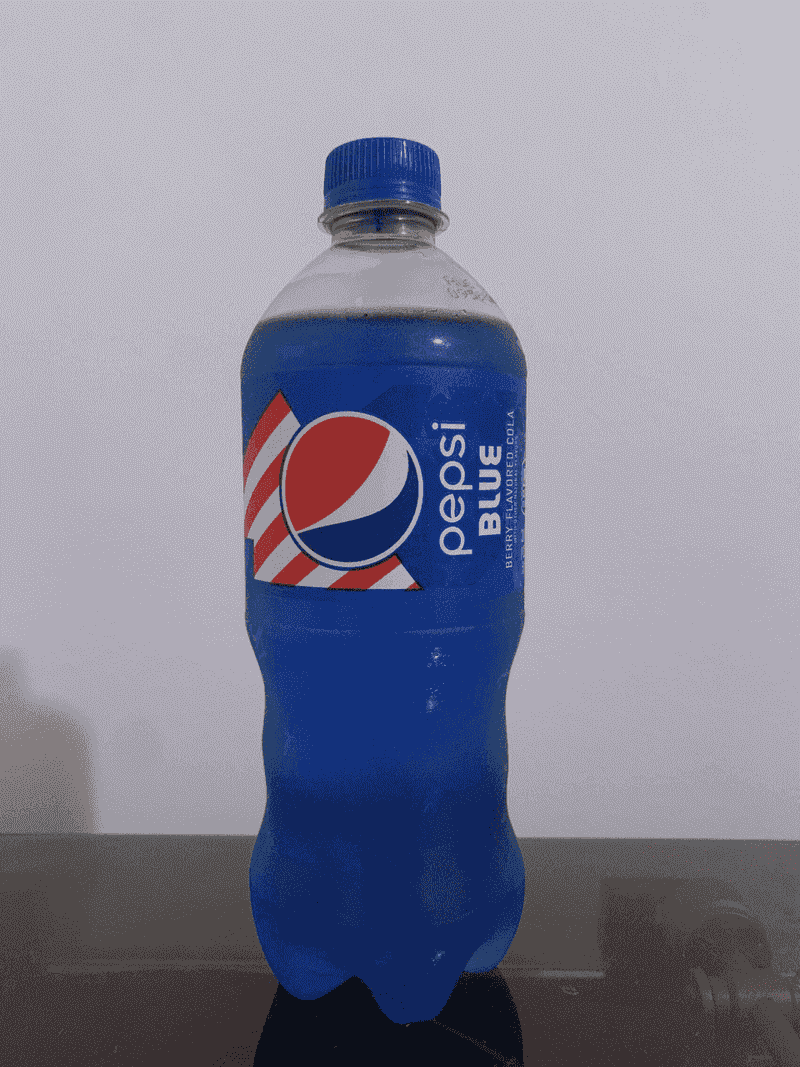
Imagine opening a bottle and seeing bright blue liquid that looked like windshield wiper fluid.
That was Pepsi Blue, which hit shelves in 2002 with a berry cola flavor.
The color came from food dye, and the taste was sweet and fruity.
Kids thought it was the coolest thing ever, especially when their tongues turned blue.
Marketing featured pop stars and extreme visuals aimed at young consumers.
Despite the hype, Pepsi Blue vanished by 2004, leaving behind stained tongues and fond memories.
9. Pepsi AM
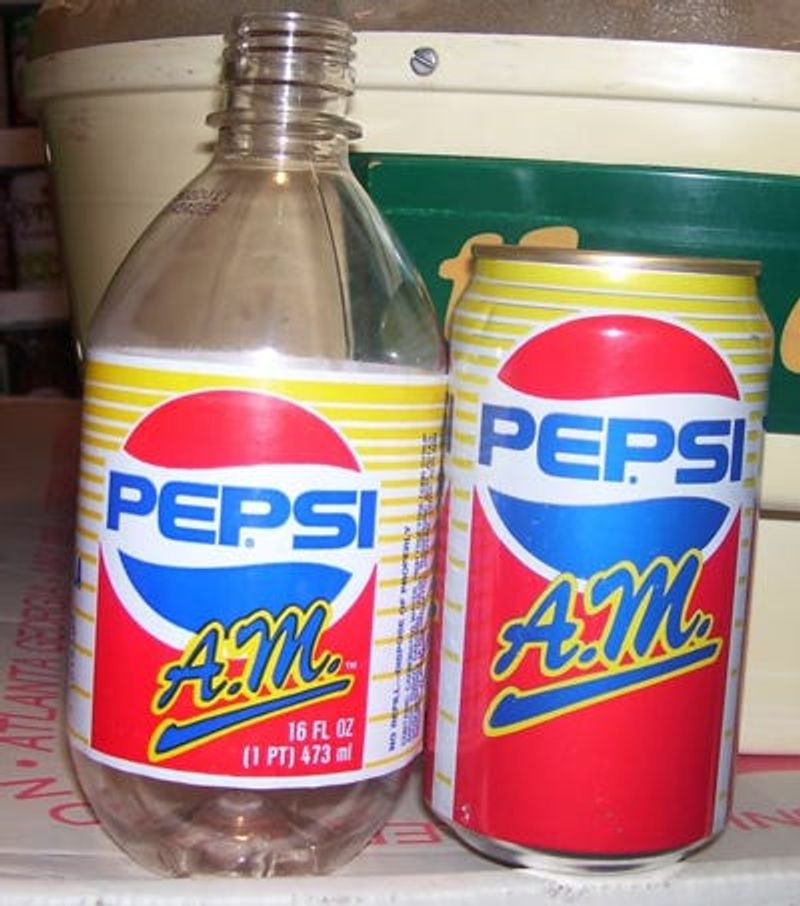
During the late 1980s, Pepsi decided people needed cola at breakfast time.
Pepsi AM contained extra caffeine to replace your morning coffee.
The company marketed it as the perfect wake-up drink alongside cereal and toast.
Most people found the idea of drinking soda first thing pretty strange.
Coffee drinkers stayed loyal to their hot beverages.
Within a year, Pepsi AM disappeared, proving that some traditions are hard to change no matter how much caffeine you add.
8. Orbitz
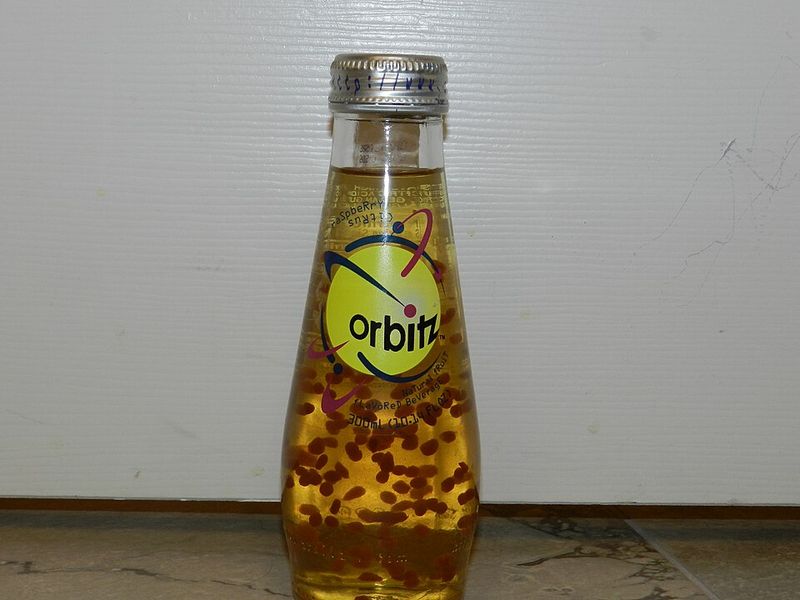
Imagine sipping a drink that looks like a lava lamp, and that strange visual perfectly describes Orbitz.
Suspended gelatin spheres drifted through fruit-flavored liquid, producing a hypnotic effect that grabbed attention instantly.
Marketers labeled those floating bits “edible orbs,” yet a slippery texture quickly turned many people away.
For some tasters, unusual mouthfeel overwhelmed flavor, making texture the main takeaway rather than taste.
Curiosity drove plenty of one-time purchases, though repeat visits to the cooler were rare.
Released briefly and gone within a year, Orbitz settled into history as a bizarre curiosity that still captivates collectors today.
7. Jolt Cola
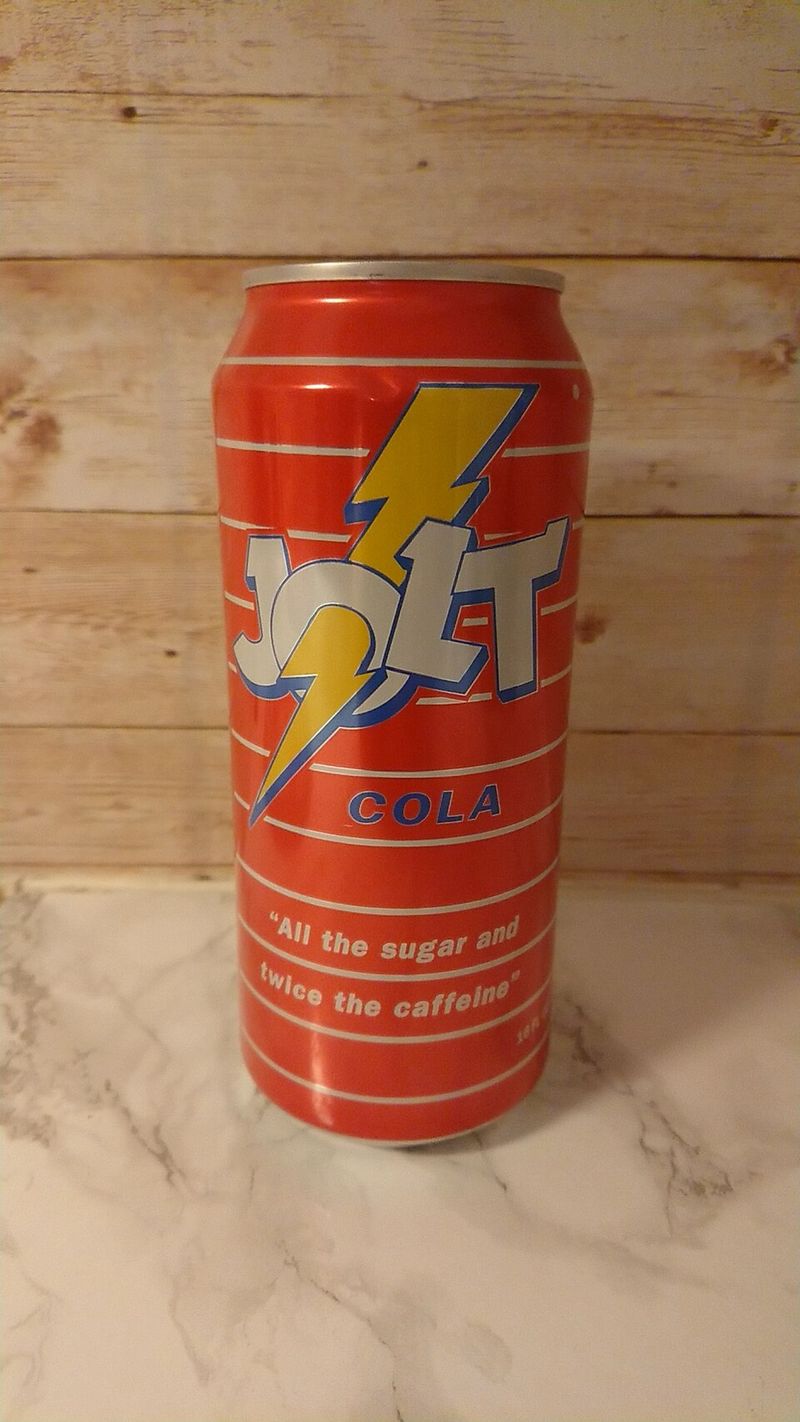
When Jolt arrived in 1985, it promised all the sugar and twice the caffeine.
The slogan proudly declared what other sodas tried to hide about their ingredients.
College students and night shift workers chugged it to stay awake during exams and long hours.
Some versions featured unconventional packaging that reinforced its high-energy image.
Throughout the 1990s, Jolt remained the go-to high-caffeine option.
Though production continued sporadically into the 2000s, finding it became nearly impossible, making it a nostalgic relic.
6. Slice
In nineteen eighty four, PepsiCo rolled out Slice as a soda positioned around a healthier image built on real fruit juice.
Flavors such as orange, grape, and apple delivered tastes that actually matched the fruits named on the label.
Advertising leaned heavily on juice content, giving parents a small sense of reassurance when adding it to shopping carts.
Direct competition emerged with Minute Maid sodas backed by Coca-Cola.
Across roughly a decade, Slice maintained steady popularity in grocery aisles and restaurant fountains.
Eventually, corporate focus shifted toward replacements like Sierra Mist, leaving longtime fans scanning vending machines in vain.
5. Vault
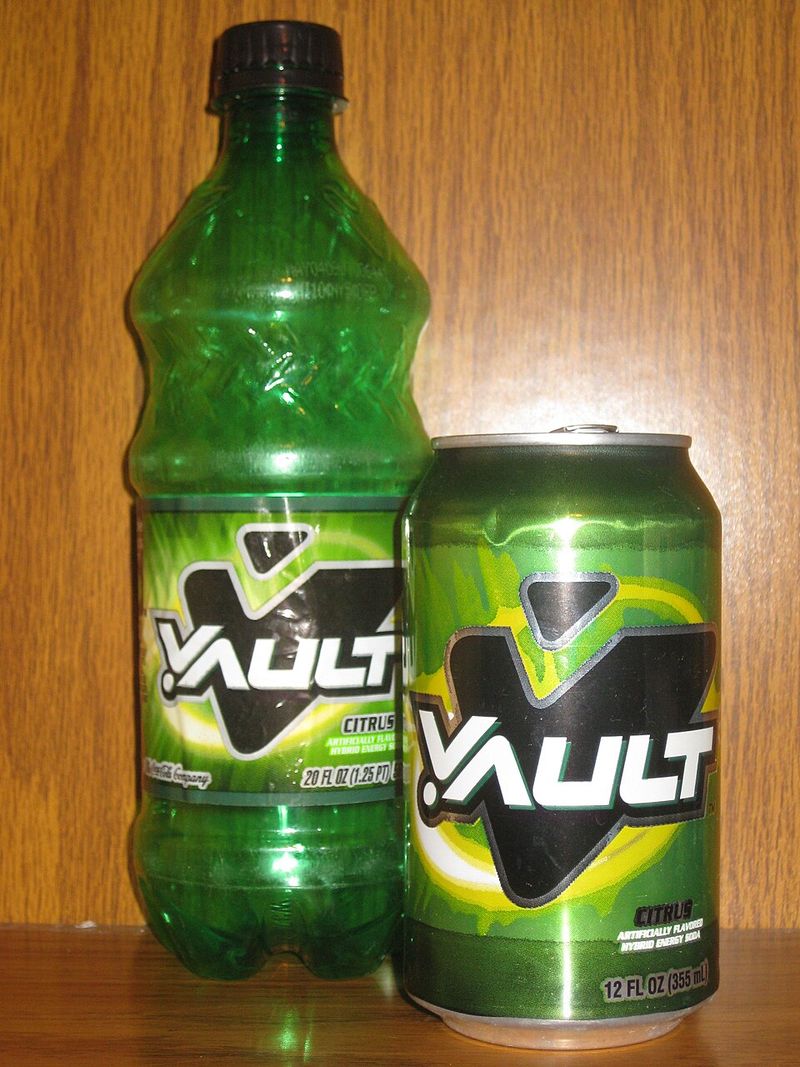
Coca-Cola created Vault in 2005 to challenge Mountain Dew and energy drinks simultaneously.
The bright green drink combined citrus flavor with extra caffeine and vitamins.
Advertising campaigns used the slogan “Get to It” and featured action-packed scenarios.
Teenagers appreciated the energy boost without the medicinal taste of typical energy drinks.
Vault found a loyal following among gamers and athletes.
Surprisingly, Coca-Cola discontinued it in 2011 to focus on other products, disappointing fans who considered it superior to alternatives.
4. Coca-Cola BlāK
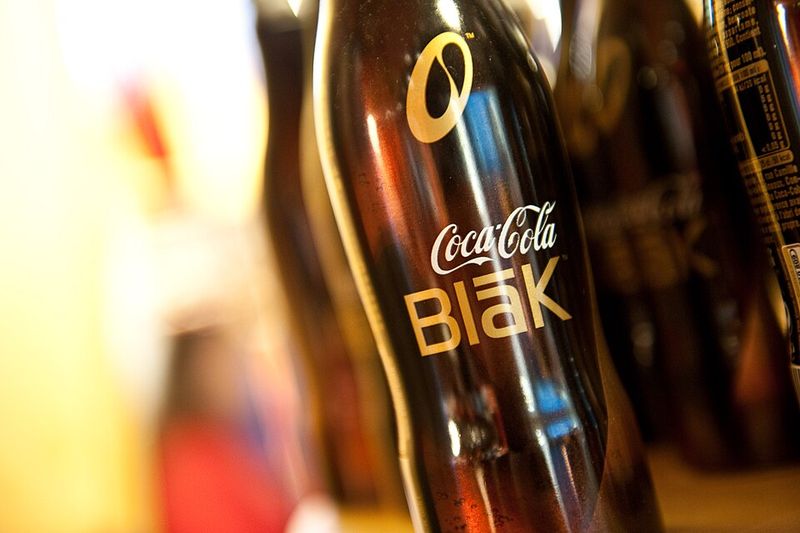
Experimentation peaked during the mid-two-thousands when Coca-Cola mixed classic cola with coffee extracts to create something entirely new.
Packaged in sleek glass bottles, BlāK looked far more refined than standard soda on store shelves.
Target audience centered on adults seeking an afternoon lift that delivered caffeine without another cup of coffee.
Reactions split quickly, with some enjoying the bold fusion while others felt puzzled by the unfamiliar flavor.
Market response in the United States stayed muted, even as certain European regions kept it around a bit longer.
Disappearance followed not long after, though later coffee-cola experiments showed the idea never fully left the company’s playbook.
3. Coca-Cola C2
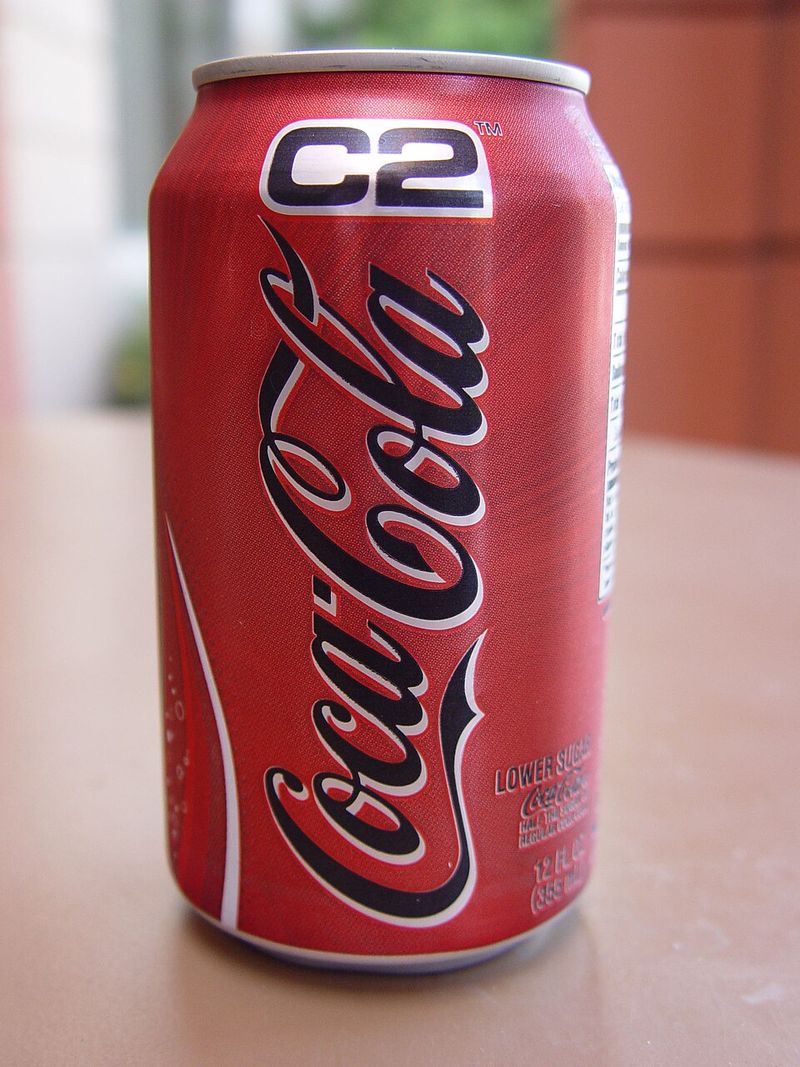
When low-carb diets dominated in 2004, Coca-Cola launched C2 with half the calories and carbs.
It tasted closer to regular Coke than Diet Coke did, satisfying people who disliked artificial sweeteners.
The silver packaging stood out on shelves among the sea of red and black.
Marketing targeted health-conscious consumers who still wanted authentic cola flavor.
Unfortunately, the low-carb trend faded quickly.
C2 disappeared by 2007, replaced by Coca-Cola Zero, which offered a similar concept with better execution.
2. Teem

Long before Sierra Mist or Sprite dominated, Pepsi sold Teem starting in 1960.
This lemon-lime soda tasted crisp and refreshing on hot summer days.
Older generations remember it fondly from childhood picnics and family gatherings.
The name suggested energy and vitality, appealing to active families.
Pepsi eventually replaced it with Slice in 1984.
Teem remains largely forgotten except by people who grew up during its heyday and occasionally mention it when reminiscing about simpler times.
1. Quatro
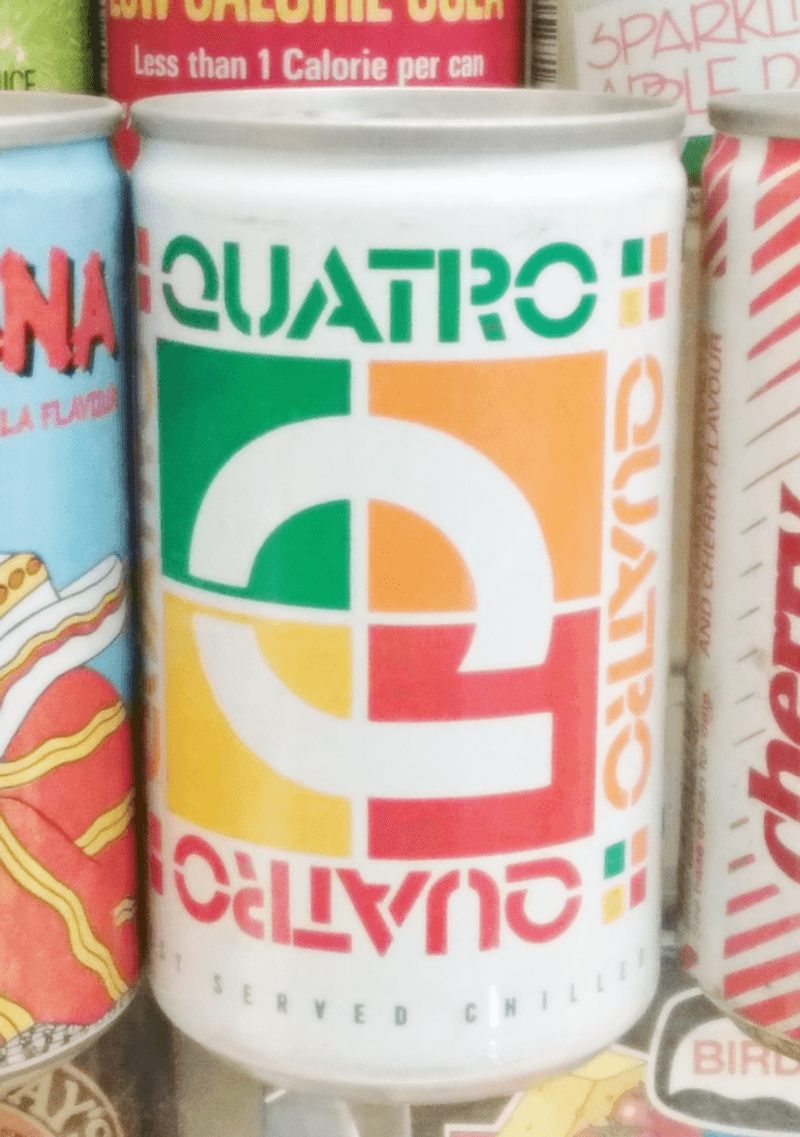
Coca-Cola introduced Quatro in certain markets during the 1980s as a four-fruit blend.
The flavors supposedly included grapefruit, passionfruit, and two other tropical fruits.
It tasted exotic compared to standard cola and lemon-lime options.
Bright, colorful packaging suggested vacation vibes and sunny beaches.
Quatro never achieved widespread distribution in the United States.
While it still exists in some international markets today, American consumers rarely encounter it, making it feel like a half-remembered dream from childhood travels.