17 Freddie Mercury Facts That Still Surprise Fans
Freddie Mercury was not built for boring.
Behind the voice, the stage presence, and the instantly recognizable image, there are still details about his life and career that catch fans off guard.
1. Born In Stone Town, Zanzibar
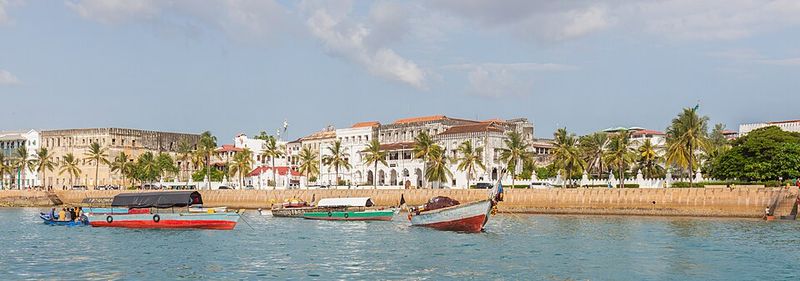
Far from the stadiums and spotlights, Freddie Mercury’s story began in Stone Town, Zanzibar. Born Farrokh Bulsara on September 5, 1946, he entered the world in a place shaped by African, Arab, and Indian influences, giving his earliest surroundings a remarkable cultural mix.
Rock history does not usually start where spice markets meet the sea, which makes his beginning feel all the more unexpected.
Global icon status came later, but the origin story was already unusual.
2. Childhood In India And Piano At Seven
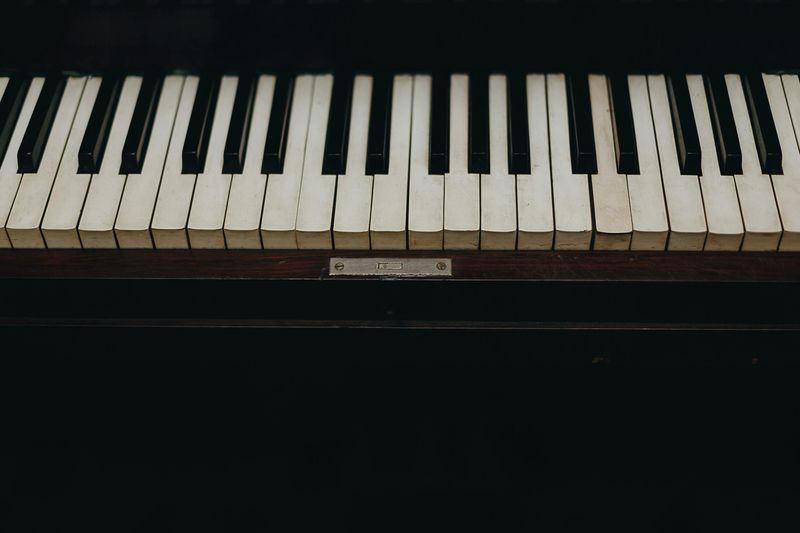
Long before massive crowds knew the name Freddie Mercury, piano lessons had already entered the picture.
Part of his childhood was spent in India, where boarding school life brought discipline and routine to someone whose imagination was already moving quickly. Music began early, with lessons starting around age seven and laying the groundwork for a future built on melody, control, and instinct.
Plenty of famous voices begin with one small instrument in one ordinary room.
3. The Hectics School Band

Long before Queen, there was a scrappy little school band called the Hectics, and Freddie was right in the middle of it.
At St. Peter’s School in Panchgani, India, the group played covers and earned a reputation around campus. It was messy, fun, and absolutely formative.
Every rock legend has a garage-band origin story, and the Hectics was his.
4. Family Fled Zanzibar In 1964

Political upheaval changed everything when the Zanzibar Revolution forced the Bulsara family to leave in 1964.
At seventeen, Freddie moved with his family to England, leaving behind one world and stepping into another that felt colder, grayer, and entirely unfamiliar.
That kind of upheaval marked a major turning point in his life and placed him in a completely new environment as a teenager. Big shifts do not ask for permission before remaking a life.
5. Art School Before The Spotlight
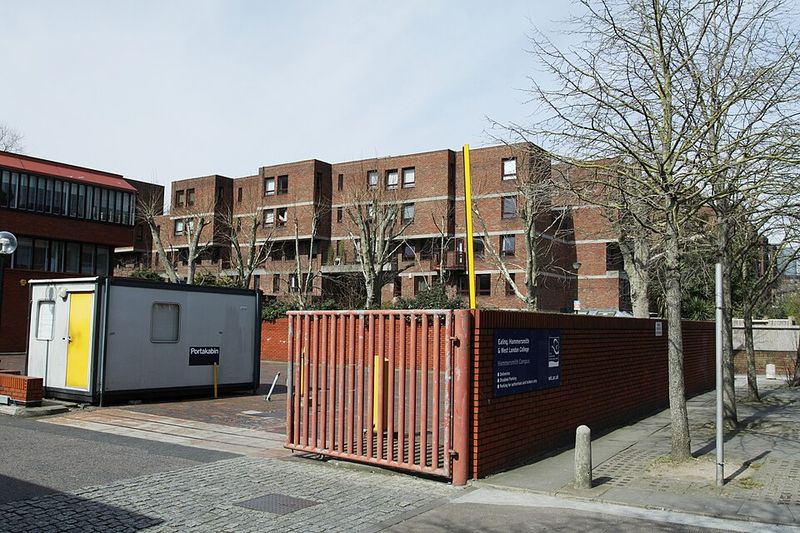
Before arena lights and stadium chants, art school was part of the plan. Studies at Ealing Art College in London focused on art and graphic design, giving Freddie skills that later influenced visual choices tied to Queen’s image and presentation.
Style was never accidental with him, and that formal creative training helps explain why.
Very few frontmen can say design school ended up feeding the mythology.
6. He Designed Queen’s Famous Crest
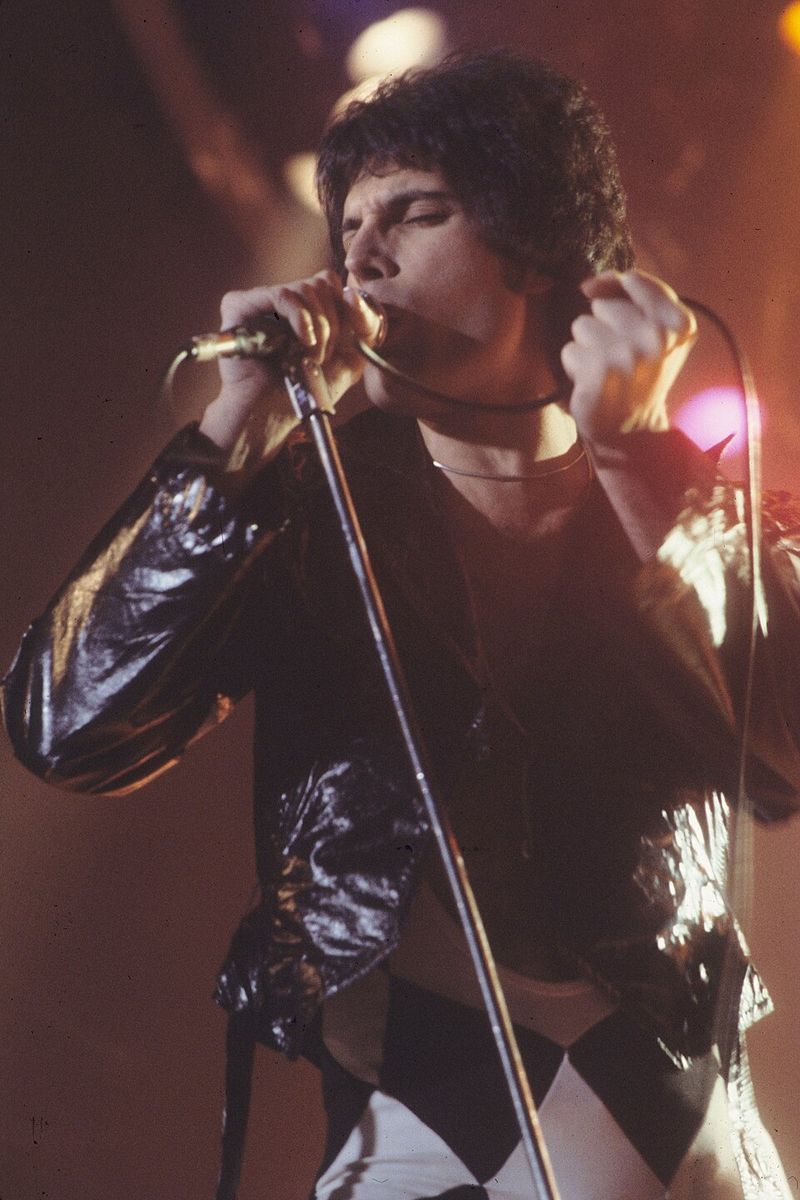
One of Queen’s most recognizable images came directly from Freddie’s own hand.
Drawing on his art school background, he created the band’s crest by combining the zodiac signs of the members with a phoenix at the center of the composition. Brian May’s Leo sign, Roger Taylor’s Cancer sign, and the Virgo signs of both John Deacon and Freddie all found their place in the design.
Lead singer duties apparently were not enough to keep him out of the art department.
7. Queen Formed In London, 1970
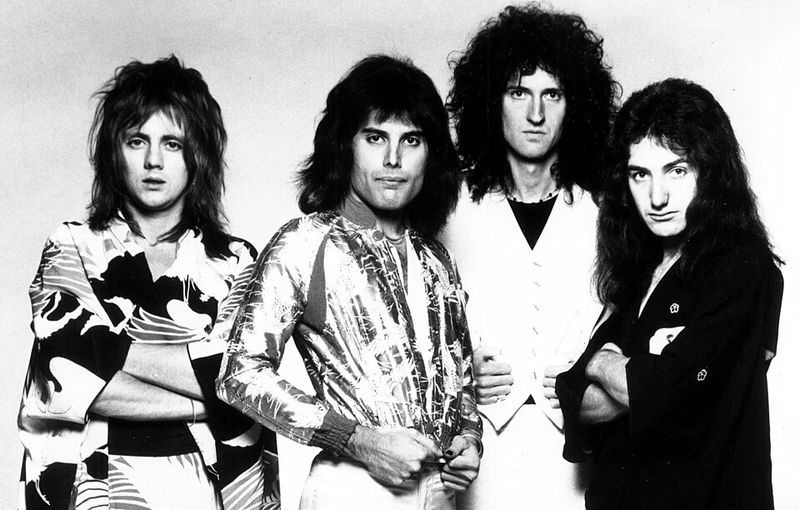
Queen took shape in London in 1970 after Freddie joined Brian May and Roger Taylor and helped transform the earlier band Smile into something new.
The chemistry clicked almost immediately, blending Brian May’s guitar wizardry with Freddie’s theatrical instincts.
Nobody in that rehearsal room could have guessed they were standing at the starting line of one of the biggest bands in history. Some beginnings are quiet like that.
8. The Songs He Wrote For Queen
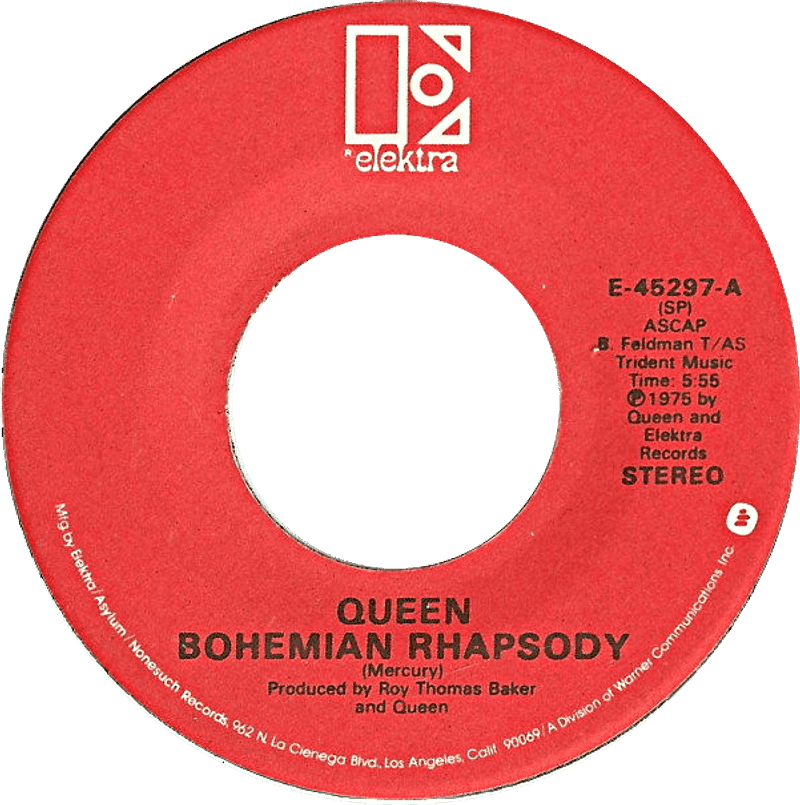
Songwriting alone would have made Freddie Mercury stand out even if the voice had been less extraordinary.
Among the Queen tracks he wrote are “Bohemian Rhapsody,” “Somebody to Love,” “We Are the Champions,” and “Don’t Stop Me Now,” which is an absurdly strong list for one person.
Drama, celebration, vulnerability, and wit all ran through those songs in completely different ways. Writing that many classics for the same band feels almost unfair.
9. Crazy Little Thing Called Love Written in Minutes
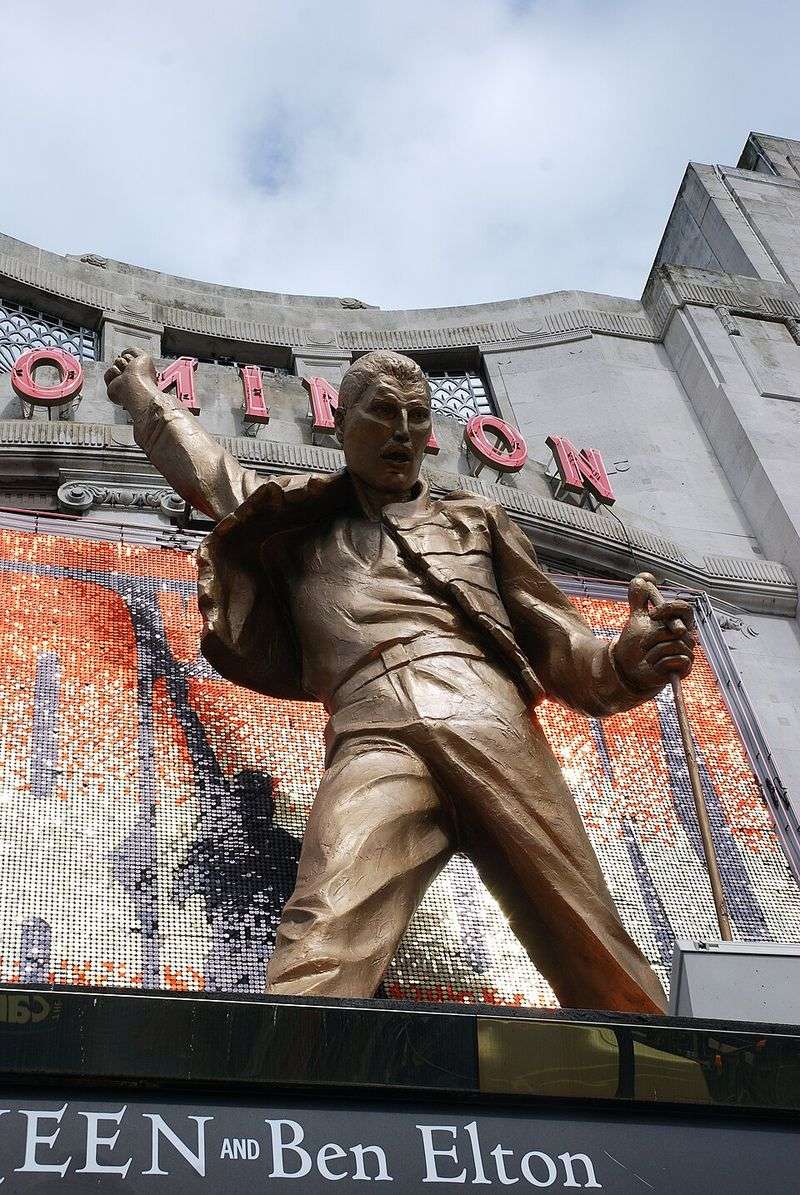
Speed can be part of genius, and “Crazy Little Thing Called Love” is one of the best examples. Freddie reportedly wrote the song very quickly, often said to be in just a few minutes, while relaxing in a hotel bathtub, then rushed to capture the idea before it disappeared.
Light, playful, and rockabilly-inspired, the track later became Queen’s first number-one single in the United States.
Ten minutes is not supposed to be enough time for that kind of result.
10. First Time Playing Guitar Live
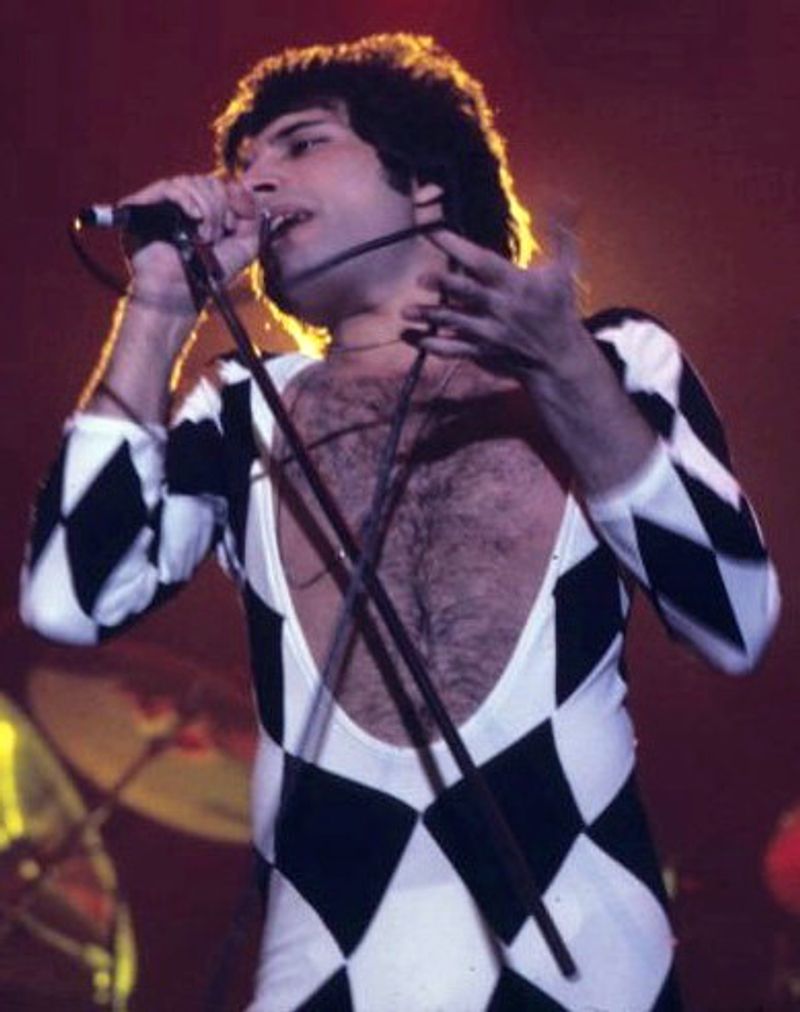
A personal first came with that same song, because it also marked the first time Freddie played guitar live with Queen.
Known far more for piano and vocals, he took on a simple rhythm part and carried it onstage despite not being a trained guitarist. Confidence probably helped, but so did the fact that he already knew how to command attention no matter what was in his hands.
For someone like Freddie, another instrument just became part of the performance.
11. Mr. Bad Guy Solo Album, 1985
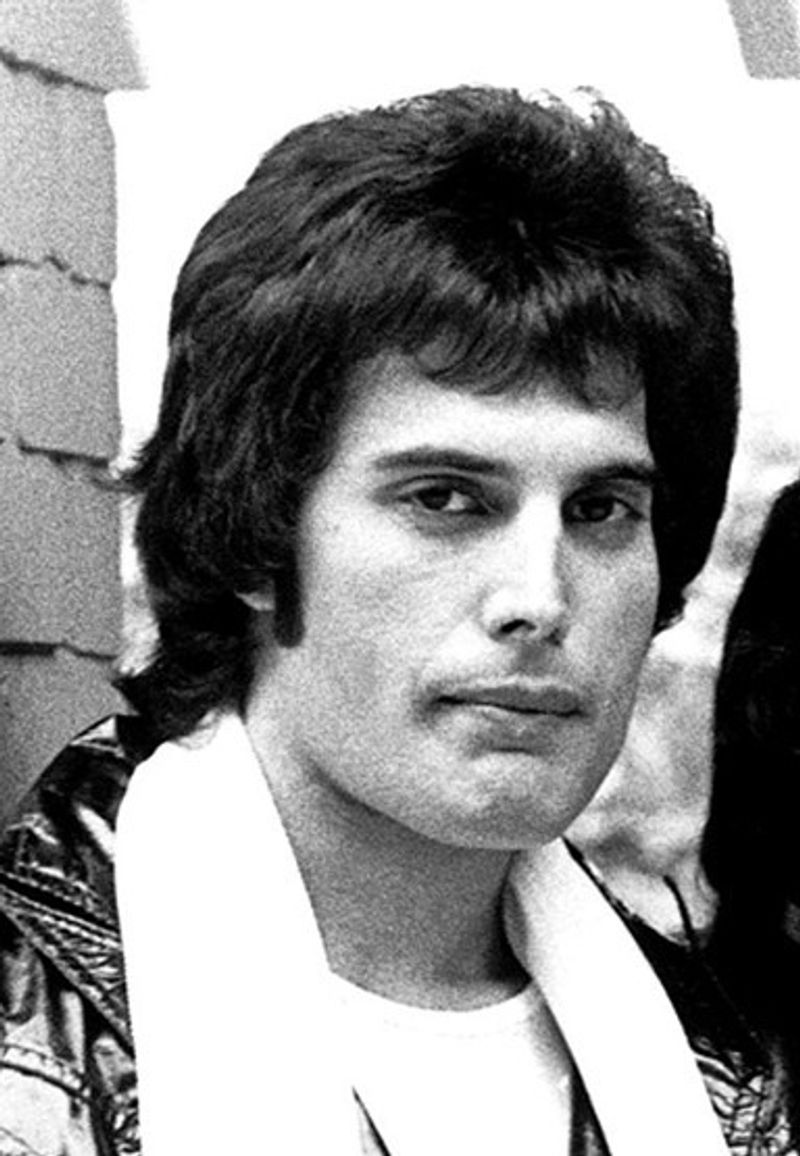
Freedom took a different musical form in 1985 when Freddie released his only solo studio album, Mr. Bad Guy.
Heavy on synth-pop and dance influences, the record moved away from Queen’s band dynamic and leaned harder into his personal tastes at the time.
Critical reactions were mixed, but the project showed a willingness to step outside a legendary group and try something more individual. Going solo looks especially bold when the band you leave for a moment is already iconic.
12. Barcelona With Montserrat Caballe
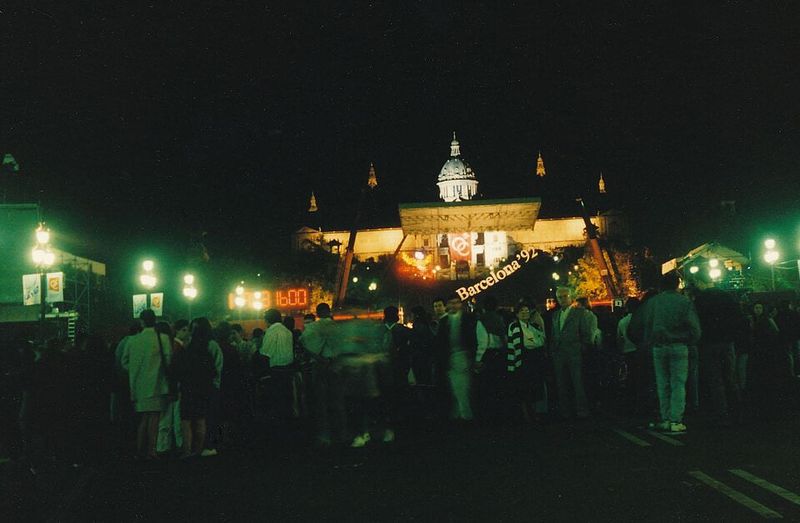
Another side of Freddie’s voice came into focus through his collaboration with opera star Montserrat Caballé. Released in 1988, Barcelona blended rock and opera in a way that let him explore a grander, more classically influenced style than Queen usually required.
Huge emotion, sweeping arrangements, and real vocal control gave the project a distinct place in his career.
Standing comfortably beside an opera legend is not something many rock singers can claim.
13. Live Aid 1985 Performance
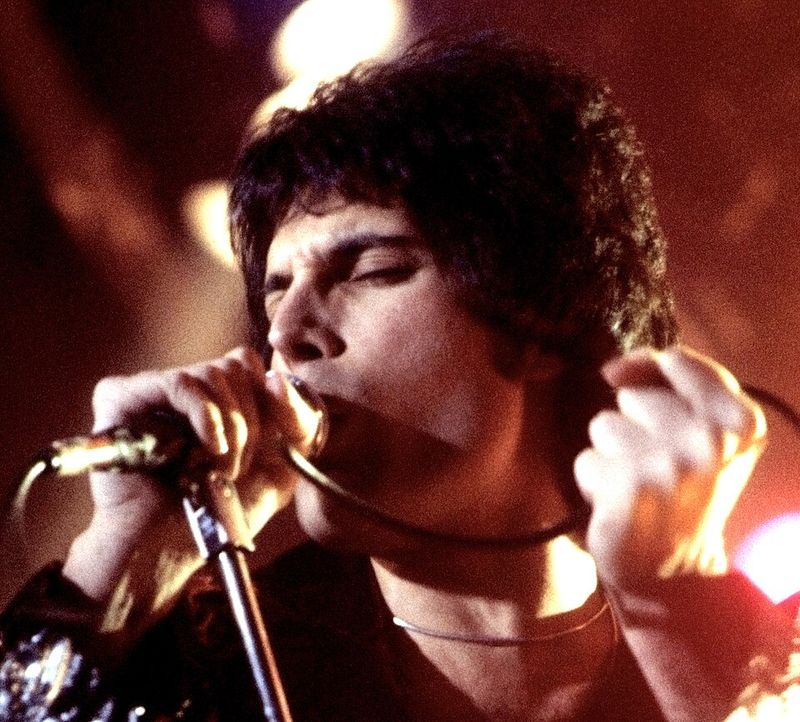
Few live sets have grown into legend the way Queen’s performance at Live Aid did on July 13, 1985.
In front of about 72,000 people at Wembley Stadium, and an enormous global television audience, Freddie took control of the crowd with astonishing ease.
Call-and-response moments, total confidence, and sheer stage presence turned a short set into one of the most celebrated performances in rock history. Some concerts entertain, while others become part of music folklore.
14. His Love Of Cats
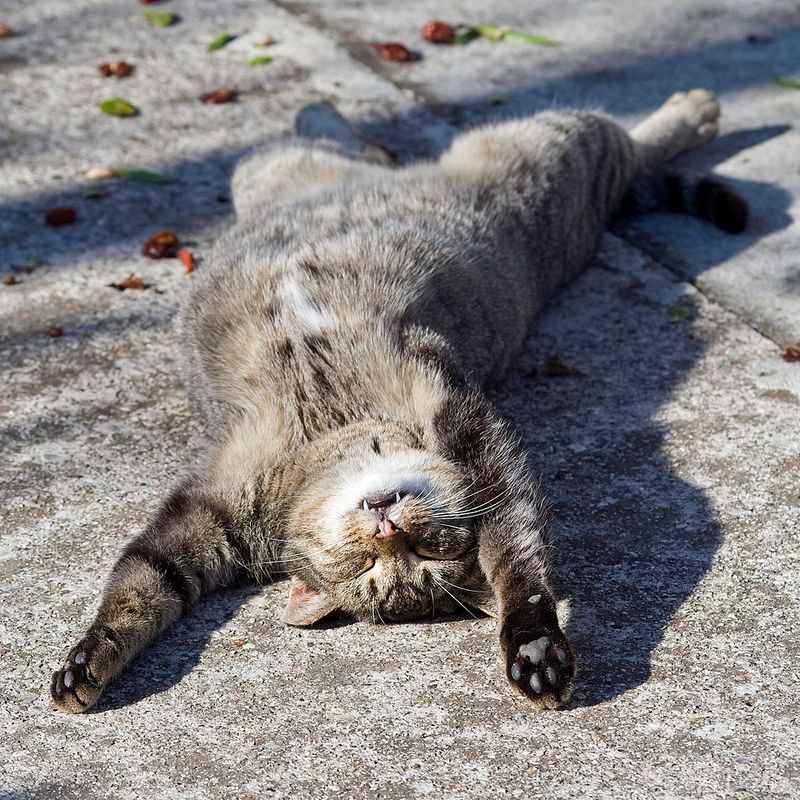
Off stage, away from the roar of crowds, Freddie was most at peace surrounded by his cats.
He adored them deeply enough to write Delilah, a Queen song dedicated entirely to one of his feline housemates. Friends and biographers have often described how attached he was to his cats, to the point that they became part of his daily emotional world even while he was away.
A rock god calling his cat from Tokyo? Honestly, very relatable.
15. Four Extra Incisors And His Voice
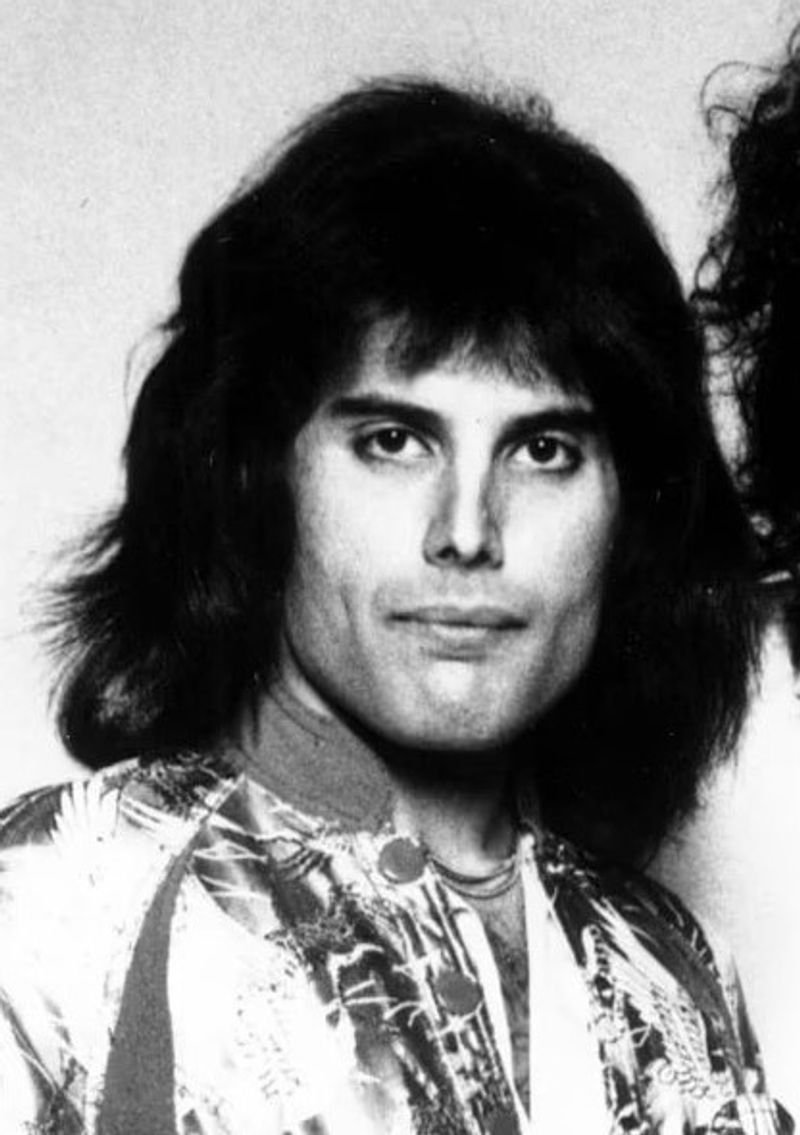
A physical feature Freddie never changed became one of the most talked-about parts of his legend.
Born with four extra incisors, he had a more prominent upper jaw than usual, and he is often said to have believed that his unusual dental structure contributed to his sound, but that connection remains more legend than settled science. What is clearer is that later vocal analysis found distinctive qualities in his singing that set him apart from many other rock vocalists.
Something he chose not to fix became part of what made the voice so distinctive.
16. AIDS Diagnosis Publicly Confirmed One Day Before His Passing
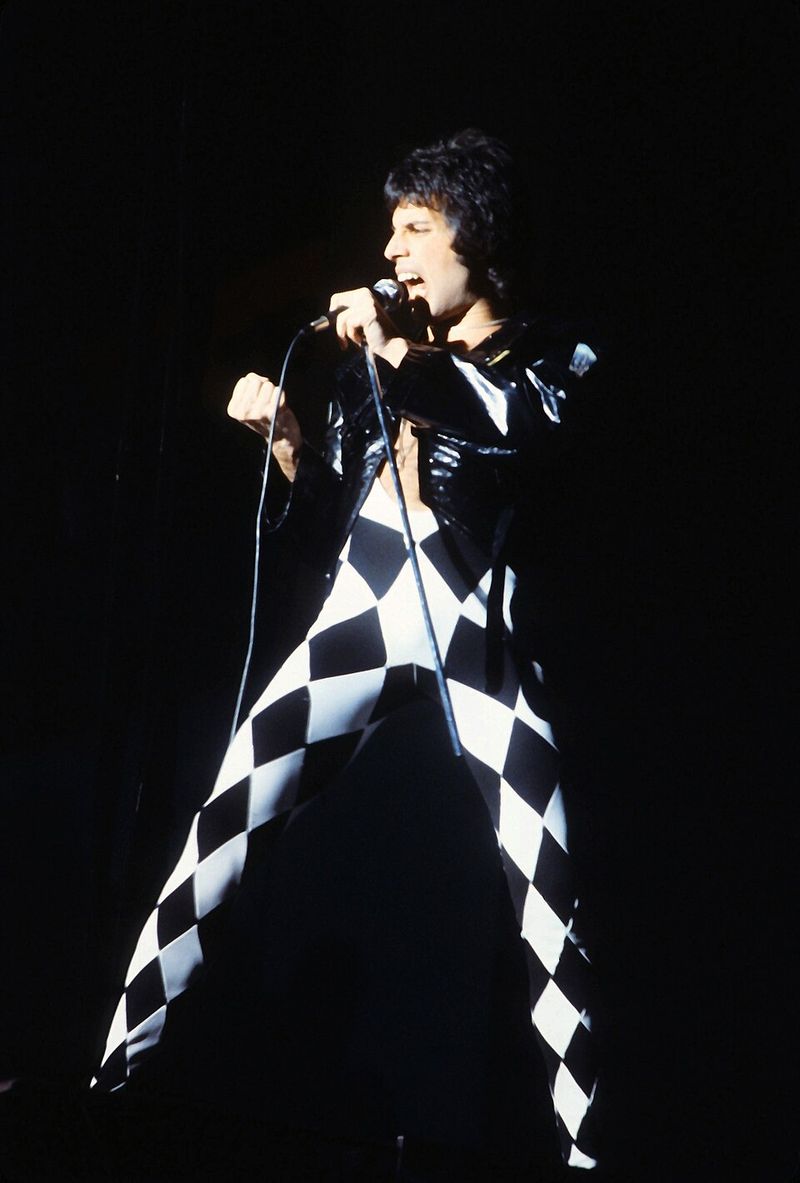
Public confirmation came very late when Freddie announced on November 23, 1991, that he had AIDS.
For years he had kept his illness private, protecting his personal life during a time when stigma around the disease remained intense and deeply damaging.
Because the statement came just one day before his passing, it carried enormous public weight and brought renewed attention to the AIDS crisis. Few announcements have carried that much weight in so little time.
17. Freddie Mercury Passed Away On November 24, 1991
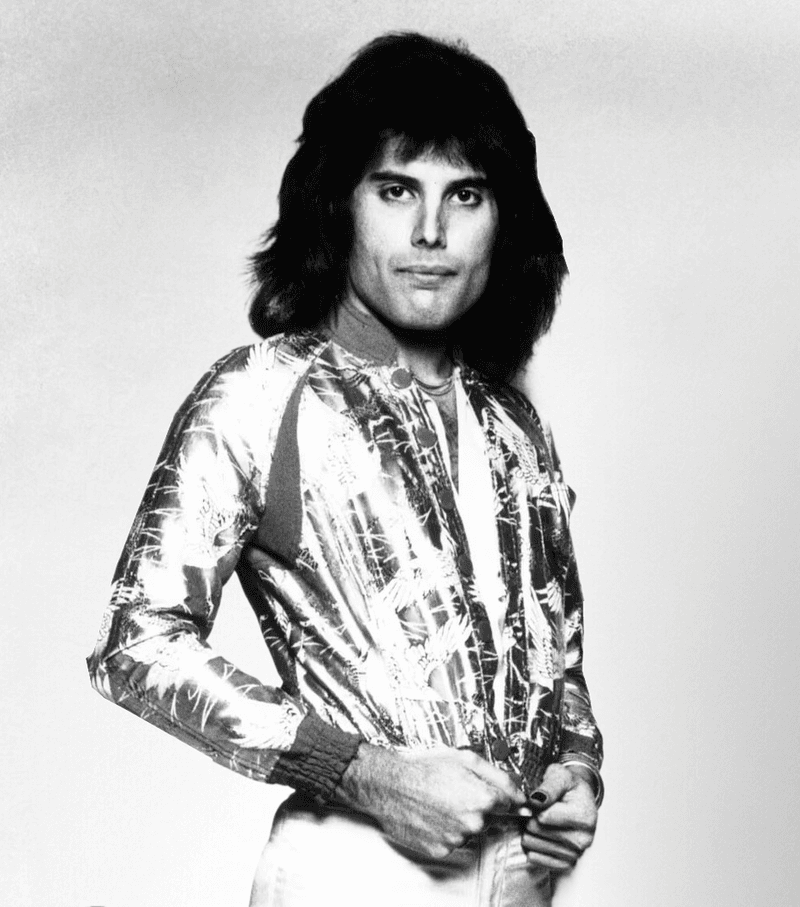
Freddie Mercury passed away on November 24, 1991, at age 45, from bronchial pneumonia resulting from AIDS. Shock spread quickly through the music world, and tributes arrived from fans, artists, broadcasters, and media outlets across the globe.
Songs like “Bohemian Rhapsody” returned to the airwaves with renewed emotion, and the scale of that response showed how deeply his work had connected with people.
Decades later, the absence still feels unusually large.
Important: This article is intended as a music-history feature highlighting well-known and lesser-known facts from Freddie Mercury’s life, creative work, and public legacy.
Some personal anecdotes connected to artists of his era have been repeated in multiple retellings over time, so the strongest claims are best grounded in official biographies, established music references, and documented interviews. The content is provided for general informational and entertainment purposes.