12 Frequent Errors Made When Breading Chicken
Nothing is more disappointing than biting into “crispy” chicken and getting a soggy slide instead. That crunchy, golden crust everyone loves actually comes down to a few simple but crucial steps most people skip.
Nail these basics, and your chicken will finally crunch the way it’s supposed to.
Note: Cooking methods and kitchen equipment can vary, so results may differ based on pan size, oil depth, and heat source.
1. Not Patting The Chicken Dry Before Coating
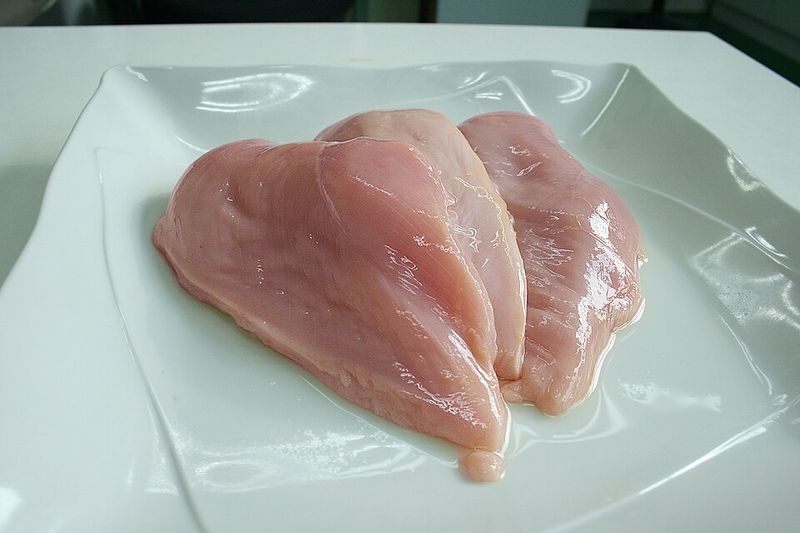
Picture pulling chicken from the fridge, eager to get dinner started, only to skip the most basic step.
Moisture and breading fight each other. They simply do not play well together, and that slick surface sends your carefully applied coating sliding right off mid-fry.
Grab a few paper towels and press every piece until no moisture shows. Your Tuesday night chicken deserves a coating that actually sticks around for the whole ride.
2. Skipping Seasoning In The Flour Or Breadcrumbs
Salt and pepper sit right there on the counter, yet somehow the flour bowl stays bland. Seasoning only the chicken can leave the coating tasting bland.
Mix your spices directly into the flour and breadcrumbs.
Every bite should deliver flavor, not just the meat hiding underneath. Think of it as dressing your chicken in a well-tailored suit instead of a plain grocery bag.
3. Using Lumpy Flour (Or Not Shaking Off Excess)
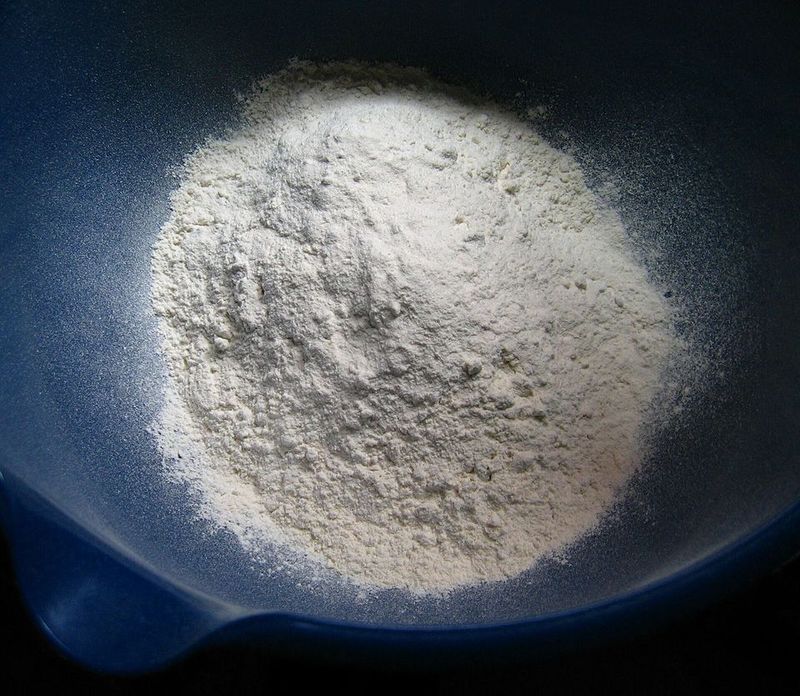
Flour clumps stick to the chicken like tiny boulders, setting the stage for trouble before frying even begins.
Nobody plans on a science experiment at dinnertime, yet uneven, gloppy patches still show up and cook into thick, pasty spots. Start by sifting or whisking the flour, then give each piece a gentle shake after dredging to remove excess.
Light, even dusting wins every time, rewarding your effort with a crisp, golden coating instead of a heavy crust.
4. Letting The Egg Layer Get Too Watery
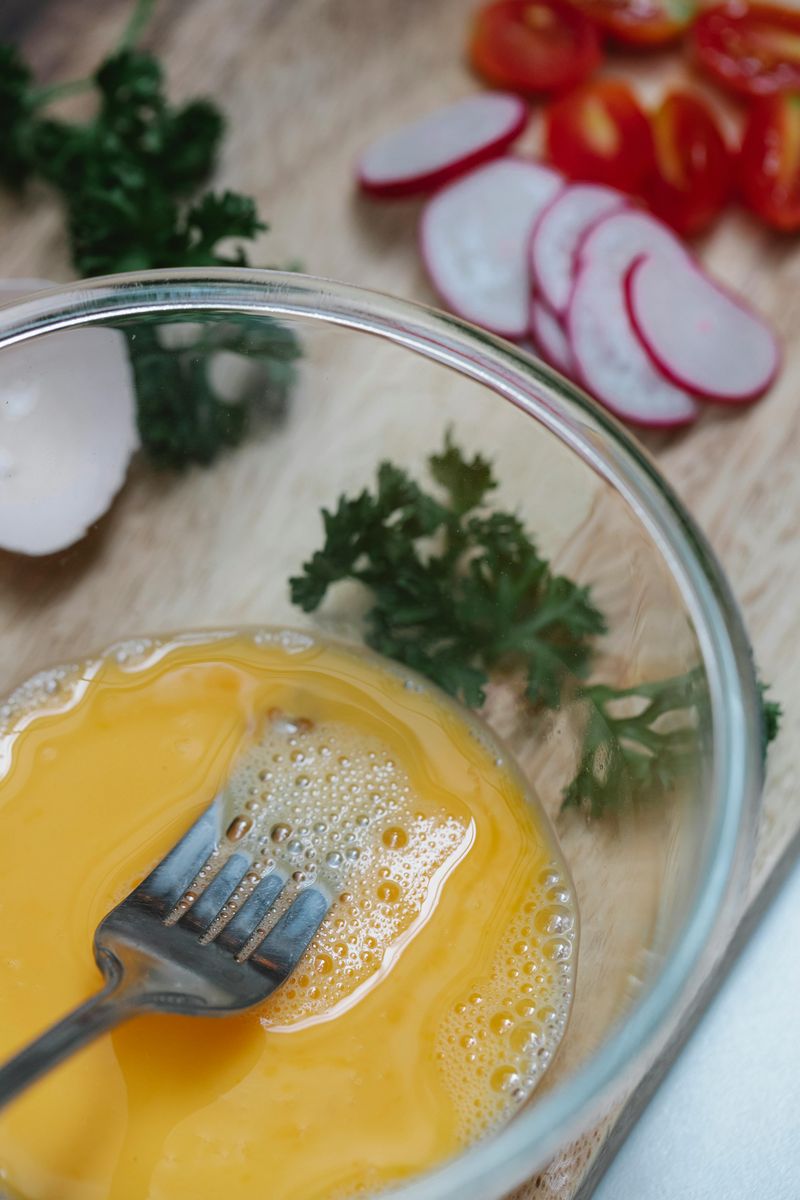
Crack a few eggs, give them a lazy stir, and suddenly the wash is thinner than morning coffee.
A thin egg wash won’t grip as well.
Beat those eggs until yolk and white marry completely, and consider adding a splash of milk or buttermilk if you want a slightly richer wash. A good egg wash clings like it means business, holding that breadcrumb layer right where it belongs.
5. Using Stale Breadcrumbs
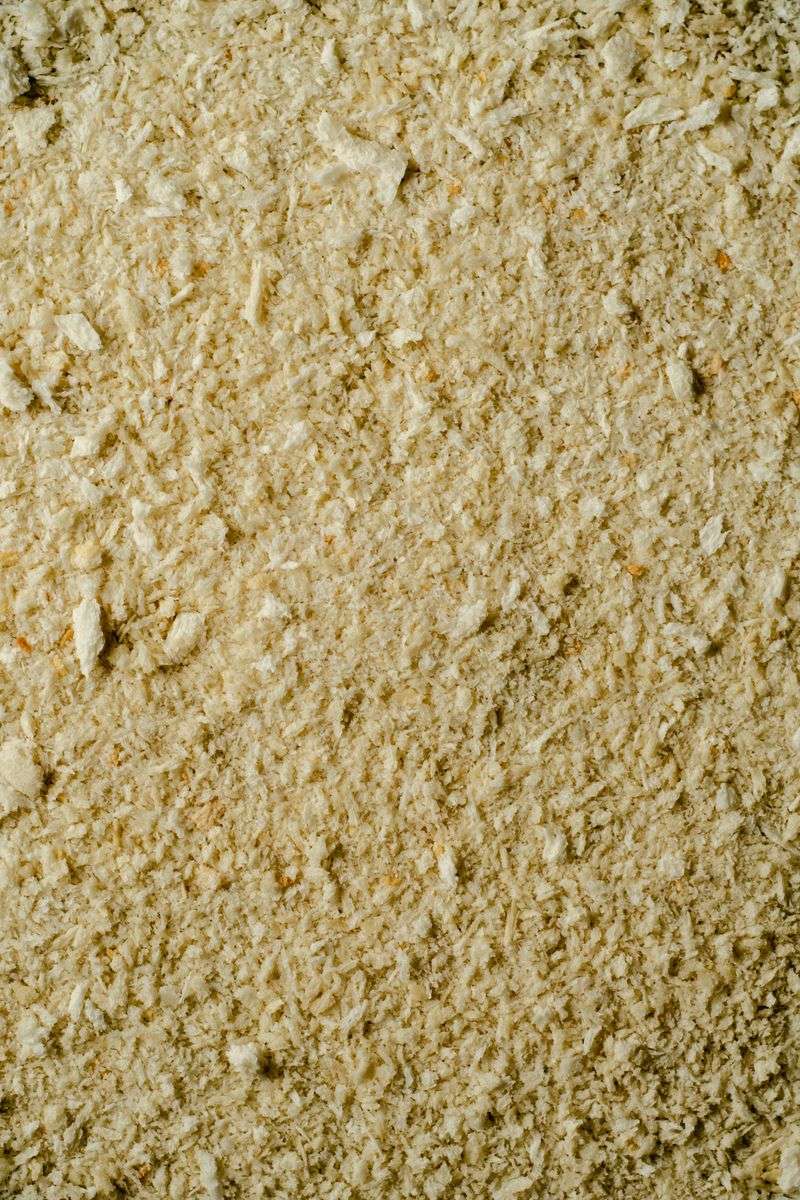
Stale crumbs from the back of the pantry might seem thrifty, but they fry up dull and lifeless.
Fresh crumbs bring better crunch. Panko stays especially crisp, while finer crumbs create a thinner, tighter coating.
Match your crumb to your craving. The right choice turns good chicken into the kind that disappears before the timer even beeps.
6. Not Pressing The Crumbs On Firmly Enough
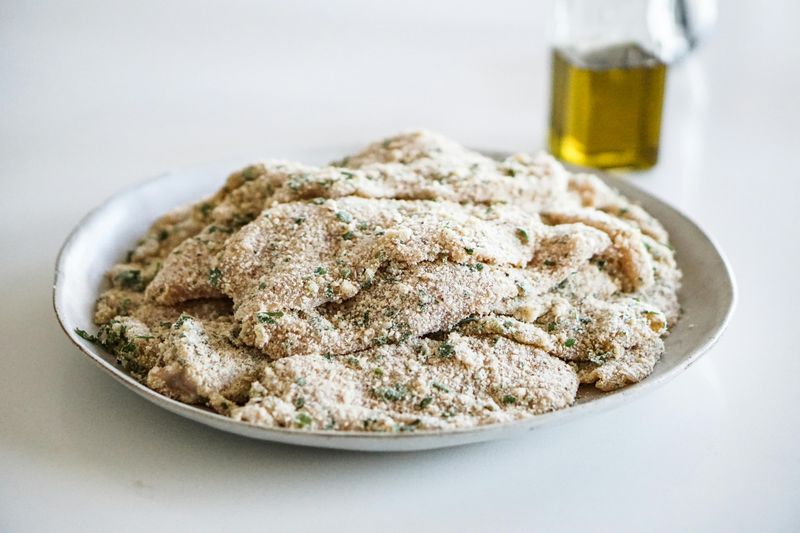
Tossing chicken in crumbs and hoping for the best is like wearing socks without elastic.
Press each piece with your palms, patting and packing until the coating feels snug. A firm hand now means fewer sad, bare patches later when the chicken hits the hot oil.
Breading that stays put is breading that gets the job done, no excuses.
7. Frying Immediately
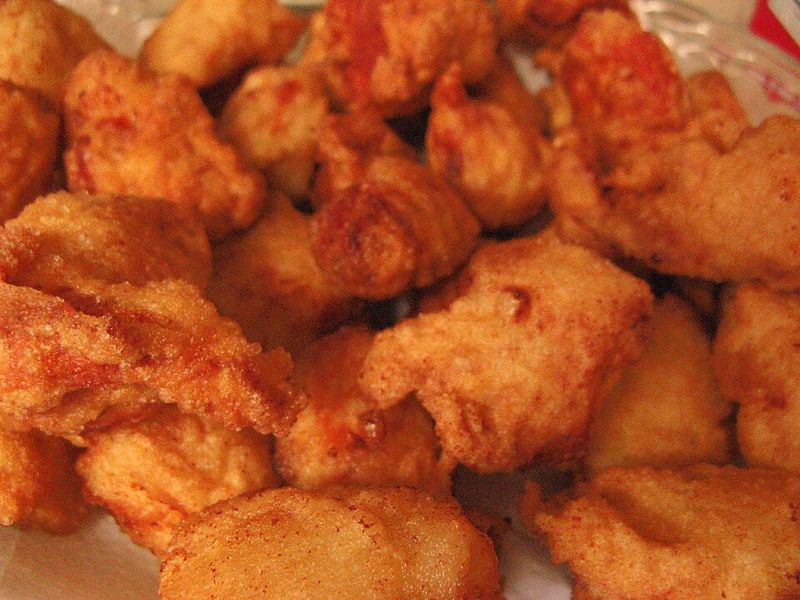
Patience is not exactly a kitchen virtue when hunger strikes.
Breaded chicken needs a short rest, about ten to fifteen minutes, so the layers bond like old friends catching up over coffee. Skip the wait and watch that beautiful coating peel away the second it meets hot oil.
Set a timer, check your phone, let the magic happen.
8. Guessing Oil Temperature
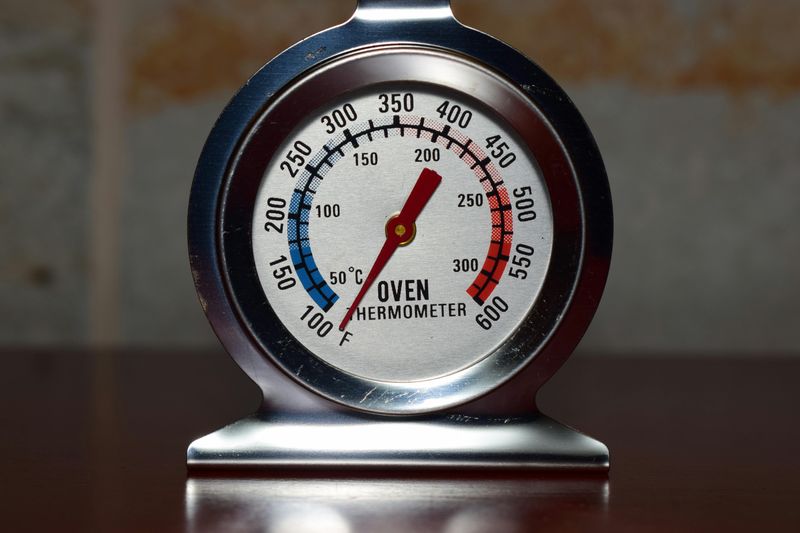
Guessing at oil temperature turns frying into a risk that rarely ends well. Let it run too cool and chicken absorbs grease like a sponge, while excess heat burns the outside before the inside cooks through.
Using a thermometer removes the uncertainty and helps you keep the oil in a steady frying range, often around 325°F to 350°F.
Perfectly crisp, golden, and fully cooked results show up far more often when temperature stays under control.
9. Overcrowding The Pan
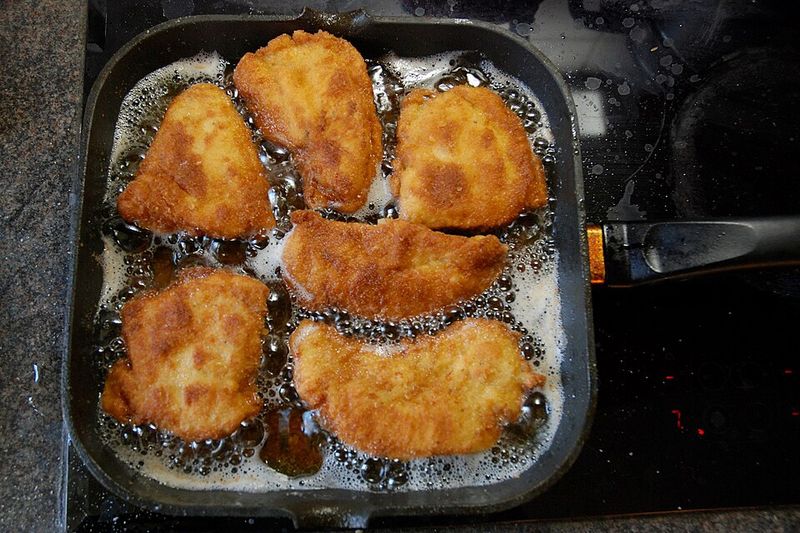
Trying to cook every piece at once might seem efficient, but the oil temperature drops in a hurry. Instead of frying, the chicken begins to steam, leaving the coating pale and soggy.
Give each piece some room, work in batches, and maintain steady heat for better results.
A little patience pays off with real crunch, and nobody ever wishes for less crispy chicken.
10. Flipping Too Early Or Too Often
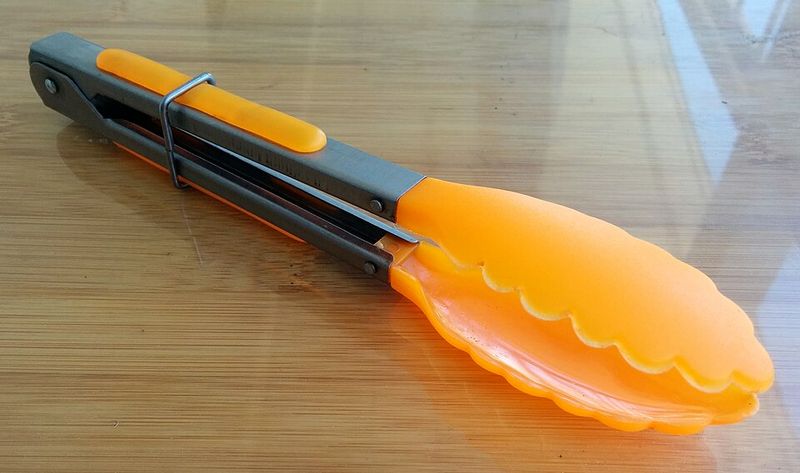
Impatience and tongs can be a messy combo.
Flip too soon and the coating rips away, leaving bare chicken and a pan full of crumbs. Let each side cook undisturbed until golden and firm, then turn once with confidence.
Breading needs time to set and crisp. Treat it gently, and it will reward you with a shell that stays intact from pan to plate.
11. Not Checking Doneness With A Thermometer
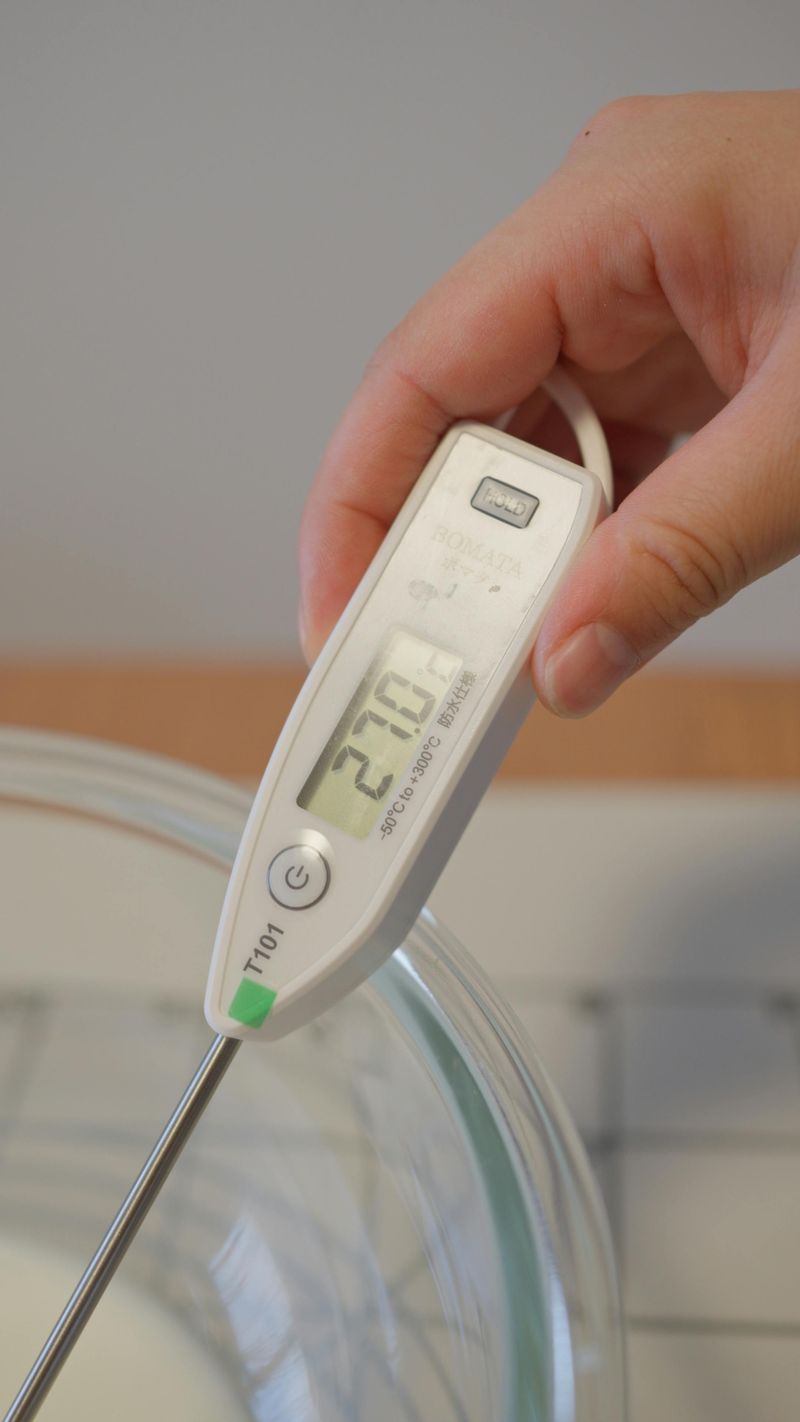
Slicing into chicken to check doneness lets precious juices run out and leaves dry meat behind.
Using a thermometer answers the question in seconds. Aim for 165°F (74°C) in the thickest part, and dinner turns out safe, juicy, and properly cooked.
Thicker cutlets especially benefit from that extra check, since guessing can lead to undercooked centers or overdone edges.
12. Draining On Paper Towels
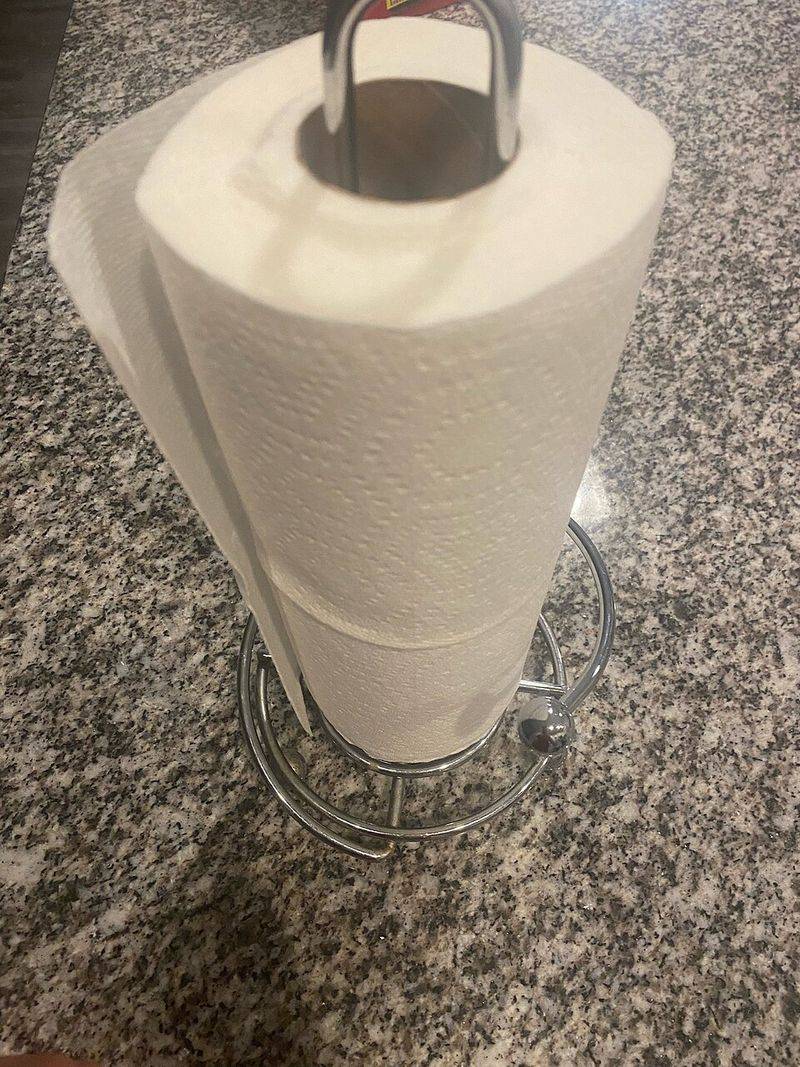
Paper towels seem like the logical landing spot after frying, but they trap steam underneath and turn that crispy bottom into a soggy disappointment.
Use a wire rack instead, letting air circulate all around each piece. The coating stays crisp on every side, and nobody has to deal with a limp, oily undercarriage ruining an otherwise perfect bite.