11 Fried Chicken Errors That Separate Home Cooks From Pros
Golden, crispy fried chicken is one of those dishes that can make or break a meal.
When done right, it’s crunchy on the outside, juicy on the inside, and absolutely irresistible.
But getting there takes more than just tossing chicken in hot oil—there are sneaky mistakes that can turn your dinner into a greasy, undercooked, or flavorless disaster.
1. Skipping the Brine or Buttermilk Soak
Ever wonder why restaurant fried chicken tastes so much better?
The secret often starts hours before the first piece hits the oil.
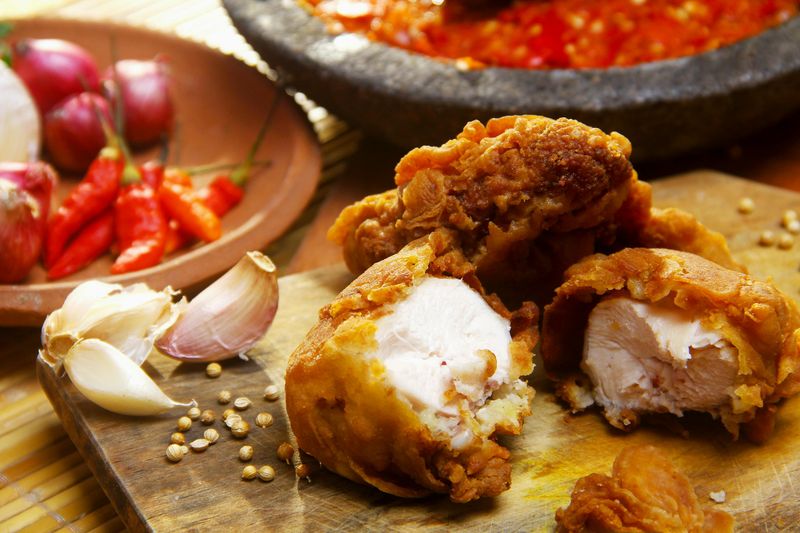
Brining or soaking chicken in buttermilk transforms bland meat into something juicy and flavorful.
Buttermilk’s acidity tenderizes the proteins while infusing moisture deep into every bite.
Skipping this step is like skipping the foundation when building a house—you might get something standing, but it won’t be sturdy or satisfying.
2. Frying Chicken Straight from the Fridge
Cold chicken meeting hot oil creates a temperature disaster.
When you fry meat straight from the refrigerator, the outside cooks way faster than the inside.
You end up with a burnt crust and raw center—nobody wants that surprise.
Letting your chicken sit out for about thirty minutes brings it to room temperature, ensuring even cooking throughout.
Patience here pays off big time, turning potential food poisoning into perfectly cooked poultry.
3. Not Drying the Chicken Properly
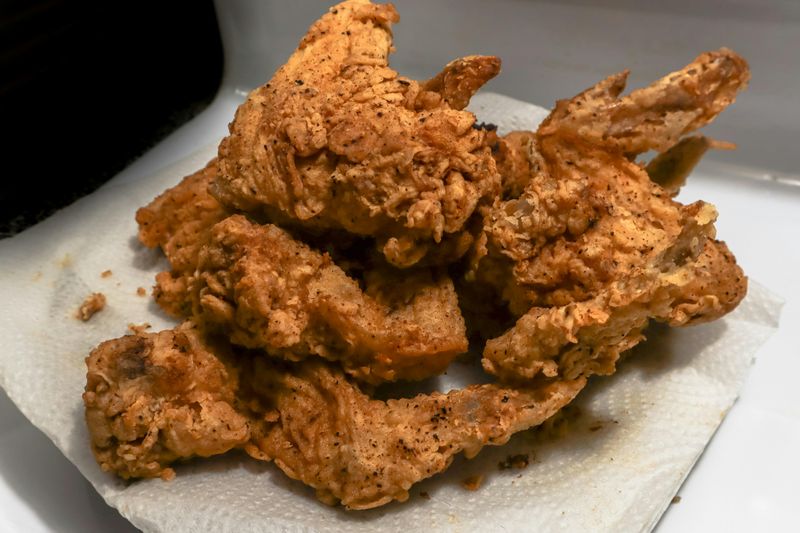
Moisture is the enemy of crispy coating.
When chicken surfaces stay wet, your carefully seasoned flour just slides right off or turns into a soggy mess.
Pat each piece thoroughly with paper towels until they’re completely dry to the touch.
This simple step creates the perfect canvas for your breading to stick and crisp up beautifully.
Pro chefs never skip this—it’s the difference between restaurant-quality crunch and sad, soggy skin.
4. Overcrowding the Frying Pan
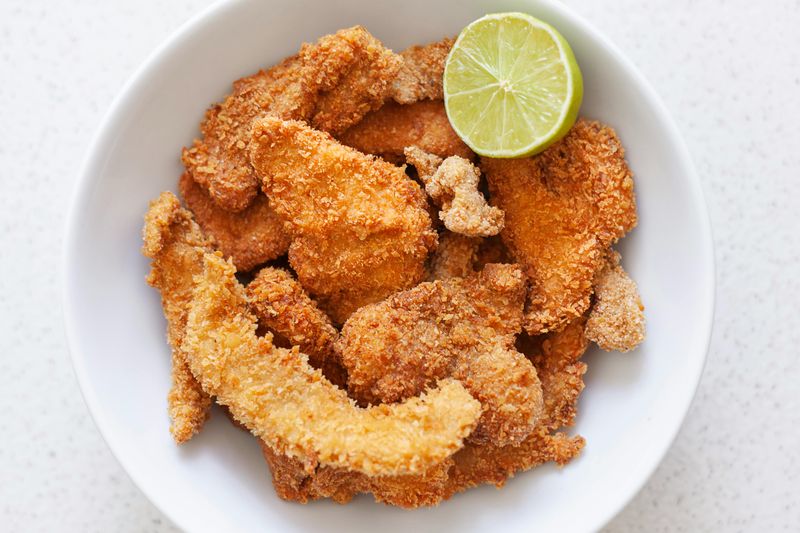
Stuffing your pan like a crowded elevator drops the oil temperature instantly.
When that happens, your chicken absorbs grease instead of crisping up, leaving you with oily, limp results.
Each piece needs space to swim freely and cook evenly.
Fry in small batches, even if it takes longer—your patience will be rewarded with golden, crunchy perfection.
Plus, less crowding means better heat circulation and more consistent browning all around.
5. Choosing the Wrong Frying Oil
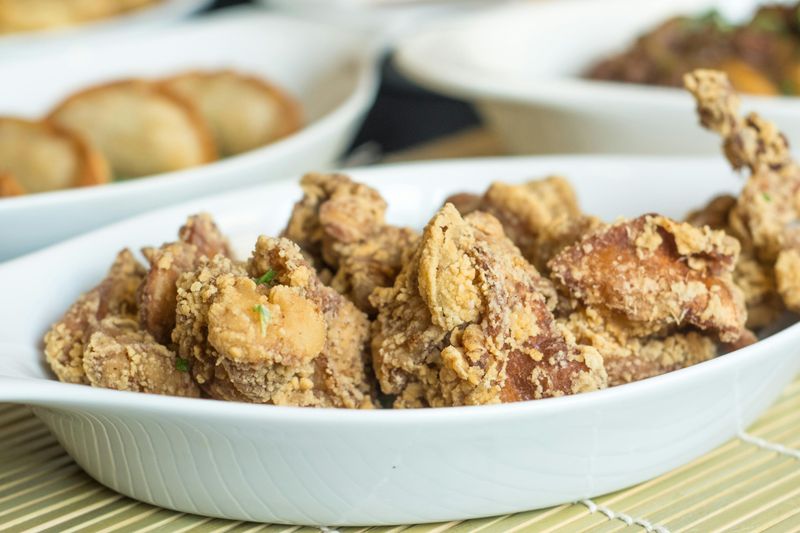
Not all oils can handle the heat of frying.
Olive oil or butter will burn and smoke before your chicken is even halfway done, ruining the flavor.
Peanut, canola, and sunflower oils have high smoke points, meaning they stay stable at frying temperatures.
Using the right oil prevents burnt tastes and keeps your kitchen from turning into a smoke-filled disaster zone.
This choice impacts both flavor and safety—definitely not something to wing.
6. Ignoring Oil Temperature Control
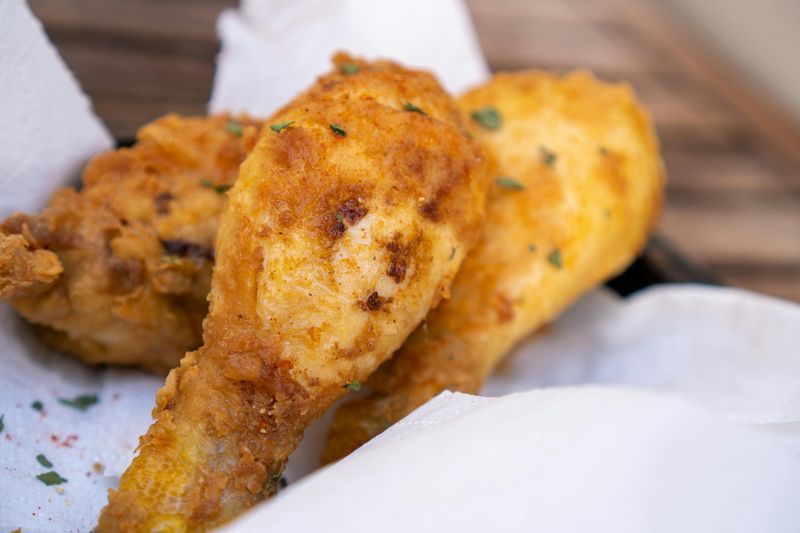
Temperature control separates amateurs from pros faster than anything else.
Oil that’s too hot burns the coating while leaving raw meat inside.
Too cool, and your chicken becomes a greasy sponge soaking up oil.
Keep your oil between 325°F and 350°F using a thermometer—guessing just doesn’t cut it.
Consistent heat gives you that perfect golden crust with juicy, fully cooked meat every single time.
7. Forgetting to Season the Coating
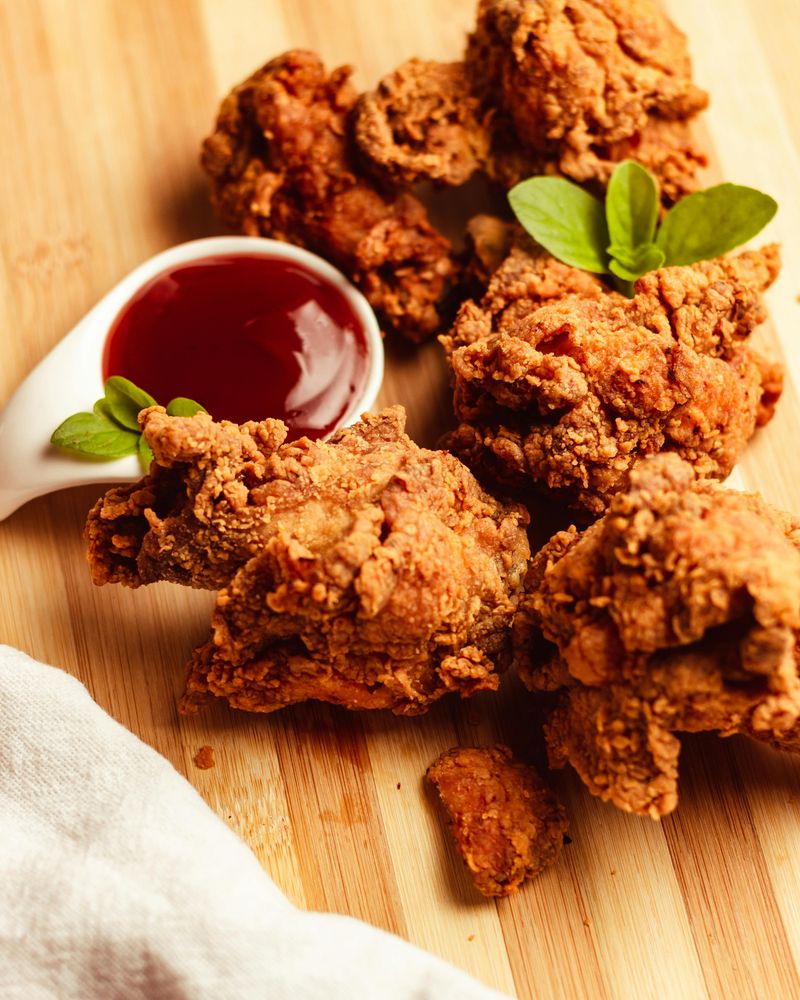
Plain flour makes plain chicken—boring and forgettable.
Professionals load their coating with salt, pepper, paprika, garlic powder, and other spices that pack serious flavor.
Season both the flour mixture and the chicken itself so every layer tastes amazing.
Your coating is prime real estate for flavor, so don’t waste it.
A well-seasoned crust can turn ordinary chicken into something people ask for the recipe.
8. Serving Immediately Without Resting

Straight from oil to plate sounds tempting, but hold on.
Fried chicken needs a few minutes on a wire rack to let the coating set and excess oil drip away.
Serving immediately traps steam, which softens that beautiful crispy crust you worked so hard to create.
Resting also redistributes juices inside the meat, making every bite more flavorful.
A little patience at the finish line makes all the difference.
9. Skipping the Meat Thermometer
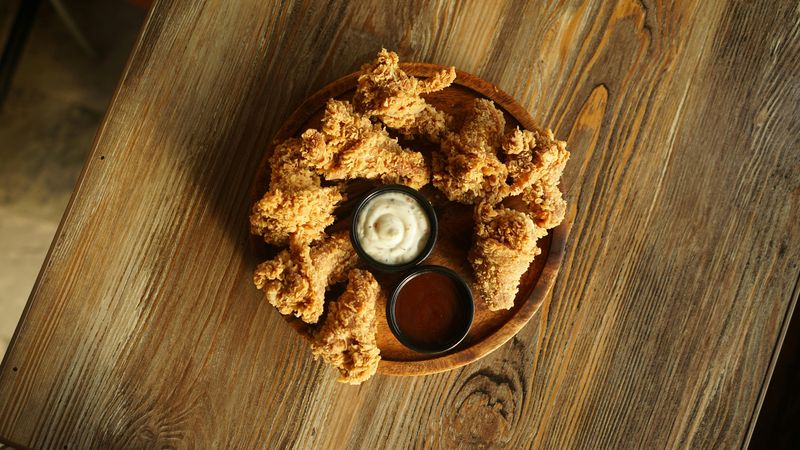
Guessing doneness by color alone is a rookie move.
Chicken can look perfectly golden outside while still being dangerously undercooked inside.
An instant-read thermometer takes the mystery out—chicken is safe at 165°F internal temperature.
This tool protects your guests from foodborne illness and prevents overcooking that dries out the meat.
Professionals never fry without one, and neither should you if you want consistent, safe results.
10. Rushing Through the Process
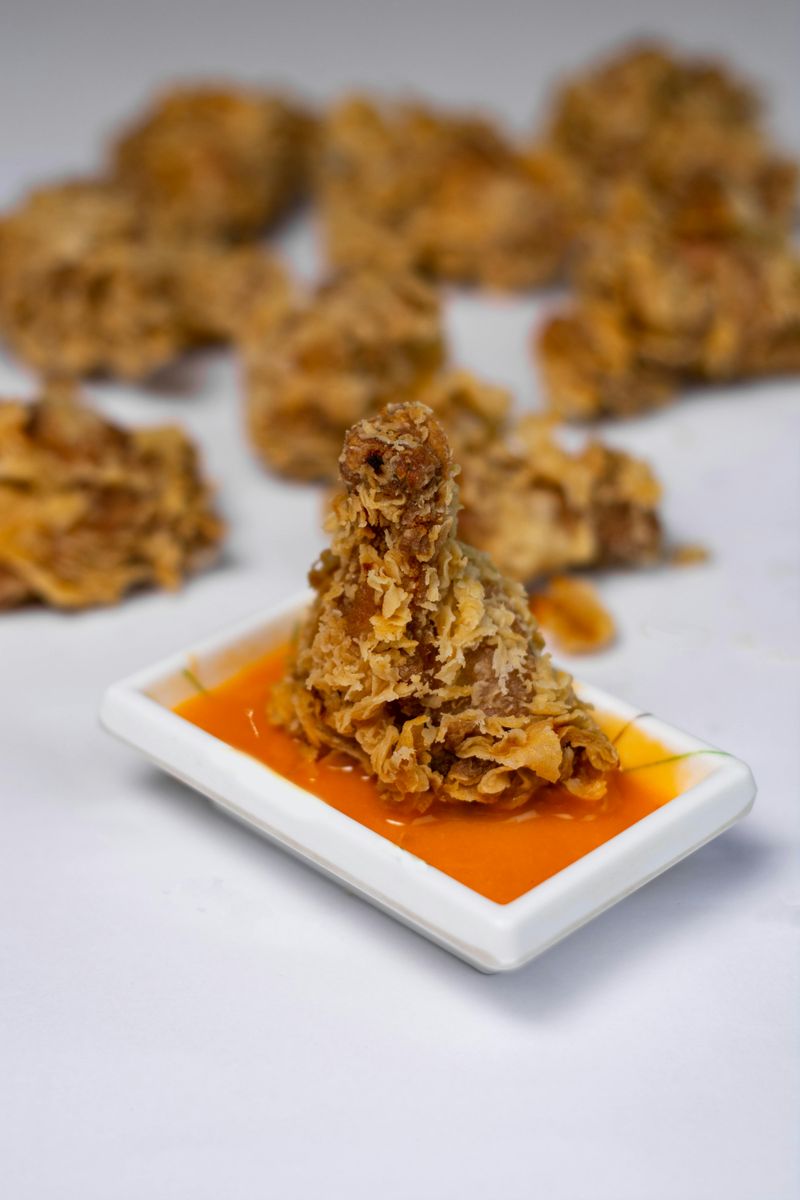
Great fried chicken demands time and respect for each step.
Skipping the marinade, rushing the breading, or frying too fast all lead to disappointing results.
Each stage builds flavor and texture—there are no shortcuts to perfection.
Home cooks who try to speed through end up with mediocre chicken, while patient cooks create restaurant-worthy meals.
Slow down, enjoy the process, and your taste buds will thank you later.
11. Using Wet Batter Instead of Dry Dredge
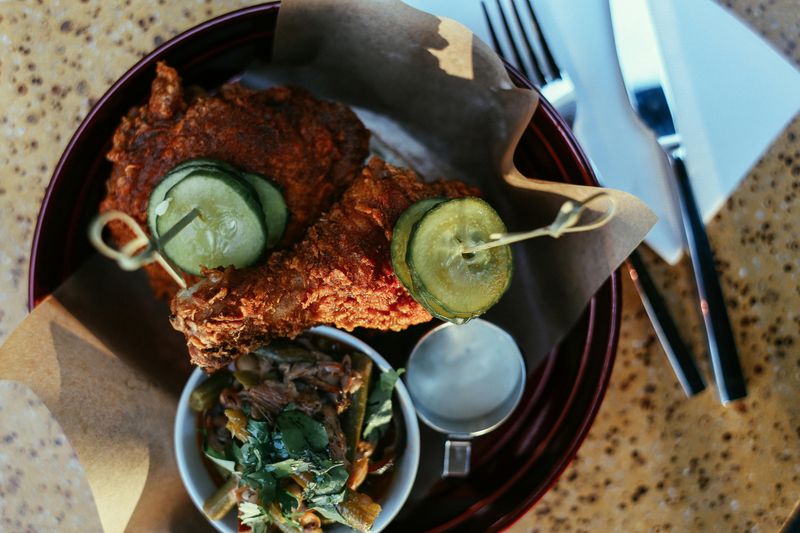
Wet batters can work, but they’re tricky and often lead to uneven, thick coatings.
Classic Southern-style fried chicken uses a dry dredge method—flour, buttermilk, then flour again.
This creates those signature craggy bits and a lighter, crispier crust.
Wet batters tend to absorb more oil and can slide off during frying.
Master the dry method first before experimenting—it’s the technique most professionals swear by for consistent crunch.