From Batteries To Band-Aids: 12 Non-Sewing Stars Of Mom’s Sewing Kit
Open up any mom’s sewing kit and you’ll find way more than needles and thread hiding inside.
Tucked between spools and buttons are all sorts of surprising helpers that have nothing to do with stitching fabric.
These everyday heroes swoop in to save the day when life throws little emergencies your way, from dead remotes to scraped knees.
Here are twelve unexpected champions that deserve their spot in that trusty tin box.
It’s practically a miniature toolbox disguised as a crafting essential, ready for any chaos a household can throw at it.
One peek inside, and you’ll understand why moms treated these kits like secret survival vaults.
Disclaimer: This list is based on nostalgic chaos and collective childhood memories, not official sewing-kit standards.
Contents of actual mom sewing kits may vary wildly by household, decade, and level of preparedness.
Nothing in this article is medical, safety, or repair advice, just a fun peek into the legendary catch-all tin that seemed to hold the entire universe.
1. Batteries
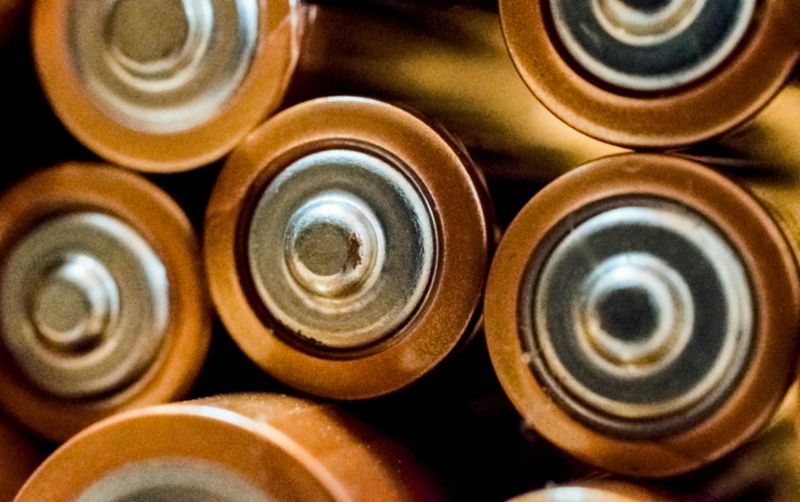
Ever notice how the TV remote fails you at the worst possible moment?
Batteries are the unsung heroes of modern life, and mom always keeps a few tucked in her sewing kit for emergencies.
These little power cells might seem out of place among the fabric scissors and thread, but they’re lifesavers when you need them most.
Think about it: flashlights during power outages, kids’ toys that suddenly go silent, or that kitchen timer that stops mid-cookie-baking.
Having batteries on hand means you won’t have to pause movie night or scramble through junk drawers at midnight.
Mom knows that preparedness beats panic every single time.
The sewing kit becomes a mini hardware store, ready to restore power to whatever gadget needs it.
Plus, batteries are small and lightweight, making them perfect companions for needles and pins.
They don’t take up much room but deliver maximum convenience when crisis strikes.
Whether it’s AA, AAA, or those tiny button cells for watches, keeping them close means one less thing to worry about.
So next time you spot batteries nestled between thread spools, remember they’re there for a reason.
Mom’s always thinking three steps ahead, just saying.
2. Band-Aids
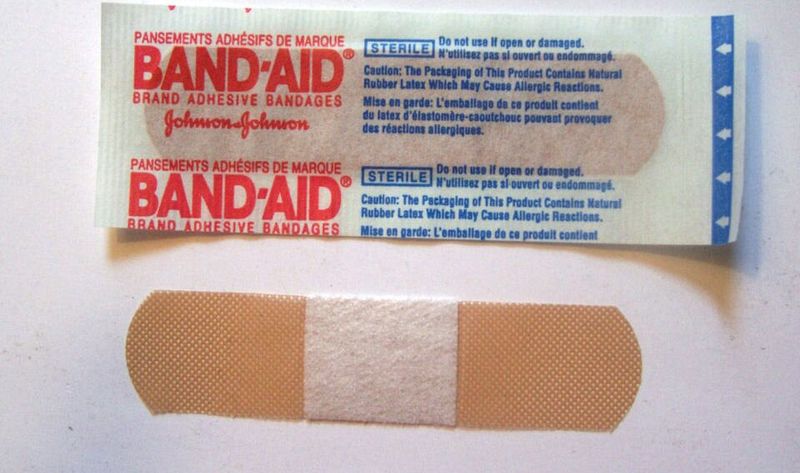
Needles are sharp, and accidents happen faster than you can say ouch.
That’s why Band-Aids earn their spot as essential non-sewing residents of mom’s kit.
One quick poke from a rogue pin and you’ll be grateful these sticky little lifesavers are within arm’s reach.
No one wants to smudge freshly hemmed pants or pause a project to fetch supplies.
Band-Aids transform minor boo-boos into non-issues, letting you get back to work without missing a beat.
They’re also perfect for papercuts, hangnails, or those mysterious tiny injuries that appear out of nowhere.
Kids love the fun designs with superheroes or cartoon characters, turning tears into giggles instantly.
Even grown-ups appreciate the comfort of covering a small wound quickly and moving on with their day.
The compact size means a few bandages fit perfectly without crowding out other essentials.
Some moms even keep antibiotic ointment packets tucked alongside them for extra protection.
It’s like having a mini first-aid station ready whenever creativity or repairs are happening.
Because let’s be honest, sewing and safety should always go hand in hand.
3. Safety Pins
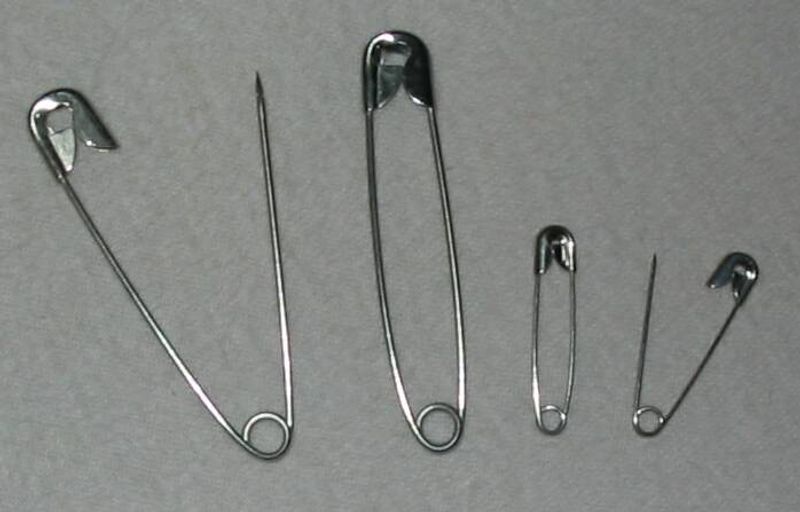
Safety pins are basically the Swiss Army knives of the sewing world.
Sure, they’re technically sewing-related, but their superpowers extend far beyond hemming skirts.
Got a broken zipper on your backpack five minutes before the school bus arrives?
Safety pins to the rescue, holding things together until proper repairs can happen.
They’re emergency clothing fasteners, makeshift keychains, and even zipper pull replacements when the original tab breaks off.
Fashion emergencies don’t stand a chance against these curved metal heroes.
Moms have used them to attach race numbers to marathon shirts, secure blankets for impromptu forts, and hold together ripped seams until sewing time arrives.
They’re also fantastic for organizing: clip matching gloves together before tossing them in the wash or keep pairs of earrings from separating in your jewelry box.
The locking mechanism means they won’t accidentally open and poke you, unlike straight pins.
Different sizes handle different jobs, from delicate fabric to heavy-duty denim repairs.
Honestly, if safety pins could talk, they’d have stories for days.
Keep a variety of sizes handy and you’ll never face a wardrobe malfunction unprepared.
4. Scissors
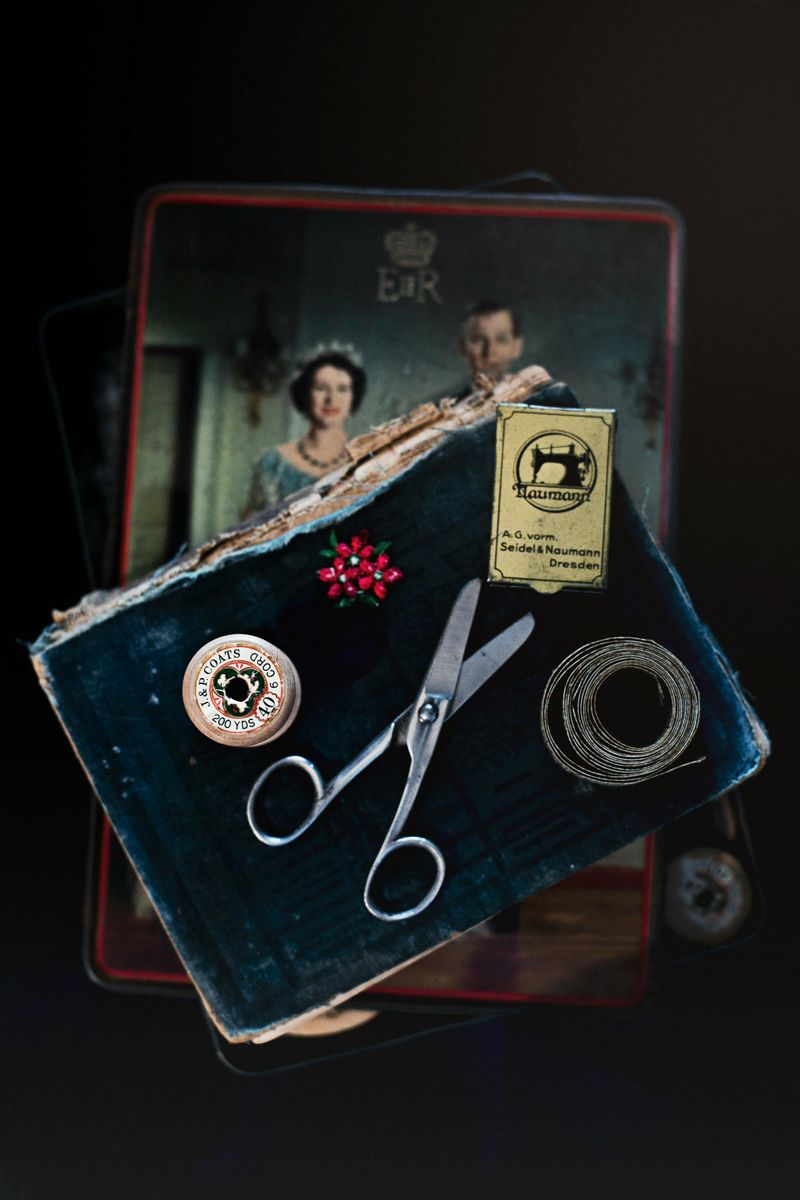
A dedicated pair of scissors lives in mom’s sewing kit, and nobody better use them on paper.
Seriously, using fabric scissors on anything else is basically a crime in the crafting world.
These specialized blades stay razor-sharp because they only cut thread, ribbon, and cloth, making clean cuts every single time.
Dull scissors create frayed edges and frustrated sewers, which is why mom guards hers like a dragon protects treasure.
But their usefulness extends beyond sewing projects into everyday life.
Need to trim a loose thread on your favorite hoodie before heading out?
Fabric scissors handle it perfectly without leaving jagged edges.
They’re also ideal for cutting ribbons for gift wrapping, trimming craft materials, or even snipping fresh herbs from the garden.
The ergonomic handles make them comfortable to use, even during longer cutting sessions.
Some moms keep both large shears for big projects and small embroidery scissors for detail work.
The little ones are perfect for precision tasks like removing tags or snipping delicate materials.
Having quality scissors means cleaner projects and less frustration overall.
Just remember the golden rule: fabric scissors cut fabric, period.
5. Measuring Tape
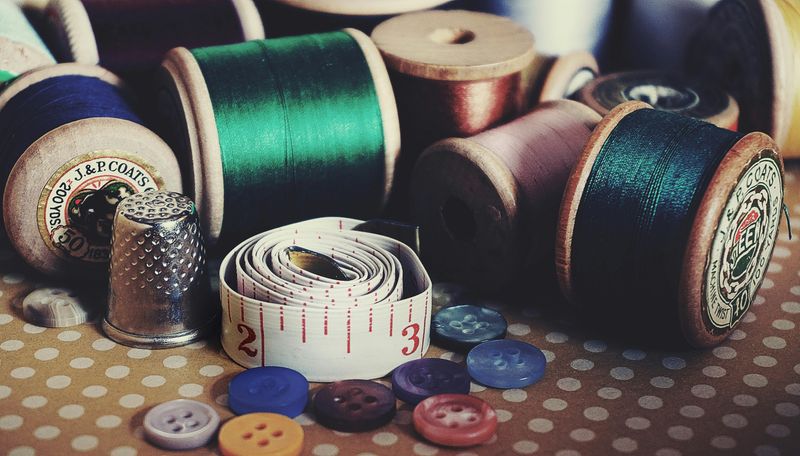
How tall has your little brother grown since last year?
The flexible measuring tape from mom’s sewing kit can tell you in seconds.
While its primary job involves taking body measurements for clothing alterations, this bendy ruler handles countless other tasks.
Need to know if that new bookshelf will fit in your room?
Grab the measuring tape instead of hunting down a rigid ruler.
It curves around objects, making it perfect for measuring circular things like lampshades, plant pots, or even your dog’s collar size.
Parents use them to track kids’ growth spurts by marking heights on doorframes.
Crafters rely on them for scrapbooking layouts and picture frame spacing.
The compact design means it retracts or rolls up neatly, taking up minimal space in the kit.
Most feature both inches and centimeters, making them useful for school projects requiring metric measurements.
Some even have fun colors or patterns that make measuring feel less like math homework.
Whether you’re checking if furniture fits through doorways or seeing how much taller you’ve grown, this flexible friend delivers accurate answers.
It’s like having a pocket-sized mathematician ready whenever you need dimensions.
6. Fabric Glue
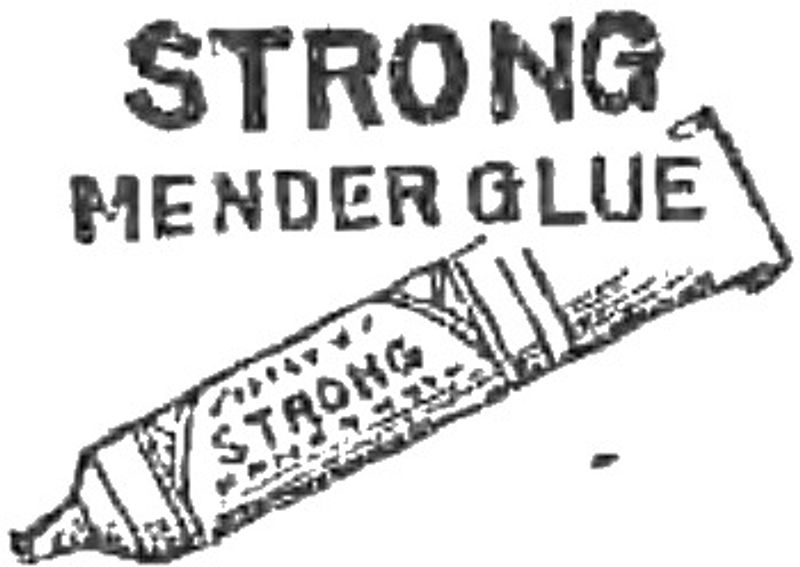
Not everyone has time to break out the needle and thread for every little fix.
That’s where fabric glue struts in like a superhero without a cape.
This sticky genius bonds materials together quickly, creating strong holds without a single stitch.
Perfect for attaching patches to jackets, securing loose hems on curtains, or fixing costume pieces before the school play.
It dries clear and flexible, so it won’t create stiff, uncomfortable spots on clothing.
Kids love using it for craft projects because it’s easier than threading needles and way less intimidating.
Parents appreciate how it handles emergency repairs when there’s literally no time for proper sewing.
Ripped backpack pocket right before vacation?
Fabric glue can hold it together until you’re back home with more time.
It also works beautifully for decorative purposes, like adding rhinestones, sequins, or appliques to plain clothing.
Most fabric glues are washable once fully cured, meaning your repairs survive laundry day.
The small tubes fit perfectly in sewing kits without taking up much room.
Sometimes the fastest solution is the smartest one, and fabric glue proves that point every time.
7. Lint Roller
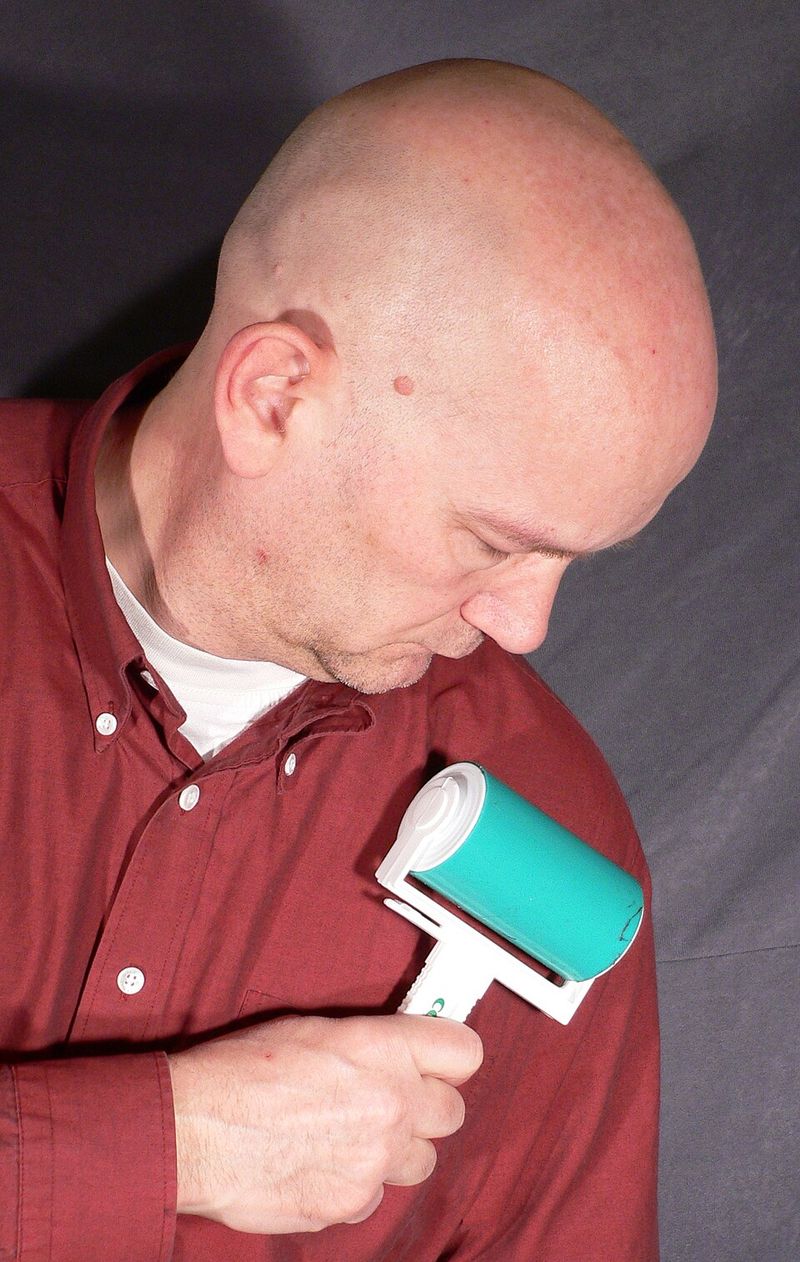
Pet owners understand the eternal struggle against fur-covered clothing.
One cuddle with Fluffy the cat and suddenly you’re wearing half her coat to school.
The lint roller saves the day by quickly removing pet hair, dust, and lint from any fabric surface.
This sticky-sheeted wonder works like magic, rolling over clothes and picking up everything that doesn’t belong.
It’s faster than vacuuming and way more effective than trying to pick off individual hairs by hand.
Before important events, a quick once-over with the lint roller ensures you look polished and professional.
No more walking around with mysterious fuzz on your favorite black pants.
The compact size makes it travel-friendly too, perfect for keeping in cars or lockers for on-the-go touch-ups.
Some rollers come with refillable sheets, making them economical and environmentally friendlier than disposable options.
They’re also surprisingly satisfying to use, watching all that lint stick to the sheets feels oddly rewarding.
Beyond clothing, they work great on furniture, car seats, and even lampshades that collect dust.
Mom keeps one in the sewing kit because looking good matters just as much as fixing things.
8. Seam Ripper
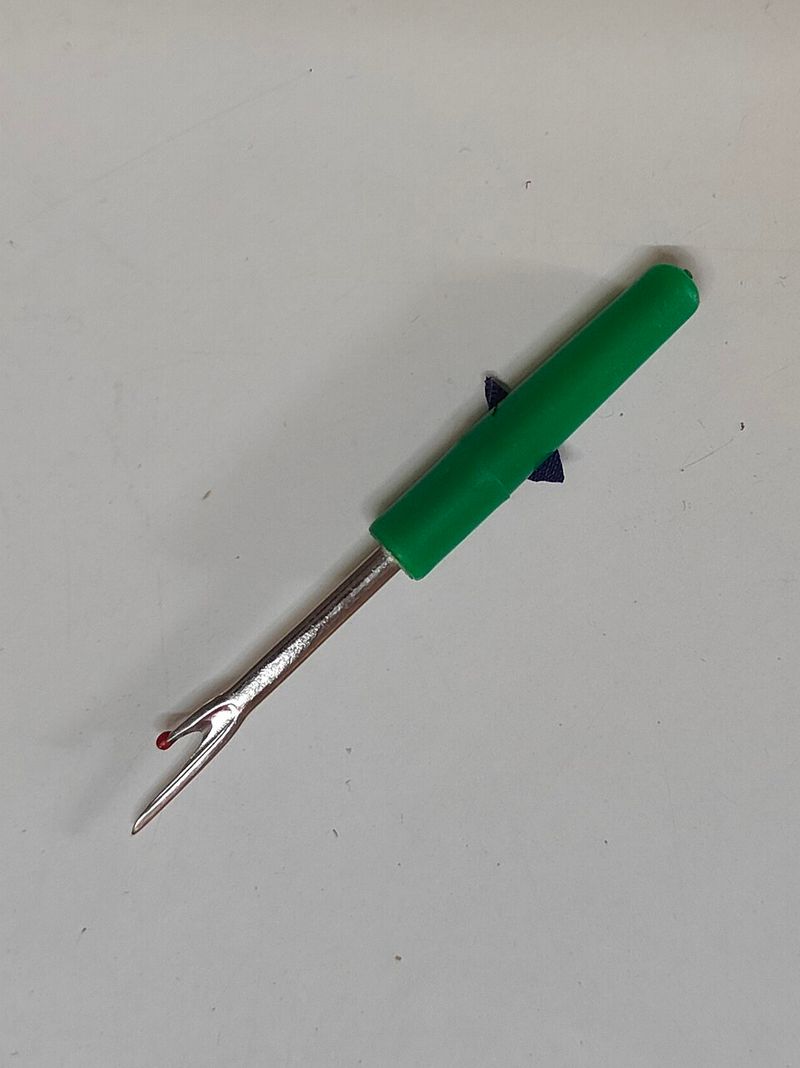
Mistakes happen, even to experienced sewers with years of practice.
When stitches go wrong or alterations need undoing, the seam ripper becomes your best friend.
This tiny tool features a sharp, curved blade specifically designed to slice through threads without damaging fabric underneath.
The pointed end slides under stitches easily, while the curved blade cuts them cleanly away.
It’s like having an eraser for sewing projects, letting you fix errors without starting completely over.
Beyond correcting mistakes, seam rippers help when taking apart old clothes to repurpose fabric for new projects.
That vintage dress with the perfect fabric but outdated style?
A seam ripper carefully takes it apart so you can create something fresh and modern.
They’re also useful for removing brand labels from clothing or opening seams to make garments larger.
The protective cap keeps the sharp blade safe when stored, preventing accidental pokes in the sewing kit.
Most are brightly colored, usually red, making them easy to spot among other supplies.
Though small, this mighty tool saves countless projects from the trash bin.
Sometimes taking things apart is just as important as putting them together.
9. Thimble
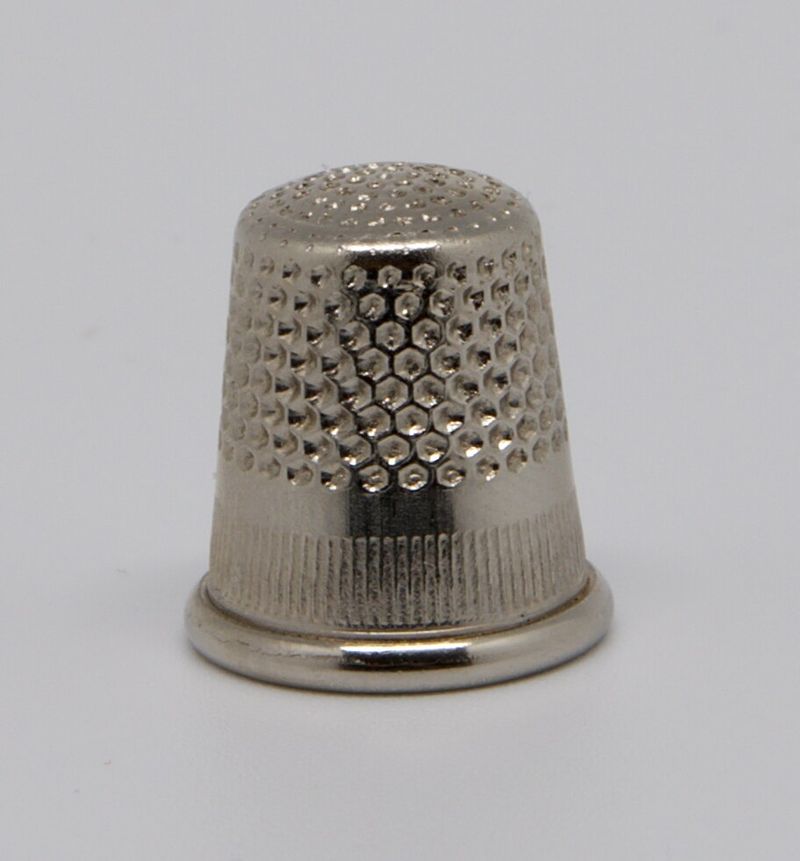
Your fingertips are precious, and repeatedly pushing needles through thick fabric can turn them into pincushions.
Enter the thimble, a tiny metal or plastic cap that shields your finger from painful pricks.
It fits snugly over your middle finger, providing a hard surface to push against needle ends safely.
Without one, hand-sewing tough materials like denim or canvas becomes genuinely uncomfortable after just a few stitches.
The dimpled surface grips needle ends securely, giving you better control and preventing slips.
Grandmothers have been using these for centuries, and modern sewers still appreciate their simple effectiveness.
They come in various sizes to fit different finger widths, ensuring comfortable protection for everyone.
Some are decorative, featuring intricate designs or patterns that make them collectible items beyond their practical use.
Leather thimbles offer softer protection for people who find metal ones uncomfortable.
Though small enough to lose easily, their impact on sewing comfort is huge.
Professional tailors and casual menders alike swear by them for lengthy hand-sewing sessions.
Your fingers will thank you after pushing through multiple layers of fabric without a single sore spot.
10. Needle Threader
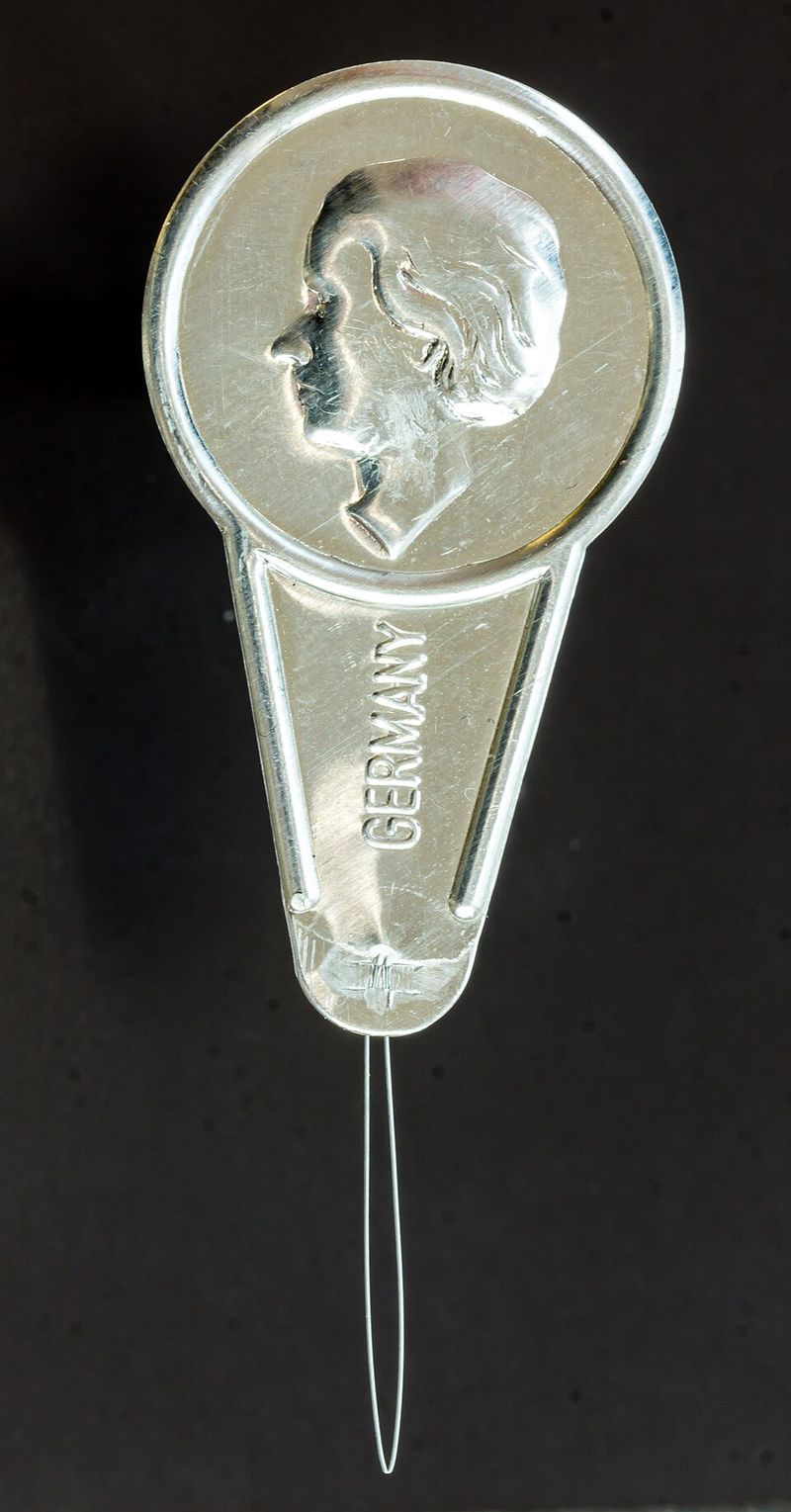
Threading a needle can feel like trying to park a school bus in a bicycle rack.
The thread wiggles, the needle eye seems impossibly tiny, and your eyes start crossing from concentration.
Needle threaders solve this frustrating problem with elegant simplicity.
This clever little tool features a thin wire loop that easily passes through the needle’s eye.
You insert your thread through the larger wire loop, pull it back through the needle, and boom, perfectly threaded.
What used to take five minutes of squinting now takes five seconds flat?
They’re especially helpful in dim lighting or for people whose vision isn’t super sharp.
Kids learning to sew appreciate them because threading becomes less discouraging and more achievable.
The metal versions last practically forever, while plastic ones are lightweight and inexpensive to replace.
Some fancy models include magnifiers or built-in thread cutters for extra convenience.
Once you’ve used a needle threader, going back to the old way feels like choosing to walk when you could ride a bike.
Mom keeps several in her kit because they’re small enough to lose but too useful to be without.
11. Buttons
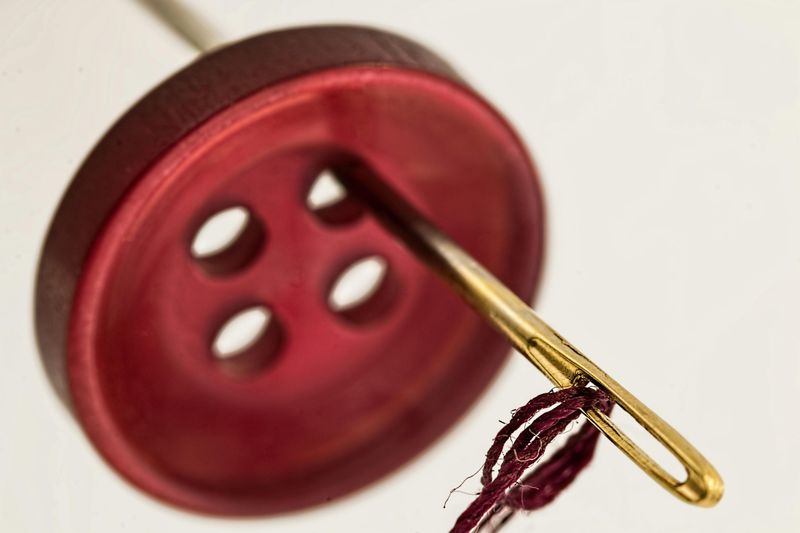
Buttons pop off shirts at the most inconvenient times, like right before picture day or important meetings.
Mom’s sewing kit contains a treasure trove of replacement buttons in various colors, sizes, and styles.
While technically sewing-related, their usefulness extends into creative territories beyond simple shirt repairs.
Crafters use them for scrapbooking embellishments, jewelry making, and adding personality to plain accessories.
Kids enjoy sorting them by color or size, turning cleanup time into a fun activity.
Some vintage buttons are genuinely beautiful, featuring intricate designs or unusual materials like mother-of-pearl or wood.
Having a variety means you can usually find a close match for whatever garment needs repair. No matching button?
Replace all of them with coordinating new ones for an instant style upgrade.
Buttons also work as game pieces in a pinch, makeshift checkers for rainy day entertainment.
They’re small enough that storing dozens takes up minimal space but provides maximum fixing potential.
Some people collect unique buttons the way others collect stamps or coins, appreciating their tiny artistry.
Whether functional or decorative, buttons prove that good things definitely come in small packages.
12. Rubber Bands
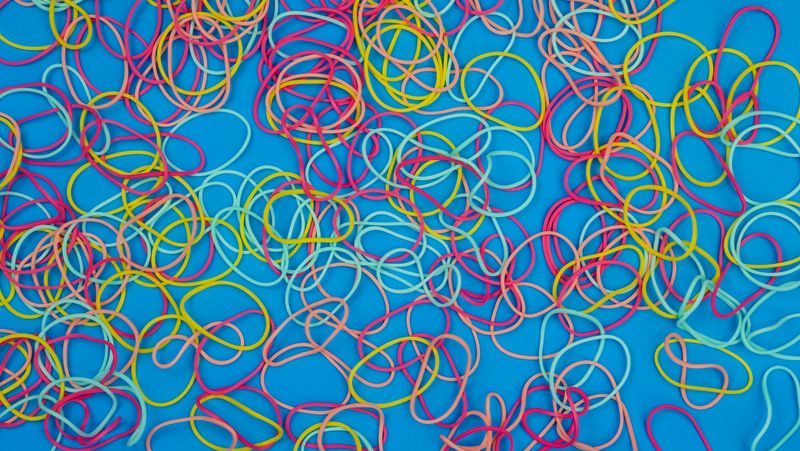
Rubber bands might seem random in a sewing kit, but their versatility earns them a permanent spot.
These stretchy circles handle organization tasks that keep everything else tidy and accessible.
Wrap them around thread spools to prevent unwinding, keeping the kit neat instead of tangled.
They bundle similar items together, like grouping needles by size or corralling loose buttons.
Beyond organization, rubber bands serve as temporary holders for fabric layers before pinning or sewing.
Need to keep rolled fabric from unfurling?
A rubber band solves that problem instantly without leaving marks.
They’re also handy for non-sewing household tasks like securing lids on containers or bundling pens and pencils.
Kids use them for making simple catapults or creating resist patterns in tie-dye projects.
The various sizes handle different jobs, from tiny bands for delicate items to thick ones for heavy-duty bundling.
They take up practically no space but provide endless practical applications.
Some people keep them looped around the outside of the sewing kit for easy access.
Though simple and inexpensive, rubber bands prove that the best solutions don’t need to be complicated.
Share your thoughts below about what unexpected items live in your family’s sewing kit!