18 Frozen Facts You Might Not Be Familiar With
Even years after its release, Frozen continues to feel like a cultural snowstorm that never fully melted away.
The songs became instant classics, the characters turned into household names, and the movie’s success reshaped modern animated storytelling.
Yet beyond the familiar plot beats and sing-along moments, there’s a surprising amount of behind-the-scenes history and little-known trivia tied to how the film came together.
1. A Dream Decades In The Making
Walt Disney himself wanted to adapt The Snow Queen way back in the 1930s, but the story proved too tricky to crack. Fast forward to 2008, and the studio finally found a way to make it work.
It took 75 years of brainstorming, false starts, and creative breakthroughs before Frozen hit theaters in 2013.
Talk about patience paying off! Sometimes the best stories are worth the wait, and this icy adventure definitely proves it.
2. When The Title Almost Told A Different Story
Before settling on Frozen, Disney toyed with calling the film Anna and the Snow Queen. That working title put more spotlight on Anna as the main hero, which makes sense given her journey.
However, the shorter, punchier name Frozen captured the magic and mystery better. Plus, it left room for both sisters to shine equally.
3. Elsa Was Almost The Bad Guy
In early drafts, Elsa wasn’t the misunderstood queen we love today. She was written as a straightforward villain, cold-hearted and menacing.
Imagine if Elsa had stayed evil – no redemption, no sisterly love, just frosty fury. Thankfully, the writers realized her powers made her more interesting as a conflicted hero.
Changing her role transformed the entire emotional core of the story, making Frozen the heartwarming hit it became.
4. A Table Read That Changed Everything

Back in 2009, Disney held a table read using a version of the script that looked nothing like the final film. Different plot points, different character dynamics, and even a different actress planned for Elsa’s voice!
That read-through helped the team realize what wasn’t working, pushing them to rethink major story elements.
5. Olaf Wasn’t Always So Lovable
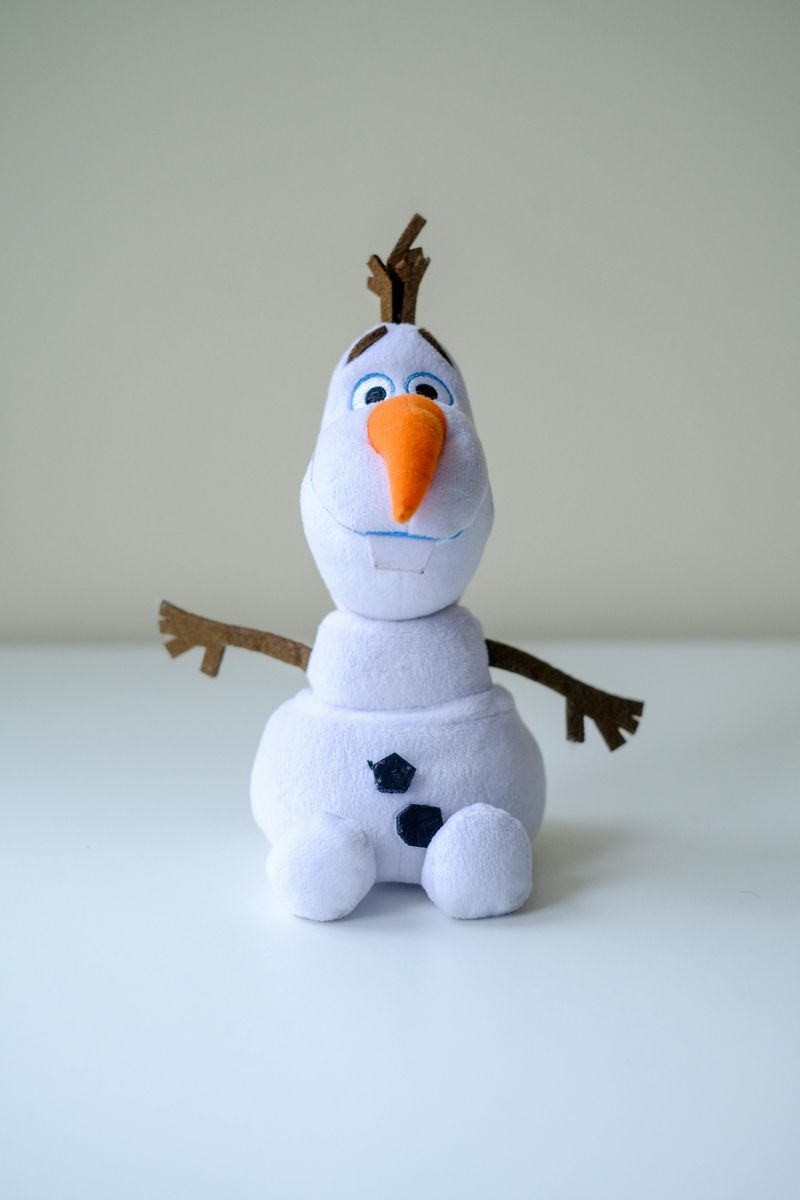
Hard to believe, but Olaf started out in early versions as a more villain-adjacent character. He wasn’t the warm, huggable snowman who dreams of summer that we all adore.
Thankfully, the team softened him into the comic relief sidekick who steals every scene. Can you imagine Frozen without Olaf’s goofy charm and heartfelt innocence?
Neither can we!
6. Norwegian Research Trips For Authenticity
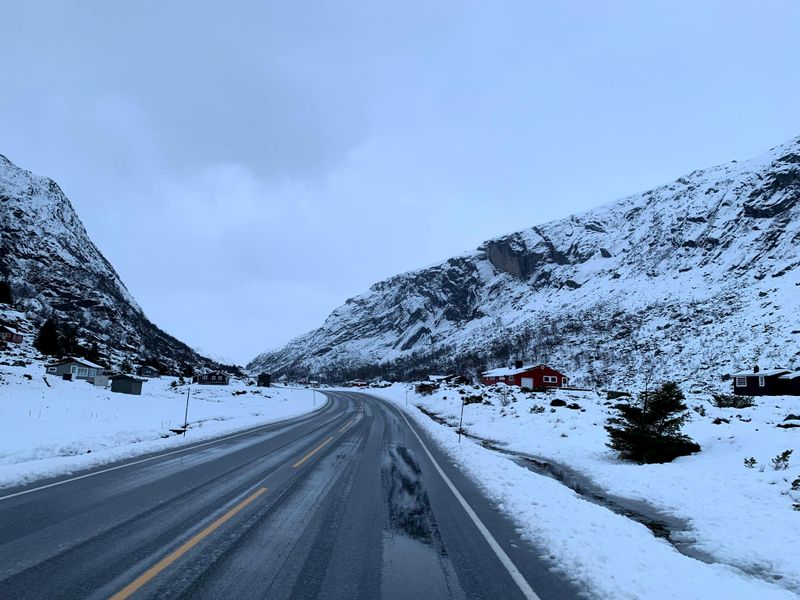
Disney’s creative team didn’t just Google Norway – they actually traveled there to soak up the culture, landscapes, and architecture firsthand.
Walking through real Norwegian villages and fjords gave them authentic inspiration.
Those research trips ensured Arendelle felt grounded in real-world beauty rather than generic fantasy.
7. Making Them Sisters Was A Game Changer
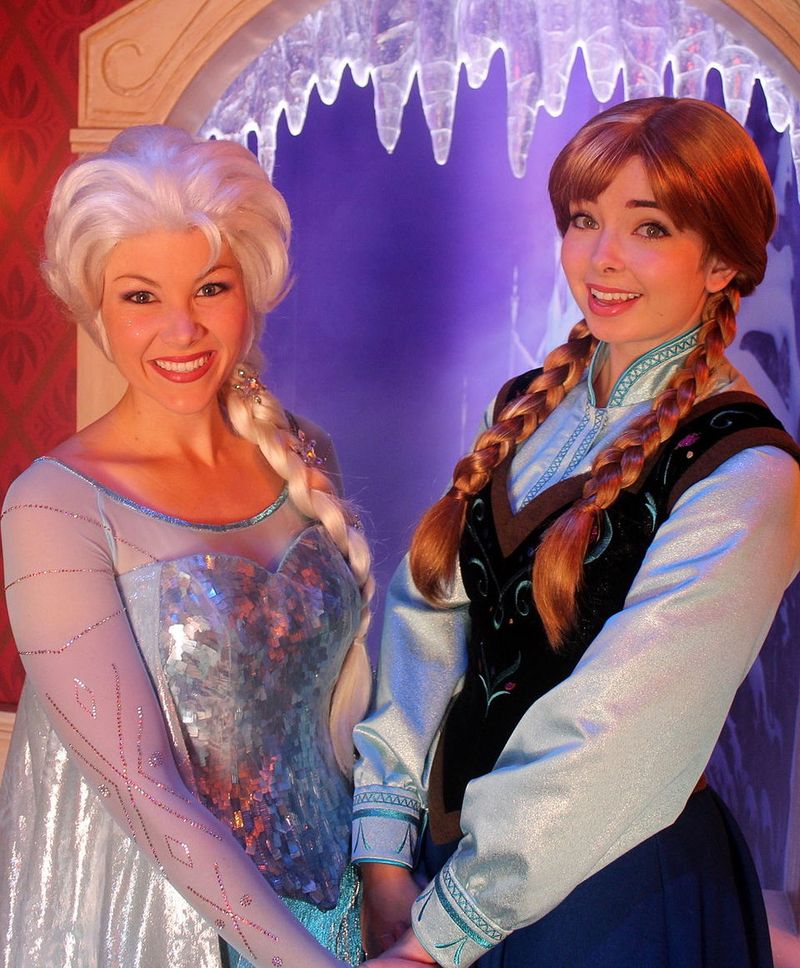
A major breakthrough happened when the writers decided to make Anna and Elsa sisters instead of rivals or strangers. That simple relationship shift reshaped the story’s emotional foundation completely.
Suddenly, the conflict became deeply personal and relatable – family bonds, misunderstanding, and reconciliation.
Audiences connected with the sisterly love theme far more than they would have with a traditional hero-versus-villain setup.
8. Fjords That Shaped A Kingdom
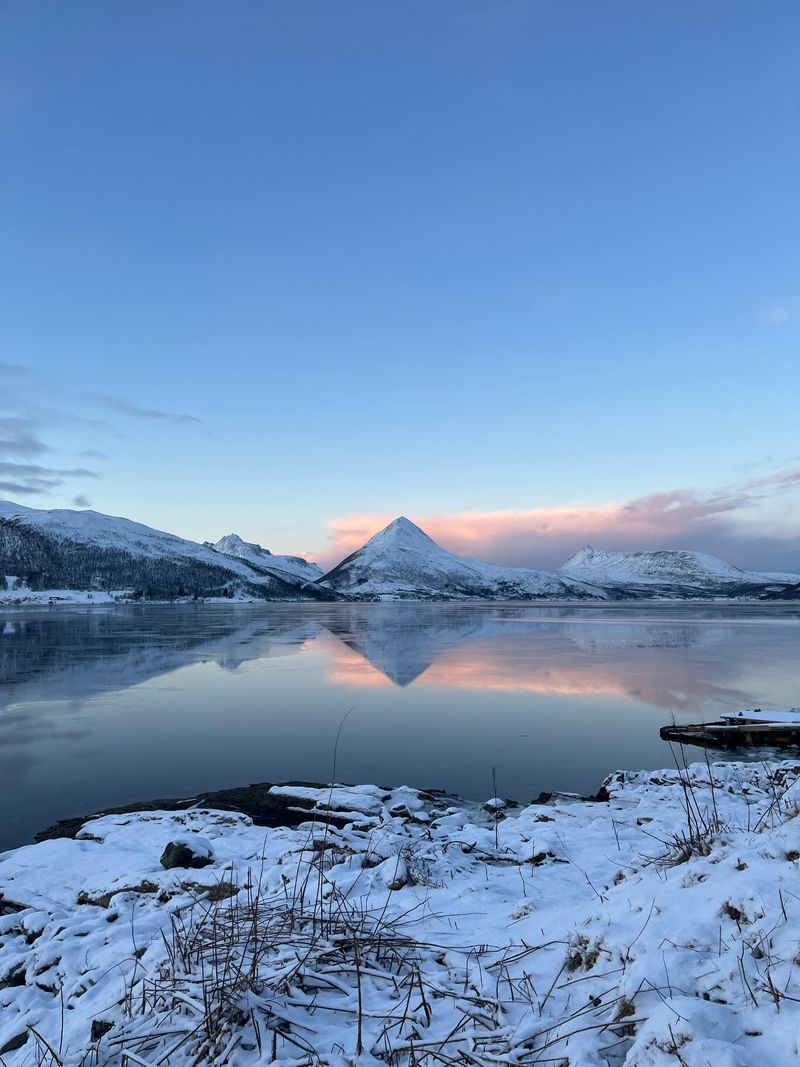
Norwegian fjords directly inspired Arendelle’s breathtaking geography and grand sense of scale.
Those towering cliffs, deep blue waters, and dramatic mountain ranges aren’t just pretty – they’re practically characters themselves.
The filmmakers wanted viewers to feel the majesty and isolation of a Nordic kingdom, and the fjords delivered exactly that mood.
9. Jennifer Lee Joined And Made History
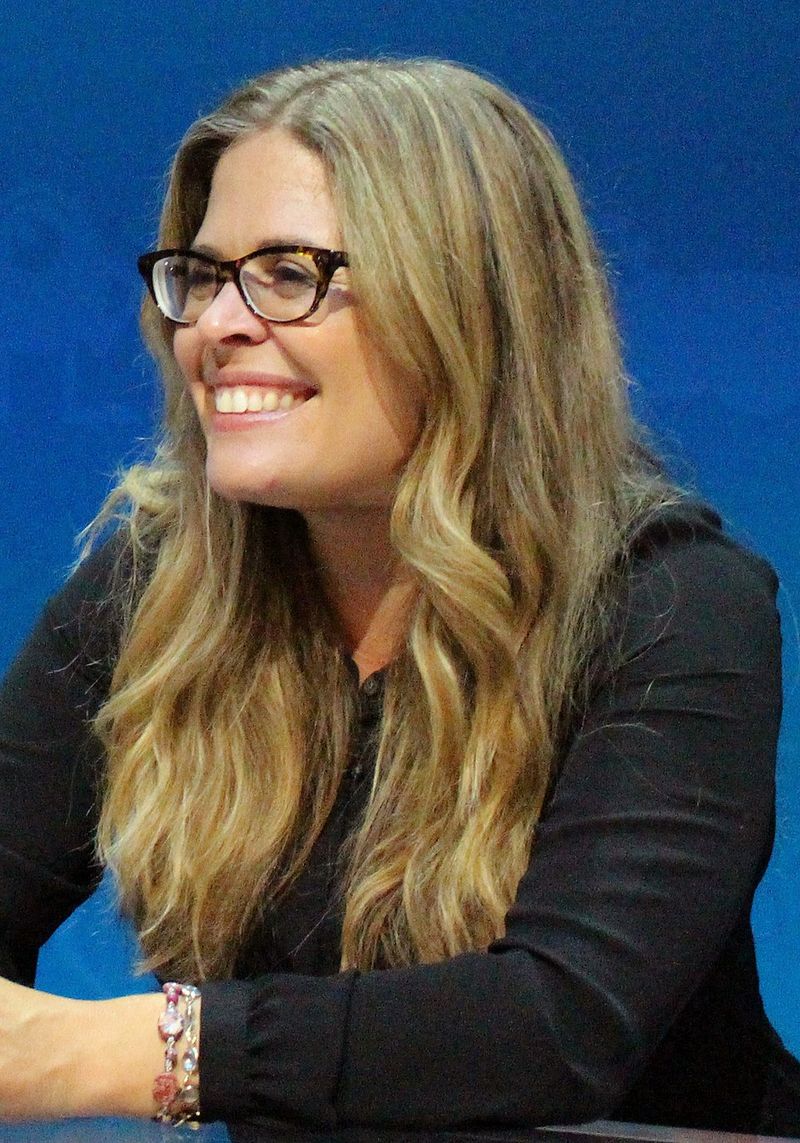
Jennifer Lee came aboard as a writer, then got promoted to co-director while the film was already in production. That promotion wasn’t just a career milestone for her – it made history.
She became the first woman to direct a full-length animated feature from Walt Disney Animation Studios.
Her voice and vision helped shape Frozen into the groundbreaking film it became, proving that representation behind the camera matters just as much as on screen.
10. Stave Churches Influenced The Architecture
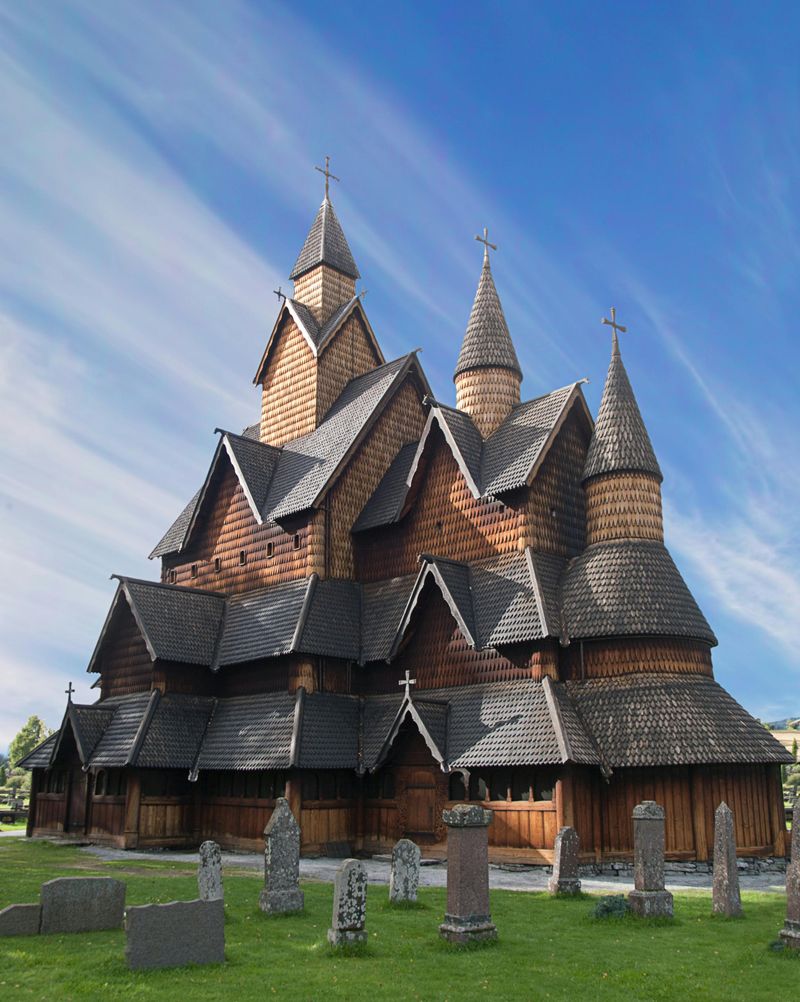
Norway’s medieval stave churches, with their intricate wooden construction and distinctive pointed roofs, heavily influenced the film’s architectural design language.
You can spot those elements in Arendelle’s chapel and other buildings.
These historic structures bring warmth and authenticity to the kingdom’s look, blending fantasy with real cultural heritage.
11. Rewriting Right Up To The Finish Line

Even deep into production, the story was still being heavily rewritten. Major revisions happened as late as 2013, just months before the film’s release!
Most animated films lock their scripts much earlier, but Frozen’s team kept tweaking and polishing until the last possible moment. That dedication to getting every detail right paid off big time.
12. Rosemaling Folk Art Everywhere
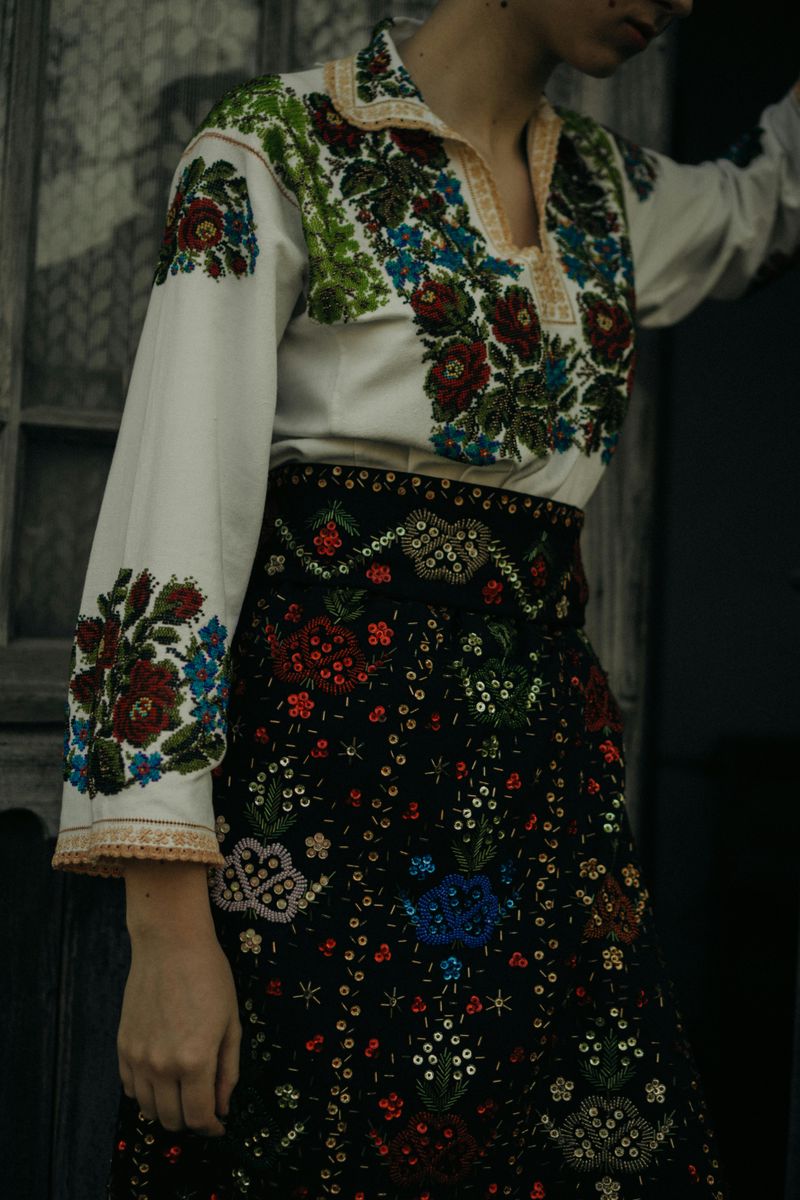
Rosemaling, a traditional Norwegian decorative folk art featuring flowing floral patterns, shaped many of the film’s interior designs and costume motifs.
Look closely at Anna and Elsa’s dresses, and you’ll spot those gorgeous swirling designs.
This attention to cultural detail adds layers of richness and authenticity that viewers might not consciously notice but definitely feel.
13. Hans Christian Andersen’s Hidden Tribute
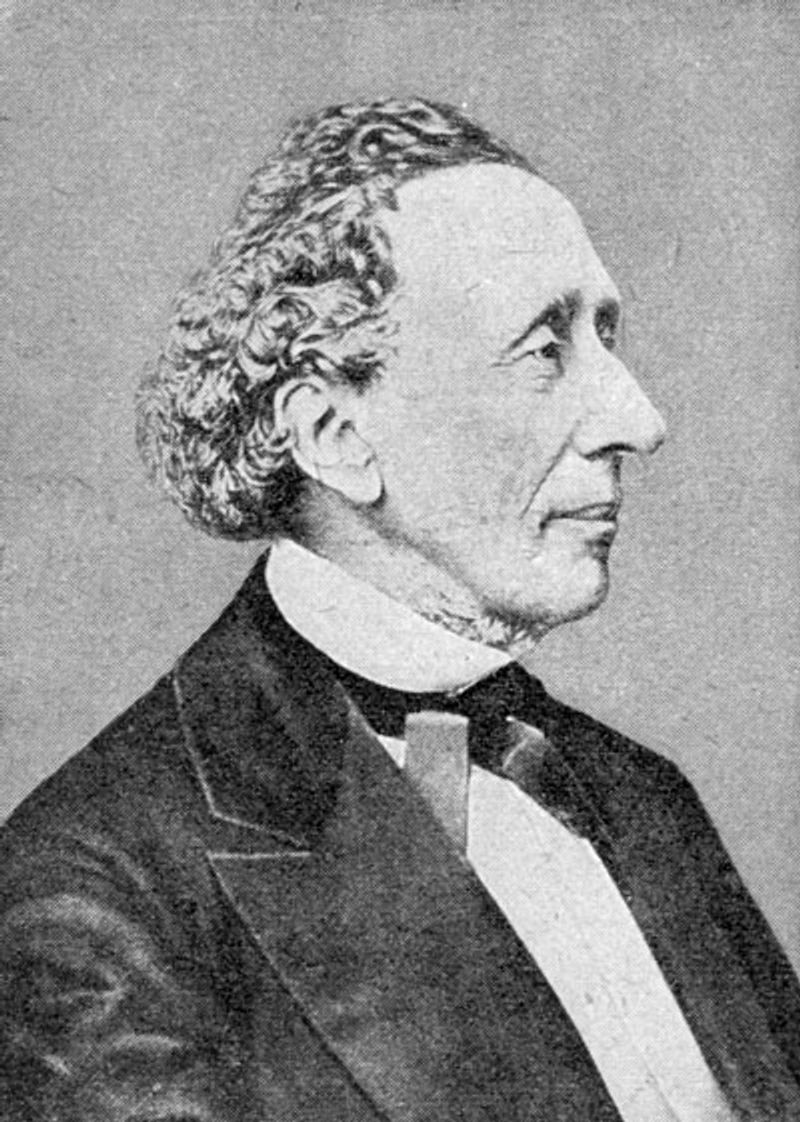
The character names Hans, Kristoff, Anna, and Sven are a clever nod to Hans Christian Andersen, the author of The Snow Queen. Say them fast together, and you’ll hear his name!
This Easter egg honors the original storyteller whose fairy tale inspired the entire film.
Disney loves hiding tributes like this for eagle-eyed fans to discover. It’s a sweet way to connect modern blockbusters to their literary roots while adding a layer of fun for those in the know!
14. Wyoming Snow Trip For Realistic Movement
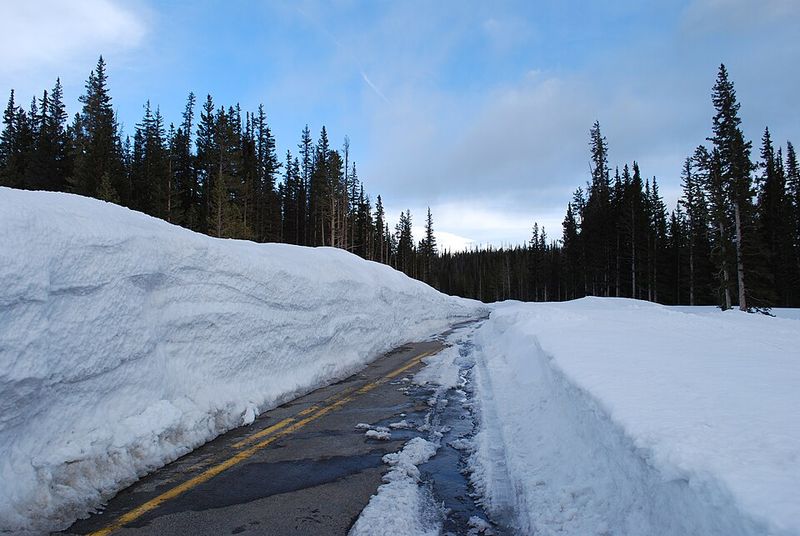
To capture how bodies actually move through deep snow, Disney’s artists and effects staff traveled to Wyoming for hands-on reference.
They trudged, jumped, and played in real snowdrifts to understand the physics firsthand.
Watching footage of themselves struggling through powder helped animators nail those authentic movements.
15. A Snow Scientist Joined The Team

Kenneth Libbrecht, a renowned snow and ice researcher, advised Disney’s team on how snow and ice actually form at the molecular level.
His expertise ensured the film’s frozen effects looked scientifically accurate, not just pretty.
From snowflake crystallization to ice structure behavior, Libbrecht’s input grounded the fantasy in real physics. When science and art collaborate, magic happens – literally!
16. A Snowflake Generator For Endless Variety
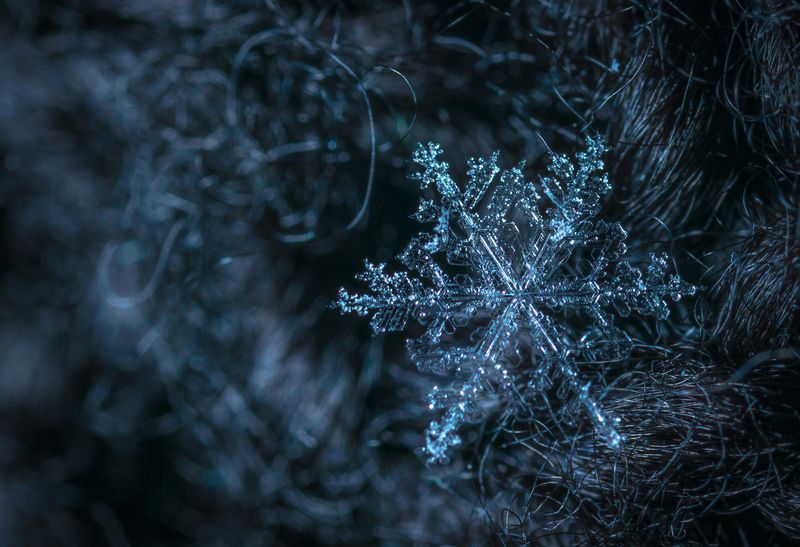
Disney built a specialized snowflake generator capable of creating roughly 2,000 distinct snowflake designs.
Because no two snowflakes are alike in nature, the animators wanted that same diversity on screen.
This custom tool ensured every flurry and blizzard felt unique and organic rather than repetitive.
17. Sámi Culture Shaped Kristoff’s World
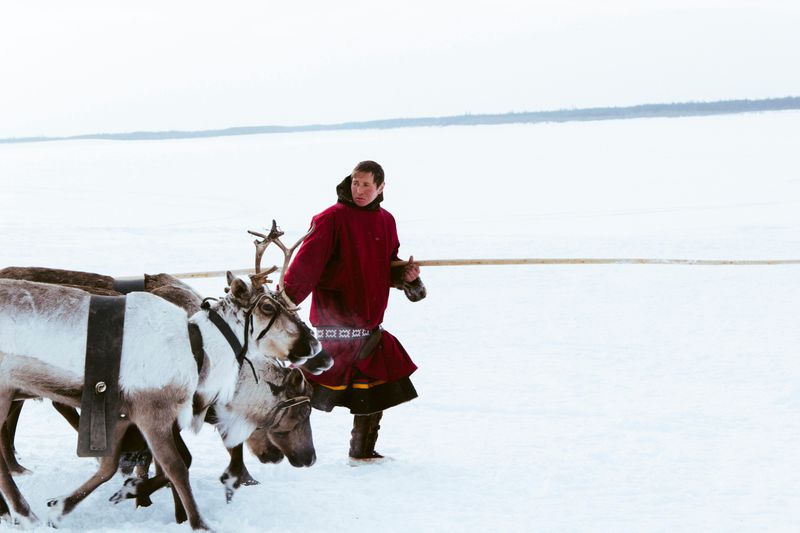
Sámi cultural elements influenced details tied to Kristoff and his reindeer handling, plus design motifs like decorative carving and clothing patterns.
The Sámi are indigenous people of northern Scandinavia with deep connections to reindeer herding.
By incorporating their traditions respectfully, Disney added authenticity and depth to Kristoff’s character and lifestyle.
18. Flipping The True Love Script
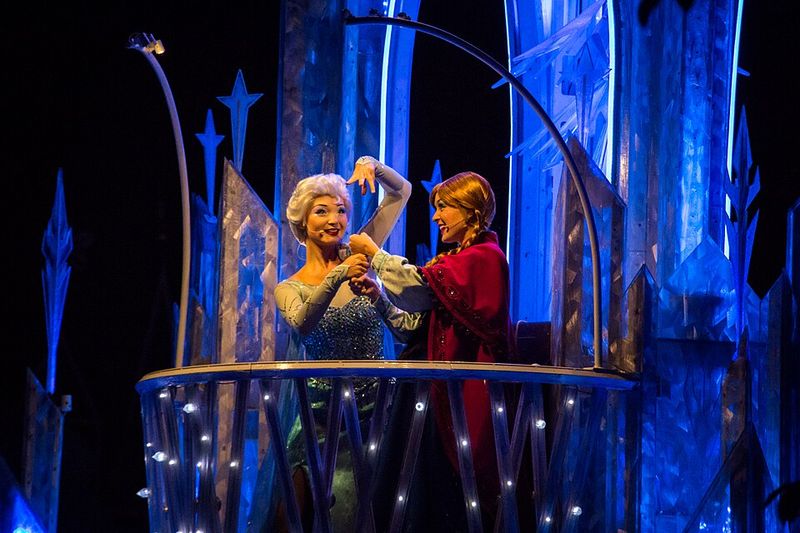
Disney deliberately steered away from the classic true love’s kiss solution, flipping decades of princess movie tradition on its head.
Instead, they made an act of true love between sisters the key to breaking the curse.
Anna’s selfless sacrifice for Elsa proved that romantic love isn’t the only kind that matters. This twist felt fresh, empowering, and way more interesting than yet another prince saving the day with a smooch!