17 Gay Actors Who Had Their Private Lives Shared Publicly By Relatives
Privacy feels like a superpower these days, especially when you’re famous.
But what happens when the people closest to you – family members – decide to share your secrets with the world?
For these 17 actors, their relatives pulled back the curtain on their personal lives, sometimes with good intentions and sometimes not.
1. Anthony Perkins
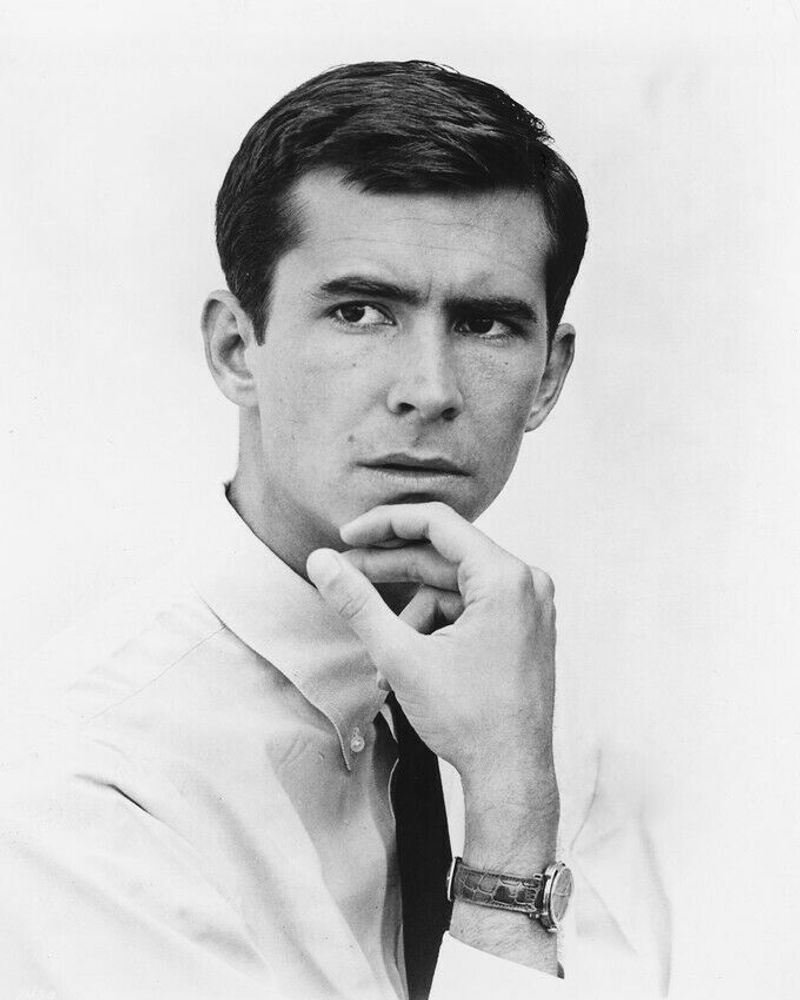
Best remembered as Norman Bates in the thriller that made showers terrifying, Perkins kept his romantic life under wraps for decades.
However, actor Tab Hunter changed everything when he published his autobiography in 2005.
Hunter openly discussed their relationship, bringing Perkins’s private world into public conversation.
Though Perkins had passed away years earlier, the revelation reshaped how fans understood his legacy.
2. Raymond Burr
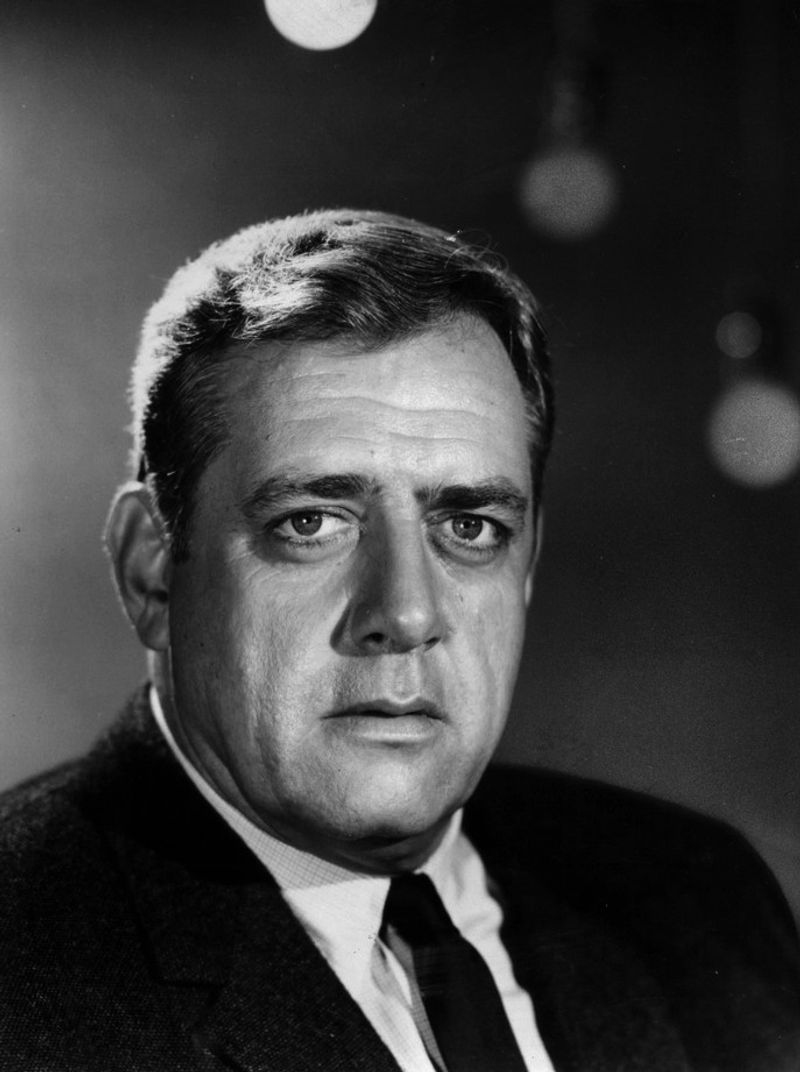
Perry Mason himself lived a life more mysterious than any courtroom drama he starred in.
Burr created elaborate stories about wives and children who never existed.
After his death, his partner of 33 years, Robert Benevides, spoke publicly about their relationship.
The truth emerged slowly, revealing a man who felt compelled to hide his authentic self from audiences.
3. Rock Hudson
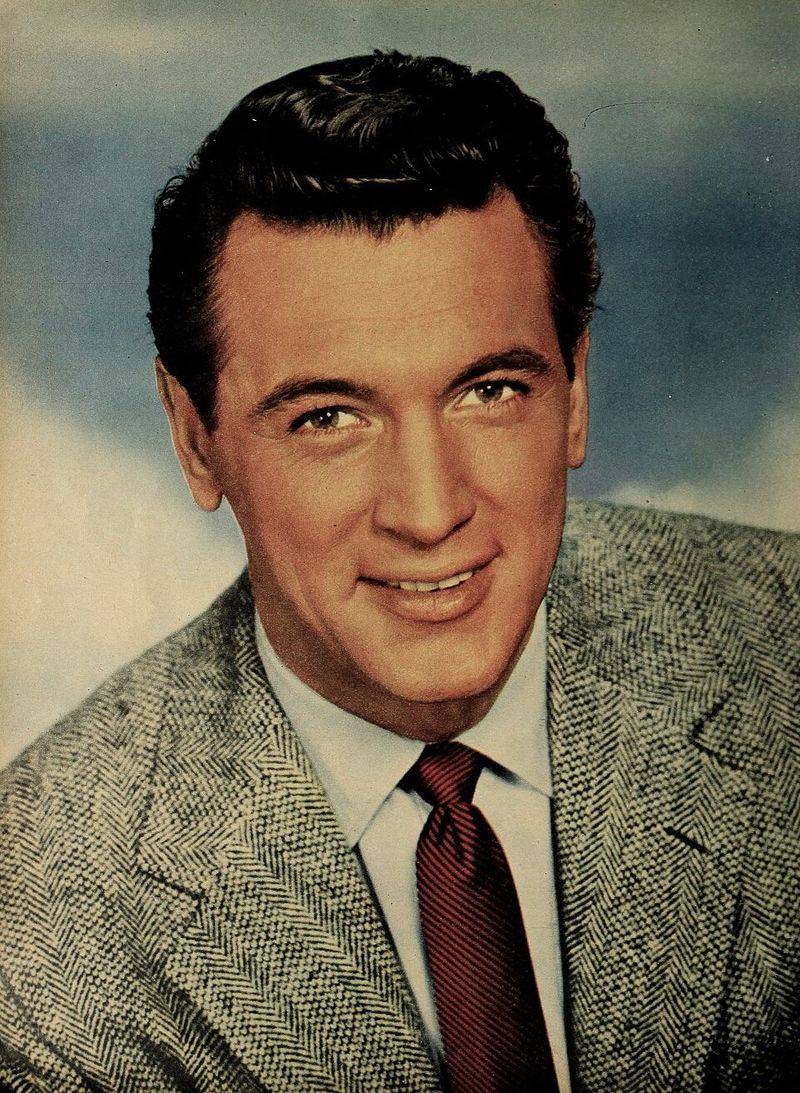
If anyone embodied old Hollywood charm, it was Hudson with his dashing looks and romantic roles.
His publicist revealed his AIDS diagnosis in 1985, which simultaneously disclosed his sexual orientation to millions.
The announcement shocked fans who’d watched him romance leading ladies for decades.
Hudson became one of the first major celebrities whose illness forced his private life into headlines worldwide.
4. Tyrone Power
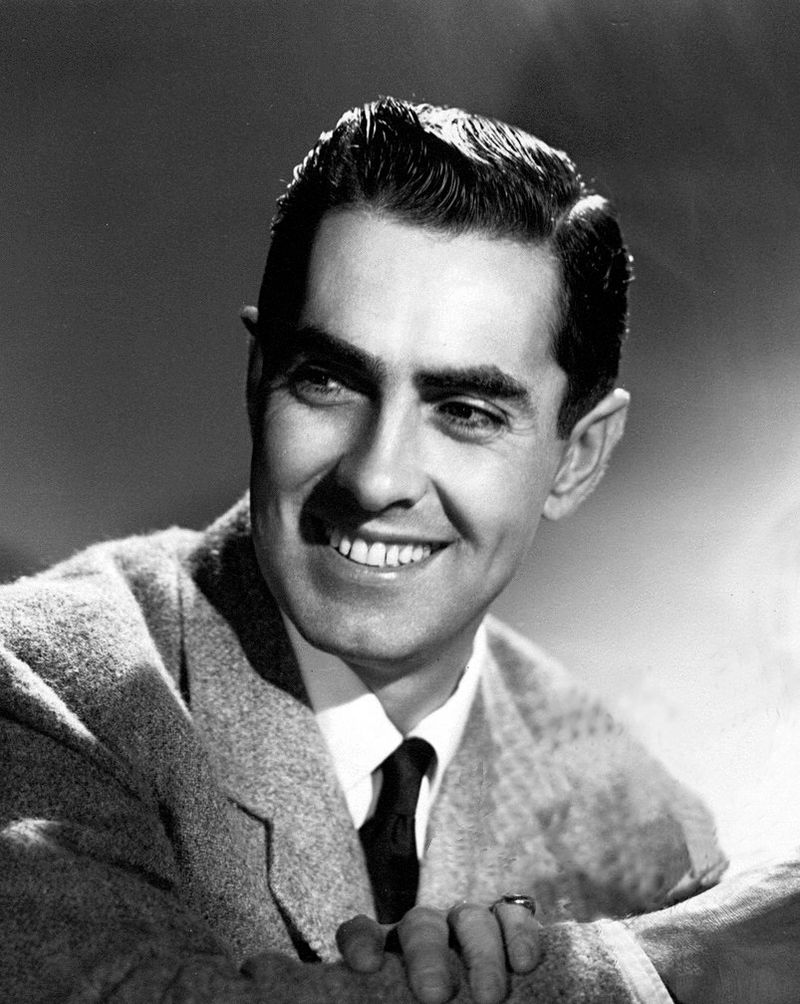
Swashbuckling heroes were Power’s specialty, thrilling audiences with sword fights and romance.
Decades after his sudden death, biographers and former acquaintances began sharing stories about his relationships with men.
His daughter spoke candidly in interviews about understanding her father’s complicated personal life.
These revelations painted a fuller picture of a star trapped by Hollywood’s rigid expectations.
5. Cary Grant
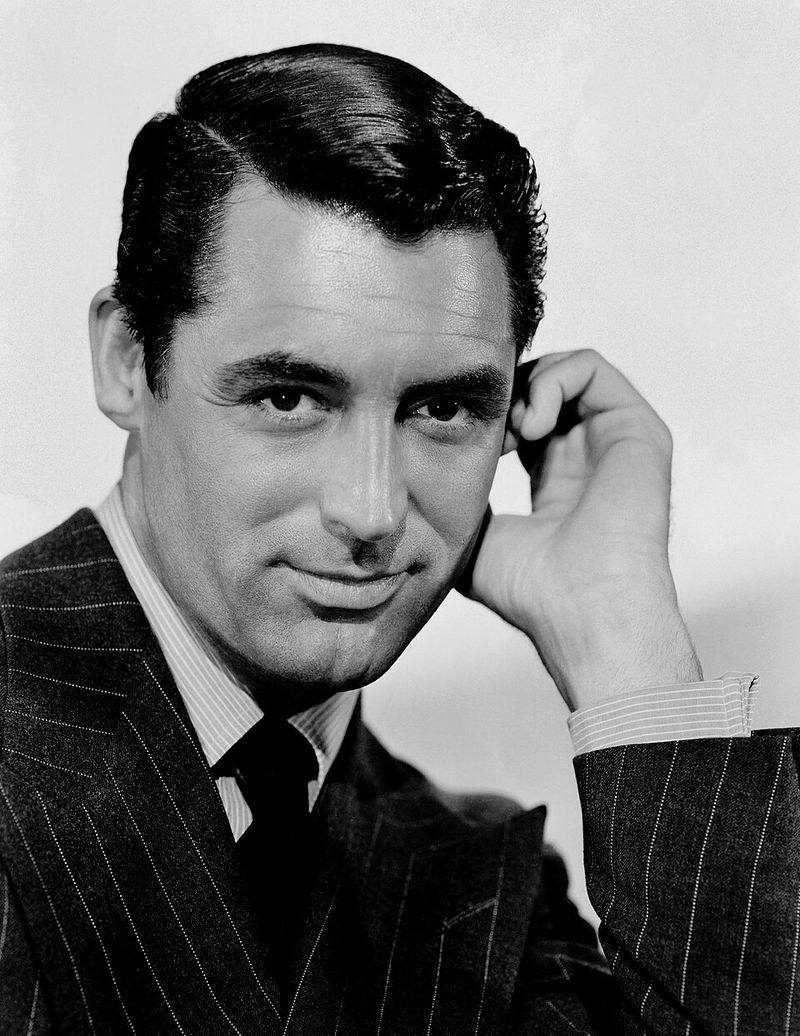
Sophistication and wit defined Grant’s screen presence for generations of moviegoers.
His former roommate Randolph Scott sparked decades of speculation about their living arrangement.
Though Grant himself never confirmed anything, his daughter Jennifer addressed the rumors in her memoir years later.
She discussed her father’s complex sexuality with compassion, giving fans insight into his private struggles.
6. Montgomery Clift
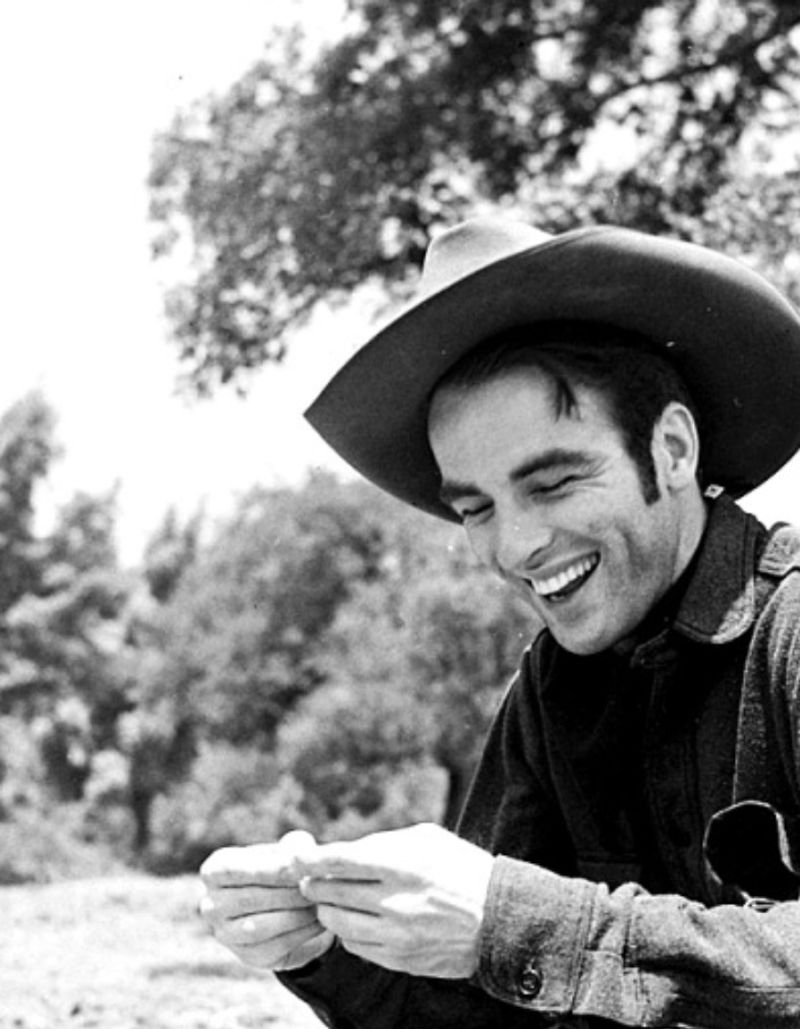
Brooding intensity made Clift one of the most compelling actors of his generation.
His close friends and later his biographers openly discussed his relationships with men.
However, family members also contributed details about his struggles with identity and societal pressure.
These accounts revealed how deeply Hollywood’s homophobia affected his mental health and career trajectory.
7. James Dean
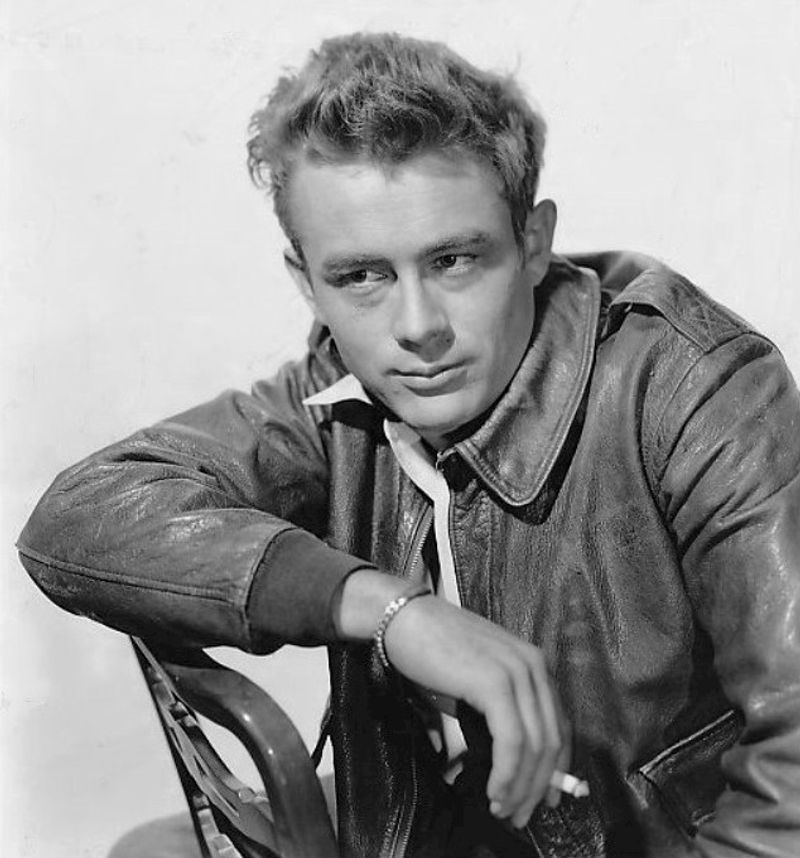
Rebel without a cause became a cultural icon despite appearing in only three major films.
After his tragic death at 24, friends and acquaintances shared stories about his bisexuality.
Biographers interviewed people who knew him intimately, including family members who acknowledged his relationships.
Dean’s legend grew more complex as these revelations added layers to his already mythic status.
8. Sal Mineo
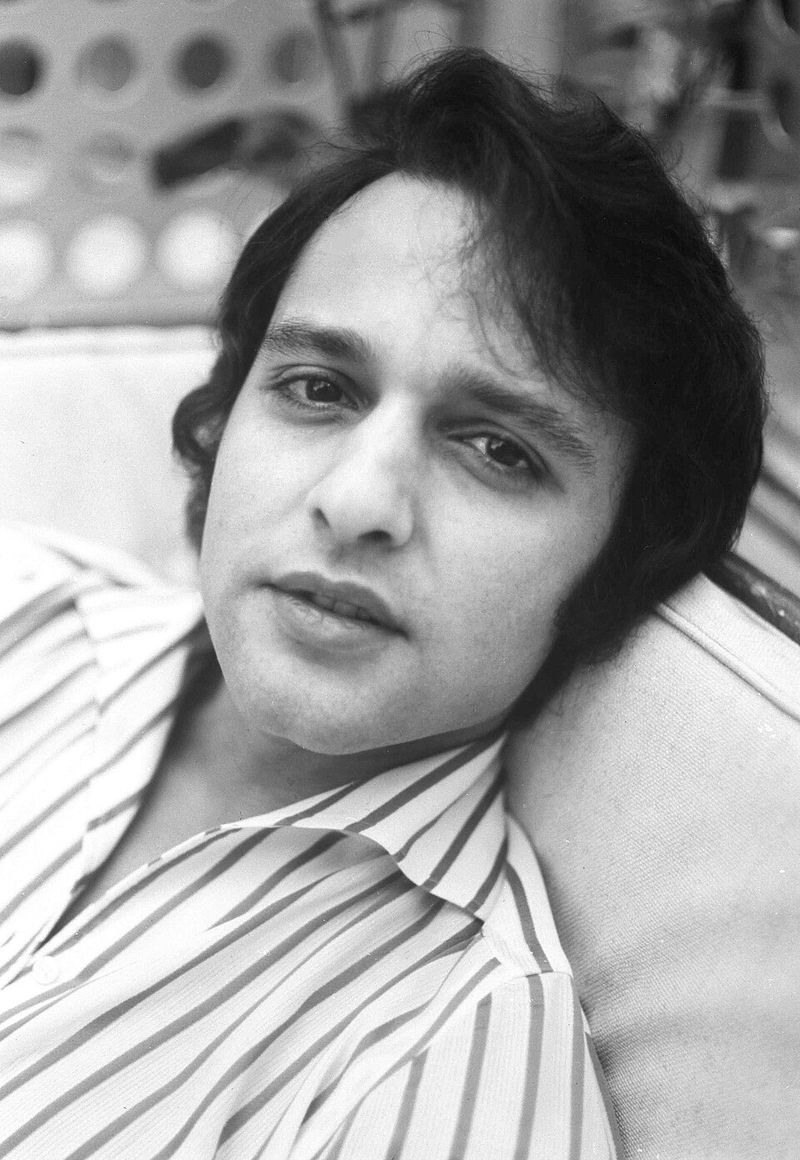
Appearing alongside Dean in that famous rebellion film, Mineo captured hearts with his vulnerable performances.
His mother spoke about his sexuality after his murder in 1976, confirming what Hollywood insiders already knew.
She expressed both acceptance and heartbreak over the discrimination he faced.
Mineo’s story became a cautionary tale about the dangers gay actors faced both professionally and personally.
9. Tab Hunter
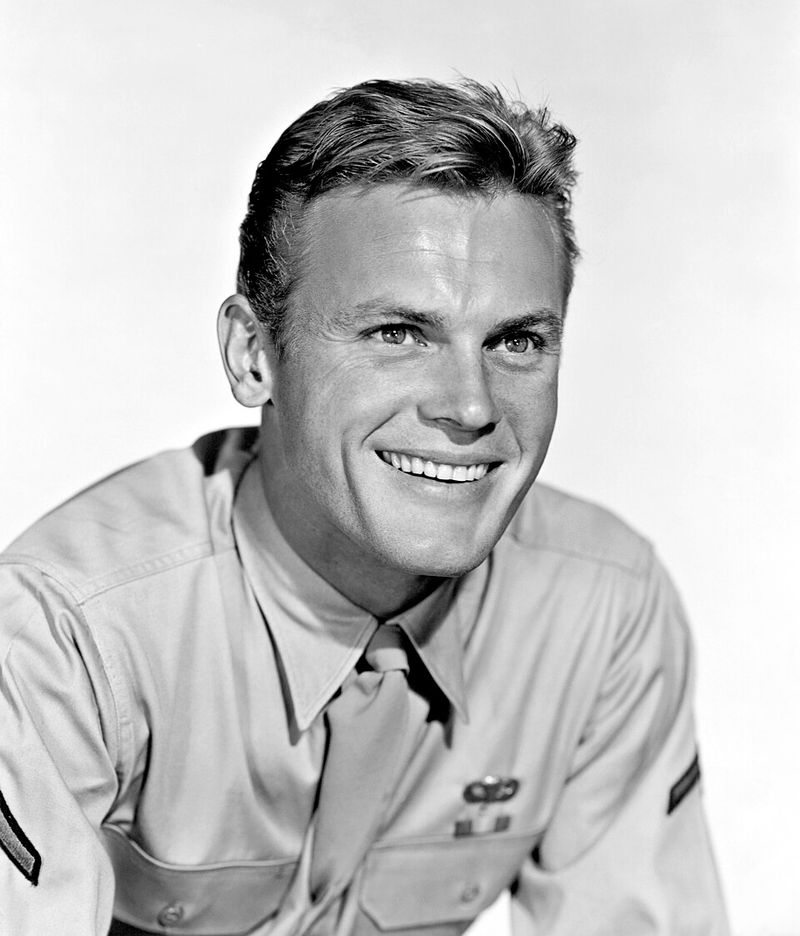
Blonde and all-American, Hunter represented the ideal boy-next-door for 1950s audiences.
Though he eventually came out himself in his 2005 autobiography, family members had hinted at his orientation earlier.
His book detailed relationships with other closeted stars, including Anthony Perkins.
Hunter’s revelations opened conversations about how studios manufactured heterosexual images for gay actors.
10. Cesar Romero
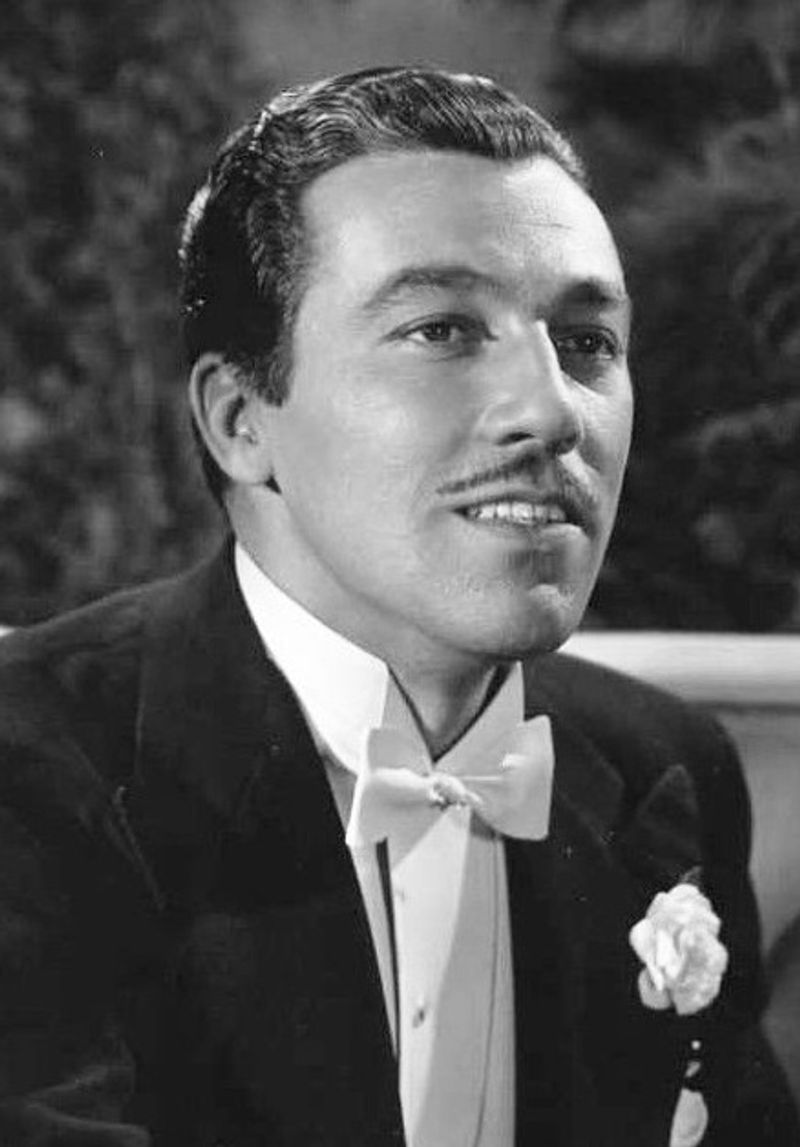
That maniacal laugh as the Joker entertained kids watching Batman reruns for decades.
Romero never married and was famously private about his personal life.
After his death, friends and distant relatives confirmed he was gay, though he’d never publicly acknowledged it.
His generation simply didn’t have the freedom to live openly without destroying their careers completely.
11. George Cukor
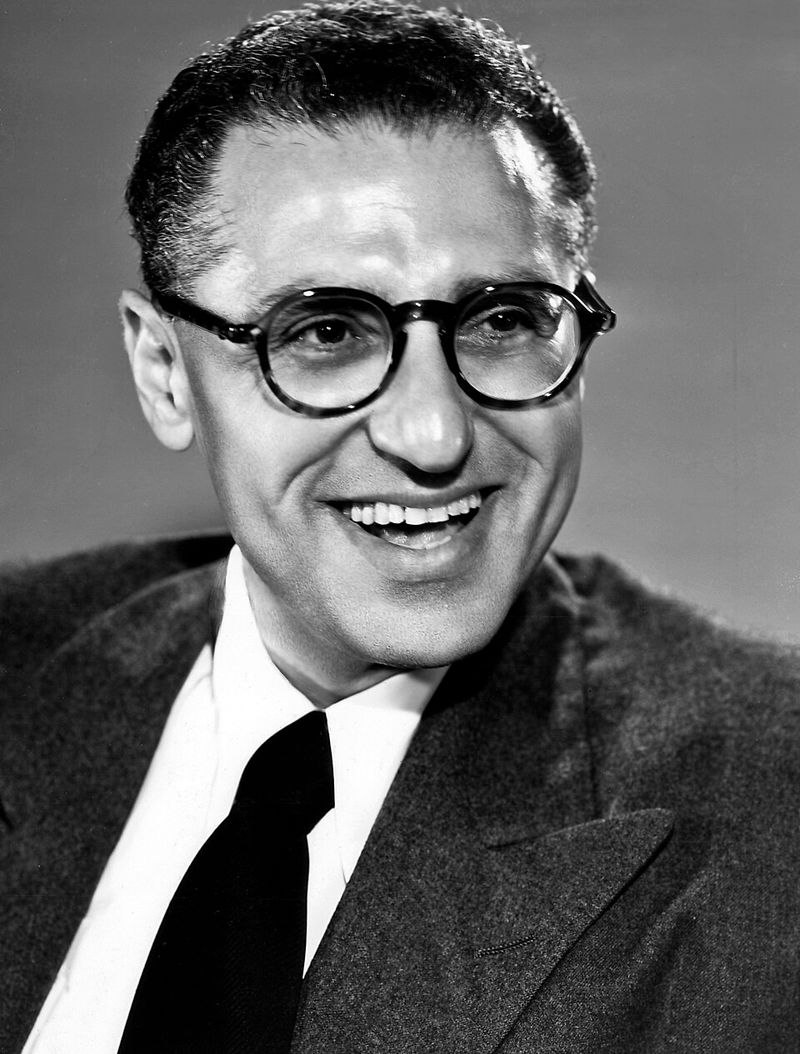
Directing classics like “My Fair Lady” made Cukor a Hollywood legend behind the camera.
Though industry insiders knew about his sexuality, family members discussed it more openly after his death.
His nephew shared stories about Cukor’s partner and their life together away from studio scrutiny.
These accounts highlighted how directors had slightly more freedom than actors to live authentically, though still privately.
12. Charles Laughton
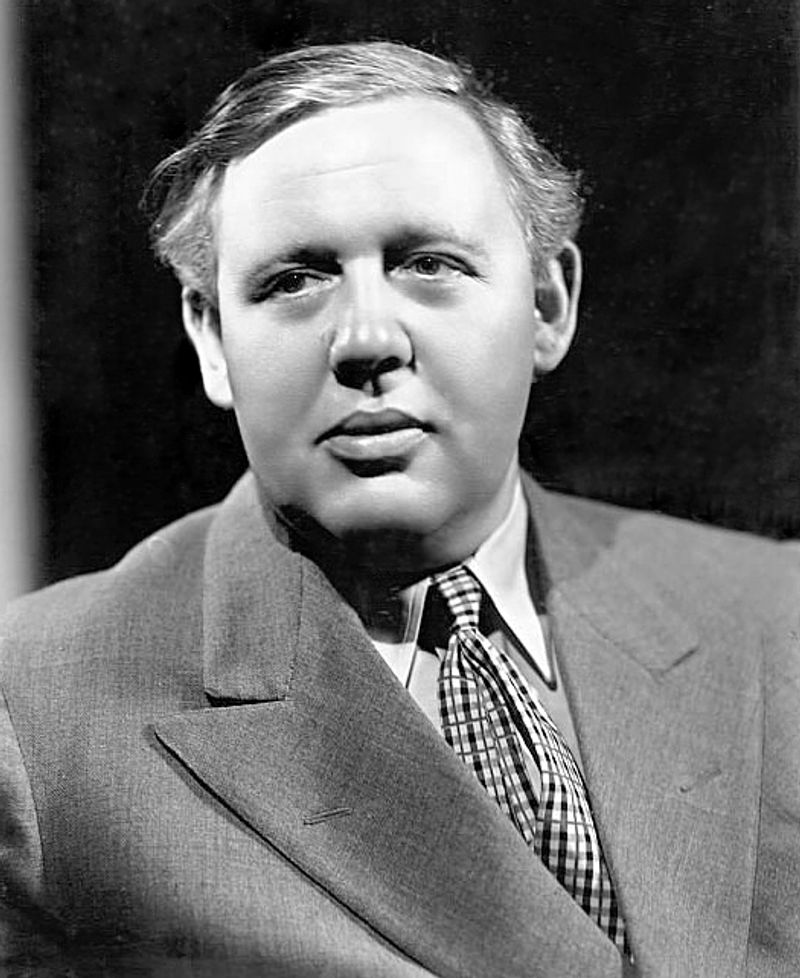
Commanding presence and theatrical brilliance defined Laughton’s memorable performances in classics.
He married actress Elsa Lanchester, who later wrote candidly about their unconventional marriage.
She discussed his relationships with men and how they navigated Hollywood’s expectations together.
Lanchester’s memoir provided insight into how some stars created partnerships that protected them both professionally.
13. William Haines
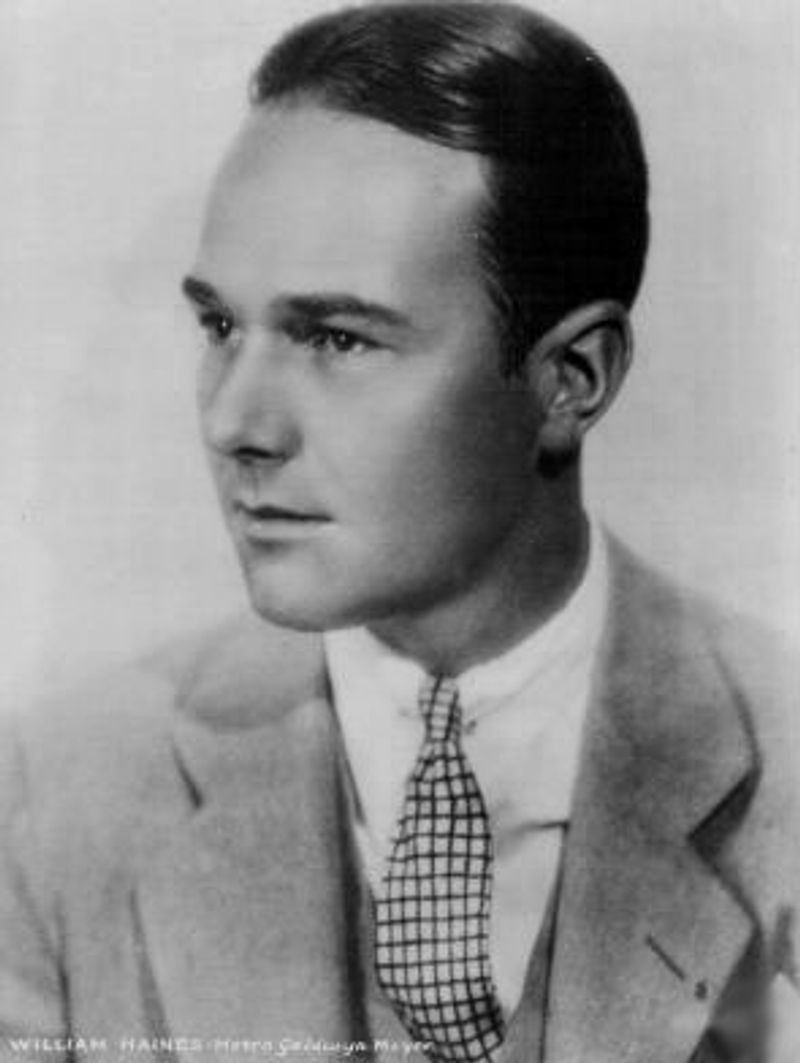
Silent film stardom couldn’t protect Haines when studios demanded he end his relationship with his partner.
Refusing to hide or marry for appearances, he walked away from acting entirely.
His family later spoke about his courage in choosing love over fame during an unforgiving era.
Haines became a successful interior designer, living openly with his partner for fifty years.
14. Dirk Bogarde
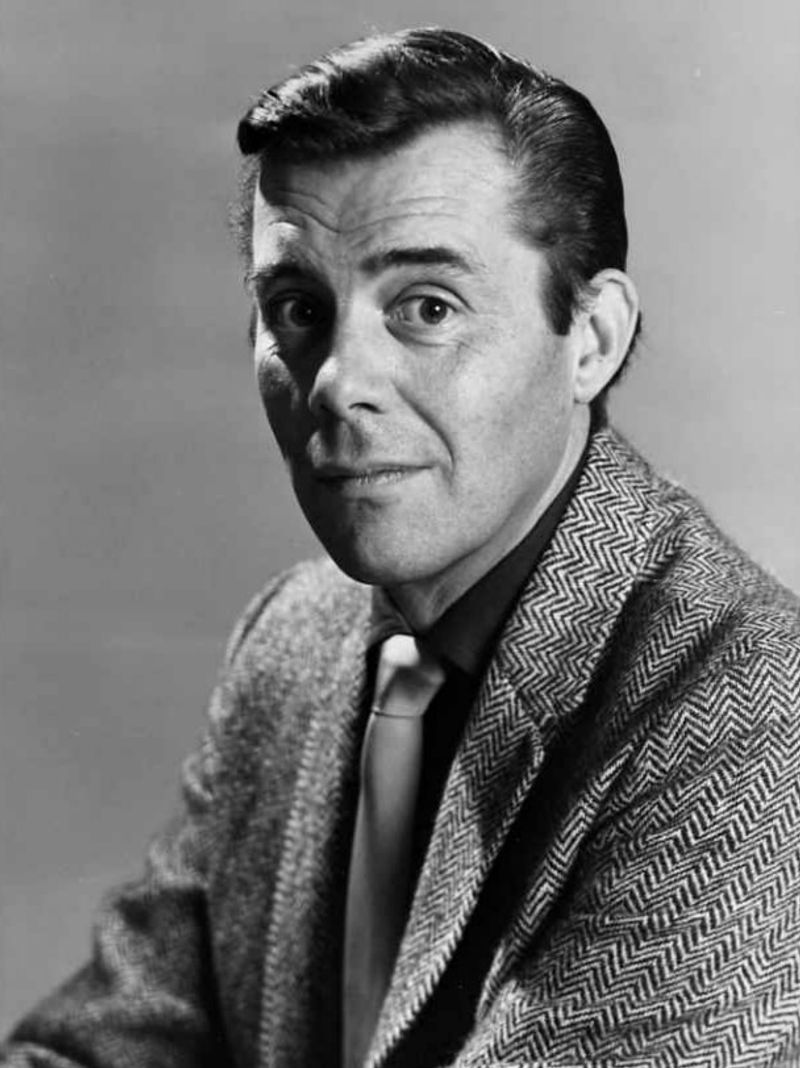
British cinema found one of its most sophisticated leading men in Bogarde’s elegant performances.
He lived with his manager Tony Forwood for decades, though publicly they maintained it was purely professional.
After Bogarde’s death, his family confirmed what biographers had long suspected about their relationship.
His story reflected the particular challenges British actors faced with even stricter social conventions than Hollywood.
15. Danny Kaye
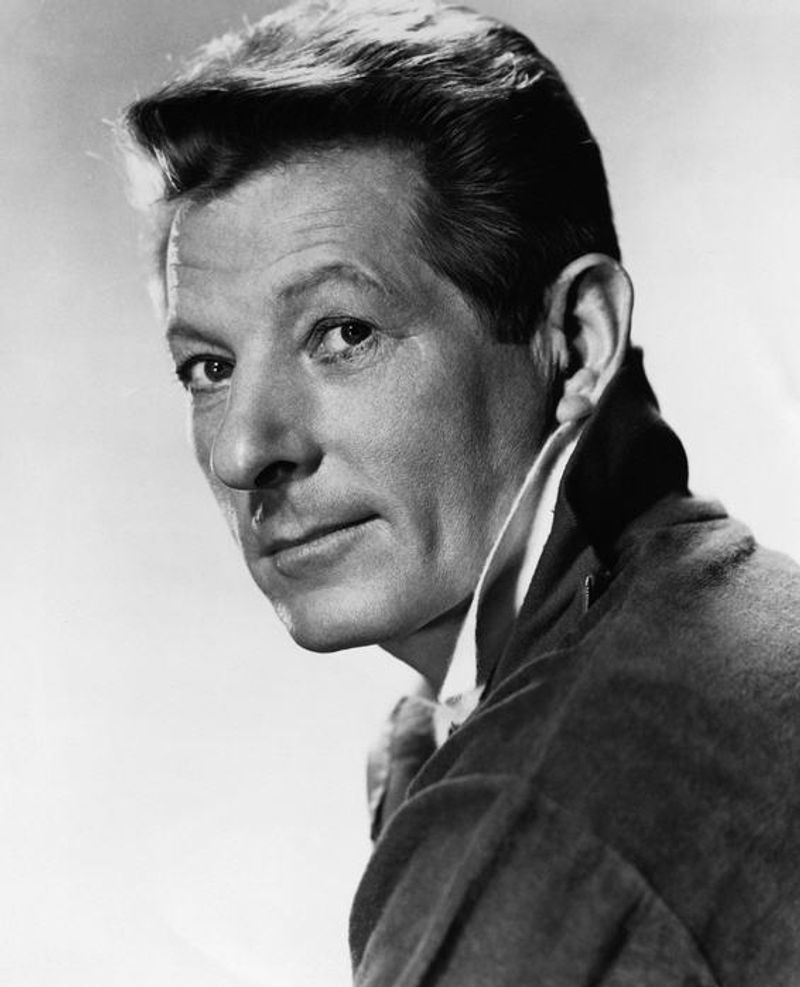
Comedy gold poured from Kaye’s performances, delighting audiences with his physical humor and musical talent.
Married to Sylvia Fine, he allegedly had a long relationship with Sir Laurence Olivier.
His daughter Dena spoke about her father’s bisexuality in interviews, confirming longstanding Hollywood rumors.
These revelations added complexity to understanding his marriage and the pressures he faced maintaining his image.
16. Clifton Webb
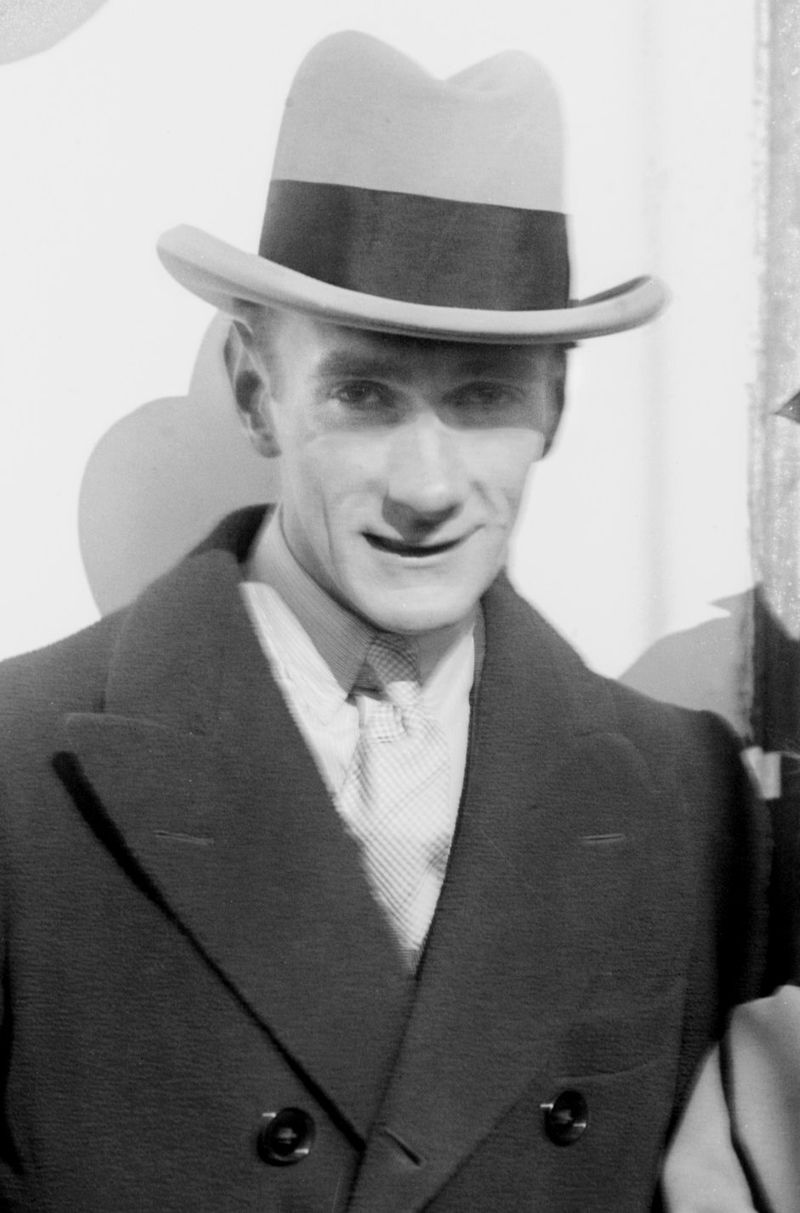
Sophistication personified, Webb brought elegance to every role he inhabited on screen.
He lived with his mother until her death when he was in his sixties.
Family members and friends later confirmed he was gay, though he never publicly discussed his orientation.
Webb’s story exemplified how some actors used family relationships to deflect questions about their personal lives.
17. Charles Nelson Reilly
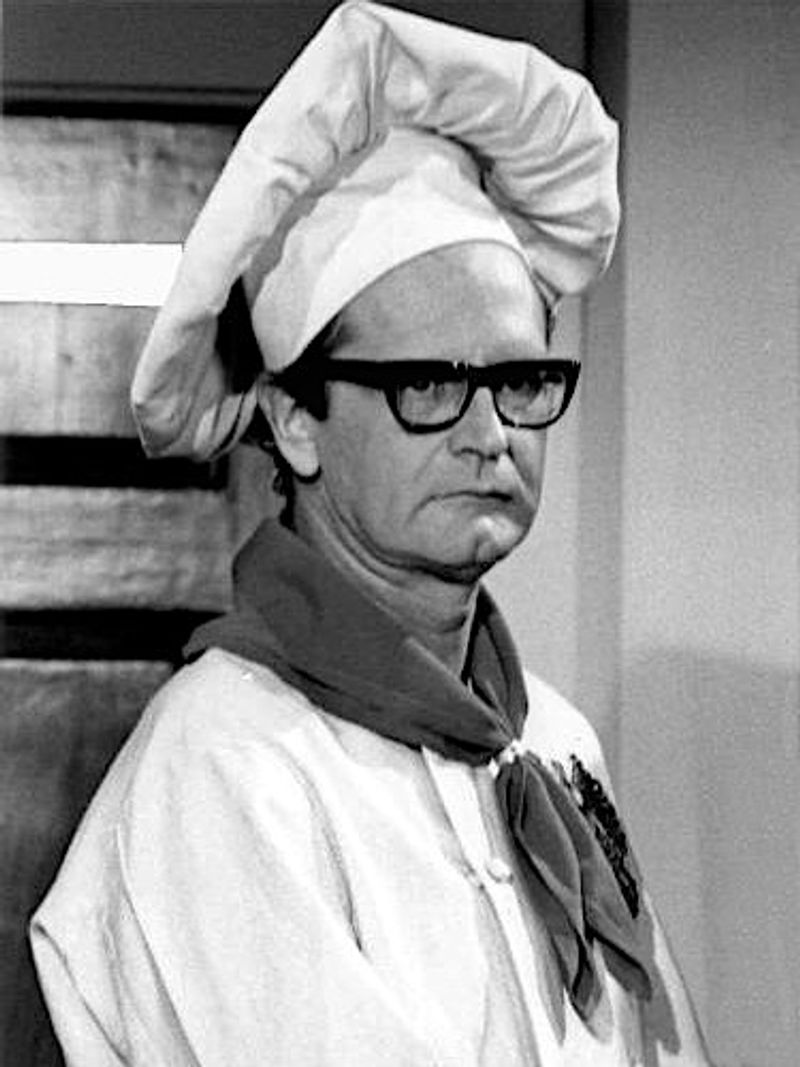
Game show appearances made Reilly a household name with his flamboyant personality and quick wit.
Though his orientation seemed obvious to audiences, he never officially came out during his lifetime.
After his death, his partner and family members spoke openly about their decades-long relationship.
Reilly’s story highlighted how some performers hid in plain sight, using comedy to deflect personal questions.