16 Global Food Traditions Americans Experience Less Often At Home
Tables used to come with stories built right into the meal.
Recipes carried history, passed down like family secrets that somehow tasted better every time they were shared.
Fast food moves quicker, sure, but it does not come with the same memories… and that is the part worth bringing back.
1. Ethiopian Injera Meals
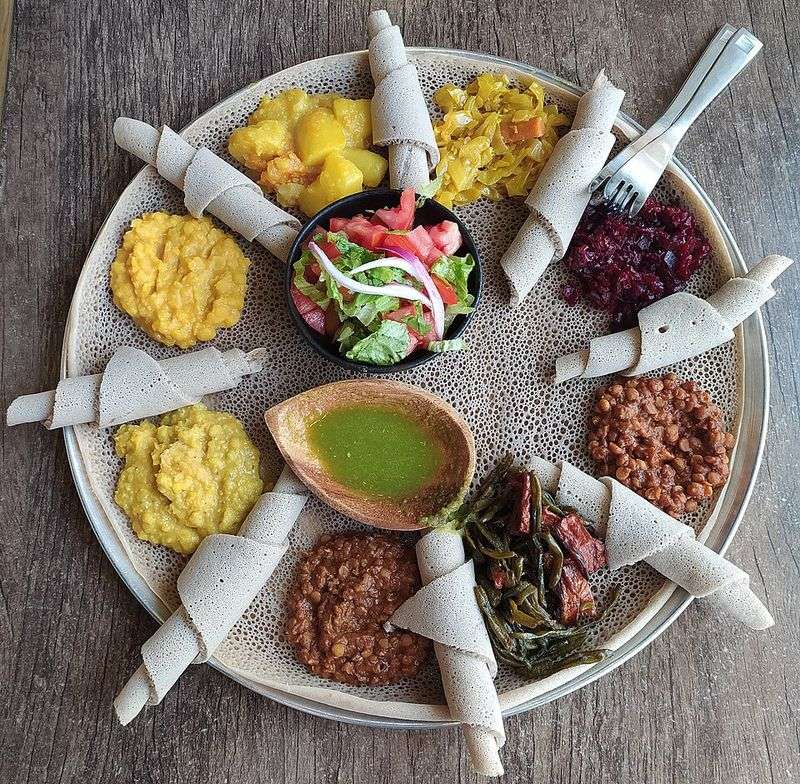
Table set without forks invites hands to take over, with injera serving as both plate and utensil.
Shared platters define Ethiopian meals, where everyone gathers around and eats together in a way that turns dinner into a social ritual.
Slight sourdough tang from the bread absorbs rich lentil and lamb stews, creating a deeply satisfying bite every time. Many American households still do not build meals around that kind of shared platter tradition, which leaves an incredible food culture underappreciated.
2. Japanese Breakfast Sets
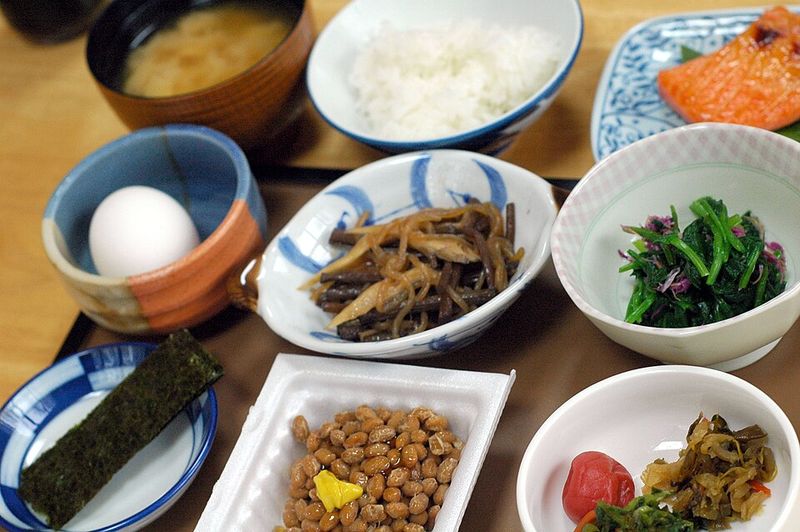
Most Americans grab a granola bar and sprint out the door, but a Japanese breakfast set turns the morning into a quiet ceremony.
Miso soup, steamed rice, grilled fish, and pickled vegetables arrive together in a beautifully balanced spread. Every component earns its spot, and nothing feels rushed or accidental.
Bringing even part of that balanced morning structure into American breakfasts would feel like a smart trade.
3. Indian Thali Plates
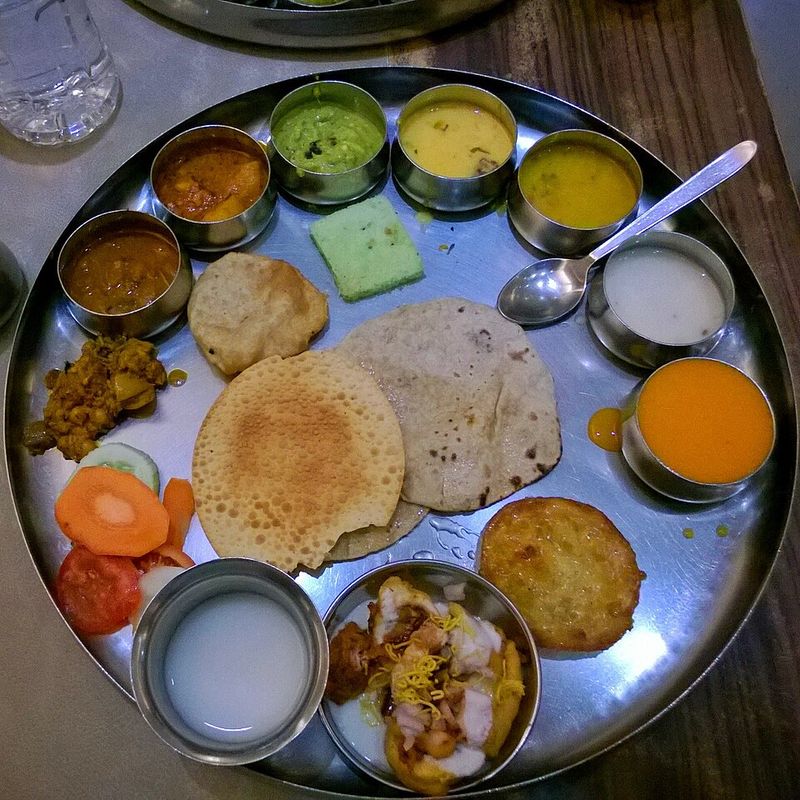
On a single plate, an Indian thali feels like a greatest-hits album where every bite plays a different song.
Small bowls filled with dal, curried vegetables, rice, roti, raita, and chutney arrive together, bringing sweet, spicy, tangy, and savory into one sitting.
Eating a thali highlights balance in a way a standard plate often does not. American dinner plates rarely aim for that kind of full-spectrum flavor experience.
4. Korean Banchan Meals
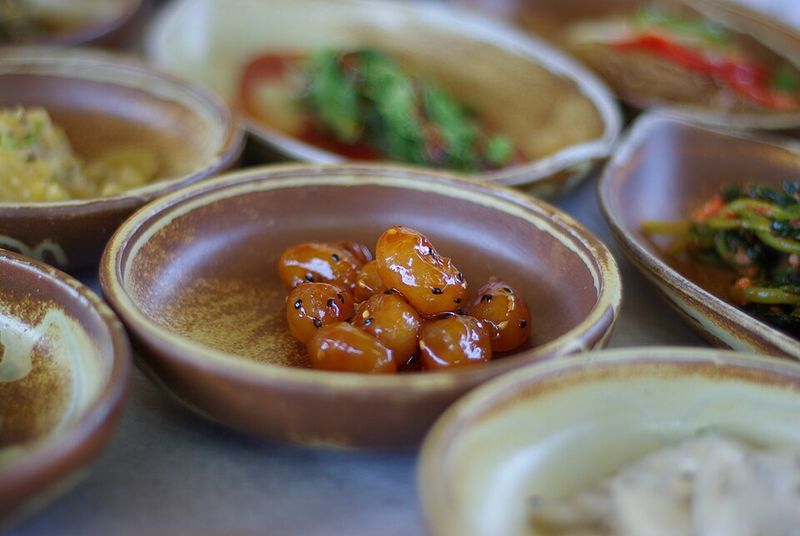
Sitting down to a Korean banchan meal feels like the table itself is trying to impress you.
Dozens of small side dishes surround the main course, each one offering a different flavor, texture, or fermented kick. In many Korean restaurants, refilling banchan reflects a hospitality tradition that speaks volumes about generosity.
American dining culture rarely matches that kind of abundant, no-strings-attached welcome at the table.
5. Middle Eastern Mezze
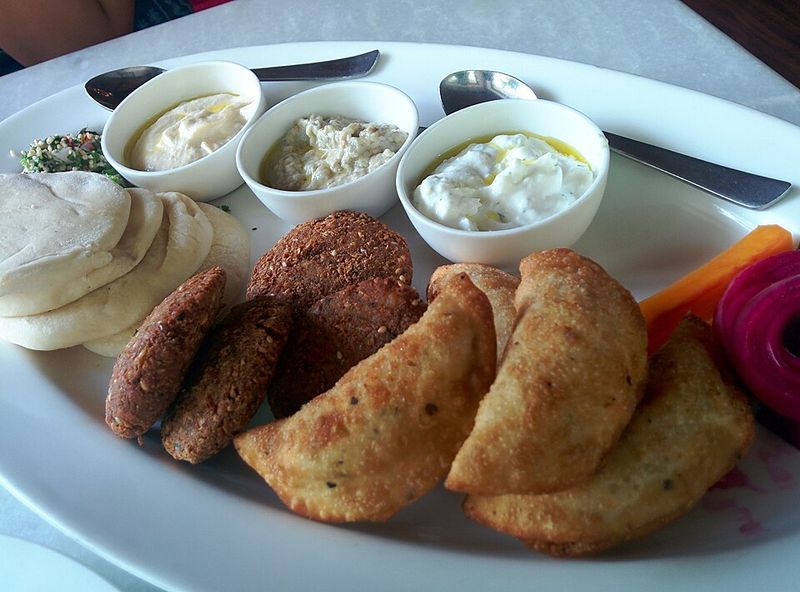
Long before modern grazing boards, mezze had already perfected the idea. Hummus, baba ganoush, tabbouleh, stuffed grape leaves, and warm pita arrive together, encouraging slow conversation and easy, unhurried bites.
Time stretches naturally with a spread like this, where eating becomes part of the experience rather than a task to finish.
Fast-paced habits fade into the background as mezze makes a quiet case for meals that are meant to linger.
6. West African Fufu Meals
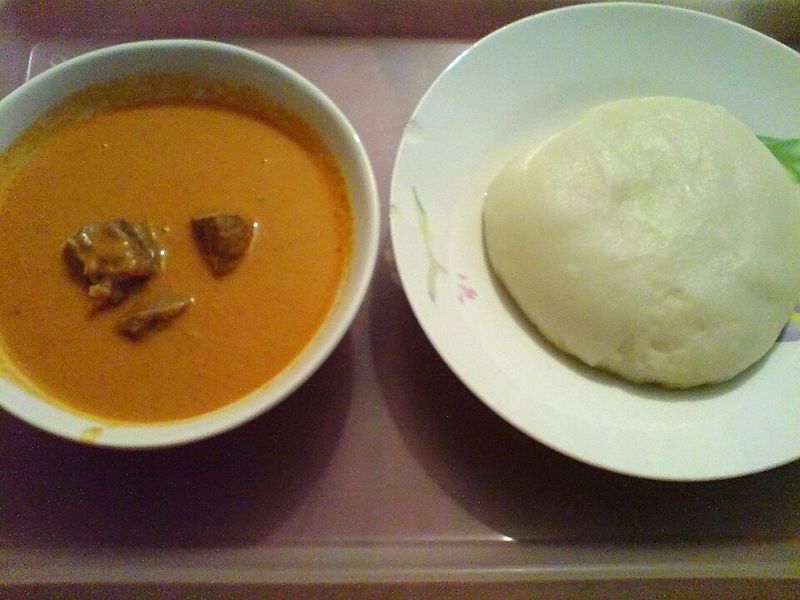
Made by pounding starchy roots into a smooth, stretchy dough, fufu turns eating into a full sensory experience that goes far beyond a fork-and-knife meal. A small piece gets pinched off, shaped with a thumb, and used to scoop up rich, fragrant soup in one seamless motion.
Generations of West African families have built meals around that shared rhythm of eating.
Hands-on, deeply rooted traditions like that rarely show up on American menus.
7. Chinese Congee Breakfasts
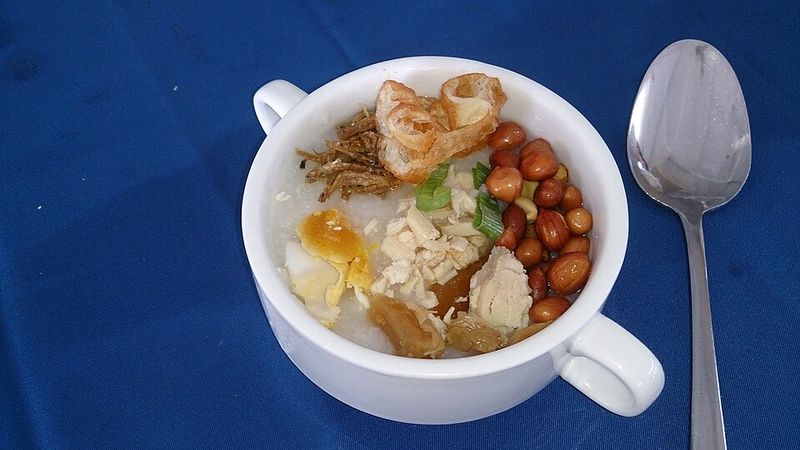
Slow Sunday mornings pair perfectly with a pot of congee gently simmering on the stove.
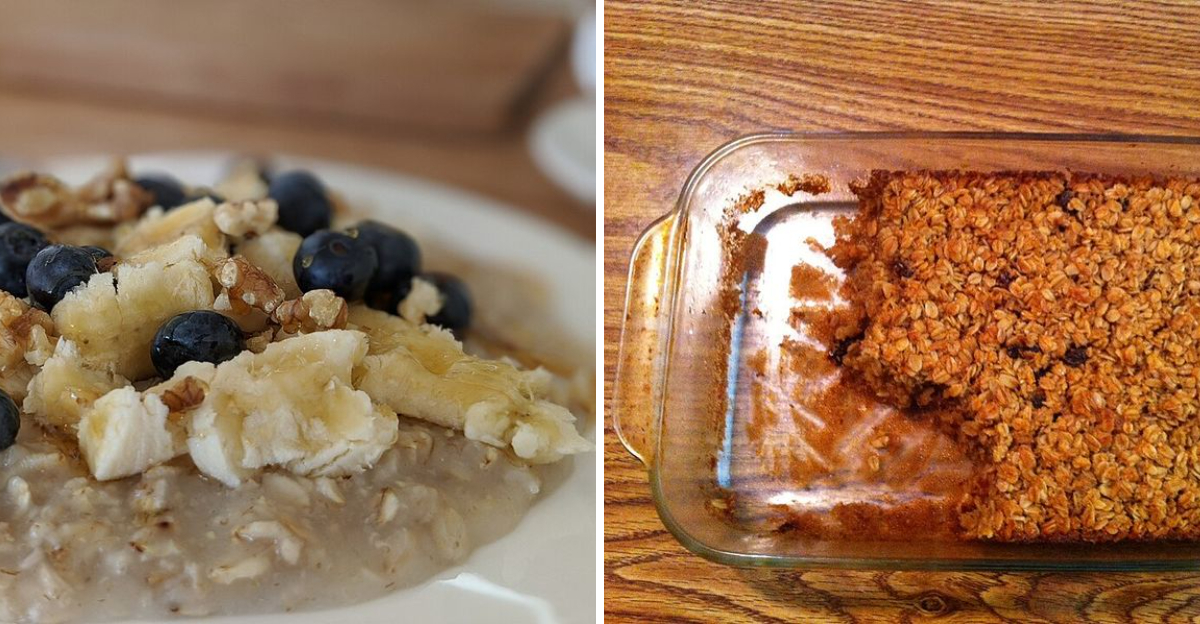
Silky texture comes from rice cooked low and slow, then finished with ginger, scallions, century egg, or crispy dough sticks depending on the mood. Comfort lands in every spoonful, wrapping warmth through the whole meal in a way few dishes manage.
American breakfast habits continue to overlook a bowl that delivers exactly what mornings like this call for.
8. Filipino Kamayan Feasts
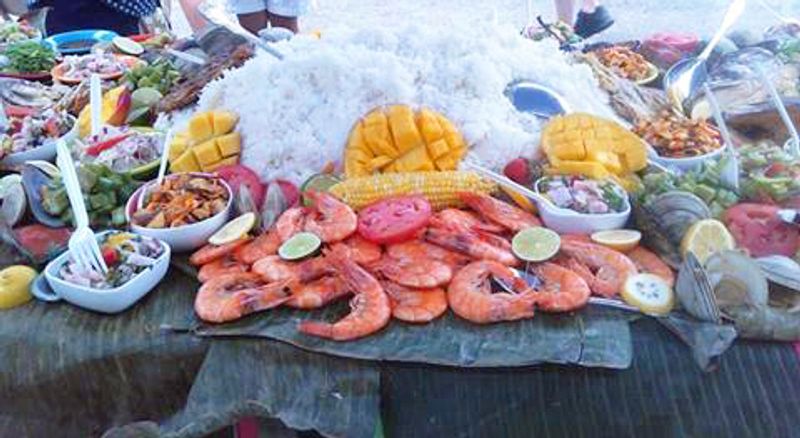
In the Filipino kamayan tradition, banana leaves take the place of plates, hands replace utensils, and the table turns into one long shared feast.
Grilled meats, garlic rice, seafood, and tropical vegetables stretch out in a colorful line that practically invites everyone to lean in together. Deeply communal and joyfully hands-on, the experience creates the kind of meal where checking a phone feels genuinely rude.
9. North African Couscous
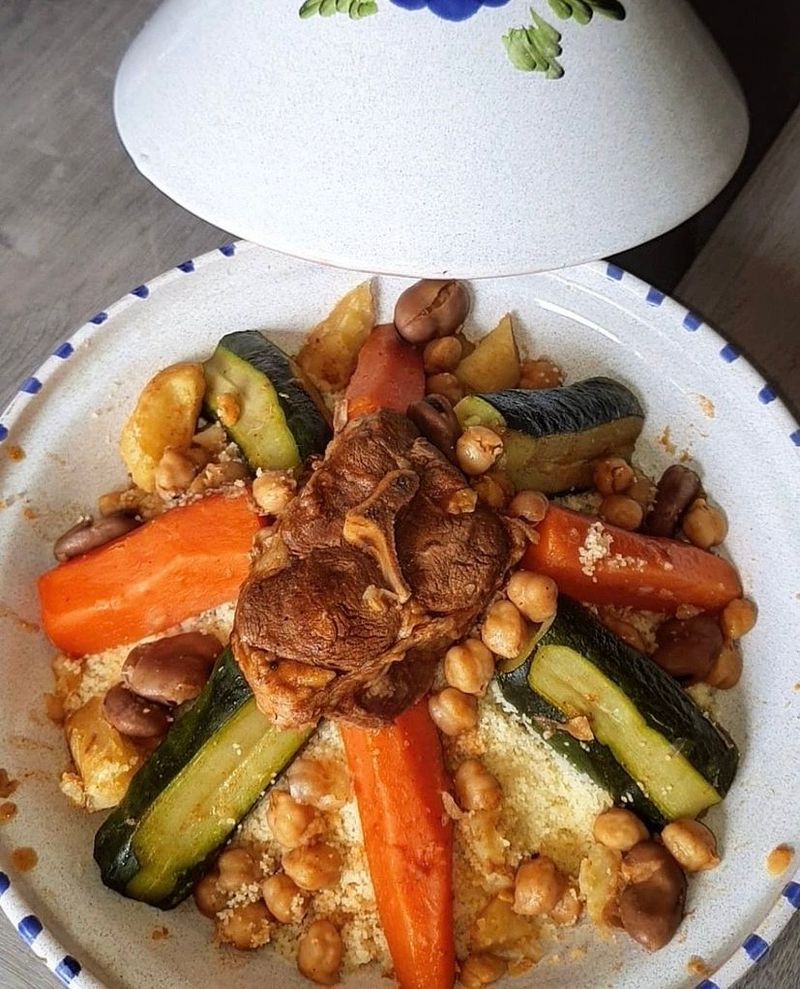
In many Moroccan homes, and in parts of North Africa more broadly, Friday couscous remains a cherished weekly tradition.
Fluffy semolina steamed over fragrant broth gets crowned with slow-cooked lamb, root vegetables, and chickpeas in a deeply warming combination. The patience required to make it right is half the point.
American weeknight culture rarely leaves room for that kind of devoted, unhurried cooking.
10. Homemade Korean Kimchi
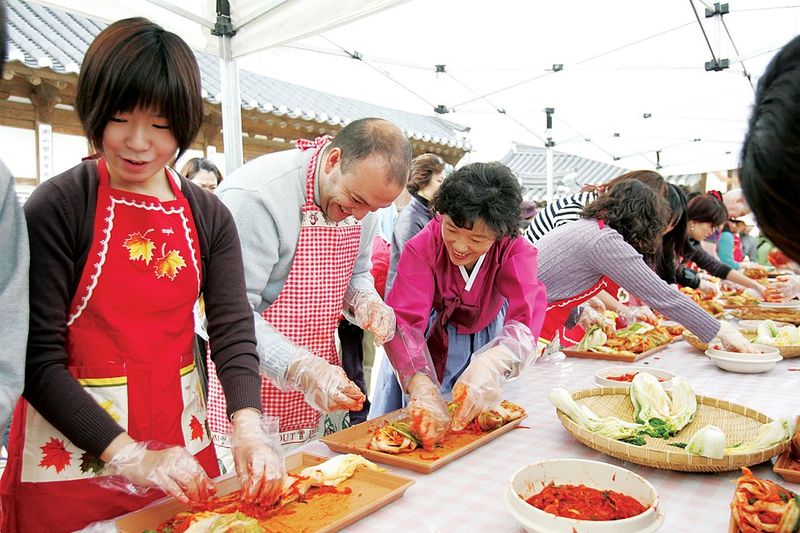
Making kimchi at home is a multi-generational project, a recipe passed from grandmother to grandchild with hands stained red from gochugaru paste.
Salting the cabbage, mixing in fermented seafood paste and garlic, then packing everything away for fermentation formed part of the seasonal household tradition known as kimjang. That tradition earned UNESCO recognition as an intangible cultural heritage.
Buying a jar at the grocery store just does not carry the same story.
11. Cantonese Dim Sum
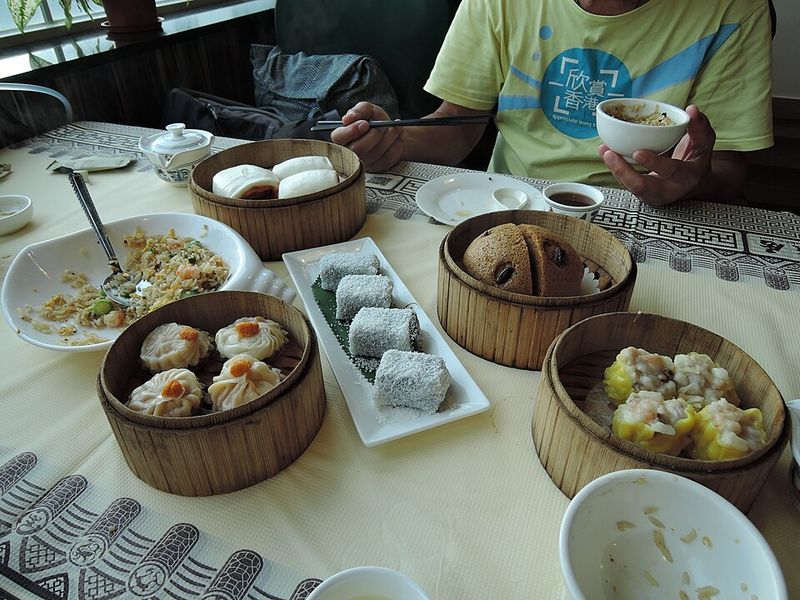
Sunday dim sum feels less like a meal and more like a social institution, with tables filling up in no time. Bamboo steamers arrive early, often before tea is even poured, setting the tone for everything that follows.
Har gow, siu mai, turnip cake, and egg tarts roll in as a steady stream of small bites meant to be shared easily.
Spirit of yum cha, which literally means drink tea, captures the relaxed pace and easy conversation built into the experience. That kind of slow, generous Sunday rhythm deserves far more appreciation in American dining culture.
12. Fresh Tortilla-Making
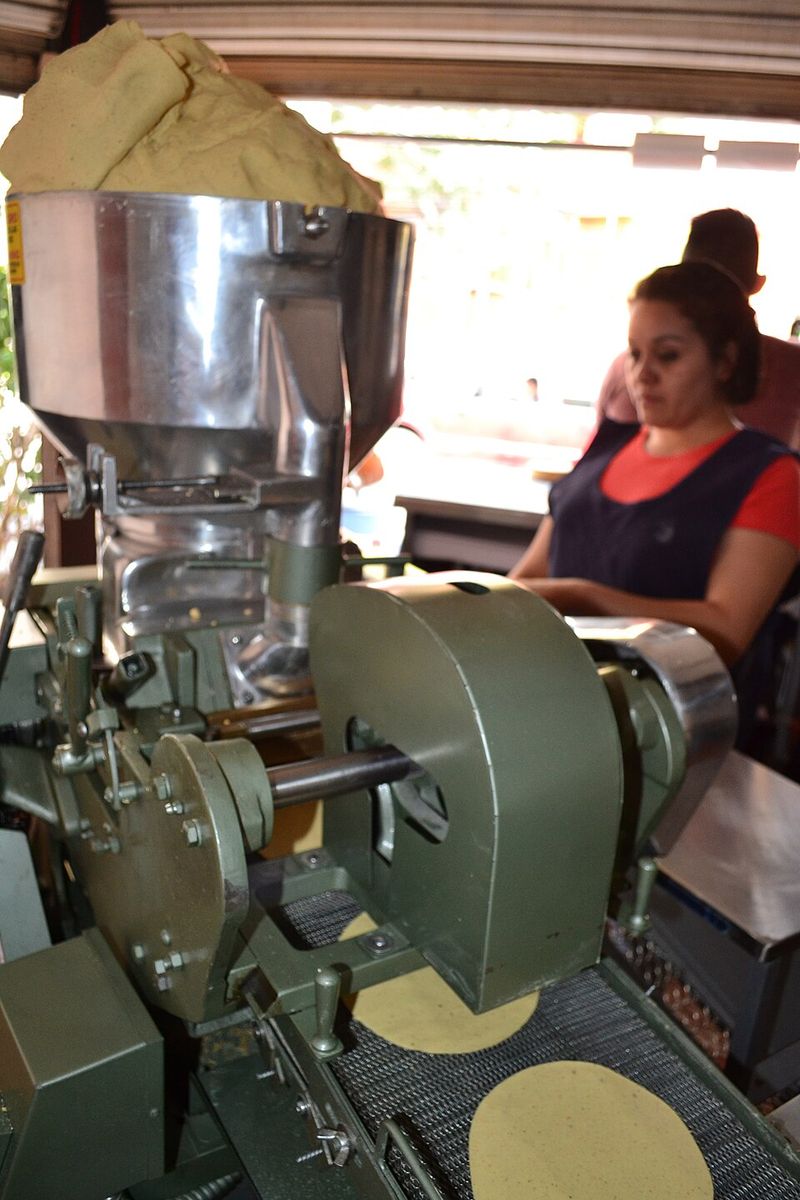
Fresh tortillas hitting a hot comal release a smell no store-bought package could ever hope to match.
In Mexican households, tortilla-making once followed a daily morning rhythm, with the soft pat-pat of hands shaping masa as early light came through the kitchen window.
Convenience eventually gave the edge to industrial tortillas, but much of that handmade warmth stayed behind. Some losses really do show up on the dinner plate.
13. South Indian Dosa
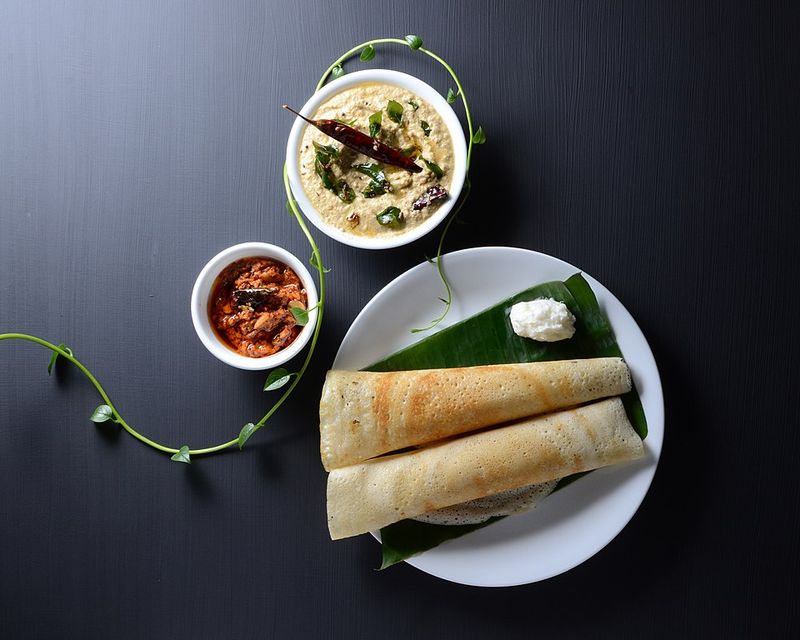
Getting a dosa perfectly crispy at the edges while keeping the center soft is a skill that takes real practice, and the results are absolutely worth every attempt.
Fermented rice and lentil batter, spread thin on a hot iron griddle, becomes golden and lacy in a matter of minutes. Served with coconut chutney and tangy sambar, it is a breakfast that refuses to be boring.
South Indian dosa culture deserves a permanent spot on American morning menus.
14. Moroccan Tagine Cooking
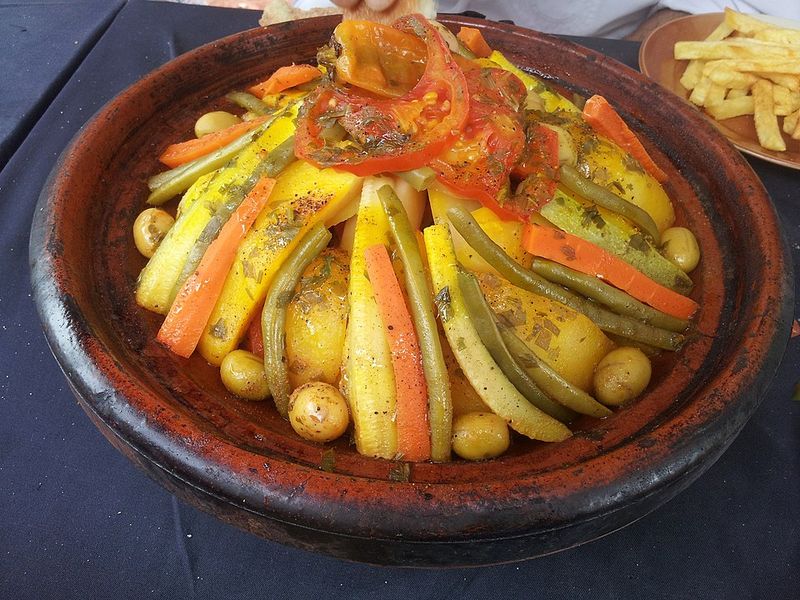
Almost meditative moments come from watching a tagine lid lift slightly as steam curls out, hinting at what is building underneath. Conical clay design traps moisture and cycles it back into the dish, producing tender chicken, lamb, or vegetables layered with cinnamon, cumin, and preserved lemon.
Patience becomes part of the process here, offering something no quick method can replicate.
Moroccan tagine cooking carries a slow-food philosophy, quietly built into the vessel itself.
15. Spanish Paella Gatherings
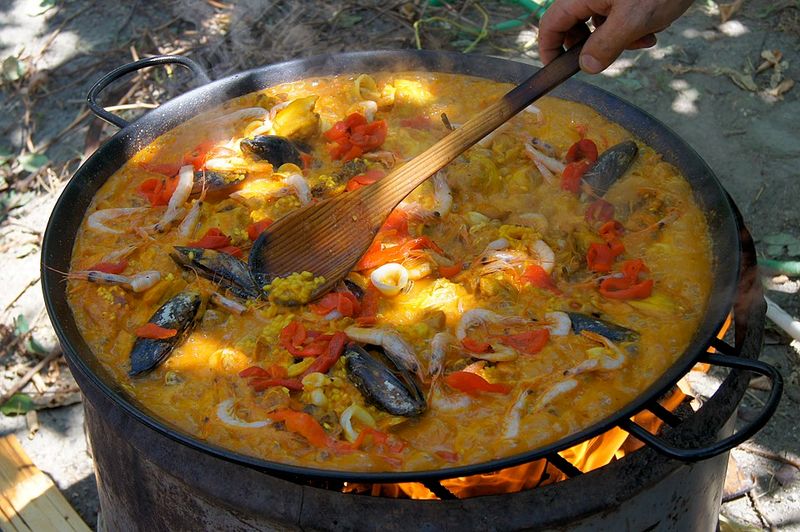
Designed for crowds, open air, and afternoons that drift lazily into evening, paella was never meant to be a solo dinner.
A wide, shallow pan traditionally works best with steady heat and enough people to make the effort worthwhile. Down at the bottom, socarrat, the crispy rice crust, becomes the most fought-over bite at any Spanish table.
Backyard culture in America could easily make space for a tradition like this.
16. Passover Matzo Traditions
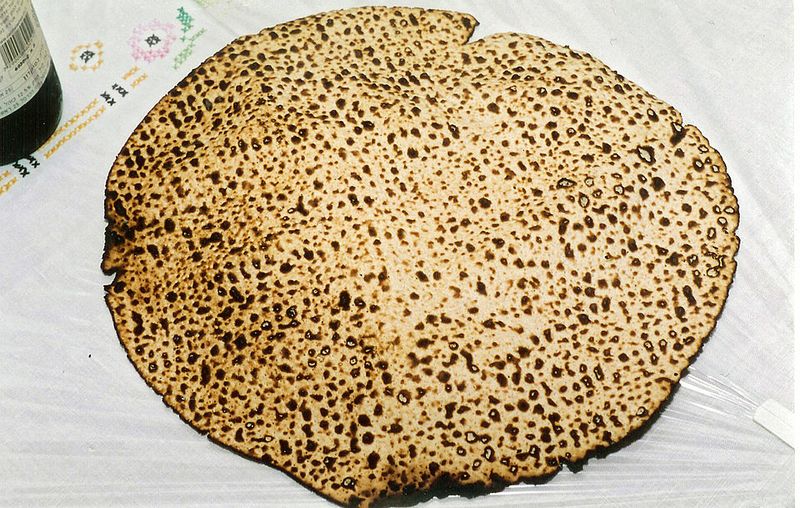
For eight days each spring, matzo replaces every loaf of bread in observant Jewish homes, a deliberate act of memory that connects the present to an ancient story of liberation.
Matzo ball soup, matzo brei, and charoset made from scratch were once household rituals passed down through generations with pride and a little friendly argument about the right recipe.
As fewer families observe the full Passover kitchen tradition, those handmade recipes risk becoming family folklore rather than family dinner.
Note: This article is intended for general informational and cultural-interest purposes.