17 Of The Best Gothic Horror Films Ever Made
Fog helps, obviously. So do candlelit hallways, old houses with terrible energy, and the strong possibility that nobody in this story is getting a good night’s sleep.
Gothic horror has always understood that fear works better when it arrives dressed well.
Give it shadows and one staircase that absolutely should not be walked up, and suddenly the mood is doing half the work before anything truly awful even happens.
That is why the best films in this lane stay with people, they are not rushing to throw blood at the screen every five seconds.
They are luring you in, making everything look eerie, elegant, and just romantic enough to lower your defenses before the dread starts settling in properly.
Instead of simply scaring, these movies linger like they fully expect you to keep thinking about them long after the credits crawl away.
Disclaimer: This article is intended for general informational and entertainment purposes only. Film selections and interpretations of gothic horror reflect editorial opinion, and individual viewers may differ on which titles best capture the genre’s mood, themes, and lasting appeal.
1. Nosferatu (1922)
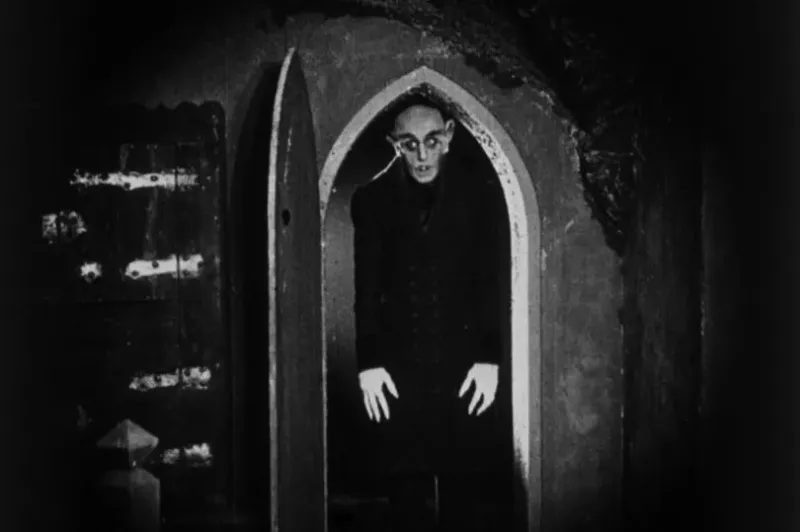
What if a vampire looked less like a charming nobleman and more like your worst nightmare crawling out of the dark?
F.W. Murnau answered that question in 1922 with this unauthorized retelling of Bram Stoker’s Dracula.
Max Schreck’s Count Orlok, with his long clawed fingers and rat-like features, is genuinely unsettling even by today’s standards.
The film was almost destroyed after Stoker’s estate won a copyright lawsuit. Thankfully, copies survived.
Its expressionist shadows and eerie camerawork set a visual language for horror that filmmakers still borrow from today.
2. The Cabinet of Dr. Caligari (1920)
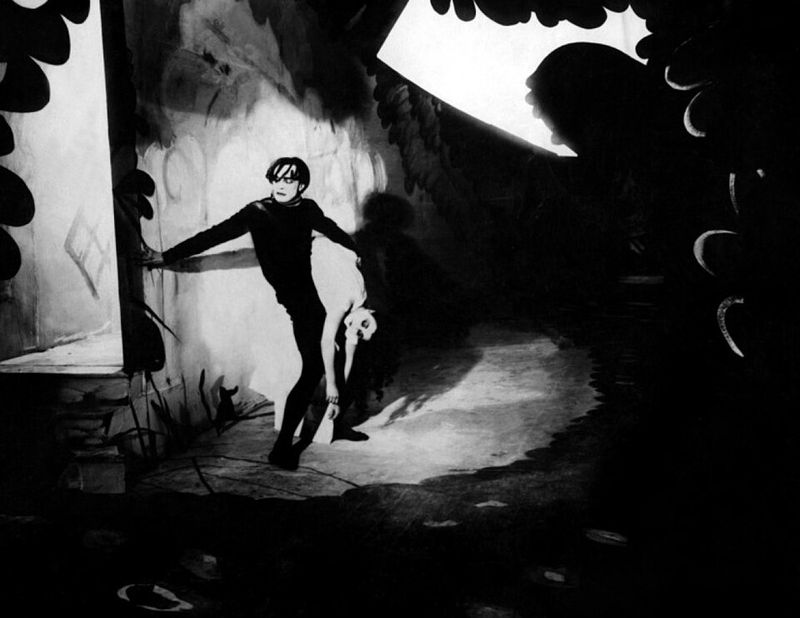
Before CGI, before color, before sound, filmmakers were already bending reality in ways that feel almost hallucinatory.
Released in 1920, this German Expressionist masterpiece follows a hypnotist who uses a sleepwalking man named Cesare to commit crimes at a creepy carnival.
The jagged, painted sets look like a nightmare drawn by a child who has seen too much.
Here is a wild fact: the film’s twist ending was reportedly added by the studio, not the original writers, changing its entire meaning. Whether that was a good call is still debated by film nerds everywhere.
3. Dracula (1931)
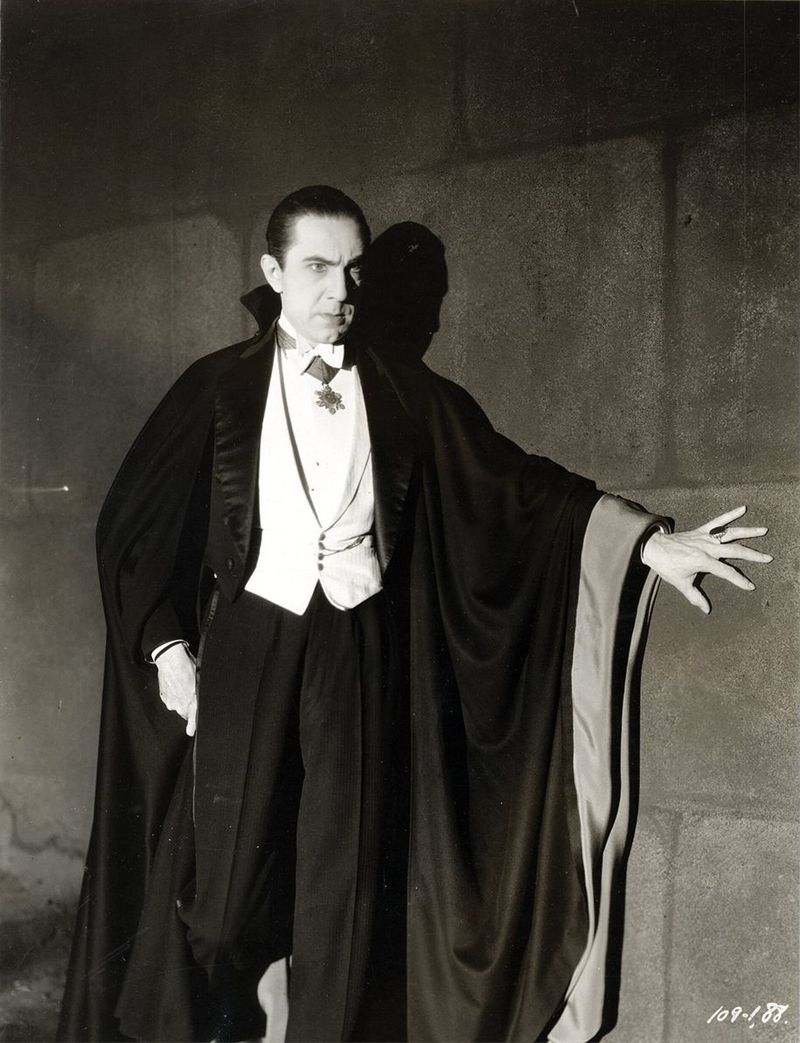
Bela Lugosi did not just play Dracula. He became Dracula.
His slow, deliberate delivery and hypnotic gaze turned a stage role into one of cinema’s most iconic performances.
Universal Pictures released this adaptation in 1931, and it practically invented the Hollywood horror genre as we know it.
Filmed on the same sets as the Spanish-language version shot simultaneously at night, this movie has a theatrical, almost operatic quality.
The fog-filled crypt, the spider webs, the bats on strings, none of it looks realistic, yet all of it feels terrifying.
4. Frankenstein (1931)
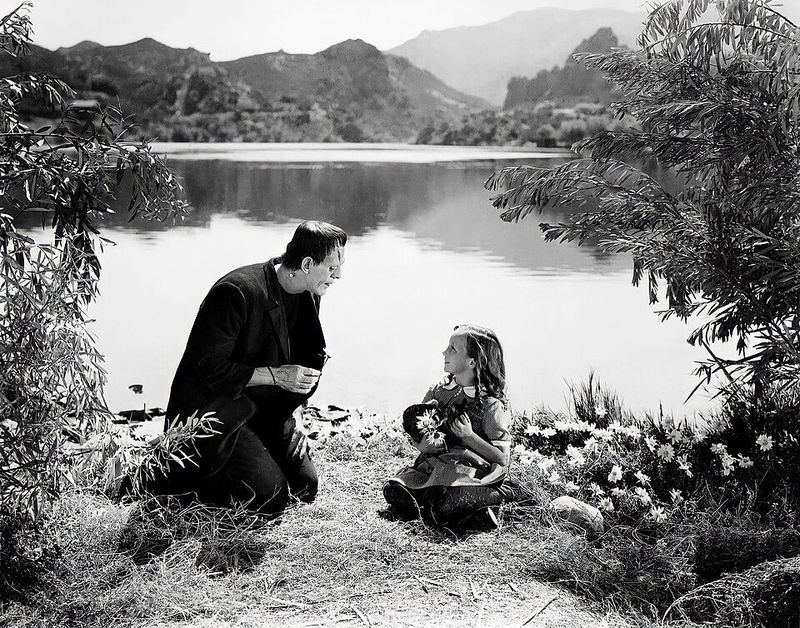
How far would a scientist go to cheat passing? James Whale’s 1931 classic asks that question and then answers it with one of cinema’s most haunting creatures.
Boris Karloff’s performance as the creature is surprisingly emotional beneath all that makeup. The flat-topped head and neck bolts became cultural shorthand for the word scary creature almost overnight.
Frankenstein actually outperformed Dracula at the box office that year, which is a fun piece of trivia to drop at parties.
The film’s gothic atmosphere, complete with crumbling windmills and stormy skies, feels timeless. Mary Shelley would probably have a lot to say about the changes, though.
5. Bride of Frankenstein (1935)
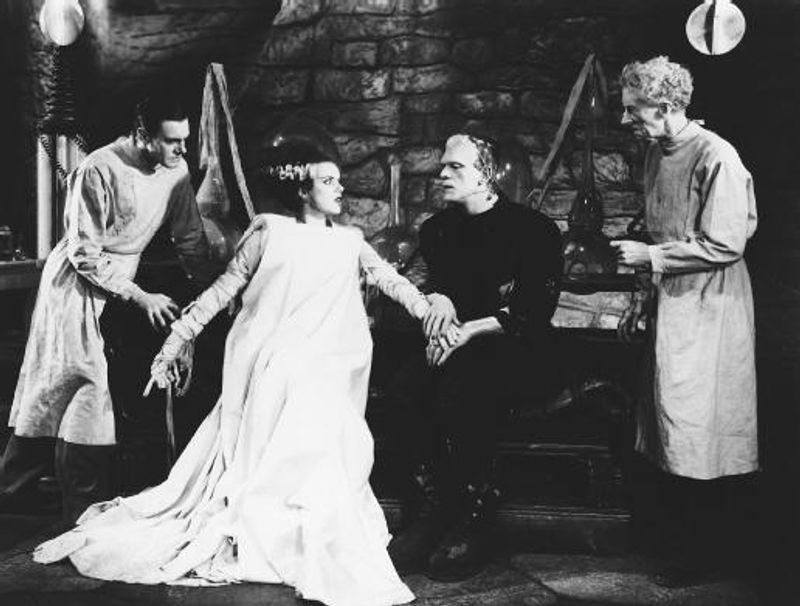
Sequels rarely top the original, but Bride of Frankenstein comes dangerously close.
James Whale returned to direct this 1935 follow-up, and he brought with him a wicked sense of humor and even more gothic grandeur.
Elsa Lanchester’s double performance, playing both the Bride and Mary Shelley herself in the prologue, is pure cinematic genius.
The creature’s longing for companionship gives the story real emotional weight. When the Bride hisses and rejects him, it is genuinely heartbreaking.
6. Rebecca (1940)
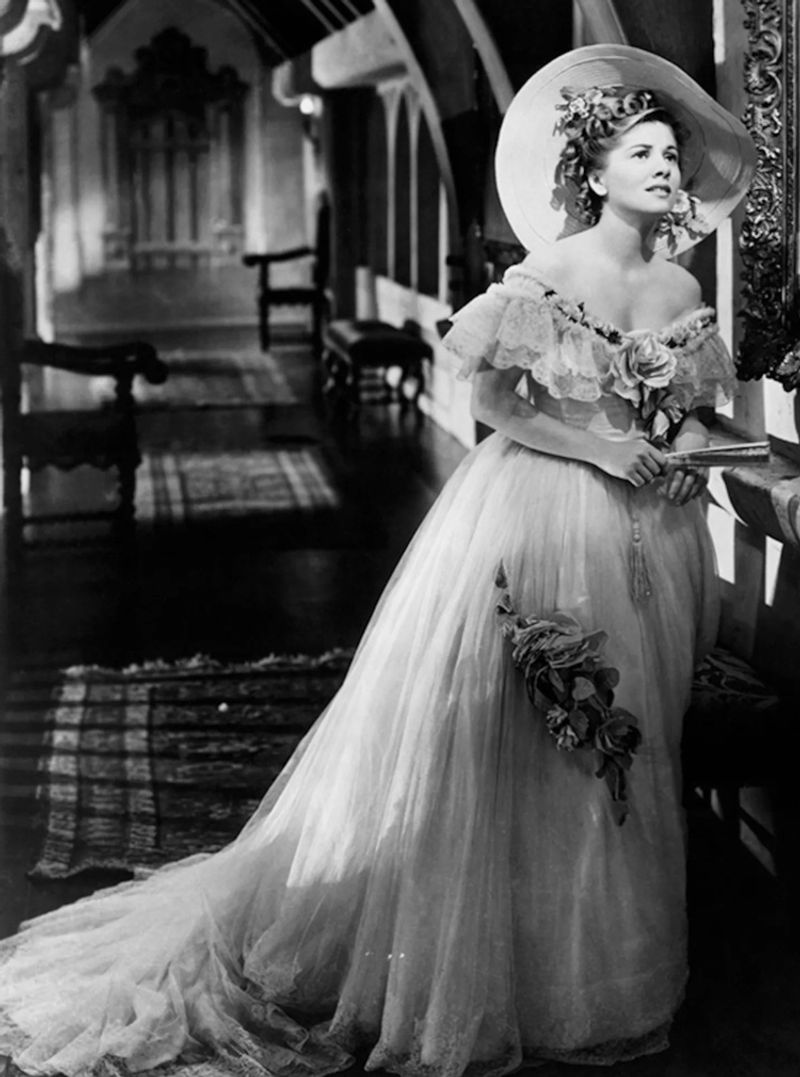
Alfred Hitchcock once said he was more interested in suspense than surprise, and Rebecca proves it on every frame.
Based on Daphne du Maurier’s beloved novel, the film follows a shy young woman who marries a wealthy widower and moves into his imposing estate, Manderley, only to be haunted by the memory of his first wife.
Joan Fontaine’s nervous, wide-eyed performance is perfectly matched against Judith Anderson’s terrifying Mrs. Danvers, arguably one of cinema’s creepiest supporting characters ever.
Rebecca won the Academy Award for Best Picture in 1941, making it Hitchcock’s only film to do so.
7. Cat People (1942)
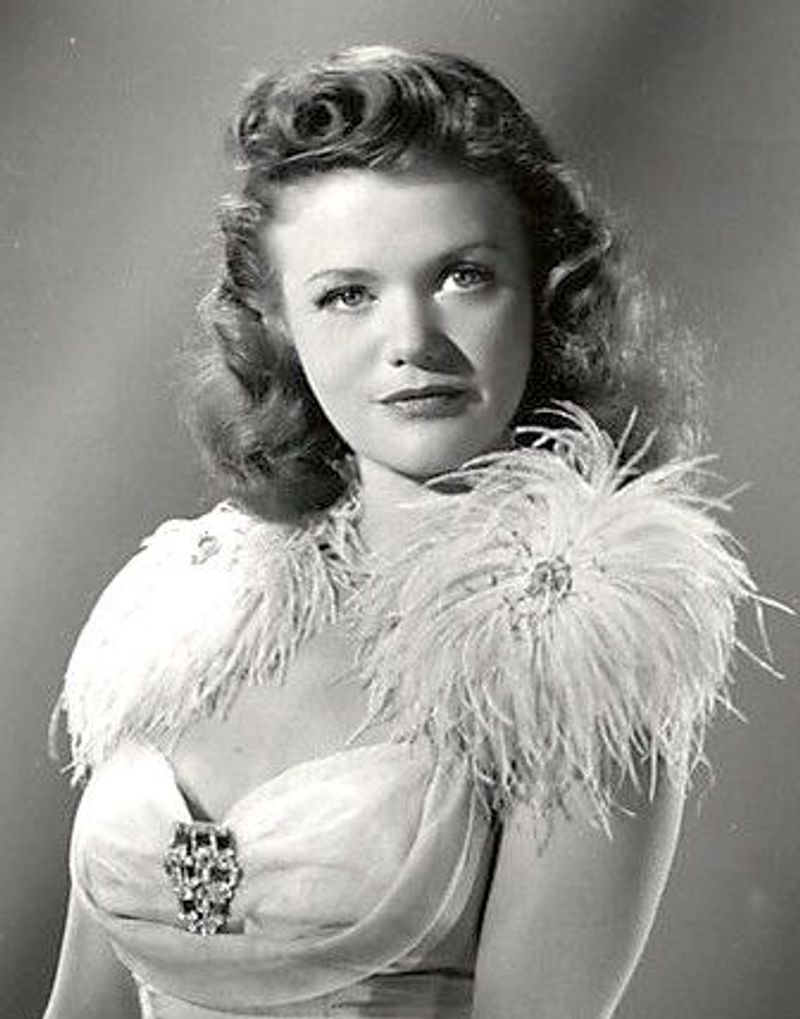
Sometimes what you cannot see is scarier than what you can.
Producer Val Lewton and director Jacques Tourneur understood this instinctively, and Cat People is their masterclass in suggestion over spectacle.
The film follows Irena, a Serbian-born woman who believes she descends from a race of people who transform into cats when emotionally aroused.
Shot on a shoestring budget, the film relies on shadows, sound design, and the imagination of the audience to generate dread.
That famous swimming pool scene? Absolutely nerve-shredding, and you barely see a thing.
8. The Uninvited (1944)
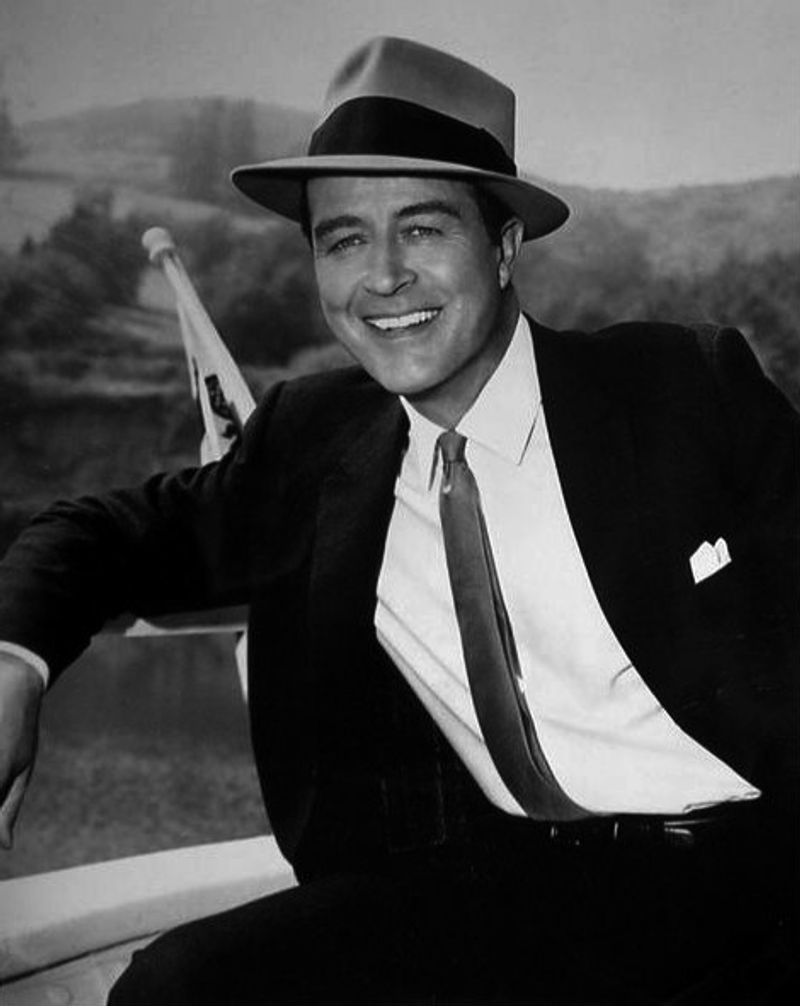
Ghost stories were everywhere in the 1940s, but The Uninvited treated the supernatural with a seriousness that set it apart from the crowd.
Ray Milland and Ruth Hussey star as a brother and sister who purchase a cliffside house in Cornwall, England, only to discover it is haunted by a deeply conflicted spirit.
The film even won praise for its psychological layering. What makes it special is how genuinely eerie it feels even now.
The ghost is not played for laughs or cheap thrills, there is real menace here, wrapped in gorgeous fog-drenched cinematography.
9. The Night of the Hunter (1955)
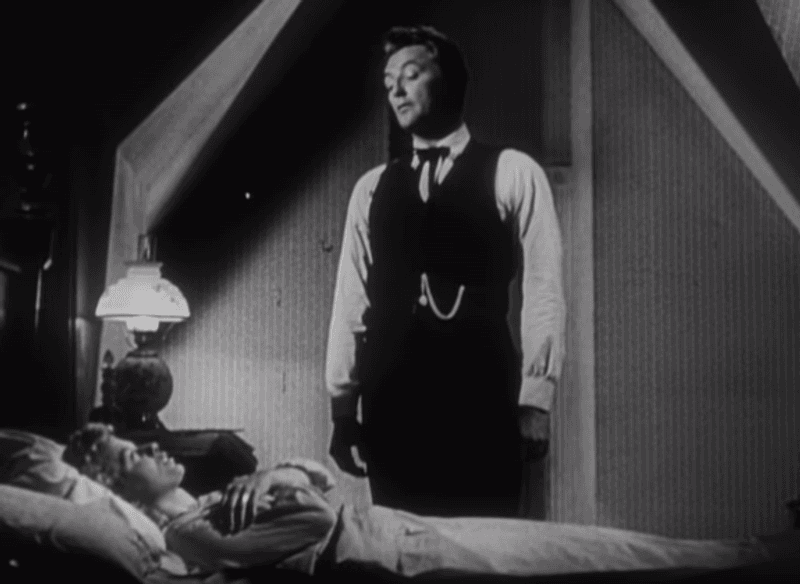
Imagine a villain who hums hymns while hunting children. That is Reverend Harry Powell, played by Robert Mitchum in one of the most chilling performances ever committed to film.
Charles Laughton directed this 1955 noir-gothic masterpiece, and it remains his only directorial effort, which is genuinely criminal given how stunning it looks.
The film blends fairy tale imagery with pure menace, creating something that feels like a nightmare your subconscious designed.
Incredibly, it flopped at the box office on release and Laughton never directed again. Audiences eventually caught up, and critics now rank it among the greatest American films ever made.
10. Black Sunday (1960)
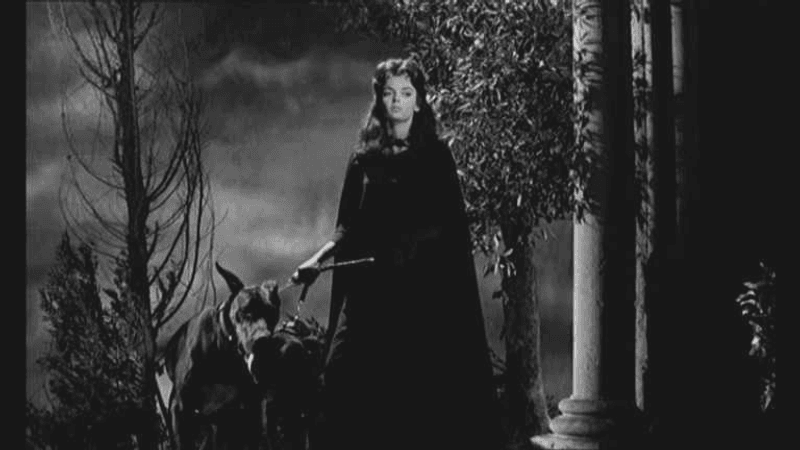
If you want gothic horror with a side of pure Italian flair, Mario Bava’s Black Sunday is your film.
Released in 1960 and starring the mesmerizing Barbara Steele, the story follows a vengeful witch who is resurrected after two centuries and begins terrorizing the descendants of those who condemned her.
The opening scene alone earned it a ban in the UK for eight years. Bava shot the film himself and his cinematography is jaw-dropping.
Every frame looks like a painting by someone deeply obsessed with fog, shadows, and dramatic lighting.
11. The Innocents (1961)
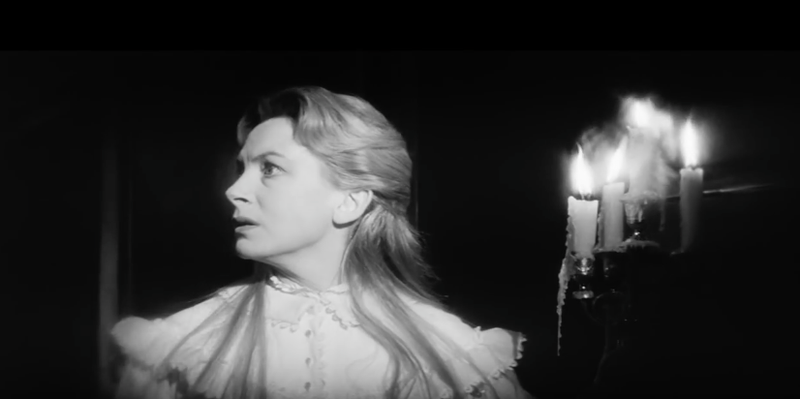
Based on Henry James’s novella The Turn of the Screw, this 1961 film asks one deeply unsettling question: are the children haunted, or is the governess losing her mind?
Directed by Jack Clayton, it stars Deborah Kerr in a performance so raw and layered that it is hard to look away even when things get deeply uncomfortable.
The film never gives you a clean answer, and that ambiguity is exactly what makes it so terrifying.
Cinematographer Freddie Francis used deep-focus lenses to keep both foreground and background in sharp detail, making every corner of the frame feel watched.
12. The Haunting (1963)
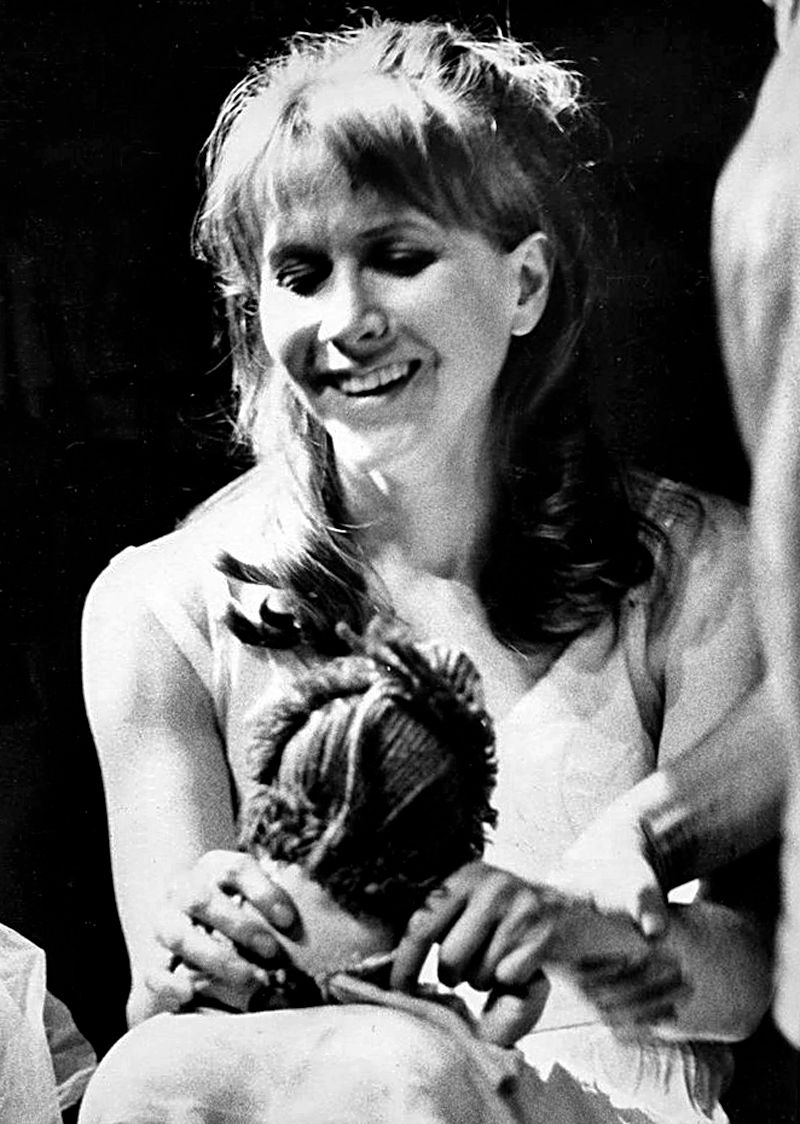
Robert Wise directed two of cinema’s greatest musicals, The Sound of Music and West Side Story, but he also made one of the scariest haunted house films ever filmed.
The Haunting follows a group of investigators who spend time in Hill House, a mansion with a brutal history and a very bad attitude toward visitors.
No ghosts are ever shown on screen. The terror comes entirely from sound, shadow, and the creeping paranoia felt by the characters, particularly Eleanor, played with fragile intensity by Julie Harris.
13. Nosferatu the Vampyre (1979)
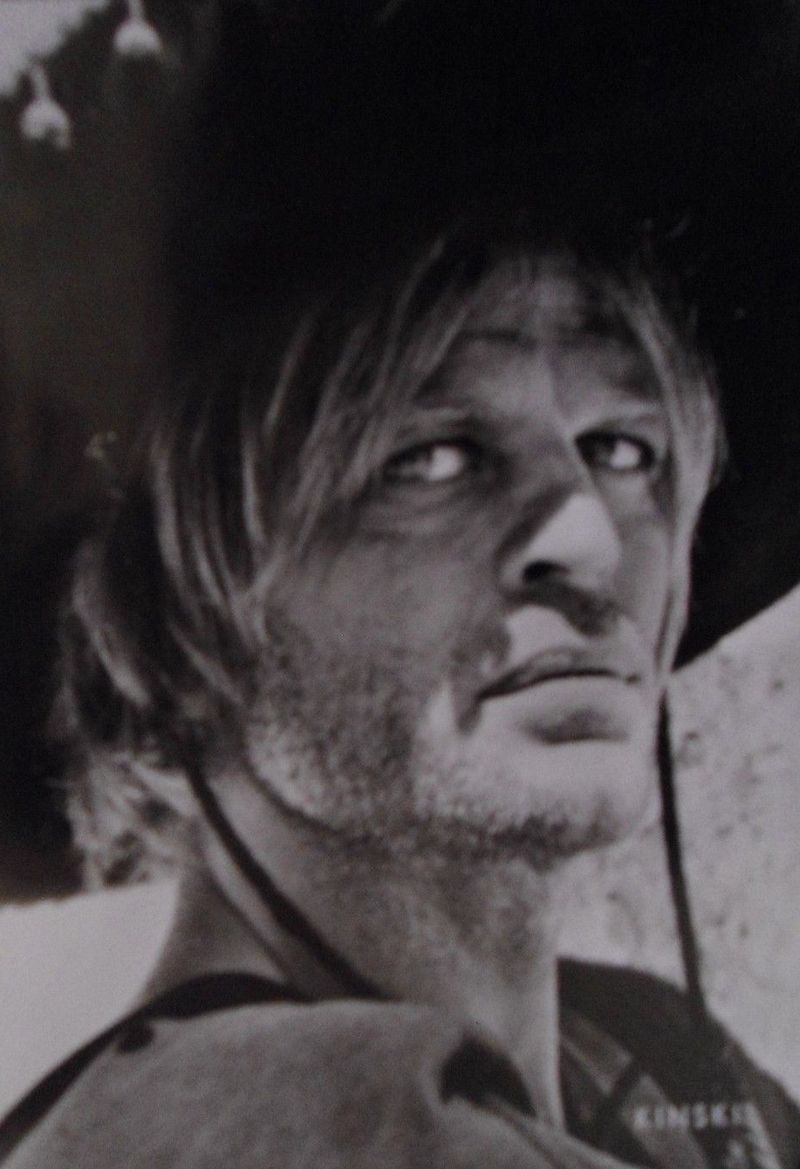
Werner Herzog’s 1979 remake of the 1922 original is less a retelling and more a meditation on loneliness and the horror of immortality.
Klaus Kinski plays Count Dracula as a tragic, tormented figure, pitiable and scary in equal measure. Herzog shot the film simultaneously in German and English, and both versions are extraordinary.
The plague sequence, where rats flood a town square as a band plays on obliviously, is one of cinema’s most haunting images.
Herzog clearly worships the 1922 original, but he also makes this story entirely his own.
14. The Changeling (1980)
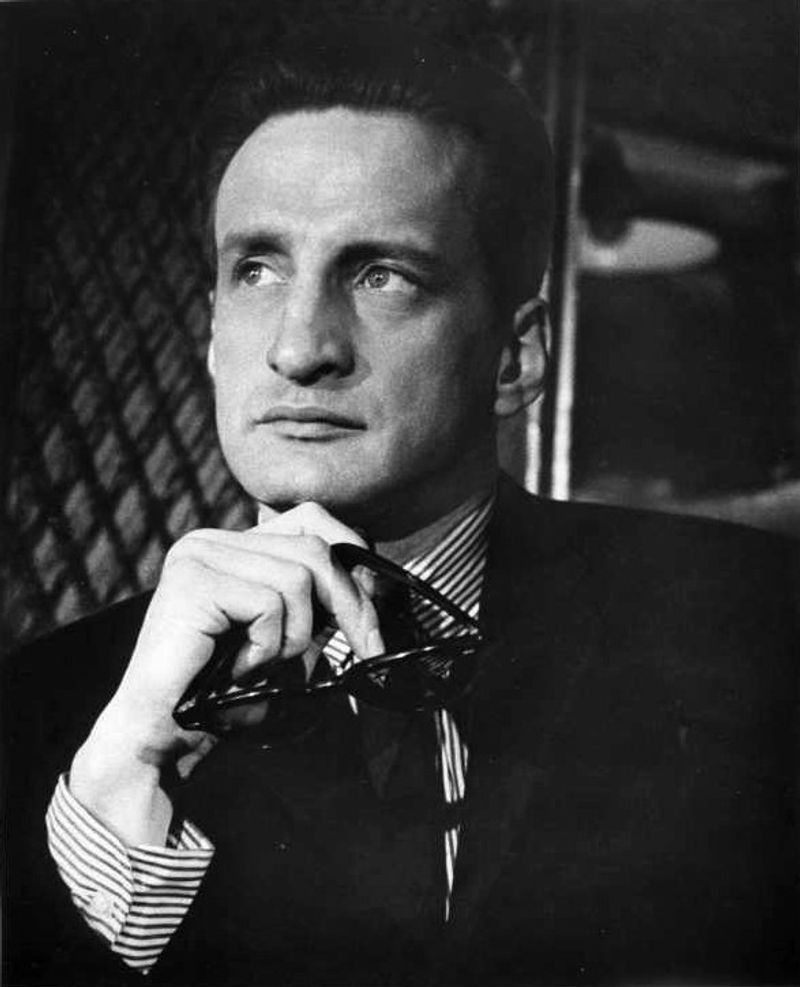
Few haunted house films hit as hard emotionally as The Changeling.
George C. Scott plays a grieving composer who moves into a massive Victorian mansion in Seattle after losing his wife and daughter in a tragic accident.
What he finds inside the house is not just supernatural, it is deeply tied to a decades-old crime and a powerful political conspiracy.
Scott brings enormous gravitas to the role, and the film earns its scares through genuine tension rather than cheap tricks. The séance scene and the wheelchair sequence are genuinely terrifying.
Critically overlooked on release, The Changeling has since been recognized as a landmark of psychological gothic horror.
15. Bram Stoker’s Dracula (1992)
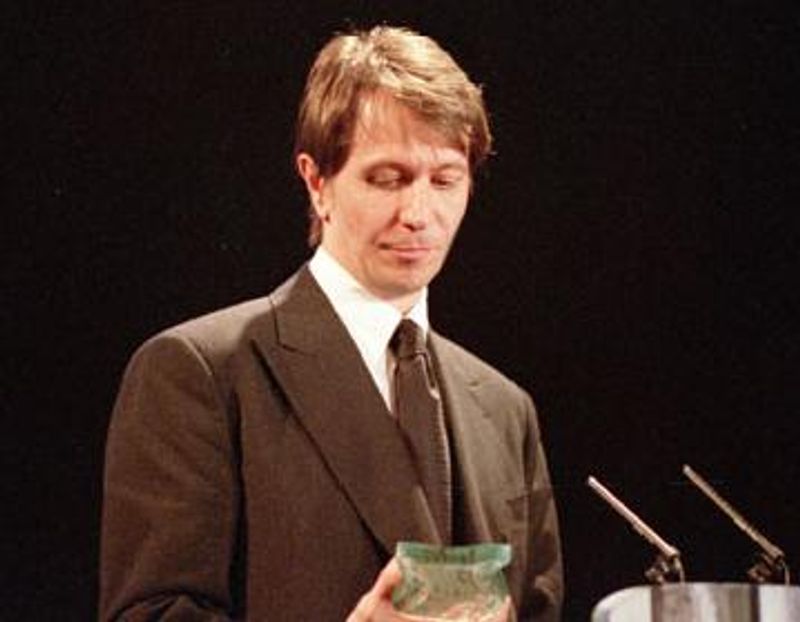
Francis Ford Coppola went all out for this 1992 adaptation, and the results are gloriously over the top in the best possible way.
Gary Oldman plays Dracula across multiple forms, from ancient armored warrior to crumbling old man to dashing young prince, and he is mesmerizing in every single one.
The costume and production design won three Academy Awards, all completely deserved.
Coppola insisted on using in-camera optical effects rather than digital tricks, giving the film theatrical quality that feels like a gothic fairy tale brought to vivid life.
16. The Others (2001)
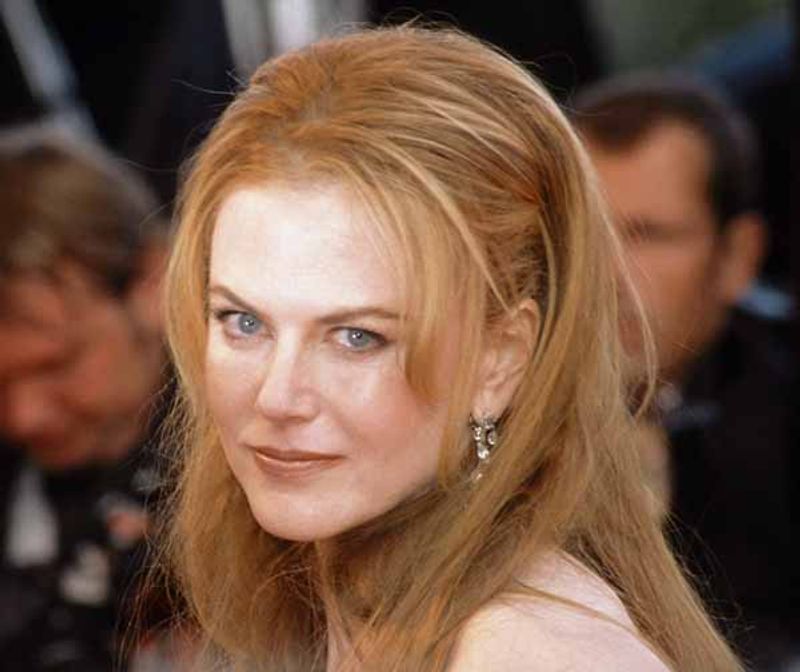
Set in a fog-bound manor on the island of Jersey just after World War II, The Others is a masterclass in slow-burn gothic dread.
Nicole Kidman plays Grace, a deeply religious woman raising two photosensitive children who cannot be exposed to direct light. Strange things begin happening in the house, and not everything is what it seems.
Writer-director Alejandro Amenabar crafted one of the most satisfying twist endings in modern horror history, one that recontextualizes everything you watched.
The film earned over 200 million dollars worldwide on a modest budget. If you somehow have not seen it yet, stop everything.
17. Crimson Peak (2015)
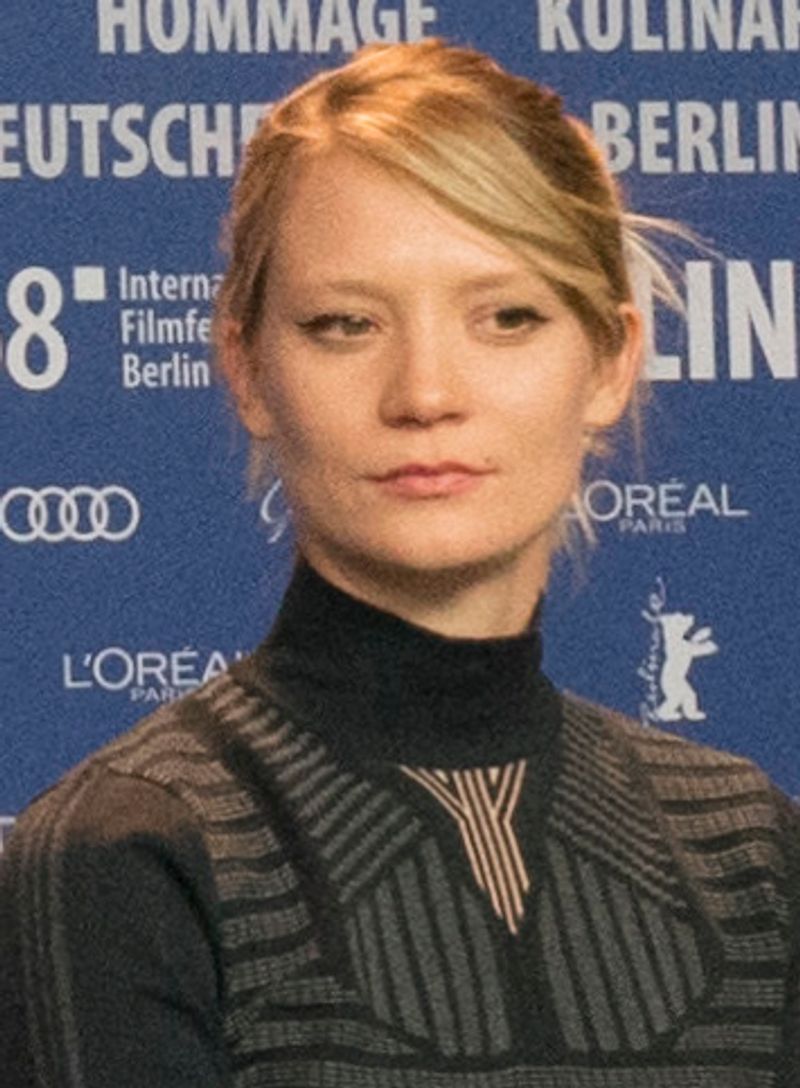
Guillermo del Toro has always been the filmmaker most willing to treat gothic horror as genuine art, and Crimson Peak is his love letter to the genre.
Mia Wasikowska plays Edith, a young American writer who marries a mysterious English baronet, played with icy charm by Tom Hiddleston. The real horror, as Edith herself says in the film, is human.
Del Toro’s production design is jaw-droppingly gorgeous, all rotting wood, falling leaves indoors, and crimson snow.