Cinematic Influences Behind The Grand Theft Auto Series
Few video game franchises feel as plugged into movie history as the Grand Theft Auto series.
Even without naming the references out loud, the influence shows up in the camera angles, the swagger of a getaway, the way a city can feel like a character, and the kind of dialogue that sounds like it was rehearsed in a rearview mirror.
One minute it’s pure crime-thriller tension, the next it’s satire with a grin, and the tone flips so smoothly you barely notice the gear change.
Digging into those cinematic roots doesn’t spoil the magic; it explains why the series keeps landing like a blockbuster you can steer.
Disclaimer: Views expressed are commentary on storytelling influences and do not represent official statements from Rockstar Games or Take-Two Interactive. The content is provided for general informational and entertainment purposes.
Heat (1995) and the Big-City Crime Blueprint
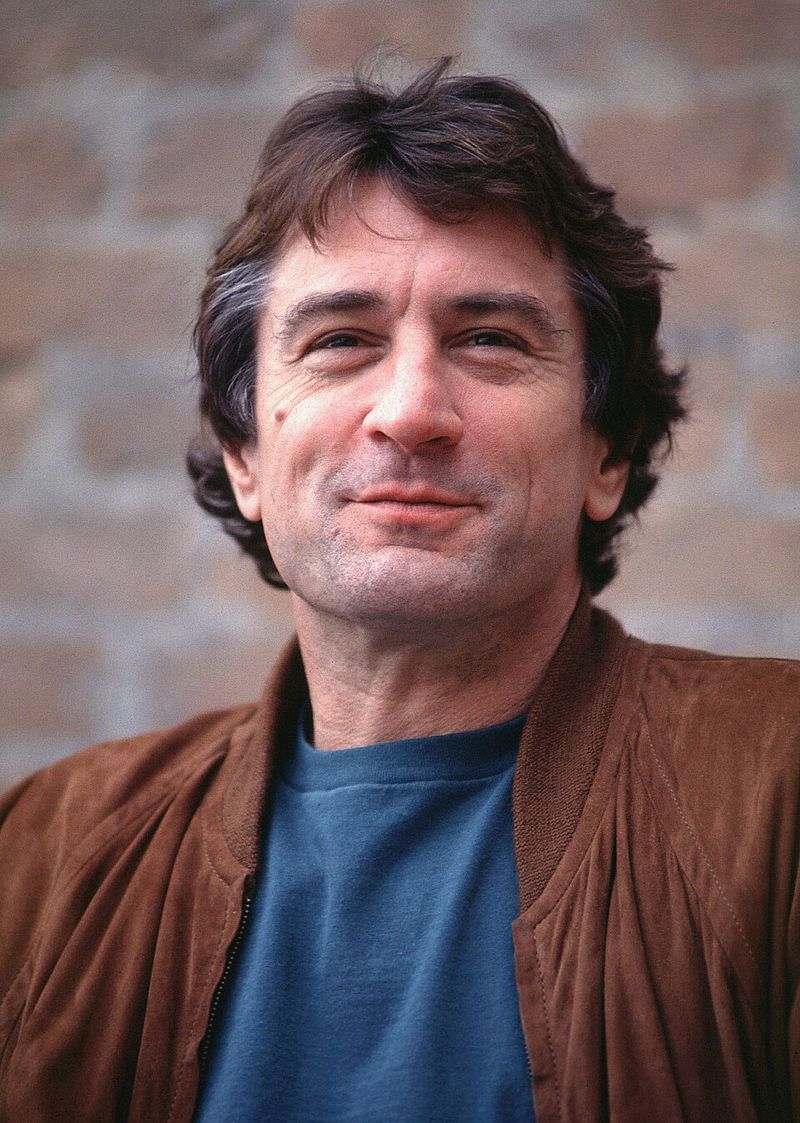
Michael Mann’s masterpiece practically wrote the playbook for every major GTA heist mission you’ve ever played.
That downtown LA shootout? Pure adrenaline-fueled chaos that Rockstar studied like a textbook.
Heat gave GTA its DNA for planning elaborate scores, assembling crews, and pulling off impossible jobs while cops close in.
The movie’s methodical pacing between quiet strategy and explosive action mirrors exactly how GTA structures its biggest moments.
Rockstar’s designers have openly credited Heat as inspiration for their “thinking criminal’s game” approach to mission design.
The French Connection (1971) Street-Level Grit
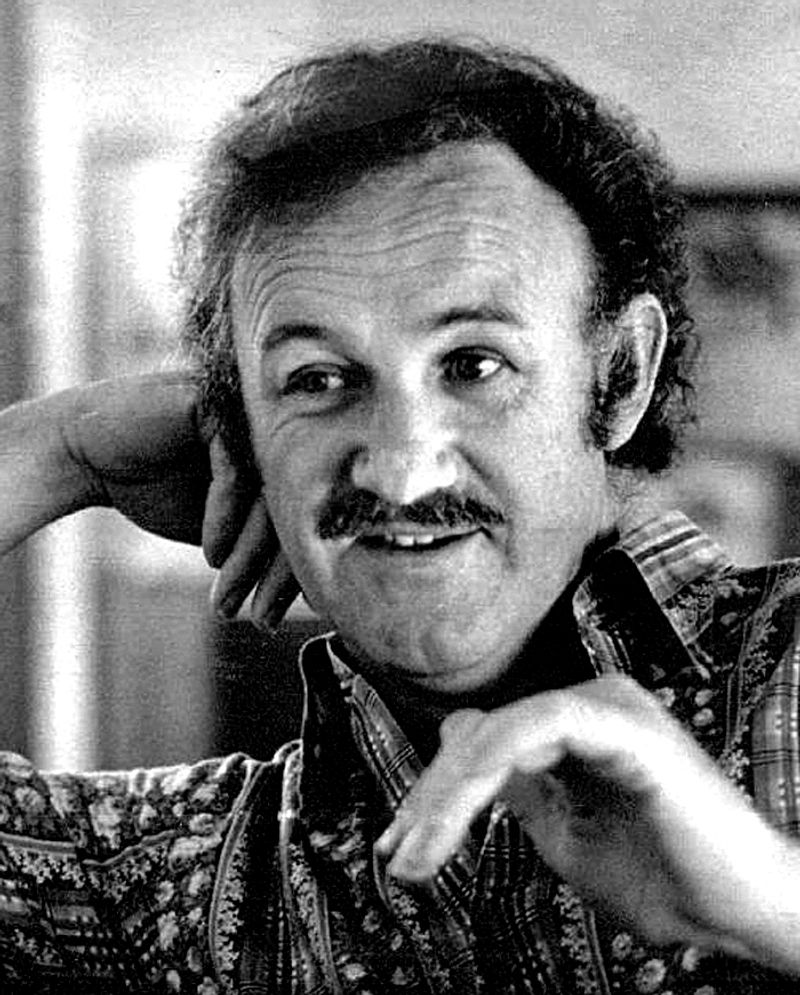
Before GTA made car chases cool in games, this Oscar-winner made them legendary on film.
Gene Hackman tearing through Brooklyn in that elevated train chase? That raw, unpolished energy lives in every GTA police pursuit.
The French Connection brought a documentary-style realism to crime movies that GTA absolutely devoured.
It’s all about street-level hustle, dirty cops, and cities that feel genuinely dangerous rather than Hollywood-sanitized.
Rockstar borrowed that “you’re actually there” feeling for their open-world design philosophy.
The Godfather (1972) Organized Crime Storytelling
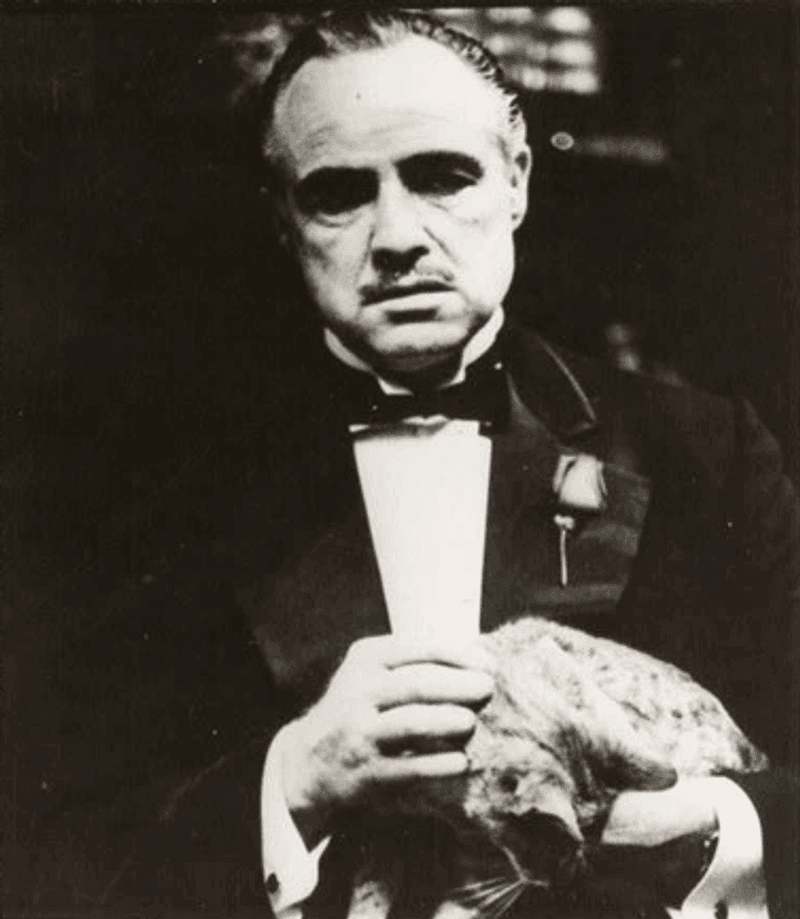
This epic didn’t just influence GTA, it basically taught the entire entertainment industry how to tell mob stories properly.
Family loyalty, betrayal, power struggles, the whole package appears throughout the series.
GTA takes The Godfather’s narrative structure of rising through criminal ranks and turns it into playable missions.
You’re not just watching Michael Corleone’s transformation, you’re living your own version across Liberty City, Vice City, and San Andreas.
Scarface (1983) Vice City’s Neon Soul
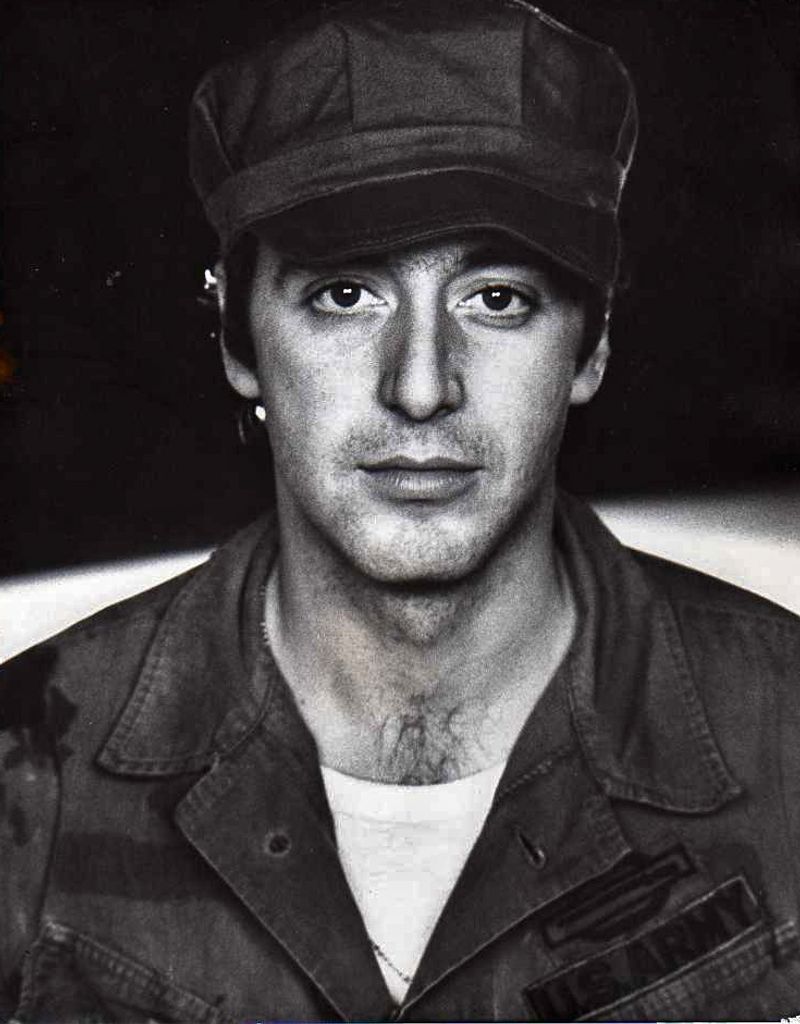
Tony Montana’s rise-and-fall story is basically Vice City’s entire plot outline, just with different character names.
The pastel suit, the mansion, the attitude? GTA Vice City is essentially a playable love letter to De Palma’s excess-soaked masterpiece.
Scarface taught Rockstar how to make crime feel simultaneously glamorous and grotesque.
Tommy Vercetti is basically Tony Montana with extra save points.
Miami Vice (1984-1989) The Pastel Playground
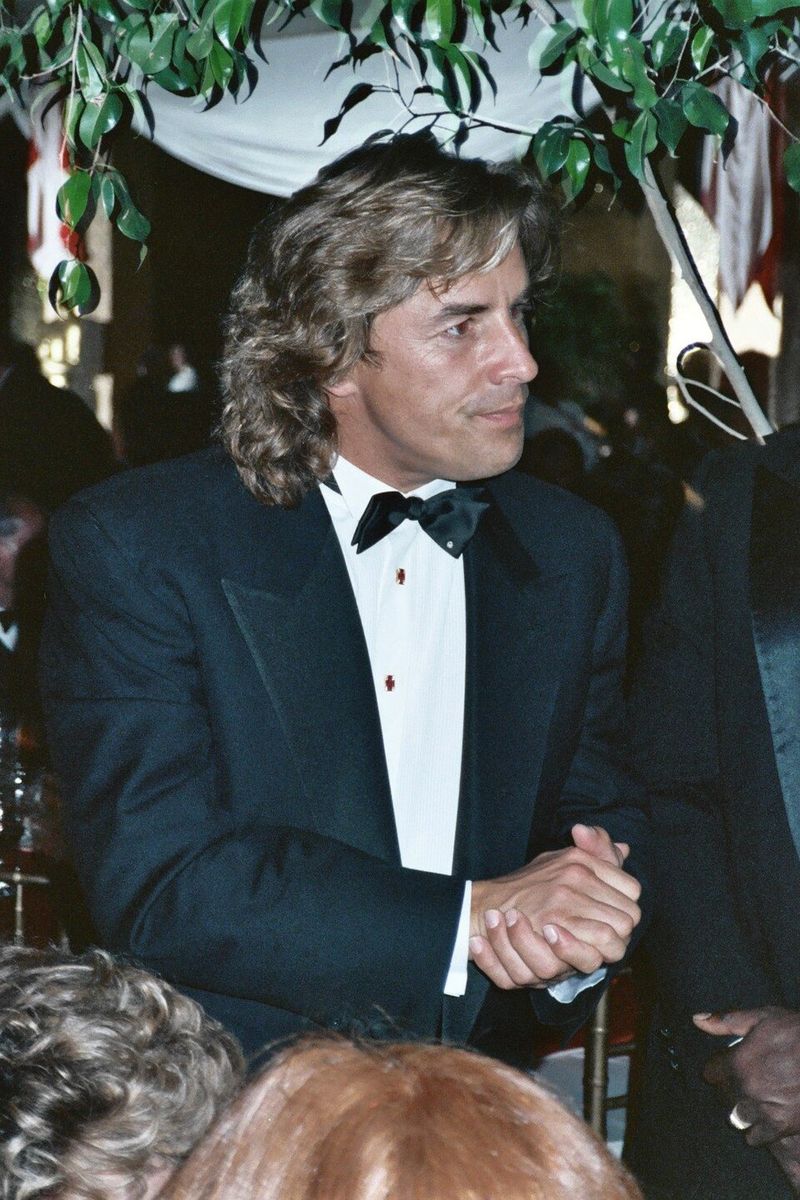
Don Johnson’s white suit and Crockett’s Ferrari basically designed Vice City’s entire color palette.
This show didn’t just influence GTA, it created the visual language for how we imagine ’80s Miami even today.
Miami Vice pioneered the idea of music-as-character and city-as-mood that Rockstar perfected in their radio stations and environmental design.
The show made coolness a legitimate storytelling tool GTA still uses constantly.
Boyz n the Hood (1991) San Andreas’ Cultural Foundation
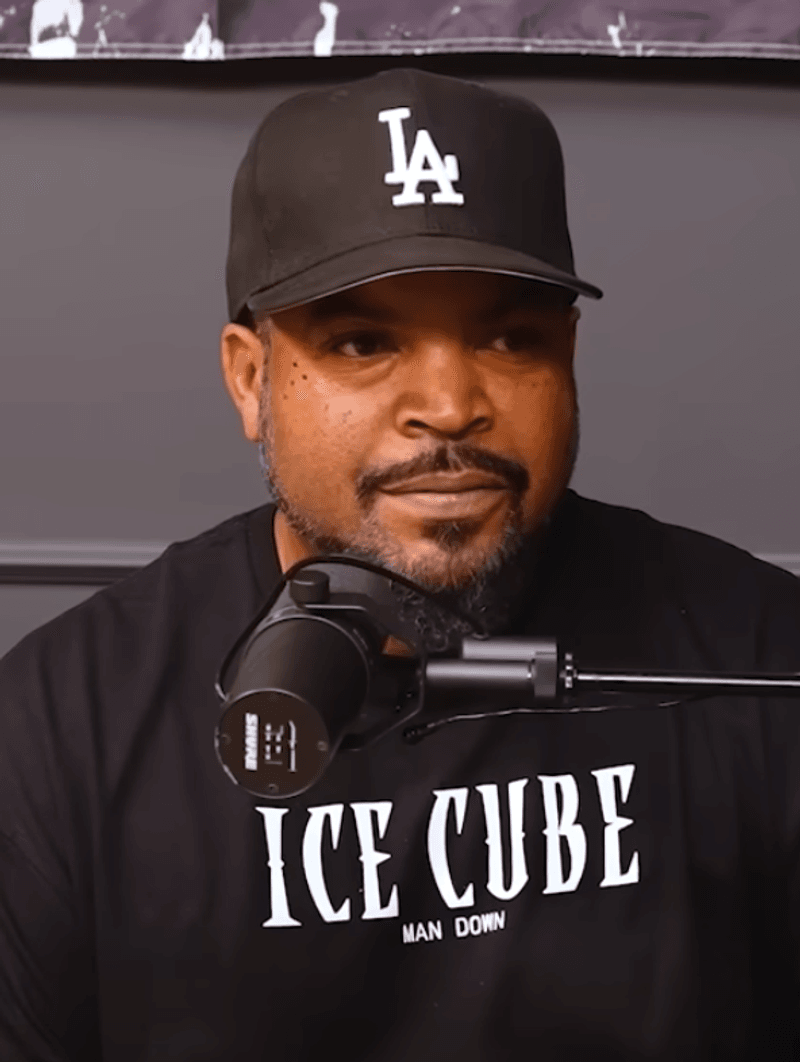
This groundbreaking film gave San Andreas its emotional core and cultural authenticity.
CJ’s story mirrors the coming-of-age struggles, neighborhood loyalty, and systemic challenges Singleton portrayed so powerfully.
GTA San Andreas pulled heavily from this wave of early-’90s Los Angeles cinema that showed real communities instead of Hollywood stereotypes.
Rockstar basically turned that cinematic moment into an interactive experience worth remembering.