10 Little Known Grateful Dead Details That Surprise Listeners
The Grateful Dead built one of rock music’s most fascinating legacies, and their story goes far beyond tie-dye and long jams.
Behind the legendary concerts and devoted fans lie engineering marvels, unexpected musical experiments, and moments so strange they sound made up.
Discover secrets that even longtime Deadheads might have missed.
1. A Dictionary Sparked The Band’s Name
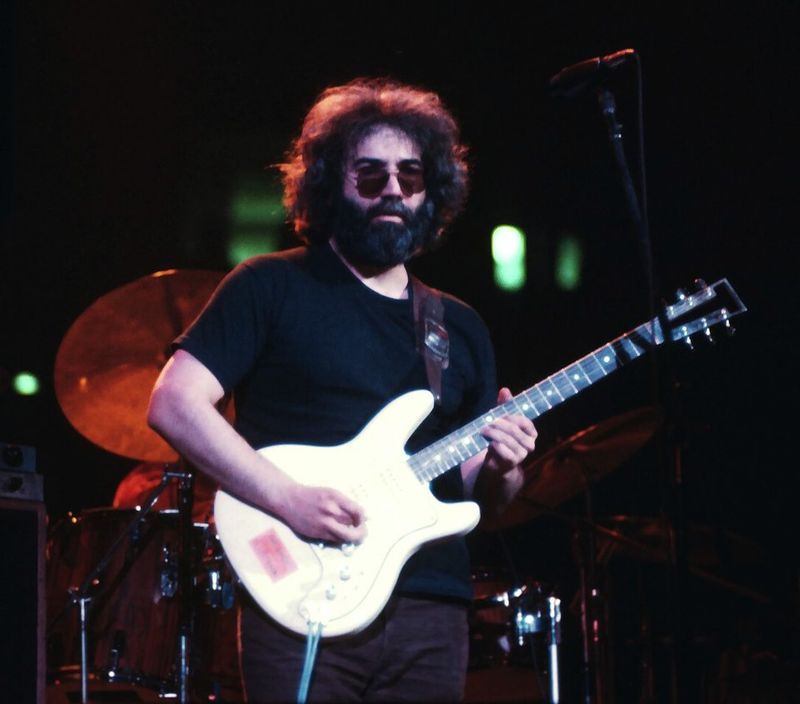
Jerry Garcia stumbled upon the band’s iconic name while flipping through a dictionary one afternoon.
He spotted an entry describing a “grateful dead” folktale motif where a spirit returns to help someone who showed them kindness.
The phrase stuck immediately, capturing the mystical vibe the band wanted to project.
Before that moment, they had cycled through several forgettable names that never quite fit their evolving sound and philosophy.
2. Their First Official Show Was In San Jose
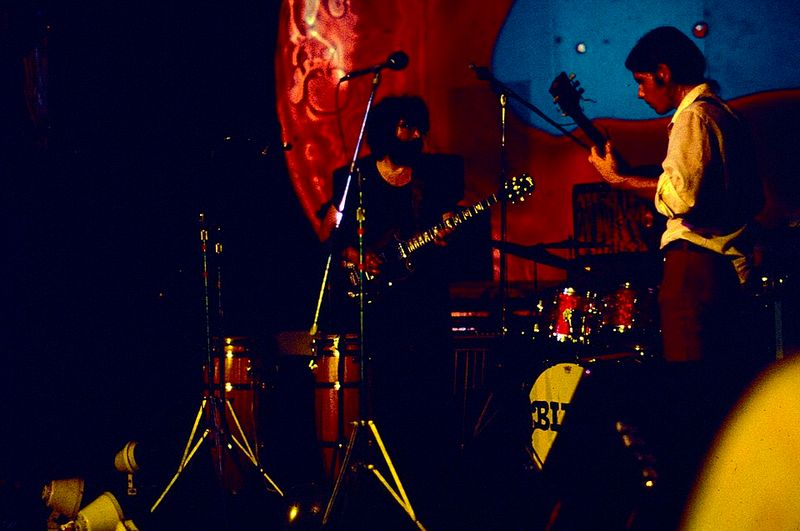
December 4, 1965 marked the first time the group performed under their new identity.
San Jose hosted this historic debut, though the venue itself was fairly modest compared to the massive stages they would eventually command.
Fans who attended had no idea they were witnessing the birth of a cultural phenomenon.
The setlist from that night featured covers and early originals that hinted at their experimental future.
3. The Wall Of Sound Doubled As Stage Monitors
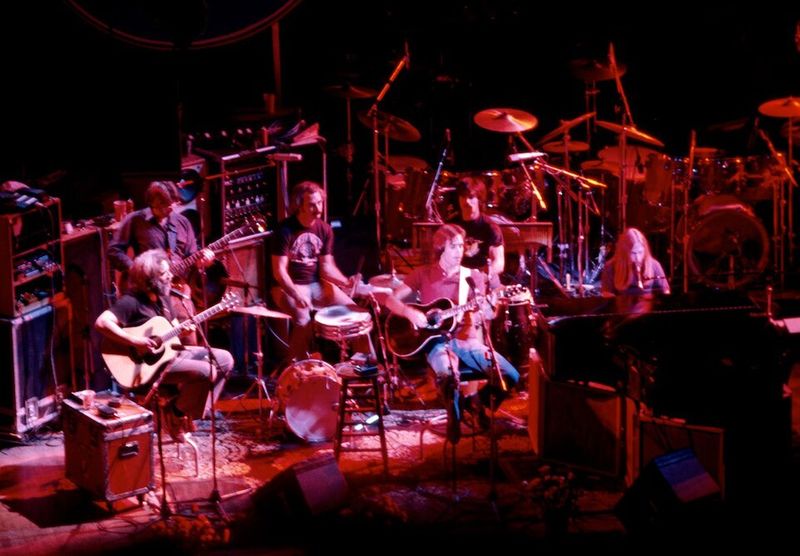
Engineers designed this legendary sound system to sit behind the musicians rather than in front of them.
This radical placement meant the Wall served both as the audience PA and the band’s personal monitoring system simultaneously.
Musicians could hear themselves perfectly without needing separate floor wedges cluttering the stage.
The setup revolutionized live sound engineering, though it required solving some serious technical challenges to work properly.
4. Six Hundred Four Speakers Weighed Seventy-Five Tons
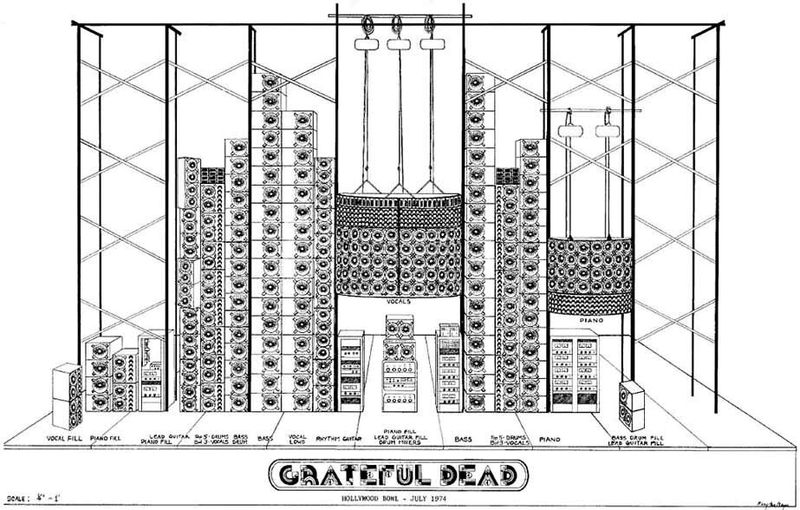
One commonly cited configuration featured 604 individual speakers creating a literal wall of sound.
The entire system tipped the scales at roughly 75 tons, equivalent to carrying several school buses on stage.
Moving this behemoth required a fleet of trucks and a crew of dedicated roadies working around the clock.
Venues had to verify their stages could support the weight before the band would even book a show there.
5. Leapfrog Staging Kept Tours Moving
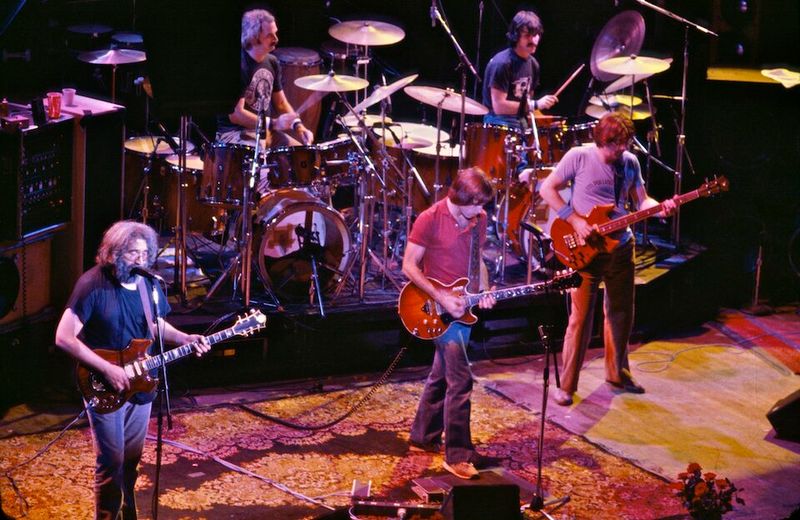
The band toured with multiple complete staging rigs that could leapfrog between venues.
While they performed at one location, roadies were already setting up the duplicate system at the next stop.
This ingenious strategy meant the Dead could play consecutive nights without waiting for teardown and transport.
However, maintaining two identical giant systems doubled an already astronomical budget and required military-level coordination.
6. Cornell Finally Got An Official Release
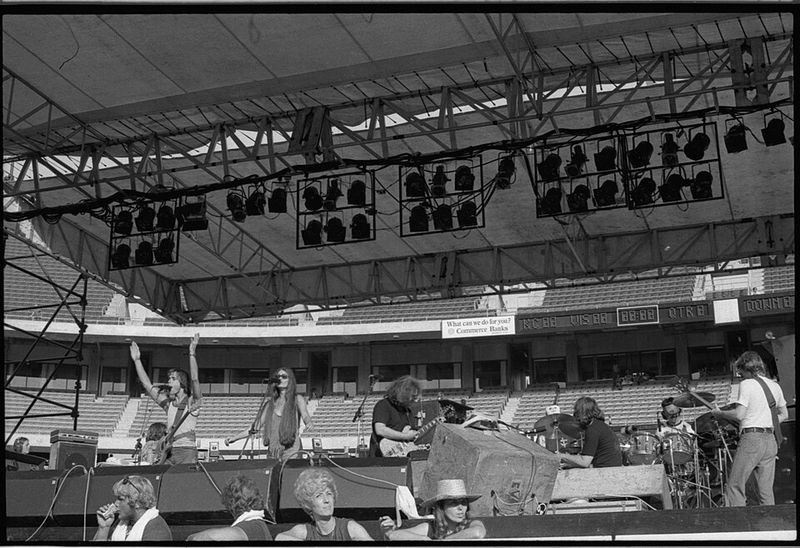
Though bootlegs of the Cornell show circulated for forty years, an official standalone release didn’t arrive until 2017.
Fans had worn out cassette copies and traded digital files for generations before this authorized version appeared.
The release featured remastered audio that revealed details listeners had never heard clearly before.
Finally owning a legitimate copy felt like Christmas morning for Deadheads who had championed this performance since the seventies.
7. The Band Played Egypt Near The Sphinx
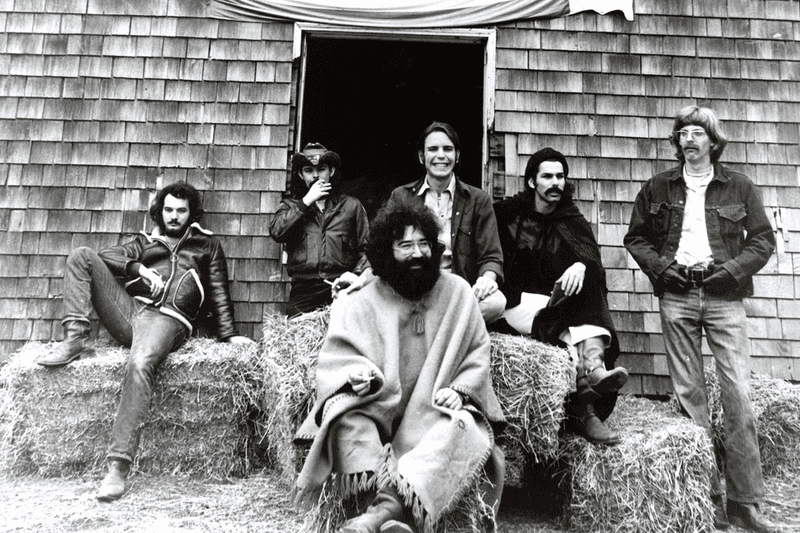
September 1978 found the Dead performing at an open-air site near the Great Sphinx in Egypt.
The surreal setting combined ancient wonders with psychedelic rock in a way no one had attempted before.
Camels wandered nearby while the band jammed under desert stars, creating an almost dreamlike atmosphere.
These shows remain among the most unusual and adventurous performances in rock history, blending millennia of human culture.
8. The Who Loaned Equipment For Egypt
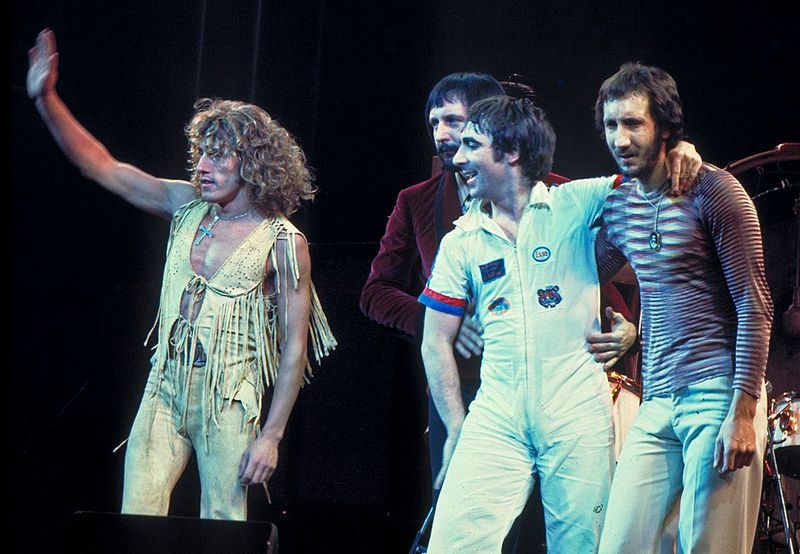
The Dead borrowed both the PA system and a 24-track mobile recording truck from The Who for their Egyptian adventure.
Transporting sound equipment to Egypt proved logistically nightmarish, so borrowing gear already in the region made practical sense.
This generous loan between rock legends enabled the shows to happen with professional-quality sound and documentation.
The collaboration showed how bands at that level supported each other’s ambitious artistic visions.
9. Bill Kreutzmann Drummed With A Broken Wrist
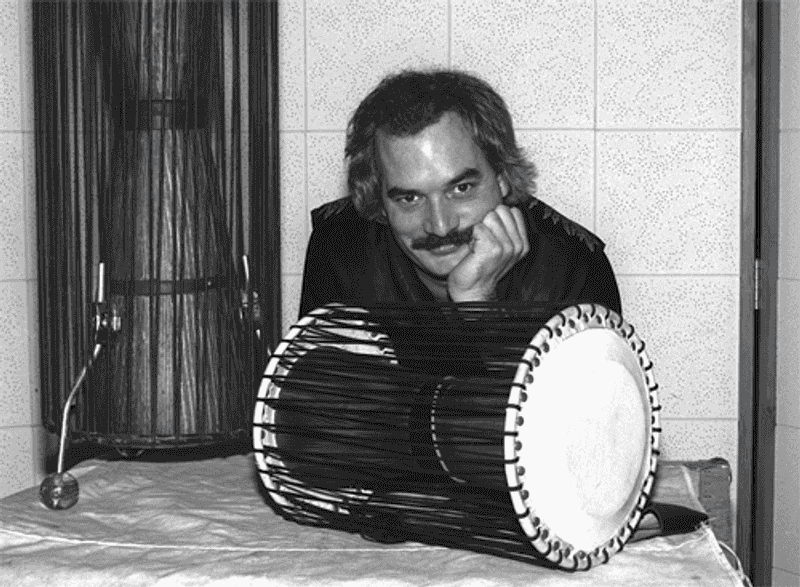
Drummer Bill Kreutzmann performed the entire Egypt run with a cast on his broken wrist.
Rather than cancel these once-in-a-lifetime shows, he adapted his playing style to work around the injury.
The percussion still drove the music forward, though he had to avoid certain techniques that stressed the damaged bone.
His determination exemplified the band’s commitment to never letting fans down, no matter what obstacles appeared.
10. Taper Culture Built A Fan-Driven Archive
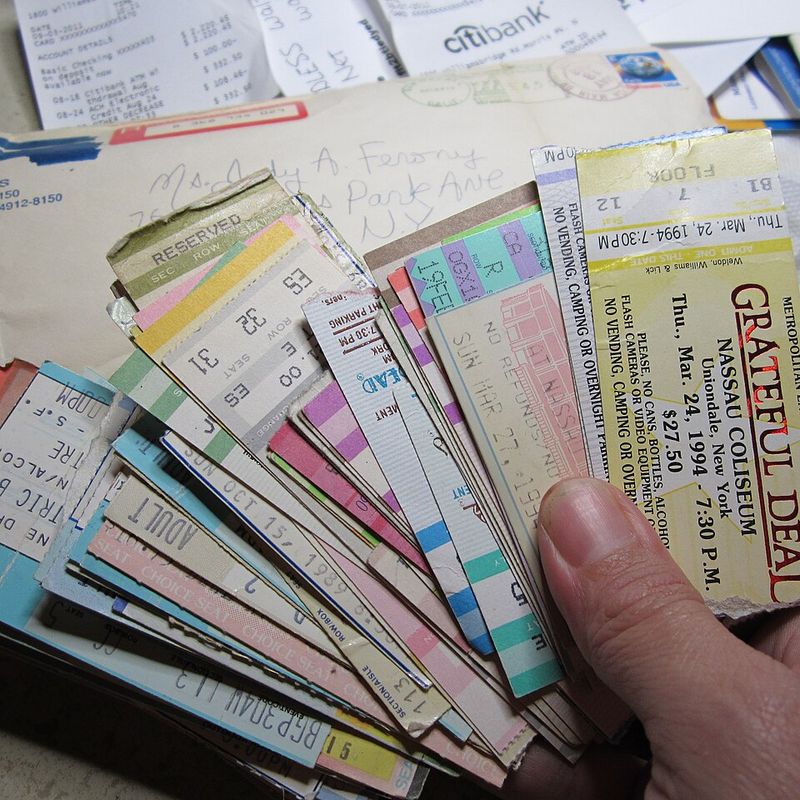
The taper culture created a massive, fan-driven live archive that documented virtually every show the band played.
Fans traded tapes through mail networks, spreading recordings show by show across the country and eventually worldwide.
This grassroots distribution built the Dead’s reputation far beyond what radio or record sales could achieve.
New fans discovered the band through traded tapes, proving that freely sharing music could actually grow an audience exponentially.