18 Great Movies That Proved “Unfilmable” Books Can Work On Screen
Some books feel impossible to turn into movies.
Their stories twist through time, their characters live inside wild dreams, or their pages overflow with ideas that seem too big for any screen.
Yet filmmakers keep proving that even the wildest tales can leap from page to theater, and the results often blow our minds.
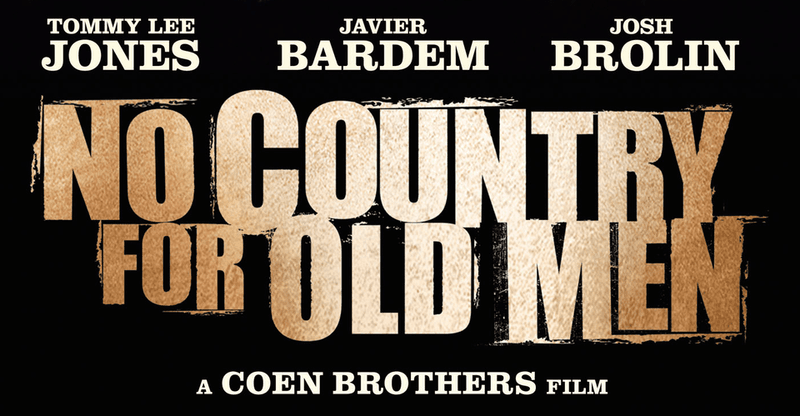
1. No Country for Old Men – from the novel by Cormac McCarthy
Cormac McCarthy writes with sparse, haunting prose that feels almost biblical.
The Coen Brothers captured that bleak poetry perfectly, following a hunter who stumbles onto drug money and the terrifying killer chasing him.
Javier Bardem’s performance as Anton Chigurh is pure nightmare fuel.
The film keeps McCarthy’s themes about fate, violence, and aging lawmen watching the world change.
2. The Lord of the Rings: The Fellowship of the Ring – from the epic by J.R.R. Tolkien
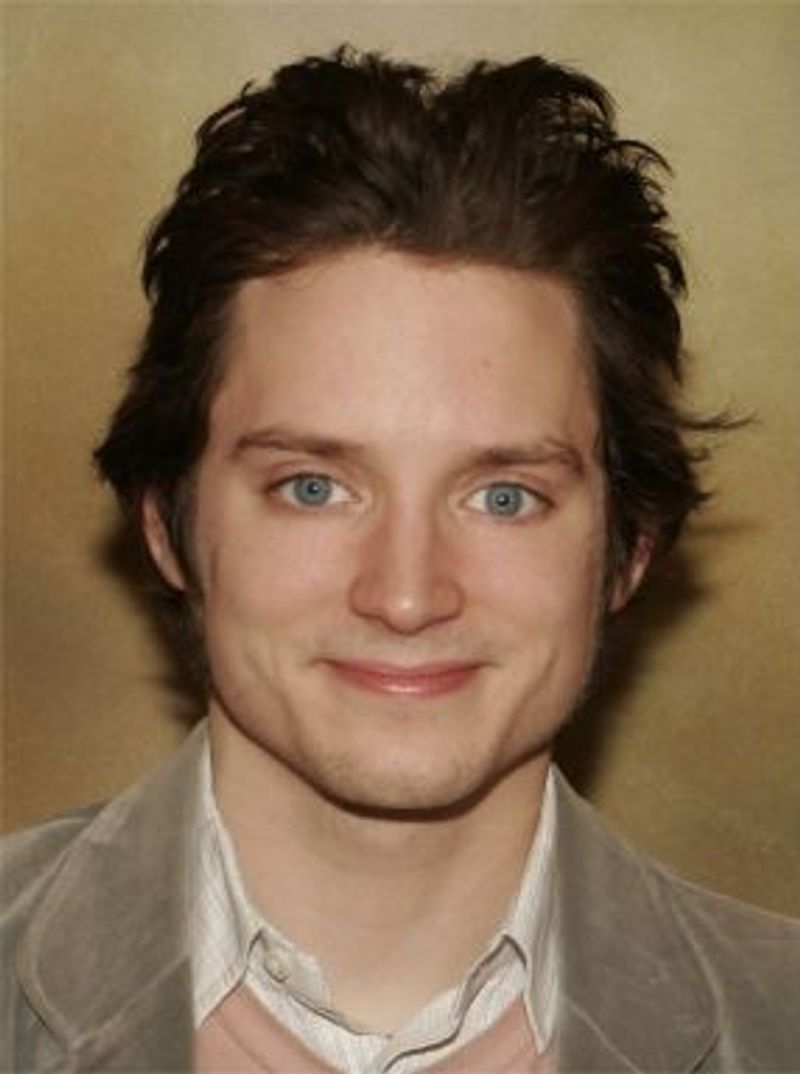
For decades, Tolkien’s massive fantasy trilogy seemed too grand to film.
Peter Jackson proved everyone wrong by creating Middle-earth with breathtaking detail and heart.
Hobbits, wizards, elves, and warriors unite to destroy an evil ring, and every battle feels epic.
The trilogy won countless awards and changed fantasy filmmaking forever, showing that big dreams deserve big screens.
3. Blade Runner – adapted from Do Androids Dream of Electric Sheep? by Philip K. D.

Ridley Scott took Philip K. D.’s philosophical sci-fi puzzle and transformed it into a neon-soaked masterpiece.
The book asks deep questions about what makes us human, and the film answers with stunning visuals and haunting performances.
Androids called replicants walk among us, and Harrison Ford hunts them down in rain-drenched Los Angeles.
Every frame drips with atmosphere and mystery.
4. Life of Pi – adapted from the novel by Yann Martel

How do you film a boy stranded on a lifeboat with a Bengal tiger for 227 days?
Ang Lee answered with groundbreaking visual effects and a story that explores faith, survival, and storytelling itself.
The tiger feels real, the ocean feels endless, and Pi’s journey touches your soul.
Critics thought it was impossible, but Lee made magic happen on water.
5. Dune – from the dense novel by Frank Herbert

Frank Herbert packed his sci-fi epic with politics, ecology, religion, and giant sandworms.
Denis Villeneuve finally cracked the code in 2021, creating a visually stunning film that honors the book’s complexity.
Timothée Chalamet plays Paul Atreides, a young man caught between destiny and survival on a desert planet.
The sweeping cinematography makes every grain of sand feel important.
6. Fight Club – from the transgressive novel by Chuck Palahniuk
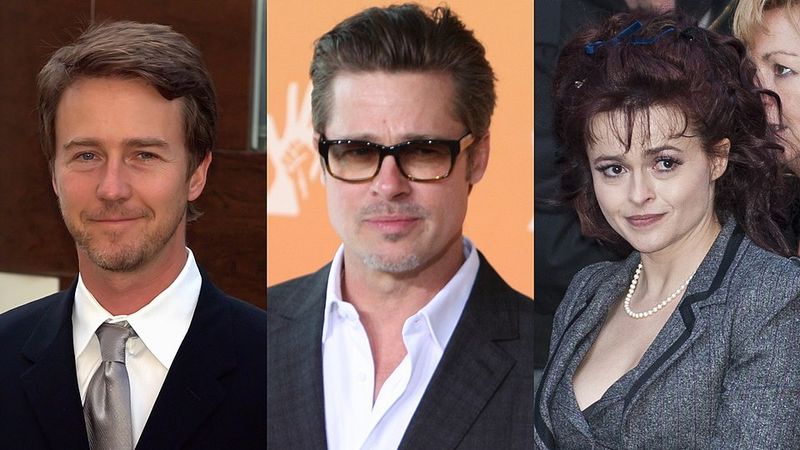
Palahniuk’s novel is wild, chaotic, and filled with unreliable narration.
David Fincher embraced the madness, creating a film about masculinity, consumerism, and underground boxing clubs.
Brad Pitt and Edward Norton deliver unforgettable performances, and the twist ending still shocks first-time viewers.
7. A Clockwork Orange – adapted from the novel by Anthony Burgess

Anthony Burgess invented a whole new language for his dystopian nightmare.
Stanley Kubrick kept that strange slang and created a disturbing film about violence, free will, and government control.
Malcolm McDowell’s portrayal of Alex DeLarge is both chilling and hypnotic.
The film remains controversial decades later, but its artistic vision is undeniable and unforgettable.
8. The Silence of the Lambs – from the novel by Thomas Harris
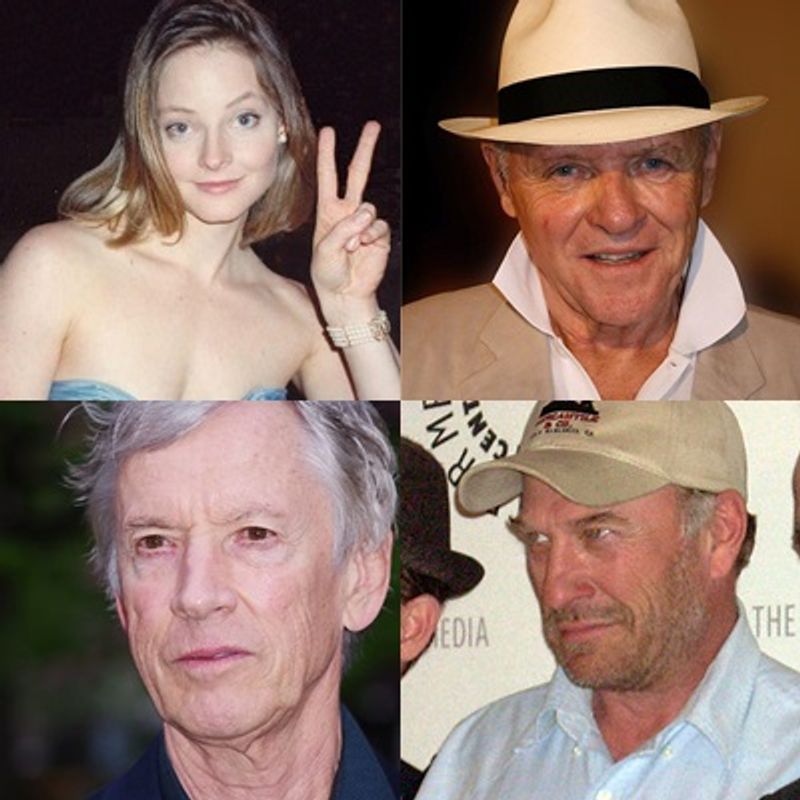
Thomas Harris created one of literature’s most terrifying villains in Hannibal Lecter.
Jonathan Demme brought that horror to life with Anthony Hopkins’ bone-chilling performance and Jodie Foster’s determined FBI agent.
The psychological cat-and-mouse game keeps you on edge every single minute.
The film swept the Oscars and proved thrillers can be both smart and scary.
9. Cloud Atlas – adapted from the novel by David Mitchell

David Mitchell’s novel weaves six different stories across centuries and genres.
The Wachowskis and Tom Tykwer took on the challenge, creating a visually ambitious film with actors playing multiple roles across timelines.
Some found it confusing, others found it profound, but everyone agreed it was bold.
10. The Shining – from the novel by Stephen King
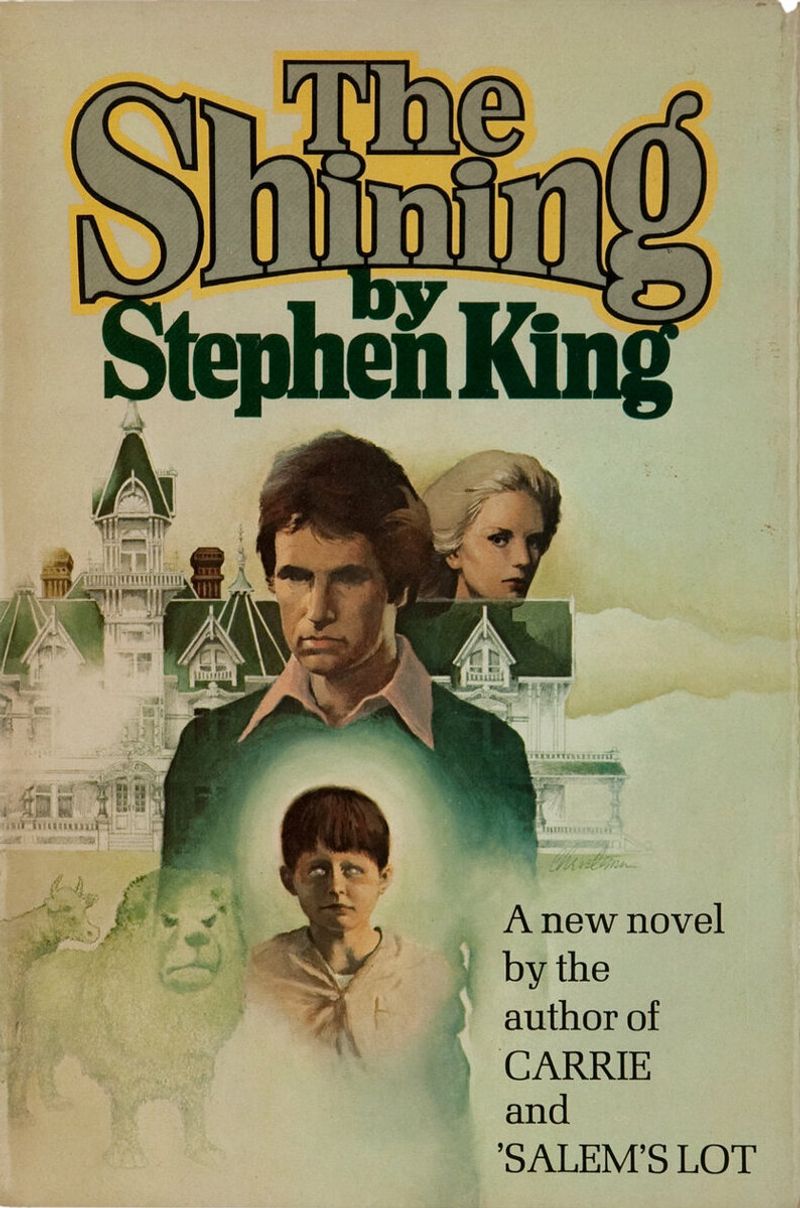
Stephen King’s haunted hotel story is filled with psychological terror and supernatural horror.
Stanley Kubrick turned it into a slow-burn masterpiece that trades jump scares for creeping dread.
Jack Nicholson’s descent into madness is legendary, and that iconic hotel hallway haunts dreams forever.
King himself didn’t love the changes, but film fans worship Kubrick’s vision.
11. One Flew Over the Cuckoo’s Nest – adapted from the novel by Ken Kesey
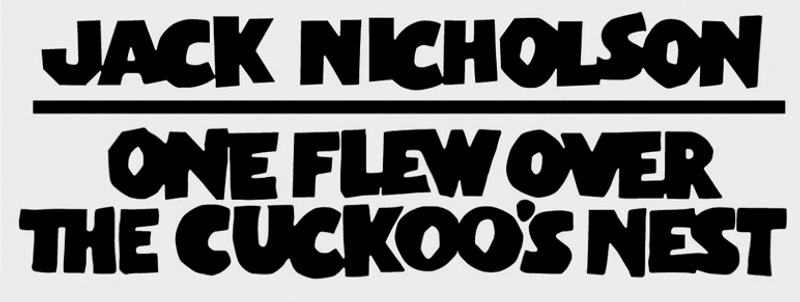
Ken Kesey wrote his novel from the perspective of a silent Native American patient.
The film shifted focus to Randle McMurphy, played brilliantly by Jack Nicholson, who rebels against a cruel mental institution.
The story explores freedom, control, and the power of the human spirit.
It won five major Oscars and remains a powerful statement about individuality.
12. The Prestige – adapted from the novel by Christopher Priest
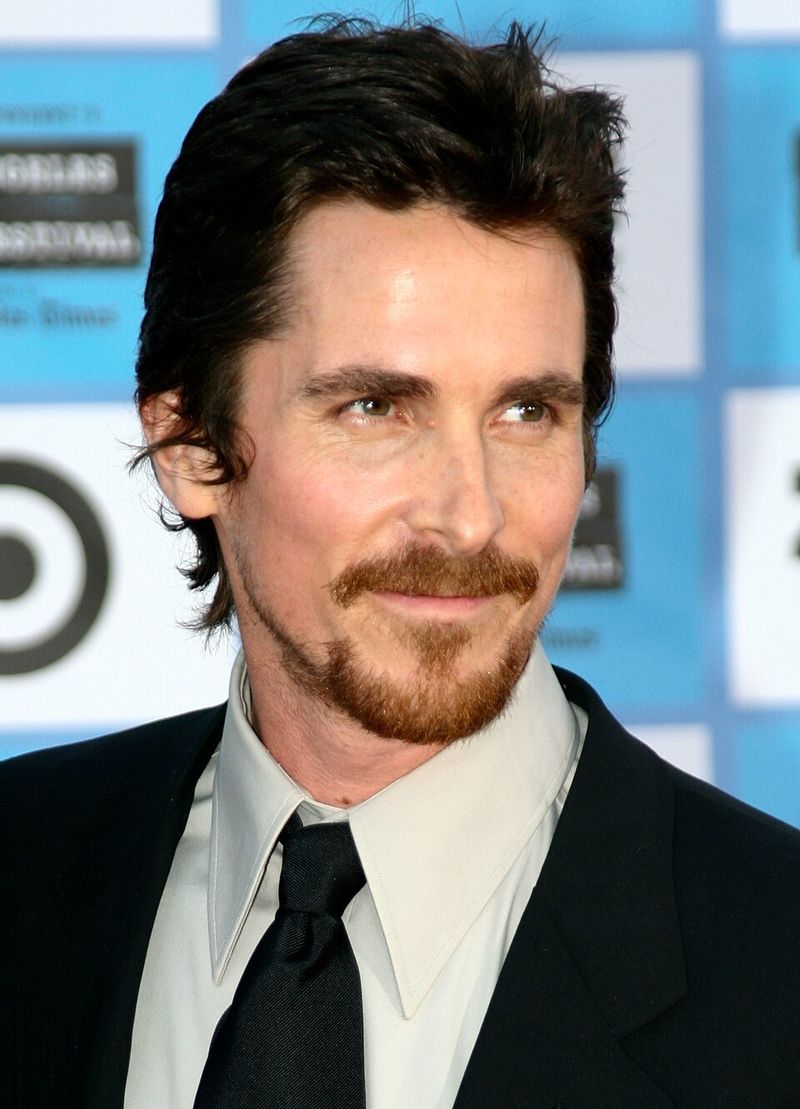
Christopher Priest’s novel about dueling magicians jumps through time and perspective.
Christopher Nolan embraced the complexity, crafting a puzzle-box film about obsession, sacrifice, and illusion.
Christian Bale and Hugh Jackman play rival magicians willing to destroy everything for the perfect trick.
The twist ending hits like a magic trick itself, rewarding careful viewers.
13. Jurassic Park – from the techno-thriller by Michael Crichton
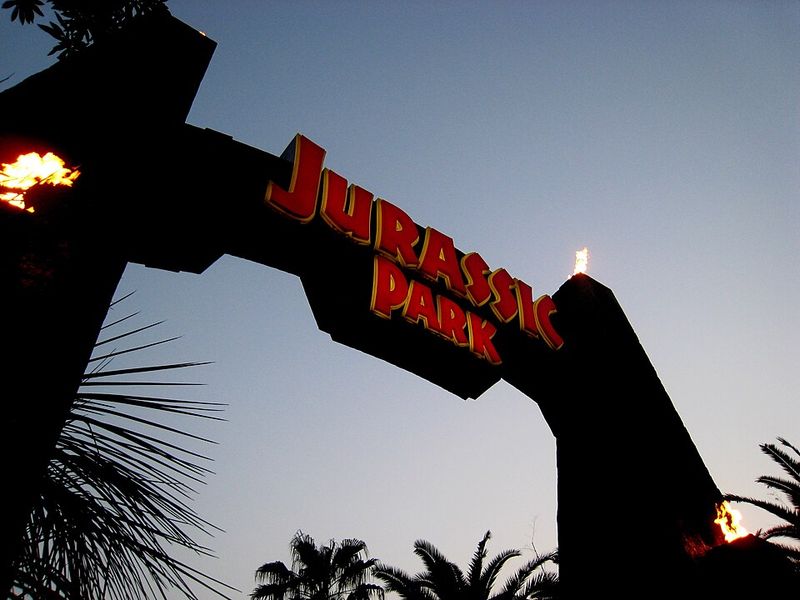
Michael Crichton filled his novel with scientific jargon and chaos theory.
Steven Spielberg focused on wonder and terror, bringing dinosaurs to life with groundbreaking special effects.
The T-Rex attack in the rain remains one of cinema’s most thrilling sequences.
14. Trainspotting – adapted from the novel by Irvine Welsh
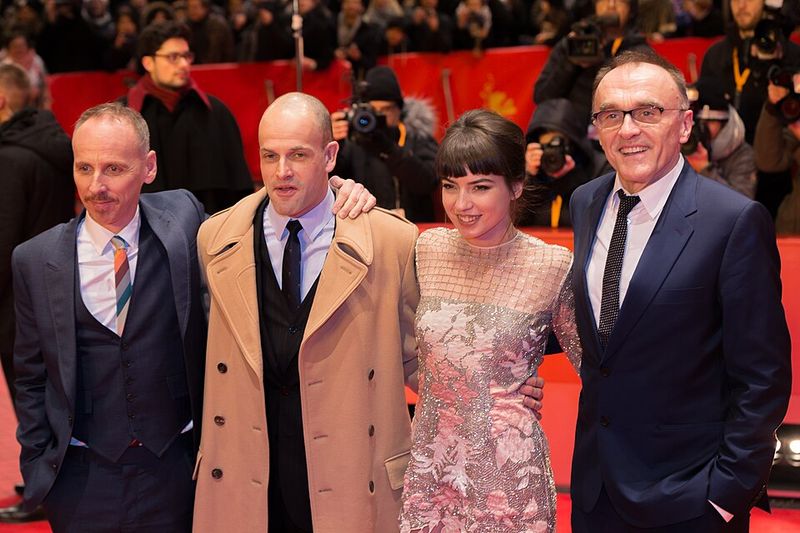
Irvine Welsh’s novel is written in thick Scottish dialect and follows deeply flawed characters.
Danny Boyle created a kinetic, darkly funny film that captures the energy and desperation of young people making terrible choices.
Ewan McGregor’s performance as Renton is raw and unforgettable.
15. Children of Men – loosely adapted from the novel by P.D. James
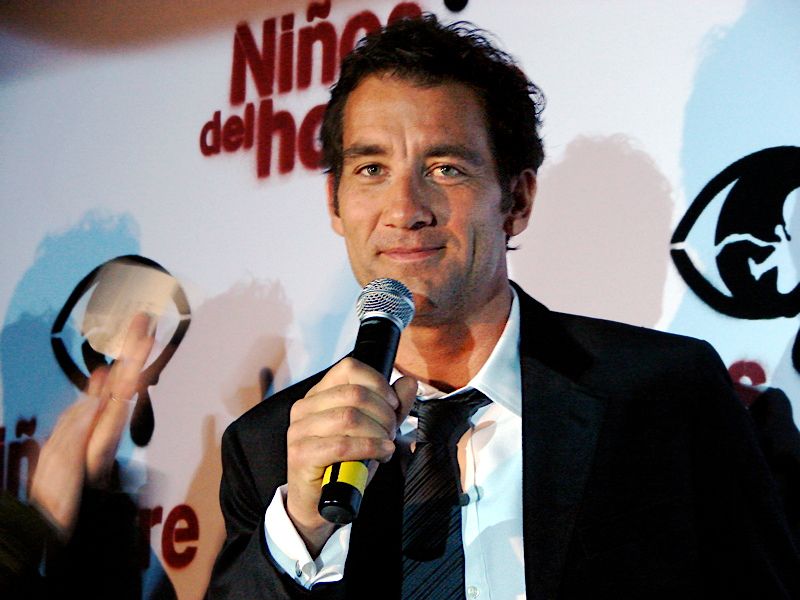
P.D. James imagined a world where humans can no longer have children.
Alfonso Cuarón transformed it into a gritty, heart-pounding thriller about hope in a dying world.
The long-take action sequences feel raw and real, putting you right in the chaos.
Though set in the future, the film’s themes about immigration and desperation feel painfully relevant today.
16. Watchmen – from the graphic novel by Alan Moore and Dave Gibbons
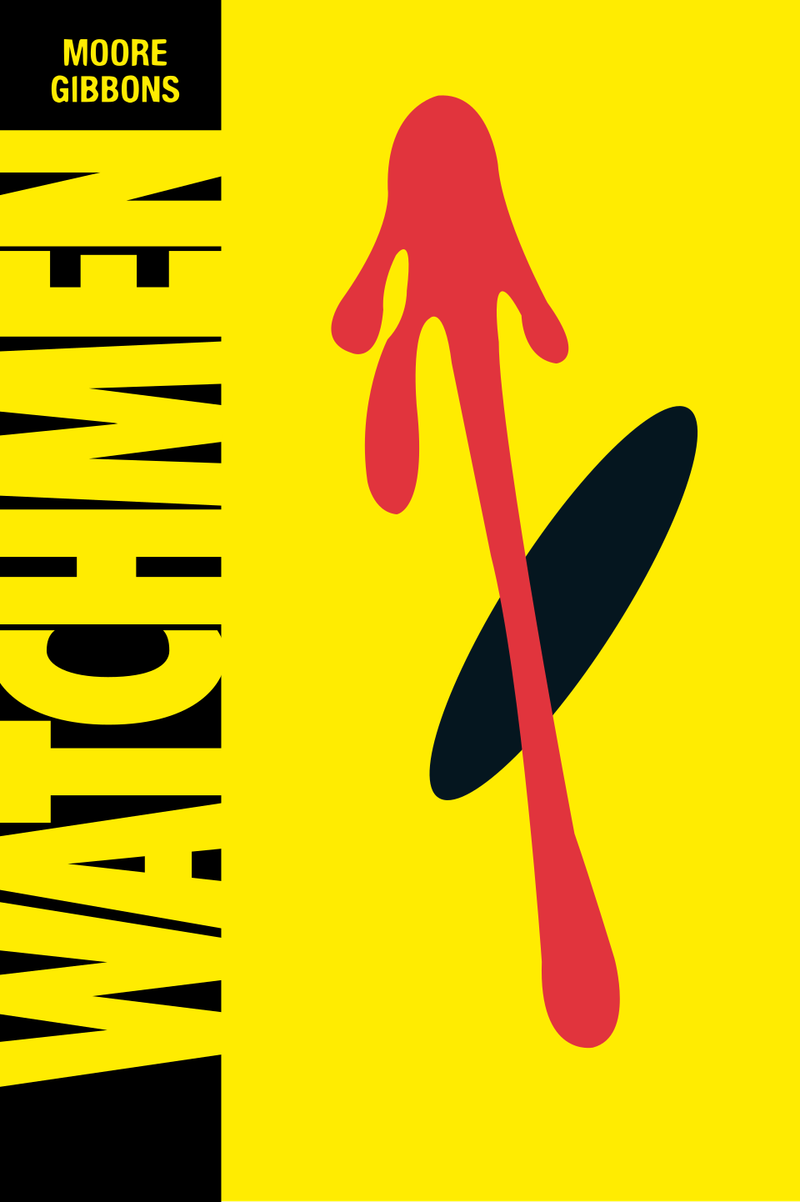
Alan Moore insisted his graphic novel was unfilmable and refused to be involved.
Zack Snyder took the challenge seriously, creating a visually faithful adaptation of the dark superhero deconstruction.
The film explores what heroes would really be like in a morally complex world.
Though divisive, it proved that comic books could inspire serious, thoughtful cinema beyond simple action.
17. The Curious Case of Benjamin Button – from the short story by F. Scott Fitzgerald

F. Scott Fitzgerald wrote a short story about a man who ages backward.
David Fincher expanded it into an epic romance spanning decades, with Brad Pitt aging in reverse through incredible makeup and effects.
The love story between Benjamin and Daisy feels both magical and heartbreaking.
It asks beautiful questions about time, love, and what it means to truly live.
18. American Psycho – adapted from the controversial novel by Bret Easton Ellis

Bret Easton Ellis wrote a brutal satire about a Wall Street banker who’s also a serial killer.
Mary Harron turned it into a darkly comedic film that critiques toxic masculinity and consumerism.
Christian Bale’s performance walks the line between charming and terrifying perfectly.