16 Greatest Television Shows Of The 1970s
Television in the 1970s entered a bold new era, one where storytelling grew sharper, characters felt more authentic, and shows weren’t afraid to reflect real life alongside entertainment.
These series shaped viewing habits, sparked national conversations, and laid the groundwork for modern television as we know it.
Even decades later, their influence remains unmistakable.
Here are sixteen television shows from the 1970s that stand among the greatest ever created.
Disclaimer: All selections and assessments are based on opinion and historical interpretation rather than any objective or absolute measure of television greatness.
1. All in the Family
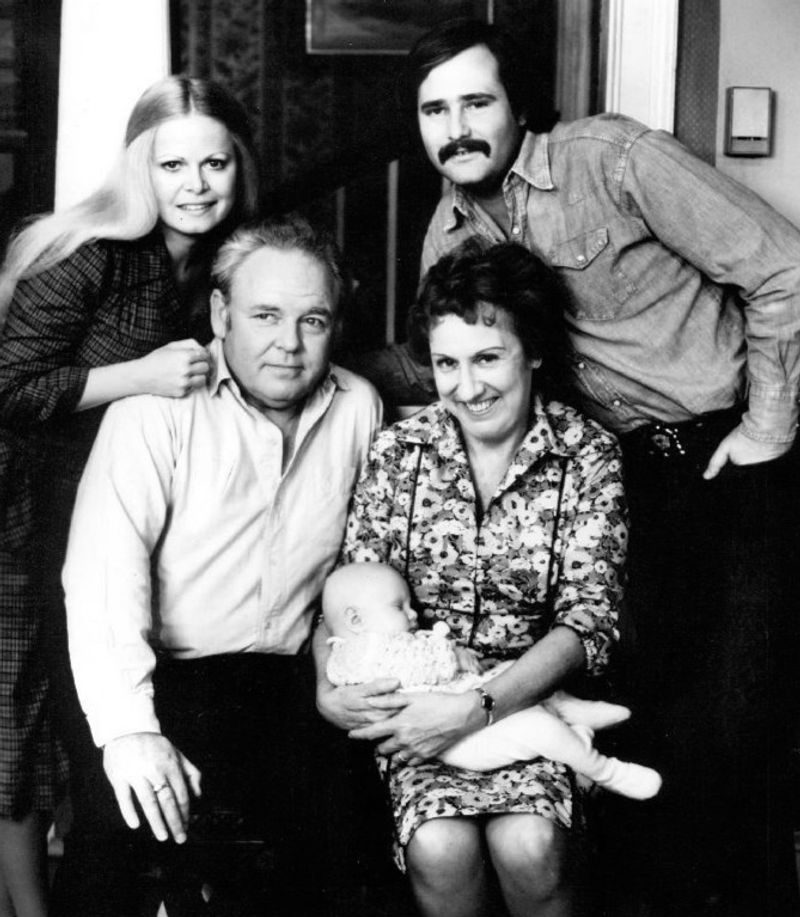
Norman Lear created something bold when he introduced the Bunker family to America in 1971.
Archie Bunker wasn’t your typical TV dad; he was loud, opinionated, and often wrong about the changing world around him.
However, the show’s genius lay in using humor to spark conversations about racism, women’s rights, and politics at the dinner table.
Carroll O’Connor brought Archie to life with such authenticity that audiences couldn’t help but laugh while also examining their own beliefs and prejudices.
2. M*A*S*H
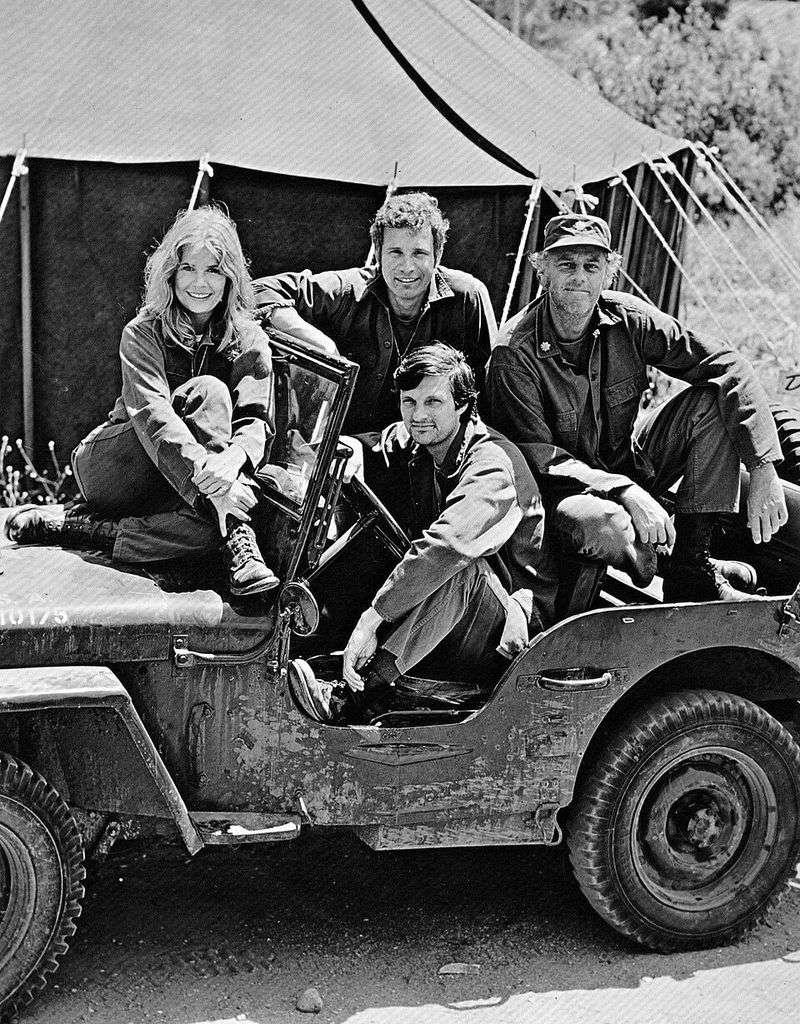
War has never been funnier or more heartbreaking than in this Korean War dramedy that premiered in 1972.
Set in a mobile army surgical hospital, the show followed doctors and nurses who used humor as their survival tool against the horrors surrounding them.
Alan Alda’s Hawkeye Pierce became the heart of the series, cracking jokes while saving lives.
The finale in 1983 drew over 100 million viewers, making it one of the most-watched television events ever recorded in history.
3. The Mary Tyler Moore Show
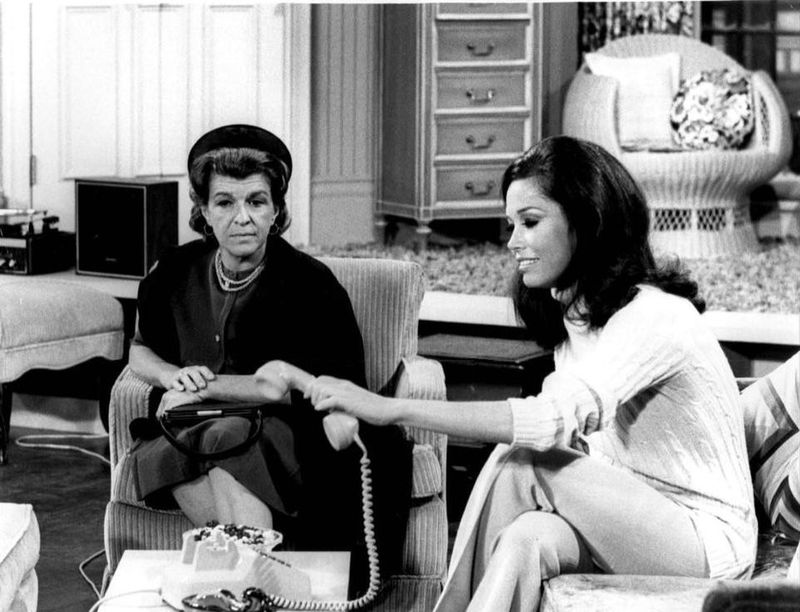
Mary Richards threw her hat in the air and changed television forever in 1970.
This groundbreaking sitcom featured a single, career-focused woman who didn’t need a husband to be complete or happy.
Working at a Minneapolis news station, Mary navigated workplace challenges, friendships, and life with grace, humor, and independence.
The show proved that female characters could carry a series while addressing real issues, paving the way for countless shows that followed afterward.
4. The Bob Newhart Show
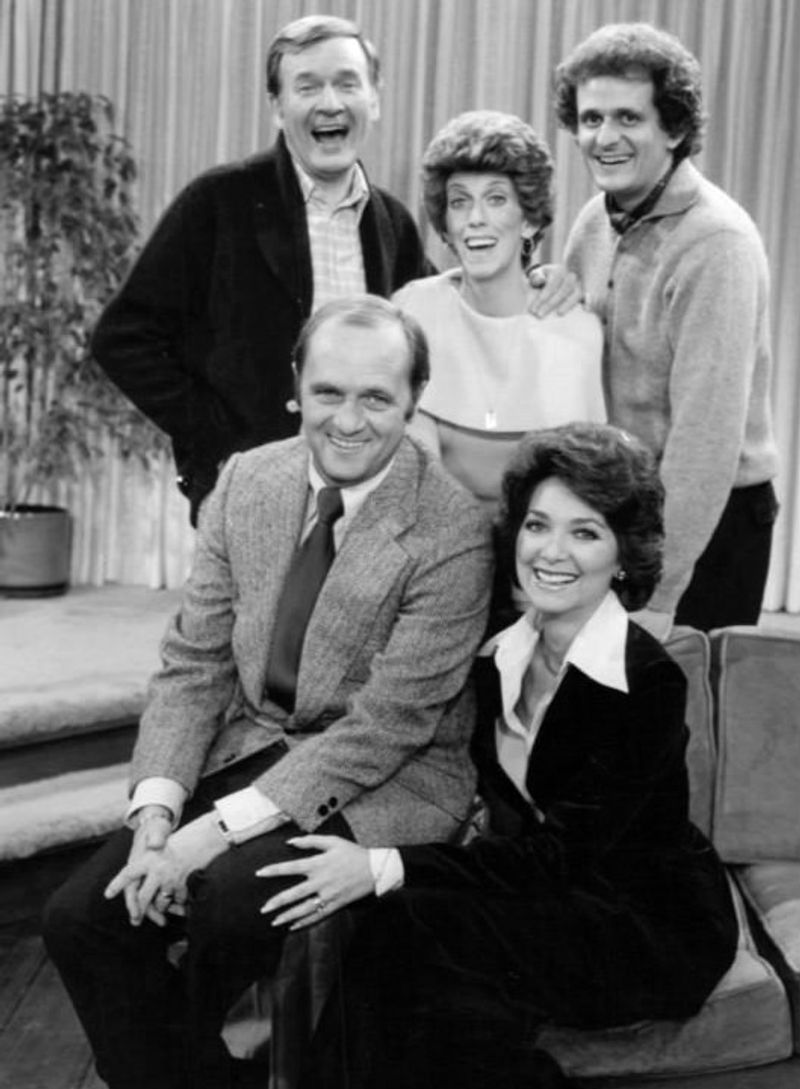
Bob Hartley was the most patient psychologist on television, dealing with quirky patients and an even quirkier office neighbor.
Bob Newhart’s deadpan delivery and perfect comic timing made this 1972 sitcom a masterclass in understated humor.
Set in Chicago, the show balanced workplace comedy with home life, featuring Bob’s witty wife Emily and their hilarious friend group.
Unlike louder sitcoms of the era, this one proved that smart, subtle comedy could win audiences just as effectively.
5. The Carol Burnett Show
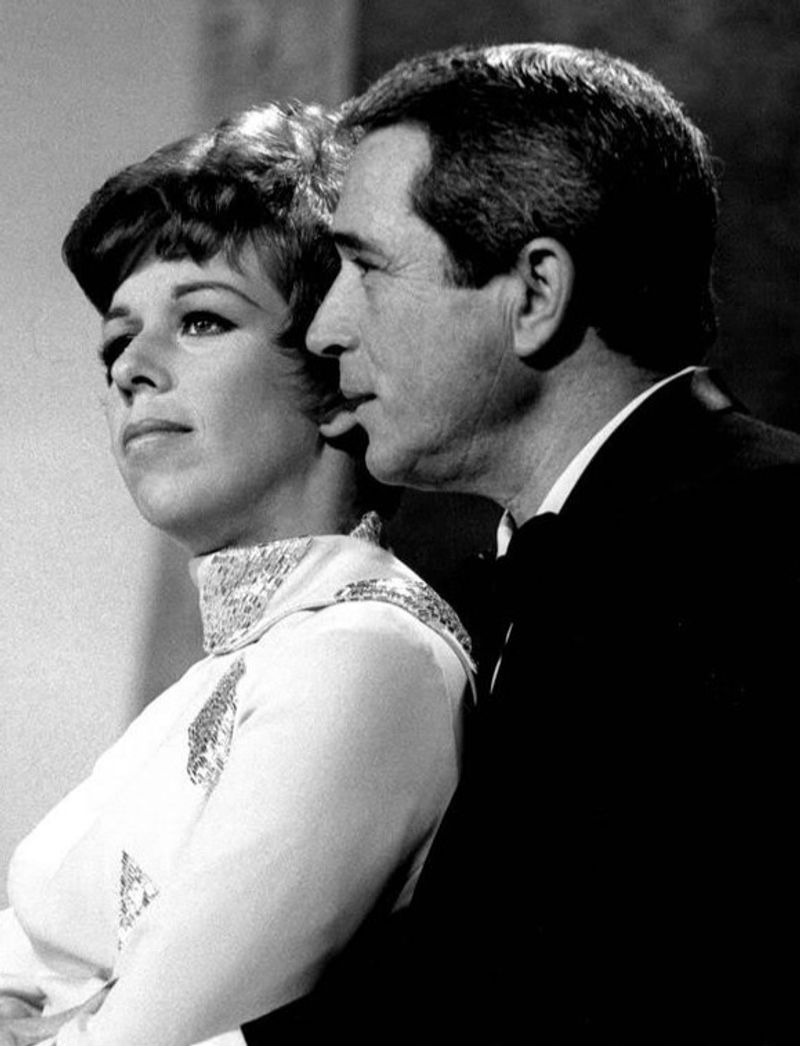
Every week, Carol Burnett tugged her ear to say hello to her grandmother, then proceeded to make America laugh until they cried.
This variety show, running from 1967 to 1978, featured sketch comedy, musical numbers, and guest stars galore.
Carol’s physical comedy and willingness to look silly made her relatable, while her talented ensemble cast created unforgettable characters.
The famous Tarzan yell and Gone With the Wind parody remain comedy gold even decades later today.
6. Sanford and Son
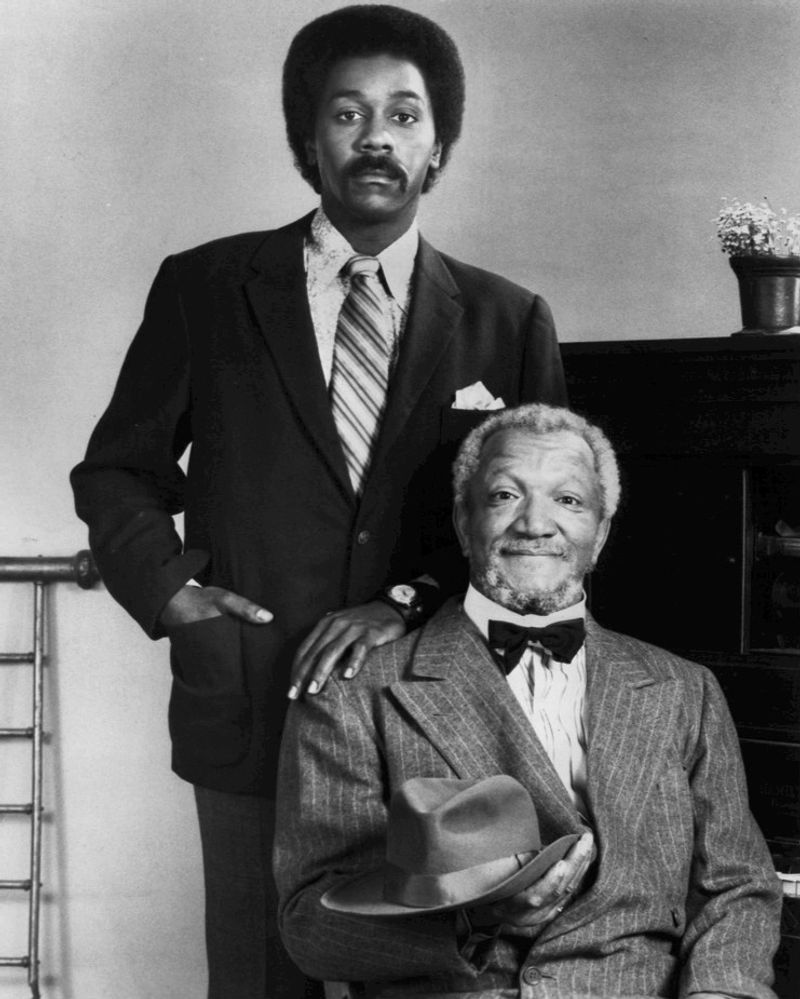
Fred Sanford clutched his chest and called out to his late wife Elizabeth whenever things got too crazy.
This 1972 sitcom centered on a Los Angeles junkyard owner and his long-suffering son Lamont, creating comedy from their generational clashes.
Redd Foxx brought Fred to life with sharp wit and impeccable timing, making even grumpy complaints hilarious.
The show broke ground by featuring African American leads in a working-class setting, mixing humor with authentic family dynamics beautifully.
7. Good Times
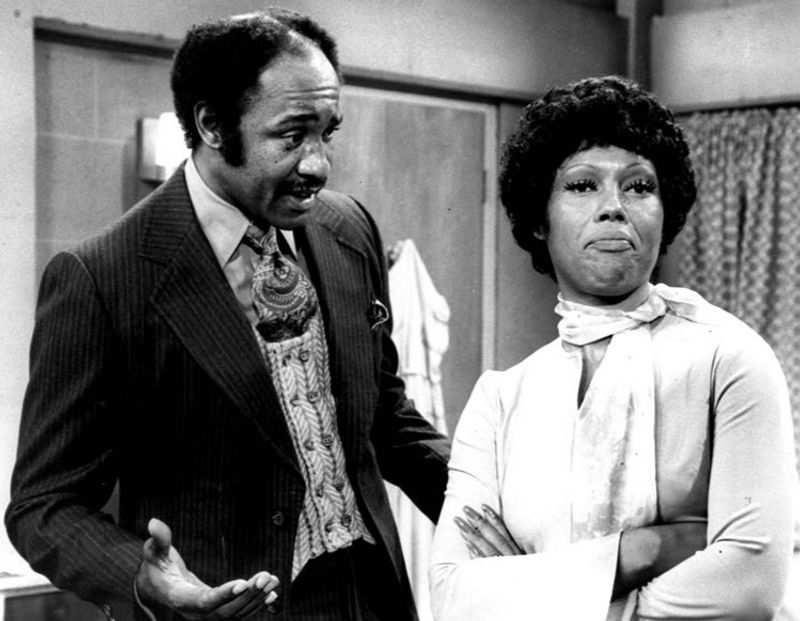
The Evans family proved that laughter could thrive even in Chicago’s Cabrini-Green housing projects.
Premiering in 1974, this groundbreaking sitcom tackled poverty, racism, and family struggles without losing its heart or humor.
Jimmie Walker’s J.J. and his catchphrase “Dy-no-mite!” became cultural phenomena, though the show offered much deeper social commentary too.
Florida and James Evans represented hardworking parents fighting to give their kids better futures despite overwhelming obstacles facing them daily.
8. The Odd Couple
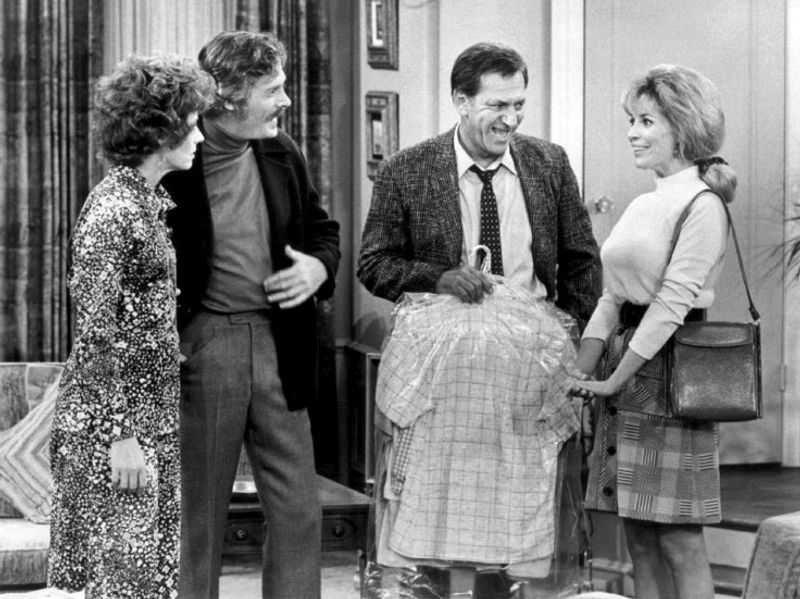
What happens when a neat-freak photographer shares an apartment with a slob sportswriter?
Comedy gold, that’s what!
Based on Neil Simon’s play, this 1970 series starred Tony Randall as Felix Unger and Jack Klugman as Oscar Madison.
Their clashing personalities created endless hilarious situations, from Felix’s obsessive cleaning to Oscar’s complete disregard for order.
The chemistry between the leads made their friendship believable despite constant bickering, creating a template for countless buddy comedies afterward.
9. Columbo
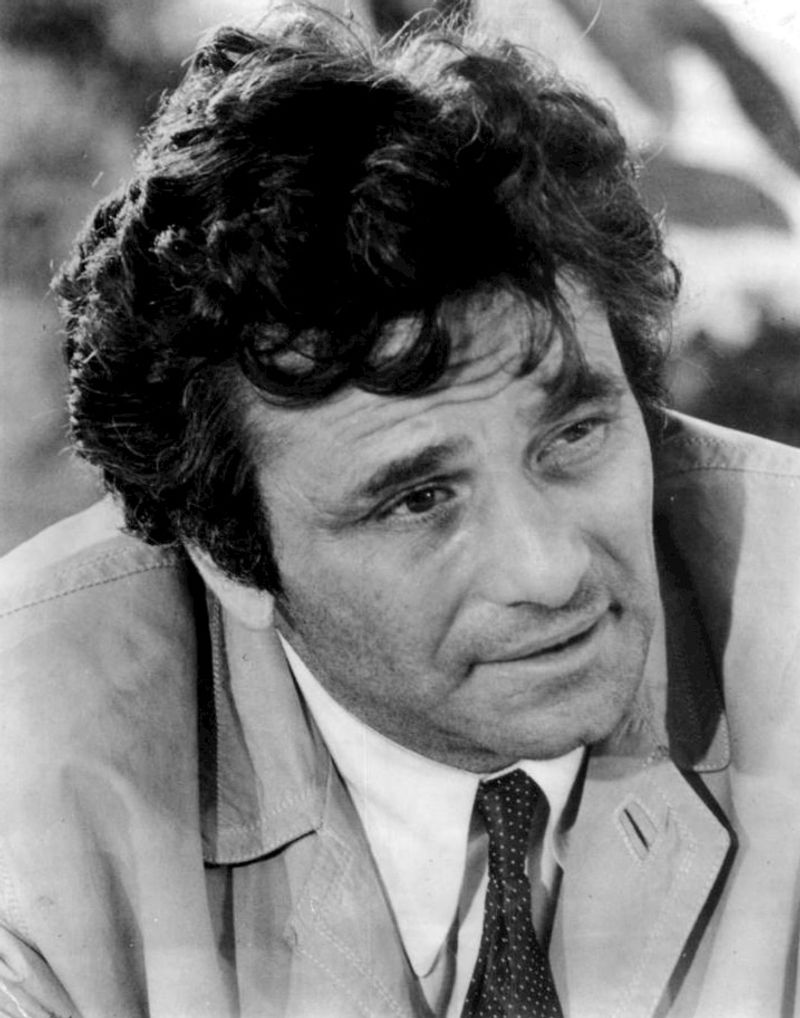
Just one more thing, as Lieutenant Columbo would say before catching killers in their own lies.
Peter Falk’s rumpled detective appeared disheveled and distracted, but his sharp mind never missed a detail.
Unlike typical mysteries, viewers saw the crime happen first, then watched Columbo methodically unravel the criminal’s carefully constructed alibis.
His beat-up Peugeot, ever-present cigar, and mentions of his never-seen wife made him one of television’s most beloved and distinctive detectives ever.
10. Little House on the Prairie
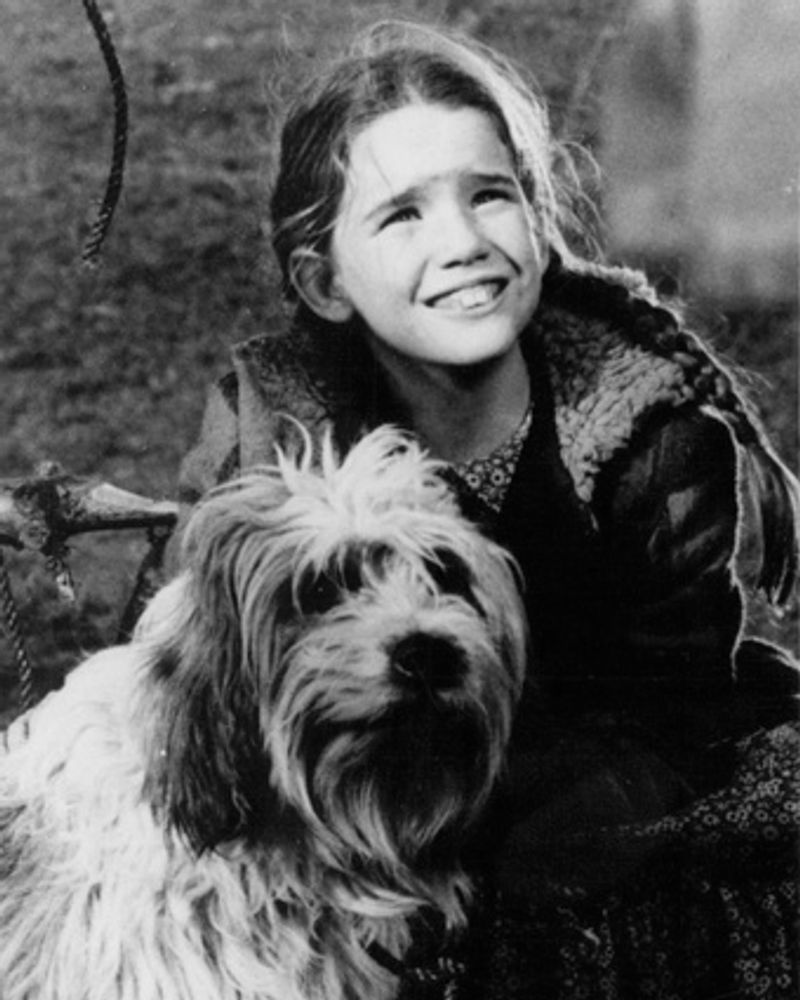
Life on the American frontier came alive through the Ingalls family’s struggles and triumphs in Walnut Grove.
Based on Laura Ingalls Wilder’s books, this 1974 series starred Michael Landon as the devoted father Charles.
The show didn’t shy away from difficult topics like blindness, addiction, and death, teaching valuable lessons through heartfelt storytelling.
Families gathered weekly to watch the Ingalls face hardships with courage, faith, and love, creating memories that lasted generations.
11. Happy Days
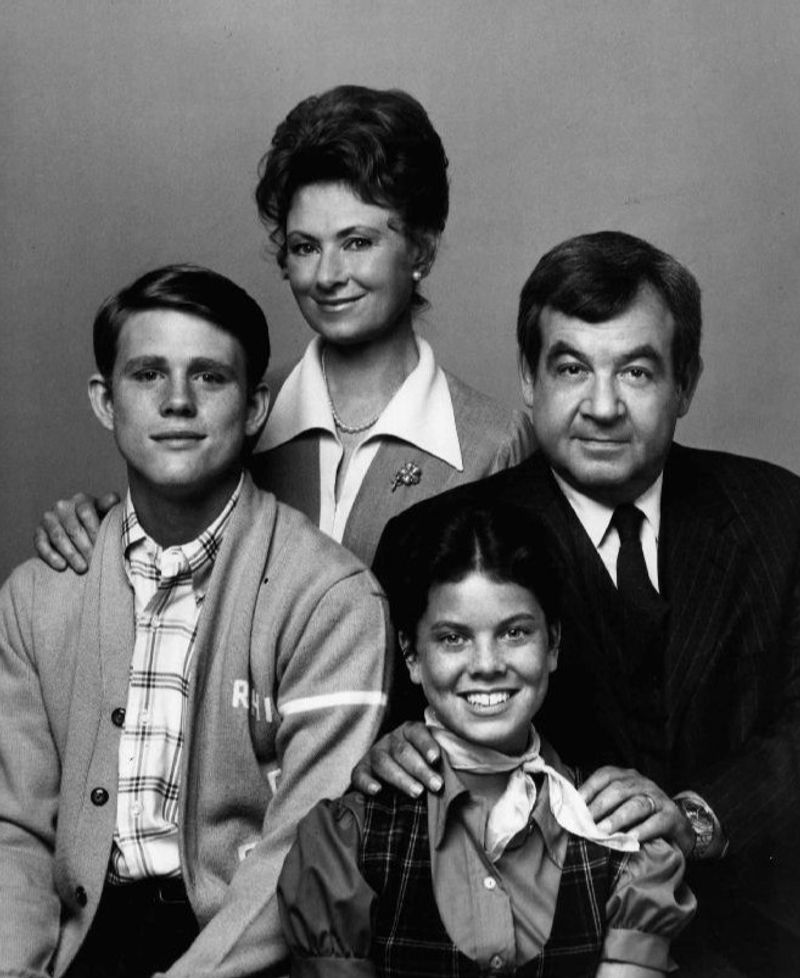
Ayyyy!
That iconic greeting from the Fonz made Happy Days a cultural phenomenon starting in 1974.
Set in 1950s Milwaukee, the show followed the Cunningham family and their friends, especially the too-cool Fonzie.
What started as a nostalgic look at simpler times became a ratings juggernaut, launching catchphrases and making Henry Winkler’s leather jacket iconic.
The show’s wholesome family values mixed with Fonzie’s rebellious charm created the perfect balance that audiences absolutely loved.
12. The Rockford Files
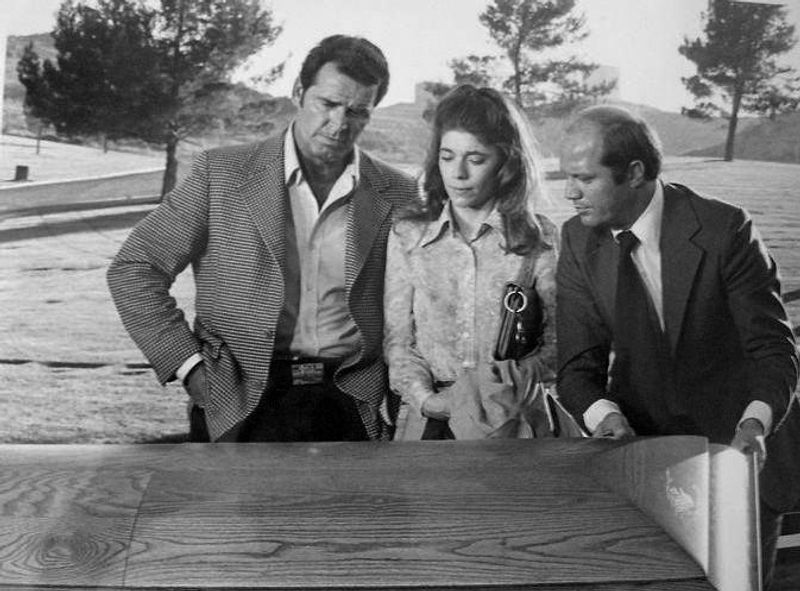
Jim Rockford wasn’t your typical private eye; he lived in a trailer, avoided violence, and charged two hundred dollars a day plus expenses.
James Garner brought charm and wit to this 1974 detective series, making Rockford feel like a regular guy who stumbled into investigations.
His gold Pontiac Firebird and elaborate phone answering machine messages became show trademarks.
The series mixed mystery with humor, featuring Rockford’s ex-con buddy Rocky and his father’s constant worry.
13. The Waltons
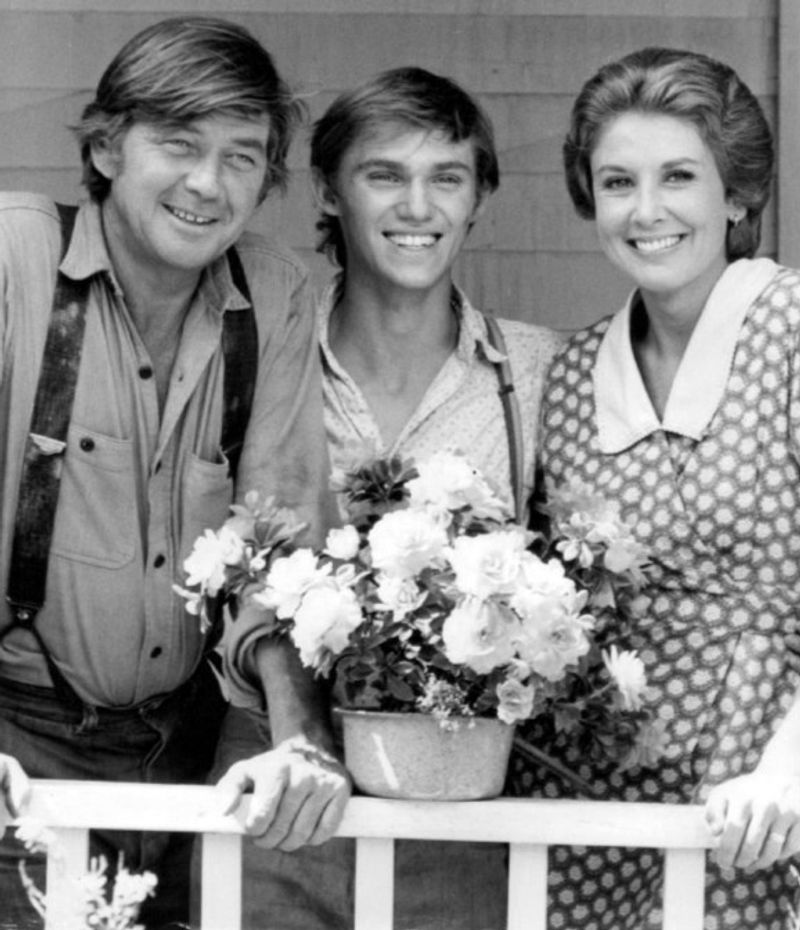
Goodnight, John-Boy!
Those bedtime exchanges from the Walton children closed each episode of this heartwarming Depression-era family drama.
Premiering in 1972, the show followed seven children growing up on Virginia’s Walton Mountain during tough economic times.
Despite hardships, the family faced challenges together with faith, determination, and unwavering love for one another.
The show’s wholesome values and multigenerational storytelling offered comfort during the turbulent seventies, reminding viewers what truly mattered most.
14. Hawaii Five-O
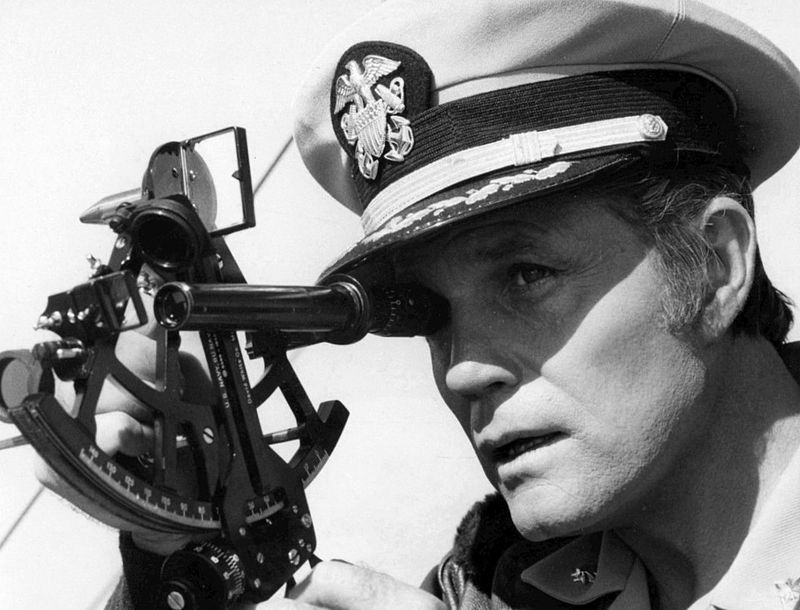
Book ’em, Danno!
That command from Steve McGarrett closed countless cases in this action-packed police drama set in paradise.
Running from 1968 to 1980, the show featured Hawaii’s elite state police force tackling crime against stunning tropical backdrops.
Jack Lord’s McGarrett was all business, leading his team with authority and determination.
The iconic theme music and beautiful Hawaiian scenery made this show instantly recognizable, while the tight plotting kept viewers coming back weekly.
15. Charlie’s Angels
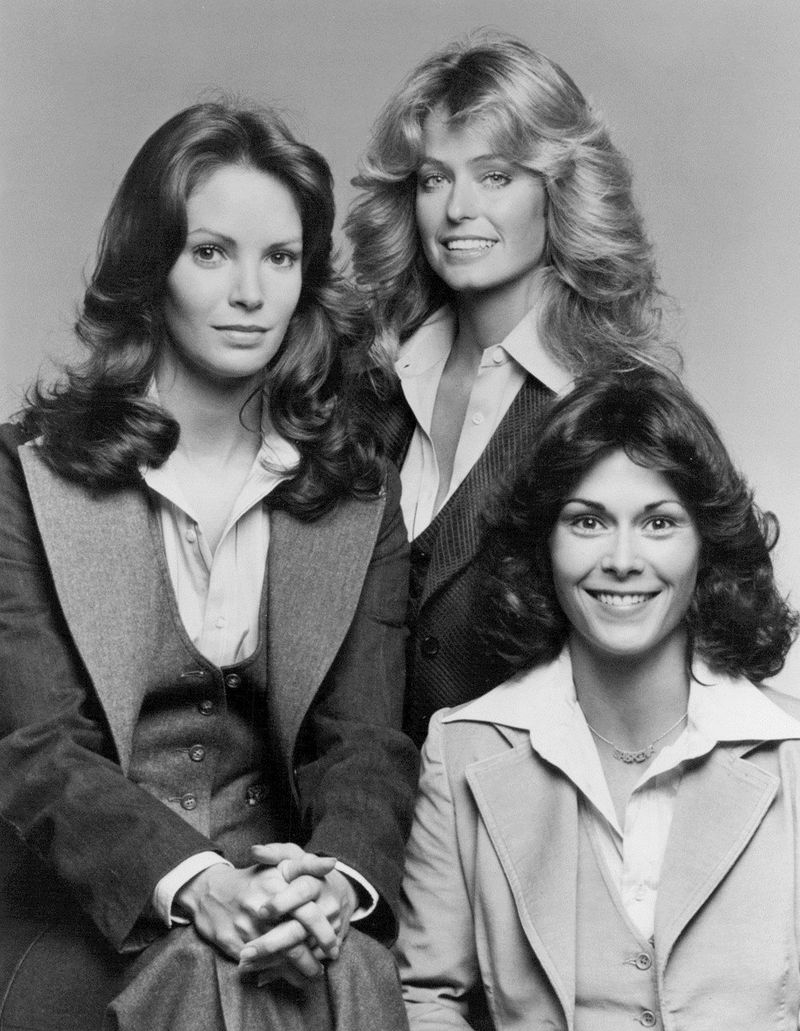
Three beautiful detectives took orders from an unseen boss named Charlie via speakerphone, then kicked crime to the curb.
Premiering in 1976, this action series featured Farrah Fawcett, Kate Jackson, and Jaclyn Smith as the original Angels.
Though critics dismissed it as fluff, the show empowered women by showing them as capable, intelligent action heroes.
Farrah’s feathered hair became the decade’s most copied hairstyle, while the show’s blend of glamour and adventure captivated millions.
16. Kojak
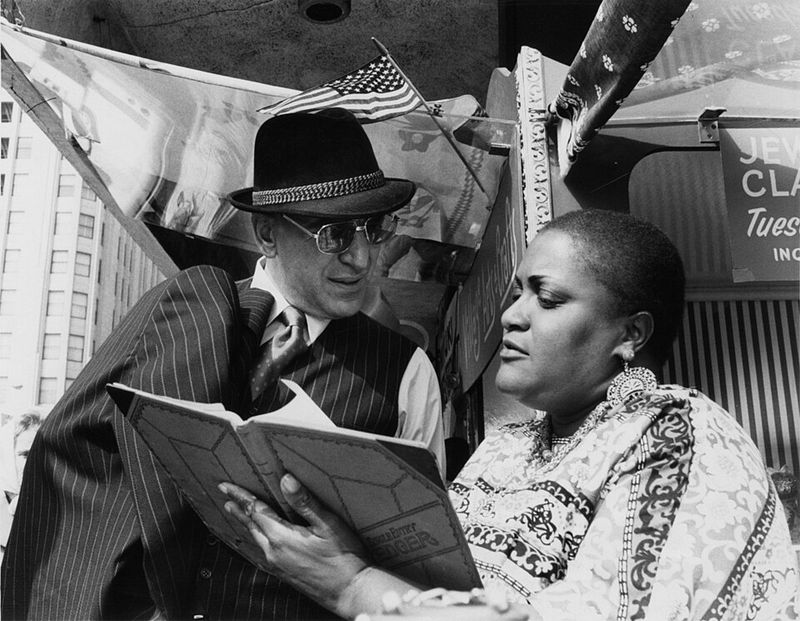
Who loves ya, baby?
Telly Savalas’s bald, lollipop-sucking New York detective became one of television’s coolest cops starting in 1973.
Lieutenant Theo Kojak fought crime on Manhattan’s mean streets with street smarts, determination, and unforgettable catchphrases.
Unlike squeaky-clean TV cops, Kojak bent rules and showed gritty realism that reflected the decade’s changing attitudes.
His distinctive look and tough-but-caring personality made him a seventies icon who proved bald could definitely be beautiful.