14 Greek Easter Dishes Worth Making
Greek Easter is not the kind of holiday where one little dish quietly sits in the corner and behaves.
Table fills up fast. Oven works overtime.
One relative is still asking where the rest of the food is. Sweet bread, roast lamb, red eggs, and a table full of rich, celebratory dishes are part of what Greek Easter does best.
1. Tsoureki
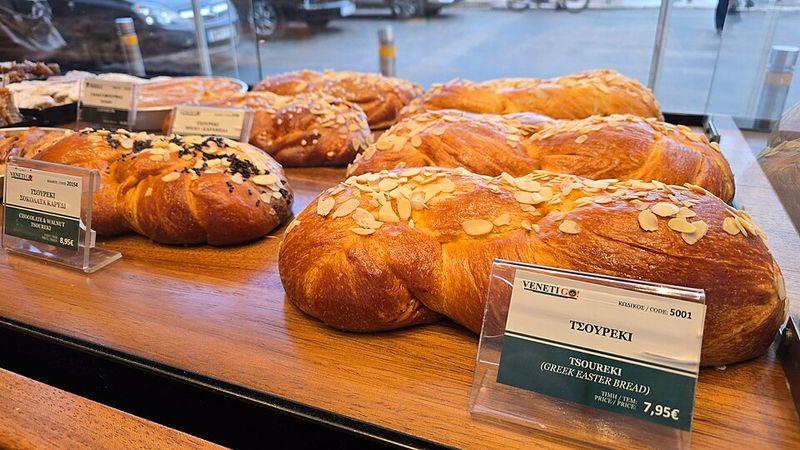
Pull apart a piece of tsoureki and the whole kitchen fills with the scent of mahlab and mastic.
This braided sweet bread is as much a centerpiece as it is a snack, soft enough to make you tear off just one more piece. The red egg tucked into the braid is not just decoration, it is tradition.
Bake it the day before Easter and watch it disappear before the holiday even starts.
2. Koulourakia
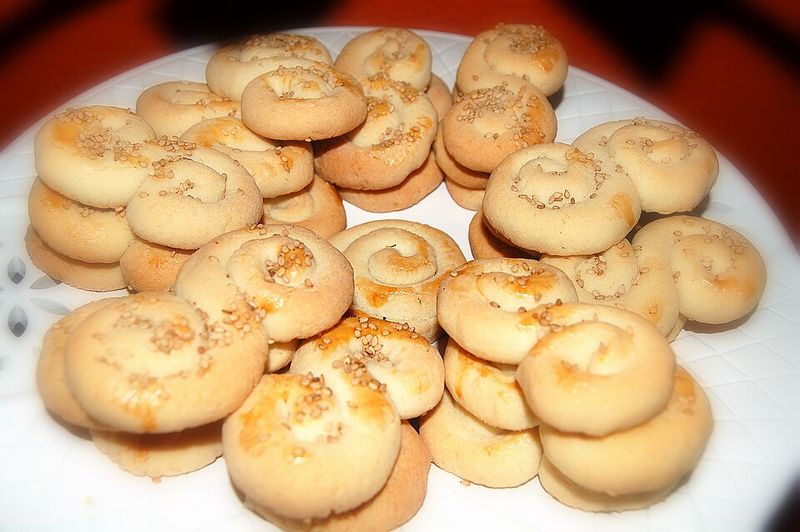
Grandmothers turned out batches of koulourakia by the dozens, stacking them into tins that somehow never stayed full. Twisted, golden shapes carry a light sweetness that pairs perfectly with morning coffee or afternoon tea.
Vanilla and butter drifting through the kitchen tend to pull everyone a little closer.
Little hands joining in to twist the dough lead to playful shapes and even better memories.
3. Magiritsa
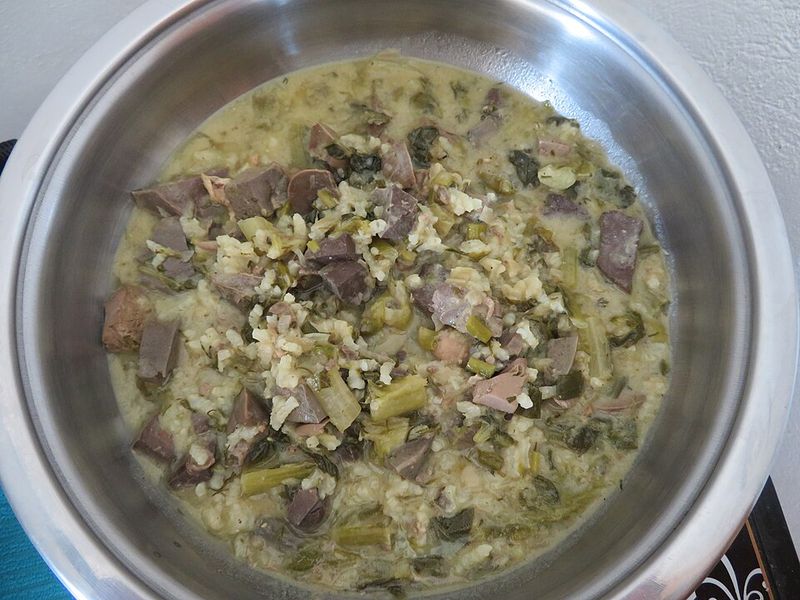
Midnight belongs to magiritsa, the soup Greek families reach for as soon as Easter Sunday church services end. Lamb offal, rice, and silky avgolemono give it a richness woven straight into the holiday ritual.
Fresh dill over the top cuts through all that depth with exactly the right lift.
One spoonful is usually enough to explain why nobody wants to miss the meal that comes after midnight.
4. Kokoretsi
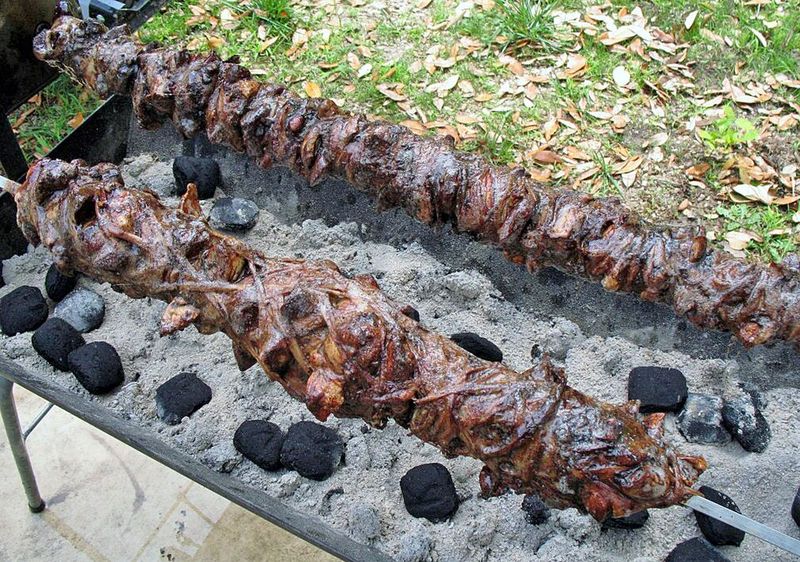
Every Greek Easter table seems to spark a debate the moment Kokoretsi shows up, yet plates rarely stay empty.
Seasoned lamb offal wrapped and slow-roasted on a spit turns crisp and smoky on the outside while staying rich and tender inside.
Aromas drifting across the yard work like a dinner bell nobody can ignore. Thick slices served hot usually end the discussion before it really begins.
5. Greek Easter Lamb (Ovelias / Roast Lamb)
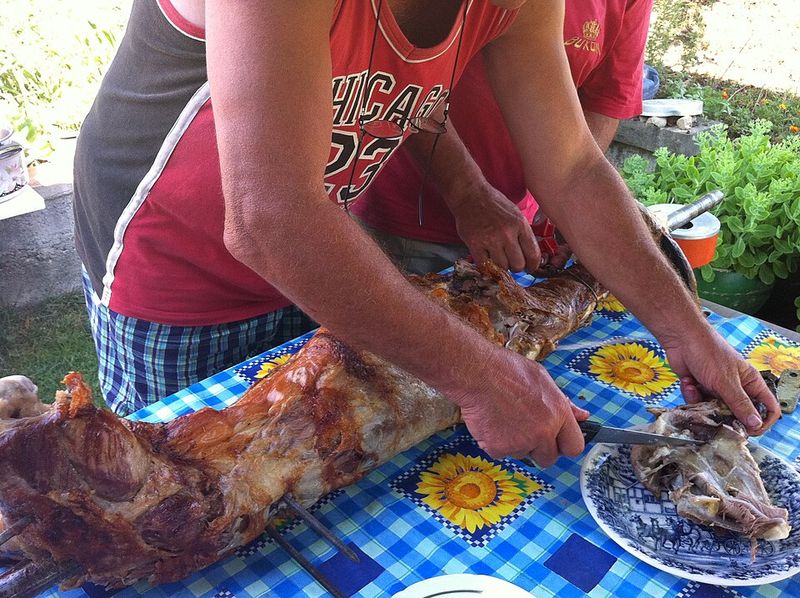
The spit starts turning early on Easter Sunday, and by noon the whole neighborhood knows something good is happening.
Whole roasted lamb, or ovelias, is the centerpiece of Greek Easter, seasoned simply with lemon, oregano, and olive oil. Hours of slow turning over charcoal create a crust that crackles when you slice into it.
No oven can replicate the flavor that open fire gives this dish.
6. Kokkina Avga (Red-Dyed Easter Eggs)
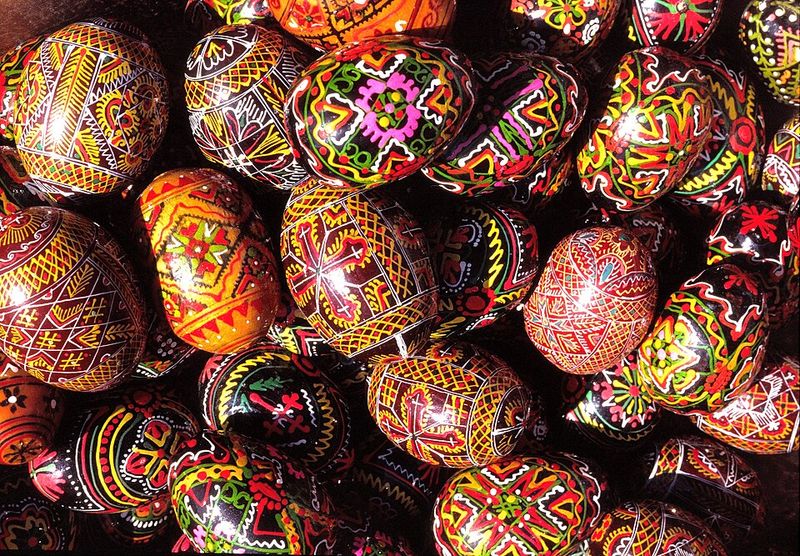
Holy Thursday egg-dyeing is one of those kitchen rituals that makes Easter week feel truly underway.
Deep crimson carries symbolic meaning tied to the blood of Christ, while the egg-tapping game on Easter Sunday can turn fiercely competitive in any family.
Victory means your egg held up the longest, and bragging rights tend to last until the next Easter rolls around. Simple tradition, strong symbolism, and just enough competition keep every age at the table fully invested.
7. Spanakopita
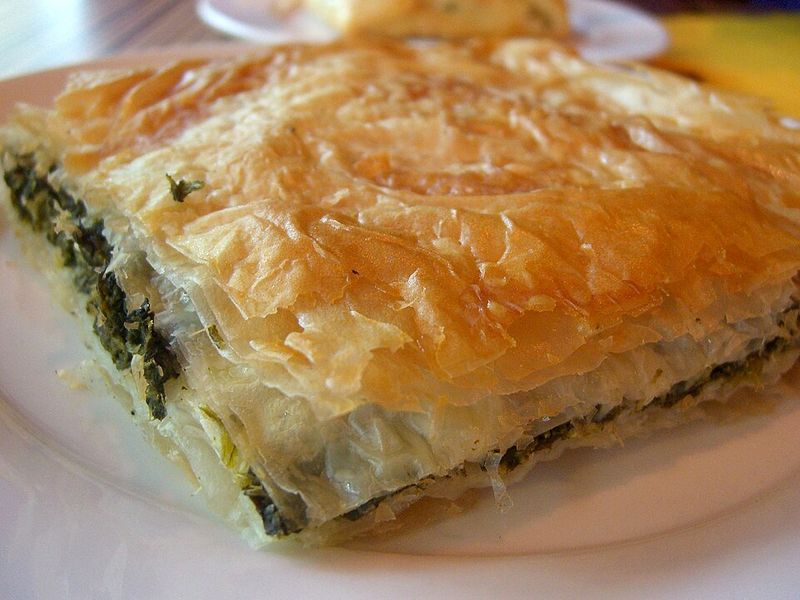
Layers of crispy phyllo hide a filling so good that people circle back for seconds before finishing their first piece.
Spanakopita combines spinach, feta, eggs, and fresh herbs into a savory pie that works at breakfast, lunch, or as a side at the Easter table. The phyllo shatters satisfyingly with every bite.
Make a large tray because a small one will be gone before you set it down.
8. Tiropita
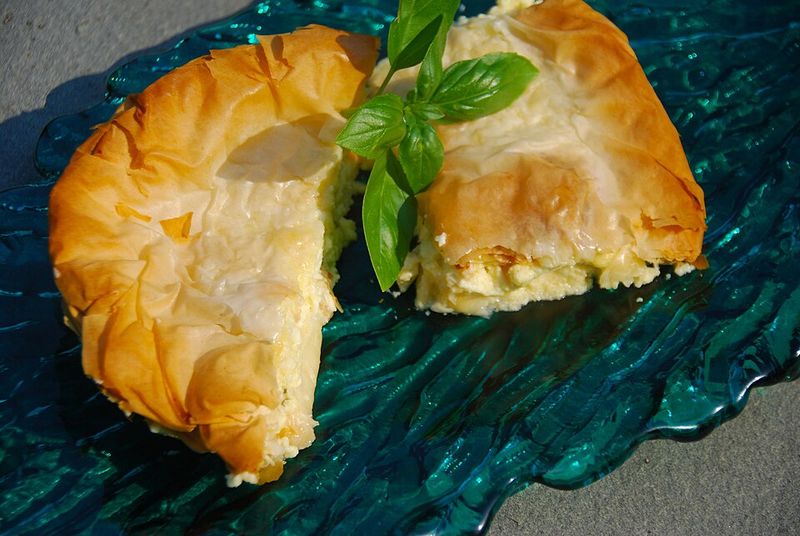
Cheese lovers tend to find their weakness quickly when Tiropita lands on the table.
Flaky phyllo layers wrap around a creamy mix of feta and eggs, baking into something crisp on top and soft, salty, and rich inside. Disappearing acts happen fast, often before the main course even has a chance to show up.
Warm squares served generously have a way of lighting up the whole room.
9. Dolmades
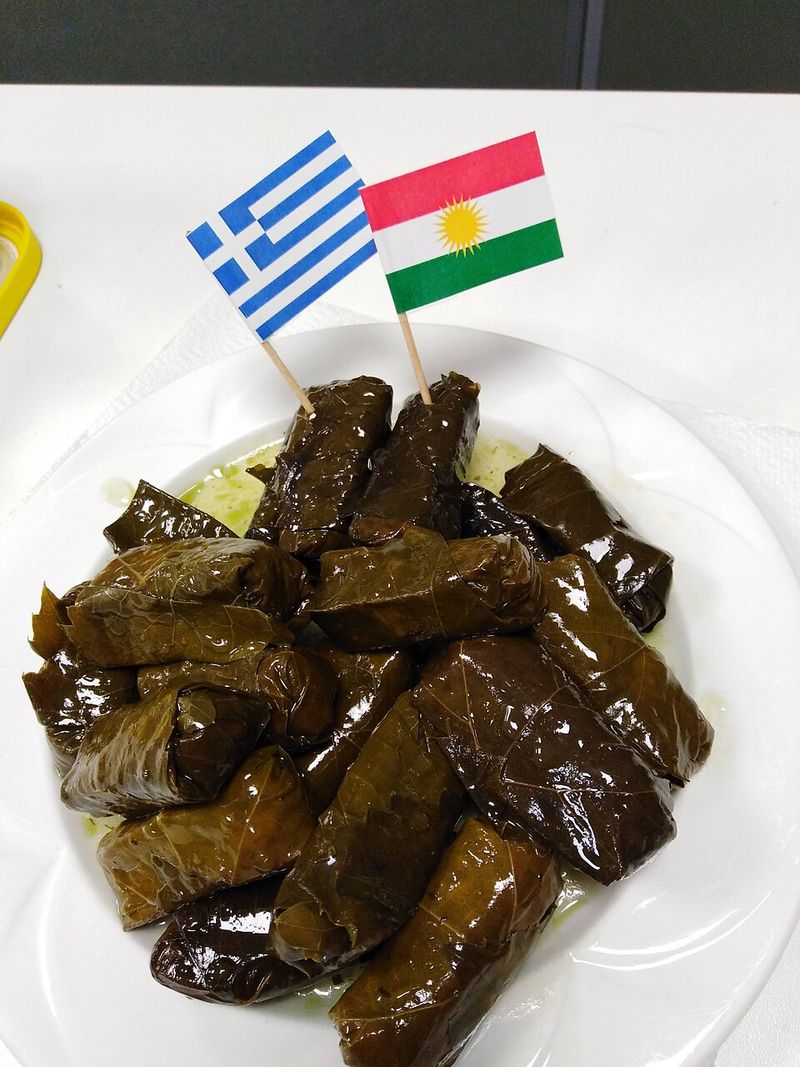
Slow, meditative work of rolling dolmades somehow makes the whole kitchen feel calmer.
Herby rice filling gets tucked into grape leaves, rolled snug, and simmered until everything turns tender and fragrant.
Lemon squeezed over the top right before serving is non-negotiable. Patient little parcels like these earn every minute spent at the counter.
10. Avgolemono
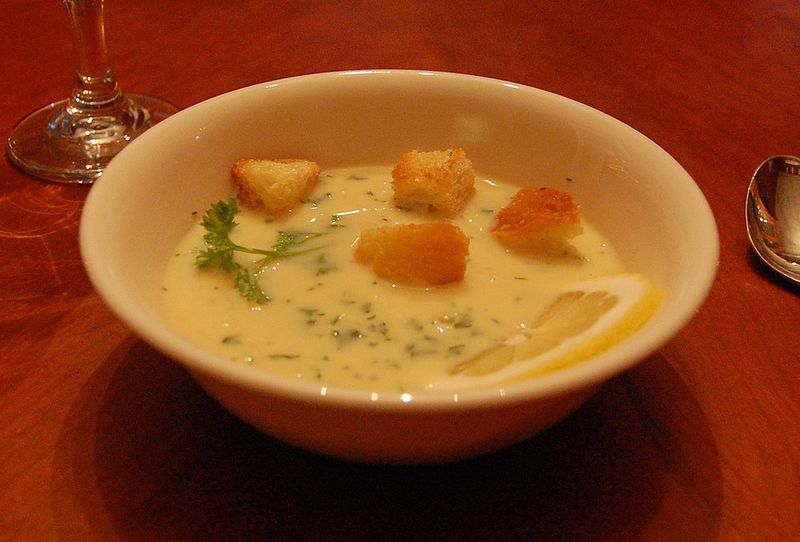
Avgolemono brings comfort fast, which is exactly why it can still work on an Easter table even if it is not one of the holiday’s most symbolic dishes.
Chicken broth, rice or orzo, eggs, and fresh lemon juice come together into something velvety and bright at once. It fits best as a warm supporting dish rather than the centerpiece of the celebration.
Around stronger Easter staples, it adds balance without competing for attention.
11. Kalitsounia
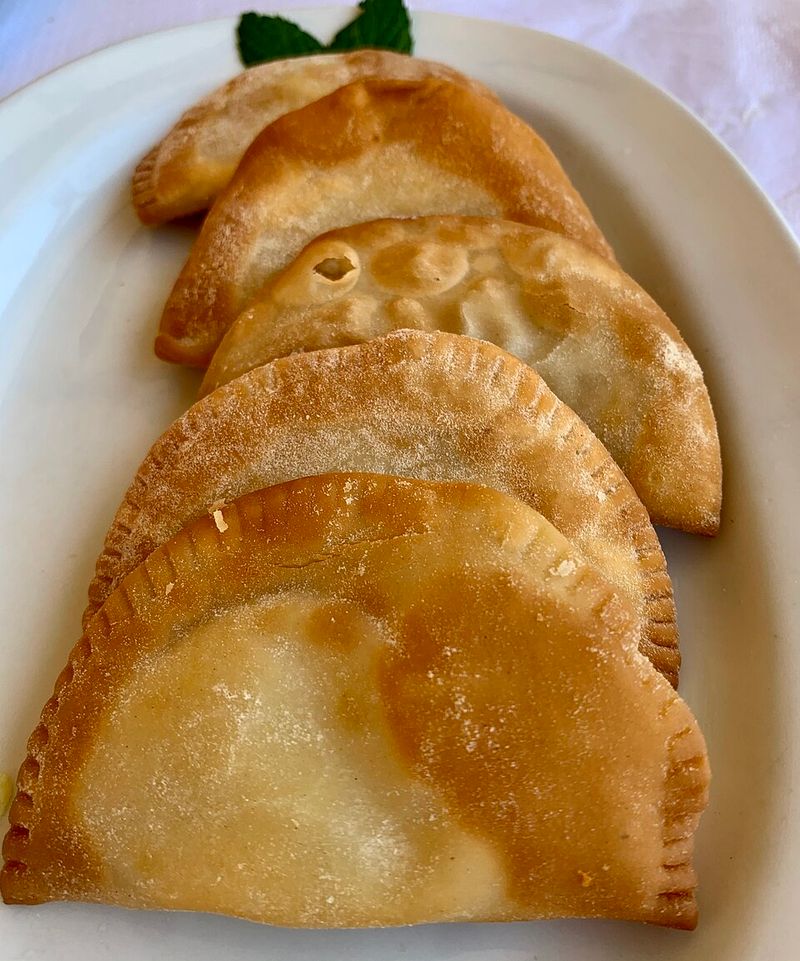
From the island of Crete comes a little pastry that punches well above its size.
Kalitsounia are small open-faced or folded pies filled with mizithra cheese and honey, baked until golden and dusted with powdered sugar. They are sweet, slightly tangy, and completely addictive with a cup of Greek coffee.
One bite and you are mentally booking a flight to Heraklion.
12. Lazarakia
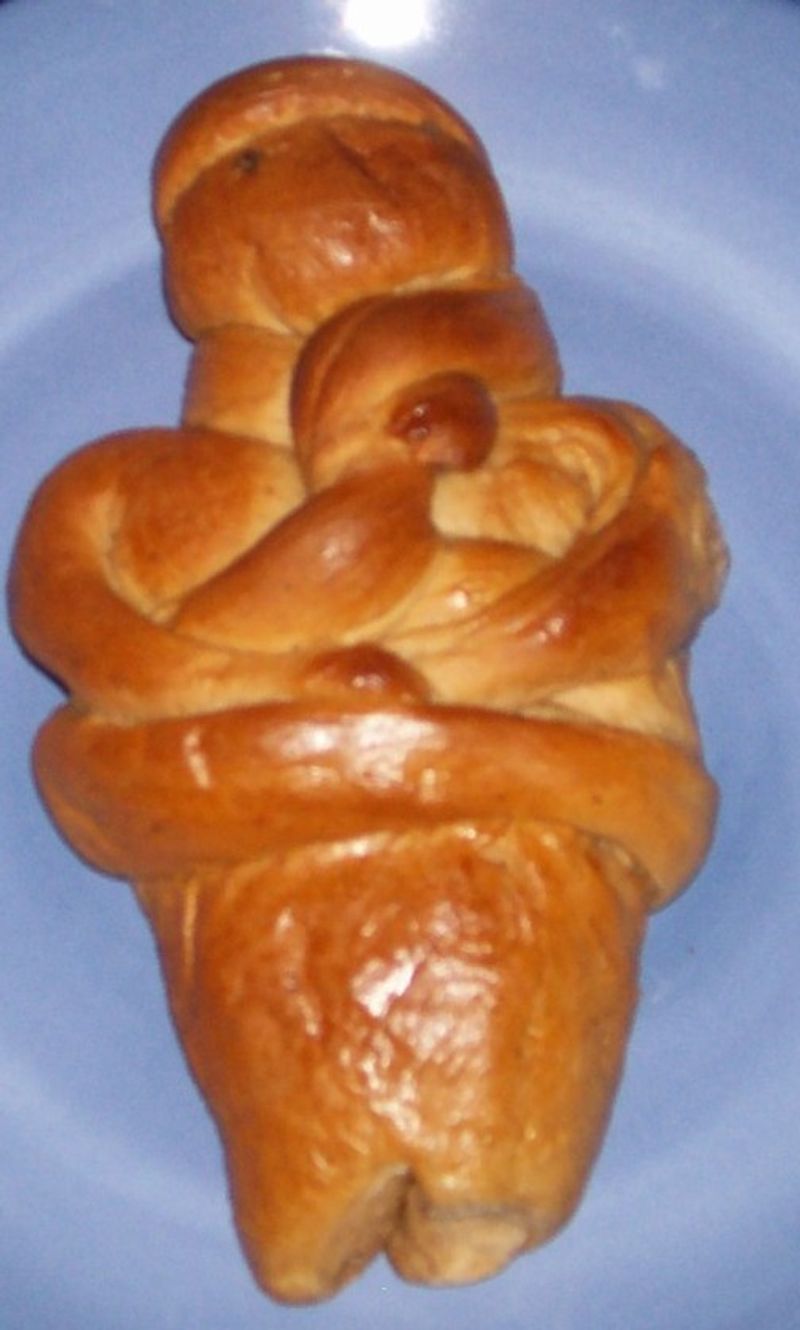
Shaped like a little figure with raisin eyes, lazarakia are baked on Lazarus Saturday the week before Easter.
These sweet spiced rolls celebrate the resurrection of Lazarus and are traditionally given to children after church. Soft, lightly sweetened, and warmly spiced with cinnamon and cloves, they smell like the best kind of Saturday morning.
Baking them with kids turns a religious tradition into a genuinely joyful kitchen project.
13. Galaktoboureko
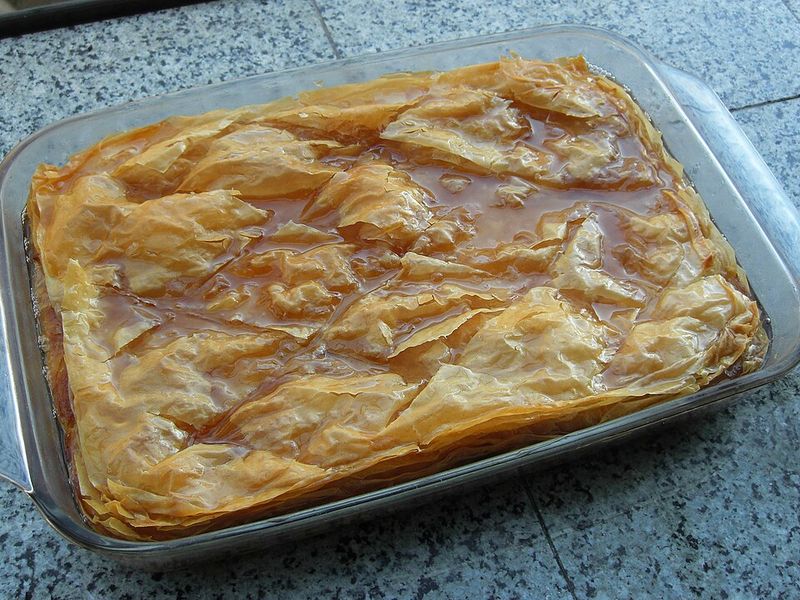
Silence tends to fall for a moment after the first bite of Galaktoboureko. Crispy phyllo layers hold a thick semolina custard, all soaked in a light citrus syrup that keeps everything moist without turning heavy.
Warm sweetness settles in slowly, turning dessert into something no one feels like rushing through.
Serving it slightly warm usually guarantees every plate comes back clean.
14. Melitinia
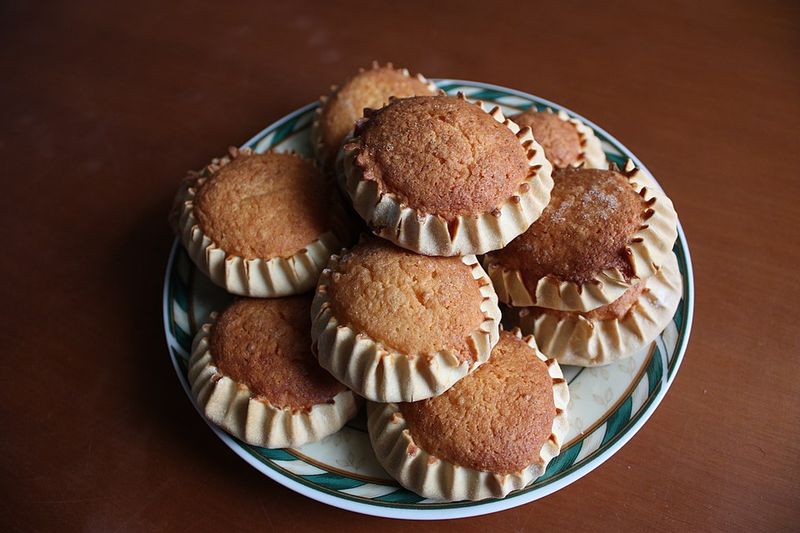
Melitinia come from Santorini, and they carry the quiet elegance of the island in every bite.
These open-faced tarts are filled with a mixture of mizithra cheese, mastic, and honey, then baked until just set with lightly golden edges. The mastic flavor is distinctive, a little piney and resinous, in the most wonderful way.
Got a sweet tooth and a sense of adventure? Start here.
Important: This article is provided for general informational and entertainment purposes and reflects a food-and-tradition overview based on publicly available cultural references at the time of writing.