What Growing Up In The 1970s Really Felt Like
Growing up in the 1970s felt like having more day than schedule. Time moved slower, not because life was perfect, but because fewer things demanded your attention every few minutes.
Plans happened out loud, in the moment, and “I’ll call you later” could stretch into a whole evening without anyone panicking.
Childhood also had a particular kind of freedom that made you feel wildly independent.
Looking back, the decade doesn’t replay as a tidy montage. It comes back as a mood: unhurried, a little chaotic, and strangely confident, like you were certain you could handle anything as long as you had a few coins and a solid plan that existed only in your head.
Waiting For Cartoons At A Specific Time
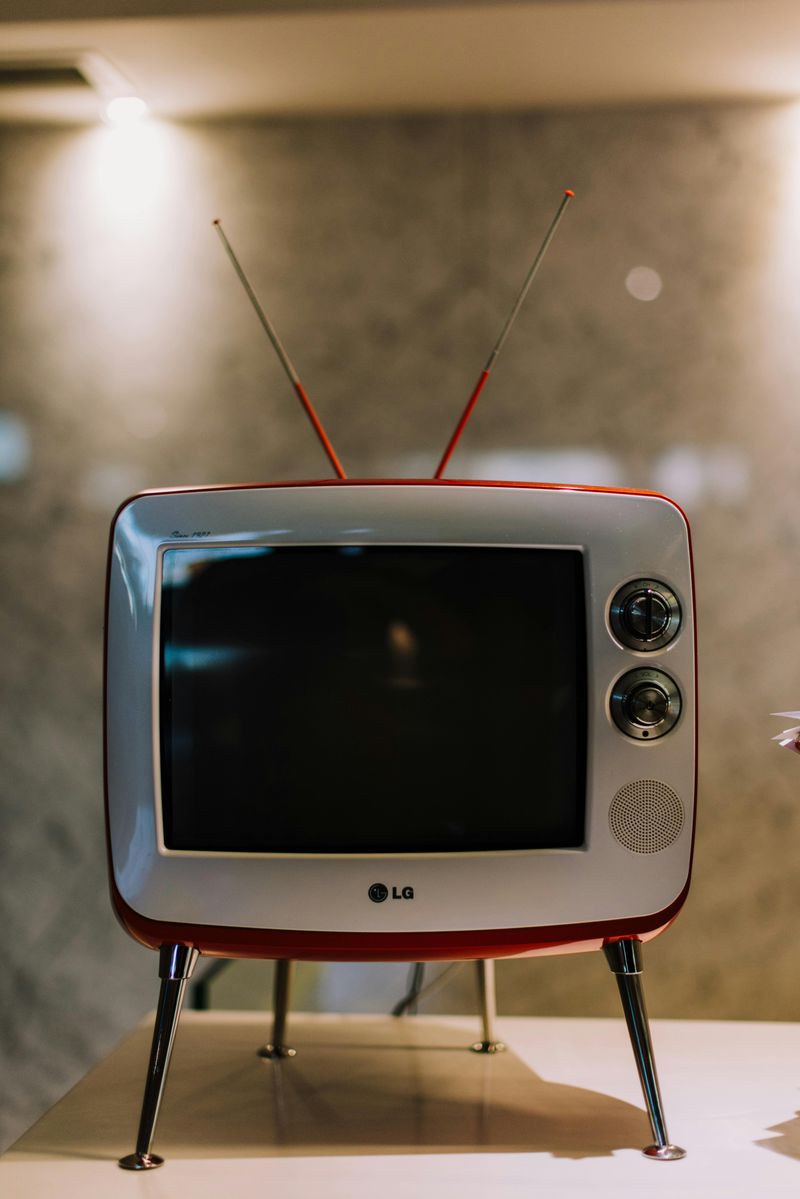
Saturday mornings were sacred. You didn’t sleep in, you didn’t negotiate – you woke up early because Scooby-Doo and the Superfriends weren’t going to wait for you.
Television stations controlled the entire schedule, and missing your favorite show meant waiting a whole week for a rerun. No pause button, no rewind, just pure commitment.
Cereal bowl in hand, pajamas still on, you planted yourself in front of that glowing screen like it was a front-row concert seat.
Spinning The Radio Dial To Find A Clear Signal
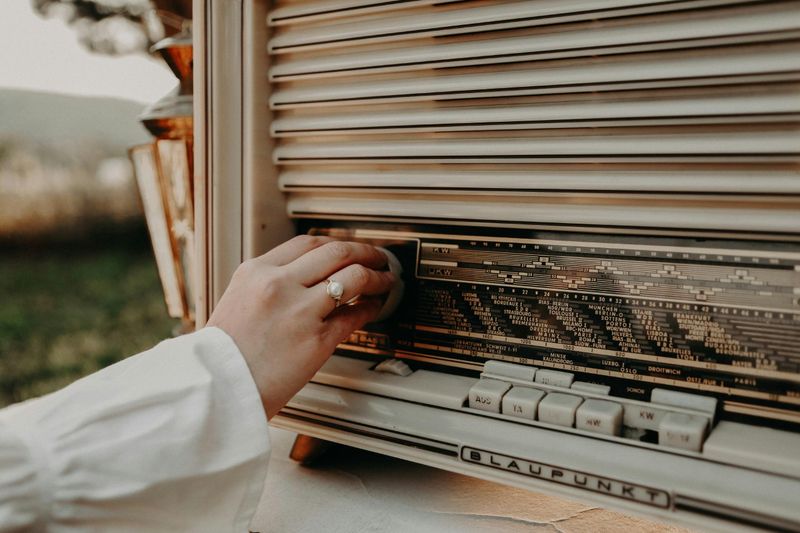
Finding your jam on the radio was practically a sport. You’d twist that dial slowly, riding waves of static and half-caught melodies until – bam – a clear signal locked in.
Then came the real challenge: staying perfectly still near the speaker, hoping the DJ would announce the song title before it faded back into fuzz. If you missed it, tough luck – no Shazam, no lyric search, just mystery.
Music felt like a treasure hunt back then, and every song you successfully identified became a personal victory worth bragging about at school the next day.
Riding Bikes Until The Streetlights Came On
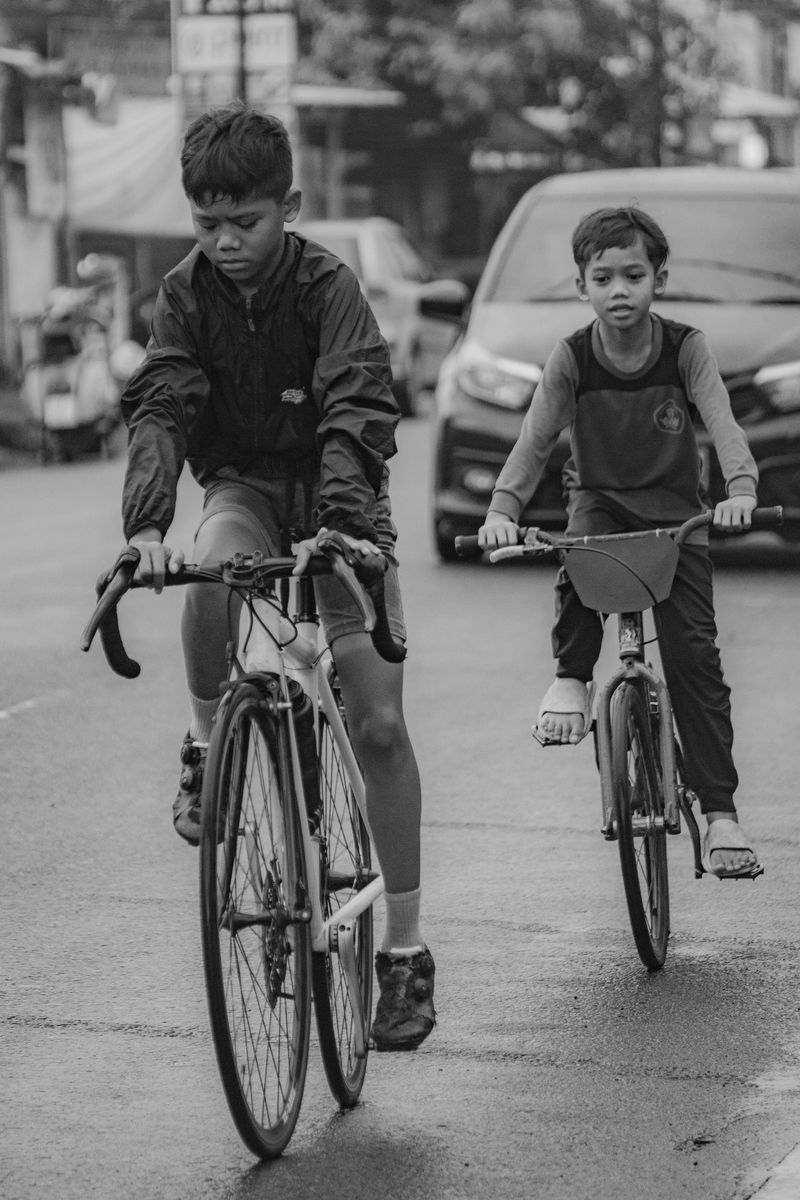
Freedom had two wheels and a banana seat. Once you hopped on your bike, the world opened up – no GPS tracking, no check-in texts, just pure, unmonitored exploration.
Parents had one rule: be home when the streetlights flicker on. That orange glow was your curfew alarm, and you learned to read the sky like a pro.
Hours disappeared as you raced friends, built ramps, and discovered secret shortcuts through the neighborhood. Time moved differently then – slower, stretchier, and somehow always enough.
Station Wagons With Rear-Facing Seats
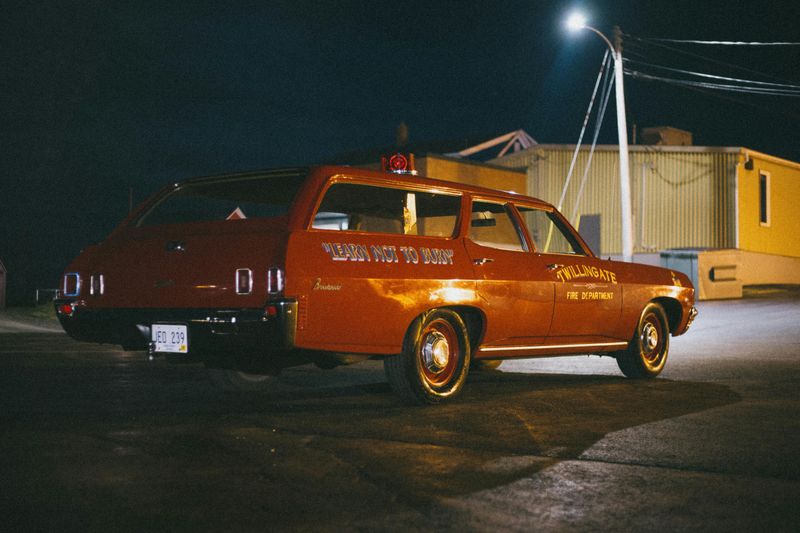
Riding in the way-back of a station wagon felt like being part of a secret club. You’d climb over seats, plop down facing backward, and wave at confused drivers trailing behind you.
Safety? That was more of a suggestion than a law.
Seatbelts were optional and the phrase “pile in” meant exactly that – just squeeze together and enjoy the ride.
Those wood-paneled cruisers held entire families, plus groceries, plus the dog, and somehow still had room for one more kid on the floor.
School Lunches On Divided Trays
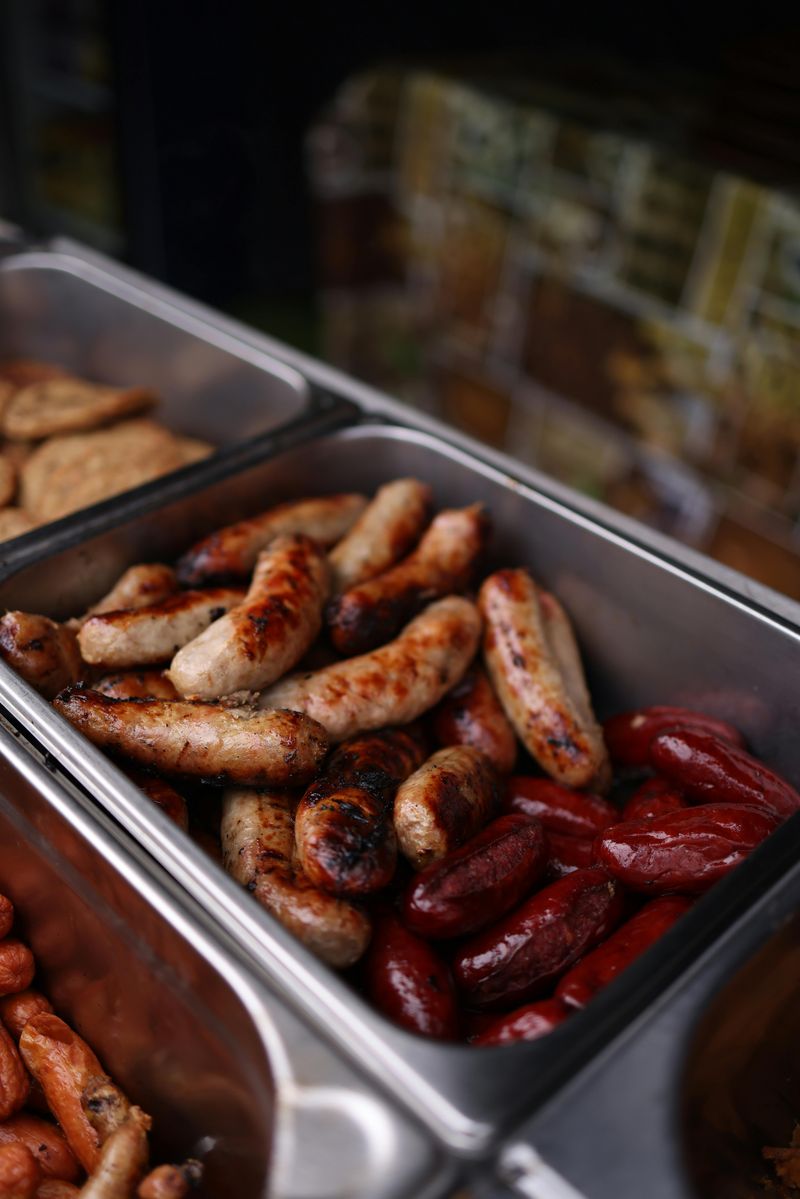
Cafeteria trays were like edible puzzles – each compartment held a mystery, and not all mysteries were meant to be solved.
You had your main dish (often unidentifiable), some suspiciously soft vegetables, and that little square of dessert that everyone fought over.
Chocolate pudding cups, those weird rectangular pizzas, and fruit cocktail with the prized maraschino cherry became the stuff of legend.
Looking back, the food was questionable at best, but somehow those lunches tasted like pure nostalgia wrapped in institutional efficiency.
Hand-Me-Down Everything
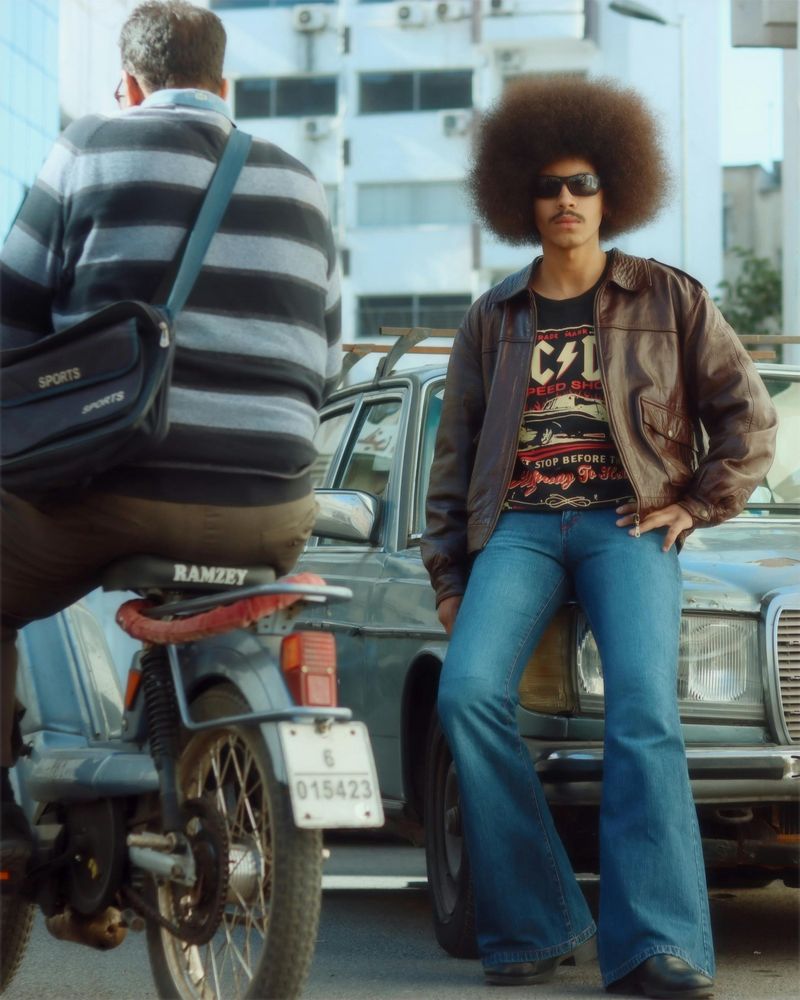
New clothes? That was reserved for special occasions or the oldest sibling.
Everyone else got the hand-me-down express, where jeans came pre-faded and shirts arrived with character (also known as stains).
Your wardrobe told a family history – those bell-bottoms belonged to your cousin first, then your sister, and now they’re yours with patches on the knees. Waste not, want not.
Honestly, nobody cared. Fashion was less about trends and more about what fit well enough to survive another round of neighborhood kickball and backyard adventures.
Slip ‘N Slides And Sprinkler Summers
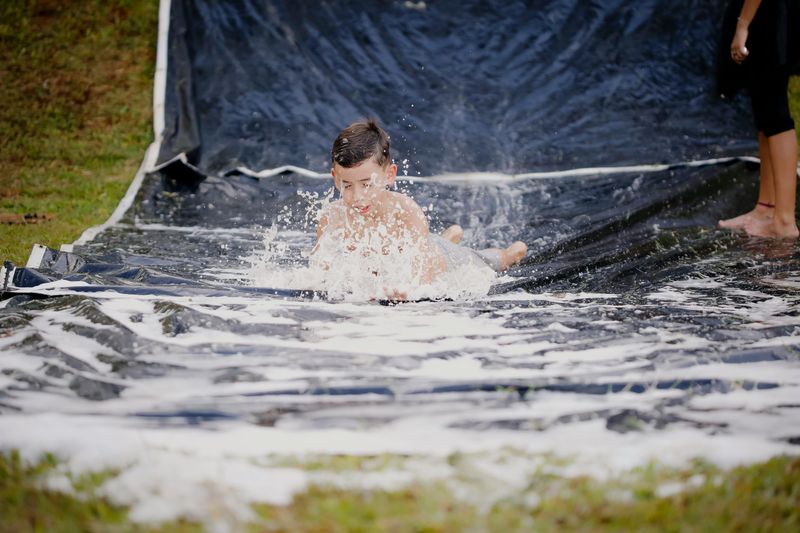
Summer entertainment was simple: one plastic sheet, a garden hose, and a complete disregard for grass preservation.
The Slip ‘N Slide turned your yard into a low-budget water park, and you didn’t need a lifeguard.
When the slide got boring, you’d just run through the sprinkler until you were soaked and shivering. Grass stains were badges of honor, practically impossible to remove, and your mom stopped trying after June.
Air conditioning was a luxury, so you stayed outside from breakfast to sunset, turning brown as a berry and twice as happy.
Sneakers That Were Either Spotless Or Permanently Scuffed
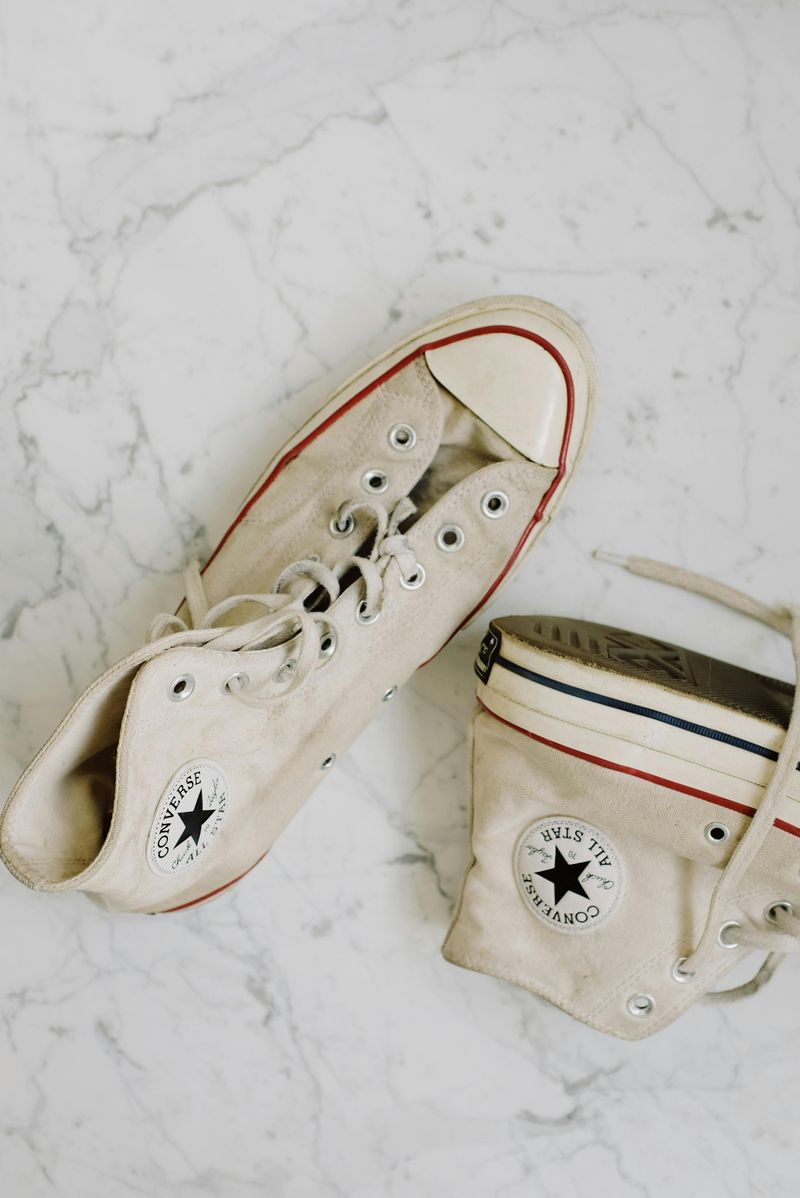
Brand-new sneakers had a lifespan of about six hours if you were lucky. You’d lace them up, step outside, and immediately scuff the toe on the first patch of gravel you encountered.
After that, it was game over – those shoes went from showroom shine to battle-scarred in record time.
Parents tried to make you “save” your good shoes for church or special events, but honestly, what’s the point of sneakers if you can’t actually sneak around in them?
Telephone Cords Stretched Across The Hallway
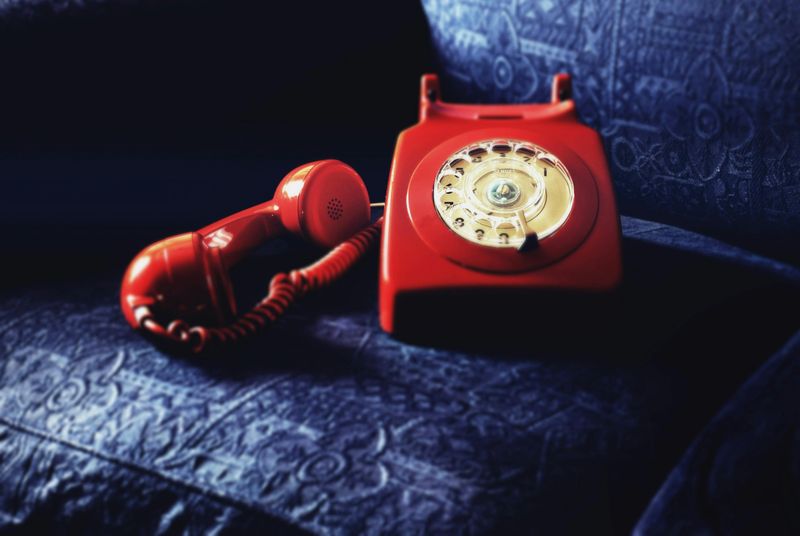
Privacy in the ’70s meant stretching that phone cord as far as physics would allow, usually into a closet or around a corner. You’d whisper into the receiver while your entire family walked past, pretending not to eavesdrop.
That curly cord became a tripwire, a jump rope, and occasionally a noose when siblings decided to yank it mid-conversation.
Party lines were still a thing in some places, meaning your neighbor could literally pick up and listen in. Awkward? Absolutely.
Passing Notes In Class Like A Covert Operation
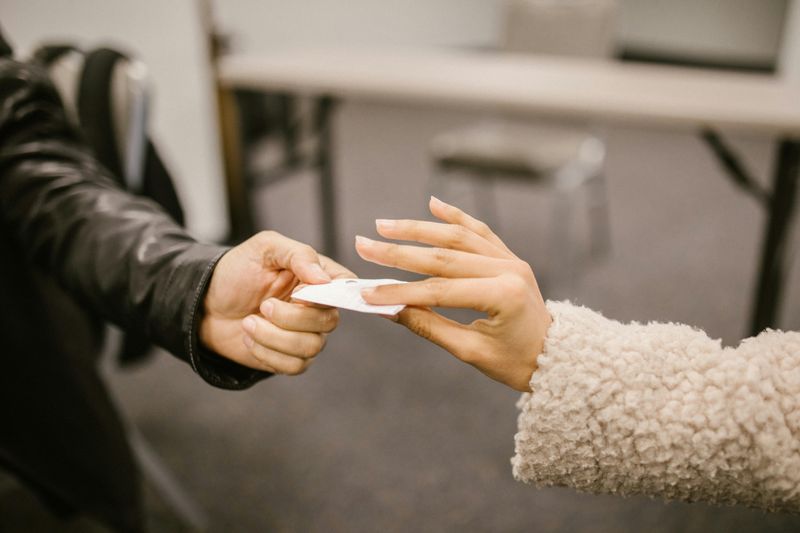
Texting before texting existed meant mastering the ancient art of note-folding. You’d scribble a message, fold it into some origami masterpiece, and pass it along a chain of trusted classmates like a secret agent.
Getting caught meant public humiliation – teachers loved reading your notes aloud to the entire class. The risk made it thrilling, though, like a spy mission with higher stakes than recess.
“Do you like me? Check yes or no” became the most nerve-wracking question of your entire elementary school career, delivered via crumpled notebook paper.
Paper Maps In The Glove Compartment
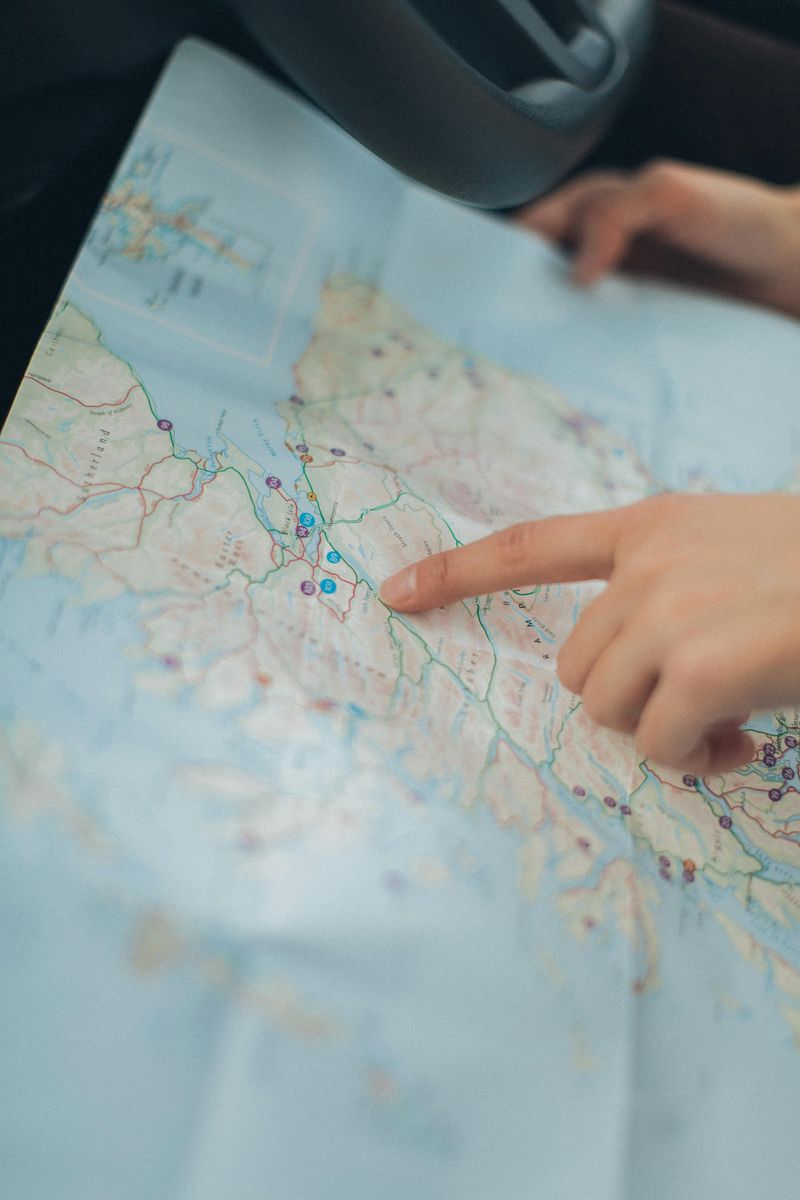
Road trips required actual navigation skills. You’d unfold a map the size of a tablecloth, argue about which route was faster, and inevitably refold it wrong so it never fit back in the glove compartment.
Dad insisted he knew the way, Mom read the map upside down, and kids in the backseat offered unhelpful commentary. Wrong turns were family bonding experiences, whether you liked it or not.
Gas station attendants became accidental tour guides, circling routes with red pens and offering local shortcuts that may or may not have actually existed.
Wood-Paneled Rooms And Beanbag Chairs
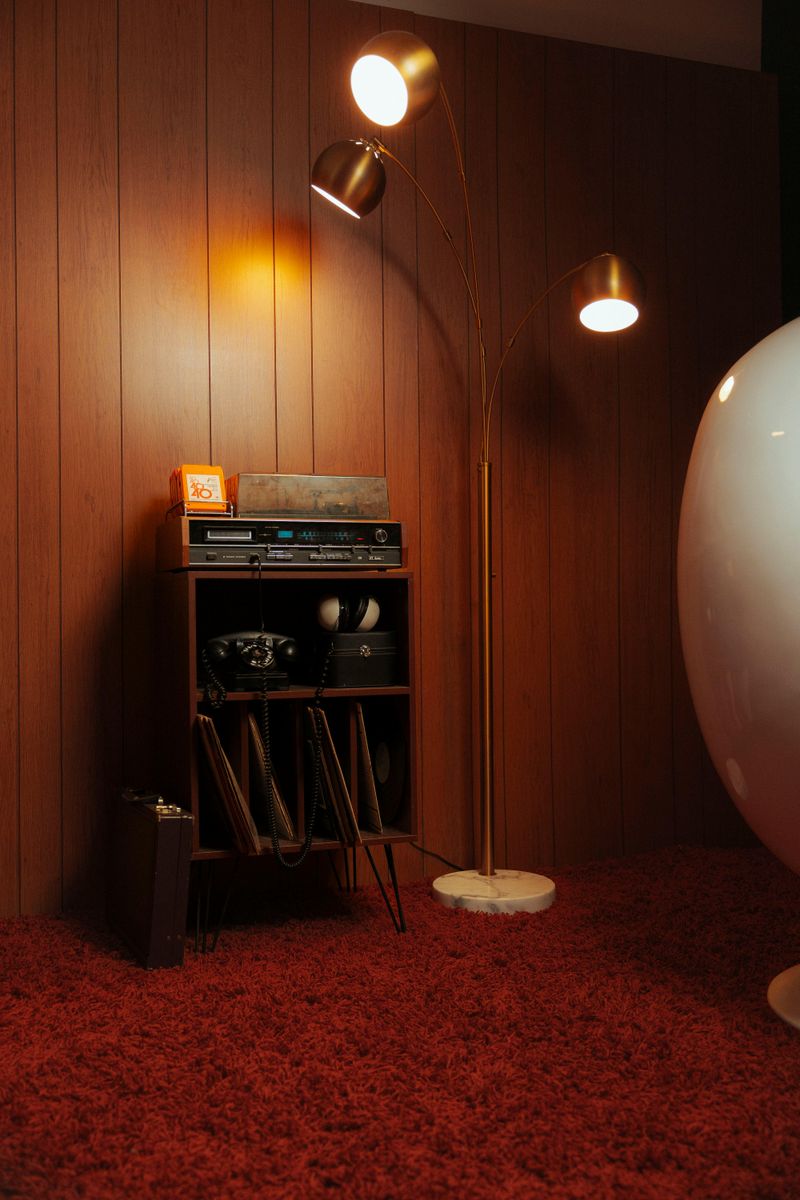
Wood paneling was a lifestyle. Every basement, den, and family room wore that dark, varnished look like a uniform, paired with shag carpeting thick enough to lose small toys in.
Beanbag chairs were the ultimate seating flex. You’d flop into one and sink like quicksand, molding into a human pretzel that was somehow comfortable. Getting out required strategy and momentum.
Furniture back then was built like tanks – heavy, indestructible, and immune to the chaos of childhood. A couch could survive a decade of jumping, spills, and forts without flinching.
The Smell Of Crayons, Paste, And Purple Mimeograph Worksheets
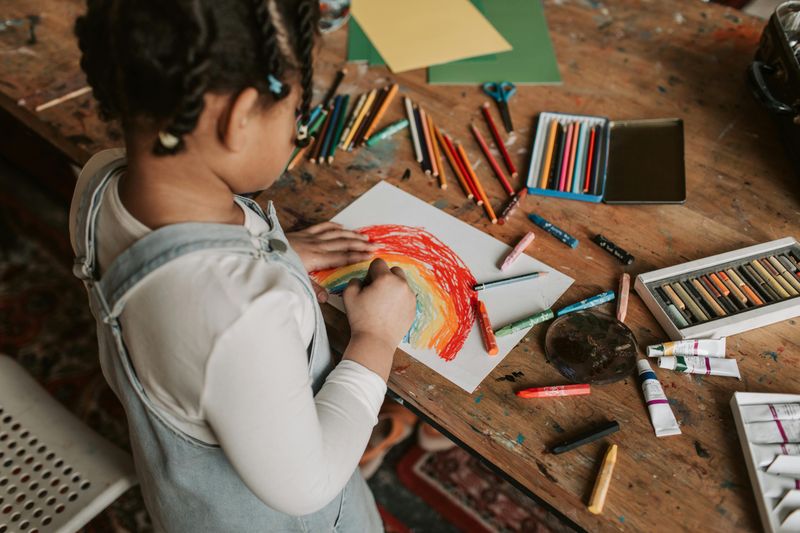
School smelled like a cocktail of Crayola wax, Elmer’s paste (which some kids ate, don’t lie), and those freshly printed worksheets that came off the mimeograph machine still damp and reeking of chemicals.
That purple ink was intoxicating – literally. You’d hold the paper to your nose and inhale like it was the finest perfume, even though it probably shaved a few brain cells off with each sniff.
Teachers handed out those sheets warm from the machine, and you knew it was serious business when the purple text smudged under your pencil. Instant nostalgia, instant headache.
Board Games That Took An Hour To Set Up
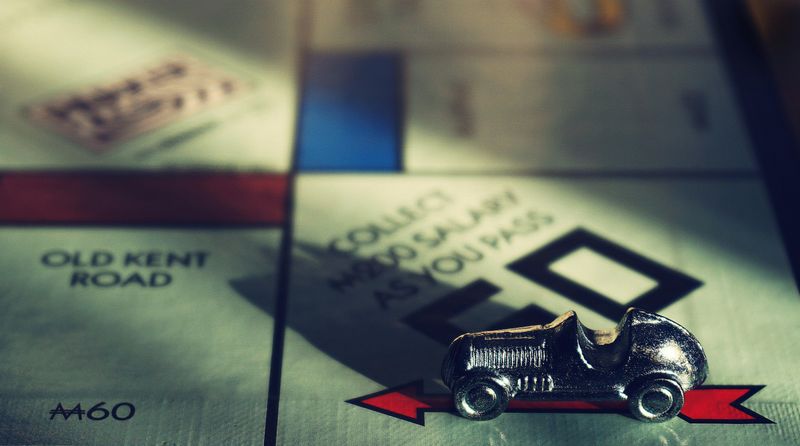
Board games were commitment. You didn’t just play Monopoly – you entered into a multi-hour contract that often ended in flipped boards or someone storming off to their room.
Setup alone took forever: sorting money, organizing cards, reading rules that nobody fully understood.
Halfway through, someone would claim you were playing wrong, sparking debates that no rulebook could settle.
Still, those marathon game nights were legendary.
Family Photo Slides That Turned The Living Room Into A Theater
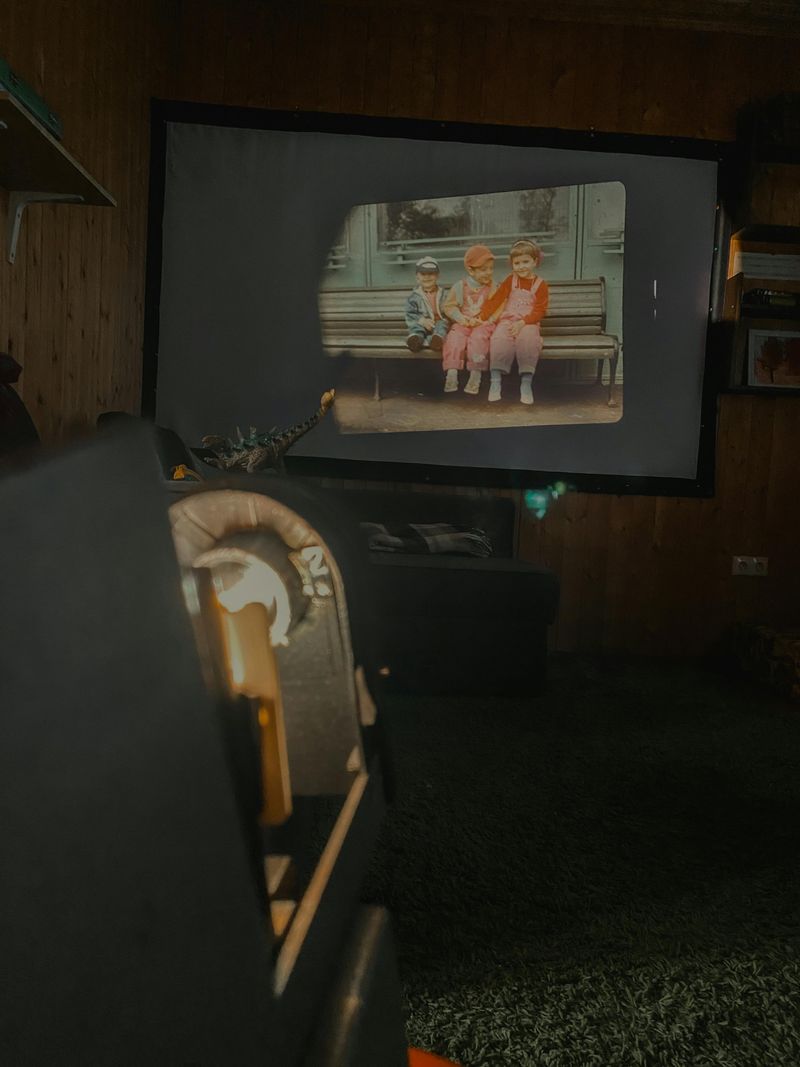
Before digital photo albums, there were slides – tiny squares of film that required an entire production to view. Dad would set up the projector, dim the lights, and suddenly your living room became a makeshift cinema.
Everyone groaned when the carousel came out, but secretly, flipping through vacation photos on the big screen felt special.
You’d see yourself frozen in bell-bottoms and bowl cuts, immortalized in Kodachrome glory.
Saturday Trips To The Mall
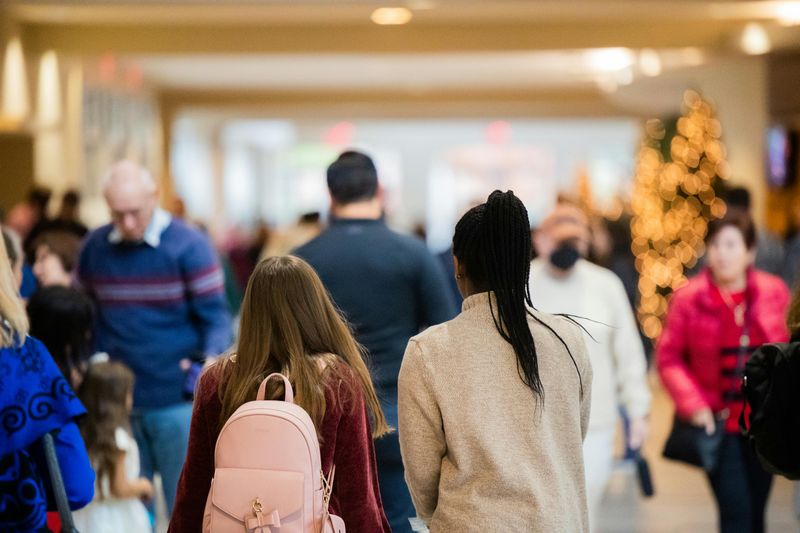
Going to the mall was an event. Families dressed up, piled into the car, and spent hours wandering through department stores, record shops, and the ever-popular Orange Julius stand.
You’d beg for quarters to ride the mechanical horse or duck into the arcade while your parents browsed Sears. The food court was a luxury, and getting a pretzel felt like hitting the jackpot.
Neighborhood Kids Showing Up Unannounced

Making plans in the ’70s meant knocking on doors and asking, “Can you come out?” No texts, no calls – just show up and hope your friend wasn’t grounded or stuck doing chores.
You’d ride your bike around the neighborhood, collecting kids like Pokémon until you had a full crew ready for kickball, hide-and-seek, or whatever adventure the day demanded. Spontaneity was the default setting.
Parents didn’t stress about it either. If someone showed up at dinnertime, they’d just set an extra plate or send you home when the streetlights came on.
Learning Patience The Hard Way
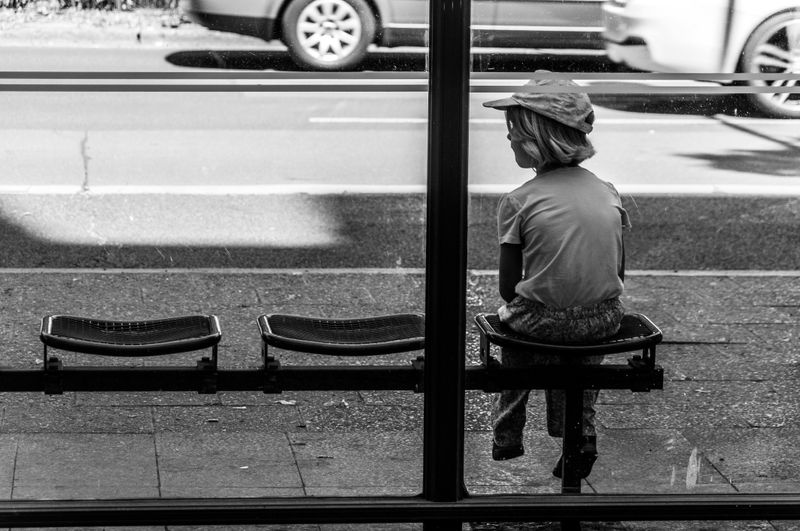
Everything in the ’70s required patience. TV shows aired once, then disappeared into the void until reruns.
Mail took days, sometimes weeks, and nobody complained because that was just life.
Waiting built character, or so adults claimed. You learned to sit still, to anticipate, to appreciate things when they finally arrived.
Instant gratification wasn’t even a concept yet – it was just… gratification, eventually.
Looking back, that slowness had a charm. You savored moments more because you couldn’t rewind or fast-forward.
Life happened in real-time, and somehow, that was perfectly fine.