14 Ways People Handle Blueberries Incorrectly Without Realizing It
Blueberries are delicious, nutritious, and surprisingly easy to mess up.
Most people don’t realize they’re making simple mistakes that ruin flavor, texture, and shelf life.
Learning the right way to handle these little berries can save you money and keep them tasting fresh and sweet for much longer.
1. Washing Them As Soon As They Get Home
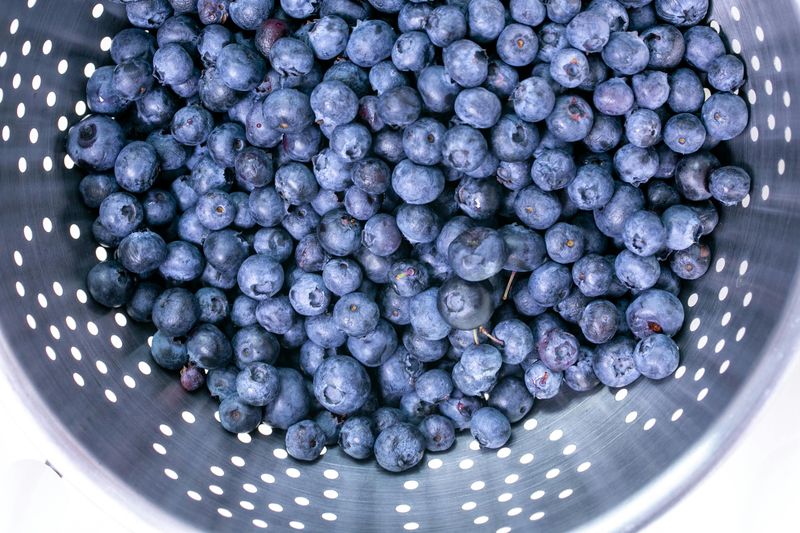
Moisture is the enemy of fresh blueberries.
When you rinse them right after buying, you’re basically inviting mold to the party early.
That extra wetness speeds up spoilage, even if you store them in the fridge.
Wait until you’re ready to eat them, then give them a quick rinse and enjoy their full, fresh flavor without the fuzz.
2. Storing Them In Sealed Containers With No Airflow
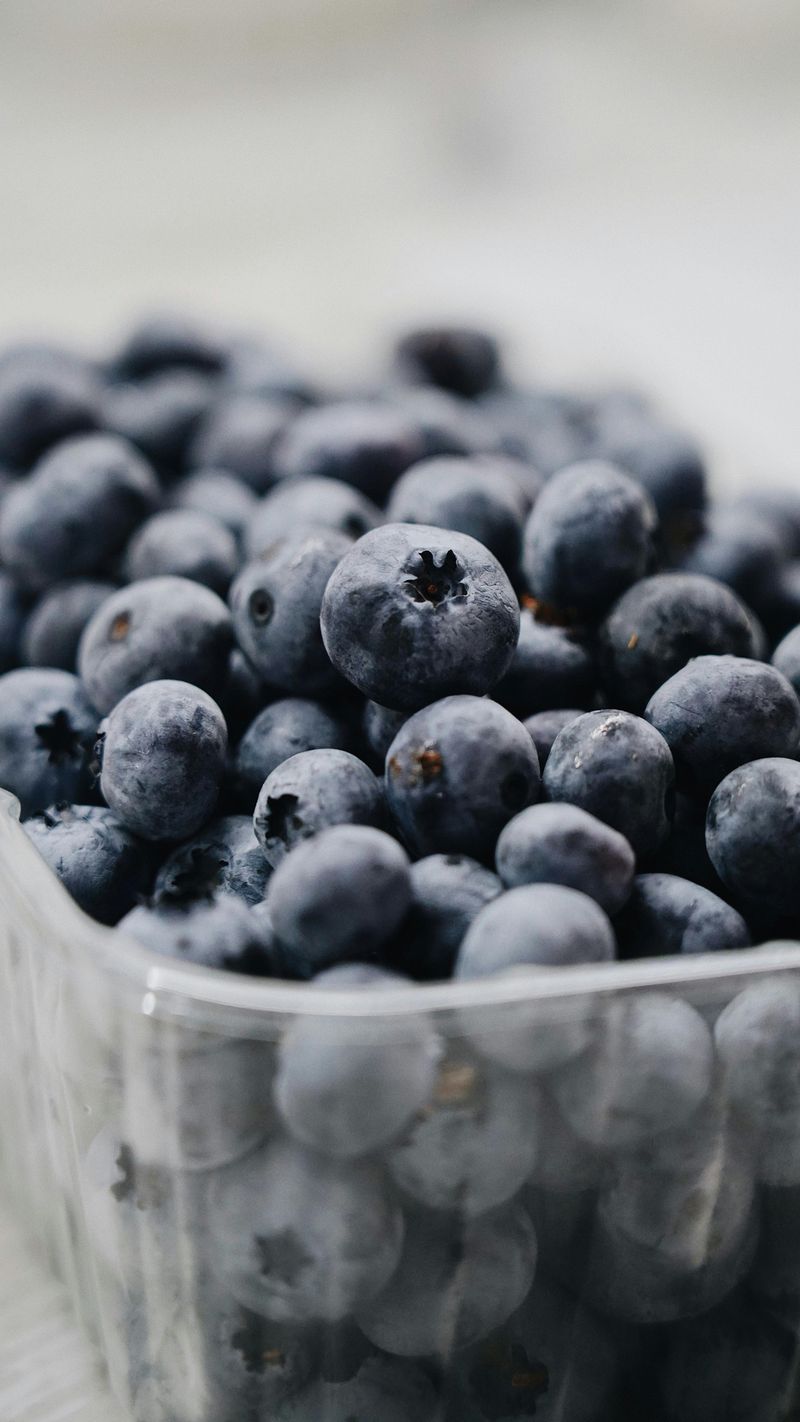
Blueberries need to breathe, just like you do.
Trapping them in airtight containers creates a humid environment that encourages mold growth.
Instead, keep them in their original vented container or transfer them to a bowl covered loosely with a paper towel.
A little air circulation goes a long way in keeping berries happy and healthy for days longer.
3. Keeping Them In The Warmest Part Of The Fridge
Your fridge door might seem convenient, but it’s actually the warmest spot in there.
Blueberries prefer cooler, more stable temperatures.
Store them toward the back of the middle or bottom shelf where it stays consistently cold.
This simple switch can add several extra days to their lifespan and keep them plump and firm instead of sad and shriveled.
4. Not Drying Them Fully After Rinsing

So you waited to wash them – smart move!
But if you skip the drying step, you’re back to square one with the moisture problem.
After rinsing, spread them on a clean kitchen towel or paper towels and pat them gently.
Let them air dry for a few minutes before eating or using them in recipes.
Dry berries equal happy berries.
5. Freezing Them Wet
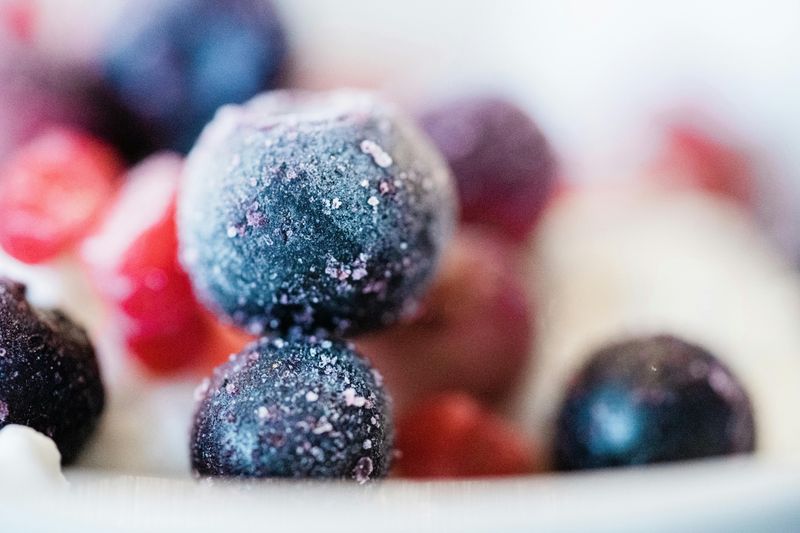
Picture this: you open your freezer and find a solid brick of blueberries frozen together.
Not ideal, right?
Water on the berries causes them to stick to each other in one giant clump.
Dry them thoroughly before freezing, then spread them on a baking sheet first.
Once individually frozen, transfer them to a bag for easy portioning later.
6. Storing Them In Plastic Bags Instead Of Breathable Packaging
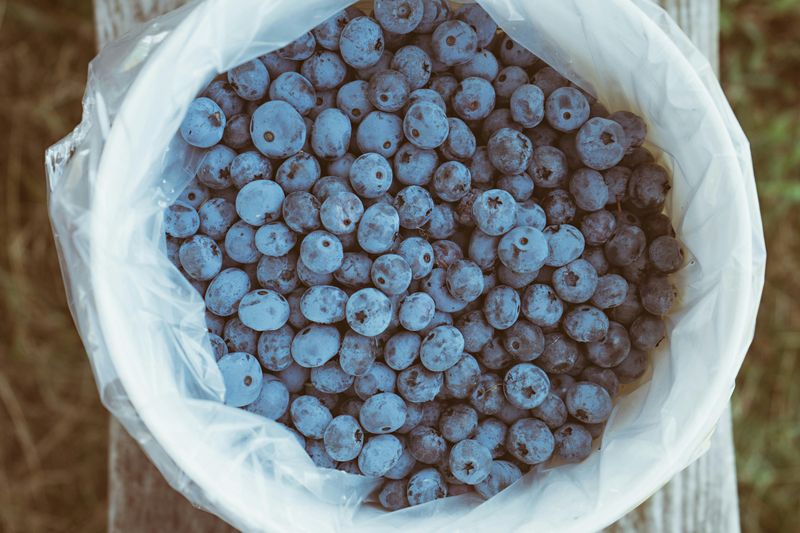
Plastic bags trap moisture like nobody’s business.
Blueberries sitting in a sealed plastic bag will turn mushy and moldy faster than you can say “smoothie time.”
Use the original vented clamshell container they came in, or transfer them to a container lined with paper towels.
Breathable packaging keeps air moving and berries fresher. It’s a tiny change with huge results.
7. Letting Them Sit On The Counter For Days
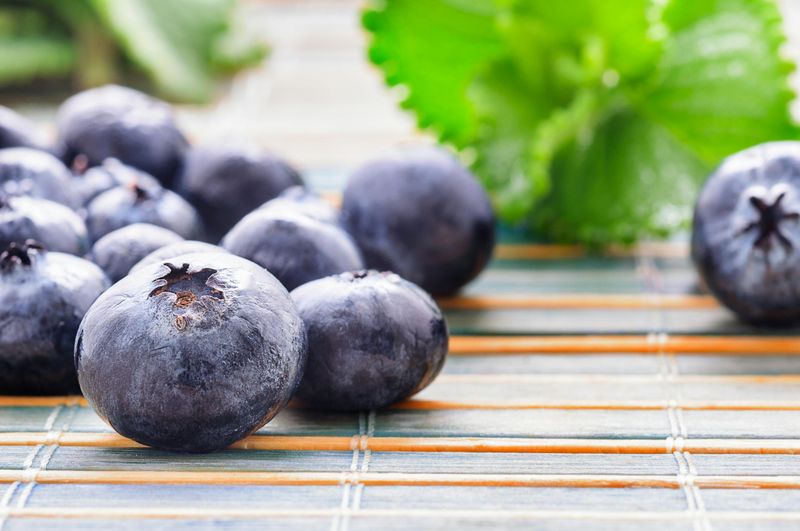
Room temperature is fine for a few hours, but blueberries aren’t meant to hang out on your counter long-term.
Heat accelerates spoilage and turns them soft and sad.
If you bought them fresh, pop them in the fridge right away.
Save the countertop for bananas and tomatoes – berries belong in the cold zone where they stay plump and flavorful.
8. Adding Them To Batter Without Tossing Them In Flour
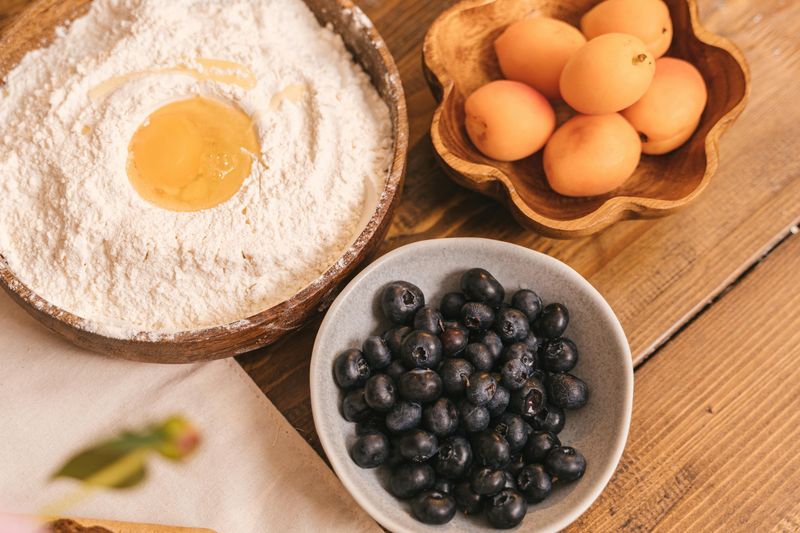
Ever wonder why your blueberries always sink to the bottom of muffins?
They’re heavy little guys, and wet batter can’t hold them up.
Toss them lightly in a tablespoon of flour before folding them in.
The flour coating helps them stay suspended throughout your baked goods, giving you perfect distribution in every bite.
9. Overmixing Them Into Baked Goods
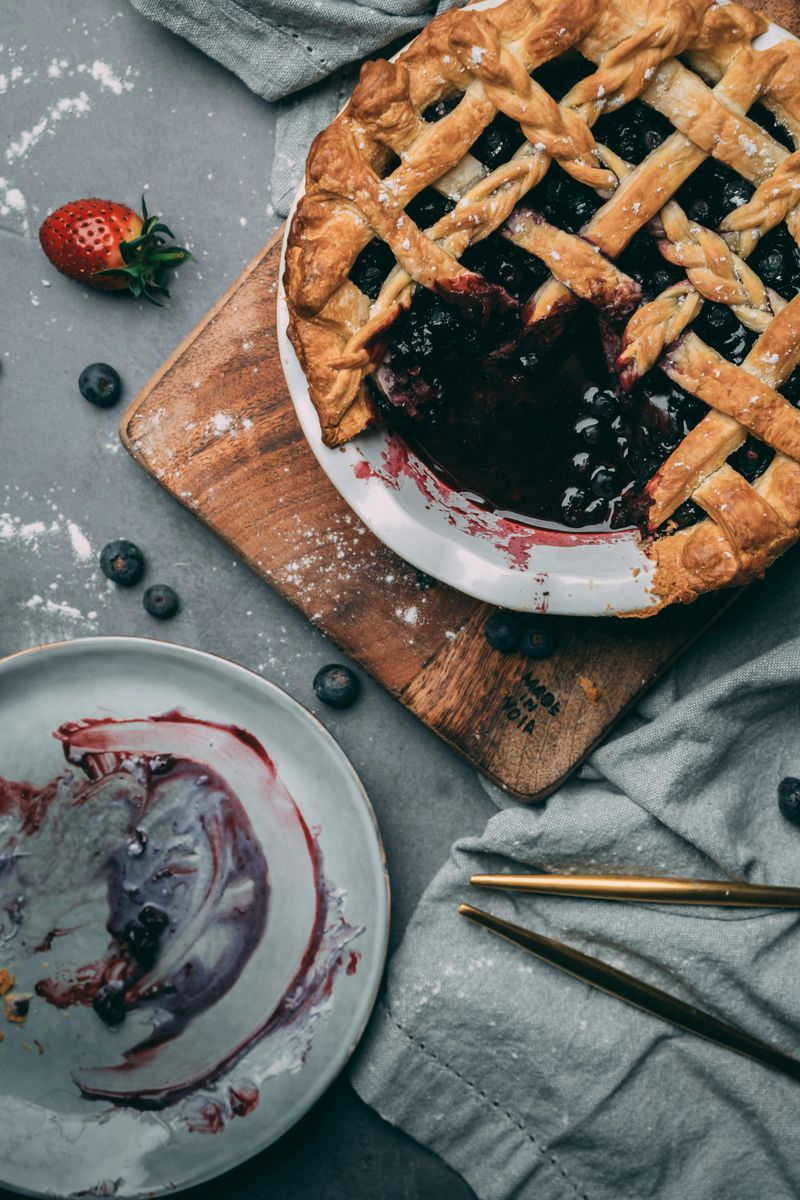
Stirring blueberries too vigorously breaks their delicate skin, releasing juice that turns your batter an unappealing gray-blue color.
Nobody wants zombie muffins.
Fold them in gently at the very end, using a spatula with slow, careful strokes.
Your batter stays pretty, your berries stay whole, and your baked goods look as good as they taste.
10. Using Mushy Berries For Salads Or Pancakes
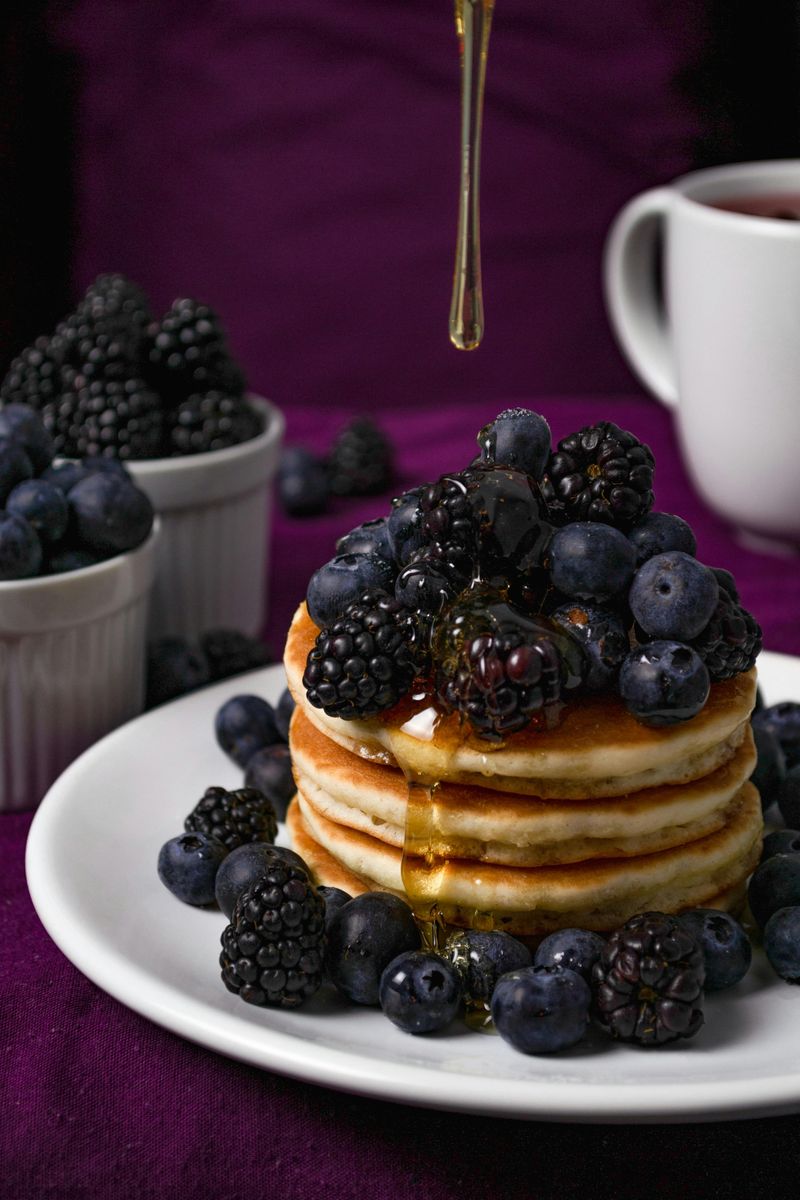
Soft, overripe blueberries might work in smoothies, but they’re terrible for dishes where texture matters.
Mushy berries collapse on pancakes and make salads soggy and sad.
Save the firm, fresh berries for these purposes and use the softer ones in sauces, jams, or blended drinks.
Matching berry texture to the recipe makes everything taste better and look more appetizing on the plate.
11. Washing Them With Hot Water

Hot water might seem like it cleans better, but it actually damages blueberries’ delicate skin.
The heat softens them and can cause them to split or lose their protective coating.
Always use cool or cold water for rinsing.
A gentle rinse under cold tap water is all they need to be clean and ready to eat. Keep it cool, and your berries stay firm.
12. Storing Them With Other Fruits That Release Moisture
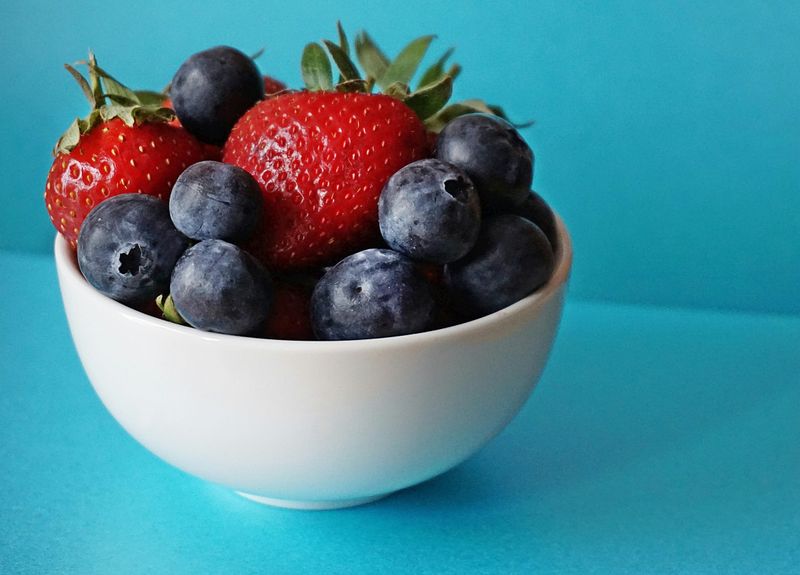
Some fruits, like strawberries and grapes, release moisture as they sit.
When stored together, that extra humidity creates the perfect breeding ground for mold on your blueberries.
Keep blueberries in their own container, separate from other fruits.
Give them their personal space in the fridge, and they’ll reward you by staying fresh and mold-free for much longer than mixed storage allows.
13. Assuming Bigger Berries Taste Better
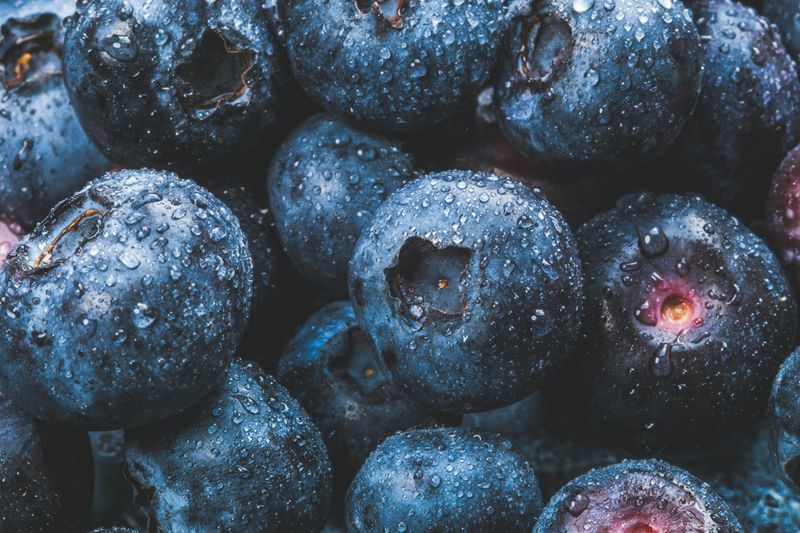
Size doesn’t equal flavor when it comes to blueberries.
In fact, smaller berries often pack more intense sweetness and flavor than their larger cousins.
Big berries can be watery and bland.
Look for firm, deeply colored berries regardless of size.
The best-tasting blueberries might be the smaller ones you’ve been overlooking.
14. Leaving Them In Tightly Closed Produce Drawers With Poor Airflow
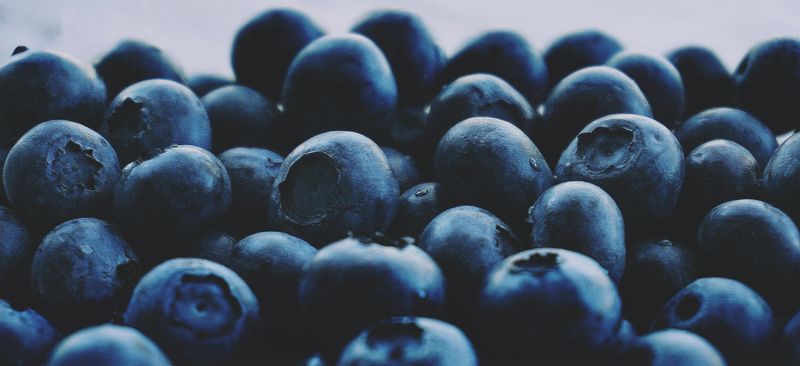
Crisper drawers are great for some produce, but if yours doesn’t have good ventilation, blueberries will suffer.
Stagnant air plus humidity equals mold city.
Either adjust the humidity settings to low or store blueberries on an open shelf instead.
They need fresh air circulation to stay dry and mold-free.
Sometimes the crisper drawer isn’t the answer for every fruit.