15 Hard Truths Running Through Harry Potter’s Story
Ah now, don’t be fooled by all the glitterin’ spells and broomsticks zoomin’ about.
There’s more to that castle than feasts and fireworks, I can tell yeh that. Under all them floating candles and enchanted ceilings, there’s loss that stings, fear that bites, and heroes who don’t always get it right.
Even the grown-ups make a mess of things sometimes, and fairness… well, it doesn’t always show up when yeh call for it.
That’s the real magic, see. Not just the wand-wavin’, but the way the story tells the truth, even when it hurts a bit.
Keep readin’, and yeh’ll start noticin’ the parts that hit hardest when the spells stop sparklin’.
Disclaimer: This article discusses themes and interpretations found throughout the Harry Potter series and reflects commentary on storytelling elements, character choices, and recurring motifs.
1. Ordinary Life Can Vanish Overnight

A letter drops through the mail slot, and everything shifts.
Stability crumbles faster than anyone expects, especially for kids who already felt like outsiders. One moment you are folding laundry or pouring cereal, the next you are packing a trunk for a castle no map can find.
Normal becomes a memory you cannot quite touch anymore. Change rarely asks permission, and childhood safety nets can disappear fast.
2. Belonging Often Arrives After Years Of Loneliness

Friendship at Hogwarts feels like walking into a warm kitchen after hours in the cold. You do not earn it by being flawless or saying the right thing every time.
Connection shows up messy, loud, and imperfect.
Ron shares sweets on the train, Hermione corrects your pronunciation, and suddenly you have people who notice when you are missing. Belonging is not a prize for good behavior; it is grace after a long wait.
3. Adults With Power Do Not Always Protect Kids
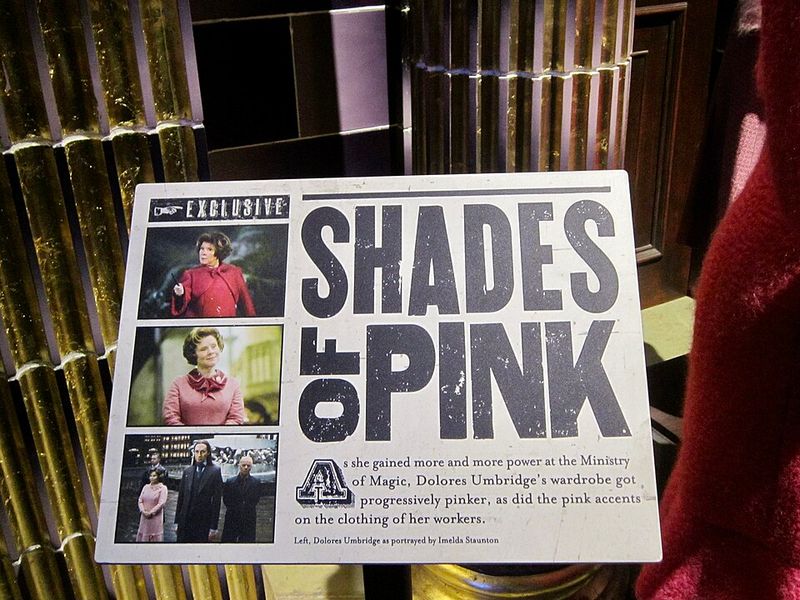
Ministries wear fancy robes and make speeches about safety. Schools hang house banners and talk about honor.
Yet when danger knocks, those same institutions look the other way or shuffle papers instead of stepping in.
Fame, titles, and marble staircases mean nothing if the people in charge choose comfort over courage. Kids learn quickly that authority figures can still leave them stranded.
4. Rules Get Enforced Unevenly
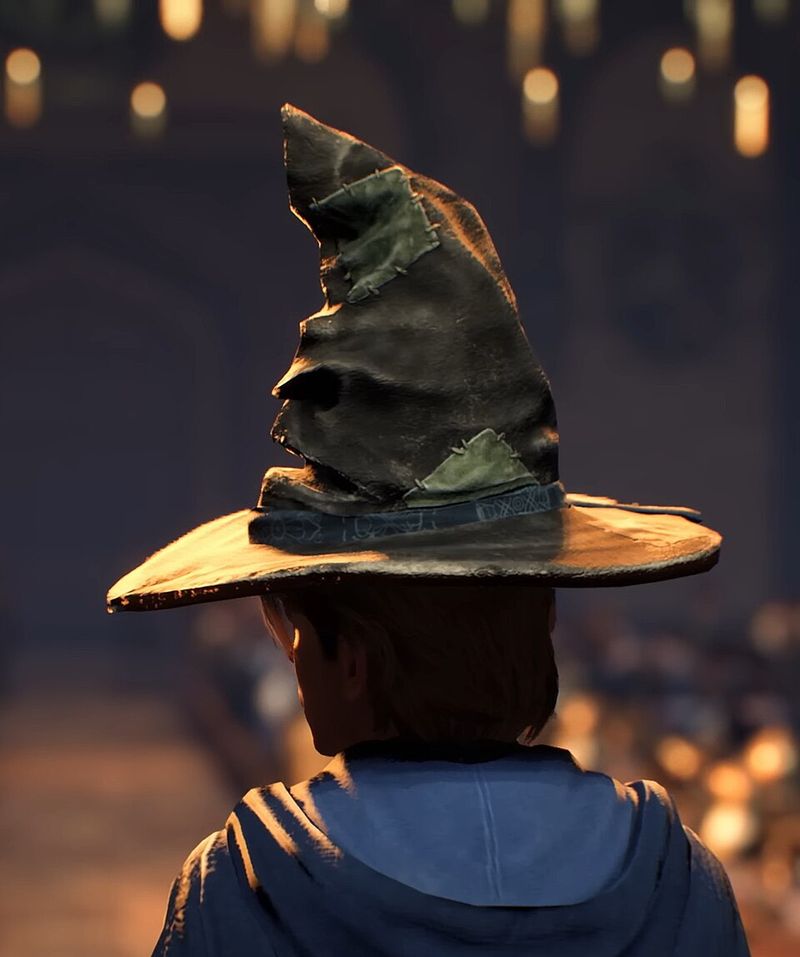
House points vanish for one kid, yet another walks away untouched for the same mistake.
Detention lands on certain names while privilege buys a free pass.
Even a place that celebrates bravery and loyalty can play favorites when it suits the adults in charge. Fairness turns out to be negotiable, and status writes its own rulebook.
You learn to watch who gets called out and who gets excused.
5. Prejudice Hides Behind Tradition
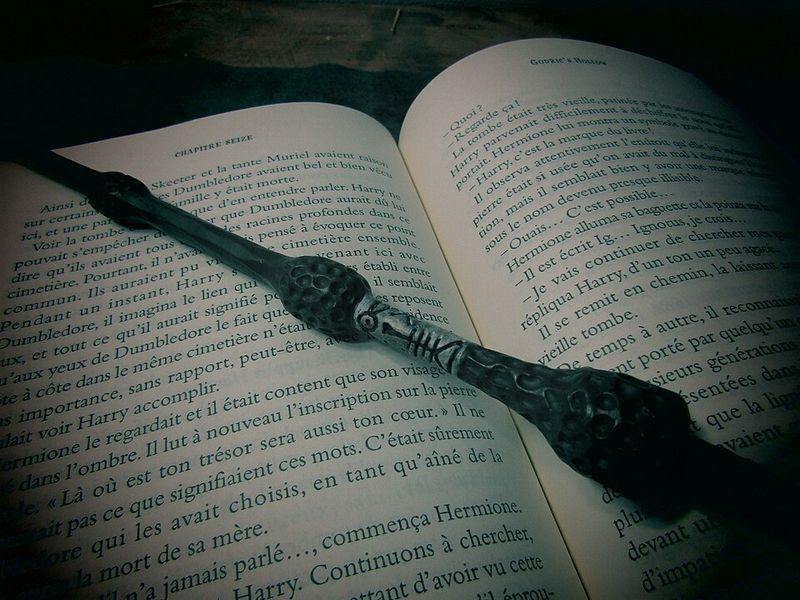
Bl*od purity talk wraps itself in velvet robes and ancient family crests, pretending to be about pride instead of hate.
Bigotry borrows the language of legacy, calling exclusion “standards” and cruelty “proper upbringing.”
Tradition becomes the excuse for keeping some people out and others on top. Heritage sounds noble until you see whose names get burned off the family tree and whose voices never make it into the history books.
6. Fear Spreads Faster Than Facts
Panic does not wait for proof.
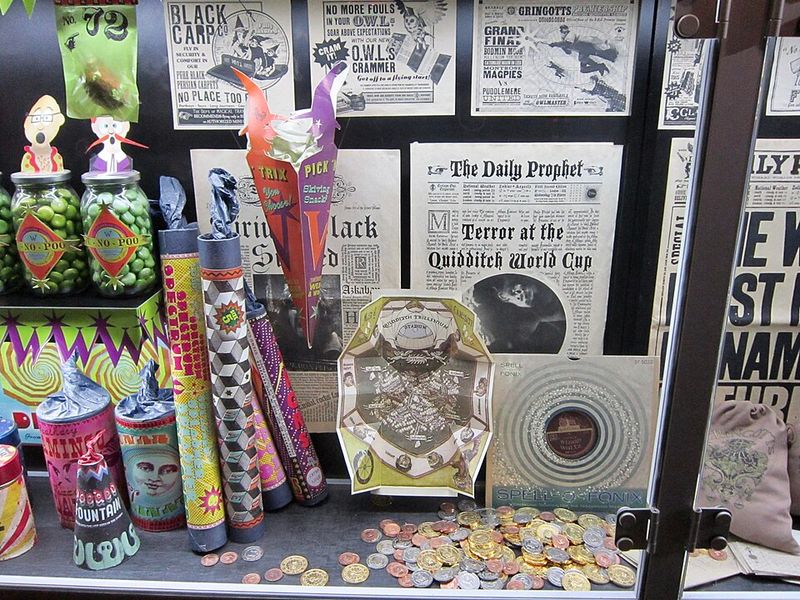
Rumors leap from table to table in the Great Hall, turning whispers into policy by breakfast. People start accepting cruelty because it feels safer than admitting they are scared and do not know what to do.
Fear rewrites the rules faster than any spell, and once it takes hold, facts have to shout twice as loud just to be heard. Lies travel light; truth carries footnotes nobody wants to read.
7. Grief Never Fully Wraps Up
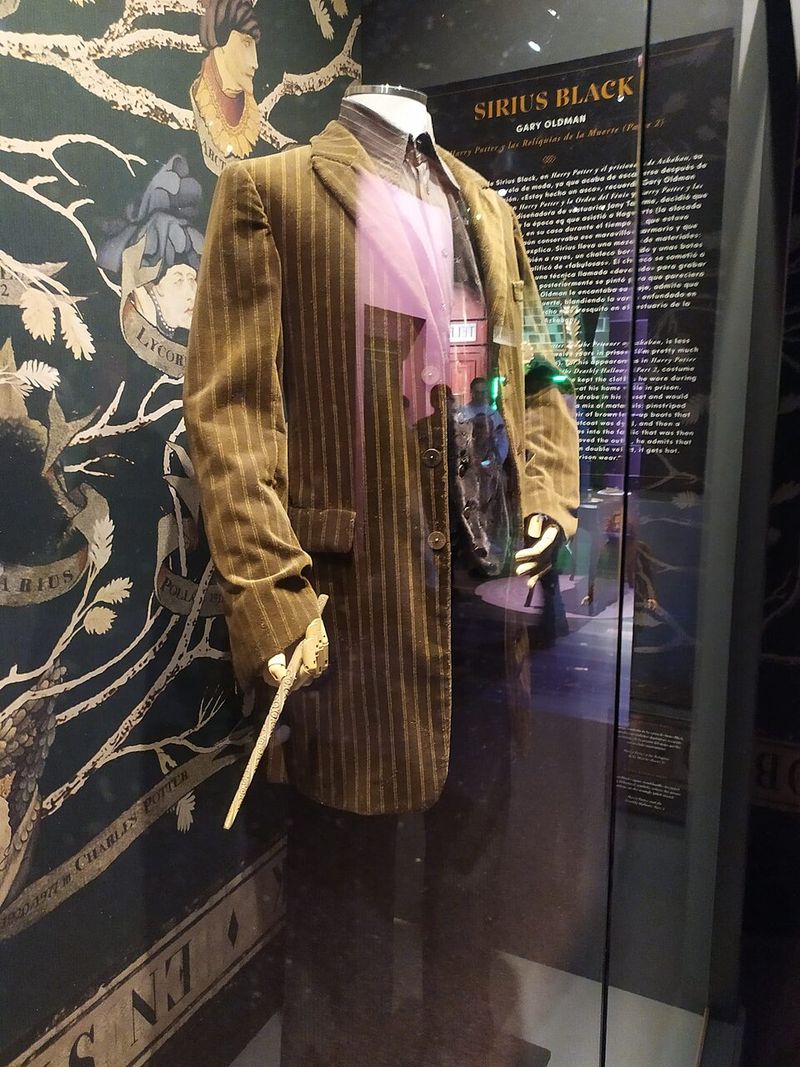
Grief refuses to pack its bags and disappear after the funeral. Random Tuesdays, Quidditch matches, and even the simple act of stirring sugar into tea can summon sadness without warning.
Laughter with friends does not erase the ache humming beneath the surface.
Healing rarely resembles flipping a calendar page or neatly moving on. Over time, loss settles into the landscape as a quiet companion, sharing space with joy and never asking permission to remain.
8. Courage Does Not Always Look Heroic
What does bravery actually look like when no one is cheering?
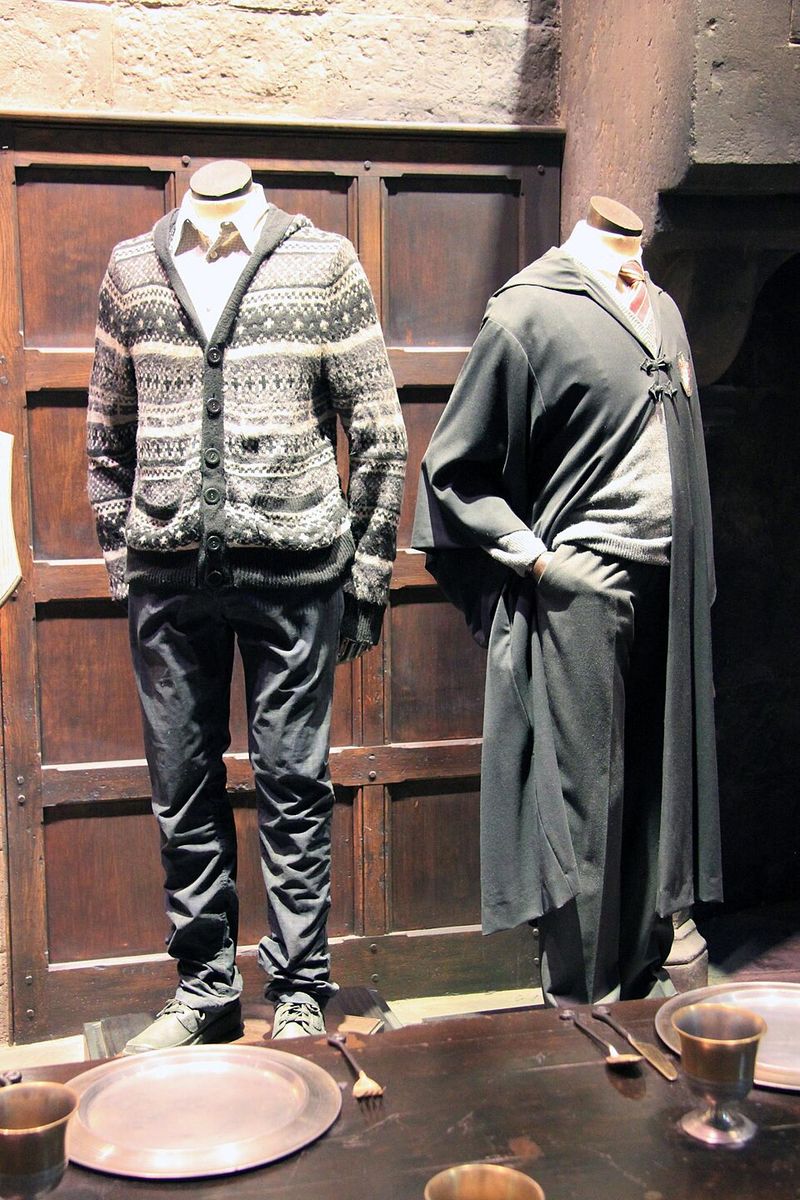
Stuttered words and sweaty palms often tell the real story. Neville standing up to friends, voice cracking and knees wobbling, carries as much weight as any dramatic duel.
Heroism does not require a swelling soundtrack or flawless timing. Small choices matter when consequences feel enormous, and courage often means doing the right thing while fear refuses to fade.
Messy and unglamorous moments in forgotten hallways frequently hold the truest examples of bravery.
9. Love Can Be Present And Still Be Complicated
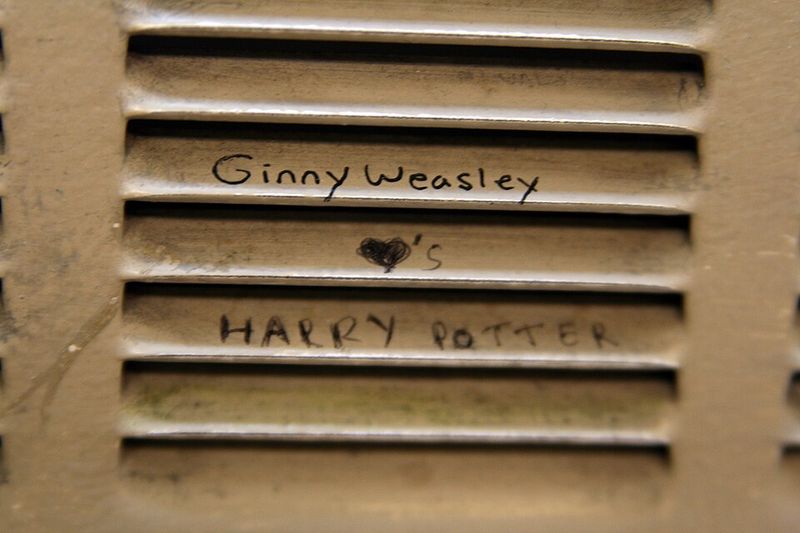
Care arrives through flawed people who yell, make bad calls, and forget to say the right thing at the right time.
Good intentions do not erase the hurt left behind.
Molly Weasley fusses and smothers, Sirius offers freedom tangled with recklessness, and Dumbledore keeps secrets that sting. Love is real and messy at the same time, and you can feel grateful and frustrated in the same breath.
10. Talent Never Guarantees Integrity
Brilliance walks hand in hand with cruelty more often than anyone wants to admit. Charm disguises danger for years, and wit becomes a weapon instead of a gift.
Lockhart dazzles crowds while being utterly useless.
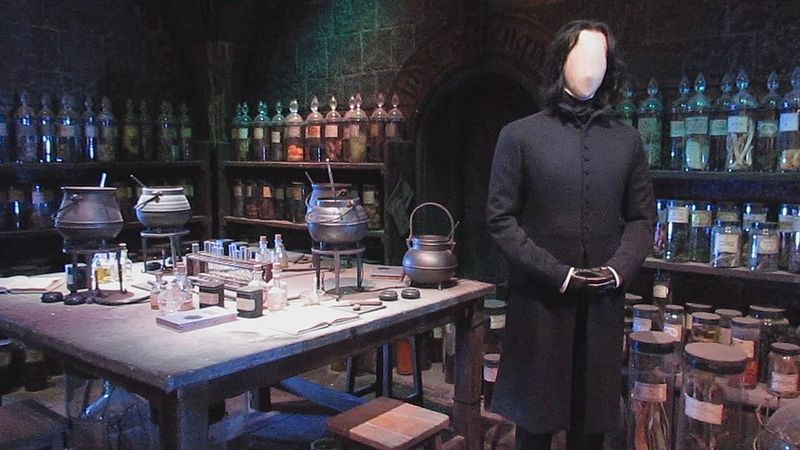
Snape masters potions and poisons hearts with equal skill. Intelligence does not come with a moral compass, and charisma can hide rot until it is too late to step back safely.
11. Secrets Feel Protective, Then Turn Corrosive
Silence starts as armor, a way to survive without explaining every scar. You keep quiet to protect yourself or someone else, and it feels like control.
Then the weight grows.
Secrets become walls between you and the people you love, breeding mistrust and distance. What began as survival turns into isolation, and suddenly you are carrying something too heavy to set down or share.
12. Choices Matter More Than Destiny

Do prophecies truly control outcomes, or do they simply create noise and expectation? Pressure and headlines may follow a prediction, yet the ending remains unwritten by fate alone.
One villain chose to hunt a baby because of a prophecy, while Harry chose to walk into the forest.
Stage directions may come from destiny, but moral direction emerges from personal decisions that shape identity. Whispers from fortune tellers fade quickly compared to the force of character.
Free will stands as the deeper magic, unpredictable and more powerful than any crystal ball.
13. Power Always Asks For A Price

Authority whispers promises of safety, order, and control, then hands you a bill you did not see coming.
People twist rules to suit themselves, justify cruelty as necessity, and call ambition vision.
The Ministry, the Death Eaters, even Dumbledore at his worst, all show how power tempts everyone into shortcuts and self-justification. Control costs more than anyone admits upfront, and the price usually gets paid by someone else.
14. Death Stays Real, Even In A Magical World
Magic can heal wounds, brew luck, and turn teacups into tortoises, yet it cannot bring anyone back.
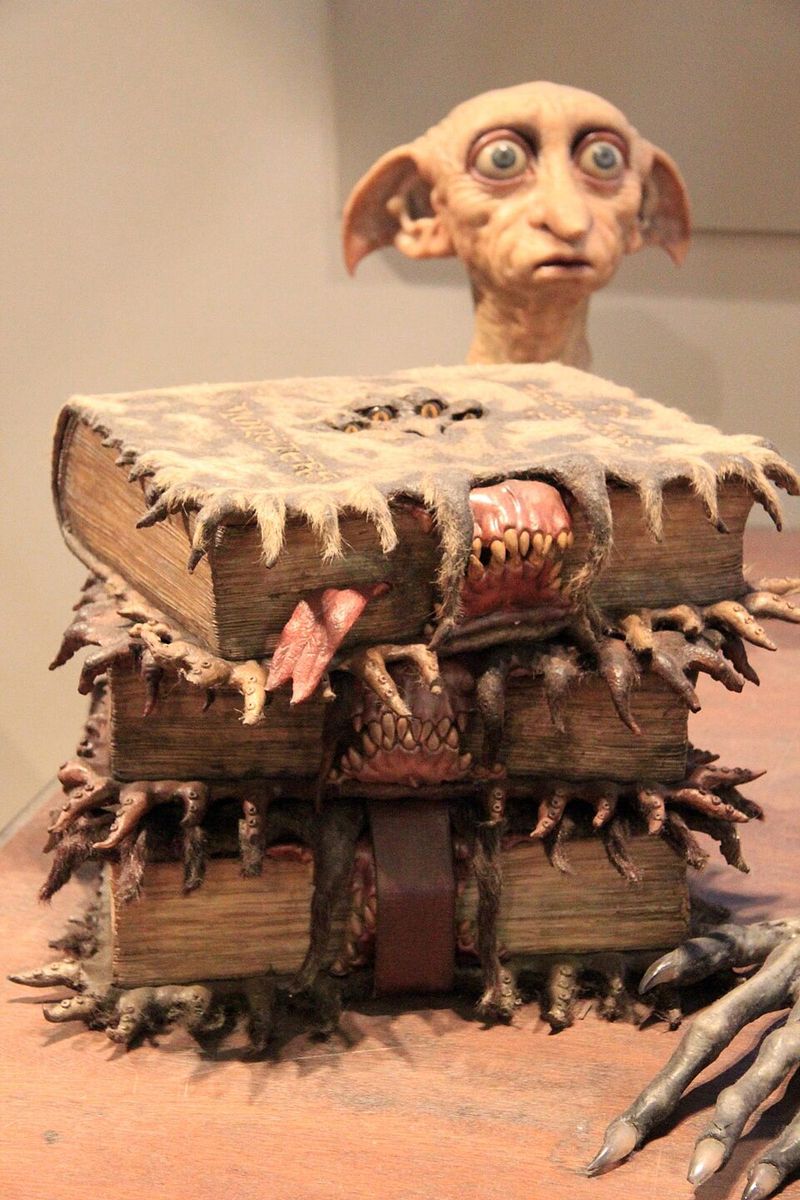
Loss sits at the center of the saga, shaping how characters love, lead, and forgive. Cedric, Sirius, Fred, and Dobby do not get encores or do-overs.
Grief is not a puzzle to solve with the right spell. Mortality gives weight to every choice, every goodbye, and every moment of grace.
15. Growing Up Means Carrying The Hard Parts Forward

Survival does not reset anyone to “before.”
Trauma leaves marks, and healing looks like learning to live with scars instead of pretending they never happened. Harry does not walk away unscathed, and neither does anyone else who fought.
Growing up means carrying the hard parts forward, finding ways to build a life that makes room for both joy and the weight of what you have been through.