The Harry Potter Details That Hit Differently As An Adult
Growing up with Harry Potter felt like pure magic, right?
The adventures, the friendships, the spells, all of it seemed perfectly designed for young readers chasing wonder.
But here is the thing nobody warns you about: going back to Hogwarts as an adult is a completely different experience.
Suddenly, the story you thought you knew starts whispering things it never said before, and some of those whispers are genuinely heartbreaking.
1. Harry Was Failed By Nearly Every Adult Around Him

Before the letters started flying and Hagrid showed up with birthday cake, Harry Potter spent a decade being quietly failed.
Not just by the Dursleys, but by an entire system of adults who knew what was happening and chose to look away.
Dumbledore knew. Teachers at Hogwarts could see the signs. Yet Harry was left in that house, year after year, because it was convenient for the greater plan.
As a kid, the cupboard under the stairs just felt like a setup for the underdog story. As an adult? It feels like a red flag that nobody wanted to flag.
2. Dumbledore Was Playing Chess With Real People

First-time readers see Dumbledore as the wise grandfather figure every kid secretly wishes they had. He is warm, a little quirky, and always seems to know what to do.
The twinkle in his eye feels reassuring.
Reread those books as an adult, though, and that twinkle starts looking a lot more calculating. He withholds crucial information from Harry constantly.
He designs a plan that requires a teenager to walk toward his own passing and never fully explains why. How many times did he choose the mission over the boy? More than is comfortable to count, honestly.
3. Snape Is Not A Hero Or A Villain. He Is Something Messier.

Younger fans tend to land on one side of the Snape debate pretty firmly. Either he is the ultimate secret hero or an irredeemable bully.
Both camps argue passionately online. Both camps are kind of missing the point.
Watching as an adult, Snape reads more like a man who never healed from his own wounds and passed that damage onto the children around him.
His love for Lily was real, but it did not excuse years of targeting an eleven-year-old for his father’s sins.
4. Remus Lupin’s Life Was One Long Quiet Tragedy

If you were ten years old when you first met Professor Lupin, you probably thought he was just the coolest Defense Against the Dark Arts teacher Hogwarts ever had.
Chocolate for trauma? Groundbreaking teaching method.
However, reading his story with adult eyes is a different kind of sad. He lost his best friends, spent years in poverty because no one would hire a werewolf, and carried a deep shame he never fully let go of.
Even his happiest moments were shadowed by instability. His passing in the Battle of Hogwarts, leaving behind a newborn son, lands like a punch now.
5. Sirius Black Was Brave, Broken, And Emotionally Frozen
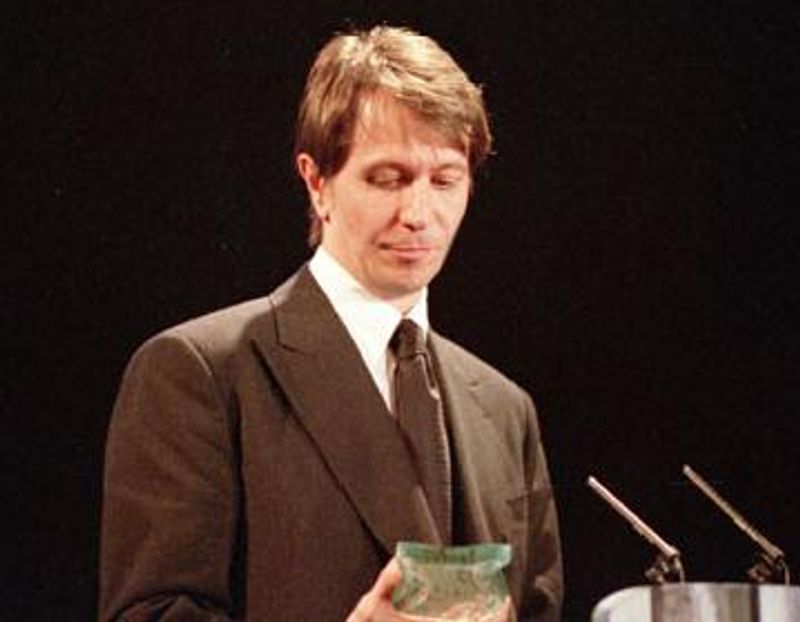
Sirius Black is absolutely the coolest adult in the series on first read. He rides a flying motorcycle, escaped Azkaban, and is Harry’s godfather. What is not to love?
Older readers start noticing the cracks, though. Sirius never really grew past the version of himself that existed before Azkaban.
He projected his own feelings onto Harry constantly, sometimes treating him more like a replacement for James than his own person.
His recklessness in Order of the Phoenix reads less like bravery and more like someone who had been stripped of everything and was running toward danger.
6. The Weasleys Were Giving Everything They Had

The Burrow always felt like the ultimate dream house growing up. Slightly chaotic, full of magic, and overflowing with warmth. Of course Harry wanted to spend every summer there.
What hits differently now is what it actually cost the Weasleys to keep that door open. Arthur and Molly were raising seven kids on a single modest Ministry salary.
Clothes were handed down. Vacations were rare. Yet they never hesitated to take Harry in, feed him, include him in family photos, and make him feel genuinely chosen.
That kind of generosity, offered without fanfare, is one of the most quietly powerful things in the entire series.
7. Neville Longbottom’s Story Is Actually Devastating

Poor Neville. He started the series as the kid who kept forgetting things and melting cauldrons.
Easy to overlook. Easy to laugh with, maybe a little at. Then you find out his parents were tortured into insanity. They are still alive but cannot recognize him.
His grandmother raised him under constant pressure to live up to a legacy he was told he did not have.
Yet Neville showed up anyway, every single year, scared but present. By the time he pulls that sword out of the Sorting Hat in the final battle, every adult reader has earned that moment right along with him.
8. Dolores Umbridge Is Scarier Than Voldemort
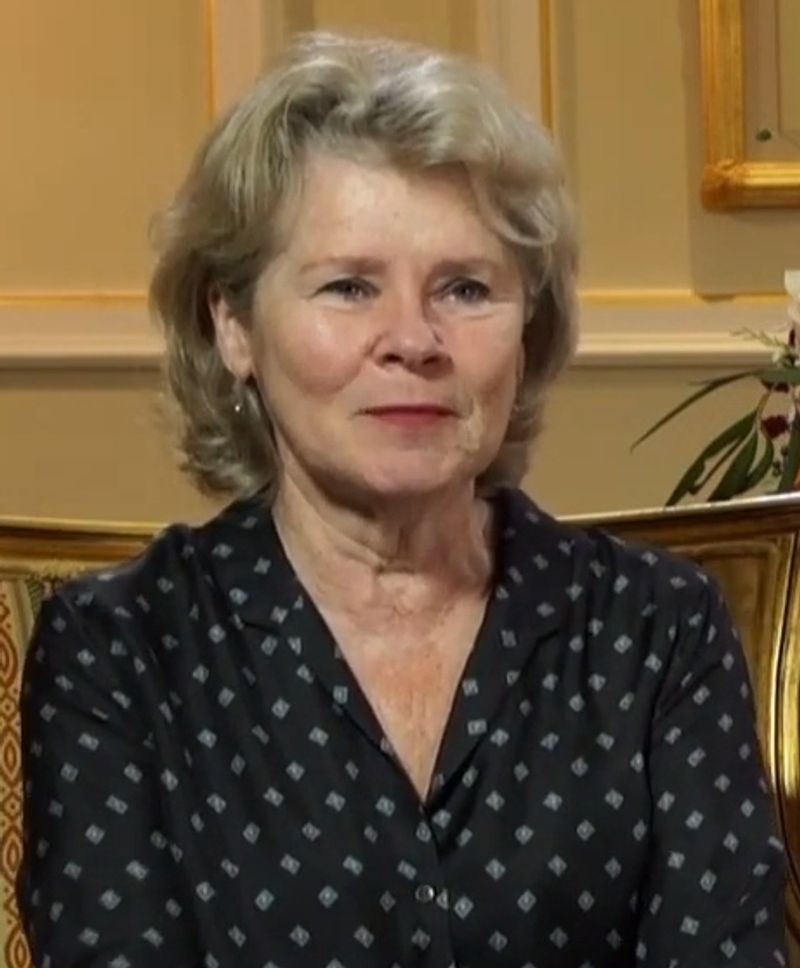
Voldemort is terrifying in the way that a hurricane is terrifying. Enormous, obvious, and hard to ignore.
You know the threat when you see it. Umbridge operates completely differently.
She is small and polite, wears pink and collects kitten plates while using a sickly sweet voice to deliver cruelty. Most chillingly, she has institutional power backing every horrible thing she does.
Adults recognize her type immediately, because most of us have encountered her equivalent at some point.
9. Fred and George Were So Much More Than Comic Relief

Their job in the early books seems clear enough: make everyone laugh and exit dramatically on broomsticks. And honestly? They nailed it every single time.
Look closer as an adult, though, and something sharper comes into focus. Fred and George built an entire business from scratch while still in school.
They read people brilliantly. They showed up emotionally for the people they loved, often without being asked.
When Fred passed away, the series lost something irreplaceable, and the grief that followed felt enormous precisely because he had always made everything feel lighter.
10. Hermione Was Basically Running Everything

Yes, she is the smart one, everyone knows that. The hand always raised, the answer always ready, the grades always perfect. That part is obvious from page one.
What becomes clearer later is just how much invisible labor Hermione was actually carrying.
She planned the logistics, did the research, kept the group from falling apart emotionally during the most brutal stretches of the seventh book.
She even modified her parents’ memories to protect them and then went back to school like that was fine.
How many times did Harry and Ron’s plans succeed specifically because Hermione had already quietly solved the hard part?
11. Ron’s Insecurities Hit Closer To Home As You Get Older

At first, Ron’s jealousy and self-doubt can feel frustrating. He has great friends, a loving family, and he is literally best friends with the most famous wizard alive. Why the constant insecurity?
Grow up a little, and suddenly Ron makes complete sense. He is the sixth child in a family of remarkable people, always measured against siblings who seemed to shine more effortlessly.
His family loves him deeply but does not always see how much he is struggling.
Growing up feeling like the background character in someone else’s story leaves marks that do not disappear just because good things happen.
12. Hagrid’s Love Did Not Make The Adults Around Harry Responsible

Hagrid is pure heart. Absolutely nobody is arguing otherwise.
He showed up on Harry’s birthday with a motorbike and a slightly squashed cake and immediately became one of the most beloved characters in modern fiction.
However, rewatching with adult eyes means noticing something uncomfortable alongside all that warmth.
Hagrid regularly led Harry into dangerous situations, sometimes because he could not keep a secret, sometimes because his enthusiasm outpaced his judgment.
He is loyal to a fault, but loyalty is not the same as protection.
13. The Ending Is Full Of Grief Dressed Up As Victory
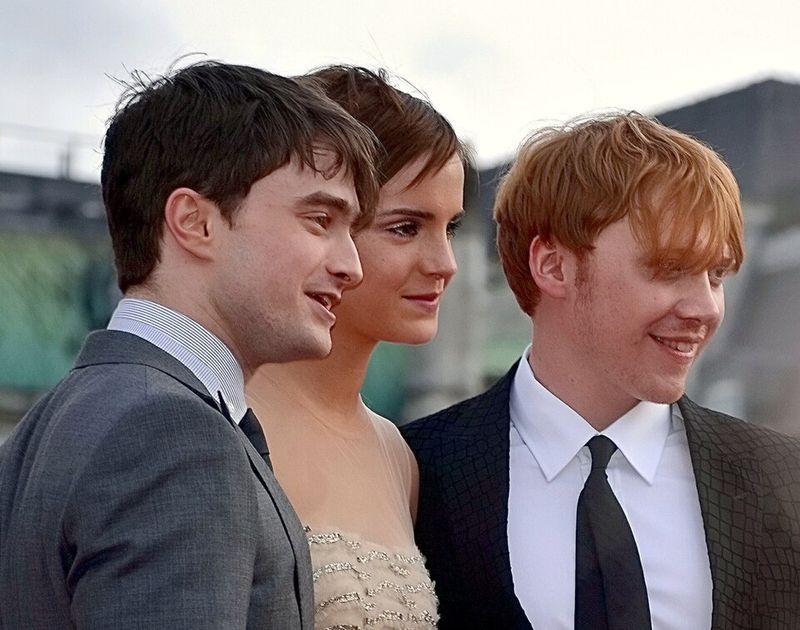
When the series ends, younger readers feel the triumph. Voldemort is gone. Harry survives. Good wins. Cue the emotional music and the epilogue with everyone boarding the Hogwarts Express.
Older readers sit with what the victory actually cost. Fred is gone. Lupin and Tonks are gone, leaving a newborn son behind. Fifty others passed in a single night.
Harry carries years of trauma he never truly processed. The epilogue skips directly to a tidy future, but the grief underneath never really gets its moment.
Survival is not the same as healing. As an adult, that distinction is one of the most honest things the series ever whispered.