15 Ways Watching All 8 Harry Potter Movies In Order Changes The Experience
Grab your butterbeer and clear your weekend schedule, because watching all eight Harry Potter movies back to back is a completely different adventure than catching random ones on TV.
When you follow Harry from that very first letter tumbling out of the fireplace all the way to the final battle at Hogwarts, something magical happens to the whole story.
Connections you never noticed before suddenly pop up, characters feel richer, and moments that once seemed small suddenly hit like a Bludger to the chest.
Trust us, once you watch them in order, there is no going back.
1. Harry’s Growth Feels Much Bigger

Picture a wide-eyed kid who barely knows what a wand is, stumbling onto a magical train for the first time.
Now picture that same person standing in the ruins of a school, ready to sacrifice everything. Watching all eight films in order makes that transformation feel genuinely earned.
The gap between curious 11-year-old Harry and war-tested 17-year-old Harry is enormous. You feel every hard lesson, every loss, and every brave choice stacking up across the films.
It stops feeling like a movie marathon and starts feeling like watching someone actually grow up right before your eyes.
2. Hogwarts Changes With Him

Hogwarts starts out feeling like the coolest place on Earth.
Moving staircases, talking portraits, a ceiling that shows the actual sky. Watching in order, you start noticing the school itself slowly changing alongside Harry.
By the later films, those same hallways feel shadowy and tense, the feasts get quieter and the smiles get rarer. How a building can carry so much emotional weight is honestly impressive filmmaking.
Watching straight through makes Hogwarts feel less like a backdrop and more like a character with its own story to tell, one that shifts from wonder to heartbreak in the most gut-punching way possible.
3. The Tone Darkens More Naturally
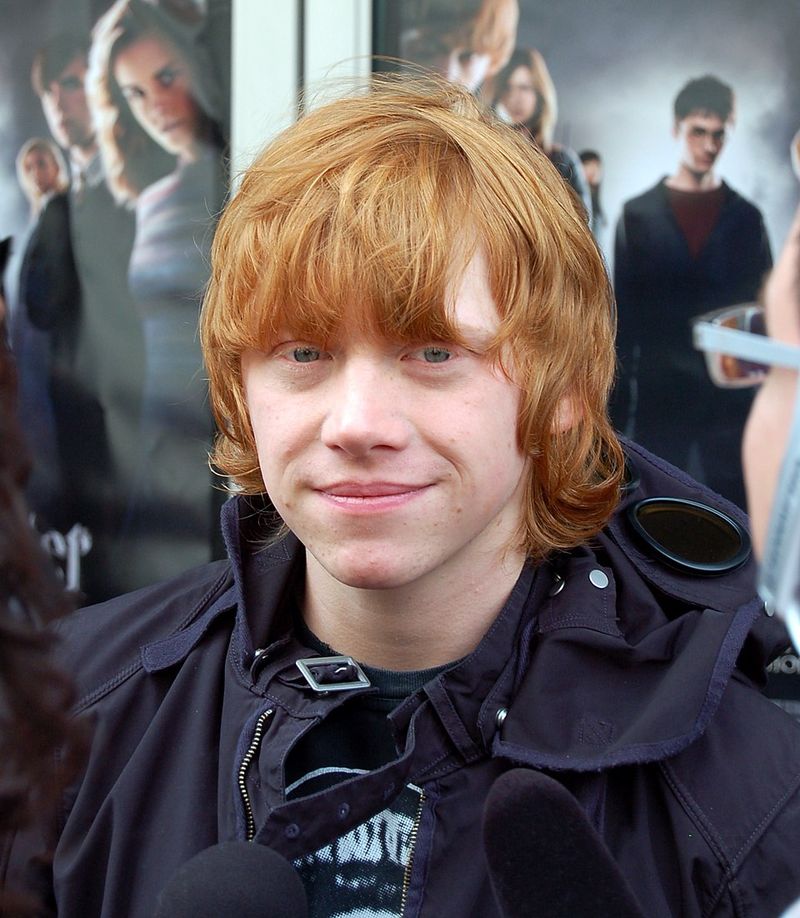
Remember how sunny and playful the first film feels? Kids chasing a flying key, a troll in the bathroom, Ron’s hilarious chess face.
Watching from the start makes the gradual shift toward fear and grief feel smooth rather than jarring. If you jump straight into Goblet of Fire or Order of the Phoenix, the darker tone can feel almost shocking.
Each film adds just a little more shadow, a little more weight, building something that feels less like a fantasy series and more like a coming-of-age war story.
4. Small Introductions Carry More Weight
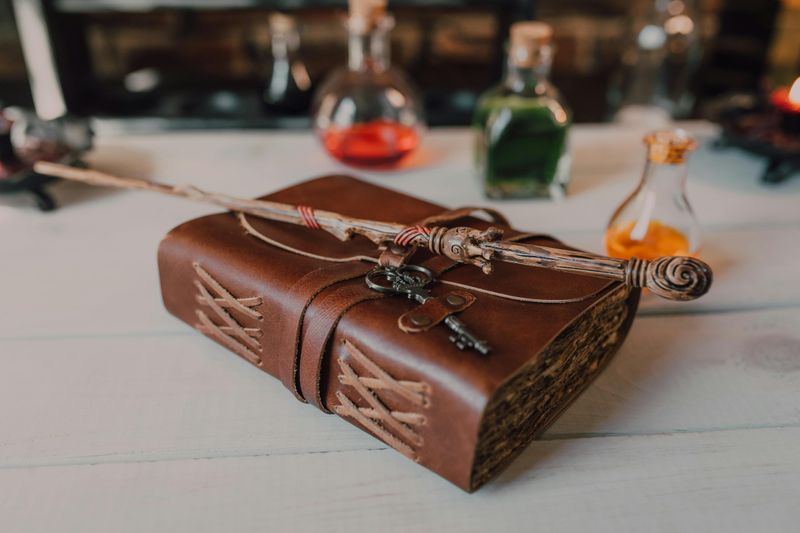
A random diary in Chamber of Secrets. A locket glimpsed in a cabinet during Order of the Phoenix. A seemingly throwaway mention of Horcruxes.
These moments feel like background noise the first time around, but watch in order and suddenly they feel electric.
Knowing where these small details eventually lead makes early scenes feel like little gifts hidden inside the story. It is like the filmmakers were winking at you the whole time.
Watching sequentially turns casual viewers into detectives who spot clues hiding in plain sight throughout the entire series.
5. Snape Becomes Even More Complicated
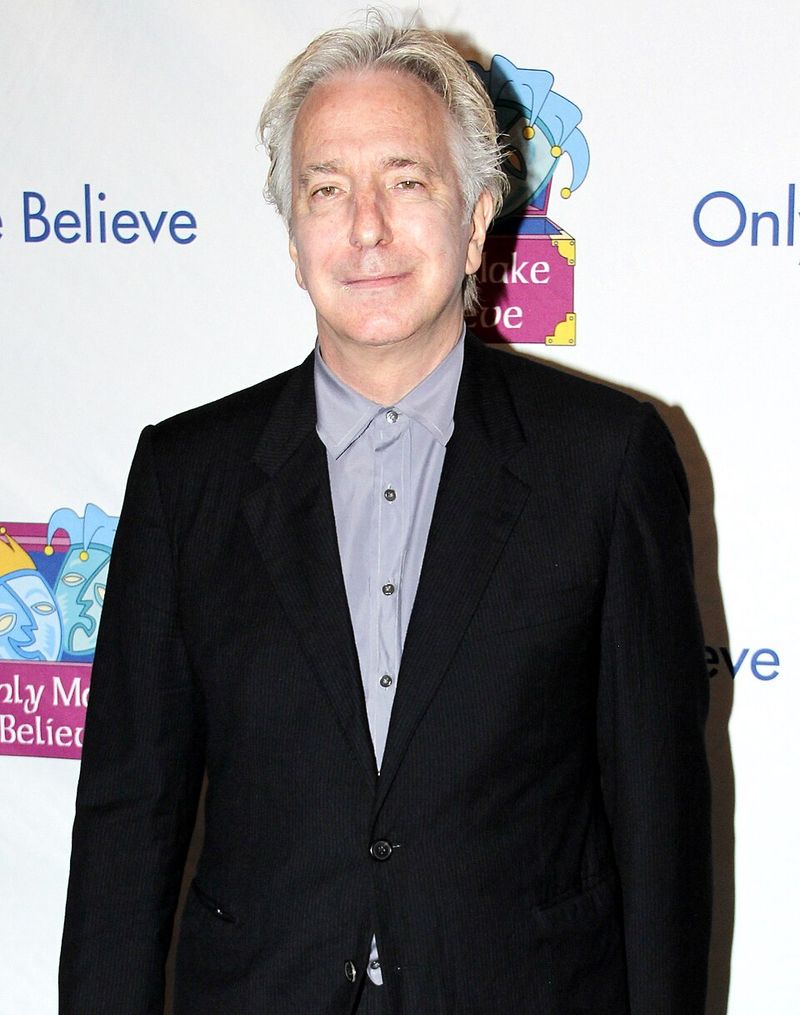
Few characters in movie history flip the script quite like Severus Snape.
On a casual watch, he reads as the cold, sneering villain of the piece. However, watching all eight films in order turns every sharp glance and cutting remark into something far more layered.
You start noticing the moments where he quietly protects Harry, even while insulting him out loud. The tension between his actions and his attitude becomes genuinely fascinating.
By the time his full story arrives it hits completely differently. Watching in order makes his arc one of the most emotionally complicated in the entire series.
6. Dumbledore Feels Less Like A Guide And More Like A Strategist
Dumbledore seems like the ultimate wise mentor figure in the early films. Warm, twinkly, full of reassuring speeches.
However, watching all eight in sequence reveals a much more calculated side of the beloved headmaster. He knows far more than he lets on, and he chooses very carefully what to share and when.
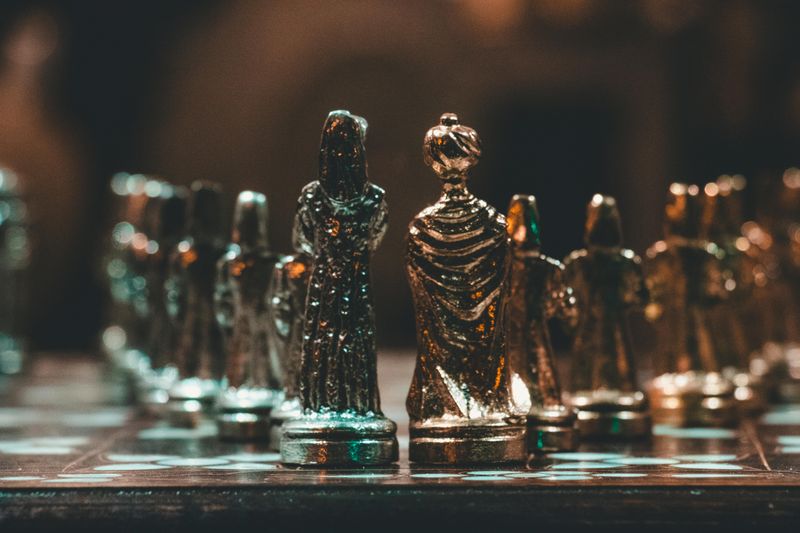
The chess-master version of Dumbledore becomes impossible to ignore once you watch straight through.
How many times does he steer events from a distance rather than stepping in directly? Quite a few, honestly.
7. Friendship Becomes The Emotional Backbone
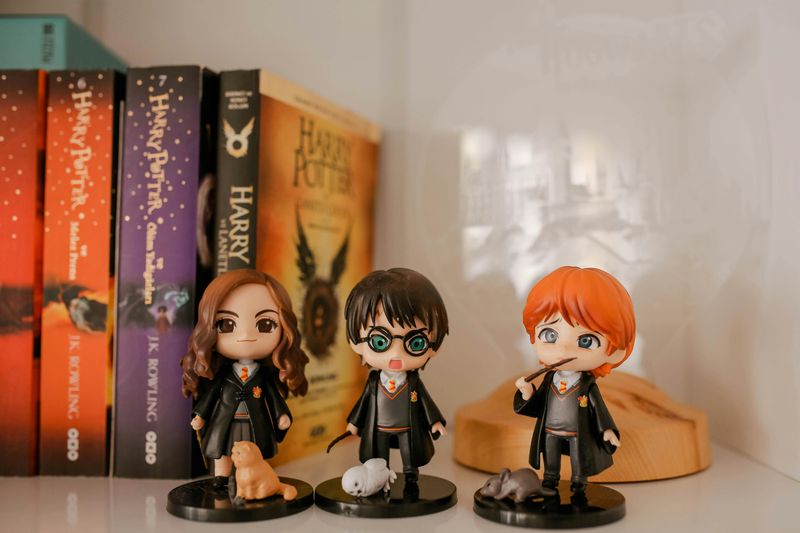
Harry, Ron, and Hermione start out as three kids who barely know each other, thrown together by a bathroom troll situation (classic friendship origin story, honestly).
Watching all eight films in order lets you feel every argument, every sacrifice, and every moment they choose each other over the easier path.
By the later films, their bond stops feeling like a fun trio dynamic and starts feeling like something fiercely real. Without Ron and Hermione, Harry simply does not make it.
Watching sequentially makes that truth land hard, turning what looks like a fun adventure trio into something that genuinely feels like the emotional engine powering the whole series.
8. The Losses Hit Harder

Spending eight full films with Sirius, Dumbledore, Fred, Lupin, and Tonks before they are gone changes everything about how those moments feel.
When you have watched these characters joke, struggle, and show up for others across multiple films, losing them stops feeling like a plot device. It genuinely stings.
Watching back to back gives you no buffer, no break to emotionally reset between installments. One film’s grief flows straight into the next.
Though it is not exactly comfortable viewing, that raw emotional continuity is exactly what makes a full sequential watch so powerful.
9. The War Storyline Feels More Inevitable
Voldemort’s rise does not explode onto the screen all at once. Watching in order, it creeps.
A whisper here, a dark mark there, a Ministry that refuses to listen.
By the time full-scale war arrives in the final films, it feels less like a sudden plot escalation and more like the only place the story was ever heading.
That slow, steady tightening is incredibly effective when experienced without breaks.
If you jump around the series, the war feels dramatic but slightly disconnected. Watched in sequence, it feels frighteningly logical.
10. Neville’s Arc Stands Out More
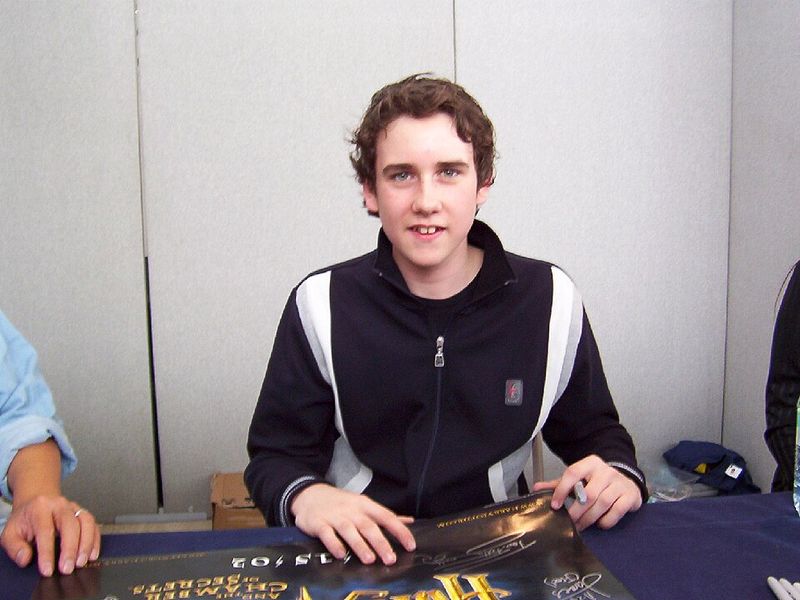
Poor Neville Longbottom spends the early films dropping things, forgetting passwords, and getting bullied by Snape during Potions class. Easy to overlook, honestly.
However, watch all eight films in a row and his story quietly becomes one of the most satisfying in the entire series.
Every stumble, small act of courage, and moment he refuses to give up adds up to something remarkable.
By the time he pulls a sword out of a hat in the final battle, it does not feel random. It feels completely earned.
11. The Adults Look Very Different
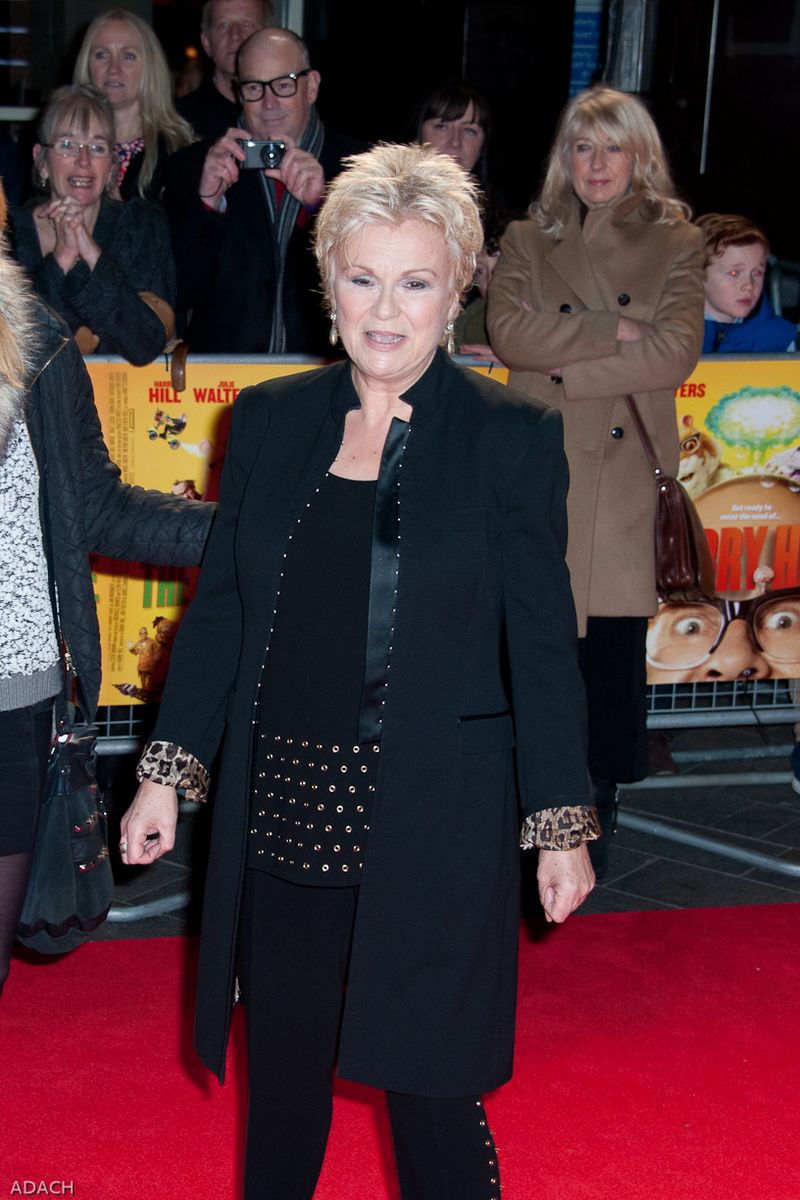
Through a kid’s eyes, the adults in Harry Potter look like a mix of helpful mentors and obvious villains.
Watch all eight films back to back, though, and a more complicated picture emerges. Some adults genuinely protect Harry.
Others repeatedly fail him in ways that matter enormously.
Cornelius Fudge choosing denial over action. Molly Weasley throwing open her home without hesitation.
Umbridge hiding cruelty behind bureaucratic rules.
Watching in sequence makes it easier to track which grown-ups show up when it counts and which ones leave these kids carrying weight no teenager should ever have to bear alone.
12. The Magical World Feels Less Whimsical And More Political
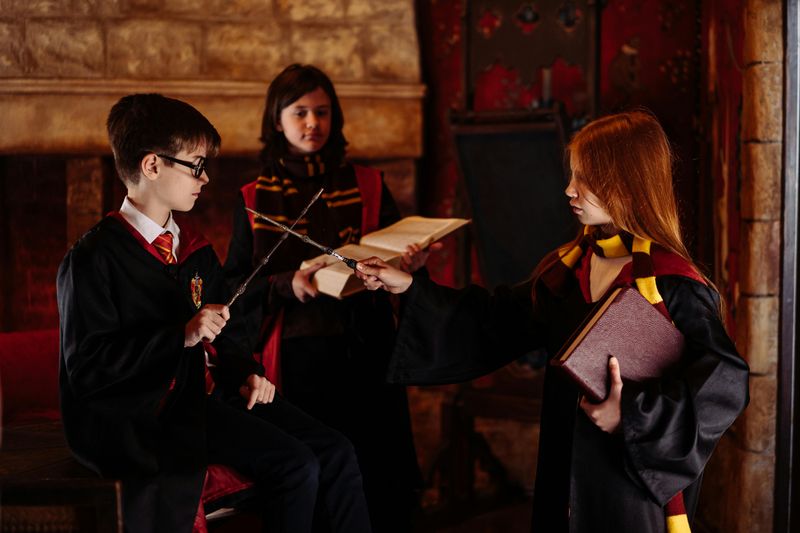
Diagon Alley, Quidditch matches, chocolate frogs on the Hogwarts Express. The early films make the Wizarding World feel like the most fun place imaginable.
Watching straight through, however, reveals something sneakier underneath all that magic.
Ministry interference, biased newspaper coverage, school rules used as tools of control, and fear weaponized by those in power. Sound familiar?
Watching in order makes these themes impossible to ignore.
The series gradually shifts from a magical adventure story into something that feels surprisingly relevant to real-world politics.
13. Romance Feels More Transitional Than Central
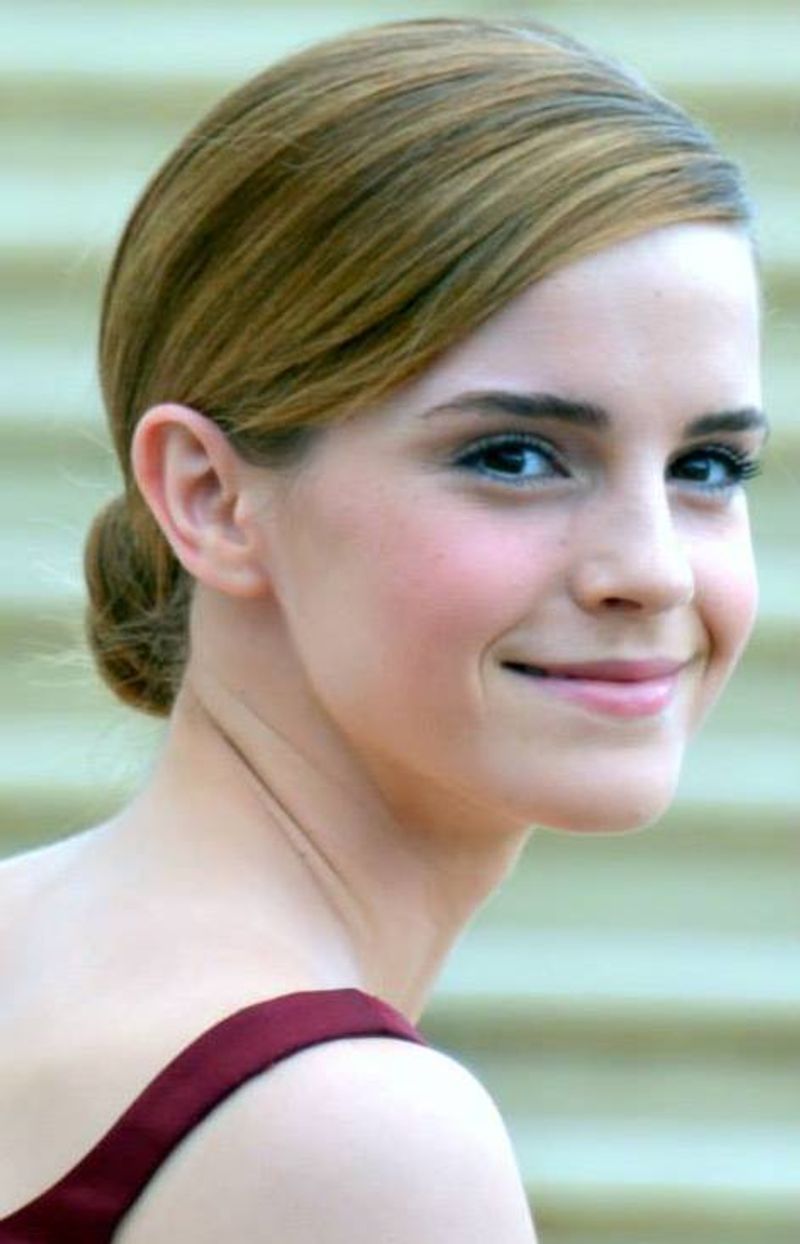
Nobody is here to dismiss the butterflies of a good movie romance, but watching all eight films in order puts the love stories in a really interesting perspective.
They feel less like the main event and more like part of what it means to be a teenager figuring out the world under extraordinarily stressful circumstances.
Ron and Hermione’s slow-burn tension. Harry and Ginny’s quiet connection.
These relationships feel genuine precisely because they develop in the background of much bigger events.
14. The Final Films Feel Heavier Because The First Ones Were So Light

Starting a full marathon with feasts and the pure wonder of Harry seeing Hogwarts for the very first time sets up something the later films use brilliantly.
The contrast between that early lightness and the eventual war and sacrifice is emotionally devastating in the best way.
If you only watch the final films, the weight is there but the full punch is missing. Where did all that wonder go?
Watching in order makes you feel the distance between those two worlds.
15. The Ending Feels More Emotional And Complete
Few endings in movie history carry as much emotional weight as the final moments of Harry Potter and watching all eight films in order is exactly why.
Every friendship tested, every loss endured, and every impossible choice made along the way adds up to a goodbye that genuinely earns its emotion.
The story does not just end, childhood ends. Watching sequentially gives the final scene a completeness that random or out-of-order viewing simply cannot replicate.
You have been on this journey for eight films, and the payoff reflects every single step.