13 Heirloom And Once-Common Vegetables Still Kept Alive In Traditional Farm Gardens
Heirloom seeds still find a home in quiet farm gardens, preserved through tradition rather than supermarket trends.
While big grocery chains focus on a narrow list of familiar produce, some growers, including Amish communities and other heirloom gardeners, continue planting older varieties shared through seed-saving traditions.
Small farms and home gardens help keep lesser-known vegetables in circulation, keeping unique flavors and food history alive.
Note: This article highlights traditional and historical foodways and reflects commonly reported culinary descriptions of produce varieties. The content is provided for general informational and entertainment purposes and is not legal, financial, or professional advice.
13. Amish Paste Tomato
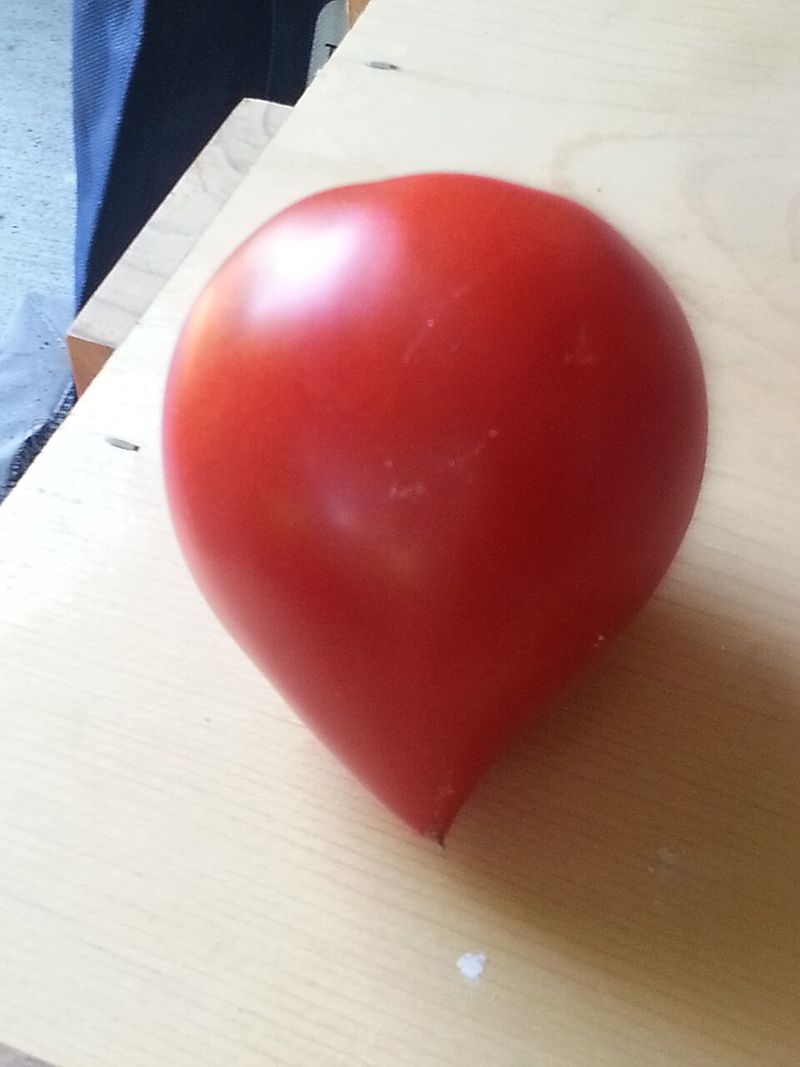
This heirloom paste tomato is widely described as having roots in Amish communities, and it’s also recognized by Slow Food’s Ark of Taste.
Generations of families have relied on its thick flesh and low seed count for making sauces that actually stick to pasta. The flavor runs deep and sweet, nothing like those watery supermarket varieties that can taste less vivid than garden-grown produce.
When summer gardens overflow with these beauties, neighbors start trading recipes faster than gossip at a church picnic. Anyone who grows them once usually clears extra space the following year.
12. Salsify
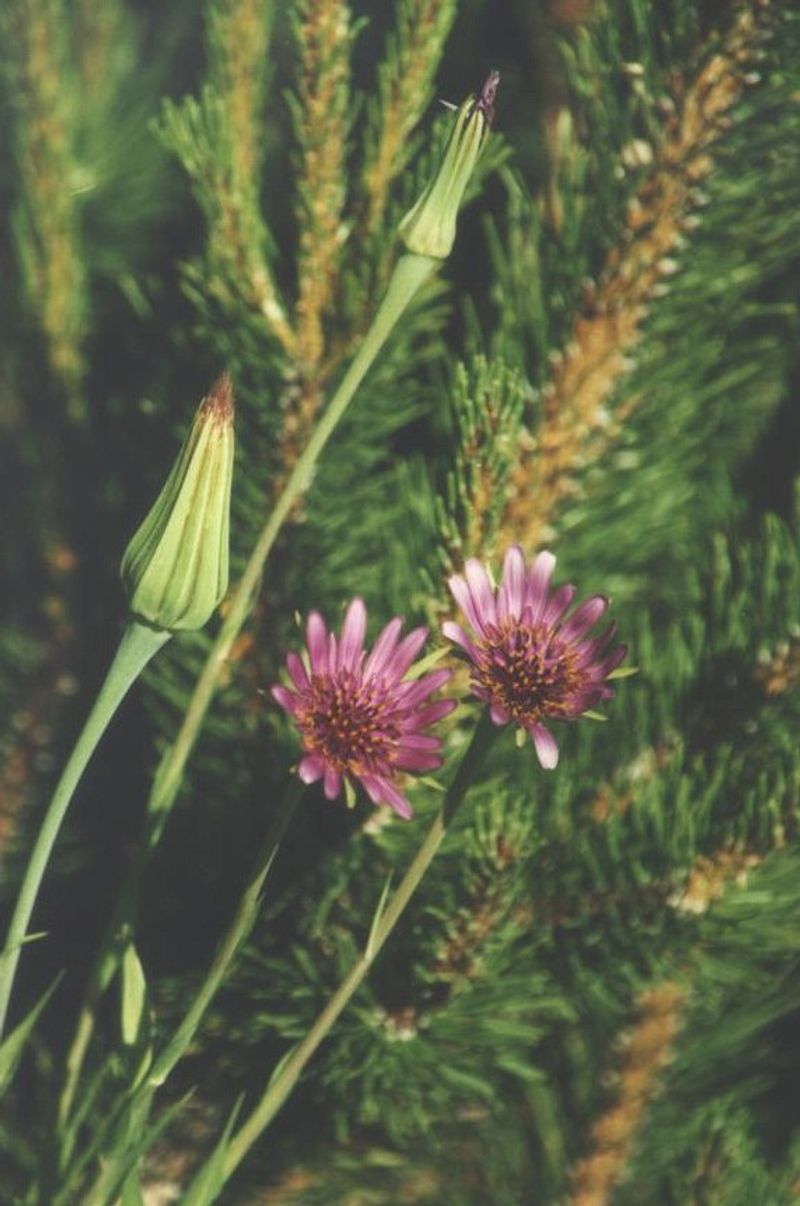
Often called the oyster plant, this root vegetable confuses people with its mild seafood flavor despite growing underground.
Long, pale roots look a bit like skinny parsnips but offer something completely different on the dinner plate. Roasting transforms them into creamy bites that pair beautifully with roasted chicken or beef.
Salsify is often called oyster plant, and it’s less common in mainstream grocery aisles than it once was. Adventurous eaters who try it once usually start hunting for seeds to grow their own patch.
11. Rutabaga
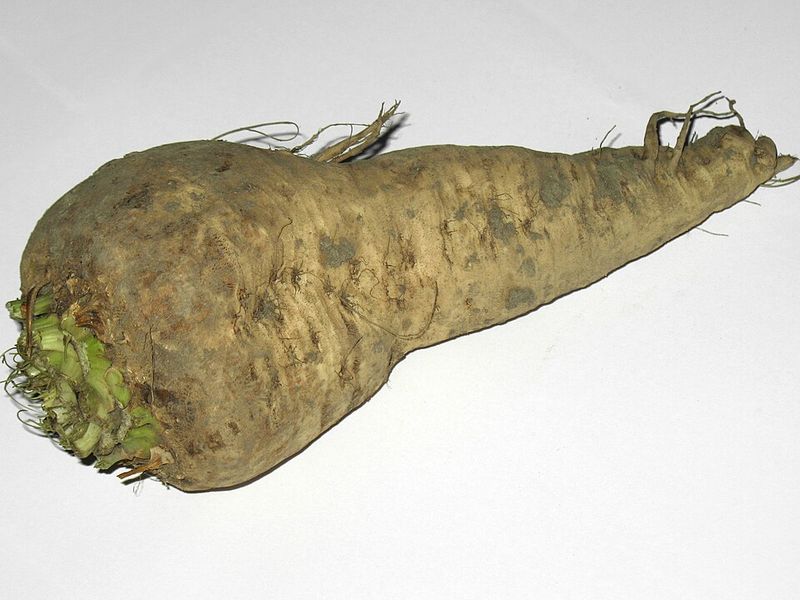
This purple-topped root might win awards for most underappreciated vegetable in history. Sweet and earthy flavors blend together in every bite, especially after a light frost touches the garden.
Mashed rutabagas turn holiday meals into something memorable, adding color and nutrition that plain potatoes just cannot match.
Storage is a breeze since they keep for months in a cool cellar, making them perfect for families who plan ahead. Soups get extra depth when chunks of this forgotten gem simmer alongside carrots and onions.
10. Parsnip

Cream-colored and carrot-shaped, parsnips deliver natural sweetness that surprises first-timers every single time.
Roasting caramelizes their sugars into something that tastes almost like candy, minus the guilt. Winter stews benefit enormously from their nutty flavor, which deepens as temperatures drop outside.
Amish gardeners know that frost actually improves the taste, so they leave them in the ground longer than most vegetables. Mashing them with a bit of butter creates a side dish that steals the spotlight from the main course.
9. Celeriac
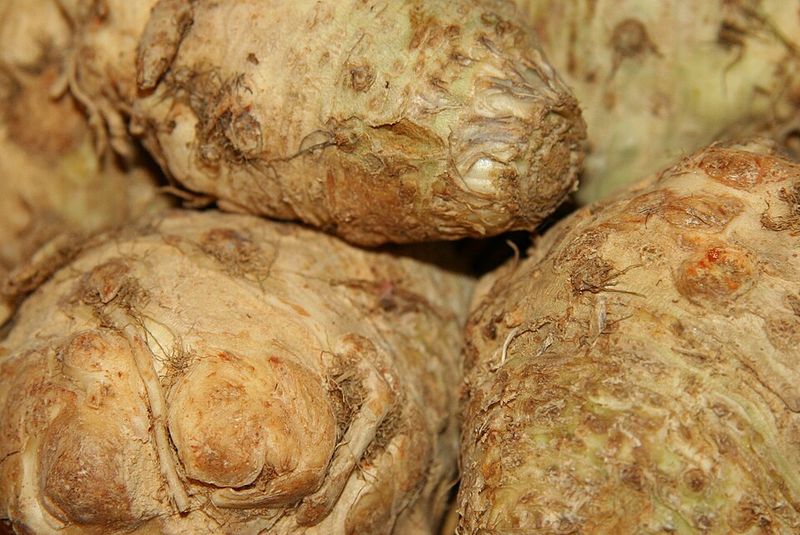
Gnarly and rough on the outside, this celery root hides creamy white flesh that tastes like mild celery with a nutty twist. Peeling away the bumpy exterior reveals a versatile ingredient that shines in countless dishes.
Grated raw into salads, it adds crunch and freshness that wakes up tired lunch routines.
Pureed into soups, it creates silky textures without needing heavy cream. Amish families appreciate vegetables that work hard in the kitchen, and this one definitely earns its keep throughout the cold months.
8. Kohlrabi

Looking like a space alien landed in the vegetable garden, kohlrabi grows above ground in bulbous shapes with stems poking out everywhere.
Crisp and slightly sweet, the flesh tastes like a mild broccoli stem crossed with an apple. Kids enjoy munching on raw slices with a bit of salt, especially on hot afternoons when something cool and crunchy hits the spot.
Roasting mellows the flavor even more, turning skeptics into believers. Purple and green varieties both offer the same delicious crunch that makes healthy snacking actually enjoyable.
7. Amish Butter Popcorn (Heirloom Corn)

Once popped, the pale kernels turn bright white and are often described as rich-tasting popcorn.
Tender and rich, each ear tastes like butter already melted right into the kernels before you even add a pat. Summer cookouts reach legendary status when someone shows up with a basket of freshly picked ears.
Even picky eaters who claim to hate vegetables will reach for thirds. Freezing some for winter feels like capturing sunshine in a bag, ready to brighten up a cold February evening.
6. Black Radish
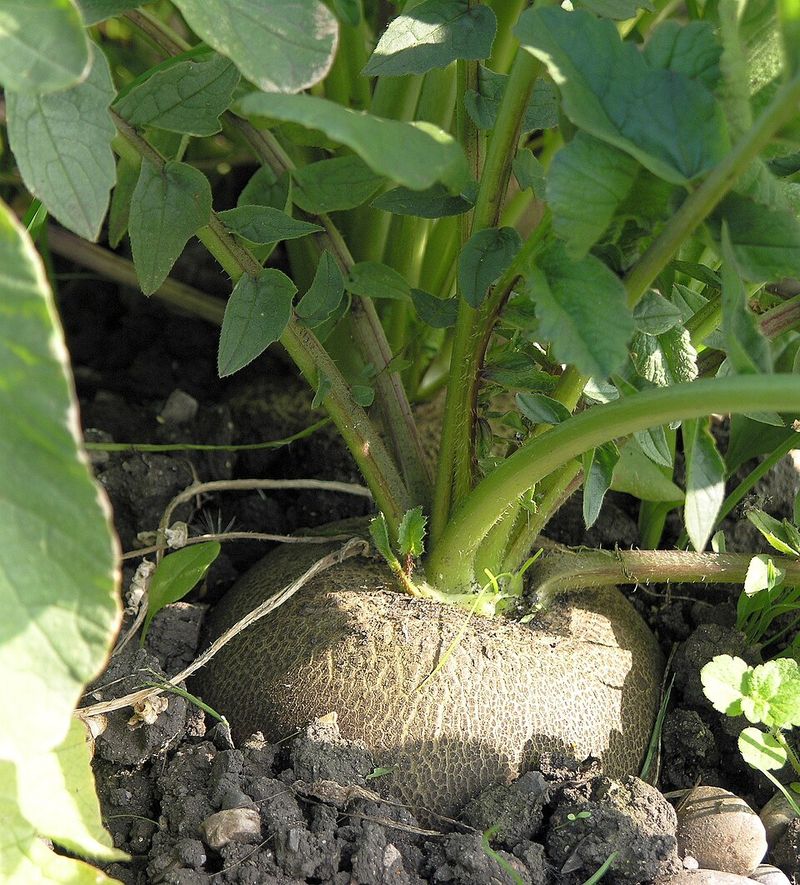
Often called black Spanish radish, this variety has a sharp, peppery bite.
White flesh inside contrasts dramatically with the black skin, making sliced rounds look artistic on any plate.
Thin slices on buttered bread create a snack that wakes up taste buds gone numb from bland food. Storage champions, these radishes last months without losing their signature kick.
5. Swiss Chard

Rainbow stems in red, yellow, and orange make this leafy green the prettiest thing growing in any garden bed.
Swiss chard is widely considered nutrient-dense, and it’s valued for both its leaves and colorful stems. Sautéing with garlic transforms them into a side dish that disappears faster than dessert at a potluck.
Honestly, even people who swear they hate greens find themselves going back for more when the stems are cooked until tender. Gardens keep producing new leaves all season long, making it a gift that keeps on giving.
4. Leek
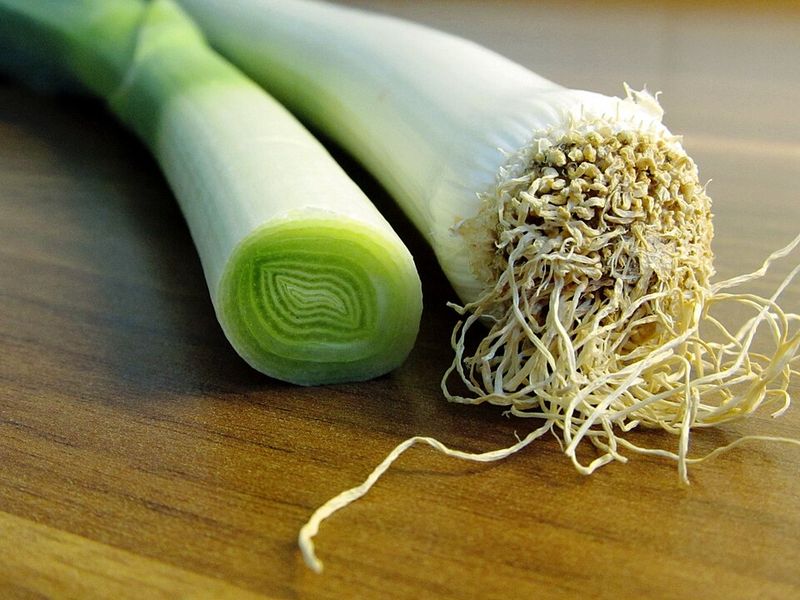
Milder than onions and sweeter than scallions, leeks bring sophisticated flavor to simple home cooking.
Many traditional soups lean on leeks for their mild, sweet allium flavor simmering away in the pot. Cleaning them takes patience since dirt hides between the layers, but the payoff is worth every rinse.
Braised until tender, they turn into silky vegetables that melt on the tongue. Cold-hardy and reliable, they stand tall in the garden long after frost has killed off more delicate plants.
3. Jerusalem Artichoke
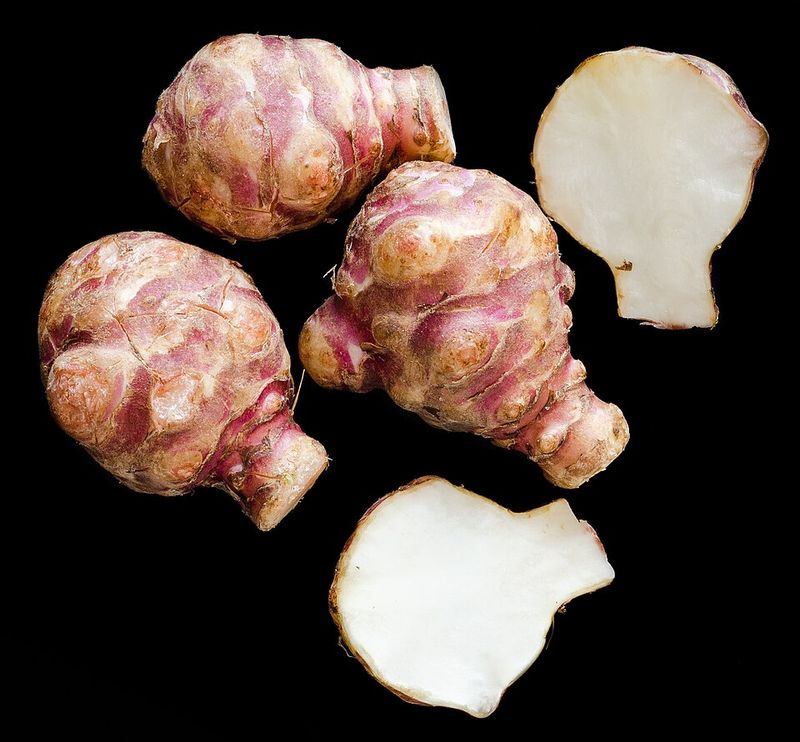
Despite the confusing name, these knobby tubers have zero connection to Jerusalem or artichokes.
Nutty and slightly sweet, they taste like a cross between a potato and a water chestnut when cooked properly. Sunflower-family relatives, they grow tall stalks topped with cheerful yellow blooms before producing edible roots underground.
Roasting brings out their natural sugars, creating crispy edges that make great snacks or side dishes. Maybe the best part is how easily they grow, spreading enthusiastically once established in a garden corner.
2. Dandelion Greens
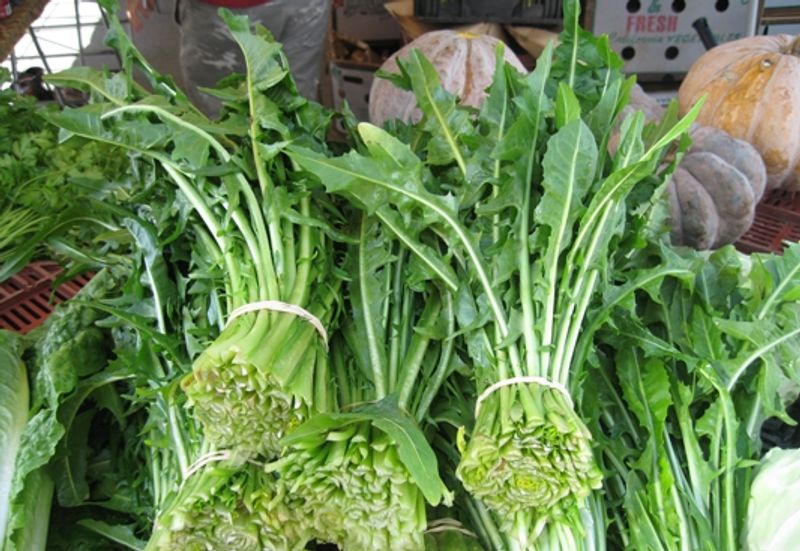
What most people consider a lawn nuisance, Amish families see as free food packed with nutrition.
Young leaves taste mildly bitter, adding complexity to salads that would otherwise be too sweet or boring. Cooking mellows the sharp edges, turning them into tender greens that pair beautifully with bacon and vinegar.
Foraging them only in areas you know have not been treated with pesticides costs nothing but a few minutes of time. Spring harvests offer the tenderest leaves, while later growth becomes tougher and more intensely flavored.
1. Turnip
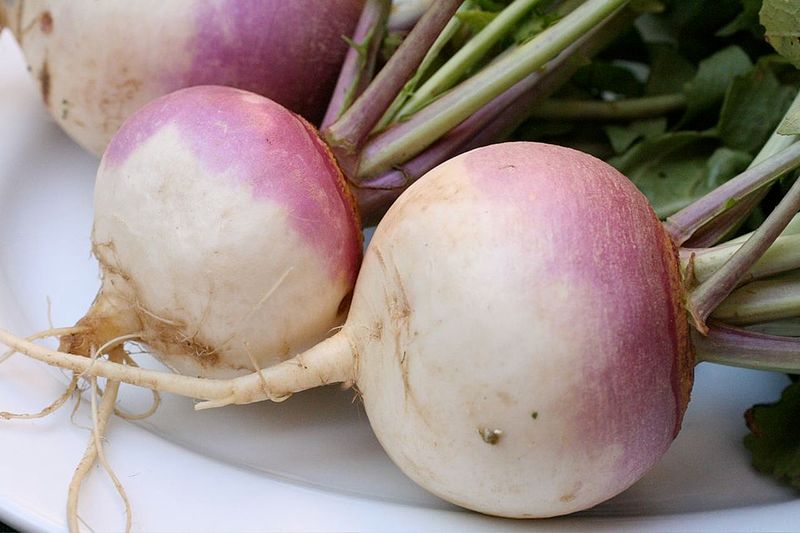
Round and purple-topped, turnips have fed families through hard times for centuries without complaining.
Both roots and greens are edible, giving gardeners double the harvest from a single plant. Young turnips taste sweet and crisp, perfect for eating raw or lightly steamed.
Older ones develop stronger flavors that stand up well to long cooking in stews and braises. Ultimately, their ability to grow quickly in cool weather makes them invaluable for extending the gardening season when other crops have given up for the year.