10 Historic Recipes From The White House Kitchen
The White House kitchen has served countless meals to presidents, first families, and honored guests throughout American history.
From simple comfort foods to elegant state dinner dishes, these recipes tell the story of our nation’s evolving tastes and traditions.
Each dish reflects the personality, heritage, and era of the administration that loved it most.
Ready your apron and discover the flavors that shaped presidential dining tables for generations.
Disclaimer: This article is intended for general information and culinary history enrichment.
All historical references, recipe descriptions, and ingredient details reflect publicly available sources at the time of writing.
Readers should adjust recipes based on dietary needs, food allergies, and kitchen equipment variations.
10. Jefferson’s Baked Macaroni And Cheese
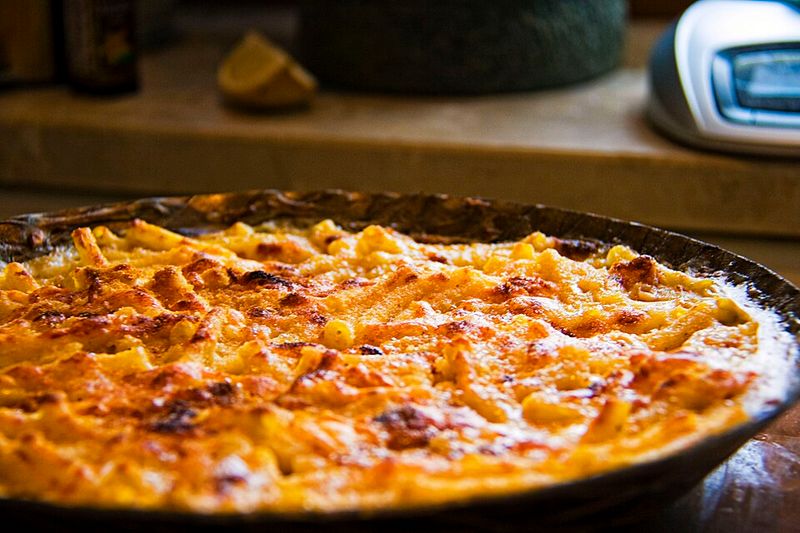
Golden edges form a crispy crown atop this legendary dish that Thomas Jefferson introduced to America after his travels in France and Italy.
Jefferson was so smitten with pasta that he even sketched designs for a pasta-making machine and imported macaroni dies from Europe.
His version combined tender elbow macaroni with a rich, creamy cheese sauce made from butter, flour, milk, and plenty of sharp cheddar.
Baked until bubbling and bronzed on top, this recipe became a White House staple that has endured for over two centuries.
The dish perfectly balances indulgence with simplicity, proving that presidential comfort food doesn’t need fancy ingredients.
Serve it at your next family gathering and watch it disappear faster than you can say “Founding Father.”
9. Virginia Presidential Peanut Soup
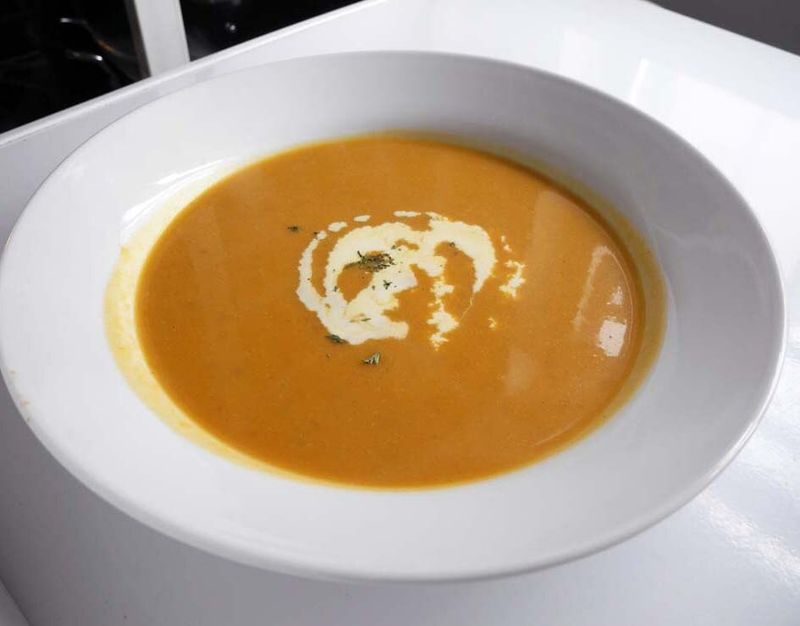
From the moment steam curls upward, this velvety Southern classic evokes the elegance of dishes once served in the White House of the early 1900s.
Into the pot go roasted peanuts blended with onions, celery, and a touch of lemon, forming a flavor far more refined than its humble ingredients suggest.
Across Virginia – the home state of numerous presidents – this recipe is proudly upheld as a historic contribution to American cuisine.
On cold Washington nights, its nutty depth brings steady comfort, while the smooth texture delivers a luxurious finish.
Traditionally, a scattering of chopped peanuts and fresh chives adds color and a satisfying crunch to each spoonful.
8. Hoppin’ John (New Year’s Good-Luck Dish)
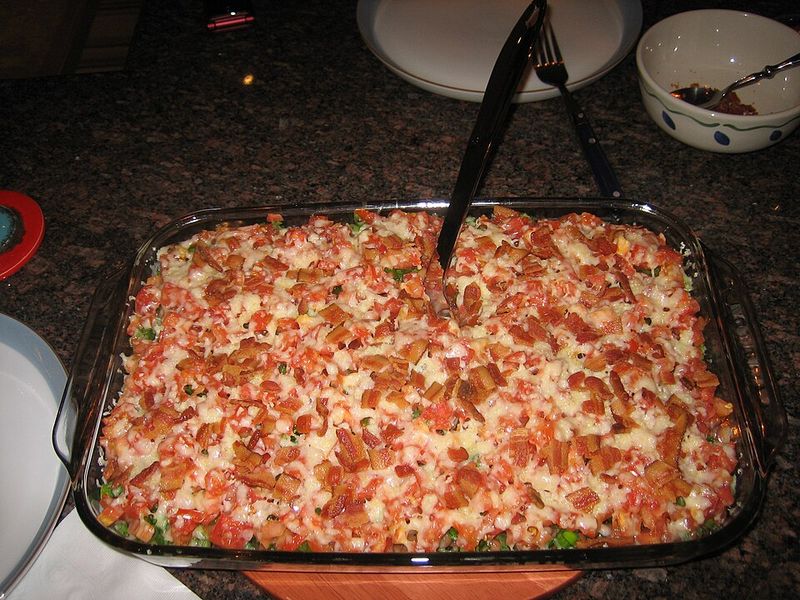
Midnight cravings land with extra intensity on New Year’s Eve, and this Southern staple steps in as a hopeful promise for the twelve months ahead.
Simmering black-eyed peas mingle with rice, smoky bacon, onions, and bell peppers until the aroma signals they’re ready.
Through the influence of Southern presidents, the dish found its way into White House festivities, superstition and heritage arriving right alongside tradition.
According to long-held beliefs, each pea signifies a coin and the accompanying greens resemble paper money, turning the meal into an edible wish for prosperity.
Despite the recipe’s modest components, its cultural weight across the South remains undeniable.
Most likely, the real charm comes from gathering loved ones to share a bowl filled with hope, no presidential connection required.
7. Classic Succotash (White House Cook Book Era)
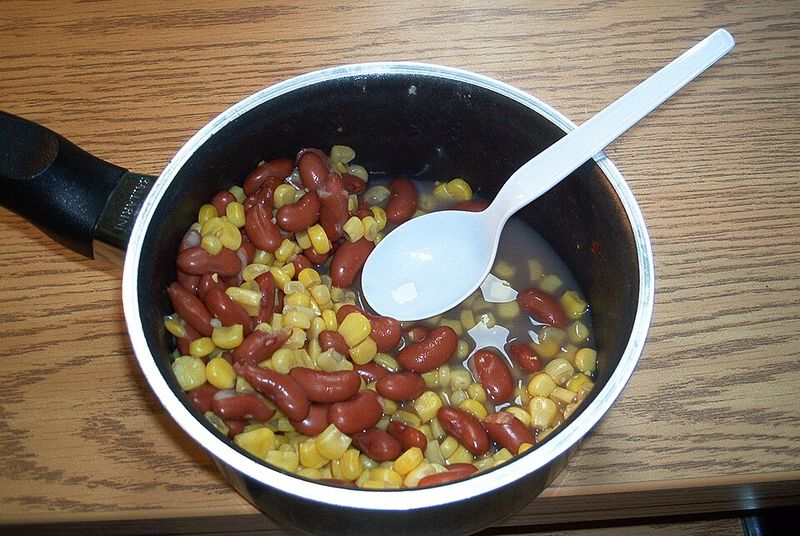
Color bursts across the plate as this Native American–inspired vegetable medley arrives, a dish that earned a place in the White House Cook Book of the 1880s.
Lima beans and sweet corn anchor the mixture, joined at times by bell peppers, tomatoes, and a small pat of butter for added richness.
From the Narragansett language comes the word “succotash,” drawn from “msickquatash,” meaning “boiled corn kernels.”
Within presidential kitchens, this thrifty yet vibrant side dish became a celebration of the nation’s harvest abundance.
Because the vegetables soften quickly when cooked together, succotash proved invaluable during state dinners where timing had to be flawless.
6. Rice Pudding (Grant-Era Comfort Dessert)
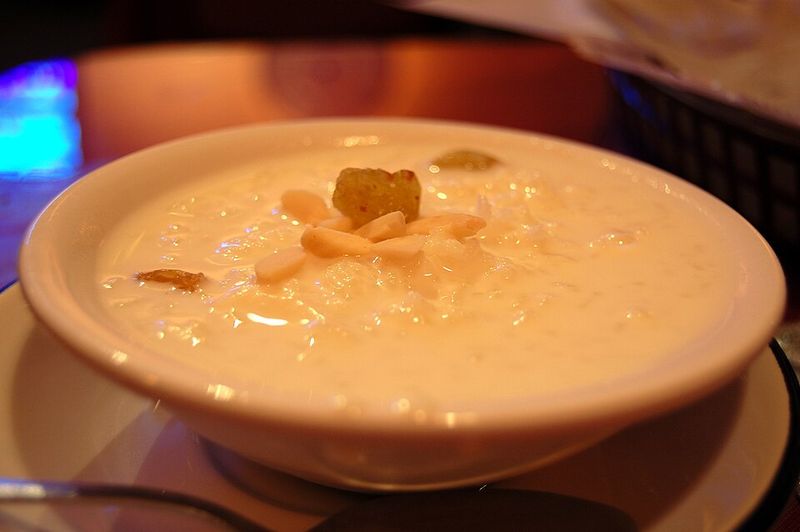
The last spoonful of this creamy dessert always tastes like childhood, no matter your age or presidential administration.
During Ulysses S. Grant’s presidency, rice pudding appeared frequently at family dinners as a simple, economical sweet that required only rice, milk, sugar, eggs, and warming spices like cinnamon and nutmeg.
The pudding baked slowly in the oven until the top formed a golden skin that many considered the best part.
Grant’s wife Julia favored straightforward recipes that reminded the family of their pre-White House life, and this humble dessert fit perfectly.
Raisins added little bursts of sweetness throughout the custard-like texture.
Served warm or chilled, rice pudding proved that presidential desserts need not be elaborate to satisfy completely.
5. White House-Style Apple Pie
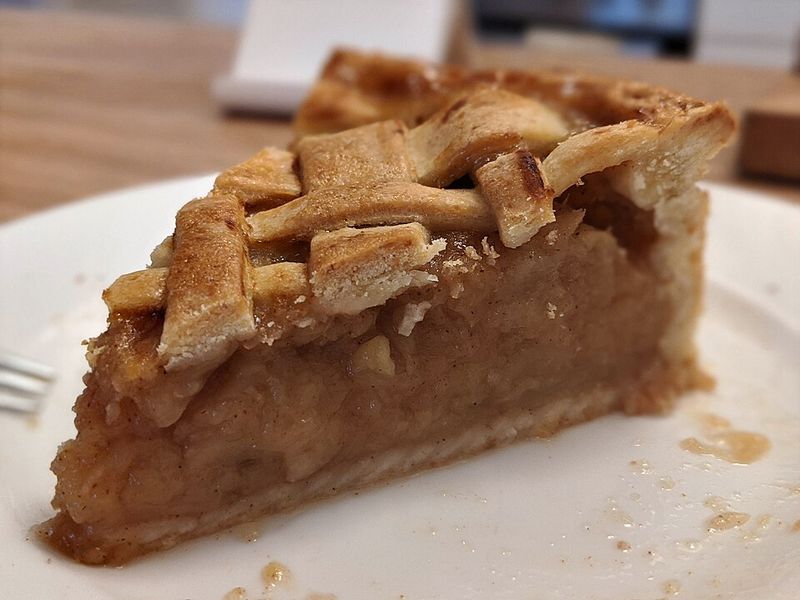
Pure comfort radiates from every slice of this all-American dessert that has concluded countless presidential meals and state dinners.
The crust requires cold butter worked into flour until the mixture resembles coarse crumbs, then chilled before rolling.
Tart Granny Smith apples get tossed with sugar, cinnamon, nutmeg, and a squeeze of lemon juice before piling into the pastry-lined pan.
A lattice top or double crust seals in the fruit, which bubbles and caramelizes during baking until the kitchen fills with an irresistible aroma.
Presidents from every region have claimed apple pie as their favorite, making it perhaps the most bipartisan dish in White House history.
Serve it warm with vanilla ice cream melting into the cinnamon-scented filling for maximum patriotic deliciousness.
4. Traditional Cherry Pie
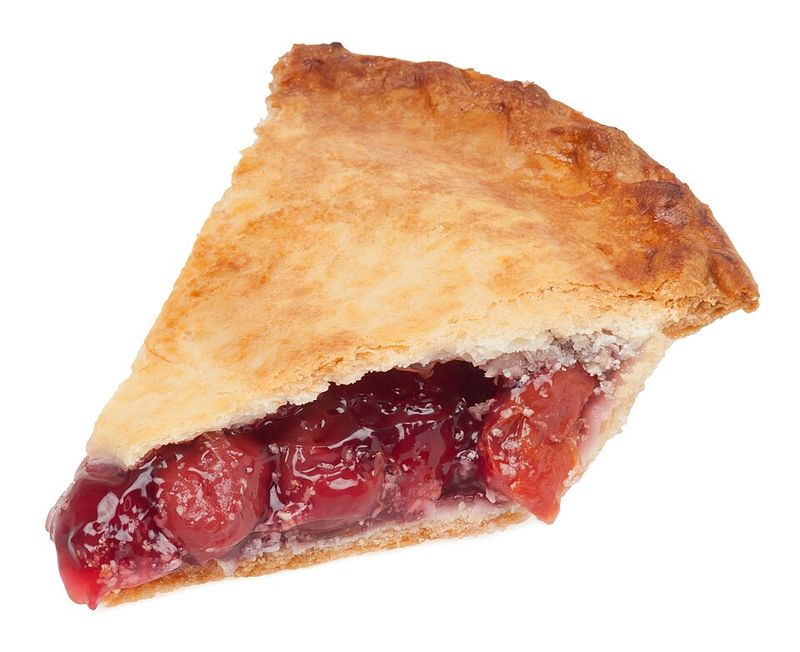
Sticky fingers become inevitable the moment you lift a slice of this ruby-red classic, despite the fact that Washington never felled a cherry tree to make it happen.
Even though the famous tale is pure folklore, cherry pie itself has enjoyed a firmly presidential reputation for generations.
Tart cherries shine brightest here, meeting sugar and a touch of cornstarch or tapioca to form a glossy, jewel-like filling.
During baking, the double crust locks in bold fruit flavor, while carefully cut vents keep bubbling juices from escaping.
Within the White House, pastry chefs frequently prepared cherry pie for Washington’s Birthday festivities, saluting the nation’s first president with his mythical favorite fruit.
Every forkful offers a satisfying contrast between flaky pastry and sweet-tart richness, a combination that feels quintessentially American.
3. Roast Turkey With Gravy (Holiday State Dinner Staple)
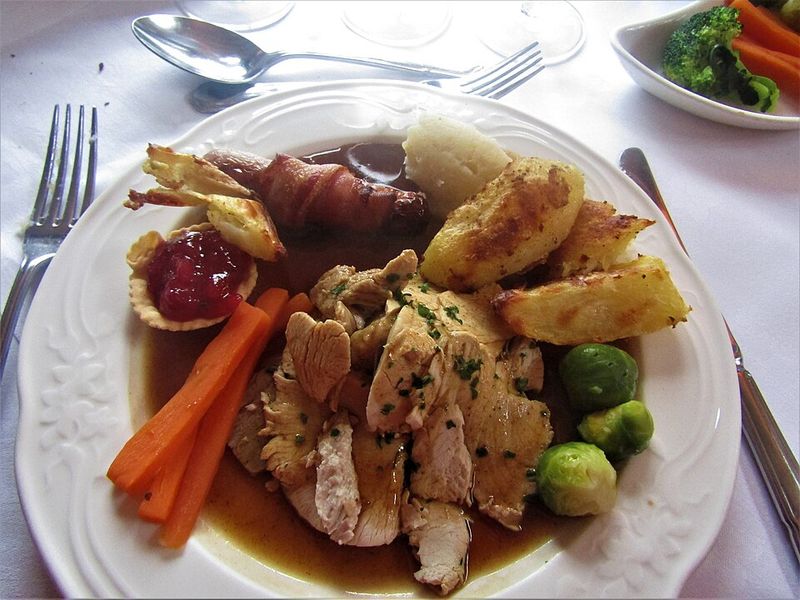
Countertop chaos temporarily pauses when this magnificent bird emerges from the oven, bronzed and glistening, ready to anchor any presidential holiday feast.
White House kitchens have roasted turkeys for Thanksgiving and Christmas dinners since the building’s earliest days.
The process involves careful seasoning, occasional basting, and precise temperature monitoring to achieve crispy skin while keeping the breast meat juicy.
Pan drippings transform into silky gravy through the magic of flour, butter, and patience, creating the essential sauce that ties the entire meal together.
Presidents have pardoned turkeys in modern times, but the kitchen staff still roasts plenty for actual consumption.
This recipe represents American abundance and gratitude, values every administration has celebrated regardless of political differences.
2. Skillet Cornbread
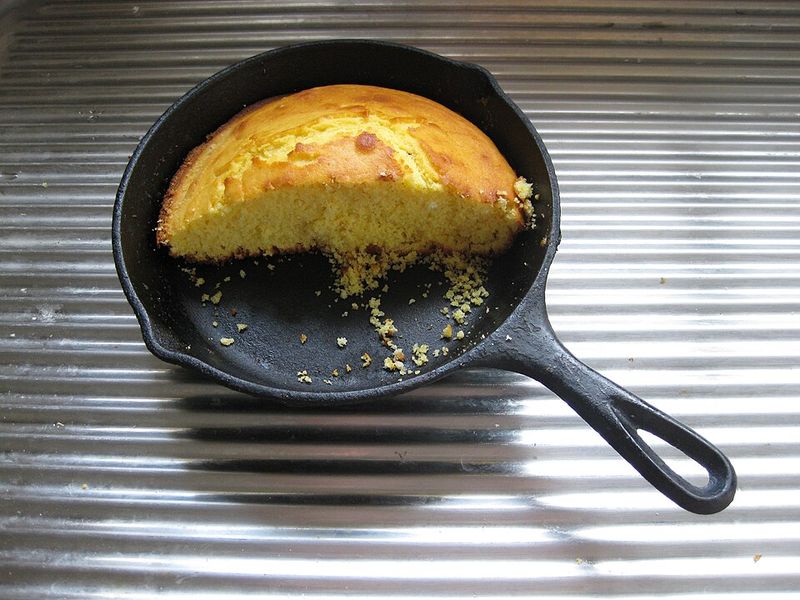
Heat roars to life the instant cornmeal batter hits a cast iron skillet shimmering with bacon grease or butter.
From the Deep South to the executive mansion, presidents arrived with firm opinions about cornbread ratios and the eternal argument over whether sugar belongs at all.
Inside that skillet, the batter develops irresistibly crisp edges that give way to a soft, delicate center.
Because it needs no yeast and only a light touch when mixing, this quick bread pairs effortlessly with soups, stews, or barbecue during presidential meals.
Offered warm with honey butter melting into every golden corner, skillet cornbread embodies the purest form of American comfort cooking.
Cleanup barely takes a moment, yet the flavor lingers like the best kind of reward.
1. Lowcountry Gullah Hoppin’ John (Variant On The Classic)
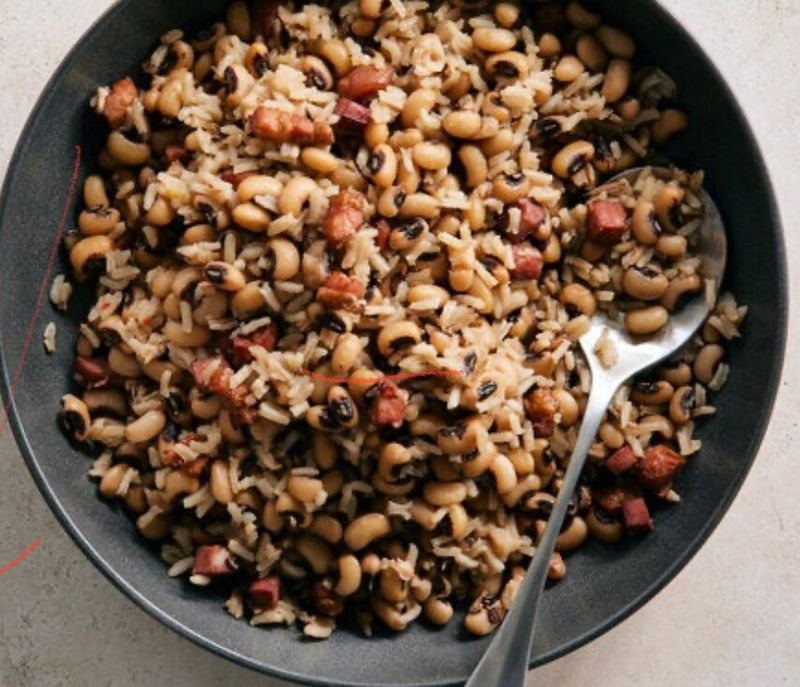
This humble dish carries the culinary heritage of enslaved West Africans who transformed simple ingredients into soul-sustaining meals that eventually reached presidential tables.
The Gullah version uses Carolina Gold rice and often substitutes red field peas for black-eyed peas, honoring the Lowcountry’s agricultural history.
Onions, celery, and smoked meat provide depth, while careful seasoning with thyme, bay leaves, and pepper creates complex flavors.
Recognizing this variant in White House kitchens acknowledges the African American cooks whose skills and creativity shaped American cuisine, though their contributions went largely uncredited for generations.
The rice absorbs the savory cooking liquid, becoming tender and flavorful.
Every spoonful tells a story of resilience, adaptation, and culinary genius born from necessity and preserved through tradition.