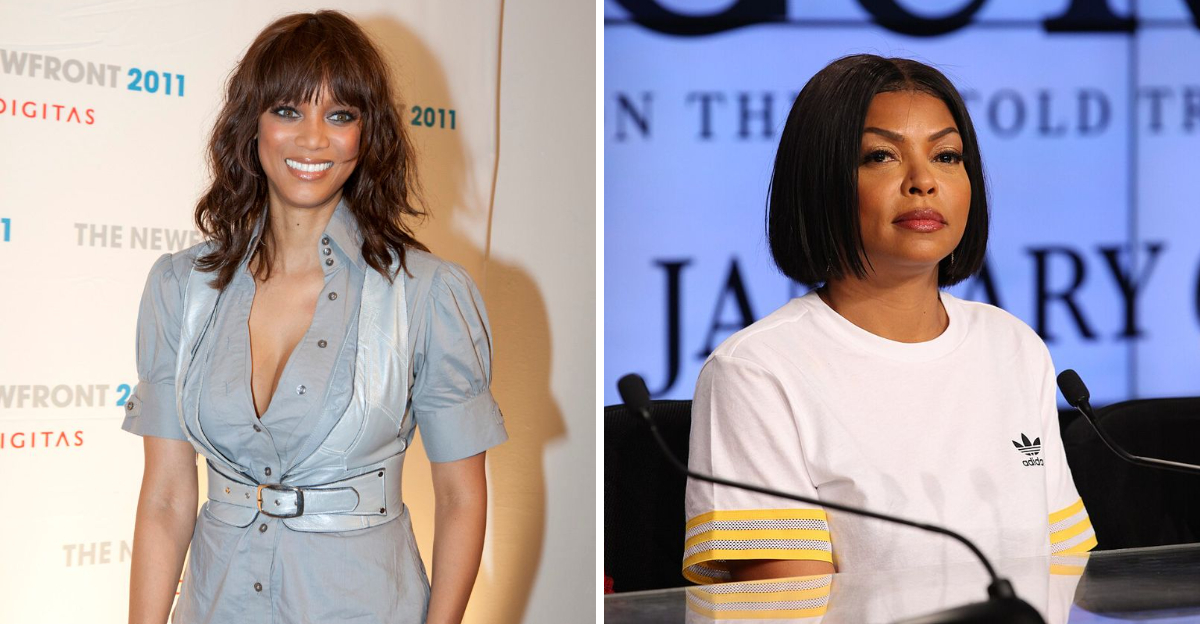
Historical Cases Of Gay Actors And Lavender Marriages In Hollywood
During Hollywood’s Golden Age, many actors lived behind carefully constructed personas, masking parts of themselves to keep studios satisfied and careers intact.
Powerful executives often orchestrated marriages pairing gay stars with straight spouses, crafting a public image meant to deflect gossip and silence scrutiny.
Known as lavender marriages, such arrangements offered protection in an industry unwilling to let certain truths see the light, even as countless performers longed for authenticity.
Disclaimer: This article provides historical context about Hollywood’s Golden Age and the studio practices that shaped public perceptions of actors’ personal lives.
All information has been reviewed for factual accuracy and presented with sensitivity toward the individuals involved, recognizing that interpretations of historical events can vary among scholars.
1. Rock Hudson And Phyllis Gates
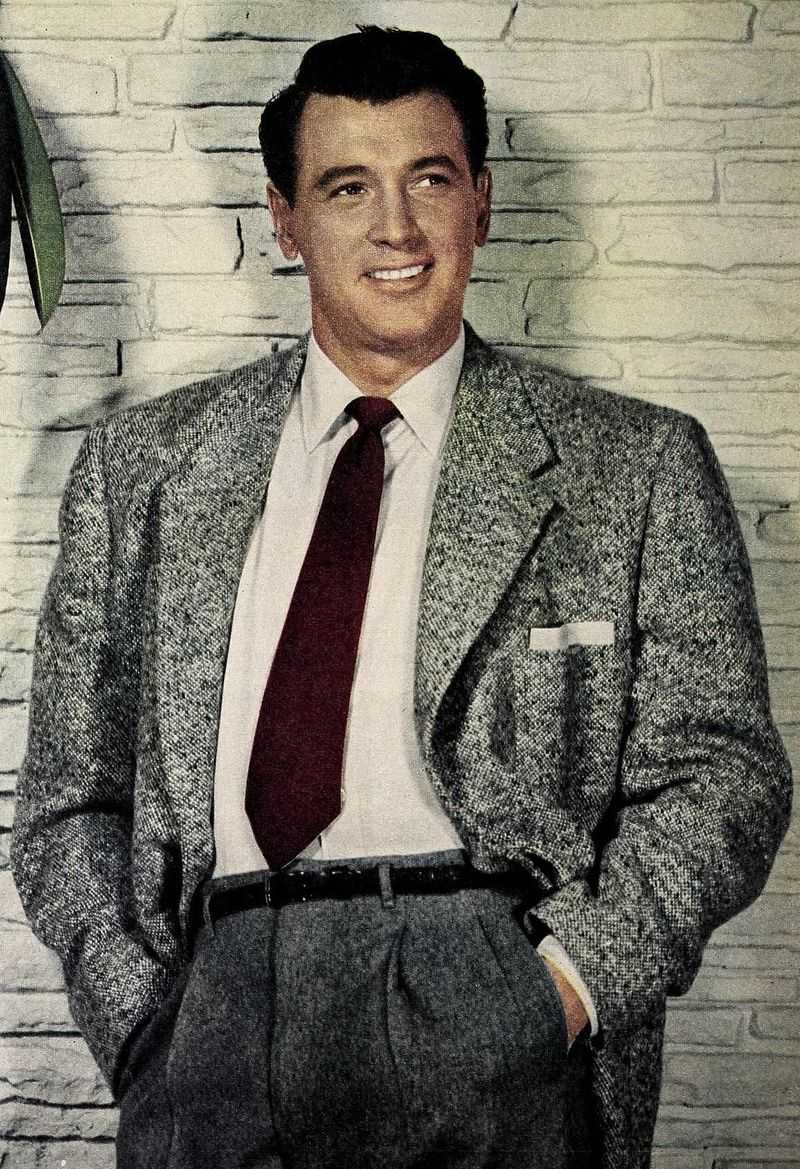
Rock Hudson was one of Hollywood’s biggest heartthrobs, and his studio worried that speculation about his private life might harm his career.
In 1955, Hudson married Phyllis Gates, his agent’s secretary, in what many film historians widely regard as the most frequently cited example of a lavender marriage.
The union lasted only three years before ending in divorce.
Gates later said she was unaware of Hudson’s sexuality at the time, though accounts from others vary, leaving parts of their story open to interpretation.
2. Rudolph Valentino And Jean Acker
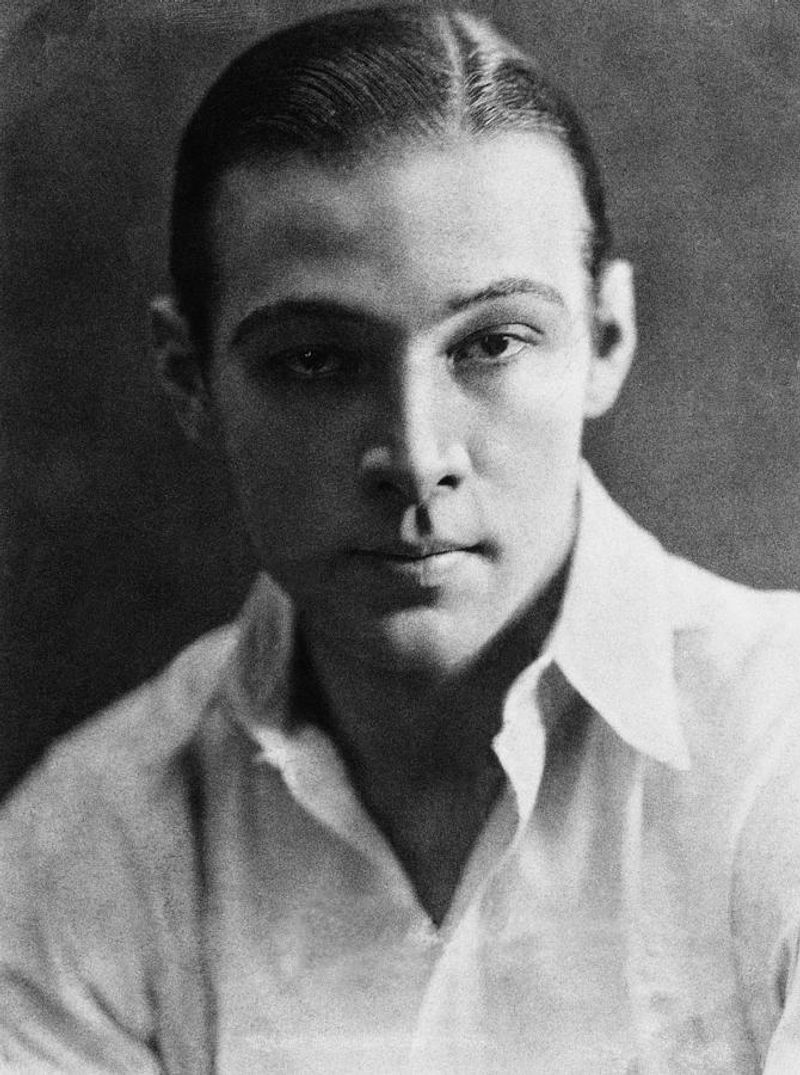
Silent-film icon Rudolph Valentino’s 1919 marriage to actress Jean Acker became legendary almost immediately within Hollywood circles.
Reports claim Acker locked him out of their hotel room on the wedding night, leaving the relationship unconsummated.
Many historians suggest both actors were reacting to scrutiny surrounding their private lives rather than forming a conventional romantic partnership.
That short-lived marriage stands today as one of the earliest prominently discussed examples of what may have been a lavender union in entertainment history.
3. Janet Gaynor And Adrian
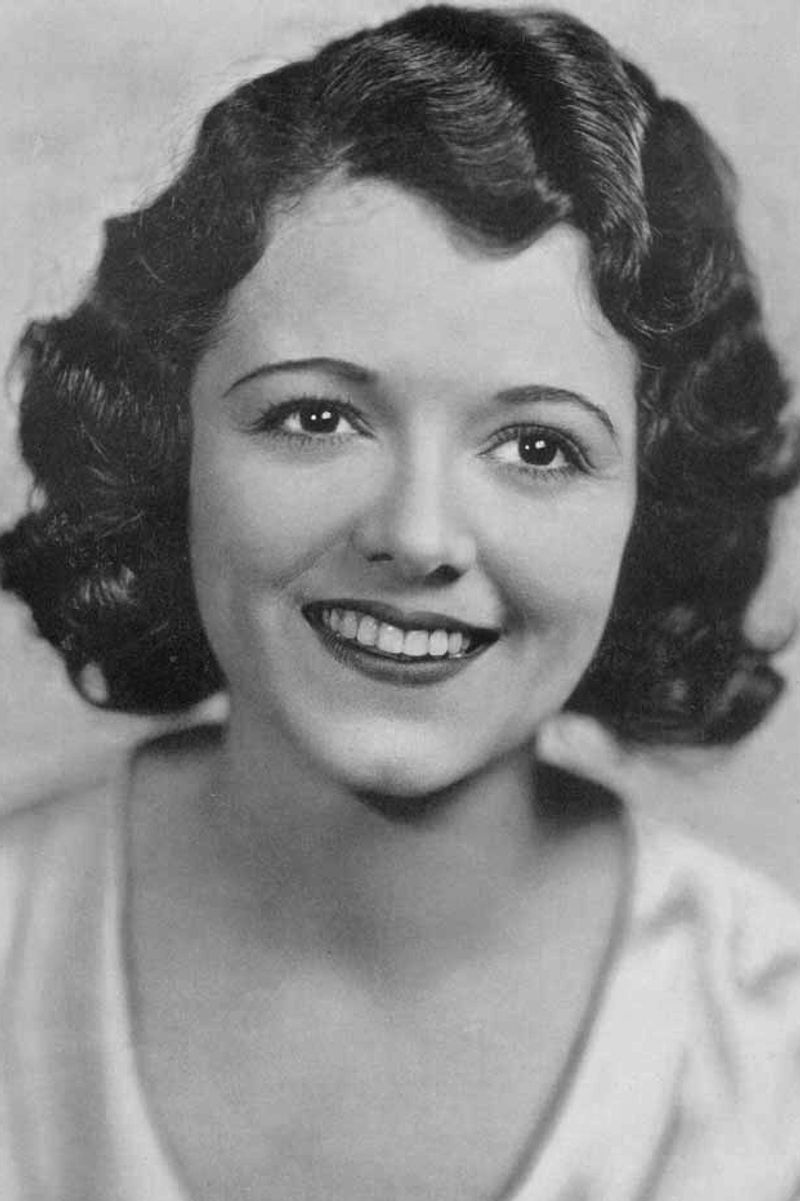
Oscar-winning actress Janet Gaynor wed acclaimed MGM costume designer Adrian in 1939, forming one of Hollywood’s most frequently analyzed partnerships.
Both moved in creative circles that included LGBTQ+ artists, yet they built a household together and remained married until Adrian’s death in 1959.
Their relationship demonstrates how some marriages, shaped partly by societal expectations, evolved into meaningful companionship.
Many historians of LGBTQ+ Hollywood note their union as an example of how personal bonds could take many forms within an era of intense public scrutiny.
4. Barbara Stanwyck And Robert Taylor
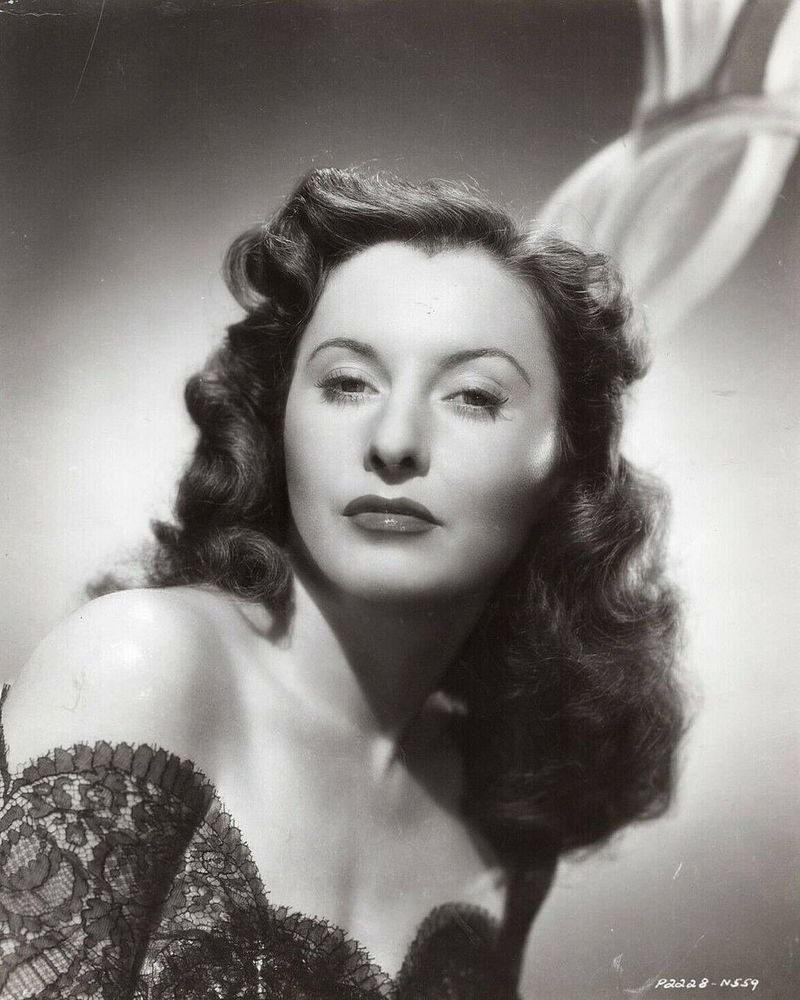
When Barbara Stanwyck married Robert Taylor in 1939, Hollywood insiders long speculated that the studio may have played a role in encouraging the match.
Both actors faced persistent rumors about same-sex relationships during their careers.
Their marriage lasted twelve years before ending in divorce in 1951.
Some biographers describe it as a genuine partnership, while others argue it functioned in part as protection within an industry that closely managed its stars’ public images.
5. Tyrone Power And Annabella
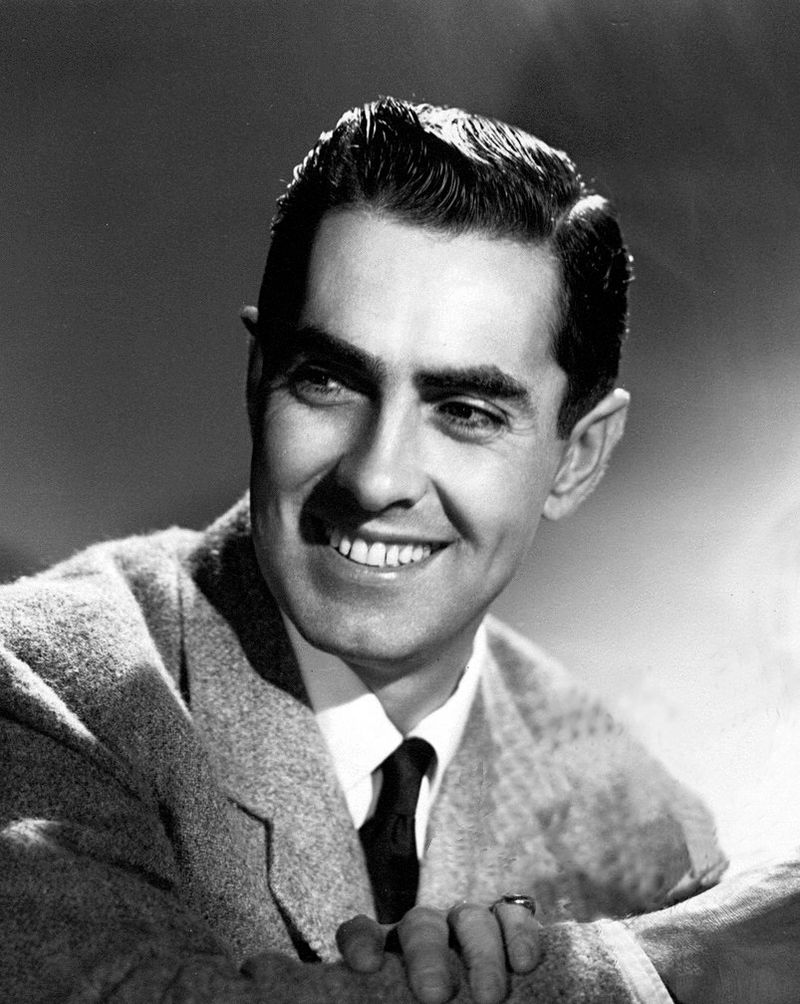
Matinee idol Tyrone Power married French actress Annabella in 1939 at the height of his fame.
Stories circulated quietly about Power’s relationships, and some historians believe studio pressure may have contributed to the marriage.
The couple divorced in 1948 after nine years together.
Because direct evidence about their private arrangement is limited, Power’s marriage remains one of Hollywood’s more debated lavender-marriage narratives.
6. Judy Garland And Vincente Minnelli
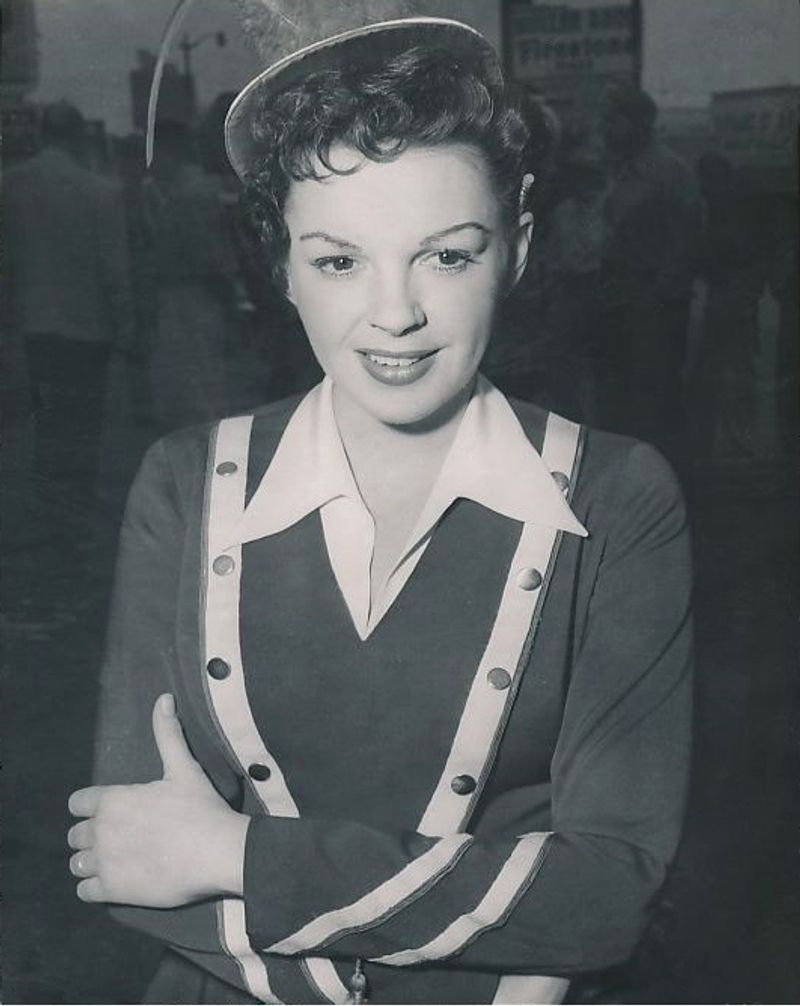
Judy Garland’s 1945 marriage to director Vincente Minnelli brought one daughter, Liza, yet the relationship carried complications from the outset.
Minnelli’s attraction to men circulated within Hollywood, prompting some writers to view the marriage as mixed-orientation and influenced by studio-driven image control.
The union ended in 1951, though its cultural footprint endured, particularly through the remarkable path their daughter would follow.
That chapter highlights how artistry, public shaping, and private identity intersected throughout Hollywood’s mid-century landscape.
7. Liza Minnelli And Peter Allen
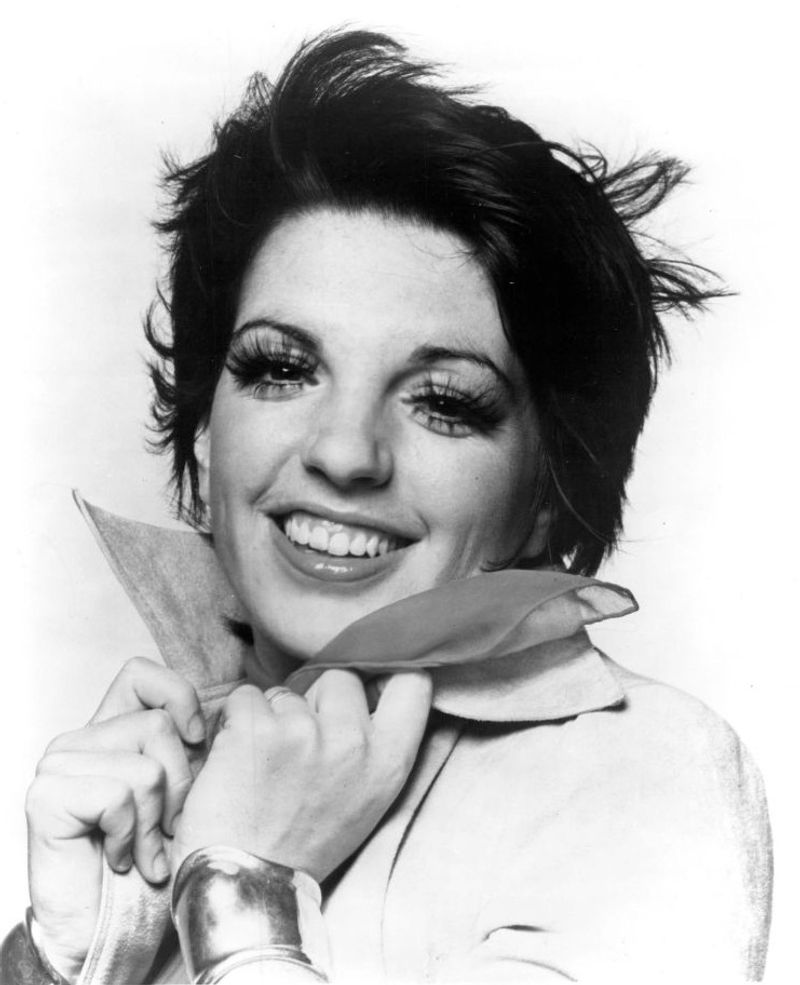
Singer-songwriter Peter Allen married Liza Minnelli in 1967, forming a high-profile union that drew significant public attention.
Allen later came out as gay, and the marriage is now often cited as a notable mixed-orientation relationship in entertainment history.
The couple divorced in 1974 but remained linked through their shared artistic lives.
Their story illustrates how lavender-style arrangements continued as social attitudes slowly evolved.
8. William Haines And The Marriage He Refused
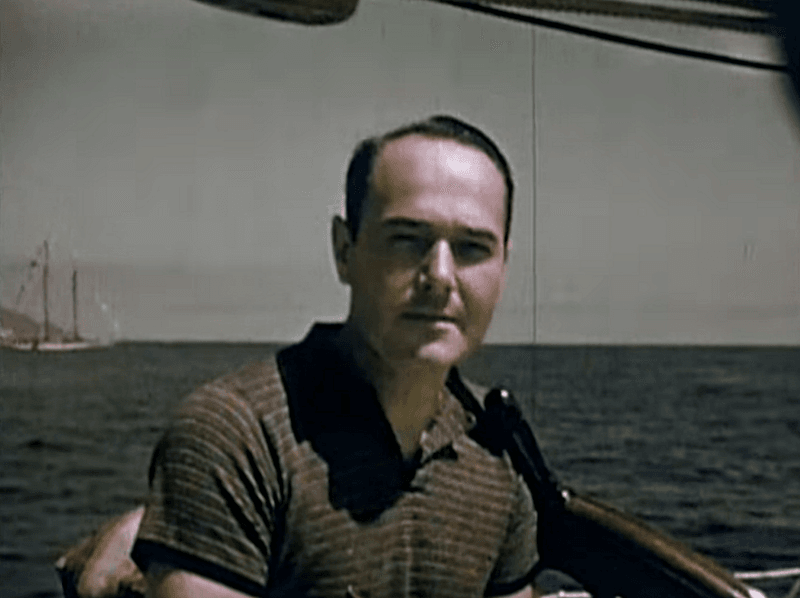
Silent-film star William Haines took a different path when his studio demanded he enter a fake marriage to protect his image.
Haines refused outright, choosing his long-term partner Jimmie Shields over his acting career.
He lost his movie roles but found tremendous success as an interior designer to the stars.
His story stands as a powerful example of someone who rejected Hollywood’s demands and built a happy life on his own terms.
9. Cary Grant And Speculation Around His Marriages
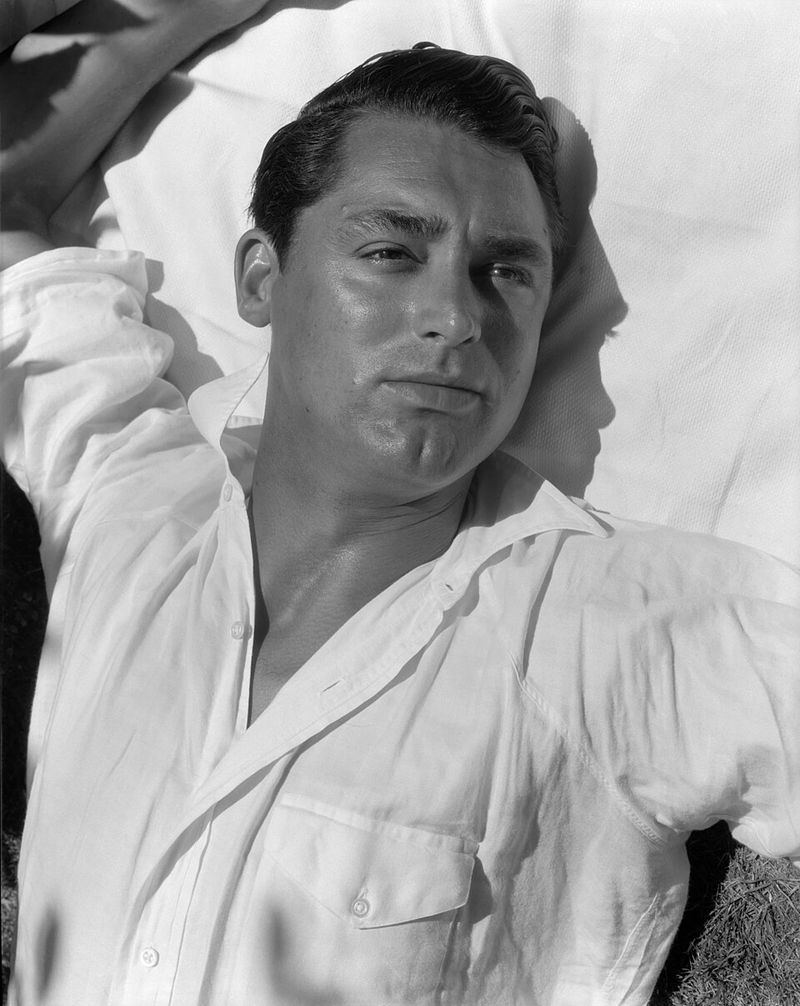
Cary Grant’s multiple marriages have fueled decades of speculation among film historians and biographers.
Rumors about his close relationship with actor Randolph Scott, combined with heavy studio image management, led some to suggest possible lavender-marriage arrangements.
However, scholars disagree widely on how to interpret the available evidence.
Grant’s life remains a reminder that not all Hollywood rumors can be verified, even long after the Golden Age has passed.
10. Lavender Marriages As A Hollywood System
Beyond individual couples, lavender marriages represented an entire system built by Hollywood studios to control their stars.
Queer actors were pushed into heterosexual unions, long-term arrangements with beards, or carefully staged romances to protect box-office images.
This practice thrived in a deeply homophobic industry that valued profit over authenticity.
Understanding this broader context helps us see how institutional pressure shaped countless lives during Hollywood’s Golden Age.