13 Historical Figures Who Risked It All In The Name Of Love
Love has always been one of the most powerful forces in human history, shaping decisions, destinies, and entire eras with quiet intensity and undeniable pull. It has inspired grand gestures, bold sacrifices, and moments of deep admiration that echo through time.
Some of the most captivating stories ever told belong to real people who chose love over certainty, stepping away from power or standing firm against overwhelming odds, guided by something far greater than logic. There is something endlessly compelling about watching affection influence leaders, artists, and visionaries, turning their choices into unforgettable chapters.
These are stories filled with devotion, longing, courage, and that rare kind of connection that leaves a lasting mark on history. Each tale carries its own rhythm, its own heartbeat, its own spark of emotion that feels both timeless and deeply human.
Love here is not just a feeling, it is a force that shapes outcomes and defines legacies. What follows is a collection of extraordinary romances, each one proof that when hearts align, even the most powerful souls can be gently, and sometimes completely, transformed.
1. Napoleon Bonaparte and Josephine de Beauharnais
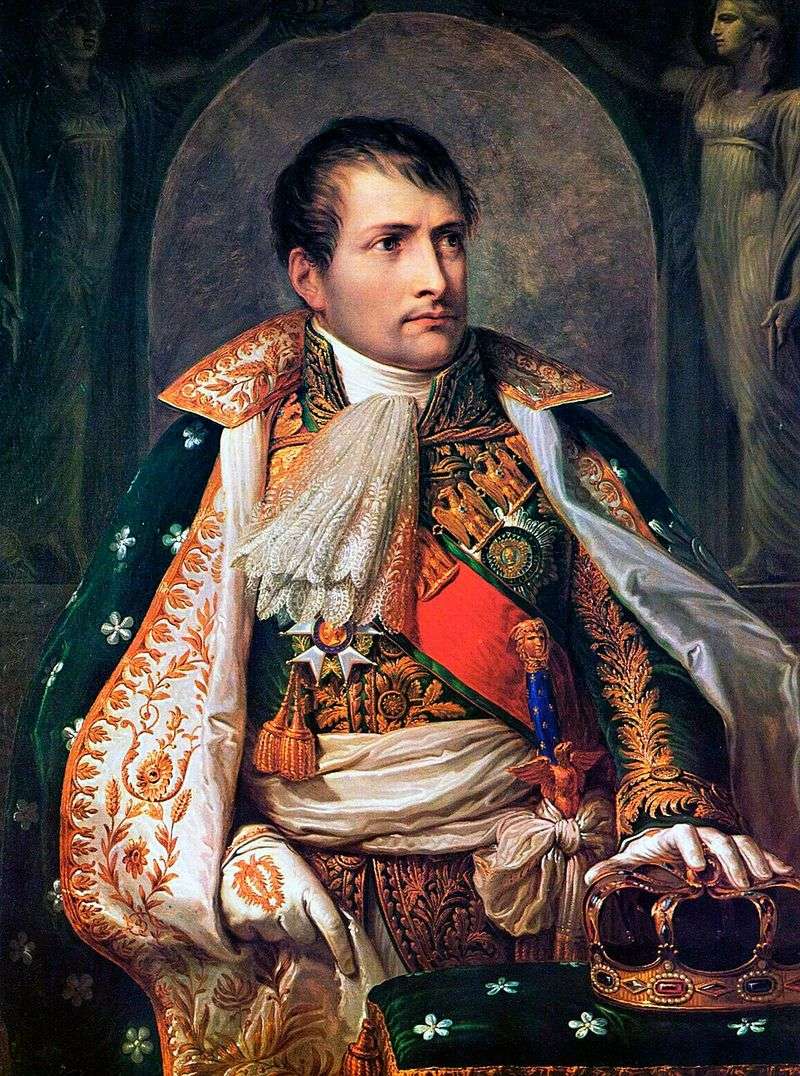
A conqueror of nations could not conquer his own heart. Napoleon Bonaparte, one of history’s most powerful military leaders, fell hard for Josephine de Beauharnais, a widowed socialite who was not exactly looking for a general to sweep her off her feet.
Napoleon wrote her hundreds of passionate love letters, often while leading armies across Europe. Even when political pressure forced him to divorce her so he could marry someone who could give him an heir, he never stopped caring for her.
Before he passed away, years later, the word he reportedly whispered was her name. Love, it turns out, outlasted the empire.
2. King Edward VIII and Wallis Simpson
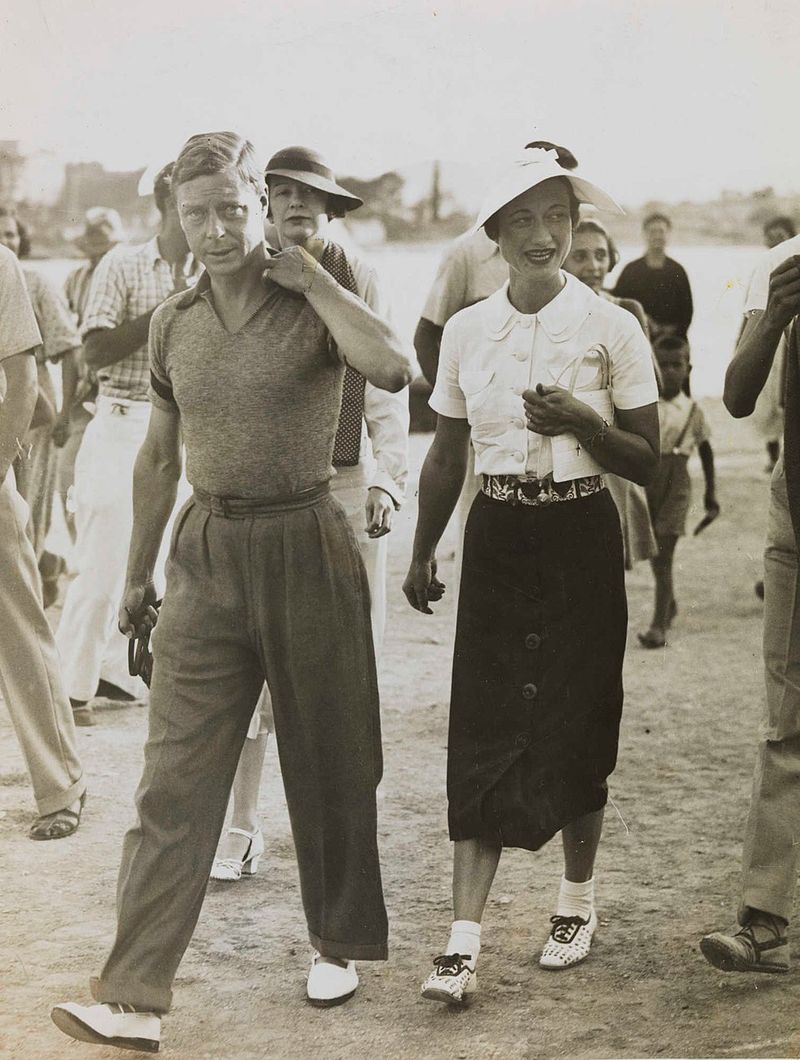
A king literally gave up his crown for love. In 1936, Edward VIII shocked the entire world when he announced he would abdicate the British throne because the government would not allow him to marry Wallis Simpson, an American divorcee.
How often does someone walk away from ruling a nation just to be with one person? Edward did exactly that, delivering one of the most dramatic radio speeches in royal history.
The couple eventually married and lived as the Duke and Duchess of Windsor. Not everyone applauded the choice, but Edward never showed a single regret about trading his crown for companionship.
3. Cleopatra VII and Mark Antony
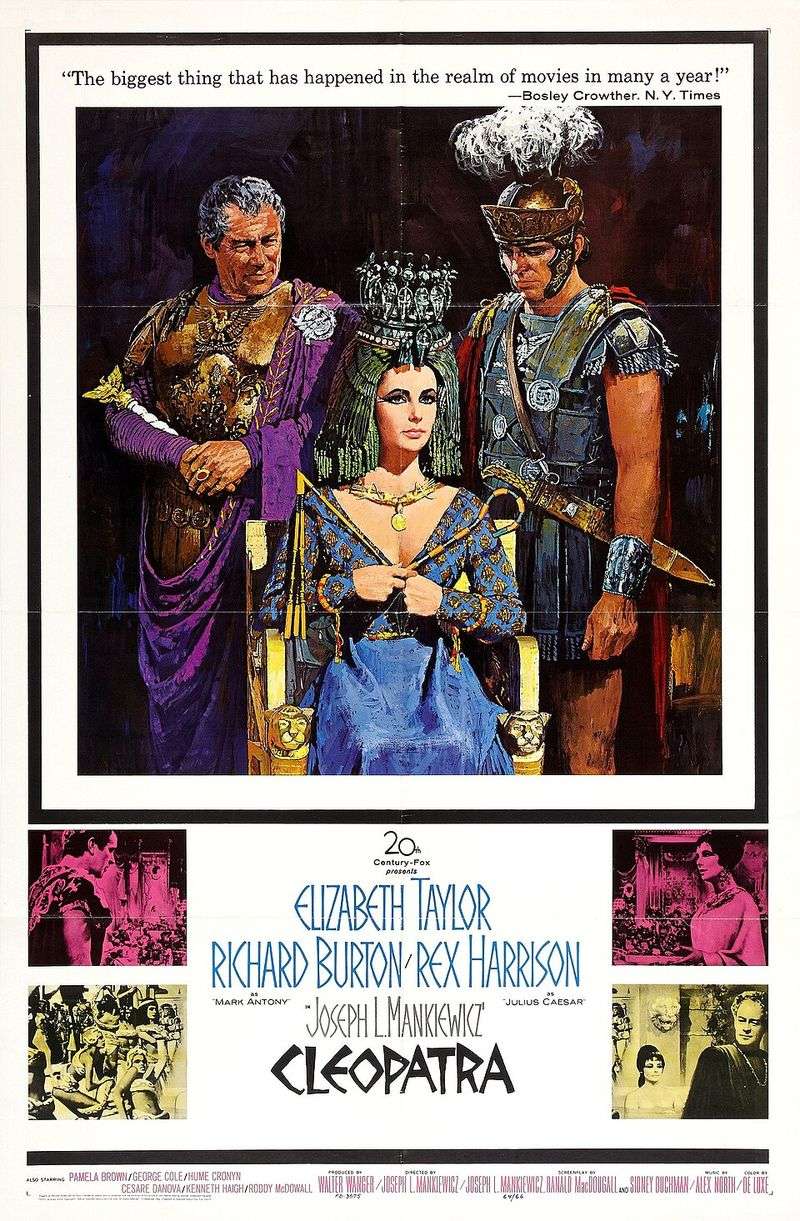
Few love stories have been retold as many times as the romance between Cleopatra and Mark Antony. Cleopatra, the brilliant and politically sharp queen of Egypt, and Antony, the powerful Roman general, formed one of the ancient world’s most explosive partnerships.
However, love and politics made for a dangerous cocktail. Rome turned against Antony, and the couple found themselves fighting both an empire and fate itself.
When Antony believed Cleopatra had passed, he fell on his sword. She followed shortly after, choosing end over being paraded as a Roman trophy.
Together until the very end, even history could not separate them.
4. Elizabeth Barrett and Robert Browning
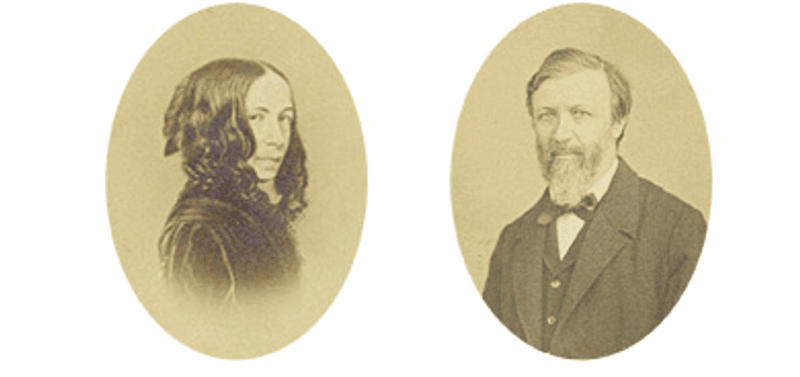
Locked away by an overbearing father who forbade all his children to marry, Elizabeth Barrett seemed destined for a life of isolation. A serious illness had left her bedridden for years, and her world was mostly letters and poetry.
Robert Browning changed everything. After reading her published poems, he wrote to her, and a secret correspondence blossomed into a full-blown love story.
If romance were a sport, Robert played the long game perfectly.
The couple eloped to Florence, Italy, where Elizabeth’s health improved dramatically and both poets produced some of their finest work. Her famous line, “How do I love thee?
Let me count the ways,” was written for him.
5. John Lennon and Yoko Ono
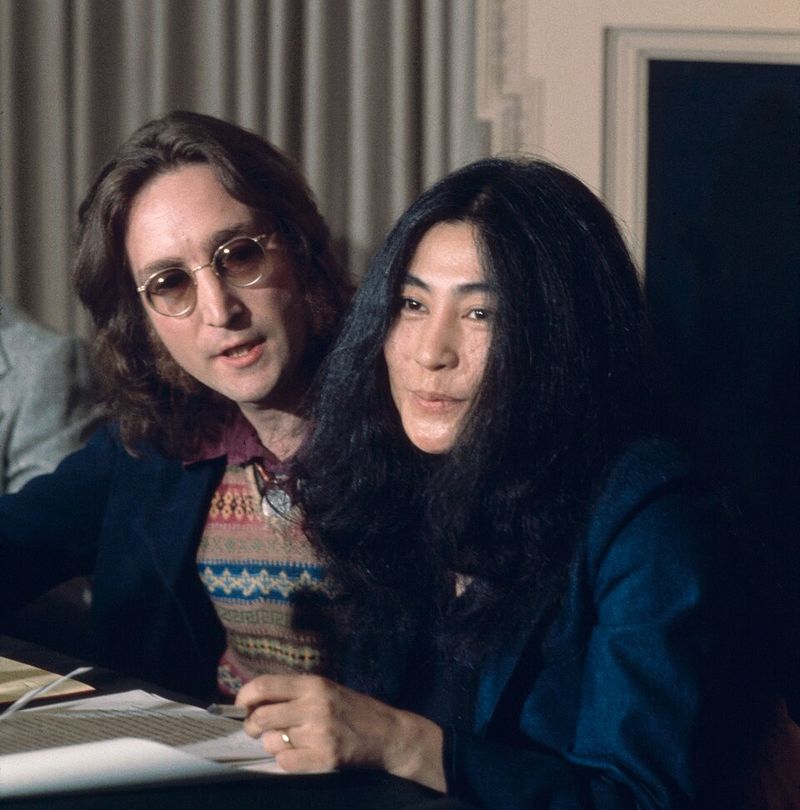
Not every love story gets a standing ovation. John Lennon and Yoko Ono faced enormous public criticism when the world blamed Yoko for breaking up The Beatles, which was a massive oversimplification of a very complicated situation.
Lennon stood by her side regardless, publicly defending her and weaving her influence deeply into his music and activism. Songs like “Imagine” and “Woman” became anthems shaped partly by her vision.
Together, they staged peaceful protests against war, held famous “bed-ins” for peace, and raised a son, Sean. Lennon risked his legendary reputation and friendships for a partnership he believed in completely.
Few called it simple, but he called it love.
6. Frida Kahlo and Diego Rivera
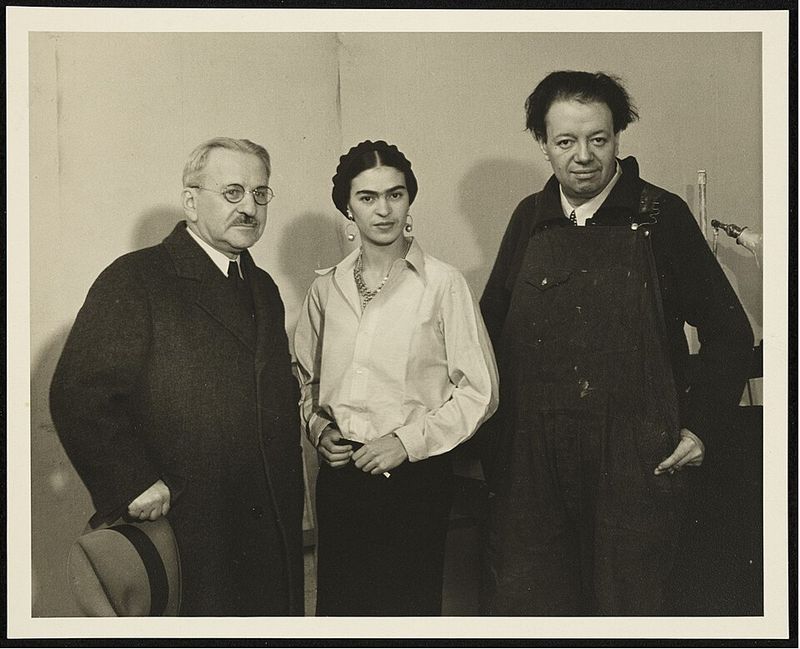
Calling Frida Kahlo and Diego Rivera’s relationship complicated is like calling a volcano slightly warm. Married twice to each other, separated by affairs, reunions, and personal tragedies, the two Mexican artists were magnetically and sometimes painfully bound together.
Frida poured every ounce of joy and heartbreak into her iconic self-portraits, many of which reflected her turbulent love for Diego directly.
Diego, a celebrated muralist, admired her artistic genius deeply even when personal loyalty was not his strongest quality. How two people so different could remain so connected defies easy explanation.
Art, passion, and stubbornness might be the best answer anyone has found so far.
7. Queen Victoria and Prince Albert
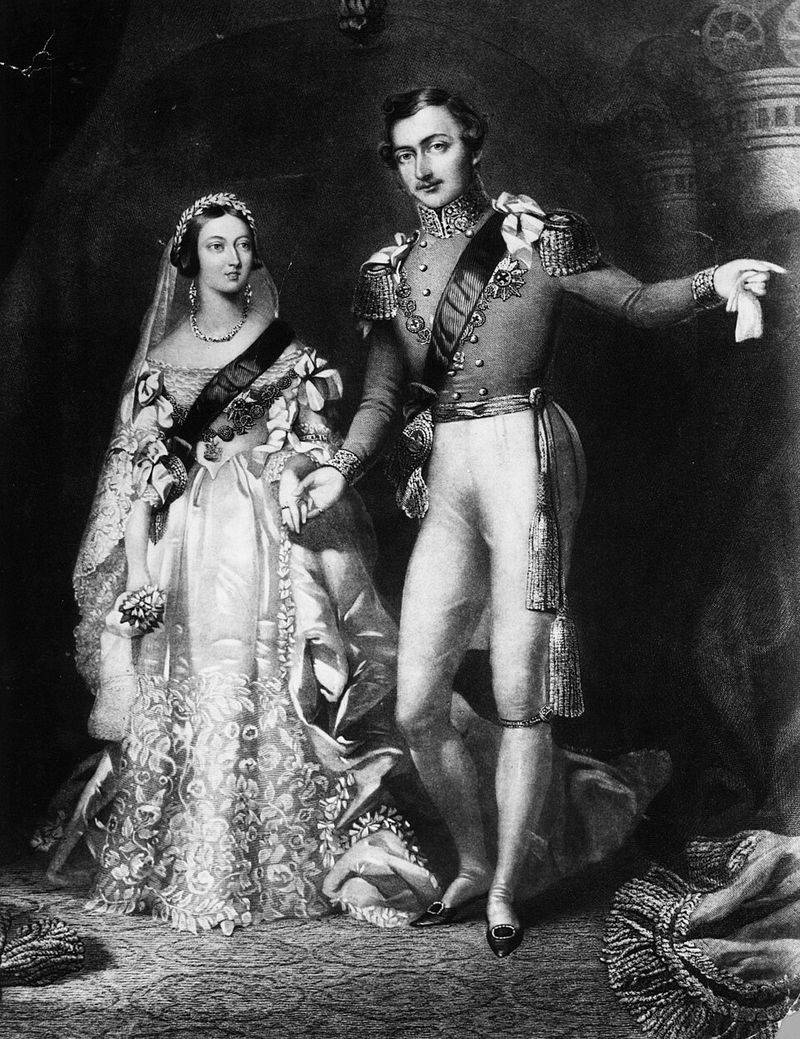
Royal marriages back in the 1800s were mostly business arrangements. Queen Victoria completely broke that mold.
She actually proposed to Prince Albert herself, which was almost unheard of for a reigning monarch, especially a woman, in that era.
Albert became her anchor, helping modernize the British monarchy and shaping policies that strengthened the nation. Victoria described him as perfect, and by all accounts, the admiration was completely mutual.
When Albert passed of typhoid fever in 1861 at just 42 years old, Victoria was devastated. She wore black mourning clothes for the remaining 40 years of her life.
That is not just love. That is devotion on another level entirely.
8. Shah Jahan and Mumtaz Mahal
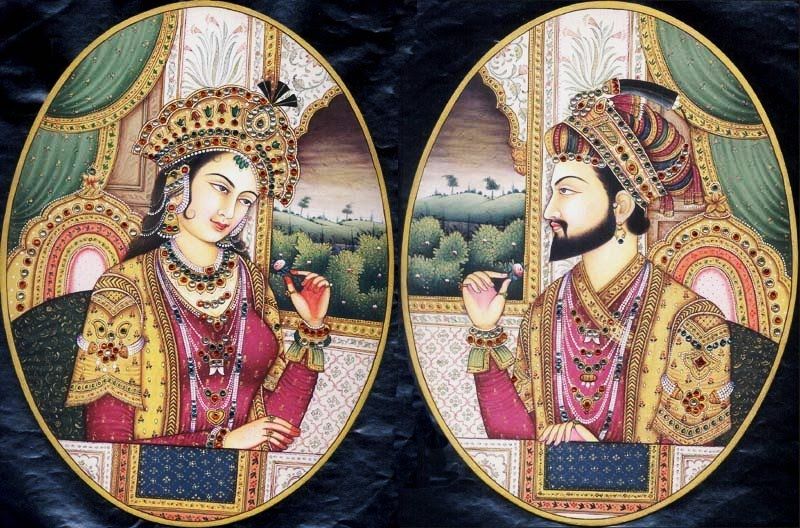
Some people express love through words. Shah Jahan expressed it by building one of the most beautiful structures on Earth.
When his beloved wife Mumtaz Mahal passed during childbirth in 1631, the Mughal emperor was so overcome with grief he reportedly stopped eating and his hair turned white overnight.
His tribute to her memory became the Taj Mahal in Agra, India, a white marble masterpiece that took over 20 years and 20,000 workers to complete. No greeting card in history has ever come close.
Shah Jahan spent his final years imprisoned by his own son, gazing at the Taj Mahal through a window, still devoted to the memory of Mumtaz until his last breath.
9. Marie Curie and Pierre Curie
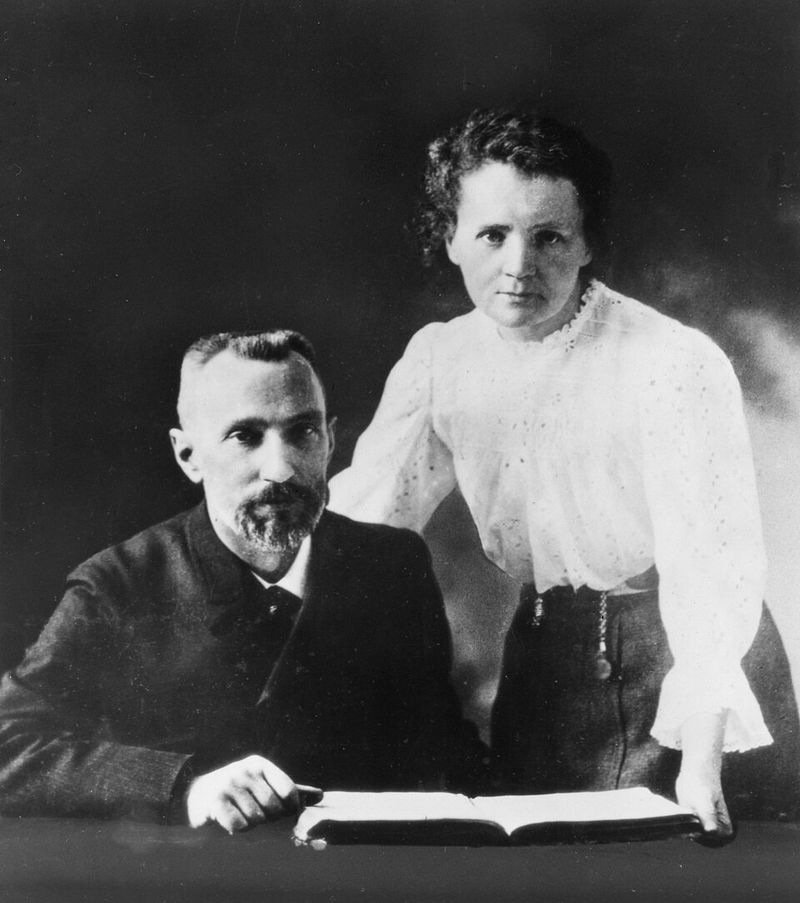
Not every great love story involves crowns or castles. Some of the most remarkable ones happen in laboratories.
Marie and Pierre Curie are proof that shared passion, curiosity, and respect can form a bond as powerful as any royal romance.
Pierre recognized Marie’s extraordinary scientific mind at a time when women were rarely taken seriously in academia. He proposed to her twice before she said yes, and together they discovered polonium and radium, earning a Nobel Prize as a team.
After Pierre passed away in a tragic street accident in 1906, Marie continued their shared work and won a second Nobel Prize. She carried his scientific legacy forward as both a tribute and a love letter to everything they built together.
10. Hadrian and Antinous
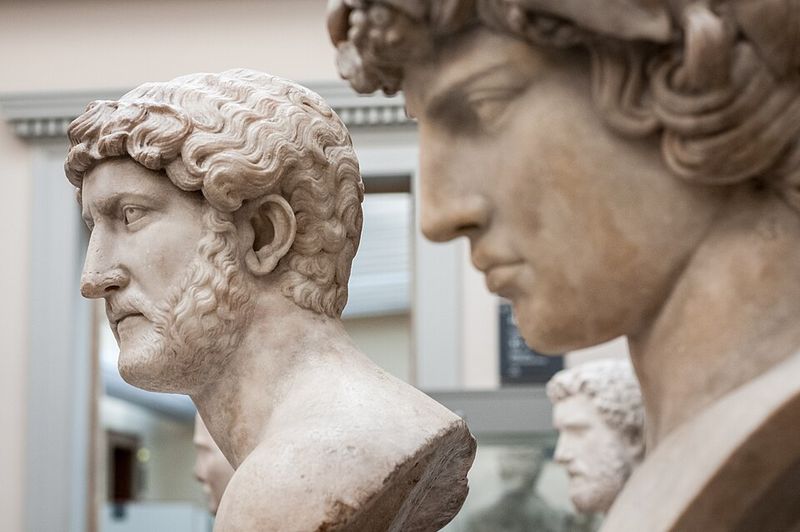
Roman Emperor Hadrian ruled one of history’s greatest empires, built Hadrian’s Wall across Britain, and reshaped Roman architecture. Yet the most personal chapter of his life involved a young Greek man named Antinous, whom Hadrian loved deeply and openly during a time when such relationships were publicly acknowledged in Roman culture.
When Antinous drowned mysteriously in the Nile River in 130 AD, Hadrian’s grief was extraordinary. He founded a city in Egypt called Antinoopolis in honor of his companion and had Antinous declared a god, one of the few non-emperors ever deified in Roman history.
Statues of Antinous appeared across the empire, more than almost any other figure from antiquity. Hadrian turned love into legend, and stone, and a whole city.
11. Josephine Baker and Her Many Loves
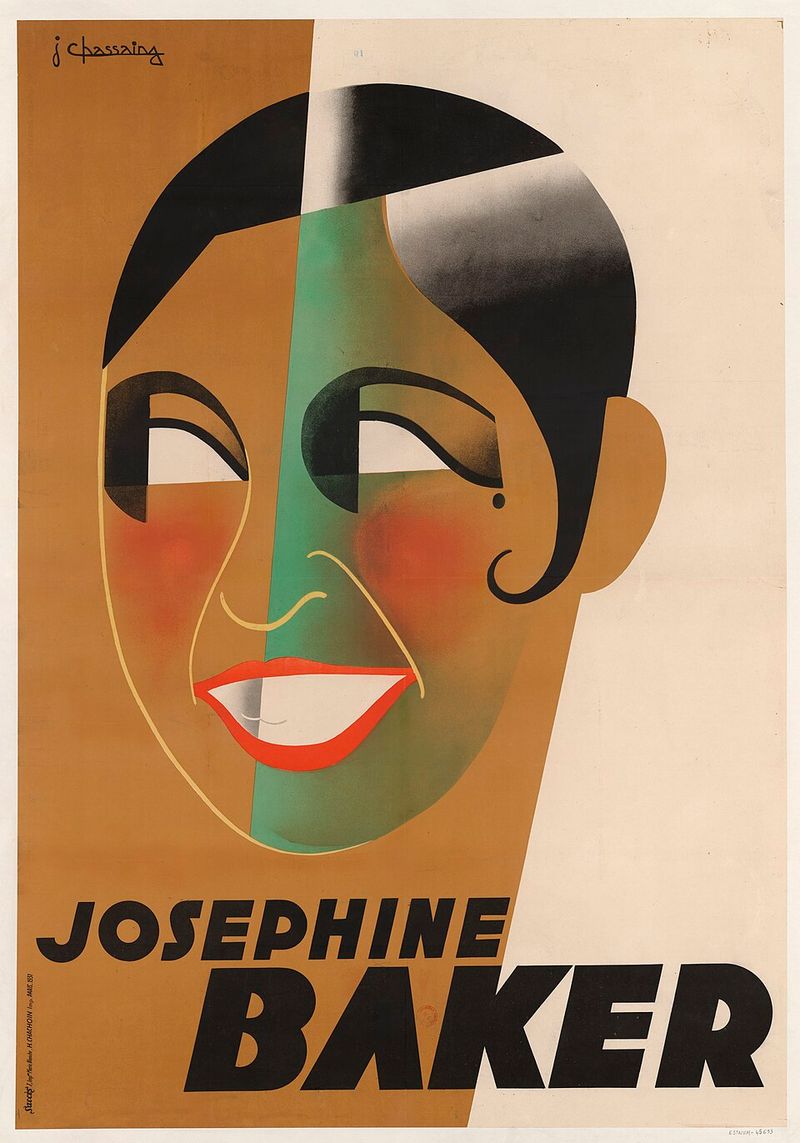
Jazz-age superstar Josephine Baker was not just a groundbreaking entertainer. She was a woman who loved fiercely, lived boldly, and refused to let anyone else define her story.
Baker had four marriages and countless romantic connections, each one reflecting her determination to experience life on her own terms.
She also adopted 12 children of different nationalities, calling them her Rainbow Tribe, a living statement of love against racism and division.
During World War II, Baker risked her life spying for the French Resistance, partly driven by love for her adopted country of France. Few people in history have channeled love into so many different forms of courage all at once.
12. Henry II and Rosamund Clifford
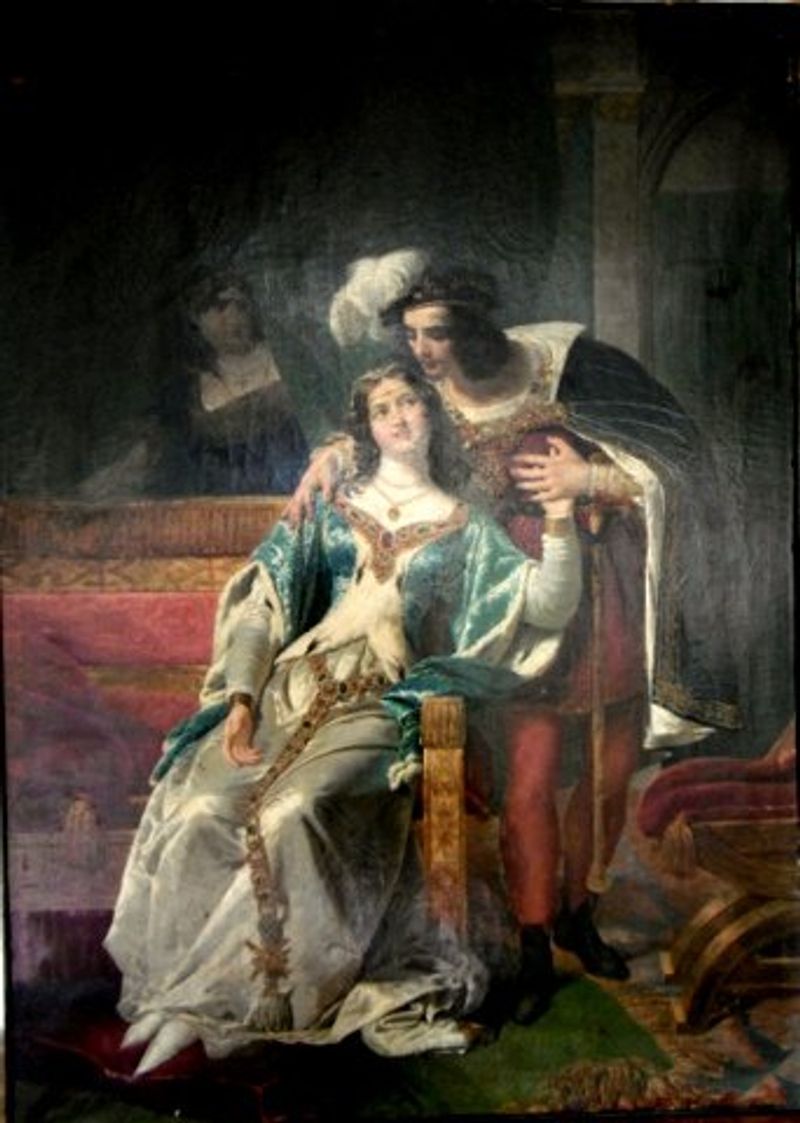
Medieval kings were not exactly famous for keeping secrets, but Henry II of England gave it a serious try. His relationship with Rosamund Clifford, a young noblewoman, was one of the worst-kept secrets of the 12th century English court.
Henry reportedly hid Rosamund at Woodstock Palace in a maze-like bower to keep her safe from his furious queen, Eleanor of Aquitaine. The legend of the bower became one of the most romantic and mysterious tales of medieval England.
Rosamund passed young, possibly around 1176, and Henry reportedly mourned her deeply. Eleanor, for her part, eventually supported her sons in rebelling against Henry.
Love, jealousy, and royal politics made for a very dramatic household.
13. Simone de Beauvoir and Jean-Paul Sartre
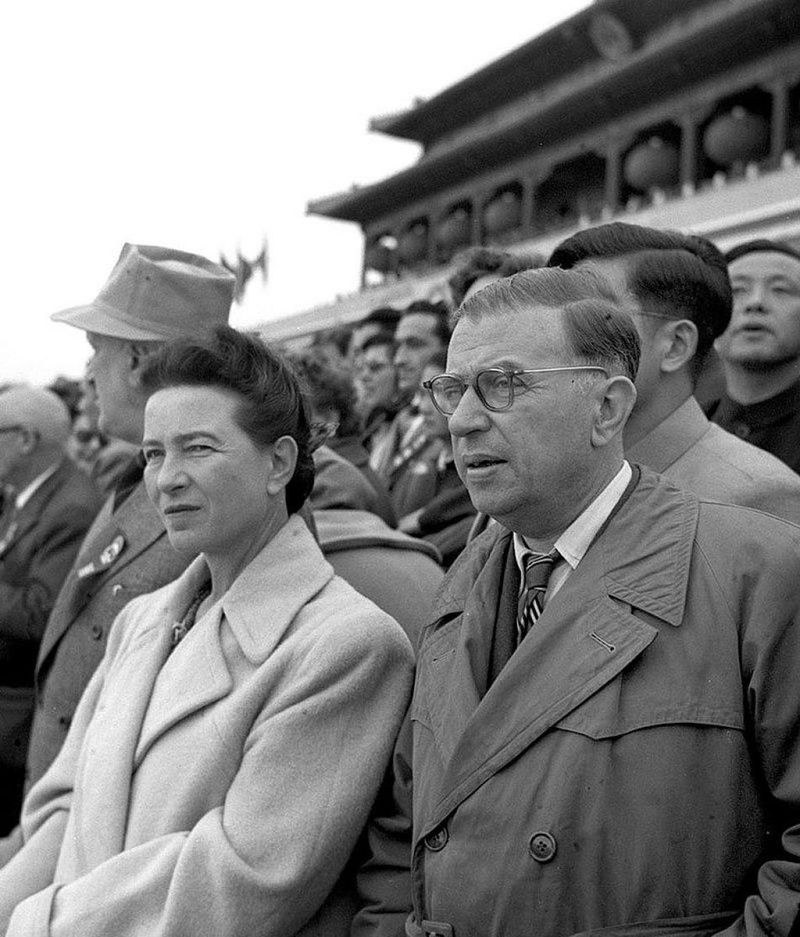
What happens when two of the world’s greatest thinkers fall in love and then decide to completely rewrite the rules of romance? You get Simone de Beauvoir and Jean-Paul Sartre, the French intellectual power couple who rejected traditional marriage and invented their own relationship structure instead.
Both agreed to an open relationship while maintaining each other as primary partners, a radical idea in 1930s Paris. De Beauvoir’s landmark book helped launch modern feminism, and Sartre’s philosophy of existentialism shaped how millions of people thought about freedom and choice.
How much of their bold ideas came from living their love so unconventionally? Probably more than either of them ever fully admitted.