15 Hit Albums From Big-Name Artists That Critics Hated Upon Release
Sometimes the albums that dominate sales charts end up clashing with critics in spectacular fashion.
Music history is filled with releases that earned harsh reviews yet still grew into cultural landmarks embraced by generations of listeners.
Heavy metal pioneers, pop powerhouses, and genre-shifting artists all proved that commercial momentum doesn’t always match critical opinion.
Disclaimer: This article is intended for general informational and entertainment purposes.
Album details, critical responses, and historical context reflect publicly available information at the time of writing.
15. Led Zeppelin – Led Zeppelin (1969)
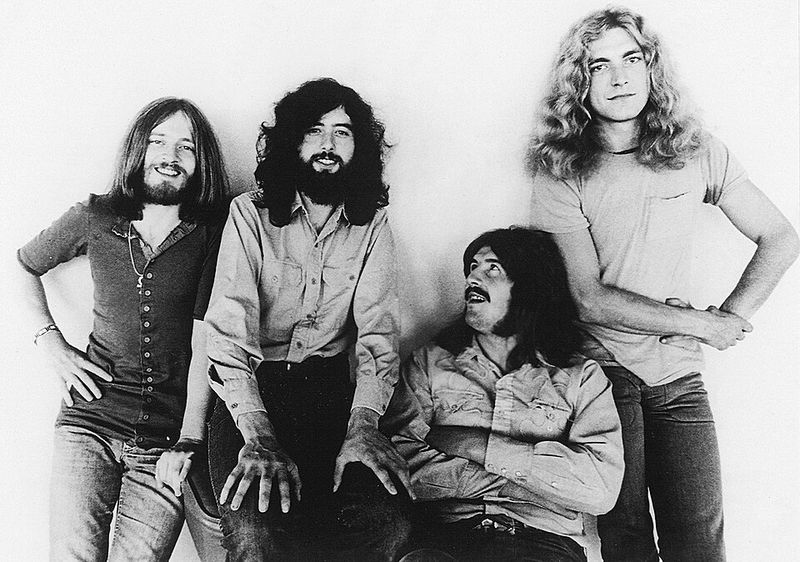
American critics dismissed this debut as nothing more than loud, overblown blues-rock that lacked originality.
Rolling Stone and others heard bombast where fans heard revolution.
Yet the album shot into the top 10 on both sides of the Atlantic and eventually went multi-platinum.
Today, it’s considered one of the greatest rock debuts ever recorded.
Turns out, sometimes the loudest voices in the room know exactly what they’re doing.
14. Black Sabbath – Black Sabbath (1970)
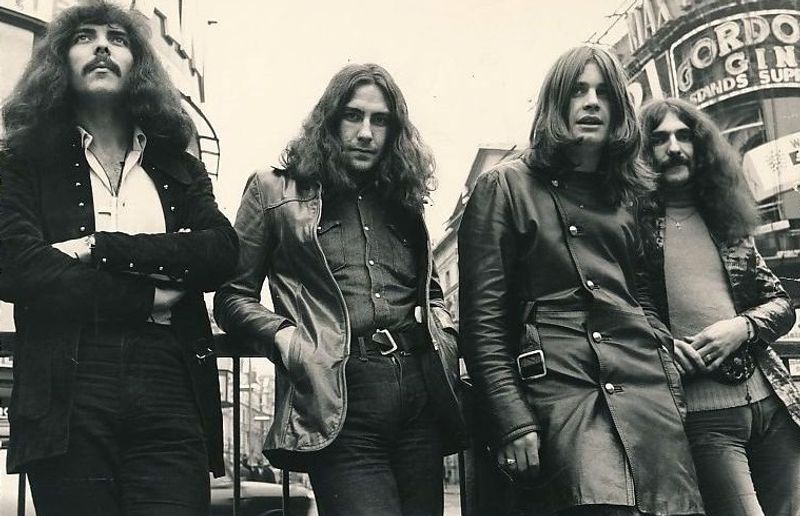
Reviewers called it crude, clichéd, and even dismissed it using harsh, colorful language.
Critics couldn’t see past the doom and gloom to recognize what fans immediately understood: this was something brand new.
The album climbed to number 8 in the UK and number 23 in the US.
More importantly, it essentially invented heavy metal as a genre.
Not bad for a record that was recorded in just twelve hours.
13. Bob Dylan – Self Portrait (1970)
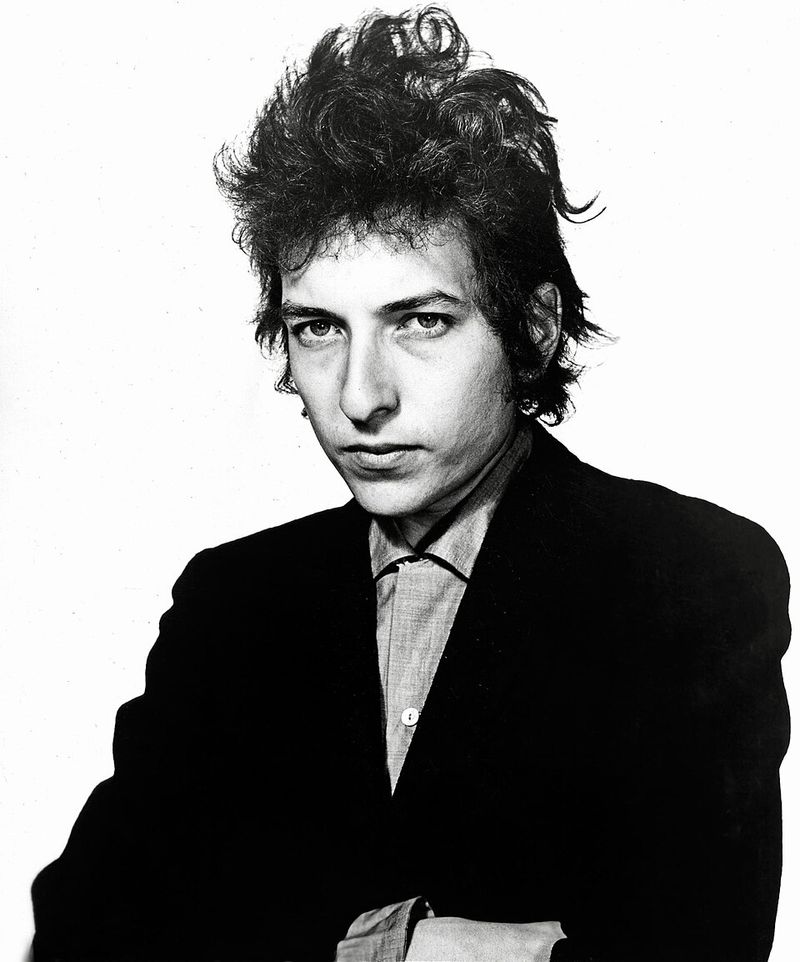
Greil Marcus opened his Rolling Stone review with the now-infamous line: “What is this?”
Critics across the board agreed, tearing into the double album with almost universal disdain.
Fans, however, sent it to number 4 on the Billboard 200 and all the way to the top in the UK.
Dylan later admitted he was trying to get people to stop following him so closely.
Mission not accomplished, apparently.
12. The Velvet Underground – The Velvet Underground & Nico (1967)
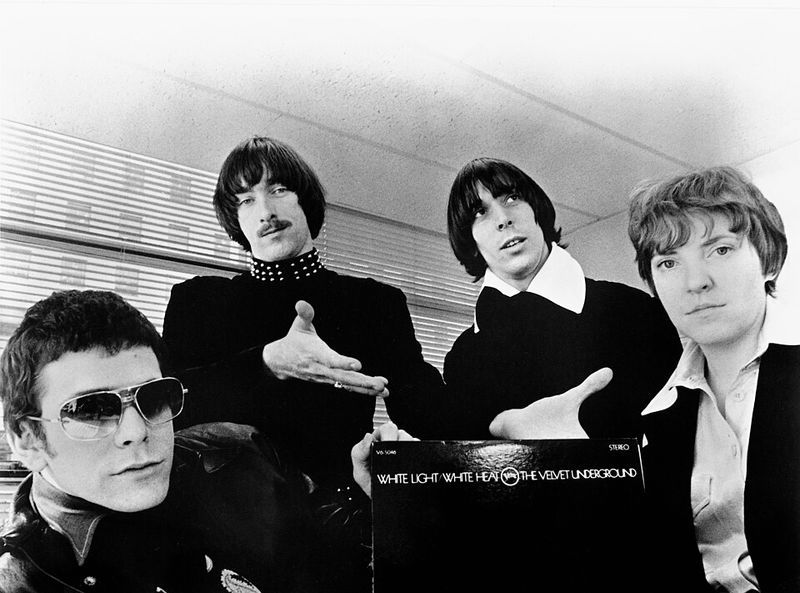
With its Andy Warhol banana cover and abrasive sound, this debut confused and polarized critics upon release.
Commercial performance was disappointing, and many reviewers simply didn’t know what to make of it.
Fast forward a few decades, and it’s now one of the most cited and influential rock records in history.
Brian Eno famously said that only a few thousand people bought it at first, but every one of them started a band.
11. Lou Reed – Berlin (1973)

After the glam-pop success of “Transformer,” Reed delivered a bleak concept album about personal turmoil and difficult relationships.
Contemporary critics slammed it as unlistenable, morbid, and depressing beyond measure.
The album still charted in several countries despite the critical drubbing.
Over time, it earned a fierce cult reputation and is now considered one of Reed’s boldest artistic statements.
Sometimes darkness has its own kind of beauty.
10. Neil Young – Harvest (1972)

This was the best-selling album in the United States that year, yet some critics found it uneven or too mellow.
“Heart of Gold” became a number-one single, and the LP camped out at the top of the charts for weeks.
Still, sharp criticism came from writers who expected something edgier from Young.
Fans didn’t care about the complaints and made it one of his most beloved records.
Commercial success speaks louder than any review.
9. Queen – Jazz (1978)
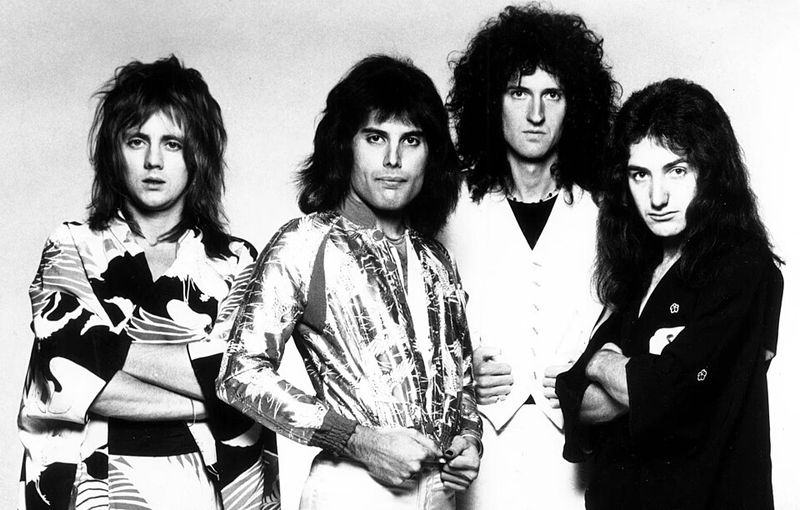
Even with impressive sales and standout tracks like “Don’t Stop Me Now,” the album initially faced harsh criticism.
At one point, Rolling Stone even labeled it “fascist,” a charge that now feels wildly out of place.
Over time, the record soared to multi-platinum status and settled into its role as a beloved fan favorite.
Because Queen leaned into theatrical flair and fearless shifts between genres, critics who preferred safer sounds didn’t know how to respond.
Thankfully, embracing the unpredictable was exactly what made Queen unforgettable.
8. Fleetwood Mac – Tusk (1979)
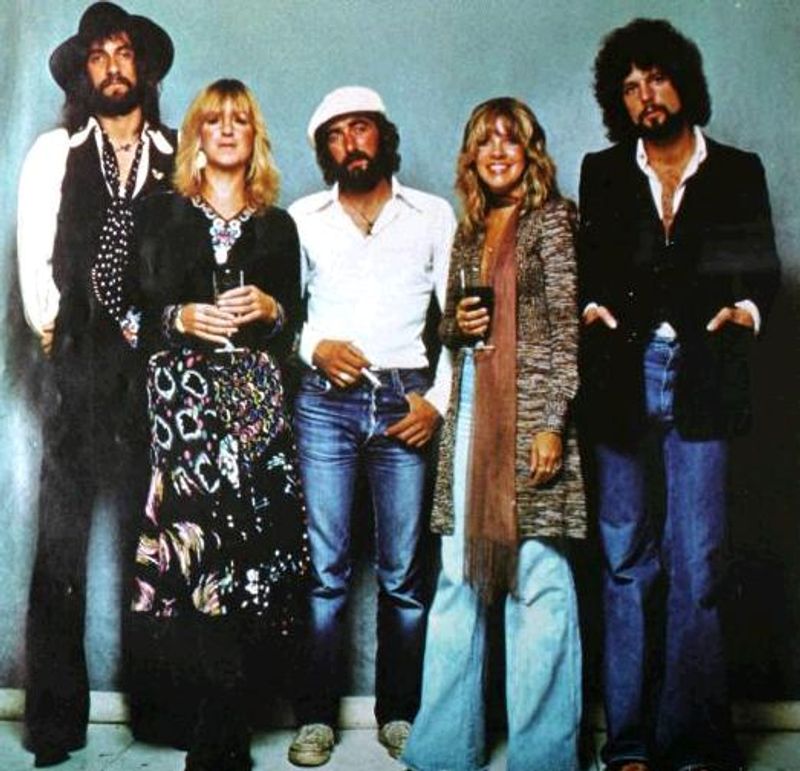
Following the massive success of “Rumours” was never going to be easy, and Fleetwood Mac chose experimentation over safety.
Critics called this sprawling double album self-indulgent and compared it unfavorably to its predecessor.
Yet it reached the top 5 in multiple countries and sold millions of copies.
The band spent over a million dollars making it, and the creative risks paid off for fans if not for reviewers.
7. Kate Bush – The Dreaming (1982)
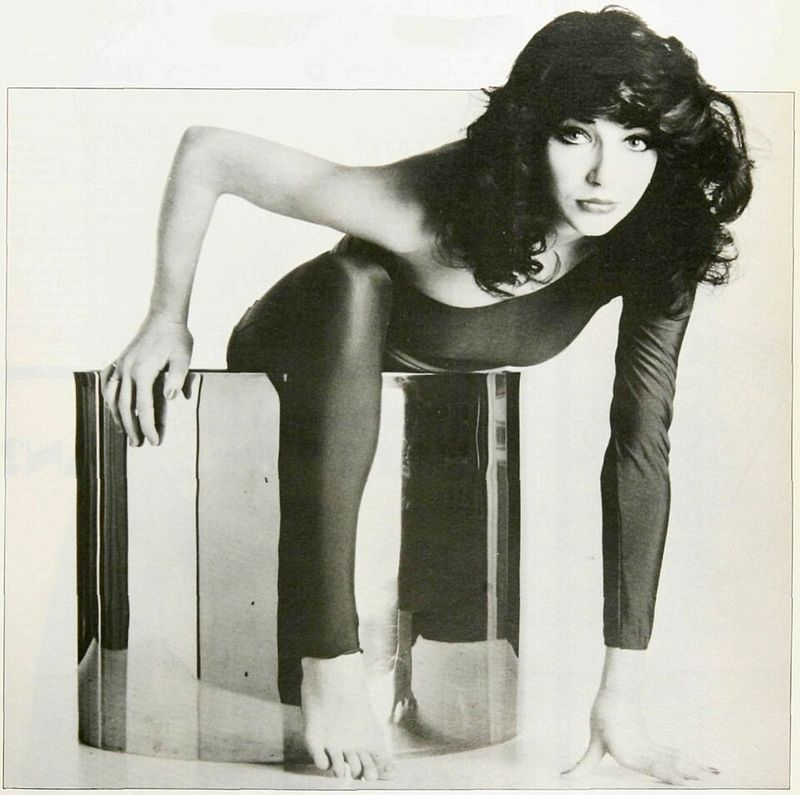
As Kate Bush stepped into full control of production for the first time, many reviewers dismissed the album as too strange to grasp.
Faced with its experimental textures and unpredictable structures, critics seemed unsure how to interpret what she created.
Even so, it still climbed into the UK top 3, showing that her audience embraced risk far more readily than the press did.
With time, listeners and musicians alike began recognizing it as a pioneering art-pop achievement that shaped entire generations of creators.
6. Madonna – Erotica (1992)

Released alongside the “Sex” book and a media firestorm, “Erotica” drew moralizing and mixed notices from critics.
The controversy overshadowed the music for many reviewers who couldn’t get past the provocative imagery.
Despite the backlash, it topped charts worldwide and eventually went multi-platinum.
Retrospective critics now treat it as one of Madonna’s boldest and most cohesive artistic statements.
Controversy and quality can absolutely coexist.
5. Weezer – Pinkerton (1996)

Fans and critics were initially puzzled or downright hostile toward its raw sound and confessional lyrics.
Early polls even ranked it among the year’s worst albums, and Rivers Cuomo was deeply hurt by the response.
Over time, it became a cult classic and a major influence on emo and indie rock.
Today, it’s considered one of the most important alternative rock albums of the 1990s.
Sometimes the best art takes years to find its audience.
4. Metallica – St. Anger (2003)
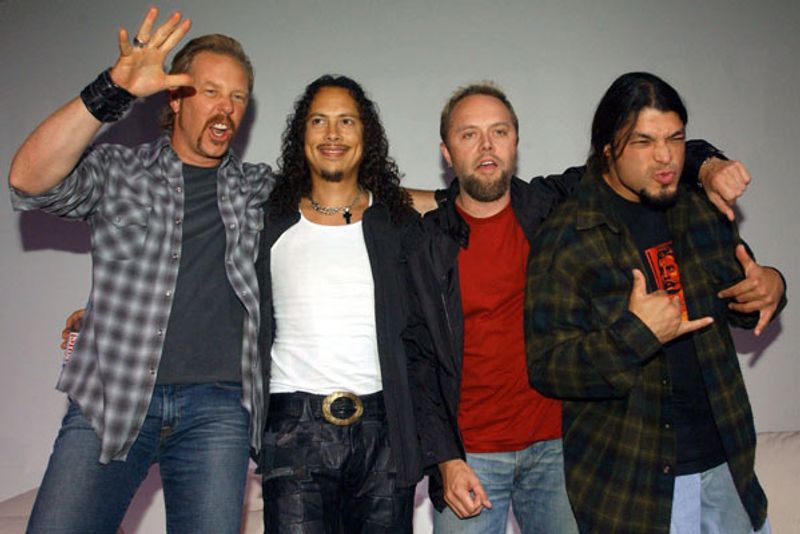
This chart-topping, Grammy-winning album was savaged for its harsh production and infamous snare drum sound.
Critics and fans alike complained about the absence of guitar solos and the repetitive song structures.
Yet it debuted at number one in numerous countries and moved millions of copies worldwide.
The band was going through therapy and personal turmoil, and the raw sound reflected that chaos.
Not every experiment works, but at least they tried something different.
3. Daft Punk – Human After All (2005)
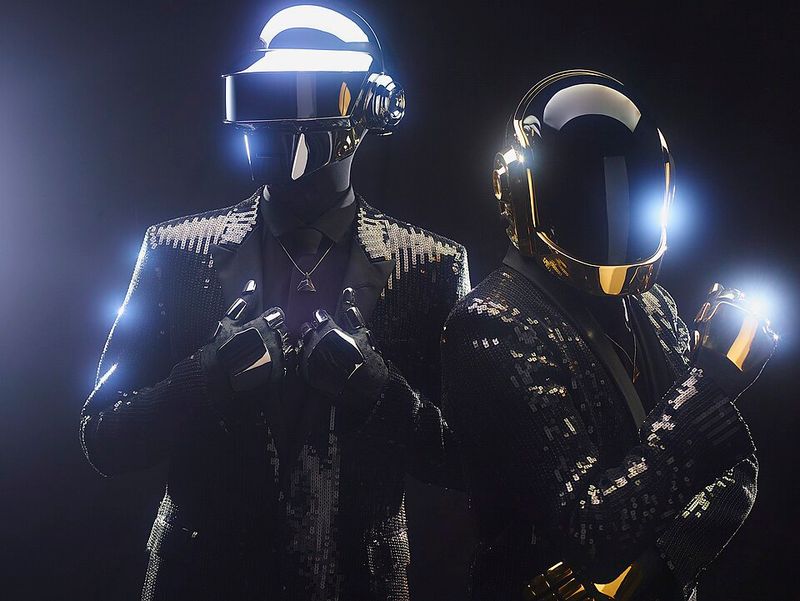
Early reviews slammed the album for leaning on repetition and carrying what they interpreted as an “unfinished” edge.
Because the entire project was completed in only six weeks, critics argued the lack of gloss was impossible to ignore, especially coming from a French duo known for precision.
Even with that pushback, the release still performed impressively across Europe and Japan, proving listeners felt differently.
As years passed, fans began to see how seamlessly it fed into Daft Punk’s live performances and visual identity.
2. Kanye West – 808s & Heartbreak (2008)
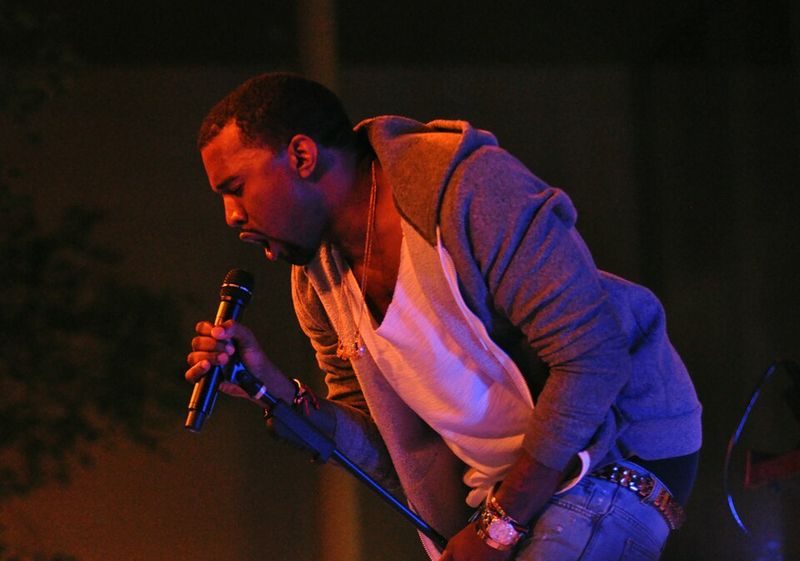
Many reviewers, along with plenty of hip-hop purists, initially pushed back against the Auto-Tuned vocals and stripped-down atmosphere.
Following a period of personal hardship and the end of a difficult relationship, some critics questioned whether Kanye had lost his artistic direction.
Even with the doubts surrounding it, the album entered the US charts at number one and reached platinum status in short order.
Far more significantly, it later became recognized as a defining influence on 2010s pop and rap artists ranging from Drake to Travis Scott.
1. U2 – Pop (1997)
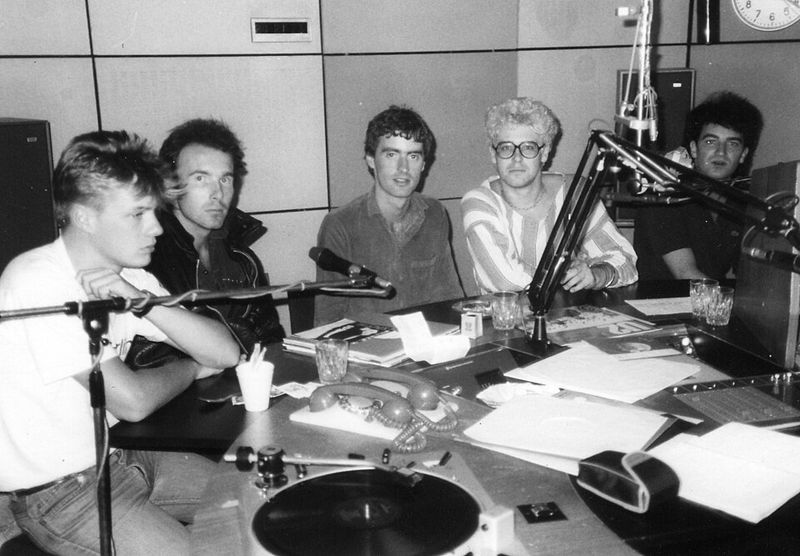
Hype was intense, sales were strong, and the album topped charts worldwide upon release.
Yet critics and fans complained about its unfinished feel and overreliance on dance textures and electronic production.
The rushed recording schedule meant the band didn’t have time to perfect the songs before the tour started.
In later years, even U2 members have been openly ambivalent about the final product.
Sometimes ambition outpaces execution, even for legends.