11 Hit Movies That Accidentally Teach All The Wrong Lessons
Movies have a way of pulling us in, making us laugh, cry, and sometimes buy into ideas that don’t quite add up. Behind the epic battles, tear-jerking romances, and jaw-dropping special effects, some blockbusters slip in lessons that are surprisingly questionable, or just plain weird.
Pop some popcorn, dive into these films, and see which cinematic favorites secretly teach lessons that make you raise an eyebrow, rethink a plot twist, or laugh at just how off-base a moral can be.
1. Ferris Bueller’s Day Off (1986): Lying Pays Off
Ferris Bueller is basically the patron saint of getting away with everything. He fakes illness, manipulates his best friend, cons his way into a fancy restaurant, and somehow ends up a hero.
The movie never shows real consequences for his choices.
If you tried Ferris’s tricks in real life, a phone call home would be the least of your worries. Lying to everyone you love is not a superpower worth celebrating, even if you look cool doing it.
2. The Notebook (2004): Obsession Is Romantic

Ryan Gosling’s Noah is considered the ultimate romantic hero, but rewatch those early scenes and things get uncomfortable fast. He dangles from a Ferris wheel to force a date, shows up uninvited repeatedly, and refuses to take no for an answer.
Real talk: that behavior has a name, and it is not romance. Healthy relationships are built on respect and clear communication, not dramatic stunts designed to wear someone down until they say yes.
3. She’s All That (1999): Makeovers Determine Worth

Zack bets his friends he can turn any girl into prom queen. Spoiler: the girl he picks, Laney, was already smart, talented, and interesting before anyone swapped her overalls for a sparkly dress.
Yet the film frames her value as something that needed unlocking through a makeover. How great would it have been if the lesson was that she was already enough?
Instead, audiences got a checklist: new hair, new clothes, suddenly worthy of love.
4. Project X (2012): Chaos Equals Coolness

Three high school guys throw a party that destroys a neighborhood, involves a flamethrower, and spirals so far out of control that news helicopters show up. And yet, the film ends with everyone treating them like legends.
No real consequences land. No one reflects on the damage caused to innocent neighbors or property.
Teaching young viewers that chaos earns popularity is a spectacularly bad idea wrapped in a surprisingly catchy soundtrack.
5. Grease (1978): Change Yourself for Love

Sandy spends the entire movie trying to fit into Danny’s world, and the grand finale has her squeezing into leather pants and picking up smoking to win him over. Audiences cheered.
Eyebrows should have been raised instead.
Danny does briefly try to join the track team for Sandy, but the film’s loudest message belongs to her transformation. Changing your entire personality and appearance for someone else’s approval is not love.
That is just a very catchy mistake.
6. The Breakfast Club (1985): Peer Pressure Builds Bonds

Few films capture teenage complexity better, and yet this classic quietly suggests that breaking rules together is the fastest way to form real friendships. The students bond partly through shared mischief and pressure-filled moments.
Growing up means learning that genuine connection does not require doing things you are uncomfortable with just to fit in. Though the film has heart, its shortcut to friendship sends a message worth questioning the next time someone dares you to do something questionable.
7. Twilight (2008): Controlling Partners Are Dreamy
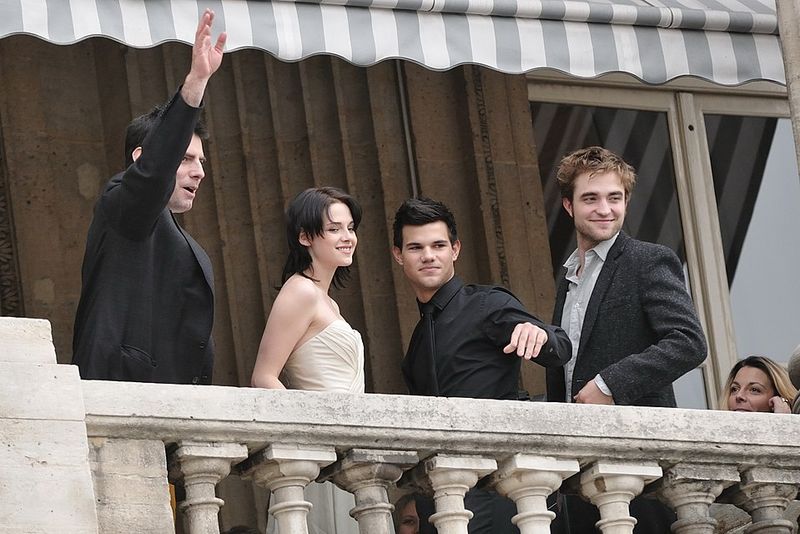
Edward Cullen watches Bella sleep without her knowledge, removes the engine from her truck to stop her from seeing friends, and admits he has been sneaking into her room for months. Millions of fans called this swoon-worthy.
When someone controls where you go, who you see, and how you move, that is not protective love. It is a textbook warning sign.
Bella deserved better, and so does every reader who grew up thinking Edward was relationship goals.
8. I Know What You Did Last Summer (1997): Hide the Truth

After accidentally hitting a pedestrian with their car, a group of friends decides the smartest move is to dump the body and never speak of it again. Predictably, this plan does not go well for anyone involved.
However, the film never really frames their cover-up as morally wrong. It is treated as a survival instinct rather than a terrible choice.
Telling the truth immediately would have been hard. Spending a year being hunted by a hook-wielding fisherman was considerably worse.
9. Reality Bites (1994): Ambition Is Uncool
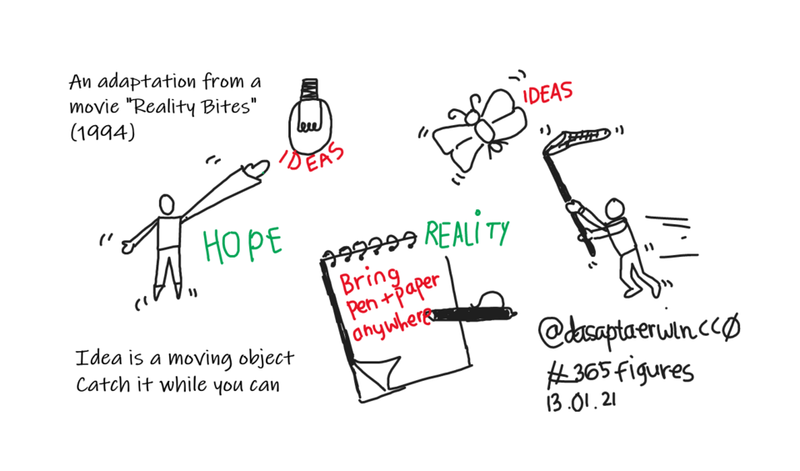
Troy Dyer is the ultimate 90s cool guy: brilliant, sarcastic, unemployed by choice, and absolutely dismissive of anyone who tries too hard. The film rewards him with the girl and frames his anti-ambition attitude as deep and authentic.
Working hard toward your goals is not selling out. Caring about your future is not uncool.
Generation X had legitimate frustrations, but glorifying purposeful aimlessness as a personality trait left a strange mark on a whole generation of viewers.
10. Pretty Woman (1990): Romance Fixes Everything

Edward is controlling, dismissive, and emotionally unavailable for most of the film. Vivian’s complex situation is glossed over in favor of a fairy-tale ending complete with a white limousine and roses.
Critics called it charming. Therapists might call it something else.
Love stories that require one person to be rescued and entirely reinvented are romantic on screen but messy in reality. Vivian was funny, sharp, and resourceful long before Edward showed up with his credit card.
11. Home Alone (1990): Kids Handle Everything Better Alone

A kid left home alone somehow turns his house into an elaborate booby trap playground, outsmarting two bumbling criminals with paint cans, ice patches, and a BB gun. Kevin McCallister’s antics are hilarious, wildly entertaining, and completely over-the-top in the best way, making this holiday classic impossible not to watch again and again.
The unintentional lesson? Adults are bumbling and children are better off handling crises solo.
In real emergencies, calling a trusted adult or dialing 911 beats setting up a blowtorch trap every single time. Kevin is a legend, but please do not take notes.