13 Hit Songs That Are Instantly Familiar, Yet Their Artists Are Often Forgotten
We all know those songs that come on the radio and instantly spark recognition. Everyone hums along, sings the chorus, and maybe even busts out a dance move or two.
Yet when someone asks who performed the track, blank stares fill the room.
Note: Song popularity, chart peaks, and cultural impact can vary by country and chart methodology, and “often forgotten” reflects a general, subjective listening experience rather than a measurable statistic for every audience.
The content is provided for general informational and entertainment purposes and is not legal, financial, or professional advice.
13. Come On Eileen (Dexys Midnight Runners)
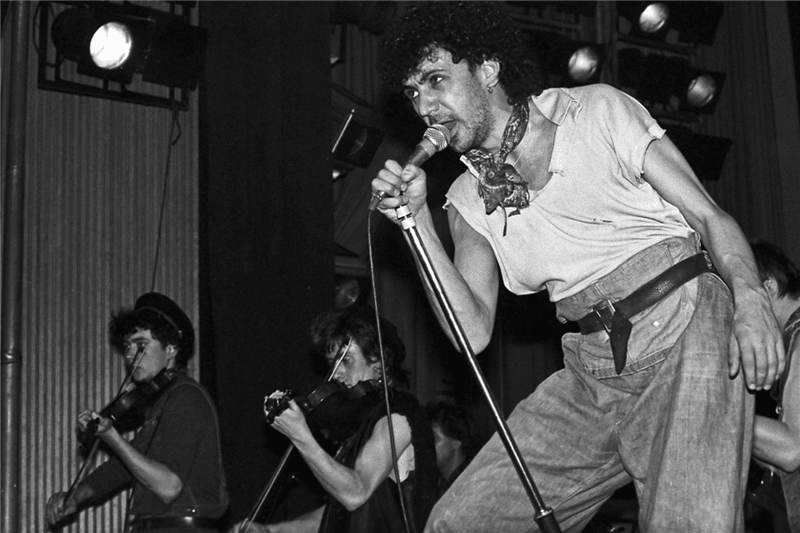
Overalls and fiddles created the soundtrack to countless school dances in the early eighties. This track hit No. 1 in the U.K. and the U.S., powered by its infectious Celtic-inspired drive and an unforgettable chorus that still gets everyone singing along.
However, most people couldn’t pick Kevin Rowland out of a lineup if their playlist depended on it. The band’s name gets lost in the shuffle while the melody lives on forever.
Somehow this song remains the ultimate feel-good anthem that transcends generations and genres.
12. Don’t Worry, Be Happy (Bobby McFerrin)
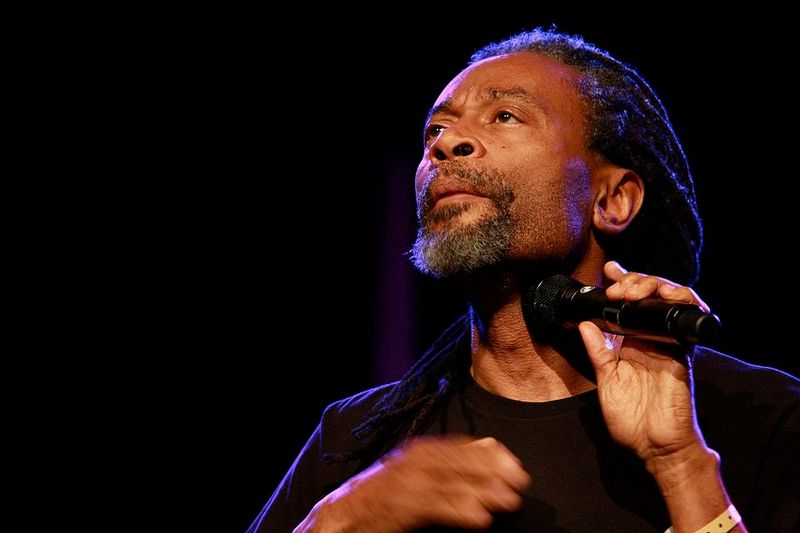
A cappella magic turned a simple message into the first a cappella song to hit number one on the Billboard Hot 100. Bobby McFerrin’s whistling and snapping created pure joy without a single instrument in sight.
Despite the track’s massive success in 1988, many listeners assume it’s just a cheerful tune from the past without knowing the genius behind it. McFerrin’s incredible vocal range and creativity deserve far more credit than they receive.
Ultimately, the song’s carefree vibe makes every rough Monday morning a little more bearable.
11. Macarena (Los Del Río)

Two Spanish performers gave the world one of the most iconic dance crazes of the nineties.
Weddings, bar mitzvahs, and summer camps were never the same after this track exploded onto the scene with its simple choreography.
Though everyone knows the moves by heart, few remember the duo’s actual names or faces. Los del Río became synonymous with one song, yet their legacy lives on every time someone raises their arms and swivels their hips.
Honestly, no party playlist feels complete without this timeless dance floor filler.
10. Blue (Da Ba Dee) (Eiffel 65)

Italian Eurodance wizards painted the late nineties blue with robotic vocals and hypnotic beats. This track became an instant earworm that kids sang on playgrounds and adults hummed during their morning commutes.
While the song’s catchy “da ba dee” hook is unforgettable, the trio behind it remains a mystery to most fans. Eiffel 65 crafted a futuristic sound that defined an era, yet their faces and names faded into obscurity almost as quickly as they rose.
Maybe that’s the price of creating such an iconic sonic experience.
9. Tubthumping (Chumbawamba)

Hands in the air and voices shouting turned into an anthem of resilience in 1997. Chumbawamba’s rebellious spirit and punk roots collided with mainstream pop to create a song about getting knocked down and getting back up again.
Actually, the band had been making politically charged music for years before this breakthrough hit. Most listeners never explored their deeper catalog or learned about their activist background, focusing only on the sing-along chorus that became a stadium staple.
Rarely does a protest band achieve such widespread commercial success while remaining virtually anonymous.
8. Spirit In The Sky (Norman Greenbaum)
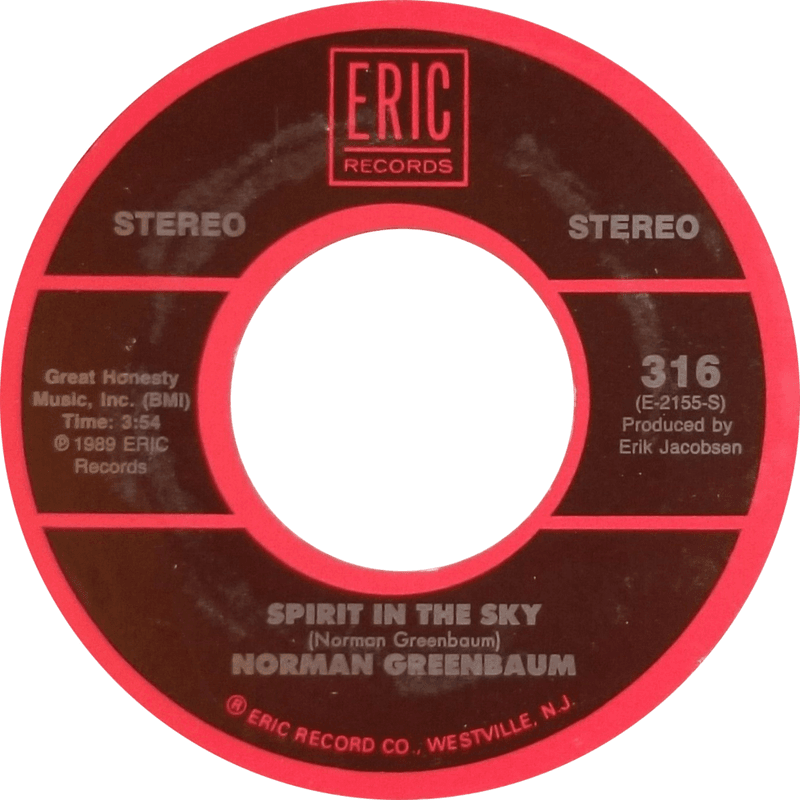
Gospel-infused rock met psychedelic fuzz guitar in 1969, creating one of the most enduring spiritual anthems ever recorded. Norman Greenbaum, a Jewish songwriter, penned this Christian-themed track that resonated across all religious backgrounds and musical tastes.
Traditionally, the song appears in movies, commercials, and classic rock playlists without any mention of its creator. Greenbaum never replicated this success, but his one shining moment secured a permanent place in music history that few artists ever achieve.
Fortunately, royalty checks keep rolling in decades later, proving true artistry never expires.
7. Who Let The Dogs Out (Baha Men)

Barking sounds and a question nobody could answer dominated sports arenas and birthday parties alike. The Baha Men from the Bahamas unleashed this infectious party starter that became impossible to escape in the early 2000s.
If you asked a crowd to name the group behind the track, awkward silence would likely follow. The song’s playful energy and repetitive hook overshadowed the talented musicians who brought Caribbean flavor to mainstream radio.
Personally, hearing those opening barks still triggers memories of elementary school field days and pure chaos.
6. Cotton Eye Joe (Rednex)

Swedish musicians dressed in exaggerated rural costumes created a wildly unexpected country-techno fusion the world had never heard before. This 1994 banger combined banjos with electronic beats, resulting in a line-dancing phenomenon that swept across continents.
Though the song remains a staple at roller rinks and school dances, Rednex as a group remains virtually unknown. Their quirky costumes and over-the-top personas couldn’t compete with the sheer power of that unforgettable fiddle riff.
Where did they come from, where did they go? Nobody really knows or remembers.
5. Closing Time (Semisonic)

Closing-time speakers everywhere adopted this 1998 track as an unofficial anthem for clearing the room at the end of the night. Semisonic’s frontman Dan Wilson wrote the song about his soon-to-be-born daughter, but most listeners hear it as a gentle nudge toward the exit.
Despite its poignant lyrics and memorable melody, the Minneapolis trio never achieved similar mainstream success. Wilson later became a sought-after songwriter for other artists, yet Semisonic’s name rarely comes up in music conversations.
Essentially, the song outlived the band’s fame in the most bittersweet way possible.
4. Mambo No. 5 (A Little Bit Of…) (Lou Bega)

A German-Ugandan performer brought swing music back to the charts with a playful list of female names. Lou Bega’s 1999 remake of a 1949 instrumental became a global sensation that dominated radio waves and wedding receptions for years.
While everyone can recite Monica, Erica, Rita, and the rest, few remember the dapper gentleman in the fedora who sang them. Bega’s suave delivery and retro style captured hearts temporarily, but the song’s legacy far outshines the artist behind it.
Surprisingly, one track defined an entire career and then some.
3. The Final Countdown (Europe)

Synthesizers blared and arena rock reached new heights when this Swedish band released their iconic anthem in 1986. The keyboard intro alone became instantly recognizable, soundtracking everything from sports events to magic shows to awkward talent competitions.
Though Europe enjoyed success in their home country, American audiences primarily remember the song without the band. Joey Tempest’s powerful vocals and the group’s theatrical stage presence deserved more lasting recognition than they received.
Absolutely nothing prepares you for the rush of hearing those opening notes blast through speakers.
2. 99 Luftballons (Nena)

Cold War anxieties transformed into a catchy German pop song about balloons mistaken for military threats. Nena’s 1983 hit became a worldwide phenomenon, proving that language barriers mean nothing when the melody hits just right.
Even listeners who don’t speak German sing along enthusiastically, though most couldn’t name the artist if pressed. The song’s anti-war message and infectious energy created a timeless classic that transcends both language and memory.
Curiously, the English version exists but never achieved the same cultural impact as the original.
1. Bad Day (Daniel Powter)

Piano chords and sympathetic lyrics offered comfort to anyone stuck in a rut during 2005. Daniel Powter’s gentle voice and relatable message turned the ballad into a mid-2000s radio staple that reached No. 1 in the U.S.
Because the track appeared everywhere from commercials to TV show montages, it became background music to everyday life. Powter’s subsequent releases never matched this level of success, leaving him as a one-hit wonder despite his obvious songwriting talent.
Sometimes a song perfectly captures a universal feeling and then quietly fades away.