12 Epic Hollywood Films That Stretch Time And Still Hold The Spotlight
Some movies arrive with such scale and ambition that time feels like it bends inside the theater. Stories stretch across decades, centuries, and sometimes entire worlds, pulling audiences into experiences that refuse to fade.
People still talk about them years later, quoting scenes, revisiting moments, and reliving the journey frame by frame. Epic storytelling thrives on bold vision.
Vast landscapes meet intimate emotion, and every scene carries weight. Ancient empires rise and fall, distant galaxies open up, and lives unfold across sweeping timelines that test the limits of imagination.
Each film becomes more than entertainment, turning into a landmark of cinematic storytelling. Towering stories demand attention and reward every minute spent watching.
They move at their own rhythm, drawing viewers deeper with each passing moment, creating memories that linger long after the credits roll.
Time to let cinema stretch the clock a little further and see how far a story can go
1. Lawrence Of Arabia (1962)
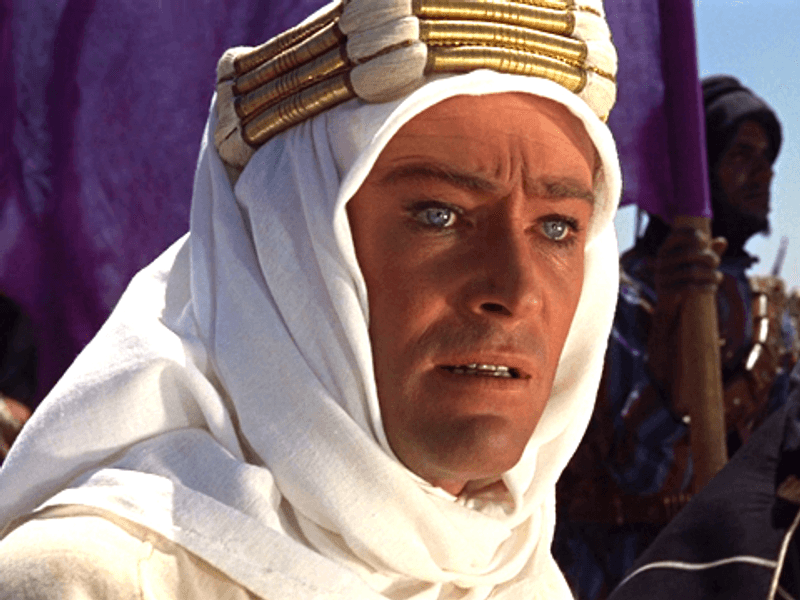
Spanning nearly two decades of real history, this legendary film follows T.E. Lawrence as he navigates the brutal, beautiful Arabian desert during World War I.
Director David Lean crafted every frame like a painting, and audiences in 1962 were absolutely floored. The film runs over three and a half hours, yet not a single minute feels wasted.
Peter O’Toole’s performance as Lawrence remains one of cinema’s most magnetic portrayals ever captured on screen. Shot on location across Jordan, Morocco, and Spain, the film’s visual scale is honestly staggering.
It won seven Academy Awards, including Best Picture. Cinematic history, pure and simple.
2. Ben-Hur (1959)
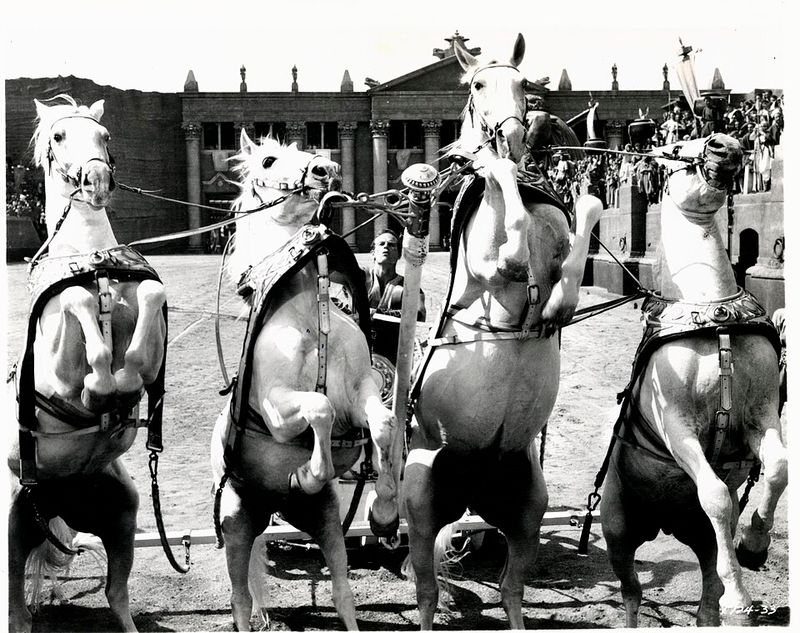
Only a couple films have ever matched the sheer physical ambition of Ben-Hur. Covering roughly 30 to 40 years in the life of Judah Ben-Hur, a Jewish prince betrayed into slavery by his childhood friend, the story is equal parts revenge thriller and spiritual journey.
The chariot race sequence alone took over three months to film.
Charlton Heston won the Academy Award for Best Actor, and the film swept 11 Oscars total, a record it held for decades. Over 300 sets were constructed across Rome’s Cinecitt Studios.
If ancient epics had a hall of fame, Ben-Hur would be the first inductee, no debate.
3. Titanic (1997)
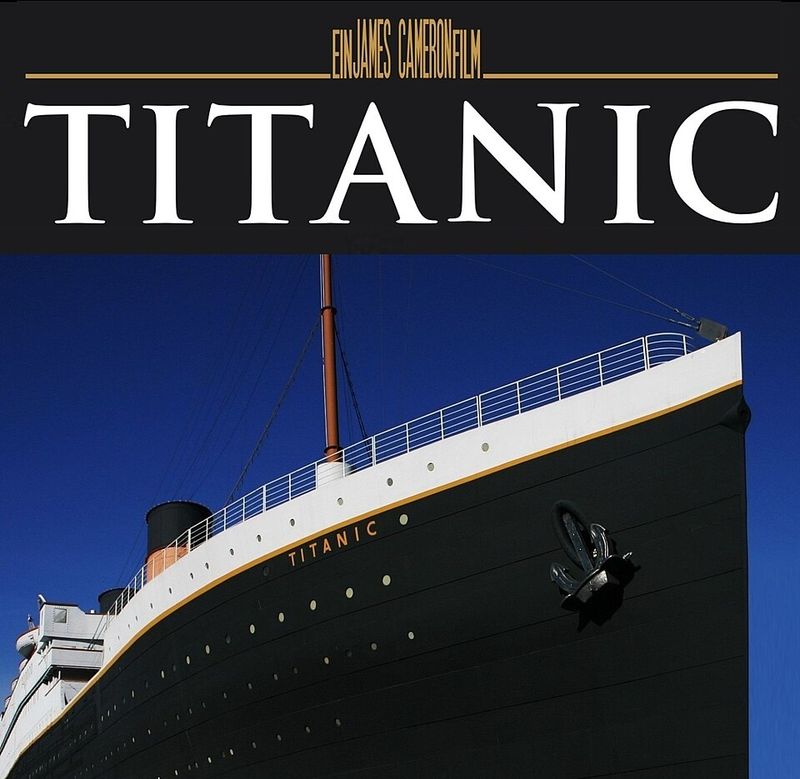
Jack and Rose’s love story unfolds against one of history’s most devastating maritime disasters, but the film’s timeline actually stretches across 84 years. An elderly Rose narrates her memories to a modern-day treasure hunter, connecting 1912 and 1996 in one sweeping emotional arc.
Director James Cameron spent roughly $200 million making it, and fans rewarded him by making it a global phenomenon.
Celine Dion’s iconic theme song basically lived on every radio station for an entire year. Titanic won 11 Academy Awards and became the first film to gross over a billion dollars worldwide.
Some love stories just refuse to sink.
4. Interstellar (2014)
Mind bending journey across galaxies, black holes, and time itself reshapes human lives as gravity bends reality. Due to gravitational time dilation, characters age at wildly different rates, stretching events across roughly 90 years.
Interstellar follows Cooper, played by Matthew McConaughey, as he leaves Earth as a middle aged man and returns to find his daughter elderly and near fatality. Christopher Nolan delivers a story where science and emotion collide in unforgettable ways.
Scientists actually praised the film for its surprisingly accurate depiction of black holes. The visual of the Gargantua black hole was so realistic that it generated legitimate astrophysics research papers.
Hans Zimmer’s thunderous organ-driven score makes every second feel enormous. Science class never felt so emotionally devastating.
5. Gangs Of New York (2002)
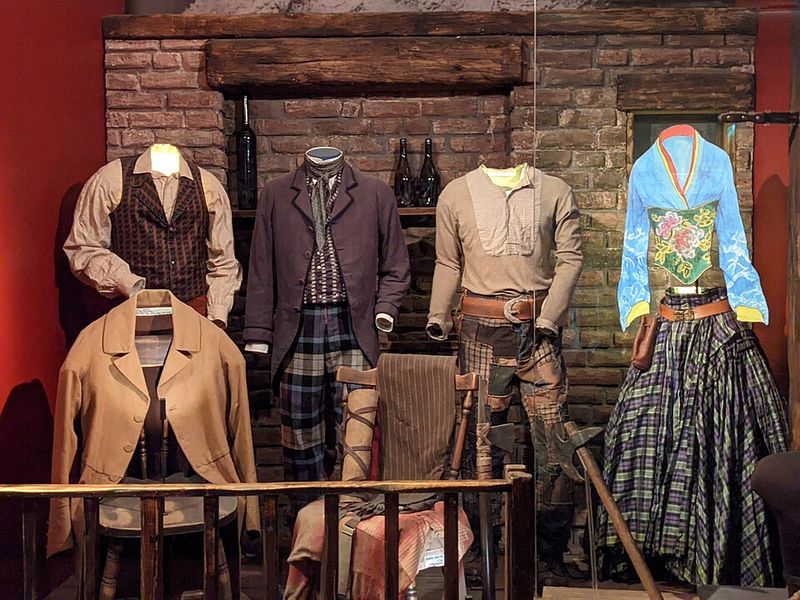
Martin Scorsese’s brutal masterpiece covers a jaw-dropping 155 years of New York City’s turbulent history, stretching all the way into the early 20th century. At its core, the story is a revenge saga set in the Five Points neighborhood during the 1860s Civil War draft riots.
Leonardo DiCaprio and Daniel Day-Lewis face off in one of cinema’s most electric rivalries.
Day-Lewis reportedly stayed in character as the menacing Bill the Butcher for the entire duration of filming. Over 2,000 extras were used in the massive battle sequences.
Scorsese spent nearly 30 years trying to get the project made. Patience, clearly, paid off big time.
6. The Godfather Part II (1974)
Widely considered one of the greatest sequels ever made, this film does something remarkably clever: it tells two stories simultaneously across completely different time periods. Michael Corleone’s story unfolds in the 1950s and 1960s, while young Vito Corleone’s rise is shown in early 1900s New York and Sicily.
The contrast between father and son is absolutely heartbreaking.
Al Pacino and Robert De Niro both deliver career-defining performances, yet they never actually share a single scene together. De Niro won the Academy Award for Best Supporting Actor for his portrayal of young Vito.
Francis Ford Coppola’s direction is surgical, precise, and emotionally suffocating in the absolute best way possible.
7. Gone With The Wind (1939)
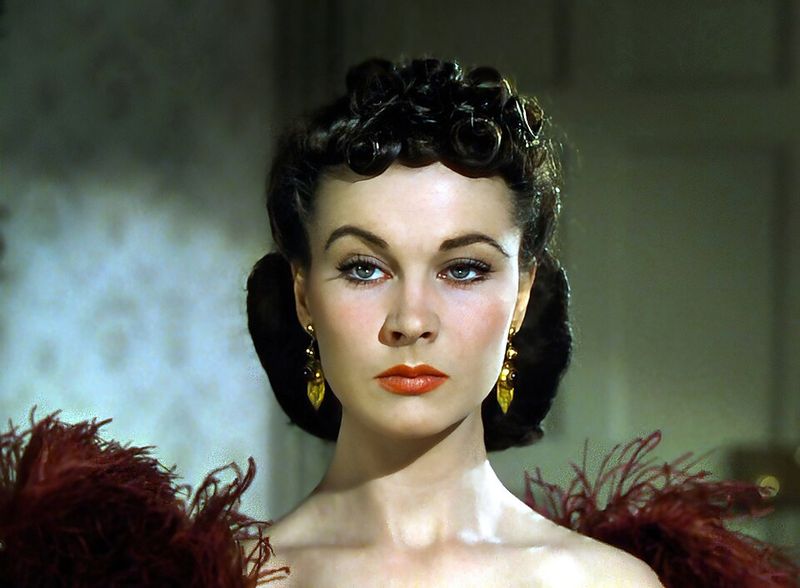
Scarlett O’Hara’s fierce, flawed, and fascinating story spans nearly 20 years, beginning just before the American Civil War and ending in the Reconstruction era. Few films have ever matched its scale, running nearly four hours and featuring some of Hollywood’s most spectacular production design ever assembled.
Vivien Leigh’s portrayal of Scarlett remains one of cinema’s most iconic performances.
Honestly, the sheer logistics of making it in 1939 are staggering. Over 2,400 extras appeared in the burning of Atlanta sequence.
It won eight Academy Awards and held the record for highest-grossing film of all time for decades. Adjusted for inflation, it still holds a legitimate claim to being the biggest box office hit ever.
8. Schindler’s List (1993)
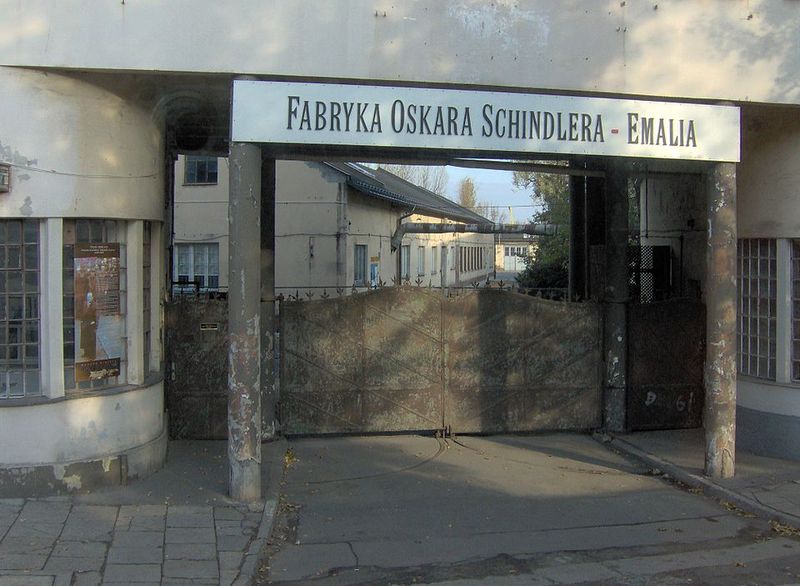
A German businessman’s quiet decisions unfold across the turmoil of World War II, revealing how one life can alter the fate of many. Schindler’s List tells the story of saving over 1,100 Jewish lives during the Holocaust.
Shot almost entirely in black and white, the film carries a raw, documentary like urgency.
A single red coat worn by a small girl stands out as one of cinema’s most haunting visual symbols. Steven Spielberg directs with precision and restraint, shaping every moment into something unforgettable.
Liam Neeson’s portrayal of Schindler captures the complicated transformation of a man motivated by profit who discovers a deeper moral purpose. Spielberg refused a directing fee, calling it blood money.
John Williams composed the score, and his solo violin melody is almost impossible to listen to without feeling something profound shift inside you.
9. Forrest Gump (1994)
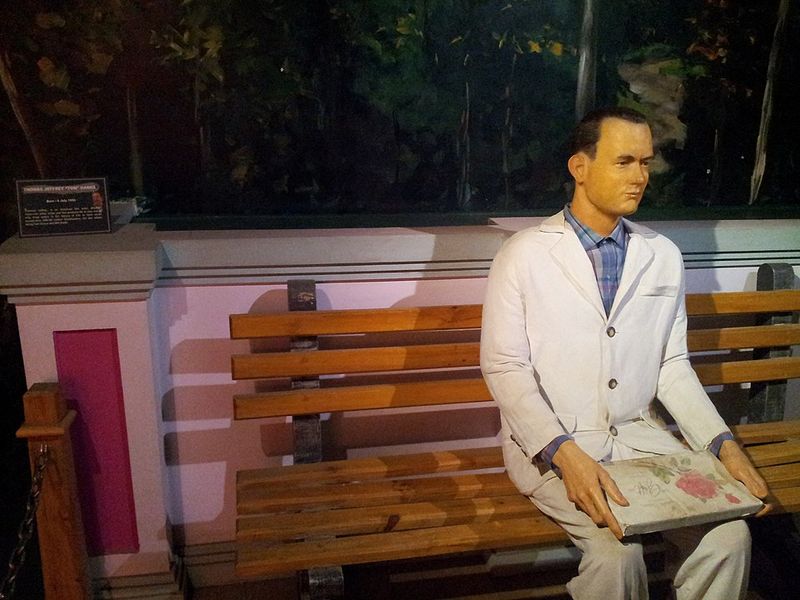
Running across five decades of American history, Forrest Gump manages to weave a simple man’s extraordinary life through some of the 20th century’s most defining moments. Vietnam, Watergate, the moon landing, the rise of Apple Computer, and the ping-pong diplomacy era all appear through Forrest’s uniquely innocent perspective.
Tom Hanks won his second consecutive Academy Award for the role.
Director Robert Zemeckis used groundbreaking visual effects to place Forrest alongside real historical footage of presidents and public figures. The film’s famous running sequence across the country became a genuine cultural phenomenon.
Life, as Forrest would say, is like a box of chocolates. Nobody argues that point anymore.
10. The Lord Of The Rings Trilogy (2001-2003)
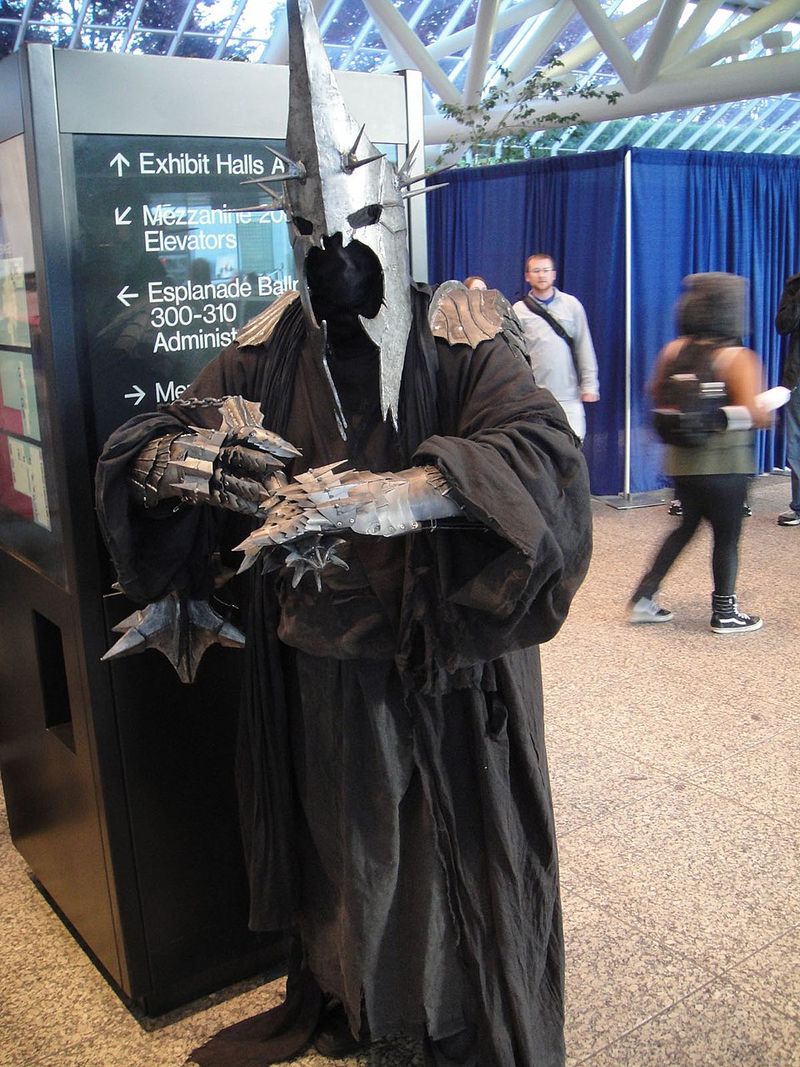
The three-film adaptation of J.R.R. Tolkien’s beloved novels spans roughly 60 years within Middle-earth’s timeline, beginning with Bilbo Baggins’ birthday and ending well beyond the War of the Ring.
Filmed entirely in New Zealand over an 18-month shoot, the production was so massive it essentially transformed the country’s film industry forever.
The Return of the King swept all 11 of its Academy Award nominations, tying Ben-Hur’s all-time record. Ian McKellen’s portrayal of Gandalf became an instant cultural landmark.
How does a story about walking across a fictional continent feel so emotionally real? Credit goes to Tolkien’s world-building and Jackson’s obsessive, loving attention to every extraordinary detail.
11. 2001: A Space Odyssey (1968)
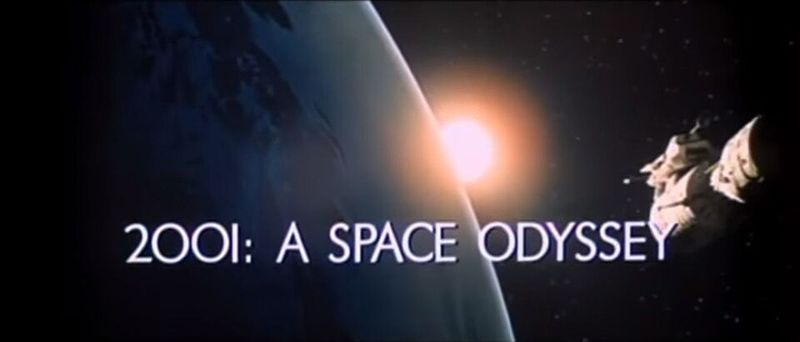
Stanley Kubrick’s visionary masterpiece spans literally millions of years, opening during the prehistoric dawn of humanity and leaping forward to a future of space travel, artificial intelligence, and cosmic rebirth. HAL 9000, the film’s eerily calm computer villain, became one of pop culture’s most recognizable characters almost overnight.
Nobody forgets that soft red eye and chilling voice.
Released in 1968, the film’s special effects were so advanced that conspiracy theorists later claimed Kubrick used the technology to fake the moon landing. Spoiler: he didn’t.
Arthur C. Clarke co-wrote the screenplay alongside Kubrick.
If cinema ever needed a philosopher king, Kubrick would absolutely hold the crown without blinking.
12. Dances With Wolves (1990)
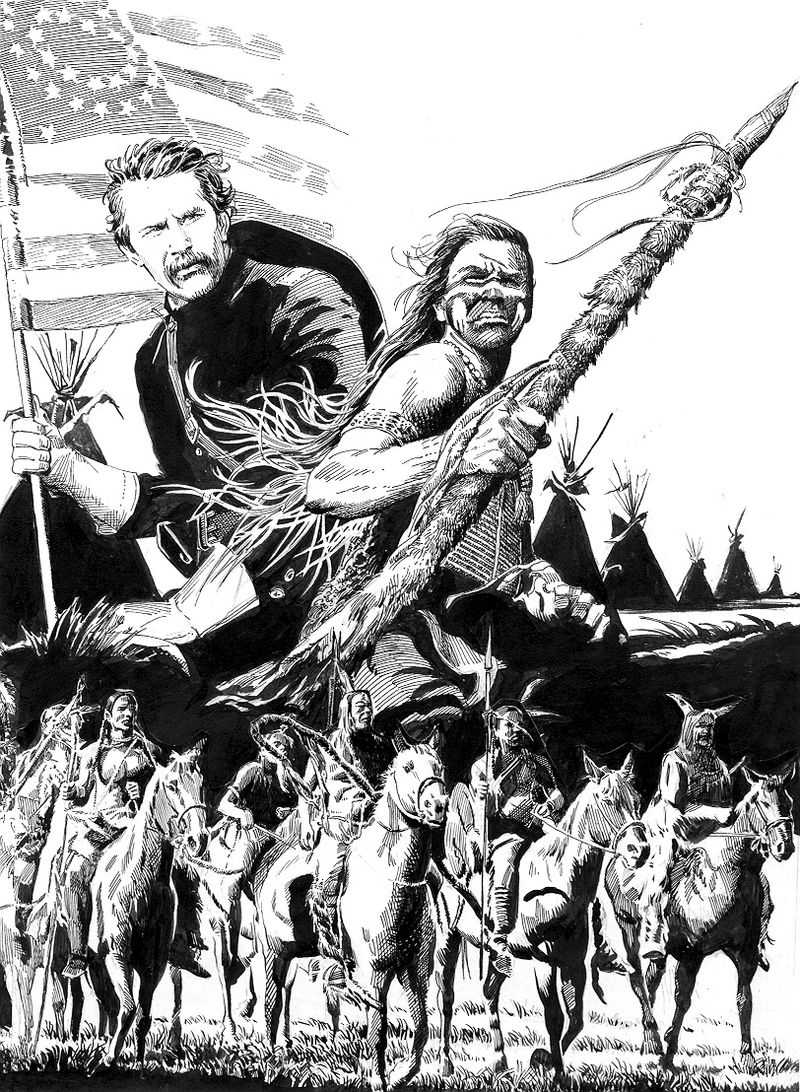
Across sweeping plains and endless skies, a Union soldier begins a journey that slowly reshapes everything he once believed. In this Western epic, he sheds his former life and finds himself drawn into a Lakota Sioux community, where connection replaces isolation and purpose takes on a new form.
Shot across South Dakota and Wyoming, the film captures the American frontier in breathtaking, wide open splendor. Dances with Wolves unfolds with quiet power, balancing vast landscapes with intimate human moments.
Kevin Costner directs and stars, pouring enormous personal energy into every frame.
At nearly three hours, the film never rushes its story. It won seven Academy Awards including Best Picture and Best Director, surprising many Hollywood insiders who had quietly dismissed it as Costner’s Folly before release.
A significant portion of the dialogue is performed entirely in the Lakota language. Bold, beautiful, and absolutely unforgettable.