
Hollywood Stars Who Traded Film Sets For World War II Service
During the early 1940s, a wave of national service reached every part of American life, and Hollywood was no exception.
Well-known actors stepped away from film sets and public acclaim to wear service uniforms, trading scripted heroics for real responsibility and uncertainty.
Their stories reflect a moment when fame mattered less than duty, and the silver screen’s heroes chose to serve in ways far more lasting than any role they played.
1. James Stewart
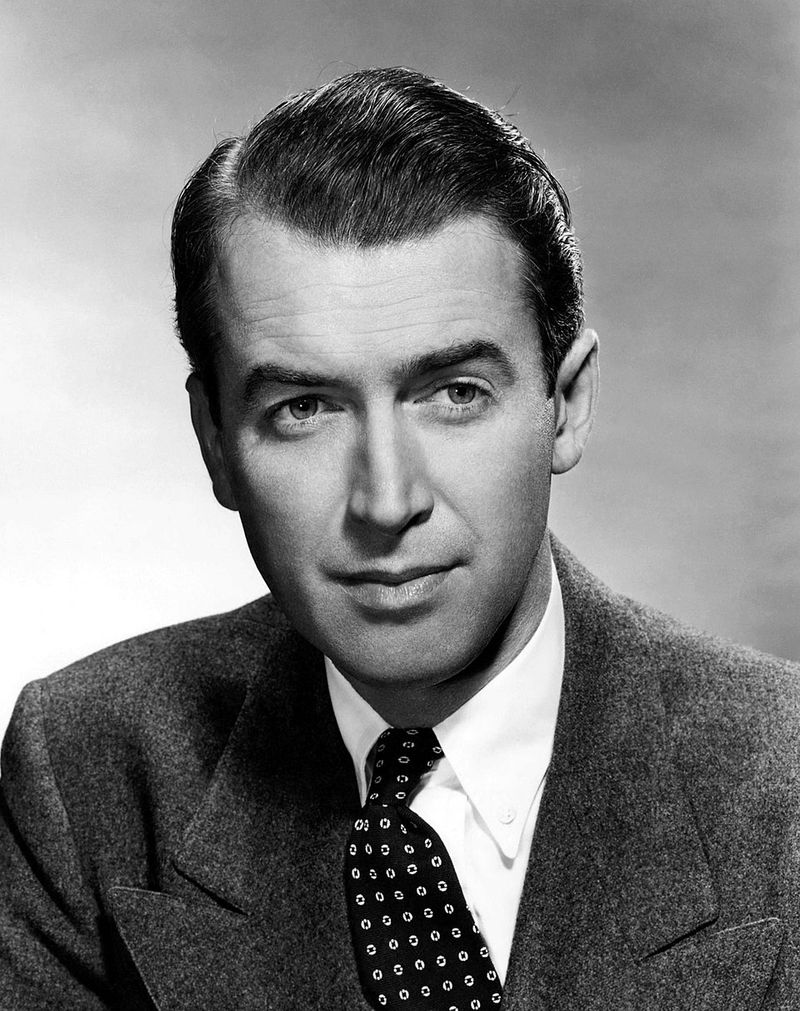
At 10,000 feet, a Hollywood star exchanged his screenplay for a pilot’s checklist.
During World War II, Jimmy Stewart flew 20 combat missions over Germany and earned two Distinguished Flying Cross awards.
Crew members called him “Colonel,” never “movie star.” Inside the cockpit, a second stage emerged where every performance carried high-stakes consequences.
Homecoming came with the status of a decorated hero who never used fame to avoid danger.
2. Clark Gable
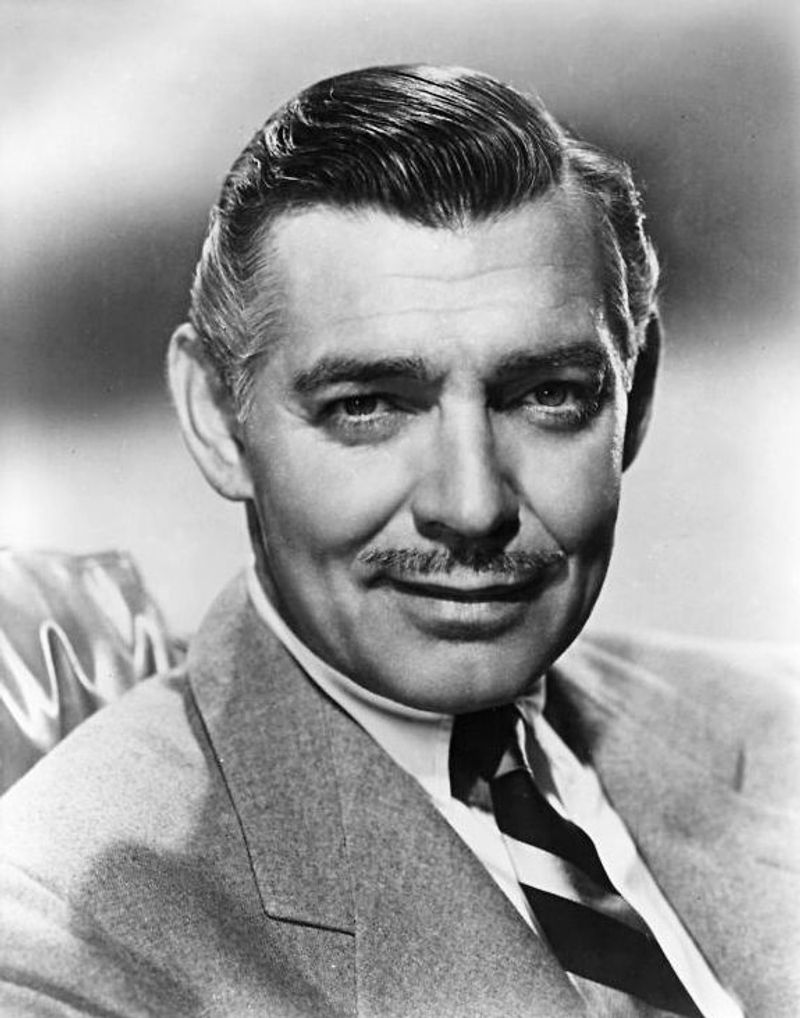
After losing his wife Carole Lombard in a wartime plane crash, Gable enlisted to honor her memory. He didn’t want a desk job or publicity tour.
Instead, he flew on combat missions in a B-17 as an Army Air Forces officer and aerial film cameraman.
Five combat missions later, he’d earned an Air Medal and proved that Hollywood royalty could endure the same strain as anyone else. Frankly, my dear, that’s heroism.
3. Henry Fonda
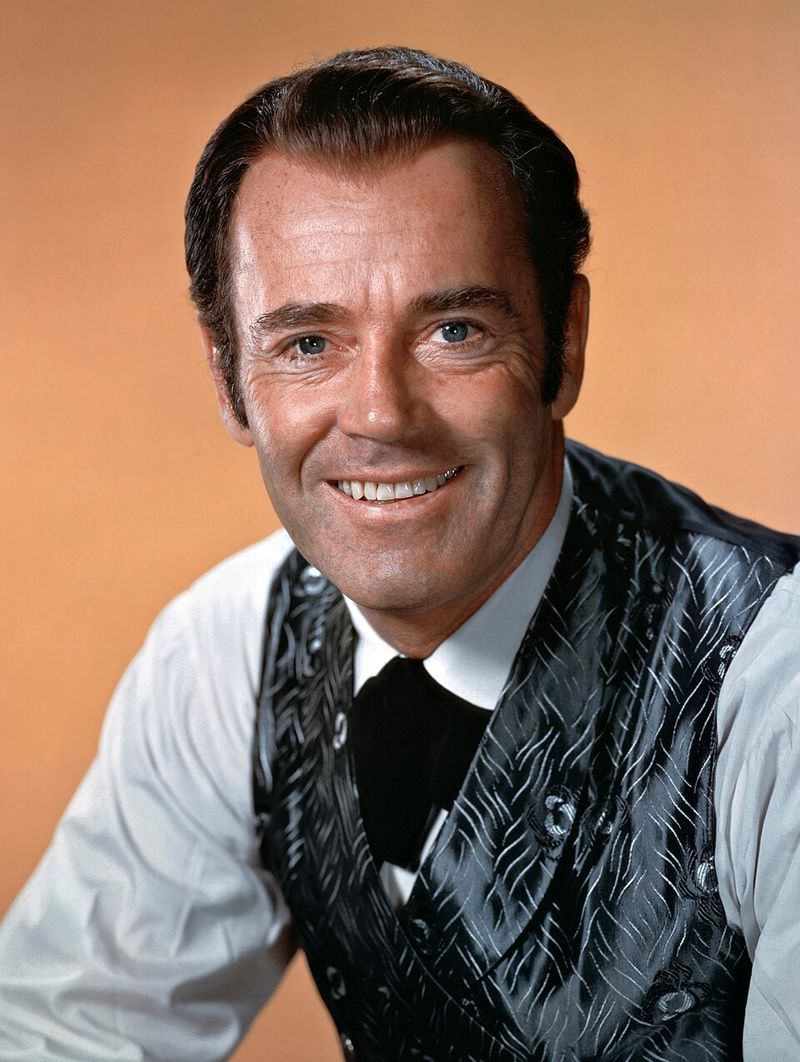
At the height of a successful film career, Henry Fonda stepped away from Hollywood to join the Navy at age thirty seven. While many men his age remained stateside, he served aboard destroyers in the Pacific as a quartermaster and later as an intelligence officer.
Ocean waves replaced studio soundstages, and real blasts drowned out the familiar call of directors.
Nothing scripted could match the tension of long nights at sea spent scanning dark waters for submarines.
4. Ronald Reagan
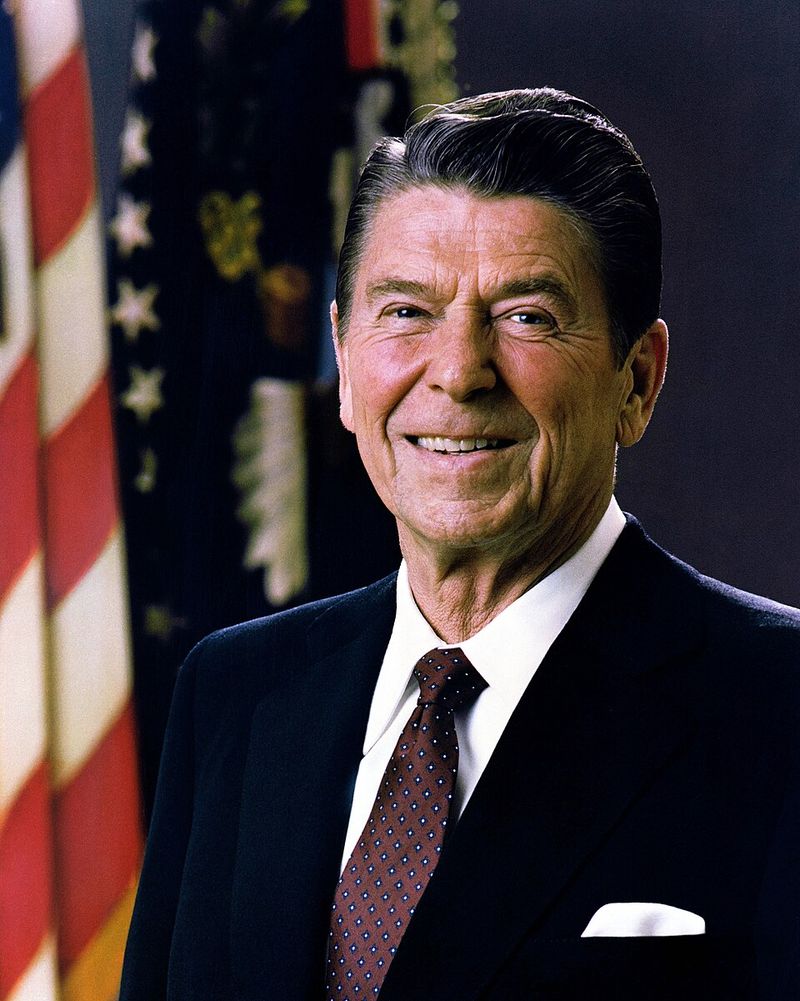
Poor eyesight kept Ronald Reagan out of combat, yet his skills proved valuable on a very different battlefield. Within the First Motion Picture Unit, the unit produced more than 400 training and propaganda films, and Reagan contributed as an officer and participant in that operation.
Each frame carried real stakes when soldiers’ lives depended on what they learned from the screen.
Narration, acting, and directing allowed Hollywood experience to become a military advantage, turning cinema into a powerful tool of education during wartime.
5. Tyrone Power
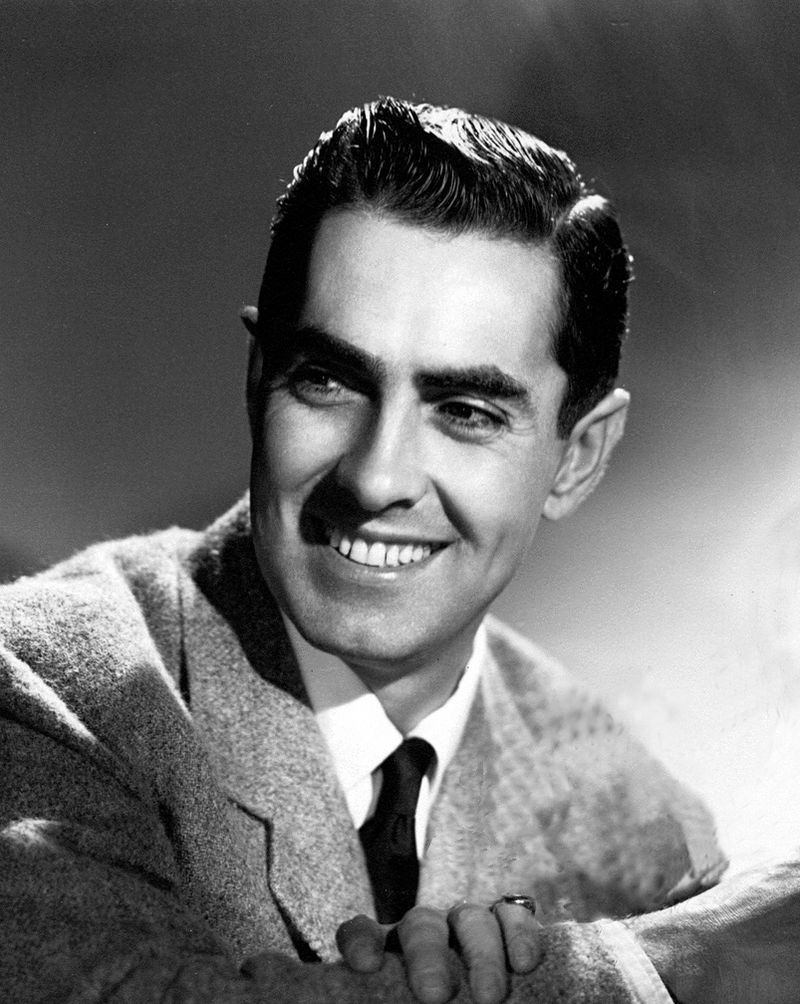
Romantic leading roles gave way to Marine Corps wings as Tyrone Power became a transport pilot in the Pacific.
Cargo missions carried food, supplies, and hope to frontline troops relying on steady supply lines. No cameras rolled when he flew cargo and evacuation missions in the Pacific, including carrying supplies and flying wounded Marines out.
Work remained unglamorous yet essential, proving some contributions win wars rather than awards. Even heartthrobs can carry remarkable courage.
6. Lee Marvin
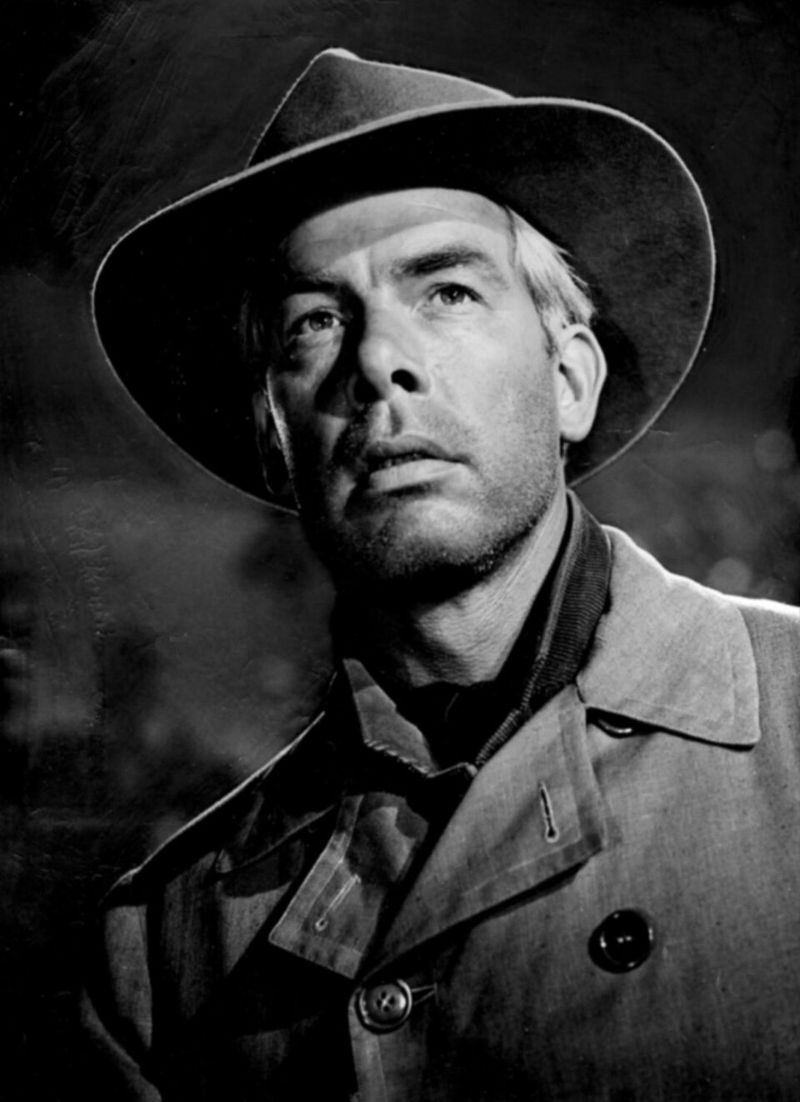
Combat brought Lee Marvin to the beaches of Saipan with the 4th Marine Division, where fighting turned intense and deeply personal.
Enemy fire severed his sciatic nerve, leaving a permanent limp and earning him a Purple Heart. Recovery lasted more than a year, yet the war never fully released its hold on him.
On-screen toughness reflected lived survival rather than performance, carried forward one step at a time.
7. Paul Newman
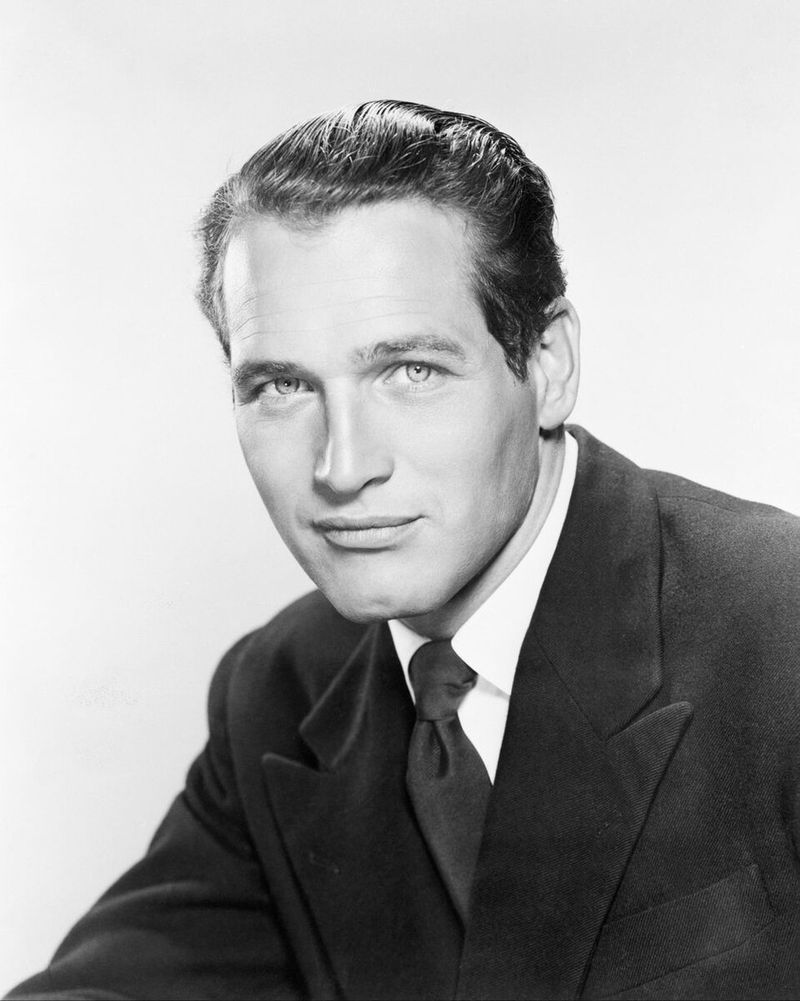
When Paul Newman’s colorblindness led him to pursue radio and aerial support duty instead of flying airplanes, his lifetime goal came to an end.
During service in the Pacific, he worked aboard torpedo aircraft, handling communications where a single mistaken transmission could compromise an entire mission. Through a headset rather than a cockpit, he served as an aviation radioman and flight crew specialist connected to torpedo operations, including training and replacement squadrons in the Pacific.
Heroism does not always sit at the controls, because some roles exist to ensure the aircraft never flies blind.
8. Kirk Douglas
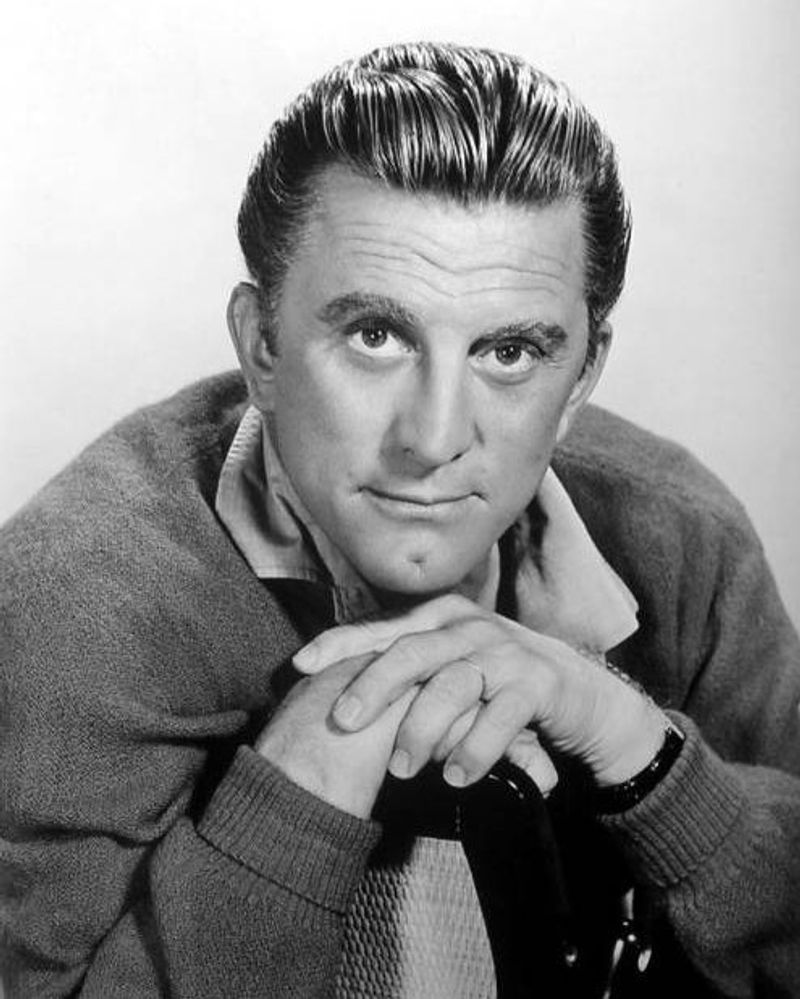
Naval service placed Kirk Douglas in the role of a communications officer tracking German U-boats off the American coast. Submarine warfare unfolded like a chess match played in darkness, where silence often meant safety.
A medical discharge ended his service early, yet not before he experienced what real suspense felt like.
Hollywood thrillers rarely matched the tension of waiting for sonar pings that might never come. Lasting intensity from those moments followed him into every performance.
9. Charles Bronson
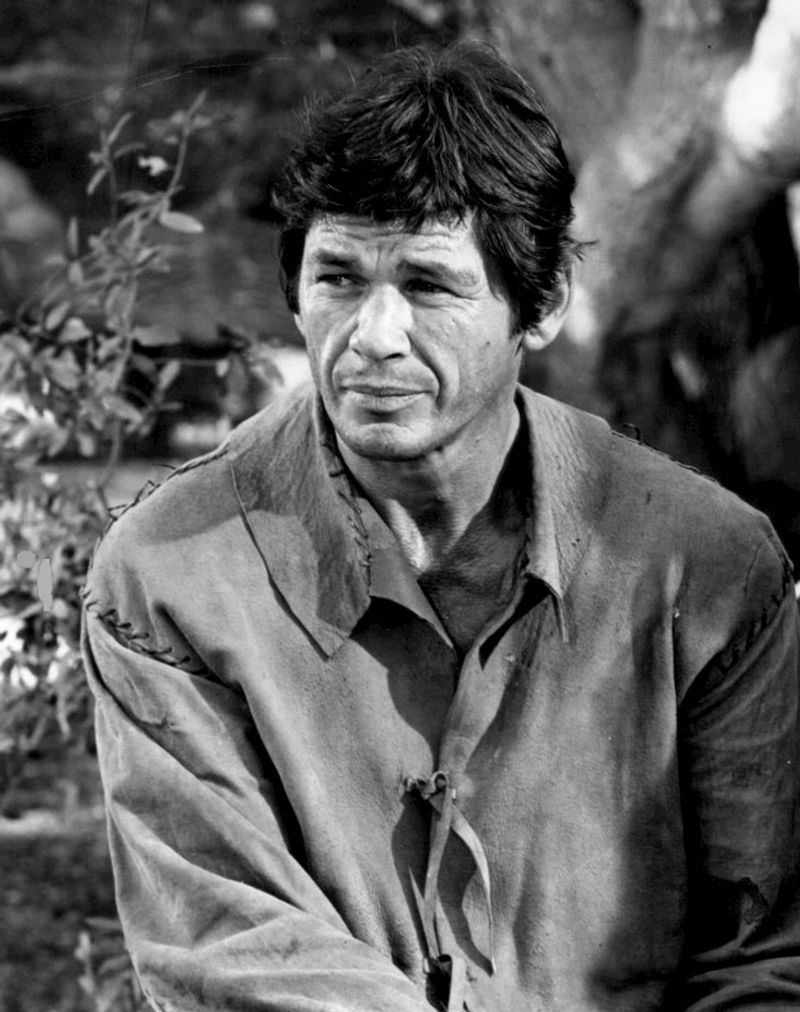
Bronson flew twenty-five wartime missions as a B-29 crewman, the loneliest and most dangerous seat in the sky.
Enemy fighters attacked from behind, and he was the last line of defense for his crew. Every mission meant staring down serious danger at 30,000 feet, freezing cold and utterly exposed.
That stone-faced toughness wasn’t Hollywood magic. It was forged under pressure, one mission at a time.
10. Bea Arthur
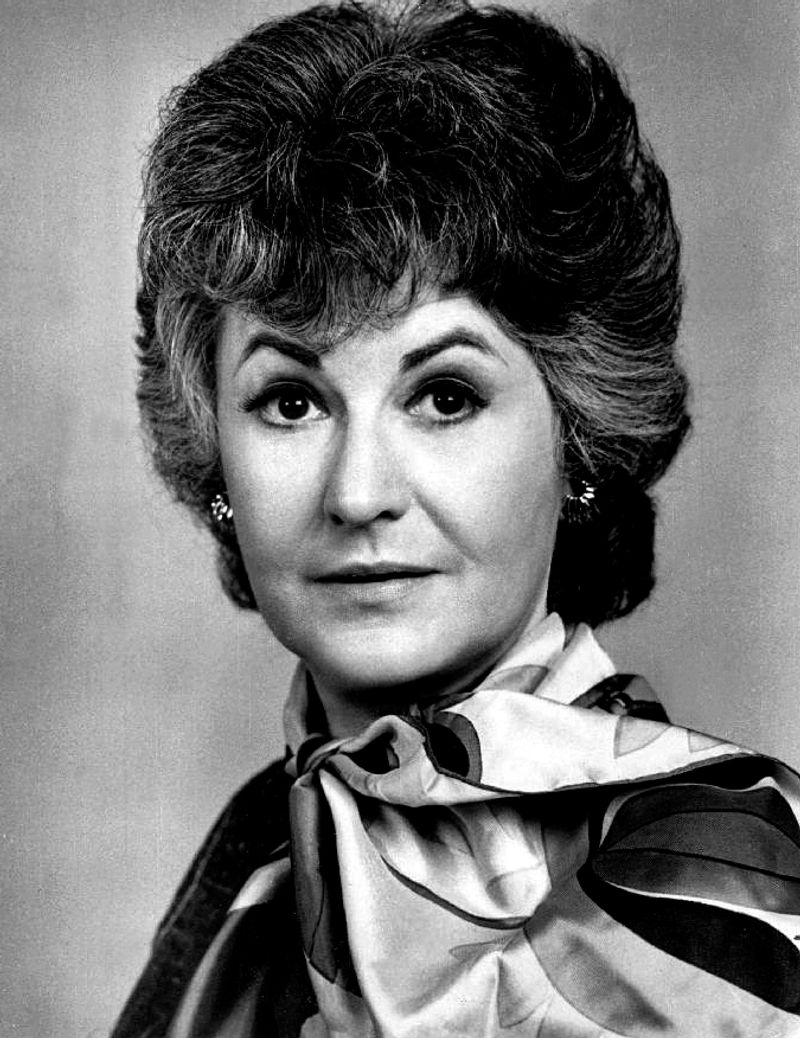
Before “Maude” and “Golden Girls,” Arthur was a Marine, one of the first women to serve stateside in support roles. She drove trucks and dispatched vehicles, keeping supplies moving while men shipped overseas.
The work was unglamorous, but essential.
Her sharp wit and no-nonsense attitude? Honed in the motor pool, where comedy was survival and every day required backbone.
Semper Fi meets sitcom gold.
11. Audie Murphy
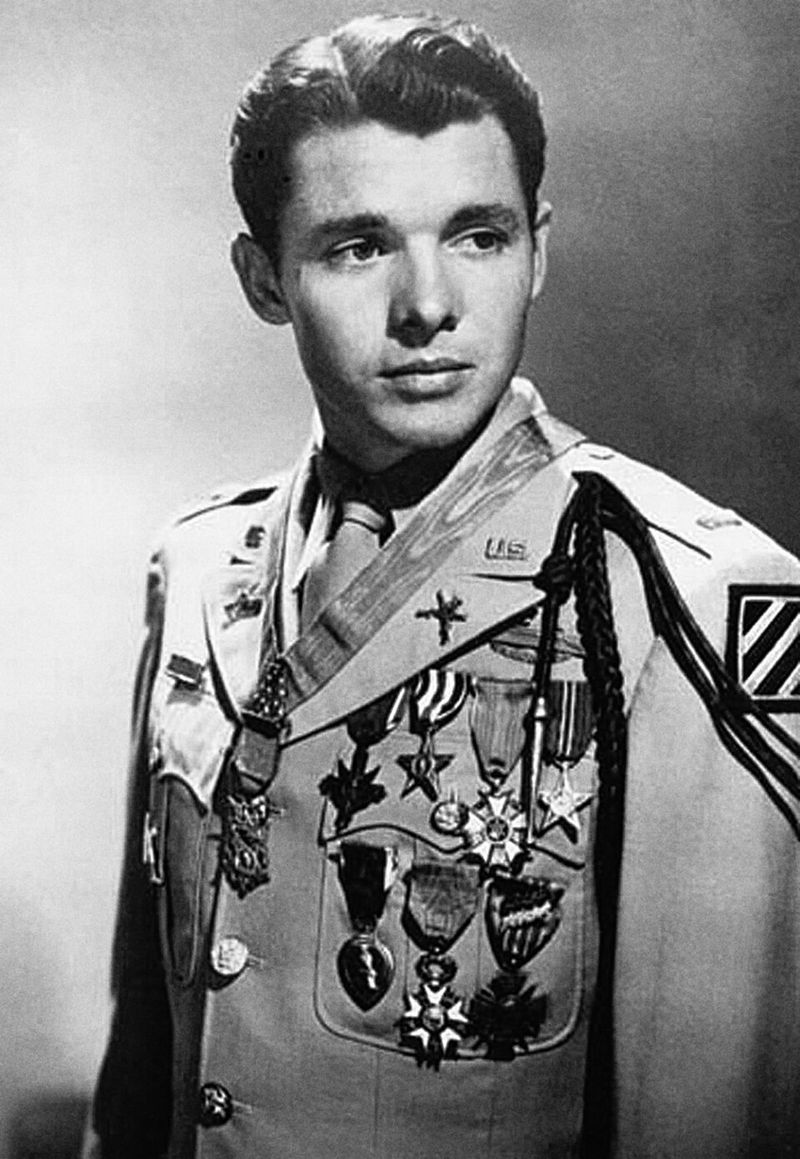
Few soldiers in American history earned a record like Audie Murphy, receiving every U.S. combat medal for valor, including the Medal of Honor. During the Colmar Pocket campaign, he climbed onto a burning disabled armored vehicle and held off an advancing German company for nearly an hour while wounded and alone.
Only after the war did Hollywood come looking for him, drawn to a story already written on real battlefields.
The real legacy had been formed through hard combat experience throughout Europe, with a cinematic career serving as an epilogue.
12. David Niven
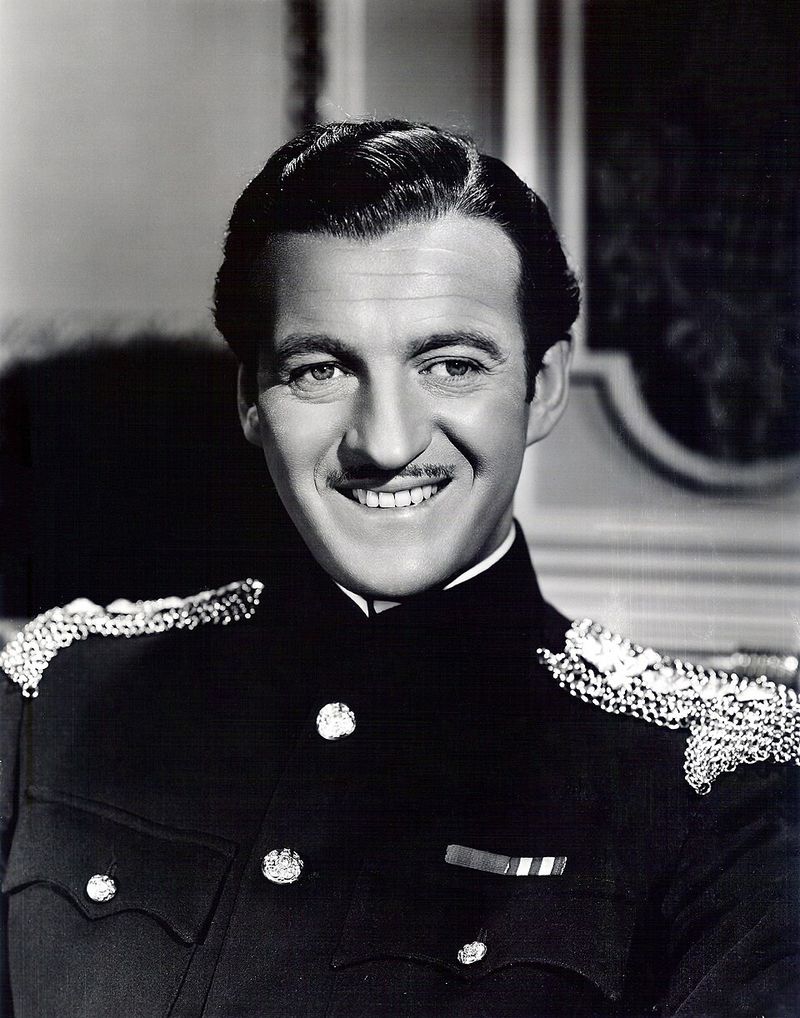
War drew David Niven away from Hollywood in 1939 as he rejoined the British Army and served with commando units through some of the conflict’s toughest campaigns.
No obligation forced his return, since he willingly traded Tinseltown for the front lines without hesitation. Clipped British charm and unflappable cool were tested under fire from Normandy to the Rhine.
13. Alec Guinness
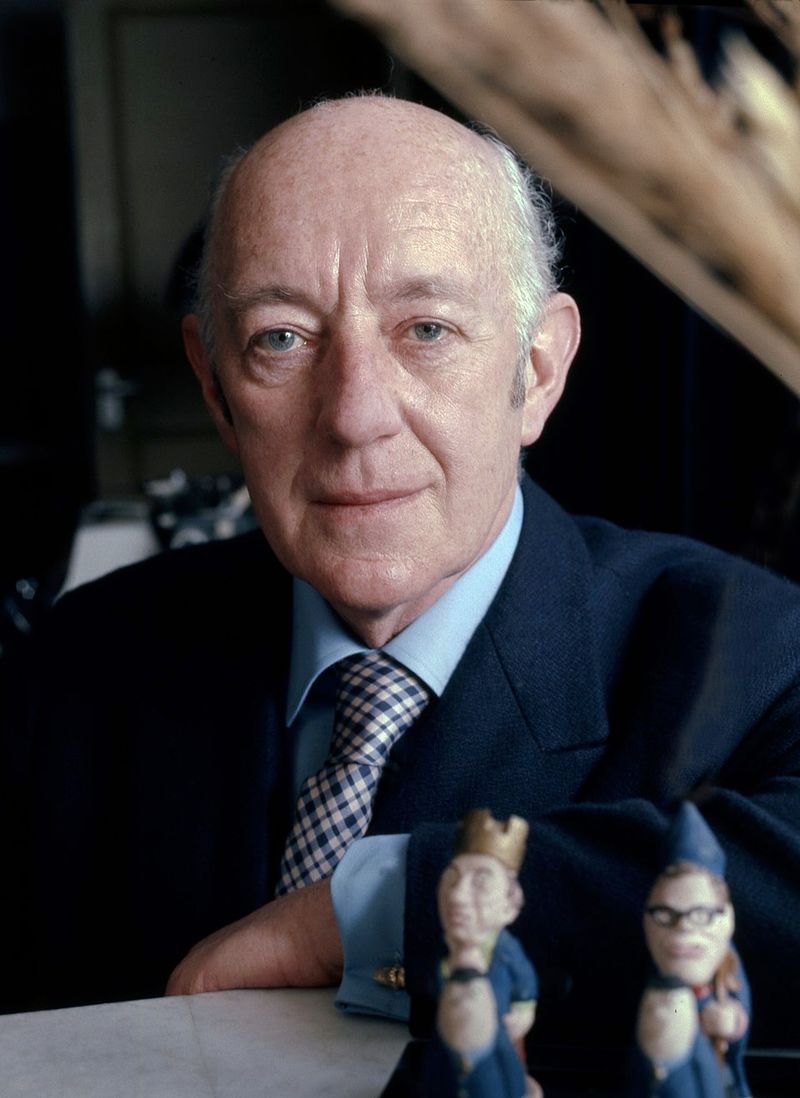
Command of a landing craft placed Alec Guinness at the center of the Allied invasion of Sicily, ferrying troops onto contested beaches under heavy fire.
Every calculation carried enormous weight, since a single mistake could leave soldiers in grave peril or exposed before reaching shore. Responsibility pressed heavily while danger remained constant throughout each mission.
Years later, audiences would see him as Obi Wan Kenobi, a performance shaped by calm authority learned in the Mediterranean where every wave carried life or death.
14. Don Knotts
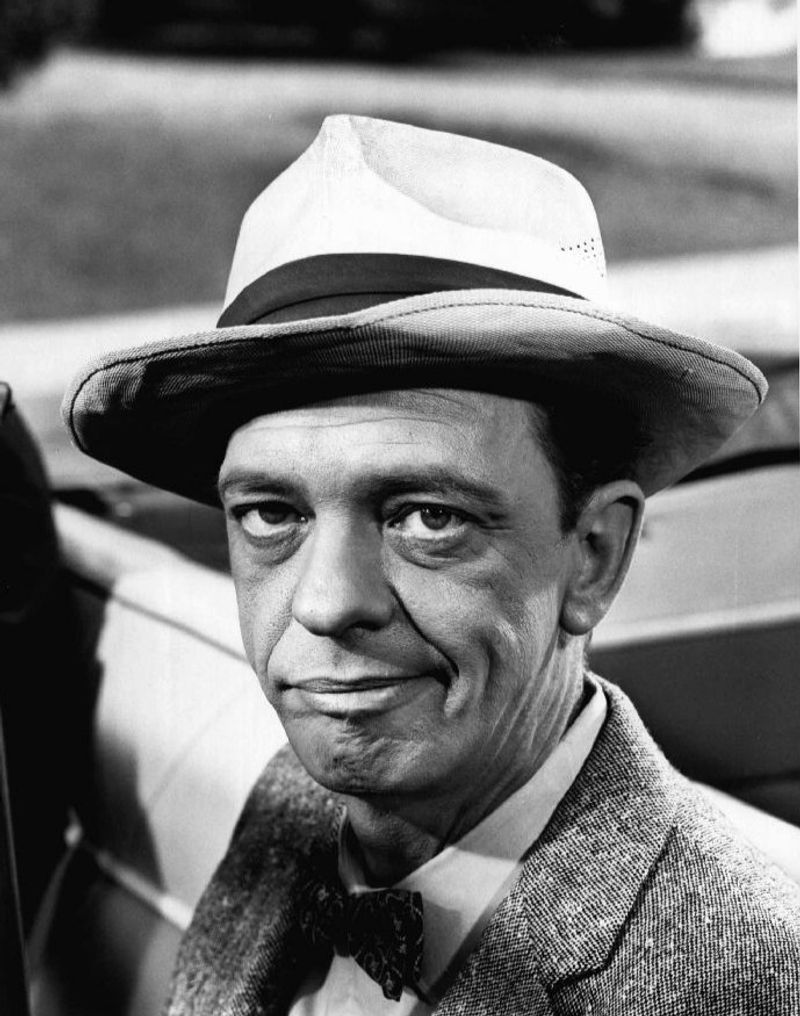
Knotts served in the Army’s Special Services, traveling the Pacific to entertain exhausted combat troops.
Laughter was medicine, and he delivered it in steamy jungles and makeshift stages, bringing a few minutes of normalcy to men who’d seen too much. Comedy became a lifeline during long deployments.
That nervous, jittery persona he perfected on “The Andy Griffith Show”? Born from real anxiety, real war, real survival through humor.
Disclaimer: The accounts in this article summarize publicly available historical records and widely reported biographies of film and television figures who served during World War II.
Details such as unit assignments, mission counts, dates, and specific incidents can vary across sources and may be updated as archives are reviewed or newly digitized.


_01.jpg)


.jpg)

