9 Horror Books Beginners Should Avoid At First
Horror fiction delivers an experience that blends suspense, dread, and pure adrenaline into something unforgettable. The genre thrives on pushing limits, testing nerves, and creating moments that stay with readers long after the final page turns.
Yet not every story fits as a starting point. Some tales go further than expected, layering intense imagery, psychological tension, and disturbing themes that can overwhelm someone just beginning the journey into horror.
Jumping straight into the most extreme titles can feel like stepping into deep, dark waters without preparation. The atmosphere, the pacing, and the emotional weight all demand a certain level of familiarity.
Without that foundation, the experience can shift from thrilling to unsettling in a way that overshadows the enjoyment. Building up gradually allows readers to appreciate the craft behind the scares.
Each story becomes a stepping stone, shaping tolerance while sharpening appreciation for the genre’s creativity. The slow climb makes the deeper dives more rewarding and far more immersive.
Curious which stories push the boundaries and deserve to be saved for when the nerves are strong enough to handle them?
1. Blood Meridian by Cormac McCarthy
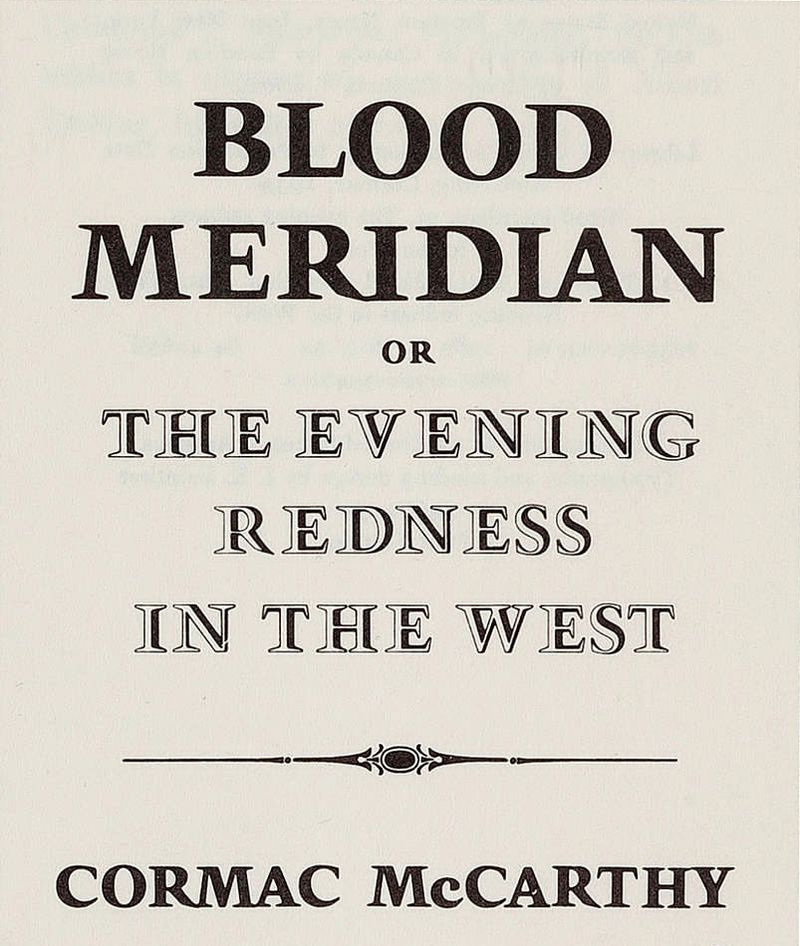
Not a lot of novels punch readers in the gut quite like Cormac McCarthy’s brutal 1985 masterpiece. Set along the Texas-Mexico border during the 1840s, it follows a teenage runaway who joins a gang of mercenaries committing shocking acts of violence.
McCarthy writes in long, flowing sentences with almost no punctuation, which can confuse even seasoned readers.
Every page drips with philosophical questions about human nature and evil. If you are new to horror, the relentless brutality here will feel overwhelming rather than thrilling.
Experienced readers love it, but beginners deserve a gentler entry point before tackling something this raw and unforgiving.
2. NOS4A2 by Joe Hill

Joe Hill, son of the legendary Stephen King, wrote a novel so massive and layered it could double as a doorstop. Clocking in at nearly 700 pages, NOS4A2 follows Vic McQueen, a young woman who discovers she has a supernatural ability to find lost things, and the monstrous Charlie Manx who feeds on children’s souls.
How does a beginner handle 700 pages of escalating dread, complex mythology, and deeply traumatic character arcs? Spoiler alert: not easily.
The emotional weight alone is exhausting. Save NOS4A2 for when horror feels comfortable, not terrifying in the wrong way.
3. The Troop by Nick Cutter
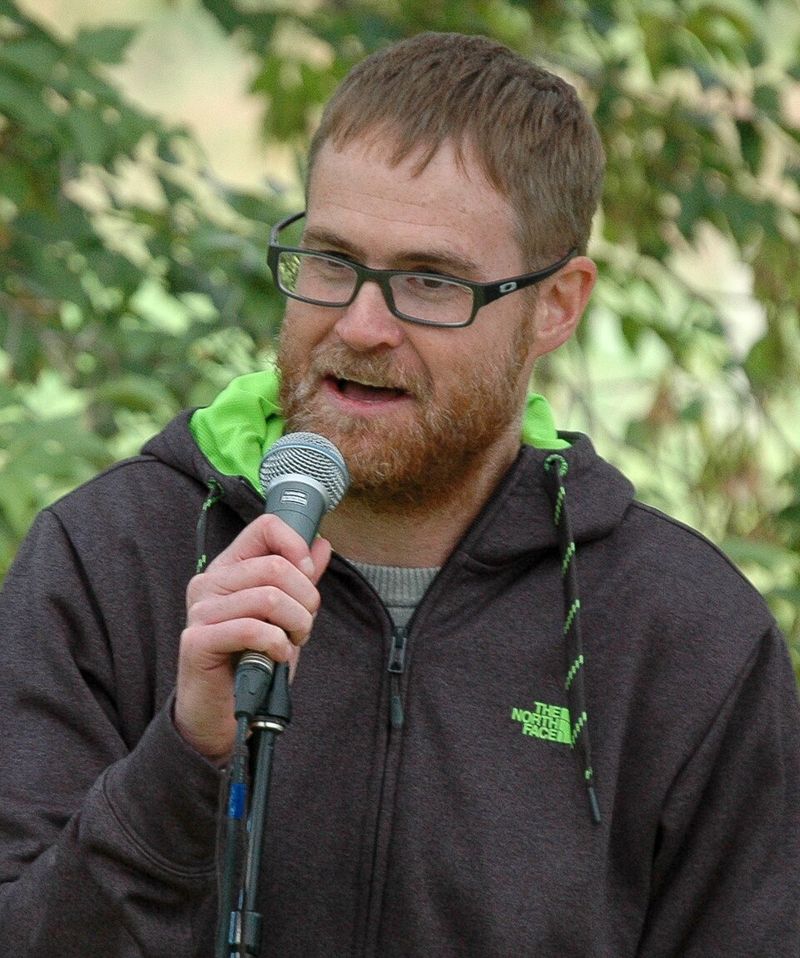
Stomach-churning does not even begin to describe what Nick Cutter cooked up in 2014. A scoutmaster and his troop of boys on a remote island encounter a horrifyingly emaciated stranger carrying a fatal parasite.
What follows is one of the most physically disgusting horror experiences ever committed to paper.
Stephen King himself called it genuinely scary, which should tell you everything. Cutter describes bodily horror in clinical, unflinching detail that makes squeamish readers put the book down permanently.
If horror involving parasites, starvation, and graphic body horror sounds like a nightmare, trust your instincts and skip this one until you are ready.
4. The Girl Next Door by Jack Ketchum
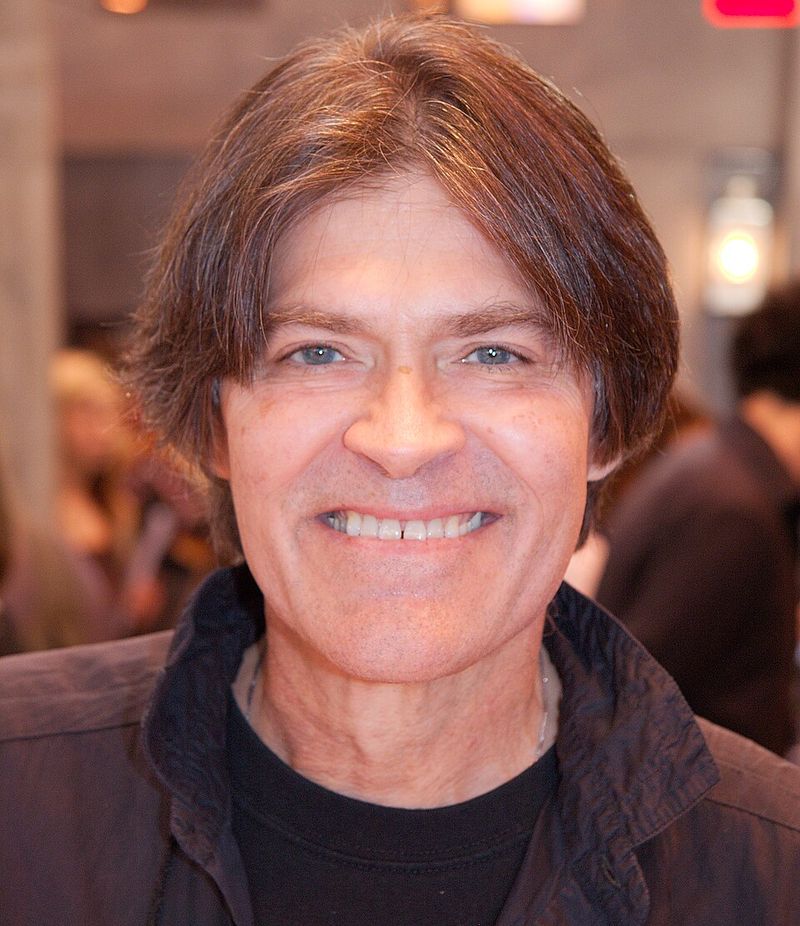
Jack Ketchum based this 1989 novel on the real-life termination of Sylvia Likens in Indiana during 1965, one of the most disturbing crimes in American history. A teenage girl and her sister are subjected to unimaginable abuse at the hands of a neighborhood woman and local children.
Horror fans respect Ketchum for never looking away from uncomfortable truths. However, the content here is so relentlessly bleak and emotionally devastating that many experienced readers struggle to finish it.
A beginner stepping into horror through this book is like learning to swim in a storm. Wait until your horror foundation is much stronger.
5. Tender Is the Flesh by Agustina Bazterrica
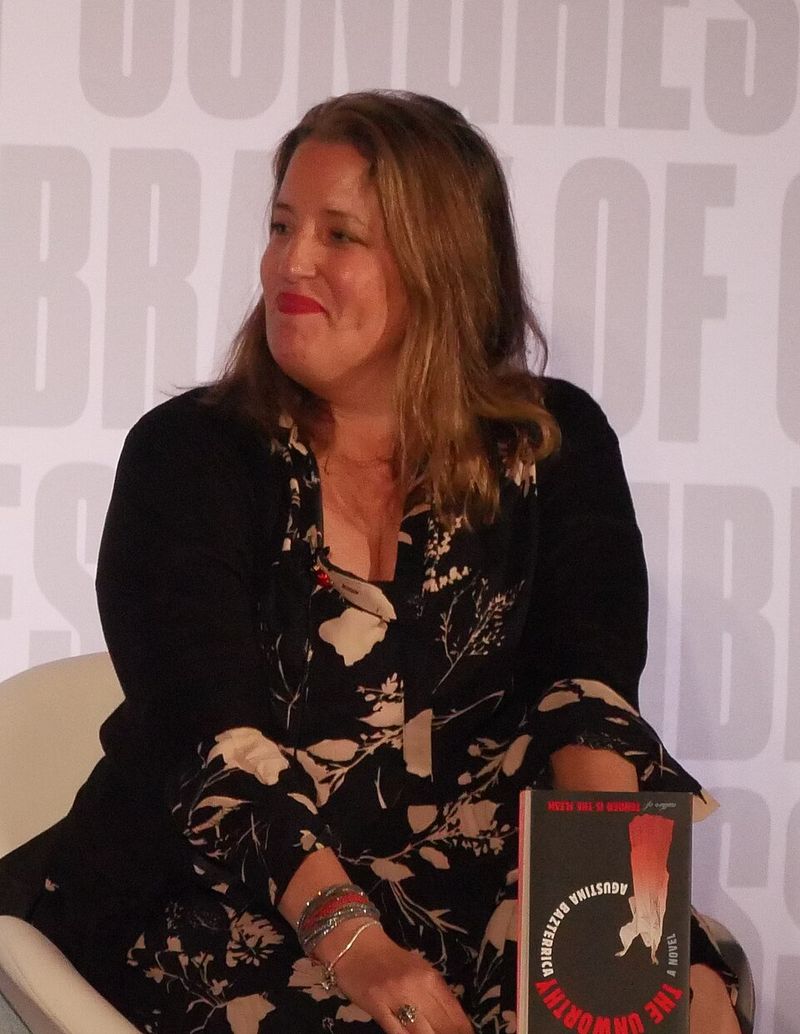
The 2017 Argentine novel by Agustina Bazterrica, translated into English in 2020, drops readers into a dystopian world where a virus has wiped out all animal life, and humans have turned to farming other humans for food. Yes, you read that correctly.
Every sentence carries a suffocating sense of moral horror. Bazterrica writes coldly and efficiently, which somehow makes the content feel even more unsettling.
Readers expecting zombies or jump scares will find something far more cerebral and disturbing instead. New horror fans might close the book feeling genuinely nauseous and confused.
Build up your horror tolerance first before visiting Bazterrica’s bleak, unforgettable world.
6. American Psycho by Bret Easton Ellis
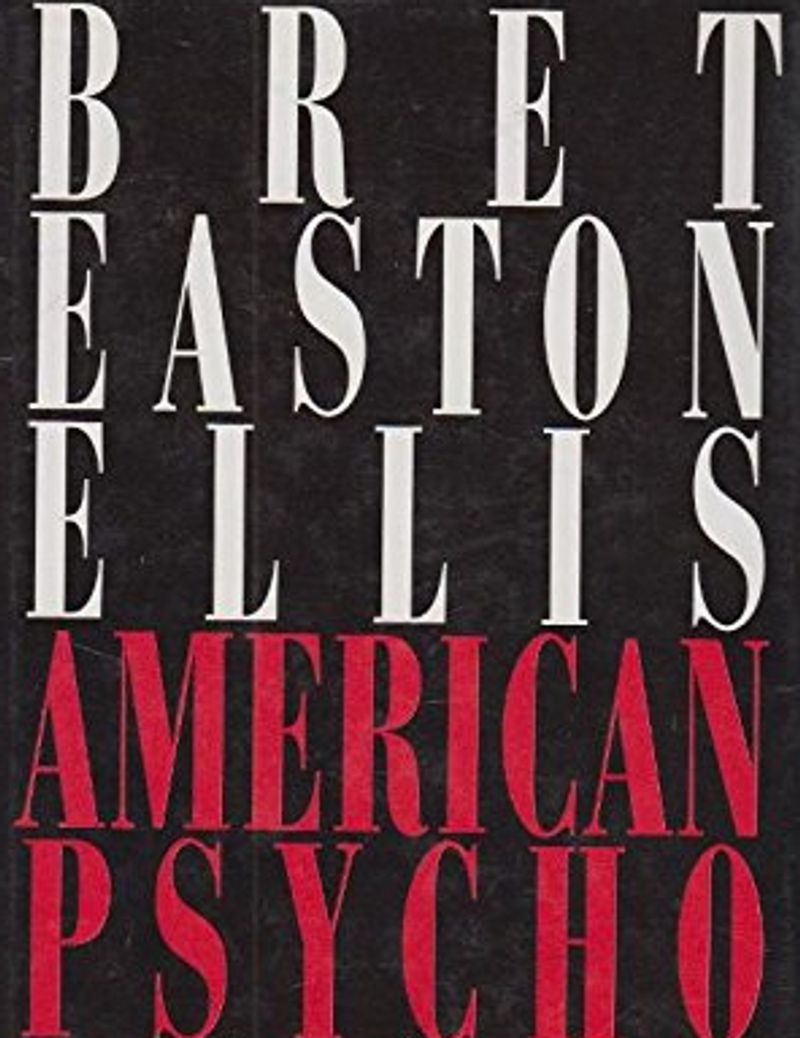
A 1991 release, American Psycho sparked intense controversy with its unflinching portrayal of excess and violence. Patrick Bateman appears as a polished Wall Street executive by day while living a far darker existence by night, and the story dives into both worlds with striking detail.
The novel’s bold tone and graphic content challenged readers, pushed boundaries, and secured its place as one of the most talked about books of its time.
Chapters detailing designer clothing alternate without warning with chapters of extreme violence, creating a deeply disorienting reading experience. Critics debate endlessly about what Ellis was trying to say about capitalism and masculinity.
Beginners, however, are unlikely to find philosophical comfort in passages that are genuinely difficult to read. American Psycho rewards patient, experienced readers who can stomach its sharp edges.
Everyone else should wait.
7. It by Stephen King
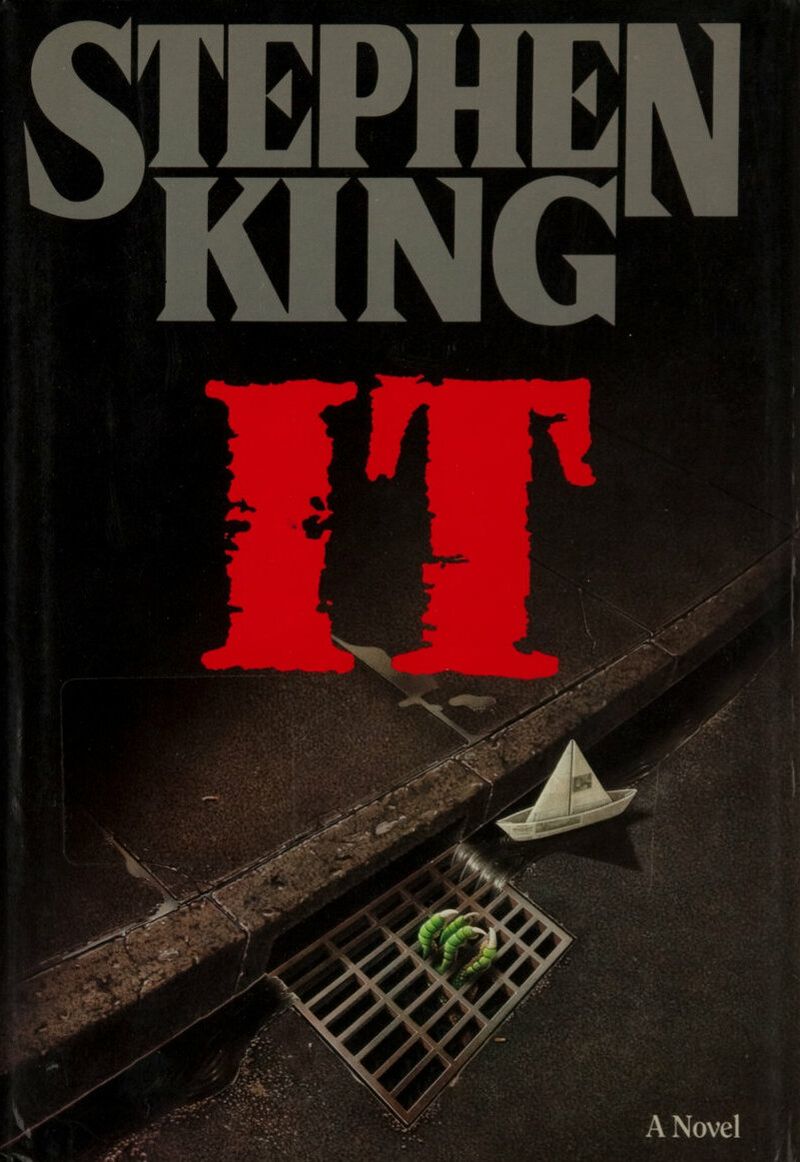
Stephen King’s 1986 epic runs over 1,100 pages and follows a group of childhood friends who battle a shape-shifting entity lurking beneath the fictional town of Derry, Maine. Pennywise the Dancing Clown has become a pop-culture icon, starring in two blockbuster films, but the book goes far deeper and darker.
King explores childhood trauma, friendship, and evil in exhausting detail. Some sections are genuinely terrifying, while others require serious patience to get through.
New horror readers might feel lost in the sheer size of the story. Start with shorter King works first, then circle back to this massive, unforgettable monster of a novel.
8. The Exorcist by William Peter Blatty

William Peter Blatty published The Exorcist in 1971, and it became one of the best-selling horror novels of all time. A twelve-year-old girl named Regan MacNeil becomes possessed by a demon, and two priests fight desperately to save her soul in Washington, D.C.
The film adaptation is legendary, but the novel goes even further into psychological and spiritual horror. Blatty writes with conviction and dread, making the supernatural feel terrifyingly real.
Religious themes run deep, and the content involving a child in such distress is deeply uncomfortable. Beginners expecting simple scares will find something far more spiritually haunting and emotionally heavy than expected.
9. House of Leaves by Mark Z. Danielewski
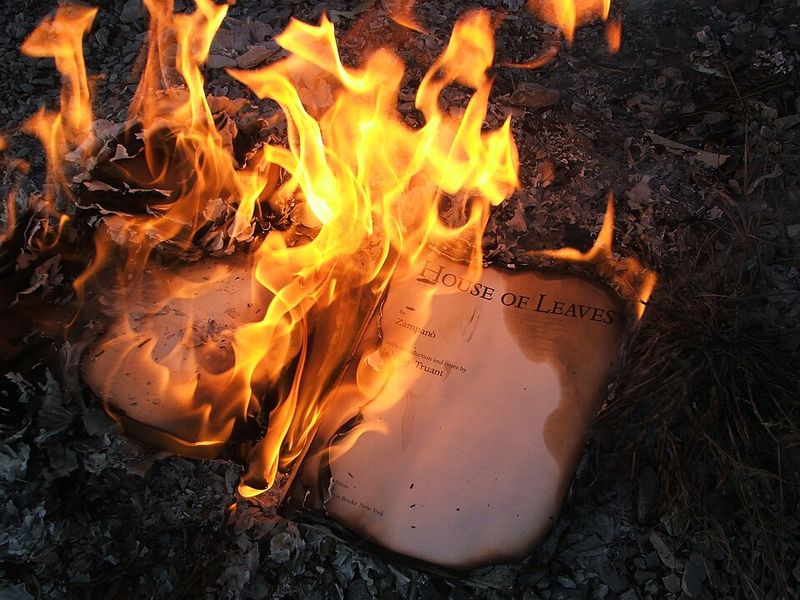
Published in 2000, Mark Z. Danielewski’s debut novel is unlike anything else in horror fiction.
A family moves into a house where a hallway appears that is physically impossible, larger on the inside than the outside. Multiple narrators tell overlapping stories through footnotes, appendices, and unconventional page layouts.
Reading House of Leaves feels like solving a puzzle while slowly losing your mind. Some pages contain only a single word.
Others are covered in dense academic text. Horror veterans adore the experience, calling it genuinely mind-bending.
Beginners, however, will likely feel confused before feeling scared. Master conventional storytelling first, then tackle Danielewski’s brilliantly bizarre experiment in literary terror.