8 Game-Changing Horror Films Of The 2010s
Horror movies in the 2010s didn’t just scare us—they completely transformed what scary movies could be. Instead of relying on cheap jump scares and predictable monsters, filmmakers crafted stories that explored deep fears about family, society, and our own minds.
These groundbreaking films proved that horror could be smart, artistic, and absolutely terrifying all at once, leaving audiences sleeping with the lights on for weeks.
1. Get Out
Jordan Peele’s directorial debut flipped horror on its head by weaving social commentary into spine-chilling suspense. Chris visits his girlfriend’s family for a weekend getaway that transforms into a nightmare exposing sinister racial exploitation.
This film made over $255 million worldwide and snagged an Oscar for Best Original Screenplay, proving horror could tackle serious issues while keeping audiences on edge. Peele’s genius lies in making viewers laugh one moment and gasp the next, creating an unforgettable experience that sparked conversations far beyond the theater.
2. The Babadook
Australian director Jennifer Kent crafted a monster that represents something far scarier than claws and teeth—unprocessed grief. Amelia, a widowed mother, struggles to raise her troubled son Samuel when a creepy pop-up book introduces the sinister Babadook into their lives.
With a jaw-dropping 98% approval rating on Rotten Tomatoes, critics ranked it as the fifth-best horror film ever by October 2025. The film’s genius lies in blurring the line between psychological breakdown and supernatural terror, making viewers question what’s real until the very end.
3. It Follows

Imagine being chased by something that never stops, never sleeps, and can look like anyone. David Robert Mitchell’s indie masterpiece introduced a supernatural entity that relentlessly stalks its victims after a seemingly innocent encounter.
Shot on a modest budget, this film earned a 95% approval rating and became the ninth-most-praised horror of the decade. The brilliant concept keeps audiences constantly scanning the background of every frame, creating tension that lingers long after the credits roll and making everyone suspicious of slow-walking strangers.
4. Hereditary
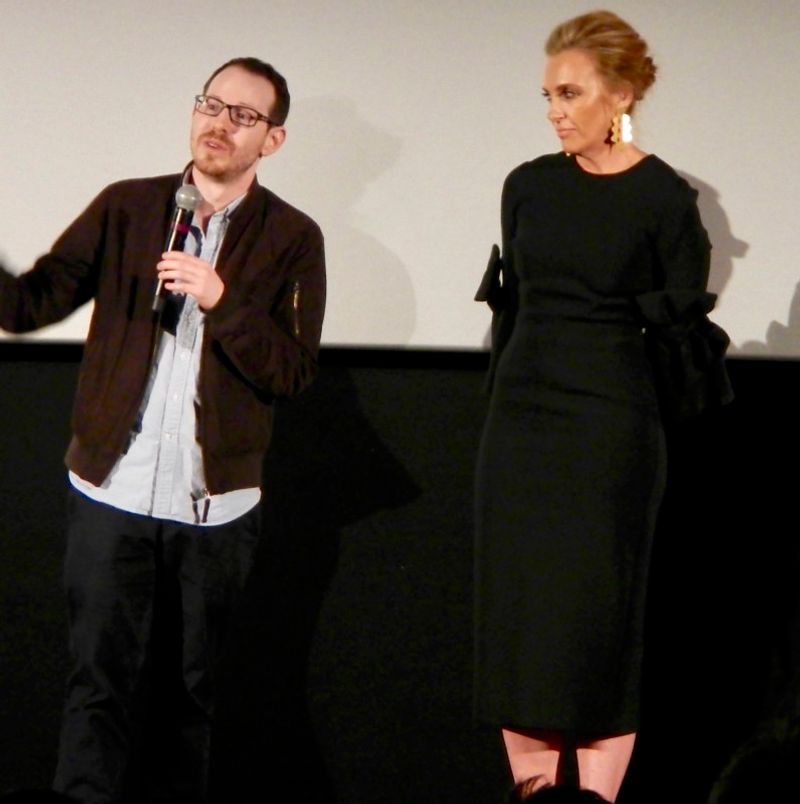
Ari Aster’s debut feature explores how trauma passes through generations like a cursed inheritance. After the family matriarch dies, Annie and her family discover dark secrets that unravel their reality in increasingly disturbing ways.
Toni Collette delivers a performance so intense that many critics called it Oscar-worthy, even though horror rarely gets Academy recognition. Aster masterfully balances family drama with supernatural dread, creating scenes so uncomfortable that audiences squirm in their seats.
Just saying, that dinner table scene alone deserves a warning label for emotional devastation.
5. A Quiet Place

John Krasinski proved he’s not just Jim from The Office by directing and starring in this silent nightmare. Alien creatures hunt by sound, forcing the Abbott family to live in complete silence or face instant death.
The film’s innovative use of silence creates tension so thick you could cut it with a knife—if knives didn’t make noise! Audiences became hyper-aware of every popcorn crunch and whisper in theaters, making the viewing experience uniquely immersive.
This commercial smash demonstrated that sometimes what you don’t hear is far scarier than any scream.
6. Train to Busan
South Korean director Yeon Sang-ho breathed fresh life into zombie cinema by trapping passengers on a speeding train during an outbreak. Selfish businessman Seok-woo and his young daughter must survive alongside diverse passengers, each facing impossible moral choices.
Unlike typical zombie flicks, this film delivers genuine emotional punches alongside intense action sequences. The confined train setting creates claustrophobic tension while exploring themes of sacrifice and redemption.
Western audiences discovered that Korean cinema could deliver both heart-pounding thrills and tear-jerking moments in one unforgettable ride.
7. Midsommar
Ari Aster returned with perhaps the brightest horror film ever made—and that’s what makes it so disturbing. Dani travels to a Swedish midsummer festival with her boyfriend and his friends, expecting folk dancing and flower crowns but finding ancient rituals and unsettling traditions instead.
Shot in blinding daylight with vibrant colors, the film proves darkness isn’t necessary for terror. Florence Pugh delivers a powerhouse performance as a woman processing grief while surrounded by smiling faces hiding sinister intentions.
Who knew sunshine and flower wreaths could feel this ominous?
8. The Lighthouse

Robert Eggers returned with this black-and-white descent into madness, trapping two lighthouse keepers on a remote island. Robert Pattinson and Willem Dafoe deliver unhinged performances as isolation and mysterious forces drive them to the brink of insanity.
Shot in a claustrophobic aspect ratio that makes viewers feel trapped alongside the characters, the film resembles a fever dream more than traditional storytelling. Eggers blends maritime folklore, psychological horror, and stunning cinematography into something utterly unique.
Fair warning: you’ll never look at seagulls or mermaids the same way again.