13 Horror Movie Characters Who Have Become Permanent Cultural Icons
Nightmares often come with a familiar face, especially when horror cinema is involved. Fanged predators and silent masked stalkers have lingered in pop culture for generations.
Costumes, remakes, and endless references keep their legacy alive far beyond the original films. Recognition alone is enough to send a chill down the spine.
Important: This article discusses fictional horror characters and the cultural legacy of classic and modern films using widely known production history and general audience recognition. Image licensing and credits can vary by specific source file and region, so always confirm the original file page and rights details before publication or reuse.
1. Count Dracula (Dracula, 1931)
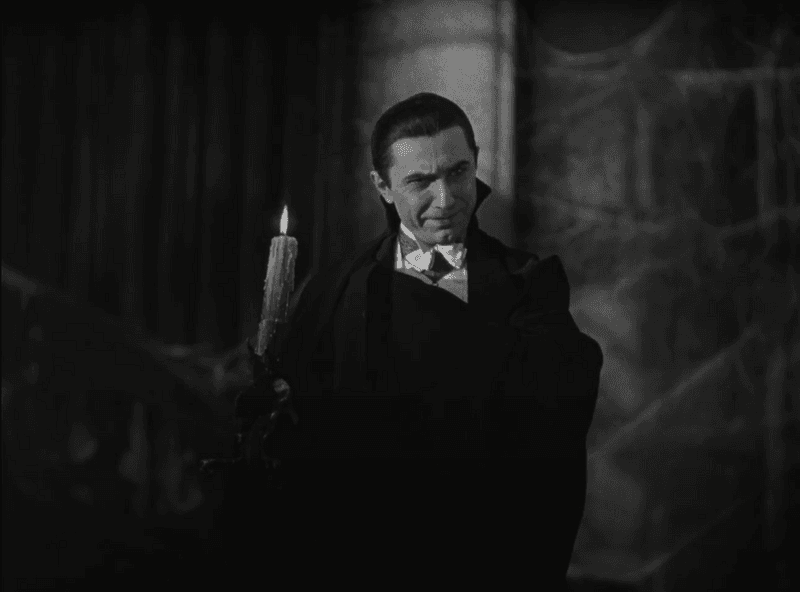
Bela Lugosi brought the vampire king to life with a hypnotic accent and piercing stare that made audiences shiver in their seats.
His slicked-back hair, dramatic cape, and aristocratic charm created the template for every vampire that followed. When you picture a vampire at a Halloween party, you are probably imagining someone dressed exactly like this iconic count.
The character has appeared in countless films, TV shows, and books since then. Dracula remains the gold standard for vampire villains everywhere.
2. Frankenstein’s Monster (Frankenstein, 1931)
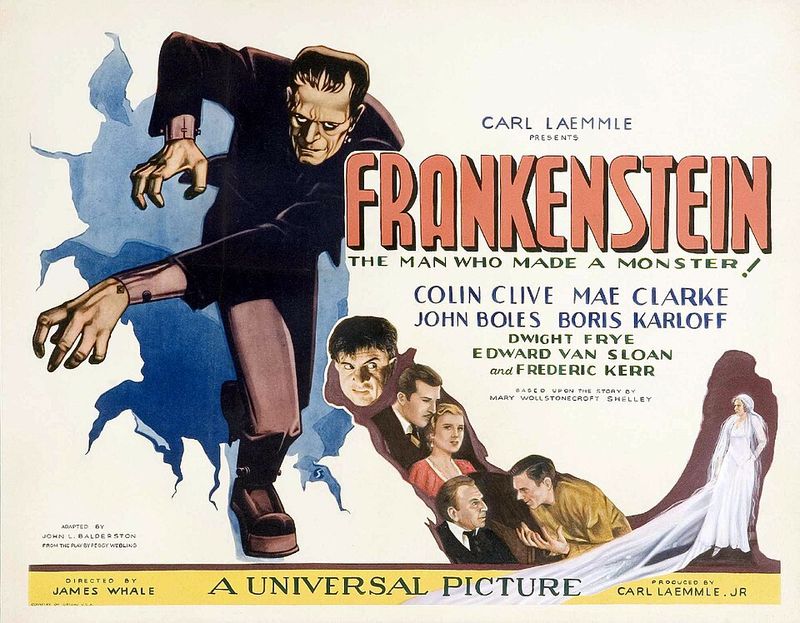
Through layered makeup and quiet physical acting, Boris Karloff turned a stitched-together creature into someone audiences pitied as much as they feared. A flat topped head, neck bolts, and oversized boots quickly became lasting symbols of classic horror.
Unlike many screen monsters, that being never chose to exist and spent the story wrestling with deep loneliness.
A famously time-consuming makeup process helped create a look that reshaped movie history.
Even now, children can spot the Monster’s silhouette instantly without anyone saying a word.
3. The Bride (Bride Of Frankenstein, 1935)
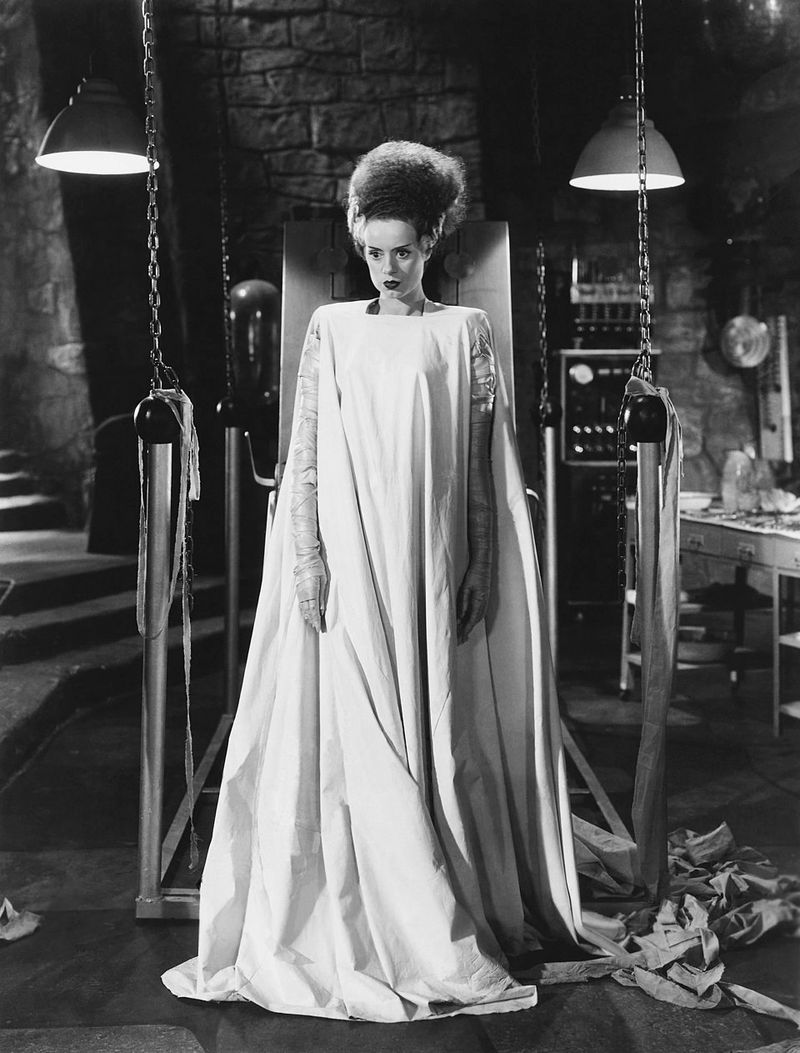
With her lightning-streak hair and bandaged arms, the Bride appeared onscreen for only a few minutes but left an eternal impression.
Elsa Lanchester’s hissing rejection of her intended mate became one of cinema’s most memorable moments. The character’s iconic hairstyle has been recreated countless times at costume parties and in fashion editorials.
She represents both beauty and horror in a single unforgettable package. Her brief appearance proves that screen time does not determine cultural impact.
4. Imhotep (The Mummy, 1932)
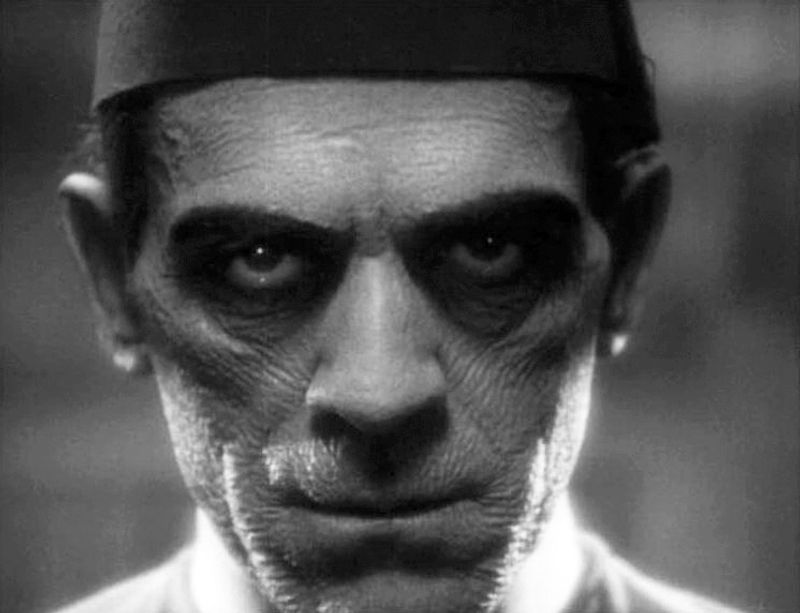
Returning to horror screens, Boris Karloff stepped into the role of an ancient Egyptian priest revived after thousands of years. Appearing either in bandages or in disguise, Imhotep’s goal remained the same: reuniting with a lost love across the centuries.
Along the way, the film helped amplify popular fascination with Egyptian curses and mysterious tombs.
Through slow, deliberate movements, each appearance carried a tense and deeply unsettling presence. In the end, The Mummy showed audiences that ancient history could feel just as terrifying as any modern nightmare.
5. The Wolf Man, Larry Talbot (The Wolf Man, 1941)
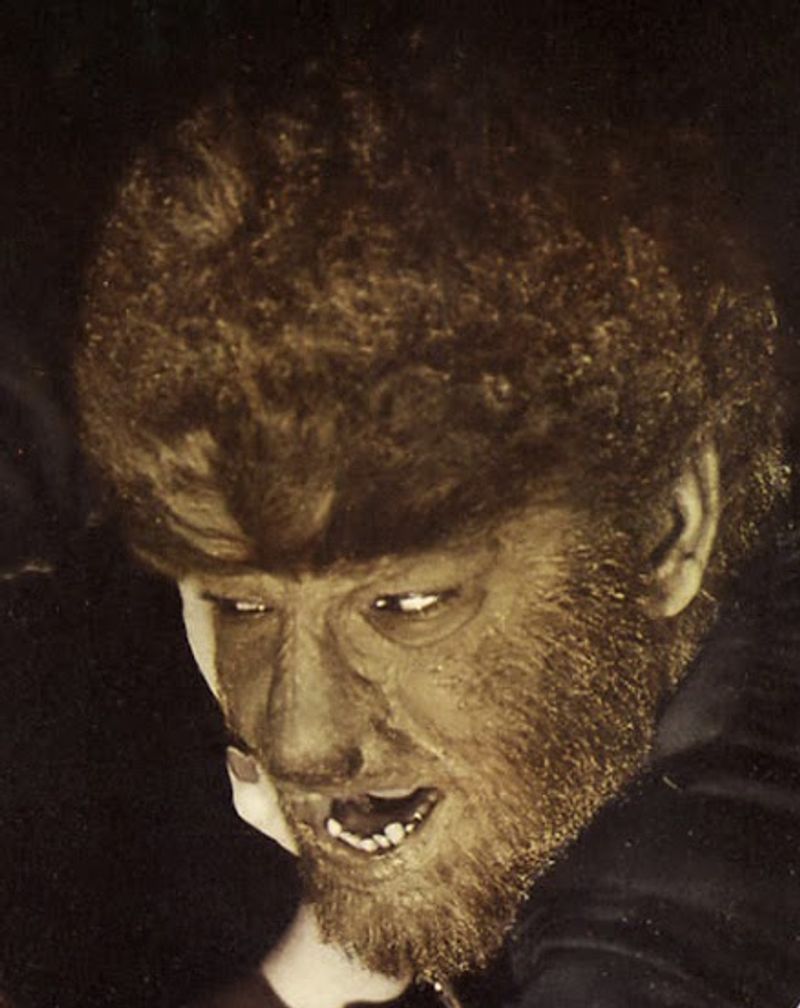
By casting Lon Chaney Jr. as a man doomed to change under every full moon, the story created sympathy for a creature who never wished to harm anyone. Through painfully detailed transformation scenes, horror fans watched fur sprout and fangs extend in ways that felt disturbingly real for the time.
At the center of it all, Larry Talbot’s tragedy suggested the true monster might be a curse no one can control.
Along with that sorrowful arc, a silver topped cane and the mark of a pentagram layered extra mystery into the legend. Because of this portrayal, werewolf mythology secured a permanent and powerful place in horror culture.
6. The Creature, Gill-Man (Creature From The Black Lagoon, 1954)
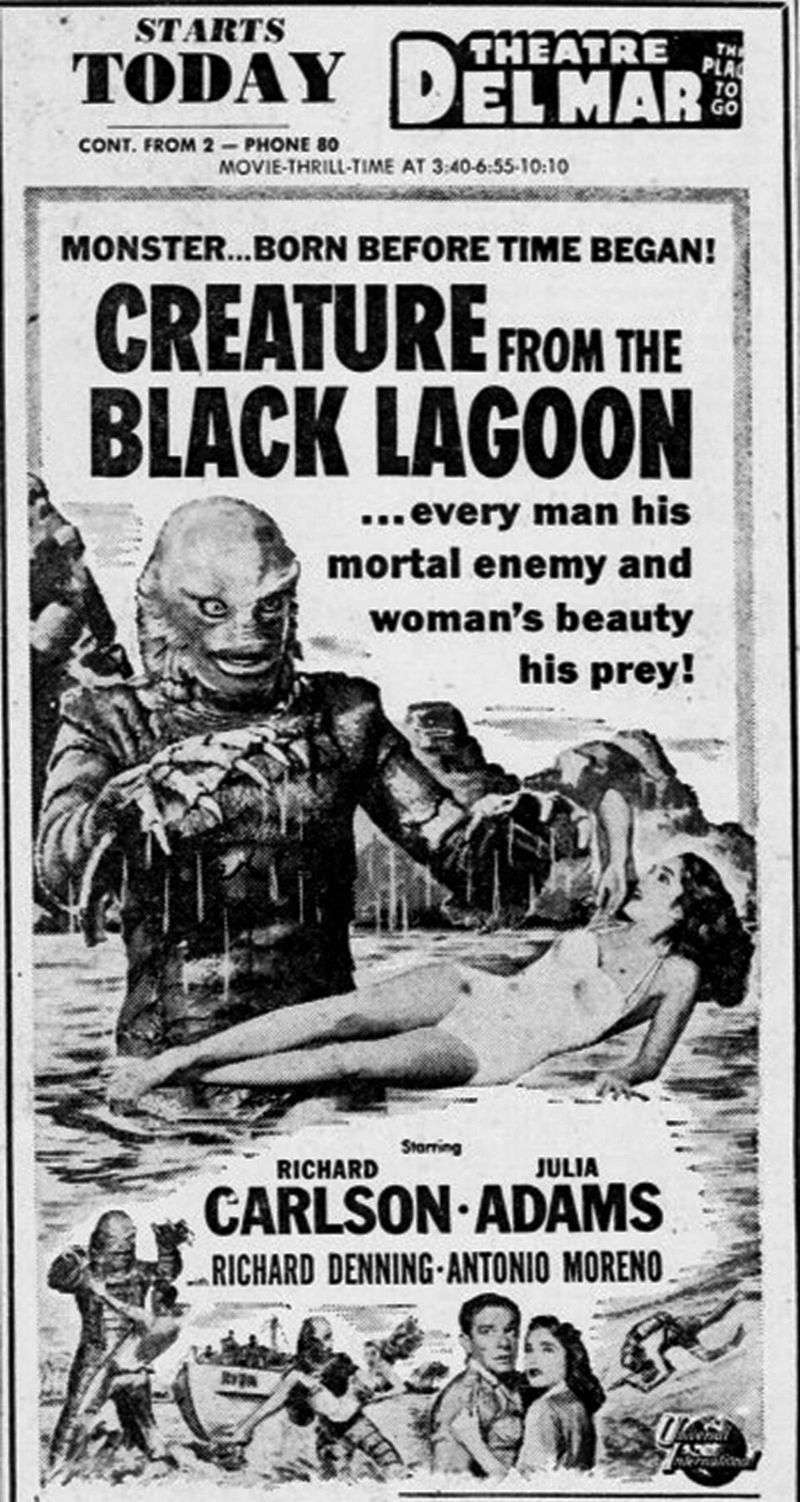
Gliding through murky waters in a rubber suit that looked surprisingly lifelike, the Gill man emerged as the ultimate aquatic nightmare. With scaly skin, webbed claws, and a fish like face, the design introduced an amphibious monster unlike anything audiences had encountered before.
Originally presented in 3D, those underwater sequences made viewers feel as if they were swimming right beside the creature.
Over time, that character inspired countless imitators and still holds a special place in the hearts of classic horror fans.
7. Count Orlok (Nosferatu, 1922)
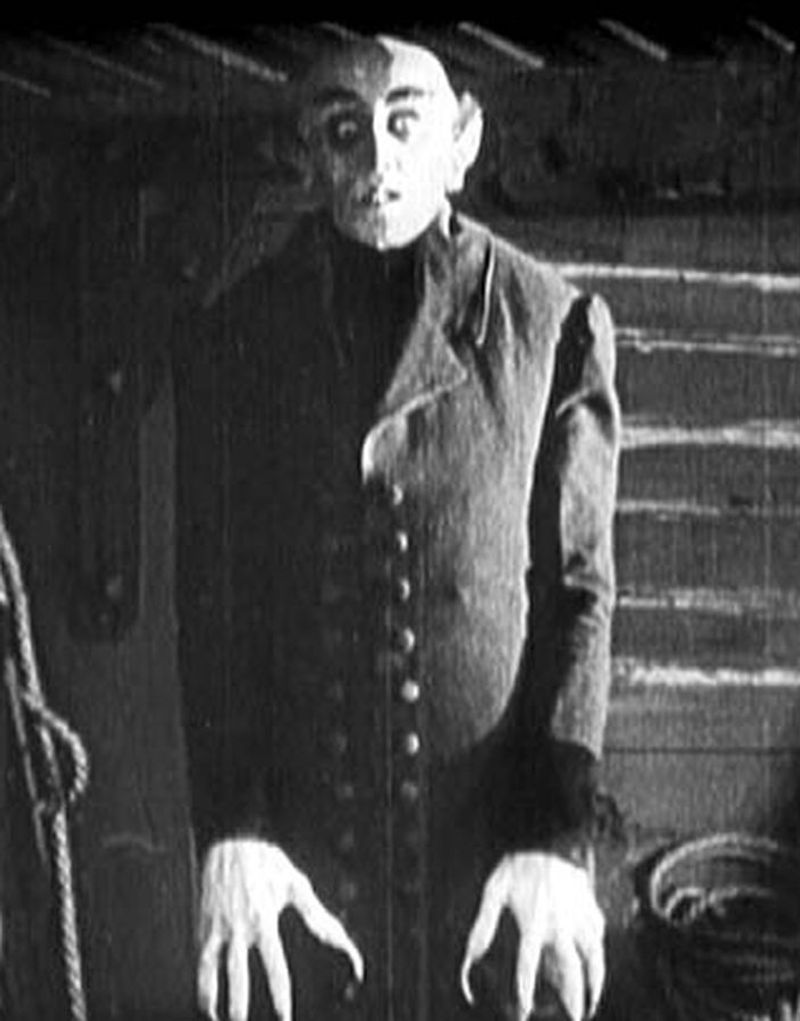
Max Schreck created a vampire so disturbing that rumors spread claiming he was an actual monster rather than an actor. His bald head, pointed ears, and claw-like fingers made him look more like a plague rat than a romantic nobleman.
Count Orlok moved with an eerie stiffness that made every scene feel like watching a nightmare unfold in slow motion.
The shadow he cast on walls became one of the most imitated images in cinema history. Even though the film is over a century old, Orlok still gives people chills.
8. Norman Bates (Psycho, 1960)
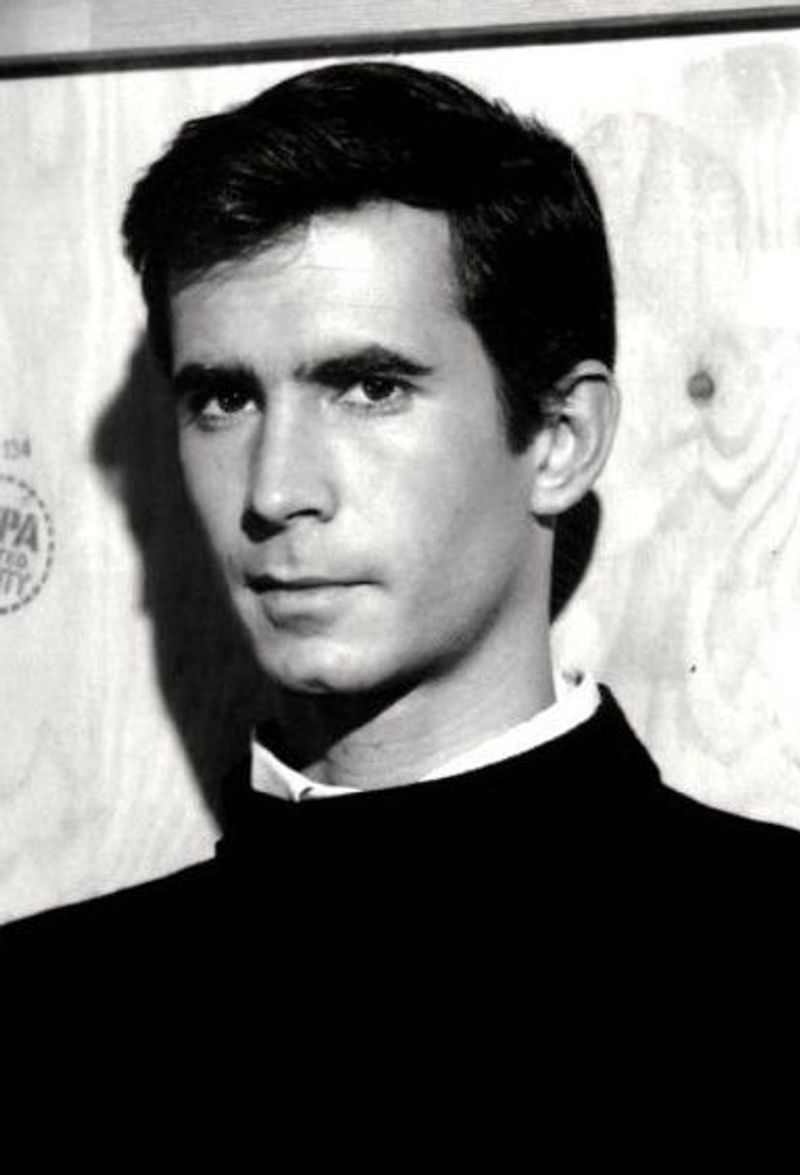
Anthony Perkins played a seemingly polite motel owner who hid a terrifying secret behind his nervous smile.
The infamous shower scene became one of the most shocking moments in film history, changing how audiences viewed suspense forever. Norman’s relationship with his mother created psychological horror that did not rely on monsters or supernatural elements.
His stuttering voice and twitchy mannerisms made him feel disturbingly real and relatable. The character proved that the scariest monsters sometimes look like ordinary people.
9. Michael Myers (Halloween, 1978)
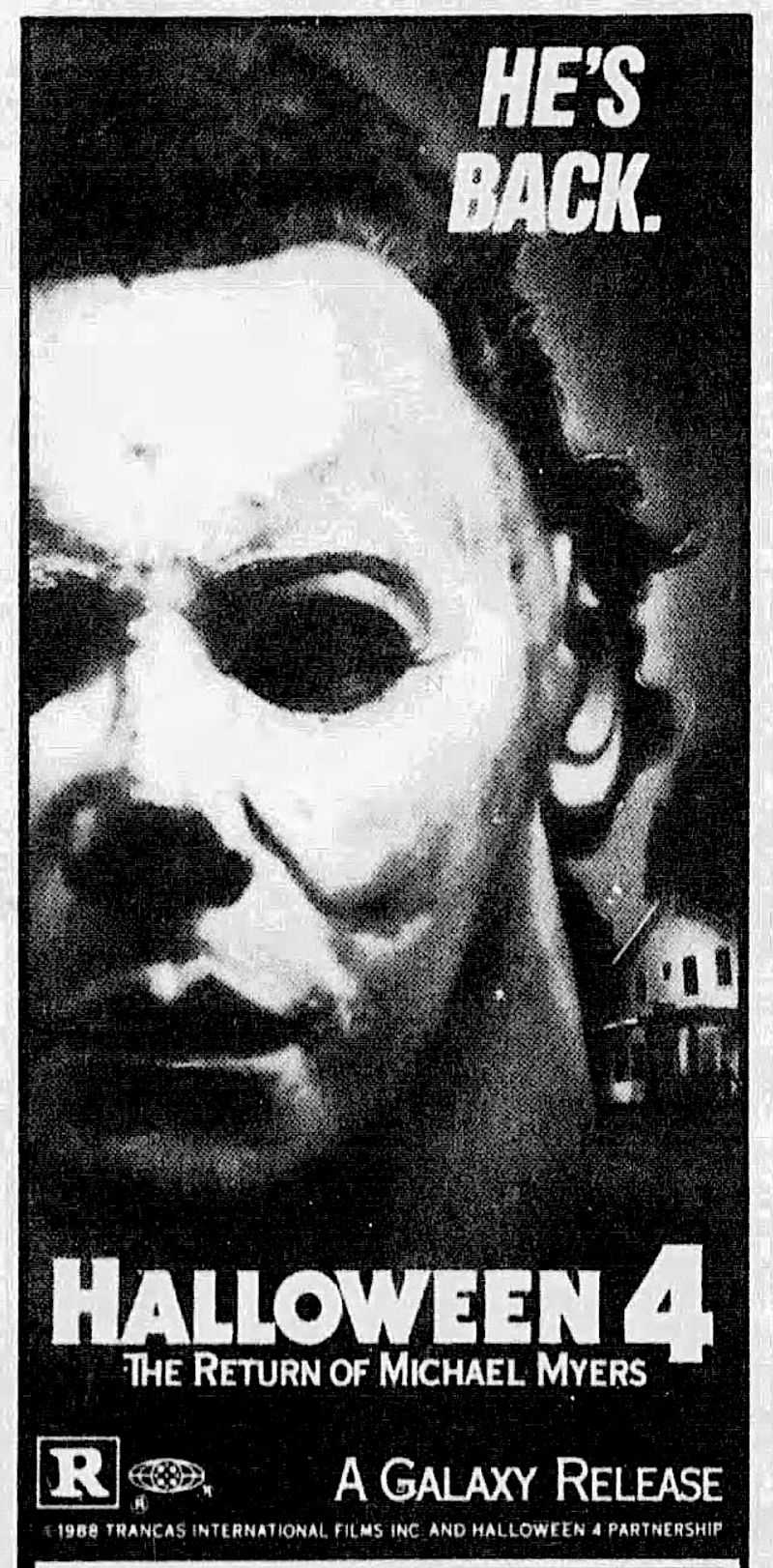
A blank white mask and a kitchen knife turned an escaped killer into a symbol of unstoppable evil.
Michael rarely runs, never speaks, and never explains why he k*lls, making him more terrifying than any monster with a backstory. His heavy breathing and slow, deliberate walk create tension that builds with every step he takes toward his victims.
The character helped popularize the slasher genre and inspired many imitators. That pale mask remains one of the most recognized images in horror.
10. Jason Voorhees (Friday The 13th, 1980)
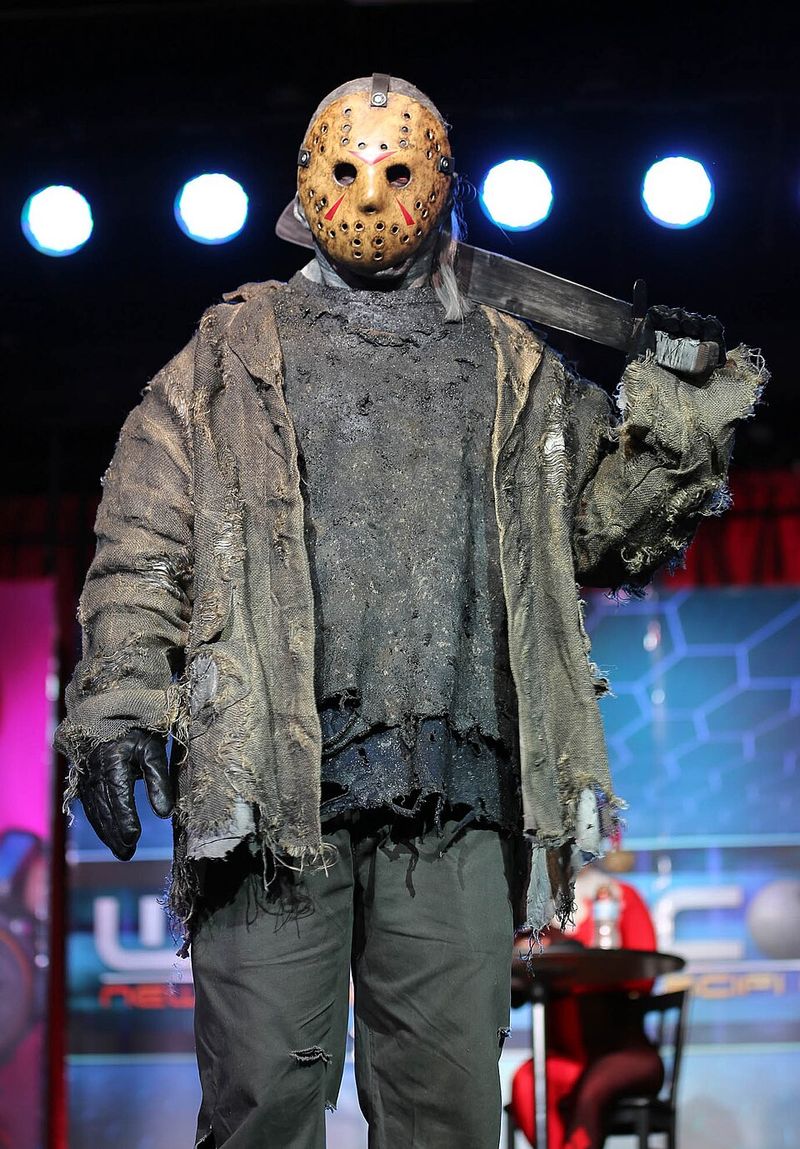
Once a boy said to have drowned at summer camp, Jason later emerged as an unstoppable killer armed with a machete and hidden behind a hockey mask.
Over time, towering size and seemingly superhuman strength made him feel impossible to defeat, no matter how hard victims fought back. Across the film franchise, that figure became inseparable from summer camp terror and the eerie stillness of lakeside settings.
Thanks to a simple, striking costume, recognition came instantly and Halloween imitations followed for generations. Forever after, Camp Crystal Lake stayed linked with his looming, relentless presence.
11. Freddy Krueger (A Nightmare On Elm Street, 1984)
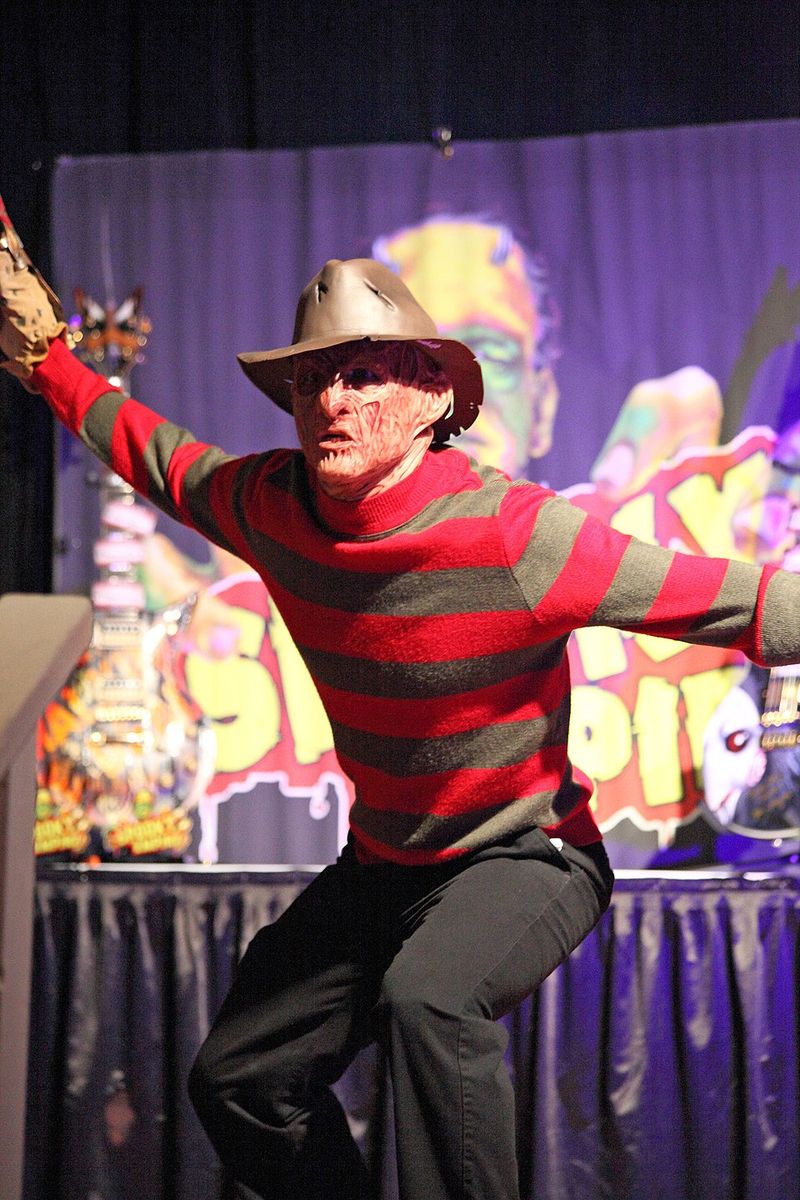
Robert Englund brought to life a burned killer who attacks teenagers in their dreams, making sleep itself dangerous.
Freddy’s razor-fingered glove, striped sweater, and fedora hat created an instantly recognizable silhouette that haunted a generation.
Unlike silent killers, Freddy cracked jokes and taunted his victims with dark humor before striking. The character made audiences afraid to close their eyes at night, wondering if nightmares could become real.
12. Chucky, Charles Lee Ray (Child’s Play, 1988)
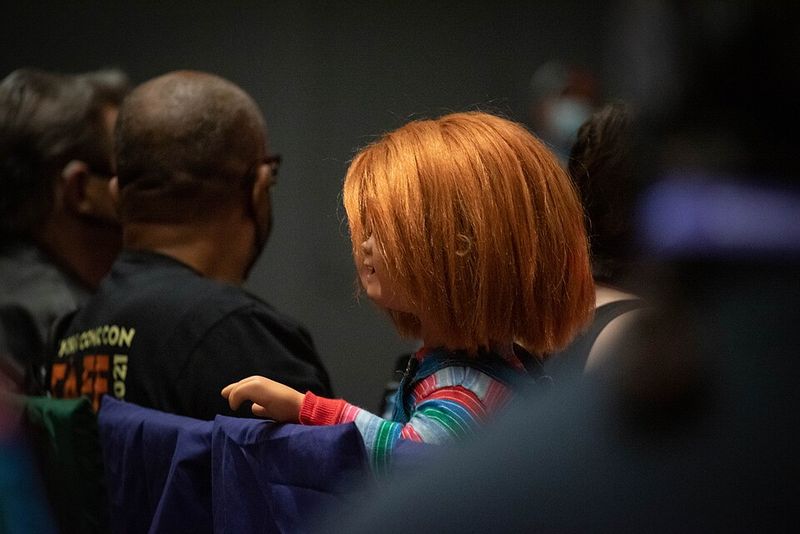
What could be more terrifying than a doll that comes to life?
Chucky combined childhood innocence with graphic violence, creating a villain that made people nervous around toy stores. Brad Dourif’s voice gave the red-haired Good Guy doll a personality filled with rage, dark humor, and surprising cunning.
The contrast between Chucky’s small size and vicious nature made every attack feel shocking and unexpected. The character turned a symbol of childhood comfort into an object of pure dread.
13. Ghostface (Scream, 1996)
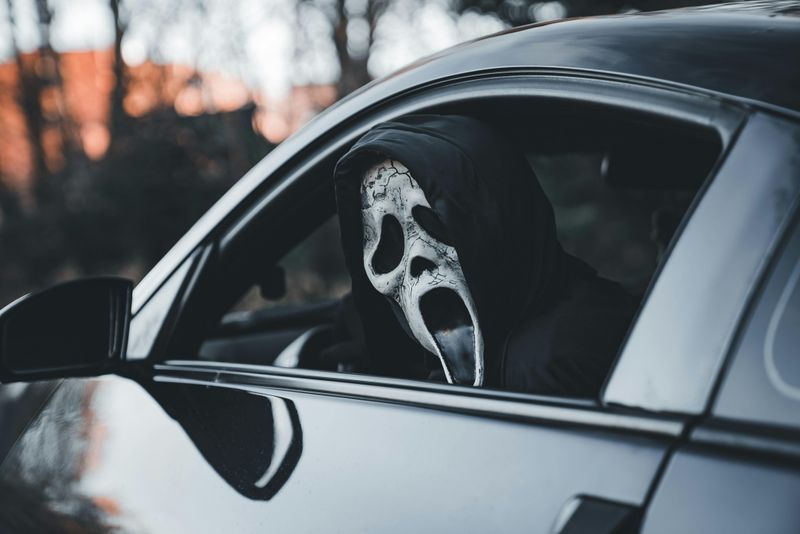
Behind a white mask whose wide-mouthed look echoes Edvard Munch’s The Scream, a rotating lineup of killers took turns stalking the town of Woodsboro. Through taunting phone calls, movie trivia, and sly commentary on slasher rules, Ghostface dragged horror into a more modern, self aware era.
Flowing black robes paired with a simple hunting knife formed a disguise almost anyone could wear, which kept the killer’s identity in constant question.
By blending fresh energy with clear nods to earlier classics, the character helped revive the genre for a new generation.