15 Horror Movie Losses That Left A Lasting Mark
Horror rarely hits hardest through the scary creatures alone. Very often, the moment that truly stays with people is the loss that changes everything around it.
Fear can jolt, but grief has a different weight, one that lingers long after the shock has passed and leaves the story feeling heavier in all the right ways. The best horror films understand that.
They know how to turn absence into atmosphere and heartbreak into something almost impossible to shake.
A single goodbye or a fate that lands with brutal finality can leave a deeper mark than any jump scare ever could.
Disclaimer: This article is intended for general informational and entertainment purposes only. Discussion of fictional losses, and emotionally intense horror scenes reflects editorial interpretation, and individual responses to this material may vary.
1. Father Karras — The Exorcist
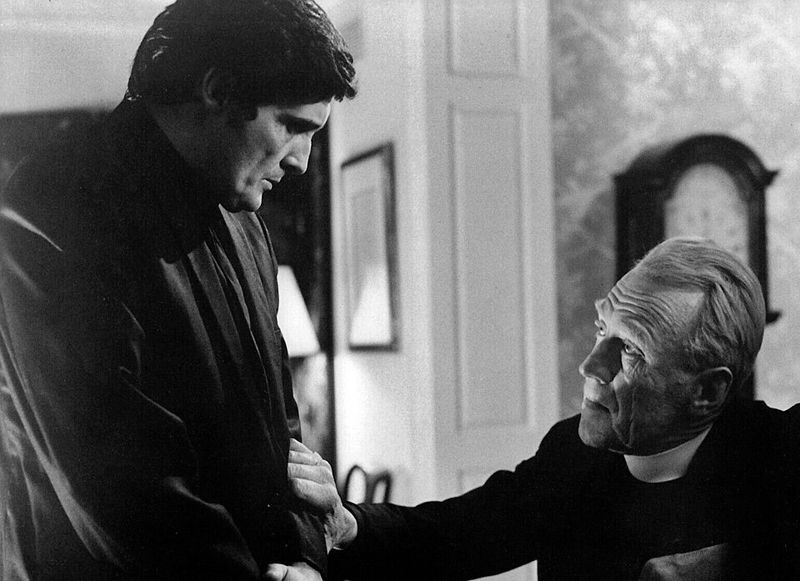
Sacrificing yourself to save a child from demonic possession is the definition of heroic, even in a horror film.
Father Karras in The Exorcist (1973) made that impossible choice, and the moment he threw himself out that window became one of cinema’s most emotionally complex exits.
Jason Miller brought so much humanity to the role that audiences genuinely mourned him.
What made it land so hard was the internal struggle Karras faced throughout the entire film. His faith was already crumbling before Regan even showed up.
His final act was both a sacrifice and a kind of redemption all at once.
2. Georgie Denbrough — It

A little kid in a yellow raincoat, a paper boat, and a sewer drain.
That combination has haunted people since Stephen King first put it on the page, and both film versions made sure to burn it into your memory permanently.
Georgie’s passing in It sets the entire story in motion, which makes it one of horror’s most purposeful losses.
Young Jackson Robert Scott played Georgie with such sweet innocence in the 2017 version that the scene felt genuinely devastating.
Losing Georgie is what turns Bill Denbrough’s grief into a mission. Without that loss, the Losers Club never forms and Pennywise never gets challenged.
3. Carrie White — Carrie

Carrie White was never really the villain of Carrie (1976).
She was a bullied, isolated teenager who just wanted one normal night, and the cruelty she faced made her destruction feel both horrifying and heartbreaking at the same time.
Stephen King wrote her with so much sadness that readers and viewers never fully recover from her story.
Spacek’s performance turned Carrie into a tragic figure rather than a creature. By the time the prom scene explodes, you feel the weight of every insult she ever endured.
Her loss, and her rage, reflect something uncomfortably real about how cruelty destroys people.
4. Helen Lyle — Candyman
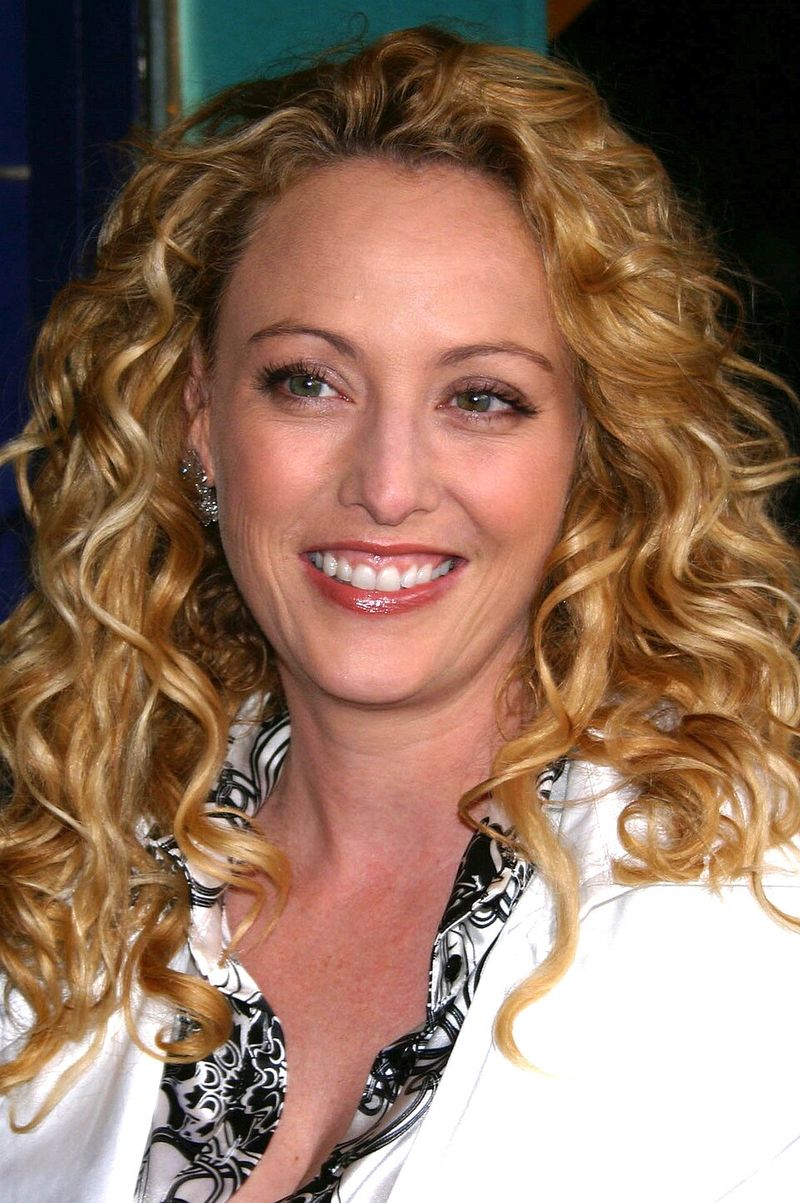
Entering Cabrini-Green to write a thesis, Helen Lyle ended up becoming a legend herself.
Her passing in Candyman (1992) was a mythological transformation that flipped the entire film’s meaning on its head.
Virginia Madsen gave Helen a fierce intelligence that made her journey compelling from the very first scene.
Director Bernard Rose crafted something rare: a horror film where the lead’s passing feels almost inevitable yet still shocks you.
Helen’s final moments, surrounded by fire and community, turned her into the very kind of urban myth she had been studying.
5. Nancy Thompson — A Nightmare on Elm Street 3

The original Freddy fighter, Nancy Thompson refused to be a victim back in 1984.
So when she returned in A Nightmare on Elm Street 3: Dream Warriors (1987) to help a new generation of dreamers, fans were thrilled to have her back.
Losing her in that same film felt like a betrayal of the highest order. Heather Langenkamp poured real emotion into Nancy’s final moments, and it showed.
Her passing gave the Dream Warriors something to fight for, but it also closed the door on horror’s most determined survivor.
6. Randy Meeks — Scream 2
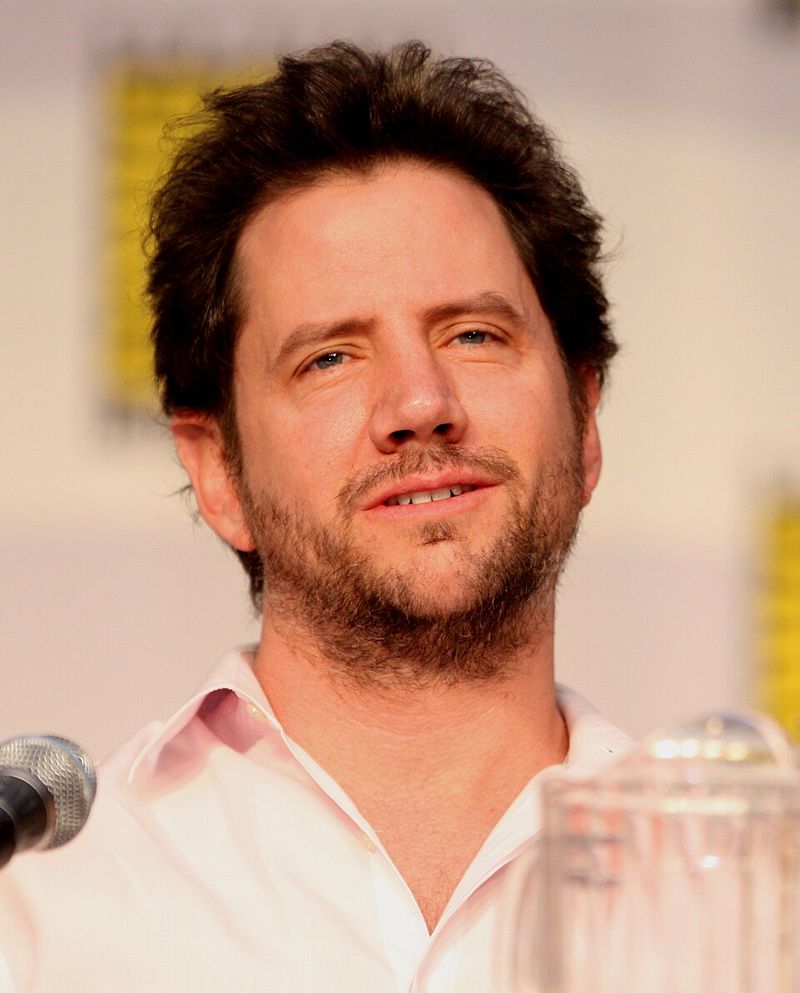
Randy Meeks was the beating heart of the Scream franchise. He was the film nerd who knew all the rules, the guy who made meta-horror feel fun and smart.
When Scream 2 (1997) wrote him out during that shocking daytime scene in a news van, it felt like losing a best friend mid-conversation.
Jamie Kennedy played Randy with such lovable energy that the loss hit harder than expected.
His passing showed that knowing the rules of horror does not protect you from them, which was the cruelest joke of all. Randy’s absence echoed through every sequel that followed.
7. Razor Charlie — From Dusk Till Dawn
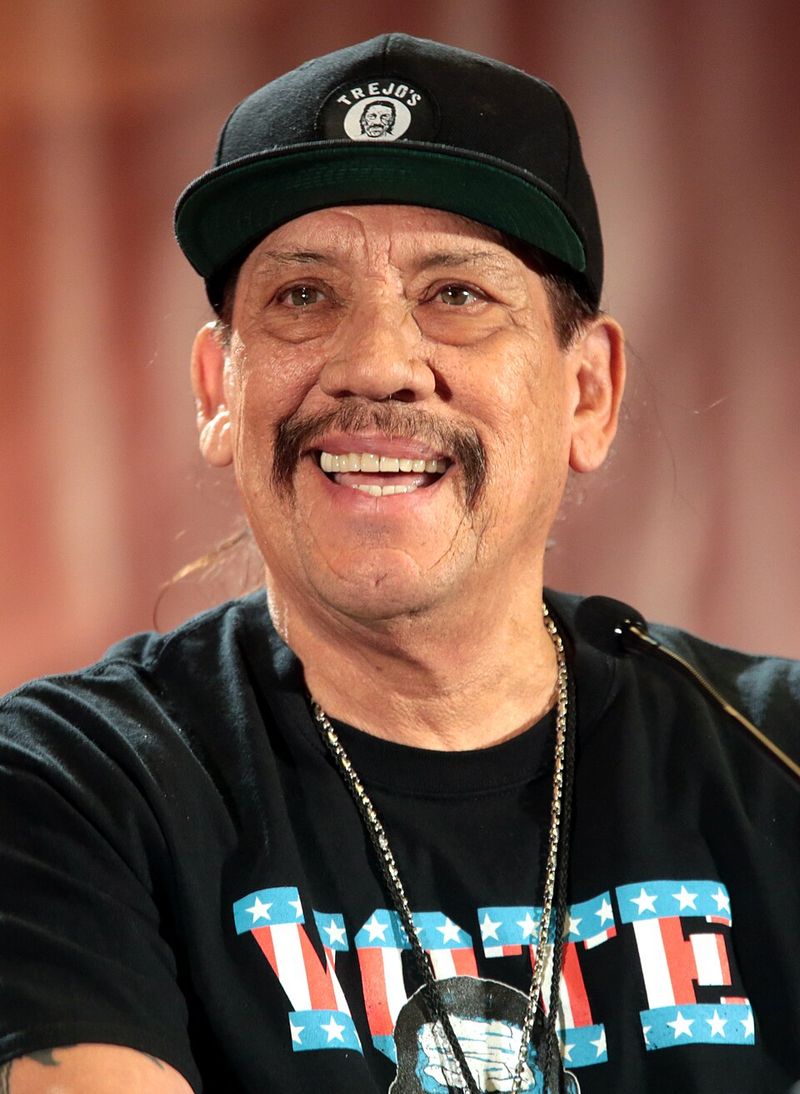
Playing a character named Razor Charlie in From Dusk Till Dawn (1996), Danny Trejo delivered the kind of casting that feels cosmically correct.
He barely needed to speak because his screen presence did all the work. When the vampire chaos erupts inside the bar, Razor Charlie goes down swinging like only Danny Trejo can.
Robert Rodriguez knew exactly what he was doing putting Trejo in that role. Even in a film packed with wild performances, Charlie stood out as someone you genuinely did not want to mess with.
His exit was loud, bloody, and completely on brand.
8. Jenny Greengrass — 28 Weeks Later
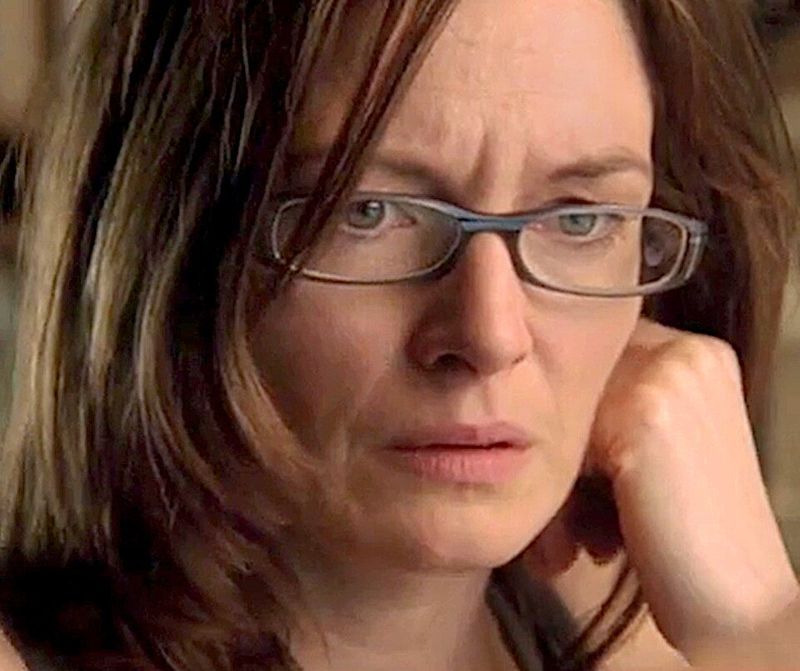
The opening sequence of 28 Weeks Later (2007) is one of the most emotionally brutal ways any horror film has ever started.
Robert Carlyle’s character abandons his wife Jenny to survive a rage-infected attack, and the guilt from that choice drives the entire film forward.
Played briefly but powerfully by Catherine McCormack, Jenny’s loss was the original wound.
The way the film revisits her story later redefines everything you thought you knew about survival, guilt, and what people are truly capable of under extreme pressure.
9. Reverend Kane’s Victims — Poltergeist II
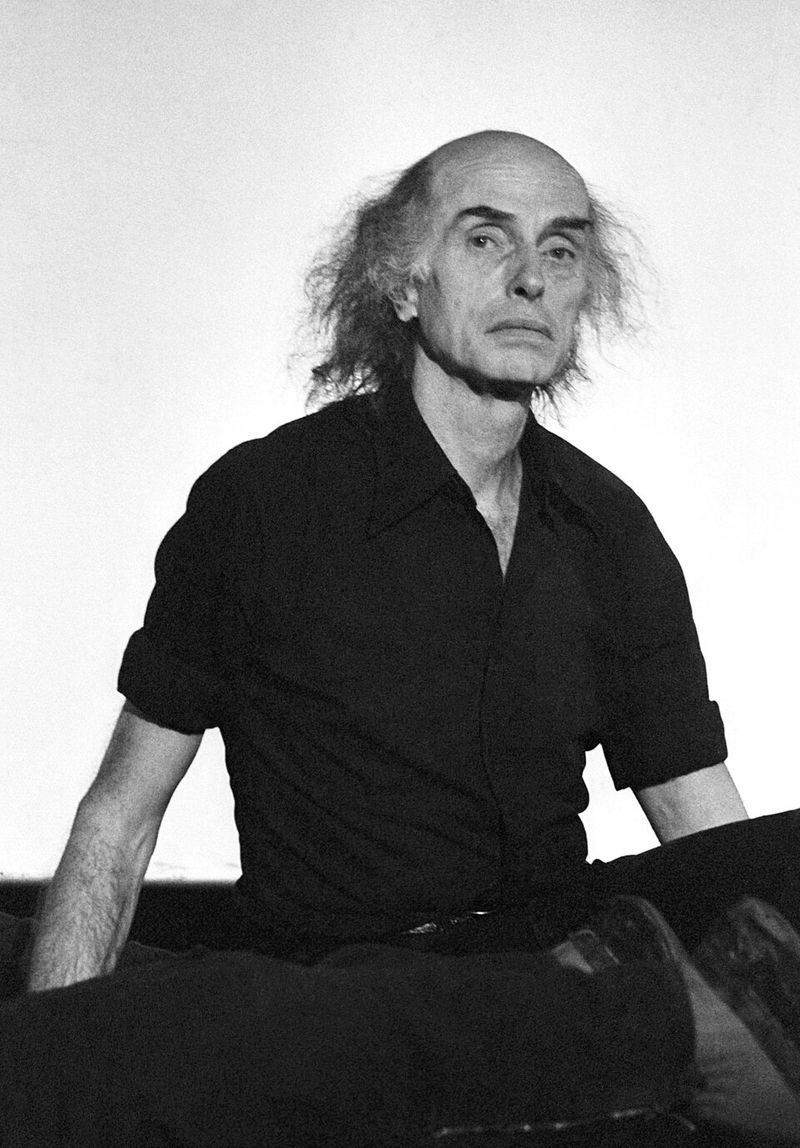
Reverend Henry Kane led his followers underground in the 1800s, promising them salvation while sealing their fate permanently.
The backstory revealed in Poltergeist II: The Other Side (1986) gave the haunting of the Freeling family a genuinely tragic origin.
Julian Beck played Kane with a skeletal intensity that was impossible to look away from.
His followers were victims before they were ghosts, which added layers of sadness to the supernatural chaos.
Beck himself was battling cancer during filming, which gave his performance an eerie, real-world weight.
10. Laura Palmer — Twin Peaks: Fire Walk with Me
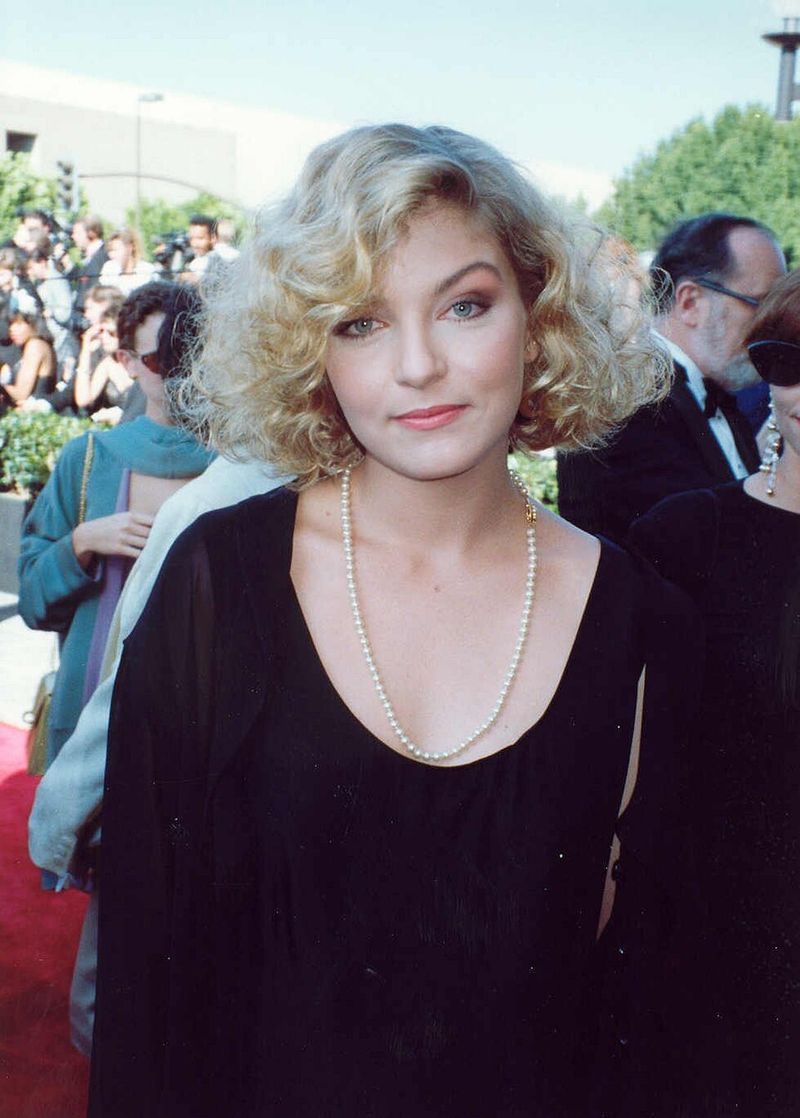
Everyone already knew Laura Palmer was gone before Twin Peaks: Fire Walk with Me (1992) even began.
David Lynch’s prequel showed audiences exactly how she got there, and the result was one of the most emotionally devastating experiences in horror-adjacent cinema.
Sheryl Lee turned Laura into a fully realized human being rather than just a mystery to be solved.
Watching Laura’s final days was not fun. It was raw, uncomfortable, and profoundly sad.
Lynch forced viewers to sit with her suffering rather than observe it from a safe distance.
11. Grace’s In-Laws — Ready or Not
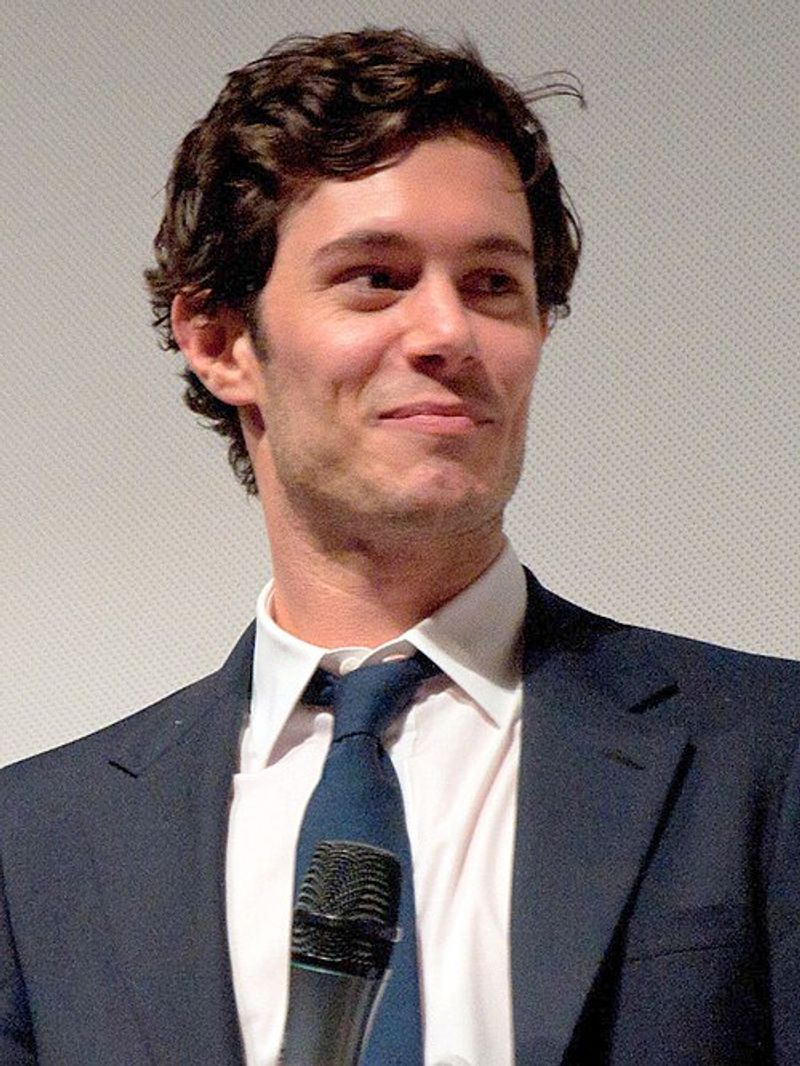
Ready or Not (2019) spent its entire runtime making Grace’s new in-laws look absolutely terrifying.
So when the Le Domas family meets its explosive finale at dawn, there is a strange cocktail of horror and dark comedy that somehow makes the whole thing both shocking and hilarious.
Samara Weaving’s reaction to the carnage is the cherry on top of a very weird cake.
The family’s fates were the result of a Faustian bargain generations in the making. They chose wealth over morality and paid for it spectacularly. Losing them all at once felt like a twisted karmic punchline.
12. Seth Brundle — The Fly
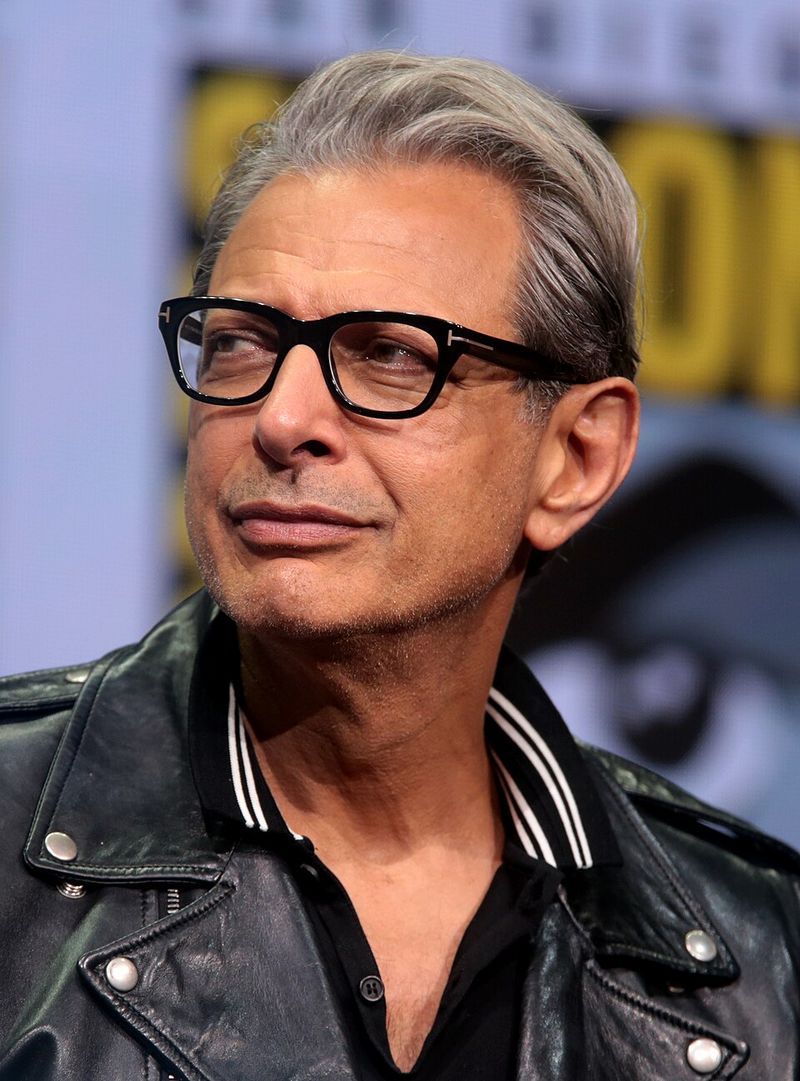
Few horror movie endings are as quietly devastating as Seth Brundle’s in The Fly (1986). Jeff Goldblum plays a brilliant scientist who accidentally merges his DNA with a housefly during a teleportation experiment, and what follows is a slow, painful unraveling of his humanity.
Watching someone you rooted for lose themselves — not to a monster, but to biology — is uniquely cruel. His final moments, where he begs to be put out of his misery, are more tragedy than horror.
The Fly works because it makes you grieve a man who is technically still alive but already gone.
13. Hallorann — The Shining
Hallorann drove through a blizzard to save a child. He answered a psychic distress call, risked everything, and made it all the way to the Overlook Hotel – only to be immediately axed the second he walked through the door.
Hallorann in The Shining (1980) was warm, kind, and one of the few genuinely good people in the entire film.
Losing him so suddenly, after building so much hope around his arrival, was a gut punch Stanley Kubrick delivered with zero warning.
14. Tatum Riley — Scream

Funny, fearless, and exactly the kind of best friend every horror movie needs, Tatum Riley made a lasting impression.
She went to grab some drinks from the garage during a party, cracked jokes at the killer’s mask, and genuinely seemed like she might actually make it. She did not.
Her passing in Scream (1996) was cruel in the most deliberate way – she underestimated the threat, and the film punished her confidence for it.
Losing Tatum shifted the tone of the entire movie, reminding viewers that nobody had plot armor.
15. Kane — Alien
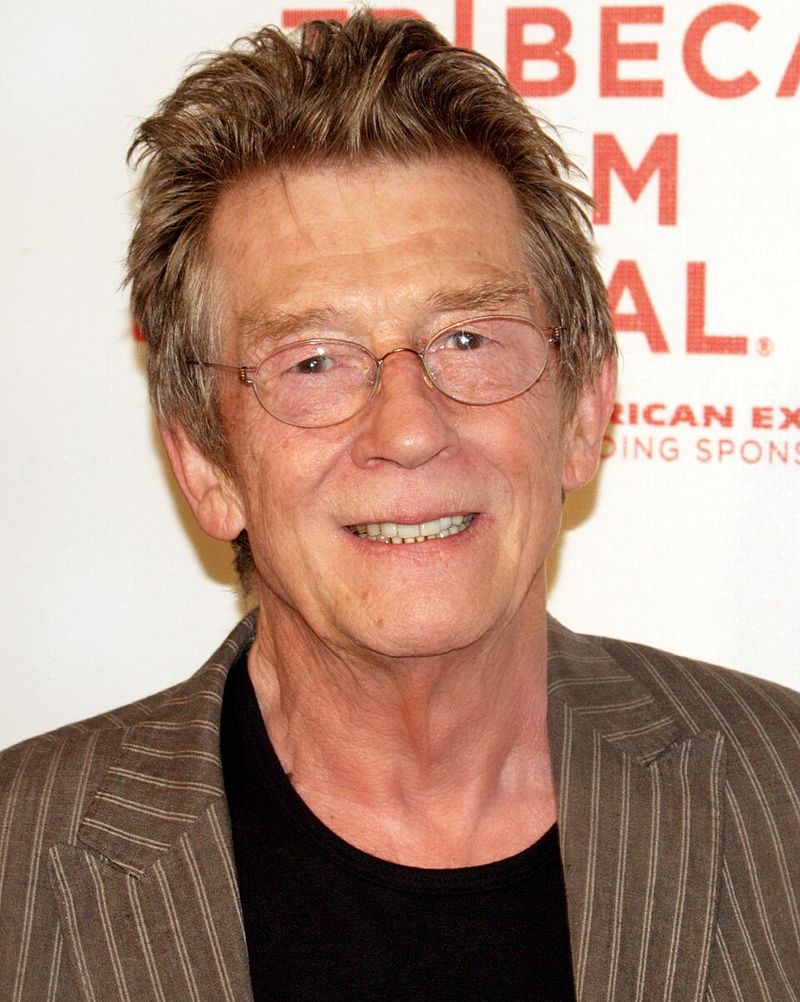
Nobody at the dinner table saw it coming – and that was exactly the point.
Kane’s fate in Alien (1979) introduced the world to one of horror’s most unforgettable exit strategies, courtesy of a chest-bursting xenomorph that had been quietly growing inside him the whole time.
What makes it linger isn’t just the shock of the scene itself, but the helplessness of everyone around him.
His crewmates could do nothing. Kane seemed fine, then he wasn’t, and then he was gone in one of cinema’s most viscerally horrifying moments.